Double Eyelid Surgery in Korea Complete Guide
Your comprehensive guide to double eyelid surgery in Korea, covering procedures, costs, recovery, and finding the best clinics for international patients.
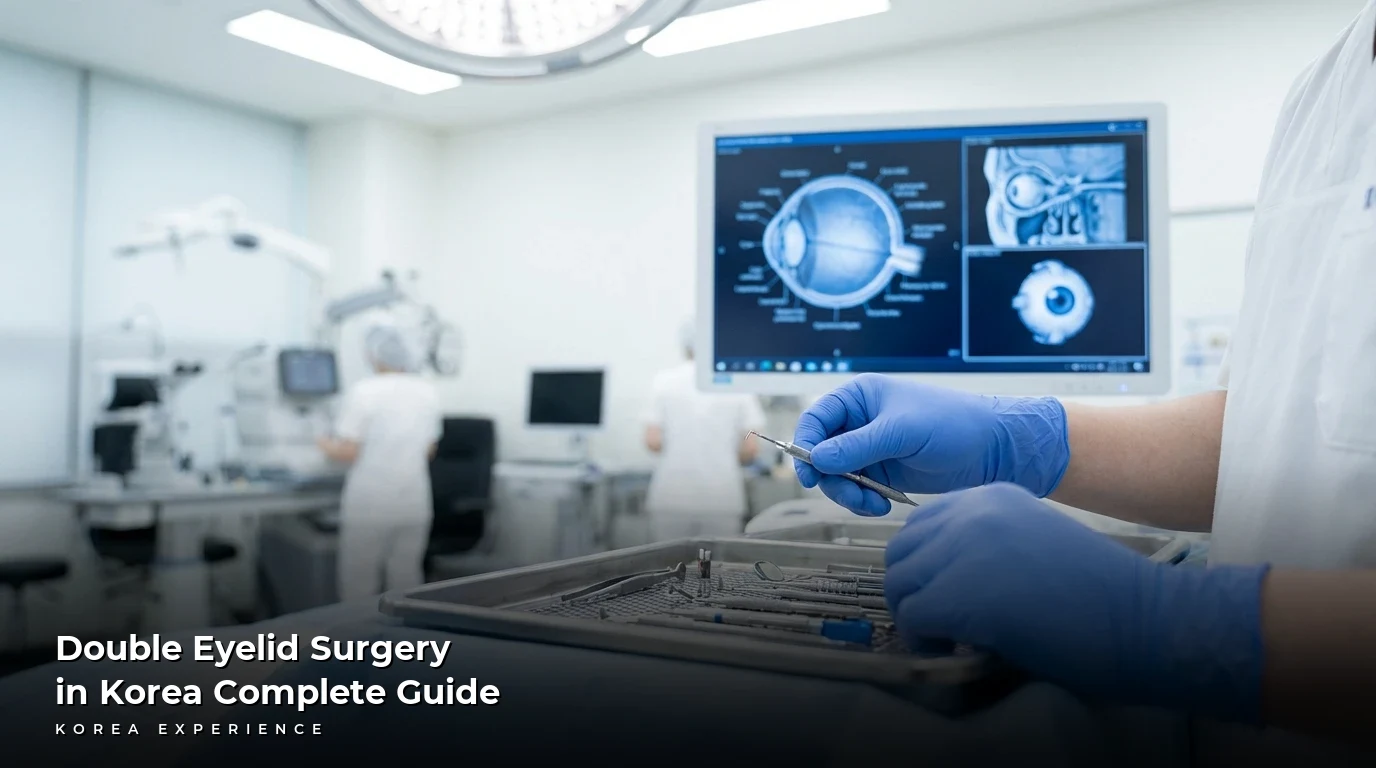
Double Eyelid Surgery in Korea: Your Complete Guide
Korea has long been renowned as a global hub for beauty and aesthetic procedures, attracting countless individuals from around the world seeking world-class results. At the heart of this reputation lies its advanced plastic surgery industry, with double eyelid surgery in Korea standing out as one of the most sought-after procedures. Often viewed as a gateway to achieving a more open, expressive, and aesthetically pleasing eye shape, this procedure has evolved significantly, offering nuanced and natural-looking outcomes tailored to individual desires.
For international travelers and expats, navigating the vast landscape of Korean plastic surgery clinics can be both exciting and daunting. From understanding the different surgical methods to estimating costs, ensuring safety, and planning for recovery, there's a wealth of information to absorb. This comprehensive guide aims to demystify the process, providing you with all the essential knowledge needed to make informed decisions about pursuing double eyelid surgery in Korea. By the end of this article, you will have a clear roadmap, practical tips, and insider insights to help you embark on your aesthetic journey with confidence.
Why Choose Korea for Double Eyelid Surgery?
Korea's status as a leader in aesthetic medicine is no accident. Several factors contribute to its unparalleled appeal for those considering cosmetic enhancements, especially double eyelid surgery in Korea.
Unparalleled Expertise and Technology
Korean plastic surgeons are celebrated globally for their meticulous skill, extensive training, and innovative techniques. They undergo rigorous education and specialization, often focusing on particular areas like facial contouring or eyelid surgery. Clinics are equipped with state-of-the-art technology, from advanced diagnostic tools to cutting-edge surgical equipment, ensuring precision and safety in every procedure. This technological prowess, combined with a deep understanding of facial aesthetics, allows surgeons to achieve highly refined and natural results that are difficult to replicate elsewhere.
Safety Standards and Post-Operative Care
Patient safety is a paramount concern in Korean medical facilities. Clinics adhere to strict hygiene protocols and international safety standards. Furthermore, the commitment to excellent post-operative care is a hallmark of Korean medical tourism. Many clinics offer comprehensive aftercare packages, including regular check-ups, specialized swelling reduction treatments, and dedicated coordination services for international patients. This holistic approach ensures a smoother recovery and optimal healing.
Aesthetic Sensibility and Natural Results
A key reason for Korea's popularity is its distinctive aesthetic sensibility. Korean surgeons are renowned for their ability to create natural-looking results that enhance an individual's existing features rather than drastically altering them. For double eyelid surgery, this often means crafting a subtle, harmonious crease that complements the patient's overall facial structure and ethnicity, avoiding an "overdone" appearance. They prioritize balance and symmetry, delivering outcomes that look refreshed and youthful.
Competitive Pricing and Value
While considered a premium service, the cost of double eyelid surgery in Korea often offers exceptional value compared to Western countries. Patients gain access to world-class surgeons, advanced technology, and superior aftercare at prices that are frequently more competitive. This combination of high quality and reasonable cost makes Korea an attractive destination for medical tourists seeking cosmetic procedures.
Understanding Double Eyelid Surgery (Blepharoplasty)
Before embarking on your journey, it's crucial to understand what double eyelid surgery entails and the different techniques available. This procedure, medically known as blepharoplasty, aims to create or enhance a crease in the upper eyelid, resulting in eyes that appear larger, brighter, and more defined.
What is Double Eyelid Surgery?
Double eyelid surgery specifically addresses monolids – eyelids without a visible crease – or enhances existing, less defined creases. The goal is to create a fold of skin above the lash line, mimicking the natural double eyelid structure. Beyond aesthetics, it can also improve peripheral vision in cases where excess skin obstructs sight. The procedure typically involves meticulously sculpting the skin, muscle, and sometimes fat in the upper eyelid region.
Common Types of Double Eyelid Procedures
Korean plastic surgeons offer a range of techniques, each suited to different eyelid structures and desired outcomes. The choice of method largely depends on the patient's individual eye shape, skin elasticity, amount of fat, and desired crease type.
Non-Incisional Method (Buried Suture Method or Stitch Method)
- Description: This minimally invasive technique involves creating tiny punctures on the eyelid through which sutures are passed to create adhesion between the skin and the underlying muscle, forming a natural-looking crease. No incisions are made.
- Ideal Candidates: Individuals with thin eyelids, minimal excess skin, and no significant fat deposits. It's often recommended for those seeking a subtle, natural crease with minimal downtime.
- Advantages: Shorter recovery time, less bruising and swelling, no visible scarring, and reversibility (though not commonly recommended).
- Disadvantages: The crease may loosen or disappear over time in some cases, especially if eyelids are thick or fatty.
Partial Incisional Method
- Description: This technique involves making a small, partial incision (typically 3-5mm) in the eyelid. Through this small opening, excess fat can be removed, and sutures are used to create the double eyelid crease.
- Ideal Candidates: Patients with slightly thicker eyelids, mild excess skin, and moderate fat deposits who desire a more defined and permanent crease than the non-incisional method can offer.
- Advantages: More permanent results than the non-incisional method, allows for targeted fat removal, less invasive than full incision.
- Disadvantages: Slightly longer recovery than non-incisional, minimal scarring (usually hidden in the crease).
Full Incisional Method (Cut Method)
- Description: This is the most comprehensive technique, involving a continuous incision along the planned double eyelid crease. It allows the surgeon to remove excess skin, muscle, and fat, and precisely sculpt the eyelid for a permanent and well-defined crease.
- Ideal Candidates: Individuals with thick eyelids, significant excess skin, prominent fat deposits, or those requiring revisional surgery. It's also chosen by those desiring a very strong, permanent crease.
- Advantages: Highly customizable results, permanent crease, addresses significant skin laxity and fat, suitable for almost all eyelid types.
- Disadvantages: Longer recovery time, more swelling and bruising initially, a fine linear scar is present but typically hidden within the new crease.
Ideal Candidates for Double Eyelid Surgery
While many people are interested in double eyelid surgery, certain characteristics make someone an ideal candidate:
- Good General Health: Patients should be in good physical and mental health, without serious medical conditions that could complicate surgery or recovery.
- Realistic Expectations: Understanding the possibilities and limitations of the surgery is crucial for patient satisfaction.
- Stable Vision: No major ongoing eye conditions.
- Specific Eyelid Concerns: Individuals with monolids, asymmetrical eyelids, or those with saggy skin obstructing vision.
- Non-Smokers: Smoking can impair healing.
The Journey: From Consultation to Recovery in Korea
Embarking on your double eyelid surgery journey in Korea involves several key stages, from initial research to full recovery. Understanding this process will help you plan effectively.
Pre-Trip Planning and Clinic Selection
The foundation of a successful medical tourism experience begins long before you set foot in Korea.
Researching Clinics
Begin by researching reputable clinics known for double eyelid surgery in Korea. Key areas like Gangnam, Apgujeong, and Sinsa-dong in Seoul are famous for their concentration of high-quality plastic surgery clinics. Look for clinics with specialized eye surgeons, positive international patient reviews, and transparent communication. Websites like Global Seoul Hospital or specific medical tourism platforms can be good starting points.
Initial Online Consultations
Many Korean clinics offer online consultations via video call or email. This is an excellent opportunity to:
- Share photos of your eyes and discuss your aesthetic goals.
- Get a preliminary assessment and recommended procedure type.
- Inquire about estimated costs and package inclusions.
- Gauge the clinic's communication style and English proficiency.
Visa and Accommodation Tips
For many nationalities, a visa may be required to enter Korea. Check the latest requirements well in advance. Consider staying in areas close to your chosen clinic for convenience during post-operative visits. Neighborhoods like Gangnam or Sinsa-dong offer a wide range of hotels, serviced apartments, and guesthouses. For more detailed advice, you might want to read our guide on "Planning Your Medical Trip to Korea: Visas, Accommodation, and Logistics" (internal linking opportunity).
The In-Person Consultation Experience
Once you arrive in Korea, your first step will be a detailed in-person consultation at your chosen clinic. This typically involves:
- Medical Examination: The surgeon will thoroughly examine your eyes, skin elasticity, fat distribution, and overall facial structure.
- Discussion of Goals: You'll discuss your desired eye shape, crease height, and overall aesthetic vision with the surgeon. They will advise on the most suitable method to achieve natural-looking results.
- Computer Simulation: Many clinics use 3D imaging or digital simulation tools to show you potential post-operative outcomes, helping you visualize the changes.
- Procedure Explanation: The surgeon and a medical coordinator will explain the chosen procedure in detail, including risks, benefits, and recovery expectations.
- Anesthesia Information: You'll receive information about the type of anesthesia (usually local anesthesia with sedation) and pre-operative instructions.
- Cost Finalization: A final quotation will be provided, outlining all inclusions.
The Surgical Procedure Day
On the day of your surgery, you will typically arrive at the clinic after having fasted (if required).
- Pre-Surgery Checks: Nurses will conduct final checks, and the surgeon will mark the incision lines on your eyelids.
- Anesthesia: Local anesthesia will be administered, often accompanied by IV sedation to ensure you are comfortable and relaxed throughout the procedure.
- Surgery Duration: Double eyelid surgery typically takes between 30 minutes to 1.5 hours, depending on the chosen method and complexity.
- Immediate Post-Surgery: After the procedure, you'll be moved to a recovery room for a short period of observation. You might experience some blurred vision due to eye drops or swelling. A companion is highly recommended to accompany you home or to your accommodation.
Post-Operative Care and Recovery Timeline
Recovery is a critical phase for achieving optimal results. Adhering to your surgeon's instructions is paramount.
Immediate Aftercare (First 24-72 hours)
- Cold Compresses: Apply cold packs to your eyes frequently to minimize swelling and bruising.
- Head Elevation: Sleep with your head elevated to further reduce swelling.
- Medication: Take prescribed pain relievers and antibiotics.
- Activity: Avoid strenuous activities, bending over, or rubbing your eyes.
- Diet: Stick to soft, easy-to-chew foods.
First Week Recovery
- Swelling and Bruising: These will be most noticeable during the first few days and gradually subside.
- Stitch Removal: If applicable, stitches for incisional methods are usually removed 5-7 days after surgery. This is a quick and relatively painless process.
- Light Activities: You can typically resume light activities and short walks. Avoid heavy lifting and eye strain.
- Makeup: Avoid applying eye makeup until cleared by your surgeon, usually after stitches are removed and incisions have healed sufficiently.
One Month and Beyond
- Significant Swelling Reduction: Most major swelling will have subsided, and the crease will start to look more natural.
- Return to Normal Activities: You can gradually return to your normal routine, including exercise, as advised by your surgeon.
- Full Healing: Complete healing and final results can take anywhere from 3 to 6 months, and sometimes up to a year, as subtle swelling continues to resolve.
- Follow-up Visits: Schedule follow-up appointments with your clinic as recommended to monitor your healing progress.
Tips for Faster Healing
- Stay Hydrated: Drink plenty of water.
- Avoid Sodium: High-sodium foods can increase swelling.
- Gentle Massage: Your surgeon might recommend gentle massage techniques to reduce swelling after a certain period.
- Rest: Ensure adequate rest to support your body's healing process.
- Protect from Sun: Wear sunglasses to protect your healing eyes from UV rays and wind.
Costs and Financing: What to Expect for Double Eyelid Surgery in Korea
Understanding the financial aspects of double eyelid surgery in Korea is crucial for proper planning. While costs are generally competitive for the quality provided, they can vary significantly based on the clinic, surgeon's experience, and the specific technique used.
Average Price Ranges for Different Procedures
Here's an estimated range for various double eyelid surgery procedures in Korea. Please note these are averages and actual prices may differ.
| Procedure Type | Estimated Cost Range (USD) |
|---|---|
| Non-Incisional (Buried Suture) | $1,500 - $2,800 |
| Partial Incisional | $2,500 - $3,500 |
| Full Incisional (Cut Method) | $3,000 - $4,500 |
| Revisional Double Eyelid Surgery | $4,000 - $7,000+ |
| Ptosis Correction (add-on) | $1,000 - $2,000 |
| Epicanthoplasty (Mongolian Fold surgery) | $1,000 - $2,000 |
| Lateral Canthoplasty (Outer Corner surgery) | $1,000 - $2,000 |
Note: These prices are estimates and can change based on the complexity of the case, surgeon's reputation, and clinic's location/brand.
What's Included in the Price?
Most reputable clinics offer packages that typically include:
- Initial Consultation: With the plastic surgeon.
- Pre-Operative Tests: Basic blood tests and eye examinations.
- Surgery Fee: Covering the surgeon's fee, anesthesia, and operating room costs.
- Post-Operative Visits: Follow-up appointments and stitch removal.
- Prescribed Medication: Painkillers and antibiotics for the initial recovery period.
- Swelling Reduction Treatments: Some clinics include light therapy or special treatments to aid in reducing post-operative swelling.
- Medical Translator/Coordinator: For international patients, language support is often included in the package price.
Always confirm explicitly with your chosen clinic what is included in their quoted price to avoid any surprises.
Hidden Costs to Consider
While the surgical cost is a major component, several other expenses should be factored into your total budget:
- Flights and Transportation: Round-trip airfare to Seoul.
- Accommodation: Hotels, guesthouses, or serviced apartments for your stay (typically 7-10 days for stitch removal, longer for more extensive recovery).
- Food and Personal Expenses: Daily living costs.
- Travel Insurance: Medical travel insurance is highly recommended.
- Additional Treatments: If you opt for extra swelling care or specialized post-op treatments not included in the package.
- Revisional Surgery: While rare, if you require a revisional surgery due to complications or dissatisfaction, this would incur additional costs (though some clinics may offer reduced fees in certain circumstances).
- Pre-existing Medical Conditions: Any unforeseen medical issues that might require additional specialist consultations.
Payment Methods and Insurance
Most Korean clinics accept major credit cards (Visa, MasterCard, American Express) and international bank transfers. Cash payments are also accepted, sometimes with a small discount. Medical tourism is generally not covered by standard health insurance policies, so be prepared to pay out-of-pocket. Some clinics may offer financing options for local residents, but for international patients, full upfront payment or a significant deposit is usually required.
Choosing the Right Clinic and Surgeon
Selecting the right clinic and surgeon for your double eyelid surgery in Korea is the most crucial decision in your journey. Diligence in research and evaluation will significantly impact your outcome and satisfaction.
Accreditation and Doctor Qualifications
- Board Certification: Ensure your surgeon is board-certified in plastic surgery by the Korean Medical Association.
- Clinic Accreditation: Look for clinics that are accredited by relevant medical bodies or that adhere to international safety standards.
- Specialization: Prioritize surgeons who specialize in or have extensive experience with eye surgeries.
Specialization and Experience
A surgeon's experience in performing double eyelid surgeries, particularly on patients with similar ethnic backgrounds or eye types to yours, is invaluable. A specialized surgeon will have a deeper understanding of the nuances involved and can achieve more refined, natural results. Inquire about their track record with different techniques (non-incisional, partial, full incision).
Patient Reviews and Before & After Photos
- Online Reviews: Scrutinize reviews on international patient forums, Google, and medical tourism platforms. Pay attention to feedback regarding communication, post-operative care, and naturalness of results.
- Before & After Photos: Request to see a wide range of before and after photos from the surgeon's previous patients. Look for cases that resemble your starting point and desired outcome. This will give you a realistic idea of their aesthetic style and capabilities.
Communication and Language Support
For international patients, clear communication is non-negotiable.
- English-Speaking Staff: Ensure the clinic has English-speaking medical coordinators or dedicated international patient teams.
- Translator Services: Verify if professional medical translators are provided during consultations and follow-up visits. Misunderstandings due to language barriers can lead to dissatisfaction.
Examples of Reputable Areas
While quality clinics can be found throughout Seoul, the districts of Gangnam-gu (especially Apgujeong-dong and Sinsa-dong) are recognized as the epicenter of Korean plastic surgery. These areas host a high concentration of renowned clinics, often equipped with the latest technology and staffed by highly experienced surgeons. While clinics in these areas may have slightly higher prices, they often offer comprehensive services tailored to international patients, including accommodation partnerships and dedicated post-operative care.
Addressing Concerns and Risks
While double eyelid surgery in Korea boasts high success rates, it's essential to be fully aware of potential risks and complications, and to have realistic expectations.
Potential Risks and Complications
Like any surgical procedure, double eyelid surgery carries some inherent risks, though they are generally rare and manageable in the hands of an experienced surgeon:
- Swelling and Bruising: Common immediately after surgery, but typically subsides within weeks.
- Asymmetry: Slight asymmetry can occur, though surgeons strive for perfect symmetry. Significant asymmetry may require revisional surgery.
- Infection: A rare but possible complication. Adhering to post-operative care instructions is crucial.
- Scarring: Incisional methods leave a fine line scar, usually hidden within the new crease. Proper care minimizes its visibility.
- Dry Eyes or Irritation: Temporary changes in tear production or irritation can occur.
- Numbness: Temporary numbness around the eyelids.
- Unsatisfactory Results: Disappointment with the aesthetic outcome, such as the crease being too high, too low, or unnatural-looking.
- Vision Changes: Extremely rare, but could include temporary blurred vision.
Revisional Surgery Considerations
In some cases, patients may require revisional surgery (재수술 - jaesusuul, meaning re-operation) to correct unsatisfactory results, asymmetry, or fading creases from an initial procedure.
- Causes: Reasons for revision include a faded crease, too thick or thin a crease, asymmetry, or an unnatural appearance.
- Timing: Surgeons typically recommend waiting at least 6 months to a year after the initial surgery before considering a revision, to allow for complete healing and swelling resolution.
- Complexity: Revisional surgeries are often more complex than primary surgeries, requiring greater skill and experience from the surgeon.
Realistic Expectations
Setting realistic expectations is paramount for patient satisfaction.
- Natural Enhancement: Double eyelid surgery is an enhancement, not a complete transformation. Your eyes will still be your eyes, but with a new crease.
- Individual Results: Results vary from person to person based on individual anatomy, healing capabilities, and the chosen technique.
- Recovery Timeline: Be prepared for a healing process that extends beyond the immediate post-operative period. Subtle changes and swelling resolution can take many months.
- Consultation is Key: A thorough consultation where you openly discuss your desires and listen to the surgeon's expert opinion is the best way to align expectations with achievable outcomes.
FAQ: Double Eyelid Surgery in Korea
Here are some frequently asked questions from international patients considering double eyelid surgery in Korea.
Q1: Is double eyelid surgery painful?
A: During the surgery, you will typically receive local anesthesia with sedation, so you won't feel pain. Post-surgery, you might experience some discomfort, tightness, or mild pain, which can be managed with prescribed pain medication. Most patients describe it as more uncomfortable than painful.
Q2: How long does recovery take?
A: Initial recovery, including major swelling and bruising, usually takes 1-2 weeks. Stitches (if any) are typically removed after 5-7 days. However, complete healing and the final, natural appearance of your double eyelids can take 3-6 months, and sometimes up to a year, as subtle swelling fully subsides.
Q3: Will my eyes look natural?
A: Korean surgeons are renowned for their ability to create natural-looking results. They focus on designing a crease that harmonizes with your facial features and desired aesthetic. Discussing your desired level of naturalness during the consultation is key.
Q4: Can I combine double eyelid surgery with other procedures?
A: Yes, it's common for patients to combine double eyelid surgery with other eye-related procedures like ptosis correction (correcting droopy eyelids) or canthoplasty (opening the eye corners) for a more comprehensive enhancement. Many clinics also offer package deals for combining different facial procedures. Discuss your full aesthetic goals with your surgeon during the consultation.
Q5: Do I need a medical translator?
A: While many larger clinics have English-speaking staff, it's highly recommended to have a professional medical translator for key consultations and discussions, especially if you are not fluent in Korean. This ensures clear communication of your medical history, desired outcomes, and post-operative instructions, minimizing misunderstandings. Many clinics provide this service for international patients.
Conclusion: Your Path to Refined Eyes in Korea
The decision to undergo double eyelid surgery in Korea is a significant one, promising the potential for enhanced confidence and a refreshed appearance. As an unrivaled destination for aesthetic procedures, Korea offers a unique combination of highly skilled surgeons, cutting-edge technology, stringent safety protocols, and a deep understanding of aesthetic harmony.
By thoroughly researching clinics, understanding the various surgical techniques, budgeting for all associated costs, and setting realistic expectations, you can embark on this journey with peace of mind. Remember that effective communication with your medical team and diligent adherence to post-operative care instructions are crucial for achieving the best possible results.
We hope this comprehensive guide has equipped you with the knowledge and confidence to take the next steps. Start your research today, reach out to reputable clinics for initial consultations, and prepare for an experience that combines world-class medical expertise with the vibrant culture of South Korea. Your journey towards achieving beautiful, natural-looking double eyelids awaits.
Medical Disclaimer
The information provided in this blog post is intended for general informational purposes only and does not constitute medical advice. It is not a substitute for professional medical advice, diagnosis, or treatment. Always seek the advice of a qualified healthcare provider for any questions you may have regarding a medical condition or treatment, and before undertaking any new healthcare regimen. Reliance on any information provided in this article is solely at your own risk. This content is for educational purposes and should not be used to self-diagnose or self-treat any health-related condition.
Emergency Contact Numbers in Korea
In case of a medical emergency during your stay in Korea, please use the following contact numbers:
- 119: For ambulance and fire services. This number is accessible nationwide.
- 1339: For medical consultation and general health information. This hotline offers services in multiple languages, including English.
About the Author
Korea Experience Team
Written by the Korea Experience editorial team - experts in Korean medical tourism, travel, and culture with years of research and firsthand experience.
⚠️ Medical Disclaimer
The information provided on this website is for general informational purposes only and does not constitute medical advice. Always consult with qualified healthcare professionals before making any medical decisions.
Explore more in Medical Tourism
World-class medical procedures at competitive prices. From plastic surgery and dermatology to dental care and health checkups — your complete guide to medical tourism in Korea.
Browse All Medical Tourism ArticlesContinue Reading
Explore more articles you might find interesting
A comprehensive guide to FFS, VFS, and top surgery in Seoul for 2026. Includes costs, recovery times, and clinic recommendations for international patients.
Explore 2026 male plastic surgery trends in Korea for jawline definition and gynecomastia. Discover top clinics, costs, and recovery insights for international patients interested in medical tourism.
Discover premier breast reduction surgery in Korea for international patients. Learn about top clinics, costs, recovery tips, and essential travel info for 2026
Unlock the secrets to a coveted V-line in Korea, covering surgical procedures, detailed cost breakdowns, and a comprehensive recovery journey.
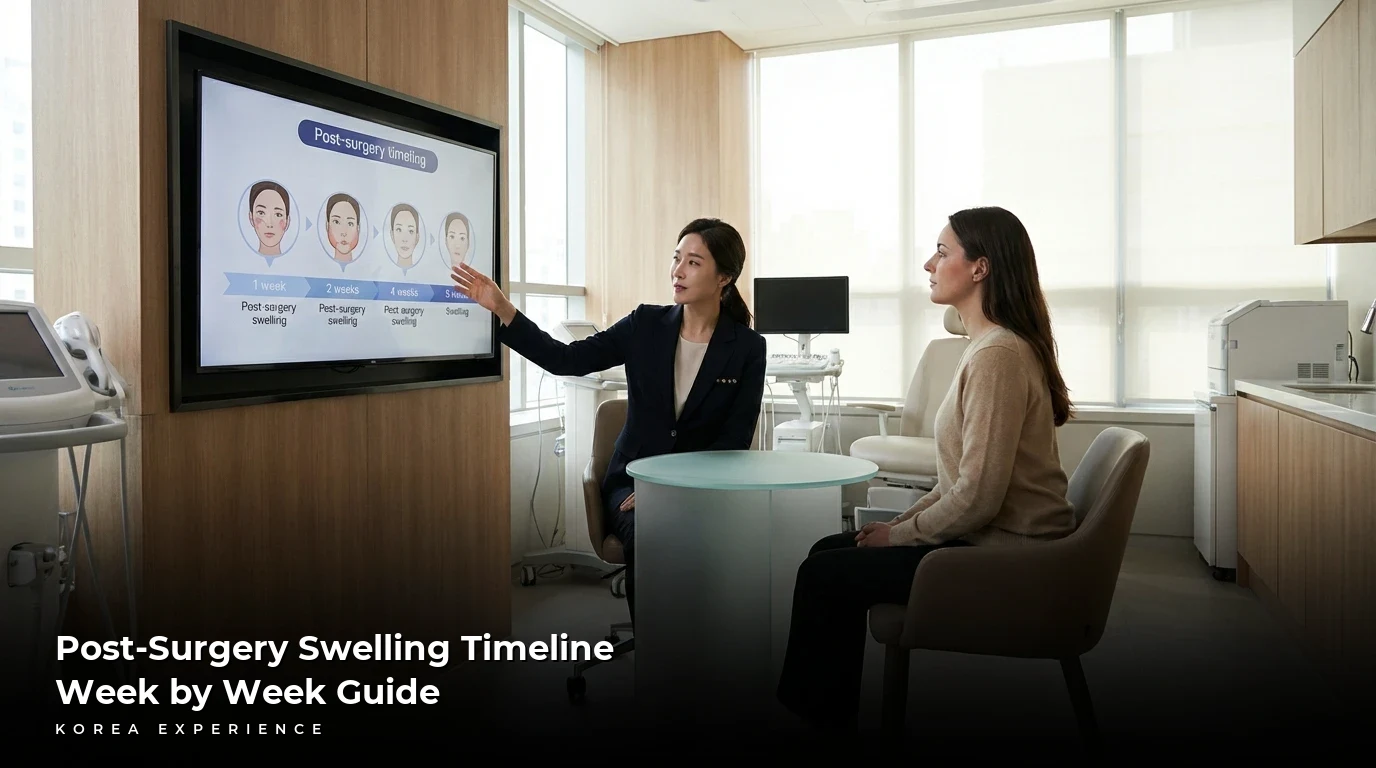
Understand the Post-Surgery Swelling Timeline in Korea. Our week-by-week guide helps international patients manage recovery expectations for various procedures.
Comprehensive guide to mental health resources for medical tourists in Korea. Find English-speaking counselors, recovery centers, and costs in 2026.