Ethnic Rhinoplasty in Korea: Preserve Your Heritage
Explore ethnic rhinoplasty in Korea, where advanced techniques meet cultural sensitivity to enhance your nose while preserving unique facial identity.
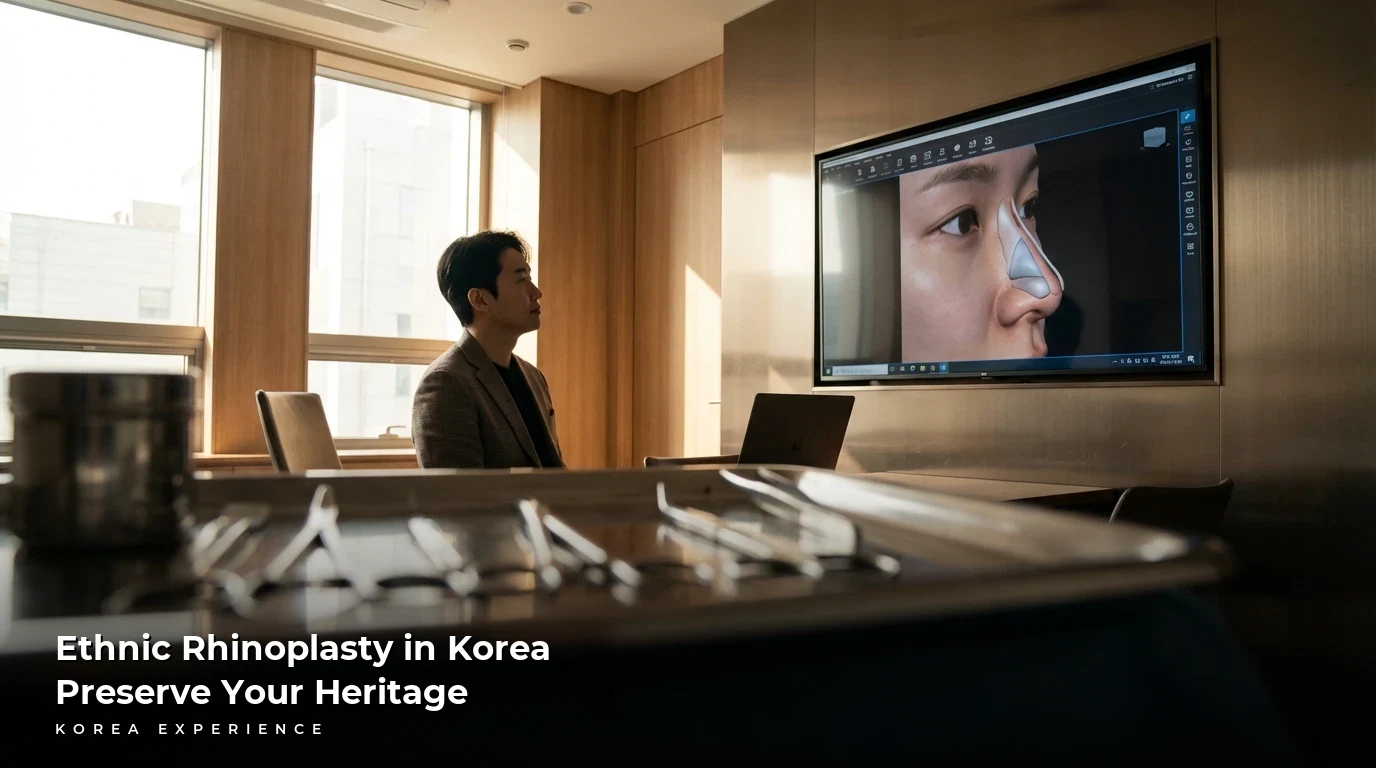
Ethnic Rhinoplasty Preserving Your Features in Korea
In the bustling heart of Seoul, where ancient traditions meet cutting-edge innovation, a quiet revolution is happening in the world of aesthetic surgery. For many individuals around the globe, the desire to enhance one's appearance is often tempered by a significant concern: the fear of losing one's unique ethnic identity. This is particularly true when it comes to rhinoplasty, a procedure that can profoundly alter the central feature of the face. The aspiration for a more harmonious nose should not, and indeed does not, have to come at the cost of erasing your heritage.
For international travelers and expatriates seeking advanced cosmetic solutions, Korea has long been renowned as a global epicenter for plastic surgery. However, its expertise extends far beyond standard procedures, embracing a nuanced approach to beauty that respects and celebrates diversity. If you are considering ethnic rhinoplasty preserving your features in Korea, you're embarking on a journey where world-class surgical precision meets profound cultural understanding.
This comprehensive guide will delve into the intricacies of ethnic rhinoplasty in Korea, exploring why this dynamic nation has become a trusted destination for those who seek refinement without compromise. You'll learn about the specialized techniques, the advanced consultations, the practicalities of planning your medical journey, and how Korean surgeons are meticulously trained to enhance your natural beauty while honoring your distinct ethnic characteristics. Prepare to discover how your aesthetic goals can be realized in a way that respects and uplifts your unique identity.
Understanding Ethnic Rhinoplasty: Beyond a "Cookie-Cutter" Approach
Rhinoplasty, commonly known as a nose job, is one of the most complex and artistry-driven cosmetic procedures. While the fundamental goal is to reshape the nose for aesthetic improvement or functional enhancement, "ethnic rhinoplasty" distinguishes itself by specifically addressing the unique anatomical structures and aesthetic preferences associated with various ethnic groups. It's a field that vehemently rejects a one-size-fits-all methodology, recognizing that beauty is diverse and highly individualized.
What Makes Ethnic Rhinoplasty Unique?
Different ethnic backgrounds often present with distinct nasal characteristics. For instance:
- East Asian Noses: Often characterized by a flatter, wider nasal bridge, a less projected tip, and thicker skin. The goal is frequently to increase bridge height, refine the tip, and sometimes narrow the alar base (nostrils) while maintaining a natural, balanced look appropriate for the face.
- African Noses: May feature a wider, lower nasal bridge, broader nostrils, a less defined tip, and thicker skin. Surgeons focus on increasing projection, narrowing the base, and refining the tip without creating an overly narrow or "pinched" appearance.
- Middle Eastern Noses: Can vary widely but often present with a prominent dorsal hump, a drooping tip, and sometimes a wider base. Reshaping involves reducing the hump, lifting the tip, and refining the overall profile, all while respecting the strong, elegant features often desired.
- Caucasian Noses: While often seen as the "standard" in older surgical texts, Caucasian noses also have immense variability, sometimes requiring reduction of a hump, tip refinement, or correction of asymmetry.
The unique aspect of ethnic rhinoplasty lies in a surgeon's ability to understand these specific anatomical nuances and to tailor techniques accordingly. It's not about making a nose look "Western" or "Korean," but about achieving balance and harmony within the individual's ethnic context.
The Pitfalls of Universal Standards
Historically, plastic surgery, including rhinoplasty, sometimes operated under a narrow set of aesthetic ideals, often rooted in Western facial proportions. This led to instances where individuals from diverse ethnic backgrounds underwent procedures that left them with noses that looked unnatural, disproportionate, or alienated from their original features. The "cookie-cutter" approach fails because it ignores:
- Skin Thickness and Soft Tissue Envelope: Thicker skin, common in some ethnic groups, can limit the degree of tip refinement or bridge augmentation achievable and influences healing.
- Cartilage Strength and Structure: Variations in cartilage strength and size impact how the nose can be sculpted and maintained over time.
- Bone Structure: The underlying bone structure of the nasal bridge and face significantly dictates what is aesthetically pleasing and surgically feasible.
- Cultural Aesthetic Preferences: What is considered beautiful varies greatly. For example, some cultures may value a softer, less angular nose, while others prefer more defined contours.
A surgeon specializing in ethnic rhinoplasty preserving your features in Korea understands these complexities, moving beyond outdated universal standards to embrace a truly personalized approach.
Why Korea is a Leader in Preserving Ethnic Features
Korea's ascendancy in the field of plastic surgery is no accident. It stems from a unique combination of intense domestic demand, government investment in medical technology, and a cultural emphasis on aesthetic refinement. For ethnic rhinoplasty, this translates into an unparalleled level of expertise and sensitivity.
Advanced Surgical Techniques
Korean clinics are at the forefront of adopting and developing advanced rhinoplasty techniques. This includes:
- 3D Imaging and Simulation: Sophisticated software allows patients to visualize potential post-operative results from multiple angles, ensuring alignment with their aesthetic goals and facilitating precise surgical planning.
- Diverse Grafting Materials: Surgeons extensively use autologous (patient's own) cartilage from the septum, ear, or rib, as well as alloplastic implants (like silicone or Gore-Tex), choosing the best material based on the patient's specific needs and desired outcome. The judicious use of autologous grafts is particularly crucial for natural results and long-term stability in ethnic rhinoplasty.
- Precise Suturing Techniques: Micro-suturing allows for intricate shaping and stabilization of cartilage structures, leading to more refined and lasting results without compromising structural integrity.
- Minimally Invasive Approaches: While complex cases often require open rhinoplasty, Korean surgeons are adept at balancing minimal invasiveness with comprehensive structural changes.
A Deep Understanding of Diverse Facial Anatomy
A significant advantage of seeking ethnic rhinoplasty in Korea is the sheer volume and diversity of patients seen by its top surgeons. While many Korean patients seek rhinoplasty, the clinics also cater to a vast international clientele, providing surgeons with extensive experience across a wide spectrum of ethnic facial structures – from East Asian to Southeast Asian, Middle Eastern, Caucasian, and African. This broad exposure cultivates:
- Specialized Training: Many Korean surgeons undergo specialized training focusing on different nasal types and their unique challenges.
- Adaptability: They are trained to adapt their techniques to the unique soft tissue envelope, cartilage strength, and bone structure of each patient, rather than applying a single method.
- Research and Development: Korean plastic surgery institutions are actively involved in research that contributes to a deeper understanding of ethnic variations in facial anatomy, continually refining surgical approaches.
The "Natural Look" Philosophy
One of the defining characteristics of Korean aesthetic surgery is its emphasis on the "natural look." This philosophy is particularly pertinent to ethnic rhinoplasty. It prioritizes enhancements that:
- Harmonize with Existing Features: The goal is to create a nose that appears to have always belonged to the face, enhancing overall balance rather than standing out as a surgically altered feature.
- Avoid Over-Surgery: There's a strong aversion to excessively dramatic or "unnatural" results. Surgeons are skilled at achieving significant improvement through subtle, refined changes.
- Preserve Identity: The core tenet of ethnic rhinoplasty preserving your features in Korea is to respect and maintain the patient's unique ethnic identity, ensuring the enhanced nose complements their heritage rather than detracting from it. This means carefully considering the patient's entire facial structure and cultural background during the planning phase.
The Consultation Process: Your Vision, The Surgeon's Expertise
The journey toward a beautiful, harmonious nose that respects your ethnicity begins with a thorough and thoughtful consultation. In Korea, this process is meticulously designed to ensure clarity, confidence, and mutual understanding between patient and surgeon.
Initial Assessment and Communication
Your first consultation will involve:
- Detailed Medical History: Your surgeon will review your general health, any previous surgeries, allergies, and medications.
- Nasal Examination: A comprehensive physical examination of your nose, assessing skin thickness, cartilage strength, septum deviation, and overall facial proportions.
- Aesthetic Goals Discussion: This is where you articulate your desires. It's crucial to be clear and candid about what you like and dislike about your nose, and what you hope to achieve. Bringing reference photos (of noses you like, ideally on faces with similar ethnic features to your own) can be extremely helpful, not for replication but as a starting point for discussion.
- Emphasis on Preservation: During this discussion, specifically emphasize your desire for ethnic rhinoplasty preserving your features in Korea. Articulate that you wish to enhance, not erase, your ethnic identity.
3D Simulation and Imaging
Many leading Korean clinics utilize advanced 3D imaging technology as a cornerstone of their consultation process. This allows:
- Realistic Previews: High-resolution 3D images of your face are captured, and the surgeon can then digitally manipulate your nose to show potential post-operative outcomes.
- Collaborative Design: You can actively participate in the design process, providing feedback on different projections, bridge heights, and tip refinements. This significantly reduces misunderstandings and ensures the final surgical plan aligns with your vision.
- Managing Expectations: The simulation helps set realistic expectations, demonstrating what is surgically achievable given your unique anatomy.
Choosing the Right Surgeon
Selecting your surgeon is arguably the most critical step. When seeking ethnic rhinoplasty in Korea, look for:
- Board Certification: Ensure the surgeon is board-certified in plastic surgery, indicating rigorous training and ethical practice.
- Specialization and Experience: Prioritize surgeons with extensive experience specifically in ethnic rhinoplasty and a portfolio of natural-looking results in patients with diverse backgrounds. Ask to see before-and-after photos.
- Communication Style: Choose a surgeon and clinic where you feel comfortable communicating openly. Language barriers can be mitigated by professional medical translators, which most reputable clinics provide or recommend.
- Natural Aesthetic Philosophy: Confirm that the surgeon's aesthetic philosophy aligns with your desire for feature preservation and a natural outcome.
Common Techniques in Ethnic Rhinoplasty for Feature Preservation
Korean surgeons employ a sophisticated array of techniques tailored to the individual needs of ethnic rhinoplasty patients, always with an eye towards natural results and preserving distinctive features.
Dorsal Augmentation
For many East Asian, African, and some Southeast Asian patients, increasing the height of the nasal bridge is a common goal.
- Autologous Cartilage Grafts: Septal, ear, or rib cartilage are often preferred for dorsal augmentation due to their natural feel, reduced risk of rejection, and long-term stability. This ensures the augmented bridge looks and feels like a natural extension of the face.
- Silicone or Gore-Tex Implants: While autologous grafts are often ideal, high-quality, anatomically sculpted silicone or Gore-Tex implants can be used, particularly for moderate augmentation. Korean surgeons are expert at customizing these implants to fit precisely, minimizing risks and ensuring a natural contour. The choice depends on patient preference, existing anatomy, and surgeon recommendation.
Tip Plasty
Refining the nasal tip without making it look overly narrow or "pinched" is a hallmark of ethnic rhinoplasty preserving your features in Korea.
- Cartilage Reshaping and Grafts: Surgeons use precise suturing techniques to reshape the existing tip cartilages. Grafts from the septum or ear (e.g., shield grafts, onlay grafts) are often used to add projection, definition, and refine the tip shape, creating a subtle lift and elegance.
- Columellar Strut Grafts: These grafts are placed in the columella (the tissue separating the nostrils) to provide structural support and increase tip projection, which is especially beneficial for those with weaker tip cartilages.
Alar Base Reduction
For patients with wider nostrils, alar base reduction can create a more balanced nasal base.
- Minimal Incisions: Korean surgeons use extremely precise incisions hidden within the natural creases of the nostril to remove a small wedge of tissue, subtly narrowing the base without creating an unnatural appearance.
- Measured Approach: The key is conservative reduction, ensuring the nostrils remain proportionate to the rest of the nose and face, preserving the patient's ethnic identity rather than overly narrowing.
Septal Extension Grafts
These are critical for adding projection and rotation to the nasal tip, particularly useful for noses with a weak or recessed tip. A piece of septal cartilage is extended and secured to the existing septum, acting as a stable platform to which tip cartilages can be re-sutured, allowing for precise control over tip position and shape.
Open vs. Closed Rhinoplasty
Both approaches are used, with the choice depending on the complexity of the desired changes:
- Open Rhinoplasty: Involves a small incision across the columella, allowing the surgeon direct visibility of the underlying nasal structures. This approach is typically preferred for complex ethnic rhinoplasty cases requiring significant reshaping, grafting, and structural changes.
- Closed Rhinoplasty: All incisions are made inside the nostrils. It leaves no external scar but offers more limited visibility. It's often suitable for less extensive modifications.
| Feature | Open Rhinoplasty | Closed Rhinoplasty |
|---|---|---|
| Incisions | External (columella) + internal | Internal only |
| Visibility | Excellent, direct view of nasal structures | Limited, indirect view |
| Scarring | Minimal, usually imperceptible columellar scar | No external scars |
| Complexity | Preferred for complex reshaping, grafting | Suitable for minor to moderate changes |
| Swelling & Bruising | Potentially more initial swelling | Generally less initial swelling and bruising |
| Surgeon Control | High control, precision for intricate work | Moderate control, relies more on tactile feel |
| Graft Material | Source | Primary Use in Ethnic Rhinoplasty | Advantages | Considerations |
|---|---|---|---|---|
| Septal Cartilage | Nasal Septum (internal) | Tip projection, columellar strut, dorsal augmentation (minor) | Good quantity, firmness, easy access, straight | Limited quantity, potential for septal perforation |
| Ear Cartilage | Outer Ear (concha) | Tip refinement, softening contours, subtle dorsal augmentation | Curved, soft, abundant, minimal donor site pain | More flexible, less structural support |
| Rib Cartilage | Rib Cage | Significant dorsal augmentation, major tip support, revision surgery | Strong, abundant, straight | More invasive harvest, risk of warping |
| Silicone Implants | Synthetic | Dorsal augmentation | Readily available, stable shape | Risk of infection, displacement, capsular contracture |
| Gore-Tex (ePTFE) | Synthetic | Dorsal augmentation | Malleable, integrates well, lower infection rate | Can be more challenging to remove |
Navigating Your Medical Journey in Korea: Practicalities and Costs
Embarking on a medical tourism journey to Korea requires careful planning, but the rewards of high-quality, specialized care are immense.
Estimated Cost Ranges
The cost of ethnic rhinoplasty in Korea can vary significantly based on the surgeon's experience, clinic reputation, the complexity of the procedure (primary vs. revision), and the types of grafts used.
| Procedure Type | Estimated Cost Range (USD) |
|---|---|
| Simple Tip Plasty | $3,000 - $6,000 |
| Dorsal Augmentation (Implant) | $4,000 - $8,000 |
| Full Ethnic Rhinoplasty (Grafts) | $7,000 - $15,000 |
| Complex Revision Rhinoplasty | $10,000 - $25,000+ |
Note: These are estimates and do not include consultation fees, anesthesia, pre-operative tests, post-operative care, medication, or travel/accommodation expenses. Always obtain a detailed quote directly from your chosen clinic.
Top Clinics and Locations
The majority of Korea's premier plastic surgery clinics are concentrated in Seoul, particularly in the upscale districts of Gangnam and Apgujeong. These areas are known for:
- High Concentration of Expertise: A plethora of board-certified surgeons specializing in various procedures.
- State-of-the-Art Facilities: Modern clinics equipped with the latest technology.
- Multilingual Staff: Many clinics cater to international patients with dedicated coordinators and translators.
While we cannot endorse specific clinics, extensive research through reputable medical tourism portals, patient reviews, and surgeon portfolios is highly recommended.
Accommodation and Logistics
- Medical Tourism Agencies: Consider using a reputable medical tourism agency. They can assist with clinic selection, scheduling appointments, airport transfers, accommodation, and translation services, making your journey seamless.
- Recovery Houses: Many agencies or clinics offer or recommend specialized recovery houses. These provide comfortable, supervised environments for post-operative care, often with nursing support, meals, and follow-up transport.
- Hotels/Serviced Apartments: For independent travelers, a variety of hotels and serviced apartments are available, particularly in areas like Gangnam, which offer convenience for clinic visits and amenities for recovery.
Post-Operative Care and Follow-ups
Post-operative care is crucial for optimal results and smooth recovery.
- Initial Recovery (1-2 weeks): Expect splints/casts for 5-7 days, followed by tape. Swelling and bruising are common. Most clinics require several follow-up visits during this period for dressing changes, splint removal, and progress checks.
- Extended Recovery (Months): Significant swelling will subside within weeks, but subtle swelling can persist for several months to a year. Final results are typically visible after 6-12 months.
- Medication: You will be prescribed pain medication, antibiotics, and possibly anti-inflammatory drugs.
- Activity Restrictions: Avoid strenuous activity, heavy lifting, and contact sports for several weeks to months.
Before & After: What to Expect and Realistic Outcomes
Understanding the journey from pre-surgery anticipation to final results is key to a satisfying ethnic rhinoplasty preserving your features in Korea.
The Importance of Realistic Expectations
While Korea offers extraordinary surgical expertise, it's vital to maintain realistic expectations. Rhinoplasty is about improvement, not perfection. Discussing your desired outcome transparently with your surgeon, and utilizing 3D imaging, will help align expectations. Remember that individual healing varies, and subtle asymmetries or minor irregularities are a natural part of the human anatomy, often not entirely correctable. The goal is enhancement, harmony, and preserving your unique essence.
Recovery Timeline
- Immediately After Surgery: You will have a splint or cast on your nose, and possibly internal packing. Swelling and bruising around the eyes and nose are expected.
- Week 1: Splint/cast removal, usually around day 5-7. You will likely still have significant swelling.
- Weeks 2-4: Much of the initial bruising will fade, and swelling will noticeably decrease. You can usually return to light social activities.
- Months 1-3: Most visible swelling resolves. The nose starts to take on its new shape.
- Months 6-12: Residual swelling, especially in the tip, continues to subside. Final results become increasingly apparent. For thicker-skinned noses, this can take up to 18-24 months.
Long-Term Care
- Protect Your Nose: Avoid trauma to your nose during the healing period and beyond.
- Sun Protection: Protect your incision sites from direct sunlight to minimize scarring.
- Follow Surgeon's Advice: Adhere to all post-operative instructions for long-term health and aesthetic outcome.
Cultural Nuances and Insider Tips for International Patients
Beyond the surgical aspects, a successful medical tourism experience in Korea also involves navigating cultural differences and practical logistics.
Communication and Translators
- Professional Medical Translators: Essential for accurate communication. Many top clinics employ in-house translators or work with trusted agencies. Do not rely solely on machine translation.
- Clarify Everything: If anything is unclear, ask questions. It's better to over-communicate than to have misunderstandings regarding your procedure or aftercare.
Cultural Sensitivity
- Korean Aesthetic Ideals: While Korean surgeons are adept at diverse aesthetics, it's helpful to understand that subtle, natural enhancement is often culturally favored. This aligns well with the goal of ethnic rhinoplasty preserving your features in Korea.
- Respectful Interaction: Korean society values politeness and respect. A positive attitude and clear communication will foster a good relationship with your medical team.
Beyond the Surgery: Exploring Korea
Combine your recovery with the opportunity to explore one of the world's most vibrant cultures:
- Seoul's Diverse Offerings: From historic palaces like Gyeongbokgung to futuristic shopping districts like Myeongdong and the trendy cafes of Hongdae, Seoul offers endless possibilities.
- Korean Skincare and Beauty: Explore the legendary K-beauty scene.
- Culinary Delights: Indulge in delicious Korean cuisine, but be mindful of spicy foods and alcohol during your recovery.
- Transportation: Korea boasts an incredibly efficient public transportation system (subway, bus) making it easy to navigate the cities.
- Internal Linking Opportunity: For those interested in other procedures, Korea is also renowned for eyelid surgery (blepharoplasty), facial contouring, and advanced dermatological treatments. Consider exploring our guides on [Korean Skincare Routines] or [Seoul Accommodation Guides] for more insights. Also, familiarizing yourself with [Visa Requirements for Medical Tourists in Korea] will be beneficial.
FAQ Section
Q1: How long is the recovery for ethnic rhinoplasty?
A1: Initial recovery, where splints/casts are removed and major swelling subsides, typically takes 1-2 weeks. Most bruising fades within 2-3 weeks. However, significant swelling can persist for several months, and the final results often take 6-12 months (or even longer for very thick-skinned noses) to fully manifest.
Q2: Will my nose look "fake" or "Westernized" after ethnic rhinoplasty in Korea?
A2: A reputable Korean surgeon specializing in ethnic rhinoplasty prioritizes preserving your unique features and creating a natural, harmonious look that complements your ethnic identity. The goal is enhancement, not Westernization or a "fake" appearance. During your consultation, emphasize your desire for feature preservation and review 3D simulations.
Q3: What kind of anesthesia is used for ethnic rhinoplasty?
A3: Ethnic rhinoplasty is typically performed under general anesthesia, where you are completely asleep. Local anesthesia with sedation (twilight sleep) might be an option for very minor procedures, but for comprehensive reshaping, general anesthesia is preferred for patient comfort and surgeon precision.
Q4: Can I combine rhinoplasty with other procedures?
A4: Yes, it is common for patients to combine rhinoplasty with other facial procedures such as eyelid surgery (blepharoplasty), facial fat grafting, or facial contouring (e.g., jaw reduction). Combining procedures can often lead to a more balanced overall facial aesthetic. Discuss this with your surgeon during the consultation to ensure it's safe and feasible within a single surgical session.
Q5: How do I choose the best surgeon for ethnic rhinoplasty in Korea?
A5: Look for a board-certified plastic surgeon with extensive experience in ethnic rhinoplasty. Review their before-and-after portfolios, pay attention to patient testimonials, and prioritize clinics that offer advanced 3D imaging for planning. Crucially, choose a surgeon with whom you can communicate clearly (with or without a professional translator) and whose aesthetic philosophy aligns with your desire for natural results and feature preservation.
Conclusion
The pursuit of aesthetic enhancement is a deeply personal journey, and for those seeking ethnic rhinoplasty preserving your features in Korea, it's one filled with the promise of transformative yet authentic results. Korea's unparalleled surgical expertise, combined with its profound understanding of diverse facial anatomies and a commitment to natural beauty, makes it an ideal destination.
By meticulously selecting your surgeon, engaging in open and honest communication, and leveraging the advanced technologies available, you can achieve a nose that not only enhances your facial harmony but also proudly reflects your unique heritage. Your journey to a more confident self, one that celebrates your identity, truly begins here.
Remember to plan your medical tourism trip carefully, focusing on comprehensive consultations, understanding the recovery process, and immersing yourself in the rich cultural experience Korea has to offer. With the right approach, your dream of an enhanced yet authentic reflection can become a beautiful reality.
image: "/images/ethnic-rhinoplasty-preserving-your-features-in-korea.webp"
Medical Disclaimer:
- The information provided in this blog post is intended for general informational purposes only and does not constitute medical advice. It is not a substitute for professional medical advice, diagnosis, or treatment.
- Always seek the advice of a qualified healthcare provider for any questions regarding a medical condition or treatment.
- The decision to undergo any surgical procedure, including rhinoplasty, should be made in consultation with a board-certified surgeon who can assess your individual needs, risks, and expected outcomes.
- Results of cosmetic procedures can vary from person to person.
Emergency Contact Numbers in Korea:
- 119: For medical emergencies and ambulance services.
- 1339: For medical consultation and information, available 24/7.
About the Author
Korea Experience Team
Written by the Korea Experience editorial team - experts in Korean medical tourism, travel, and culture with years of research and firsthand experience.
⚠️ Medical Disclaimer
The information provided on this website is for general informational purposes only and does not constitute medical advice. Always consult with qualified healthcare professionals before making any medical decisions.
Explore more in Medical Tourism
World-class medical procedures at competitive prices. From plastic surgery and dermatology to dental care and health checkups — your complete guide to medical tourism in Korea.
Browse All Medical Tourism ArticlesContinue Reading
Explore more articles you might find interesting
A complete guide to revision nose surgery in Seoul including 2026 costs, recovery timelines, rib cartilage techniques.
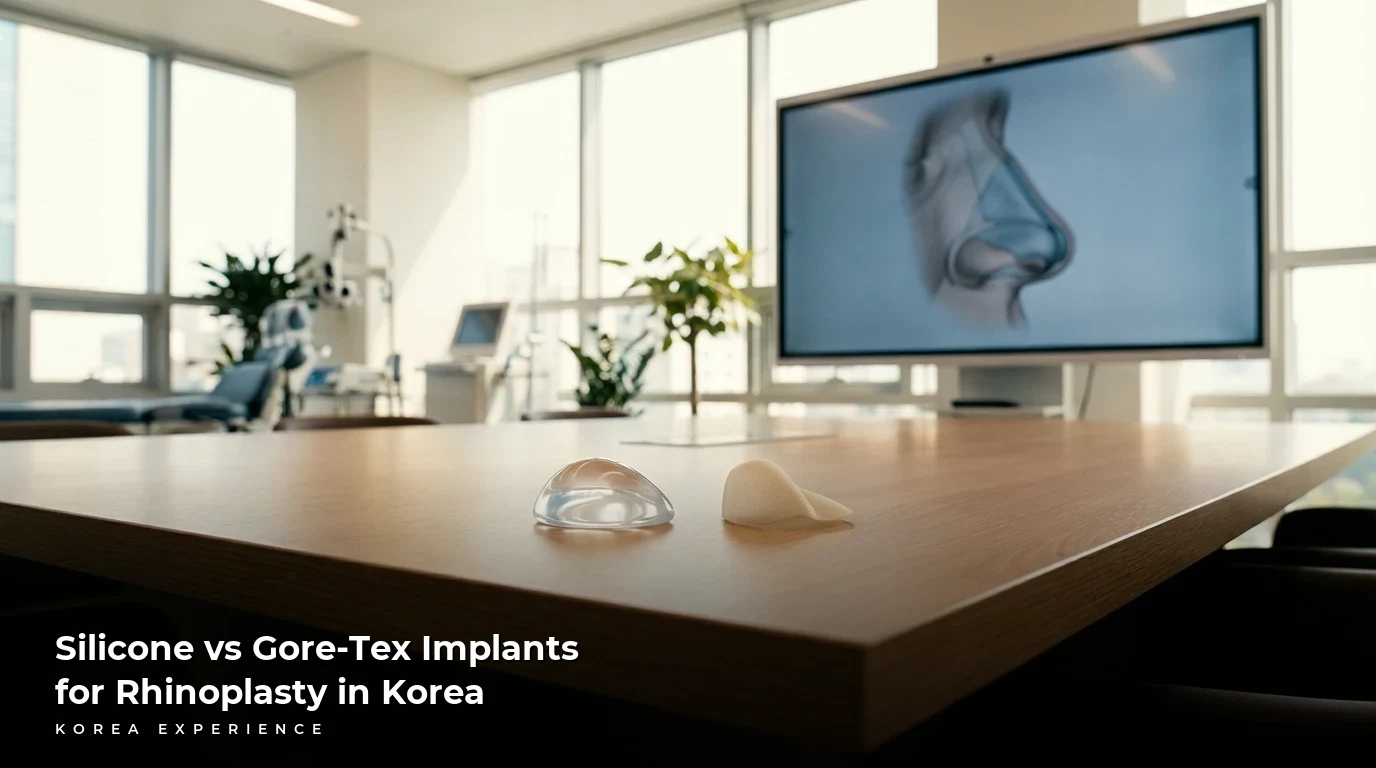
Considering rhinoplasty in Korea? Learn about silicone vs Gore-Tex implants, their pros and cons, costs, and choosing the right option for your desired nose shape.
Discover the top-rated rhinoplasty clinics in Gangnam, Seoul. Expert reviews, pricing, before/after results, and everything you need to know for a successful nose job in Korea.

Explore Korea's advanced telemedicine options for international patients, ensuring seamless follow-up care wherever you are
Explore incisional vs. non-incisional double eyelid surgery techniques in Korea. Understand methods, recovery, costs, and choose the best option for you.

Explore the structure of Korean names, how hanja works, and what online name generators can and cannot tell you about real cultural naming.