How Korean Webtoons Are Read: Platforms, Translations, and Pop-Ups
Explore how Korean webtoons work, from domestic and global reading platforms to AI translation tools and physical pop-up experiences in Seoul.
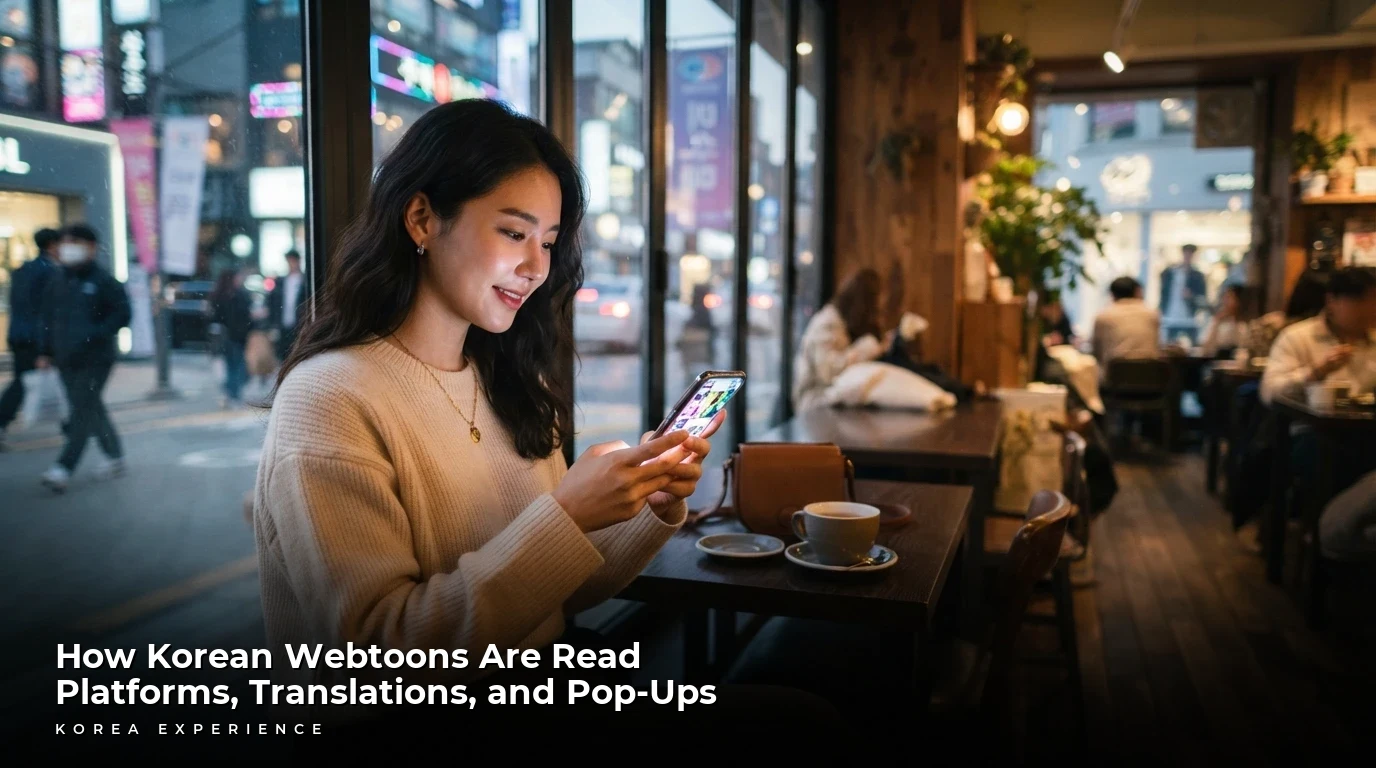
Korean webtoons (manhwa) have transformed modern digital comics, moving from domestic web portals to a global entertainment phenomenon. Reading them involves unique digital formats, specialized translation methods, and offline experiential events.
Reading Platforms and Formats
Webtoons are digitally native comics optimized specifically for smartphones. Unlike traditional comic books or manga that rely on page-turning or multi-panel grids, webtoons use a vertical-scroll layout. Episodes are structured as long, continuous image strips that readers scroll through vertically. This format often blends illustrations, text, and occasionally embedded sound effects or audio for an immersive reading experience.
Domestic platforms serve as the primary hubs for original Korean releases (raws):
- Naver Webtoon: A primary source for original Korean content, featuring popularity sorts, reading history tracking, notification alerts, and an offline temporary save feature that keeps episodes available for 48 hours.
- KakaoPage: Operates on a similar model, utilizing systems like "Wait For Free," which automatically unlocks subsequent episodes after a set time delay—typically ranging from 12 to 72 hours.
For international readers, global official platforms such as WEBTOON provide officially translated versions across multiple genres. However, content availability and release schedules on global apps typically lag behind domestic Korean raw releases.
Additionally, both ecosystems support user-generated content (UGC). Platforms feature indie and amateur ecosystems, such as Naver's domestic system and WEBTOON's global CANVAS platform, which is unified across multiple languages including English, Spanish, French, Indonesian, Thai, Traditional Chinese, and German.
Translation Methods and Evolution
Major publishers like Kakao Entertainment and Naver heavily invest in official localization strategies. This involves adapting titles, cultural nuances, idioms, and onomatopoeia to fit target international markets, including localizing cultural references and character naming conventions.
For readers exploring content outside official localizations, options have evolved significantly:
- The Closure of Official Fan-Translation Tools: Official community support tools, such as WEBTOON’s Fan Translation Service, were permanently shut down on November 26, 2025, with all translation records deleted to reallocate platform resources.
- Workarounds for Reading Raws: Standard browser translators (like Google Translate or Chrome) and basic OCR camera apps often fail when applied to tall, continuous vertical image strips where text resides inside graphic speech bubbles or complex background art. To bypass this, readers wanting immediate access to Korean raws increasingly rely on specialized vertical-image AI translation tools and browser extensions, such as specialized manga/webtoon OCR translators (e.g., Madomi) or immersive translation extensions.
- The Piracy Context: Unofficial scanlation sites have historically attracted readers due to faster translation speeds and free access compared to official coin and ink paywalls, though major legal actions by Korean publishers continue to target large international piracy networks.
Visiting Official Pop-Ups and Offline Engagement
As part of the broader Korean Wave (Hallyu), popular webtoons routinely expand beyond digital screens into physical media, TV adaptations, and official pop-up merchandise spaces. These physical engagements typically take the form of temporary experiential storefronts located in Seoul districts such as Hongdae or Seongsu-dong.
- Note on Practical Logistics: Direct, granular procedural guidance for visiting physical pop-up stores—such as exact ticketing links, specific reservation apps like Naver Booking or CatchTable, and active venue rules—frequently changes per event. While domestic platforms like Naver Reservation are standard for securing entry slots, specific current rules, dates, and ticket links for active pop-ups require primary on-site verification before planning a visit.
Sources
About the Author
Korea Experience Team
Written by the Korea Experience editorial team - experts in Korean medical tourism, travel, and culture with years of research and firsthand experience.
Explore more in K-Culture
K-Pop, K-Drama, traditional arts, and modern culture — dive deep into the cultural phenomena that have captivated the world.
Browse All K-Culture ArticlesContinue Reading
Explore more articles you might find interesting
Explore the top Korean webtoon platforms, essential titles to read, and how to experience manhwa culture offline in Seoul with our comprehensive guide.
Explore Seoul's 2026 indie scene from Hongdae to Mullae where entry costs just 20,000 KRW and global apps unlock tickets.
Discover the ultimate guide to K Webtoons in Seoul 2026. Explore top manhwa cafes, museums, and pop-up stores defining the new wave of Korean culture.
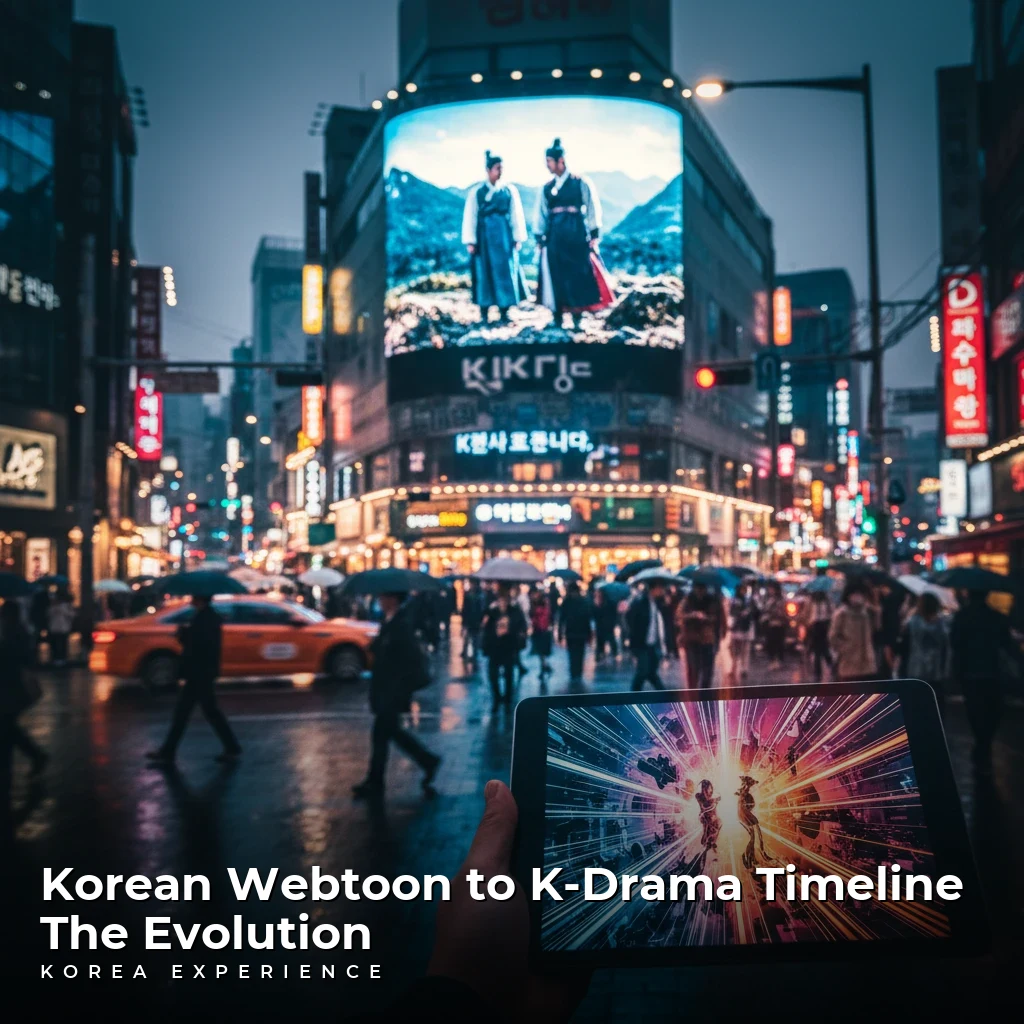
Explore the fascinating journey of Korean webtoons transforming into global K-drama sensations.
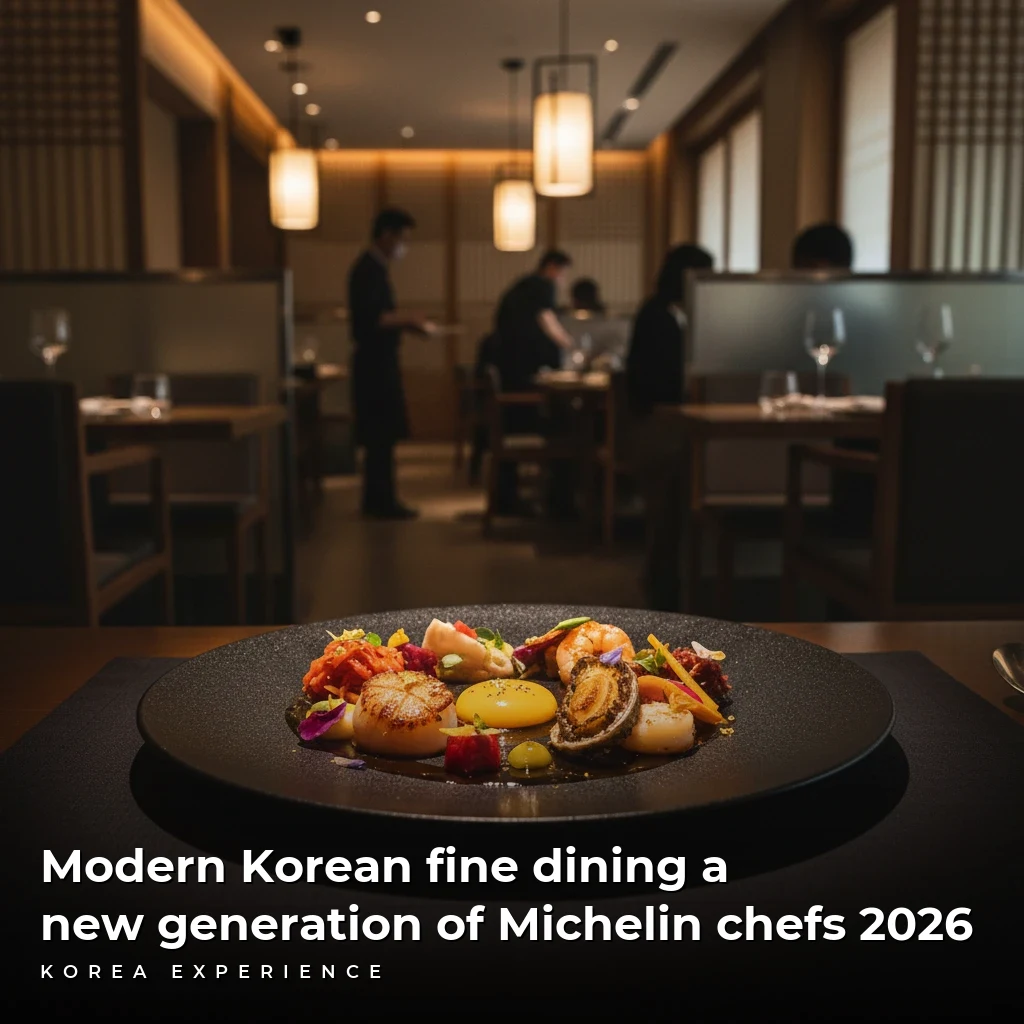
Discover the 2026 guide to modern Korean fine dining. From 3-star masters to rising chefs, explore the best culinary experiences in Seoul.
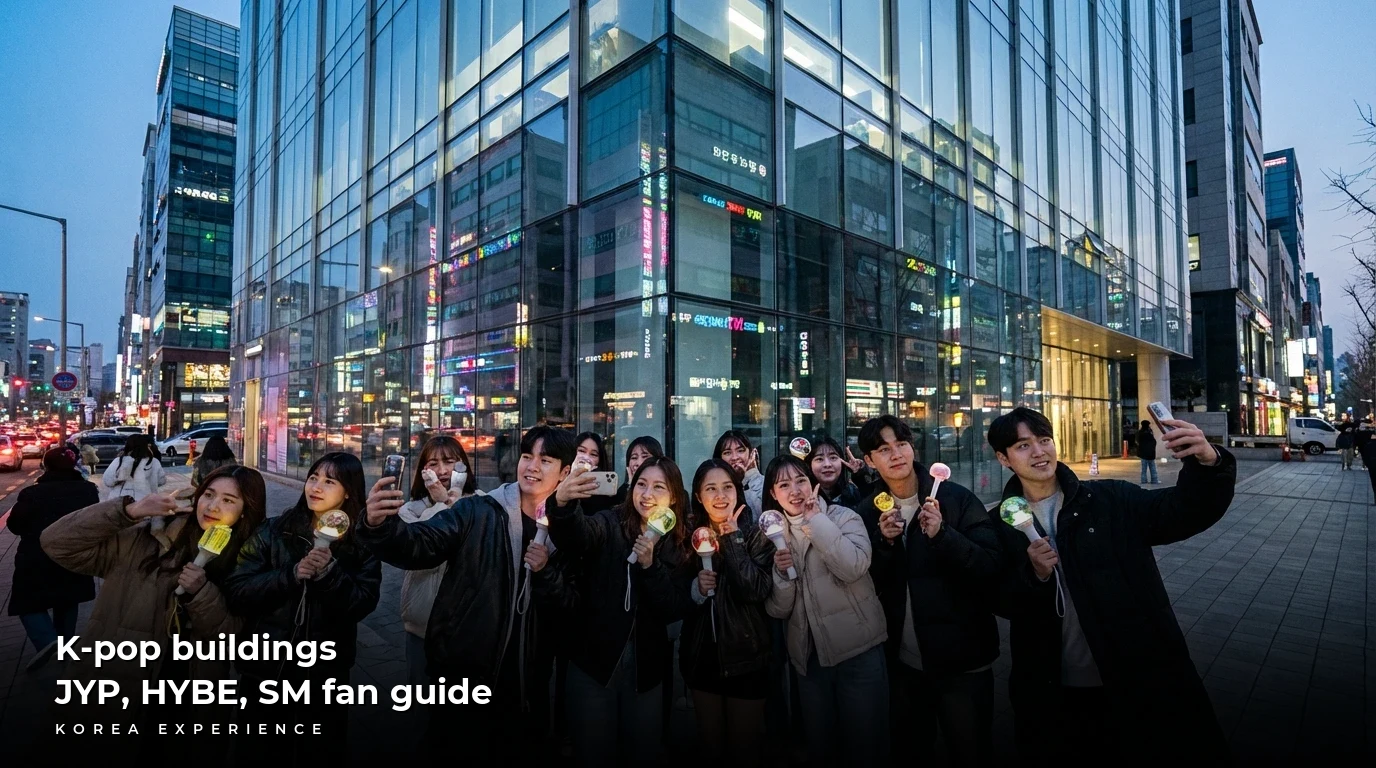
Explore Seoul's Big 3 K-pop HQs with subway fares at 1,550 KRW. Find the SM Kwangya store open daily and discover hidden fan cafes near HYBE.