How to Use a Korean Laundromat: Machine Labels & Payment
Master self-service laundromats in Korea with this guide to machine labels, Hangul settings, payment methods, and operational steps.
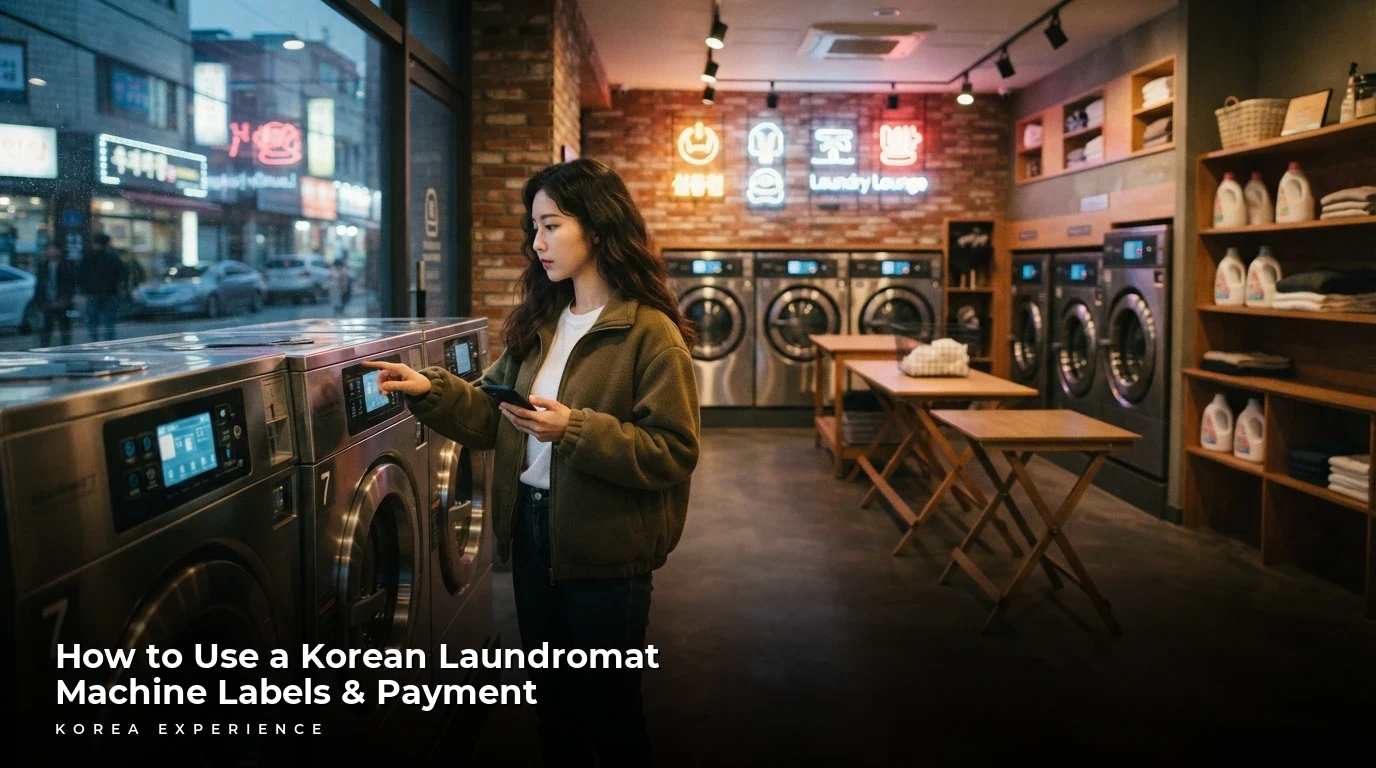
Using a self-service laundromat (coin setakso or selppallae-bang) in Korea is straightforward once you become familiar with local machine labels, payment options, and the general workflow. Most modern self-service laundromats operate as 24-hour unmanned businesses. Whether you are living in Korea long-term or staying temporarily, understanding the basic Hangul terminology on digital panels and knowing how detergent and payment systems function will ensure a smooth trip.
Locating a Laundromat and General Logistics
Self-service laundromats are widely available across residential neighborhoods. You can locate nearby options using navigation apps like Naver Maps or Kakao Maps by searching for keywords such as:
코인세탁소(Coin laundry)셀프빨래방(Self-laundry room)- Franchise names like
크린토피아(Cleantopia Coin Wash) and워시엔조이(WashEnjoy)
Washers and dryers in Korean self-service laundromats are typically separate, freestanding commercial units. After your wash cycle finishes, you must manually transfer your wet laundry into a separate standalone tumble dryer. Due to low petty-theft rates, patrons frequently leave items unattended or step away to a nearby cafe while their cycles run. However, looking after your belongings remains your personal responsibility.
Machine Labels and Common Settings
Control panels on commercial laundry machines and dryers feature Hangul terminology. While newer smart kiosks and digital touchscreens sometimes incorporate English, older or legacy equipment often relies entirely on Korean.
Essential Washer Buttons
| Hangul | Romanization | English Meaning |
|---|---|---|
| 전원 | Jeonwon | Power on/off |
| 동작 / 일시정지 | Dongjak / Ilsi-jeongji | Start / Pause |
| 표준 | Pyo-jun | Standard / Normal cycle |
| 쾌속 | Kwae-sok | Quick wash |
| 헹굼 | Heng-gum | Rinse |
| 탈수 | Tal-su | Spin / Drain |
Special Cycles and Options
침구세탁(Chimgu-setak): Bedding or blanket wash cycle, ideal for heavy comforters.- Heavy-soiled or high-temperature wash options may also be available depending on the specific machine model.
Note: Button layouts, exact wording, and the presence of supplementary English instructions vary heavily depending on whether the venue uses older legacy equipment or newer digital kiosks.
Payment Methods and Financials
Payment systems differ depending on how modern the laundromat branch is:
- Traditional Coin Operation: Older self-service coin laundromats traditionally operate using ₩500 coins. These venues typically feature an on-site bill changer machine (
지폐교환기) that converts ₩1,000 and ₩10,000 paper notes into ₩500 coins. - Modern Kiosks and Digital Pay: Modern 24-hour unmanned franchises increasingly support credit cards, domestic payment options, central kiosk touchscreens, or brand-specific prepaid cards. Note: Some newly built tech-focused franchise branches are shifting entirely to app-based QR codes, digital memberships, or kiosk integrations, which can sometimes present barriers for short-term visitors lacking local authentication tools.
Estimated Costs
- Washing cycles: Generally cost between ₩4,000 and ₩6,000 depending on load weight.
- Drying cycles: Separate tumble-drying cycles typically range from ₩3,000 to ₩4,500, with increments of around ₩500 for extra time.
- Total trip: A complete wash-and-dry visit generally totals between ₩8,000 and ₩12,000.
Note: Exact pricing updates across different provinces and individual franchises should be verified directly against the price boards posted inside each venue.
Detergent and Operational Logistics
Before tossing items into a washer, check the machine or wall signage for auto-injection systems (자동 주입).
- Auto-Injection: Many modern Korean self-service laundromats automatically dispense liquid detergent and fabric softener directly into the drum during the cycle. If your machine features auto-injection, you do not need to add your own products.
- Manual Dispensing: Units without auto-injection require users to purchase individual detergent or fabric softener packs from an on-site vending machine before starting the cycle.
Sources
About the Author
Korea Experience Team
Written by the Korea Experience editorial team - experts in Korean medical tourism, travel, and culture with years of research and firsthand experience.
Explore more in Living in Korea
Everything expats and long-term visitors need to know — from visa requirements and housing to banking, healthcare, and daily life tips.
Browse All Living in Korea ArticlesContinue Reading
Explore more articles you might find interesting
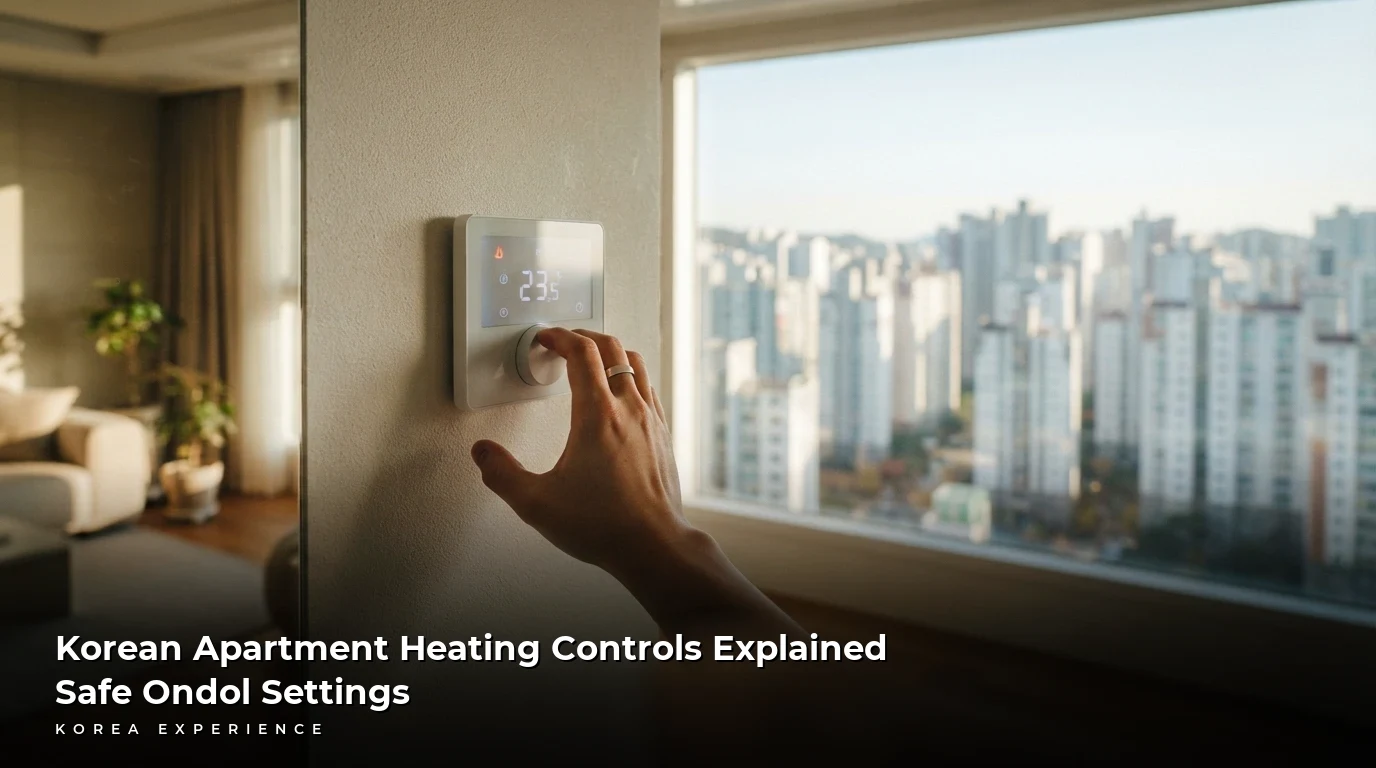
Master Korean apartment heating controls. Learn essential ondol terms, how to set room vs. floor temperature, and safe practices for energy efficiency.
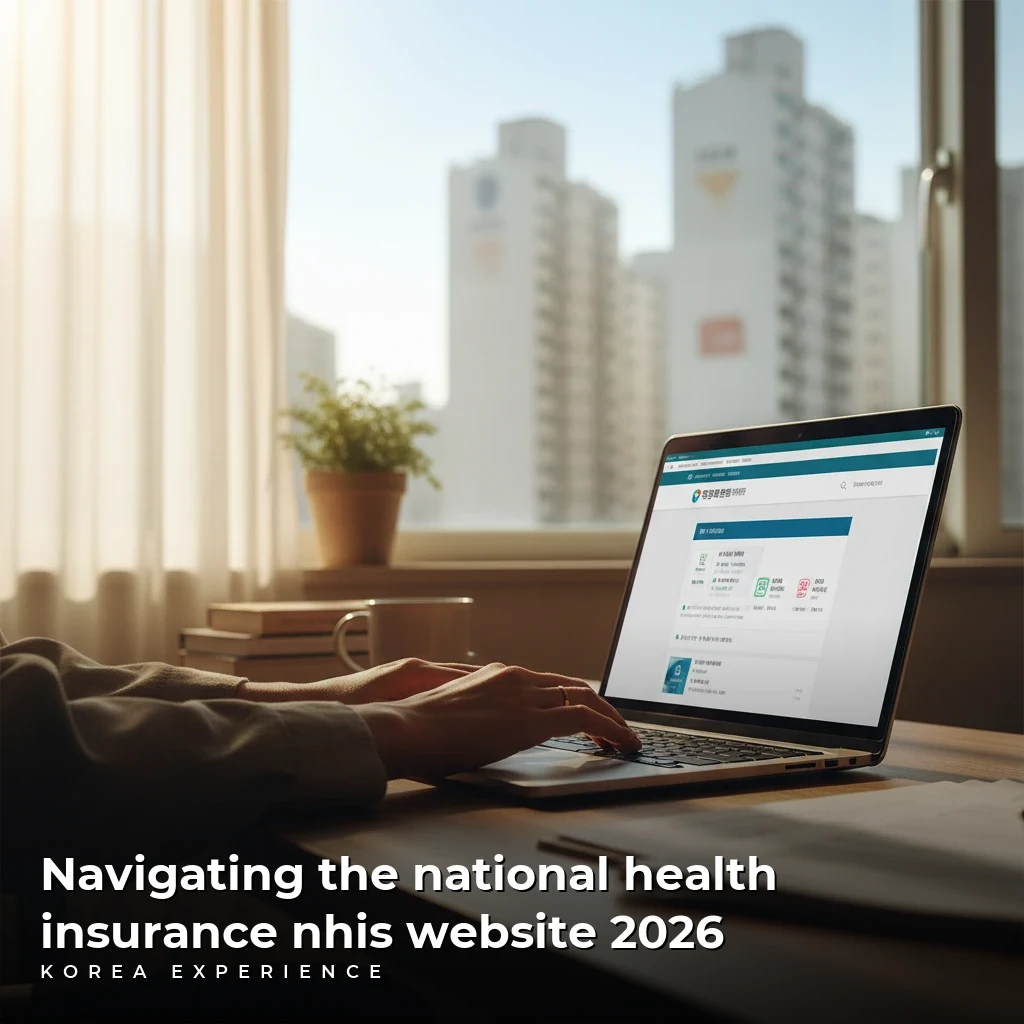
A comprehensive guide to mastering the NHIS website and app in 2026. Learn login hacks, payment methods, and coverage checks to avoid penalties.
Master the E-7 visa process for Korea. Learn eligibility, GNI salary rules, and application steps for 2026 to secure your career in Seoul.
Master the art of Korean tea etiquette with our 2026 guide to Darye including best teahouses brewing steps and cultural insights for travelers
Compare Coupang and Gmarket for online shopping in Korea. We analyze delivery speeds, English support, and payment methods for expats in 2026.

Master the moves in Seoul. Our ultimate guide covers top studios, booking steps, and tips to learn K-Pop dance from real choreographers in 2026.