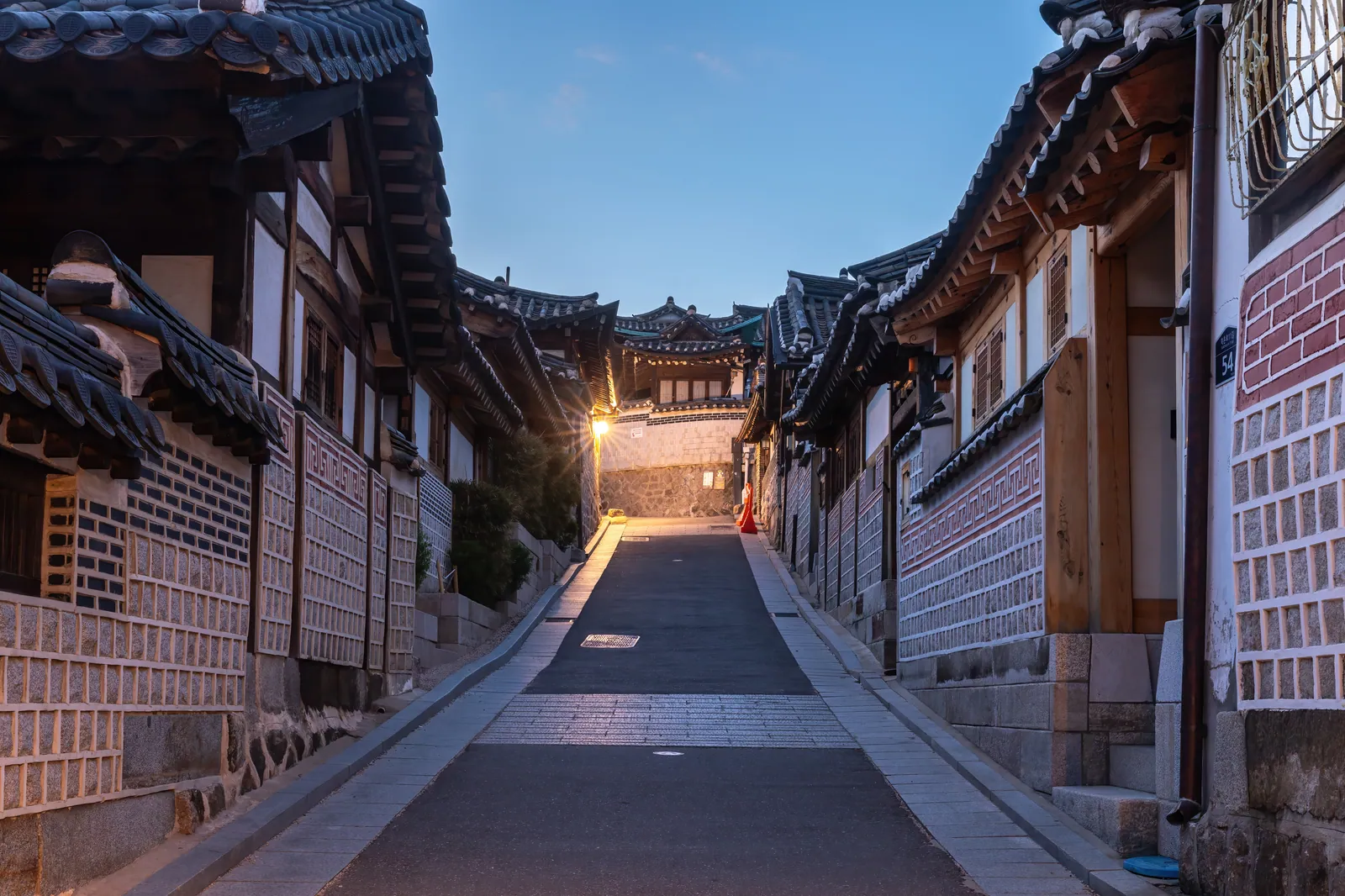
For a palace morning followed by a museum, use layers you can remove indoors rather than one bulky outfit. Put gloves where you can reach them, and keep a dry pair of socks for a wet day. The forecast near departure decides the final outer layer.
Pack for transitions, not just one temperature
Plan a removable base/mid/outer layering system for exposed streets, warm public transport and heated interiors.
Seoul climate averages justify a cold-weather plan; Busan is milder on average but still requires trip-date weather checks.
Keep essential warm items in hand luggage if a delayed checked bag would leave you unprepared.
Protect hands, feet and exposed skin
Use gloves, scarf and a hat that work with the chosen coat; footwear should have traction rather than smooth fashion soles.
Pack spare socks and a method to separate wet footwear from clean clothing.
A small bag for wet umbrellas and reusable water container support a practical city day.
Check the operator: Korea Tourism Organization: Climate and Seasons · Korea Tourism Organization: Hanok accommodation.
Match clothes to the actual itinerary
Long palace grounds and coastal promenades need more exposure planning than short hotel-to-museum transfers.
For a ski or mountain excursion, follow the activity operator's equipment requirements; city shoes are not technical equipment.
For hanok accommodation, ask about bedding, bathroom access and indoor footwear rather than assuming a hotel layout.
Avoid overpacking with a small decision table
Begin with the core city items in the checklist, then add activity-specific equipment only for excursions you will actually take.
A laundry-equipped stay can reduce quantities, but confirm drying arrangements before relying on it.
Choose layers that can be recombined; leave luggage room for return shopping instead of bringing duplicate bulky coats.
What to check in the final week
Use the destination forecast and any transport/attraction warnings; a monthly average cannot establish ice or snow on the route.
Confirm the room's heating instructions and permitted drying arrangements with the hotel.
Ask your clinician about medicines and health-specific packing needs, and check the official rules for carrying your prescribed items.
Pack by bag and task
Keep your carry-on, suitcase and day bag separate while packing. Check the accommodation questions before adding duplicate items that the property may already provide.
Add a separate equipment list for a confirmed ski or hiking excursion. Ask the operator what is required and what a rental actually includes.
Finish by checking the room's winter arrangements and choosing an indoor activity near your base. Useful preparation includes where to warm up, not only what to put in the suitcase.
Before you go
- Removable thermal layers
- Weather-resistant outer layer
- Gloves, scarf and hat
- Shoes with traction
- Spare socks and wet-item bag
- Essential items in carry-on
- Forecast checked
- Property heating/laundry questions answered
Save the current operator notice and your own booking conditions offline. Recheck any dated information before paying or traveling.
A compact city packing plan
| Bag | Core items | Confirm before adding more |
|---|---|---|
| Carry-on | A warm layer, essential medication, travel documents | Airline and security restrictions |
| Suitcase | Reusable layers, spare socks, appropriate outerwear | Laundry and drying at the property |
| Day bag | Gloves, scarf, water, wet-item bag | The actual forecast and outdoor time |
| Activity extras | Only for a confirmed excursion | Operator equipment and rental list |