Korean Apartment Heating Controls Explained: Safe Ondol Settings
Master Korean apartment heating controls. Learn essential ondol terms, how to set room vs. floor temperature, and safe practices for energy efficiency.
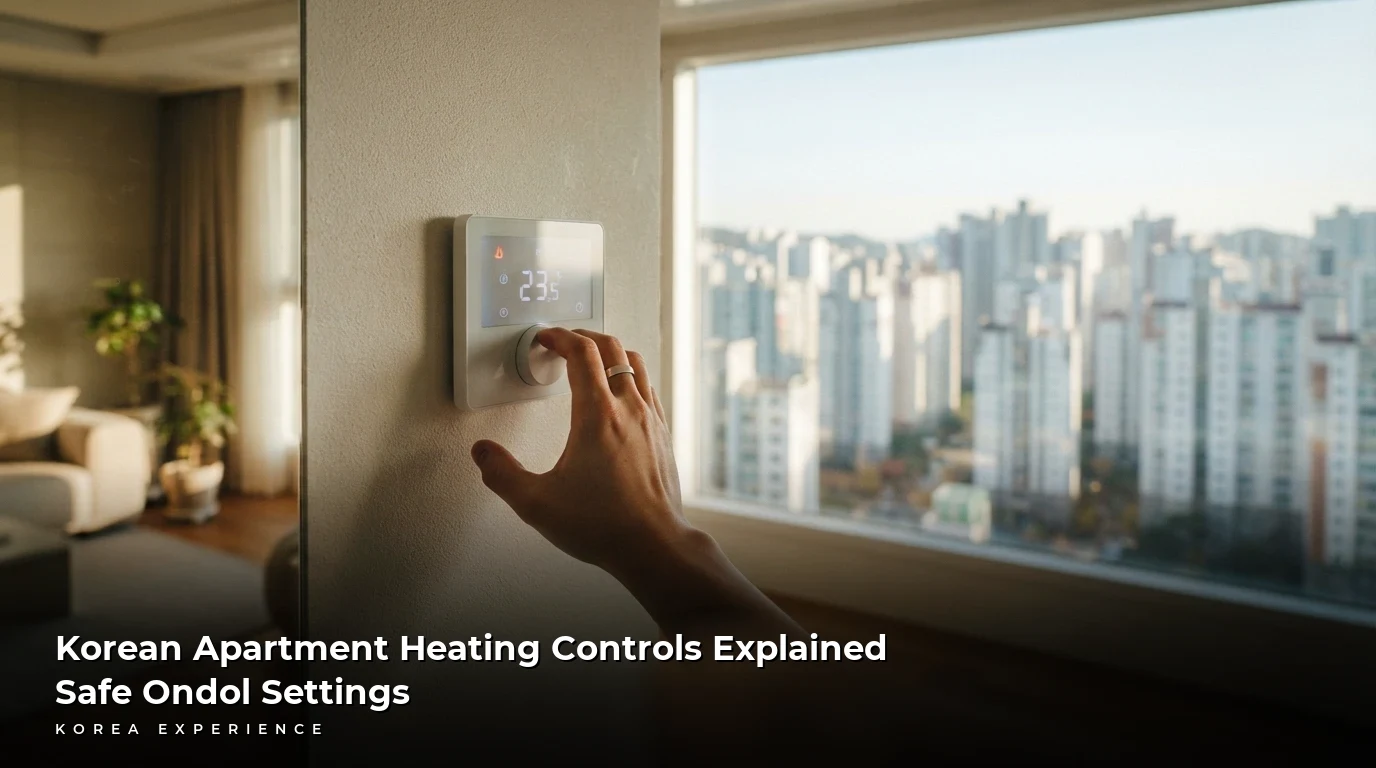
Navigating a Korean apartment’s wall-mounted digital control panel can feel intimidating, especially when every label is written in Korean characters. Modern Korean apartments rely on ondol (온돌), a hydronic radiant floor heating system where a boiler circulates heated water through pipes embedded directly beneath the floor.
Because button layouts, exact terminology, and icon designs vary across common boiler manufacturers—such as Kyungdong Navien, Rinnai, Daesung Celtic, and Guiwon—understanding the core vocabulary and operational mechanics is essential for staying warm safely and efficiently.
Key Control Panel Terms (Korean to English)
Before adjusting any settings, it helps to recognize the essential terms displayed on digital boiler panels.
| Korean Term | English Translation | Primary Function |
|---|---|---|
| 난방 (Nanbang) | Heating | Turns floor heating on/off or adjusts heating intensity. |
| 온수 (Onsu) | Hot Water | Controls water temperature for showers and kitchen taps. |
| 온수전용 (Onsu-jeonyong) | Hot Water Only | Disables floor heating while maintaining tap hot water (ideal for summer). |
| 외출 (Oechul) | Away / Out Mode | Low-power baseline setting to prevent freezing pipes or maintain minimum heat. |
| 예약 (Yeyak) | Timer / Schedule | Programs automated heating cycles based on timed intervals. |
| 실내온도 / 실온 (Silnae-ondo / Silon) | Room Temperature | Targets ambient air temperature using the thermostat sensor on the wall panel. |
| 온돌온도 / 바닥온도 (Ondol-ondo / Badak-ondo) | Floor Temperature | Targets the direct temperature of the water circulating through the floor loops. |
Room Temperature (실온) vs. Floor Temperature (온돌)
One of the most common points of confusion for new residents is choosing between room temperature and floor temperature modes.
- Room Temperature Mode (실내온도): The sensor inside the control panel measures the ambient air of the room. This works well in tightly sealed, well-insulated apartments where air temperature accurately reflects overall comfort.
- Floor Temperature Mode (온돌온도): The system ignores the air and focuses strictly on heating the water loop beneath your feet.
Nuance in poorly insulated spaces: If your apartment suffers from drafts, a room temperature sensor can trick the boiler into overworking. Because cold air sinks or drafts past the wall panel, the system may register a low ambient temperature and blast continuous heat, even if the floor is already hot. In drafty or older buildings, switching to floor temperature mode often provides a more stable and comfortable environment.
Safe Operating Practices and Common Scenarios
Should You Turn the Boiler Completely Off When Leaving?
A common temptation is to shut the boiler off entirely when stepping out for the day or traveling to save energy. However, expat and local community consensus advises against turning the system completely on and off repeatedly. Reheating a completely cold apartment from scratch requires significantly more energy than maintaining a mild, steady baseline temperature.
Utilizing "Away" Mode (외출)
Rather than shutting the system down, use the 외출 (Oechul) or "Away" mode. This setting is specifically designed as a low-power baseline to prevent pipes from freezing during cold weather or to keep the apartment from dropping to extreme lows while you are out.
Managing Summer Hot Water
During warmer months, you do not want your floors heating up every time the boiler fires. Activating 온수전용 (Onsu-jeonyong or "Hot water only" mode) disables the floor-heating loop entirely while leaving your shower and kitchen tap hot water fully functional.
Dual-Function Interaction
Korean apartment boilers use a three-way internal valve to switch hot water circulation between the floor heating loops and the domestic tap water. Be aware that running a hot shower for an extended period can temporarily pause or impact floor-heating circulation.
Recommended Baseline Settings
While personal comfort varies, general guide consensus and anecdotal recommendations for standard winter operation suggest the following ranges:
- Floor/Room Heating Targets: Generally set between 22°C–25°C depending on personal preference and building insulation.
- Hot Water Temperature: Typically maintained between 42°C–44°C for comfortable showers without scalding risks.
- Away Mode (외출): Often hovers around a baseline of 10°C–16°C to protect infrastructure.
(Note: Safety implications regarding gas boiler malfunctions, carbon monoxide risks, or emergency shut-offs require verification via official utility providers—such as SK Gas, Samchully, or your local city gas supplier—or certified technicians.)
Sources
About the Author
Korea Experience Team
Written by the Korea Experience editorial team - experts in Korean medical tourism, travel, and culture with years of research and firsthand experience.
Explore more in Living in Korea
Everything expats and long-term visitors need to know — from visa requirements and housing to banking, healthcare, and daily life tips.
Browse All Living in Korea ArticlesContinue Reading
Explore more articles you might find interesting
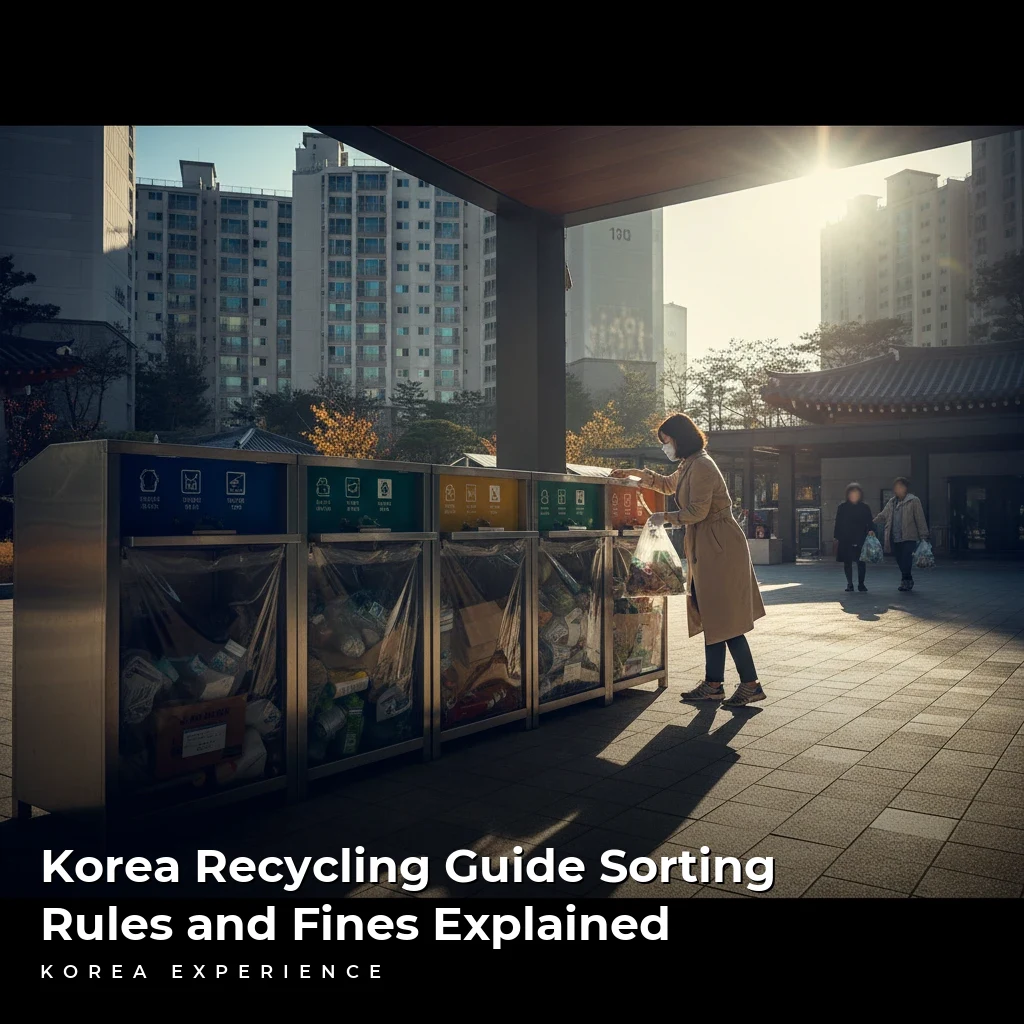
Master the strict South Korean recycling system. Learn about sorting categories, specific colored bags, disposal schedules, and how to avoid heavy fines.
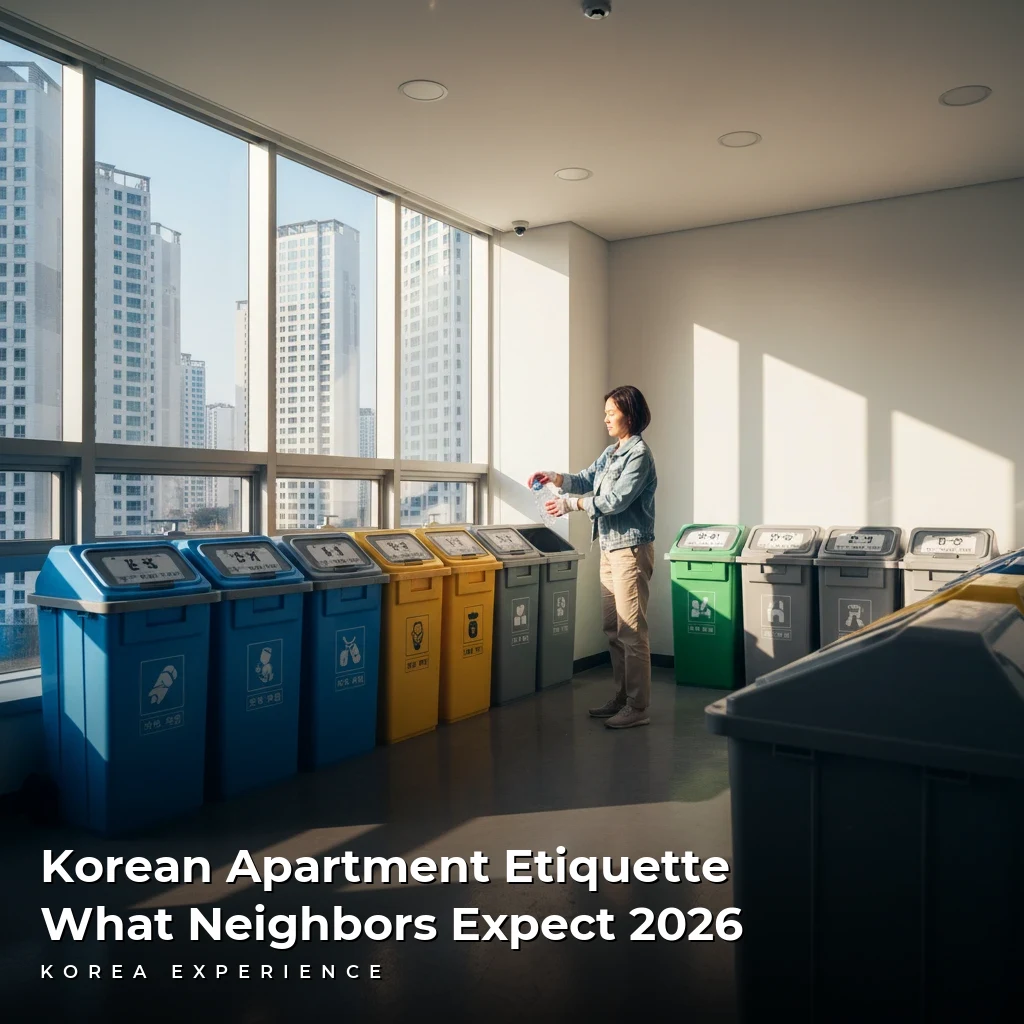
Master Korean apartment etiquette in 2026. From strict recycling rules to noise control, learn how to be the perfect neighbor in Korea.
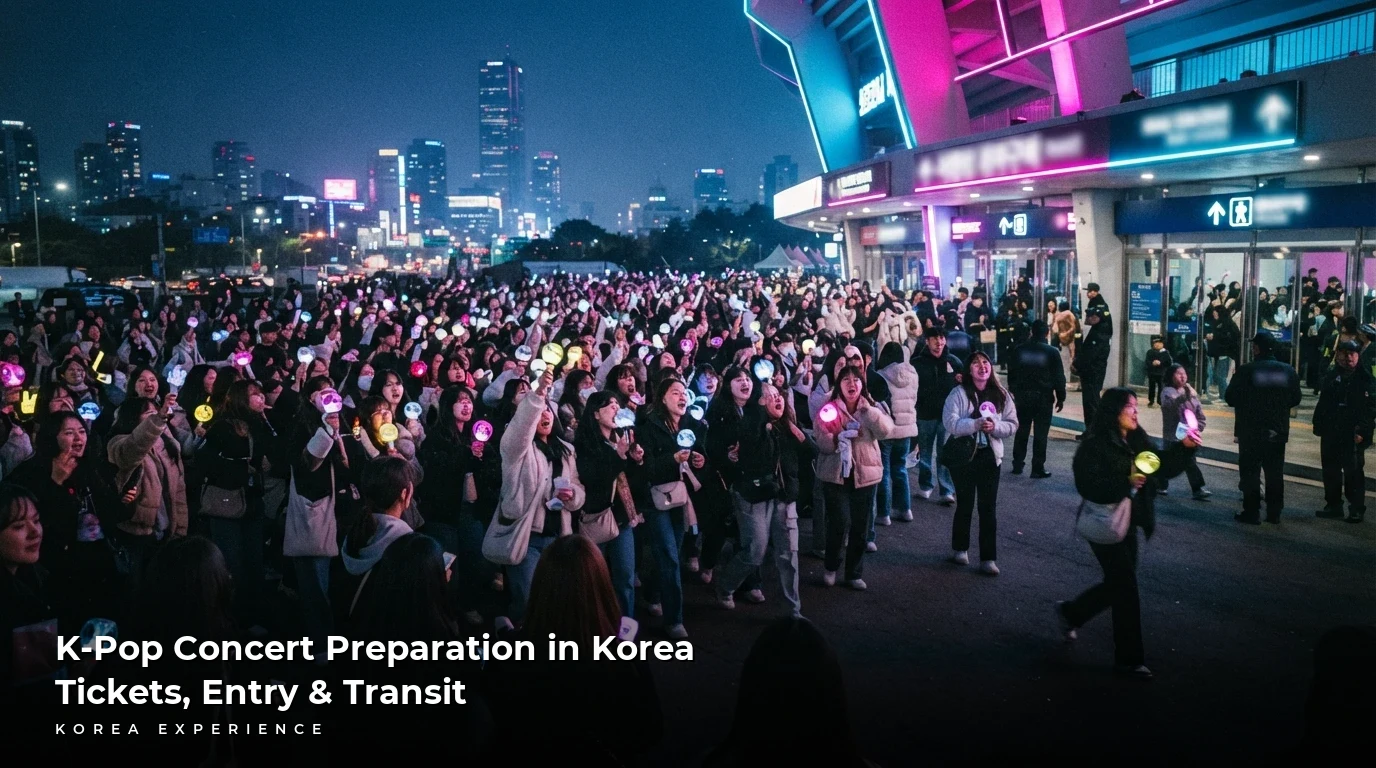
Master K-pop concert prep in Korea with our essential guide covering strict passport ticket verification, venue entry, and safe transit home.
Master ordering Korean fried chicken with our guide to portions, whole chicken counters, classic sauces, essential sides, and delivery terms.
Master the two-hand tuck and polite turn. Learn why soju costs 7,000 KRW in 2026 and how to avoid the 50% refill rule mistake in this essential guide.

Master Korean dining rules and learn why lifting your rice bowl is a cultural taboo. Essential guide for travelers in 2026.