Korean Secondhand Shopping Guide for Visitors
A practical guide for short-term visitors navigating South Korea's secondhand market, covering payment barriers, condition checks, and return limits.
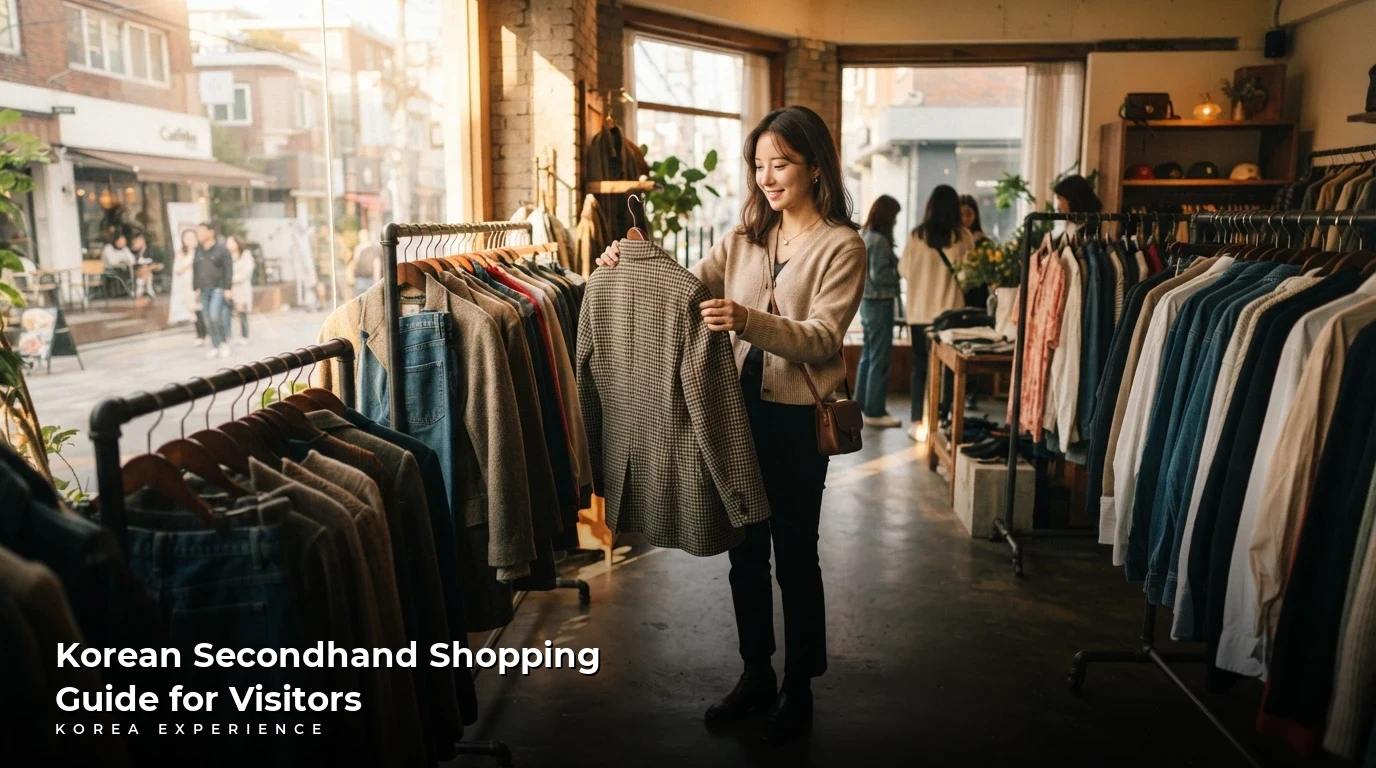
Navigating South Korea's bustling secondhand market as a short-term visitor requires understanding strict local registration rules, face-to-face transaction norms, and consumer protection boundaries. While South Korea boasts a massive and highly active pre-owned ecosystem, it is largely structured around local residency credentials, meaning visitors face distinct operational hurdles compared to residents.
Payment Hurdles on Major Peer-to-Peer Platforms
For visitors hoping to browse or buy items on South Korea’s major peer-to-peer (P2P) secondhand platforms—such as Karrot (known locally as Danggeun), Bunjang, and Joongonara—the primary obstacle is account creation.
- Local Identity Verification: These platforms fundamentally require local identity verification linked to a domestic carrier mobile number registered via an Alien Registration Card (ARC).
- International Credit Cards: While apps like Karrot have explored credit card features through financial authorities, full native in-app international credit card support for casual visitors remains heavily restricted.
- Transaction Methods: Because digital escrow features (such as Karrot's ansim-gyeolje or Bunjang's BungaePay) require domestic account structures, direct peer-to-peer transactions typically rely on local bank transfers (gyjwainicheol) or physical cash exchanged during face-to-face meetups (jikgeorae).
Without a local banking setup or ARC, interacting with app-based private sellers is nearly impossible for short-term travelers.
Condition Checks and Transaction Environments
Because physical thrift store footprints can sometimes be sparse compared to booming online P2P markets, secondhand trading heavily favors neighborhood-level interactions.
- Face-to-Face Meetups (Jikgeorae): Transactions frequently happen through direct meetups or designated pickup lockers (such as mungori or door-handle drops).
- Inspecting Goods: Buyers inspecting goods typically do so on-site during face-to-face meetings. For instance, buyers of electronics will often test devices on the spot—such as powering them on at a local cafe—before finalizing the exchange.
- Specialized Resale Shops: If you prefer brick-and-mortar shopping rather than informal meetups, offline specialized resale stores (such as luxury goods re-sellers like Gugus) require physical appraisal and in-store inspection, providing a more traditional retail environment for secondhand goods.
Return Limits and Consumer Protection Laws
Understanding your consumer rights is essential when buying pre-owned items in Korea, as statutory protections differ drastically between professional businesses and private individuals.
- Private P2P Sales: Under Article 17(1) of South Korea’s Act on Consumer Protection in E-Commerce, the statutory right to a 7-day change-of-mind withdrawal (cheongyak-cheolhoe) strictly applies to transactions involving registered business sellers (tongsin-panmae-eopja). Casual secondhand transactions between private individuals are generally exempt from this statutory consumer refund framework. If you buy from a private seller, you have very little legal recourse if you change your mind.
- Offline Retail and Boutique Shops: For physical retail or professional secondhand shops, return policies depend entirely on individual store terms. Signage or verbal statements indicating gyhwan/hwanbul eoryeowoyo (meaning exchange or refund is difficult) or final-sale designations legally limit your consumer recourse if communicated prior to purchase.
Short-term visitors should thoroughly inspect items before handing over payment, as informal secondhand purchases are almost always final.
Sources
About the Author
Korea Experience Team
Written by the Korea Experience editorial team - experts in Korean medical tourism, travel, and culture with years of research and firsthand experience.
Explore more in Shopping & K-Beauty
From Olive Young hauls to Myeongdong shopping tips — discover the best K-Beauty products, fashion trends, and shopping destinations in Korea.
Browse All Shopping & K-Beauty ArticlesContinue Reading
Explore more articles you might find interesting
Navigate buying Korean ceramics with our practical guide covering studio firing timelines, top shopping neighborhoods, and safe packing techniques.
A practical guide to finding public restrooms in South Korea, covering subway stations, malls, accessible facilities, and navigation tools.

A comprehensive guide to mastering the NHIS website and app in 2026. Learn login hacks, payment methods, and coverage checks to avoid penalties.
A complete guide to navigating gym memberships in South Korea, covering pricing structures, hidden fees, contract terms, and fitness culture.
A detailed guide to renting in South Korea, covering Jeonse vs Wolse, deposits, finding English-speaking agents, and navigating contracts safely.
Learn how to get prescription glasses in South Korea, including on-site eye exams, frame selection, and turnaround times.