Korean Skincare Ingredient Labels for Visitors: Translation & Claims
Navigate Korean skincare labels, decode ingredient order, understand functional cosmetic claims, and learn safe at-home patch-testing protocols.
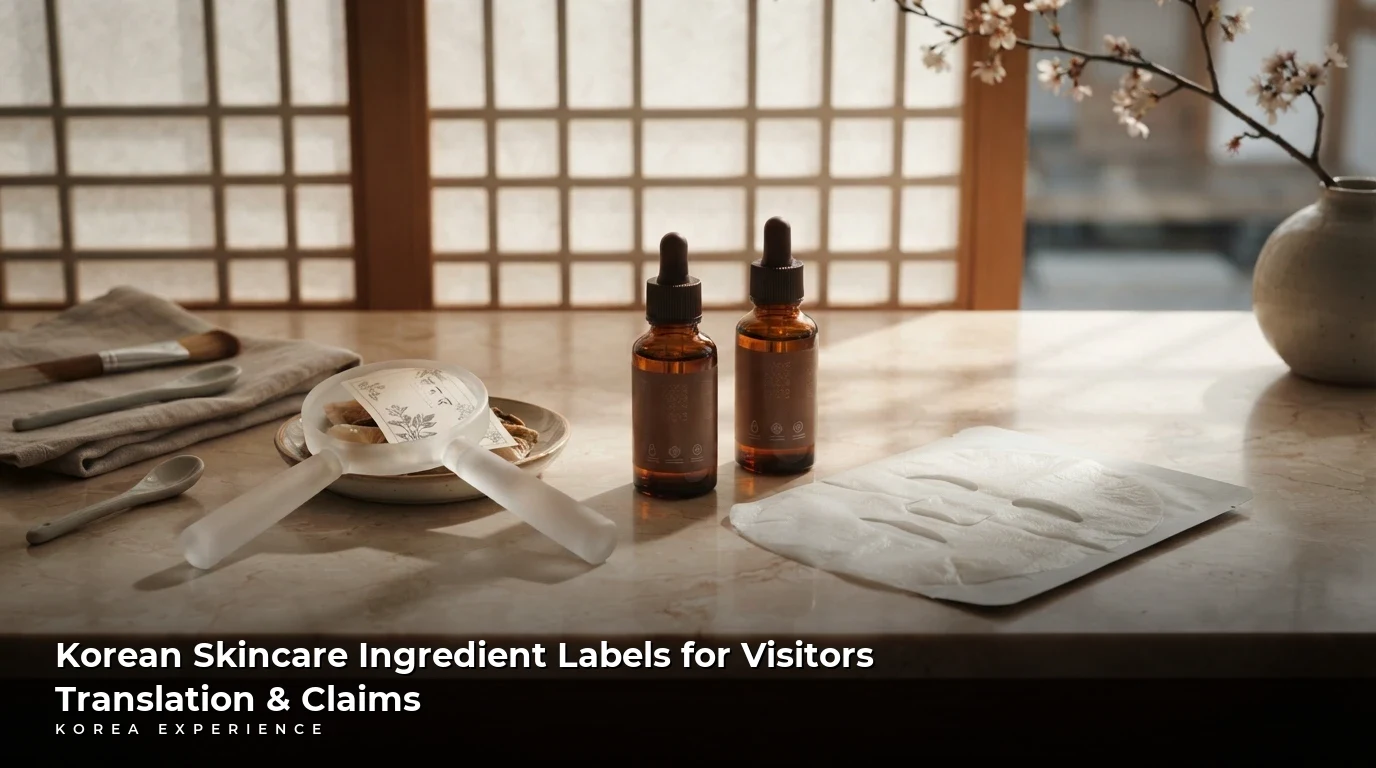
Navigating domestic Korean skincare packaging can be challenging for visitors since back labels are frequently printed exclusively in Korean (Hangul) without English translations. Under South Korean regulations, cosmetic labeling follows strict legal structures designed to communicate ingredient concentration, safety information, and functional claims.
Decoding Ingredient Lists and Legal Order
Under the South Korean Cosmetic Act, all cosmetic ingredients must be listed in descending order of concentration.
- The Base Formula: The first five ingredients listed typically constitute the base of the product, accounting for roughly 80% to 90% of the overall formula.
- Low-Concentration Exceptions: Ingredients present at concentrations under 1% may be listed in any arbitrary order. This can sometimes place high-visibility marketing extracts higher or lower on the label than their actual volume dictates.
Domestic retail packaging purchased inside South Korea will usually display the full ingredient list under the heading 전성분 (Jeon-seong-bun). Because independent boutique brands or offline pop-up shops may not feature English text on their packaging, international visitors often rely on localized beauty database apps (such as Hwahae) or image-translation tools to parse the text. Hwahae also provides an English global website interface featuring category rankings and translated consumer reviews.
Essential Label Terminology for Visitors
When examining Korean skincare bottles and outer boxes, look for these key text fields to understand product freshness and dating:
| Korean Term | Romanization | English Translation / Meaning |
|---|---|---|
| 전성분 | Jeon-seong-bun | Full ingredient list |
| 제조일자 | Jejo-iljja | Manufacturing date |
| 사용기한 | Sayong-gihan | Expiry date / use-by date |
| 개봉 후 사용기간 | Gaebong hu sayong-gigan | Period after opening (PAO) |
Understanding Functional Cosmetics and Allergen Regulations
South Korea’s Ministry of Food and Drug Safety (MFDS) officially regulates "functional cosmetics"—categories that include whitening/brightening products, anti-wrinkle treatments, and sun protection items. These products undergo specialized reviews and are legally required to denote precise active components on their labels.
Additionally, under updated MFDS allergen guidelines, 25 specific fragrance allergens must be explicitly declared on cosmetic labels if they surpass established threshold limits (for example, a 0.001% threshold for leave-on items). Visitors with sensitive skin should look closely at the ingredient breakdown for these mandatory disclosures.
At-Home Patch Testing Protocols for Visitors
When trying new K-Beauty items purchased during a trip, skin safety and patch testing are essential, especially when introducing high-concentration actives or unfamiliar botanical extracts.
An at-home patch test differs from clinical dermatological patch testing for contact allergies. To perform an at-home check safely:
- Apply a small amount of the product to an uncompromised area of skin, such as the inner forearm or the bend of the elbow.
- Repeat application twice daily for 7 to 10 days.
- Monitor the test site closely for any localized adverse reactions, redness, or irritation before applying the product to your face.
Sources
About the Author
Korea Experience Team
Written by the Korea Experience editorial team - experts in Korean medical tourism, travel, and culture with years of research and firsthand experience.
Explore more in Shopping & K-Beauty
From Olive Young hauls to Myeongdong shopping tips — discover the best K-Beauty products, fashion trends, and shopping destinations in Korea.
Browse All Shopping & K-Beauty ArticlesContinue Reading
Explore more articles you might find interesting
Decode your Korean medicine packets with our comprehensive 2026 guide. Learn to read dosage instructions, identify pills, and understand pharmacy costs.
Comprehensive guide on flying after surgery in Korea. Learn safe timelines, DVT prevention, and doctor-approved tips for your flight home in 2026.
Understand the crucial safety timeline for flying after plastic surgery in Korea. Learn about risks, recovery, and essential tips for a smooth return journey.
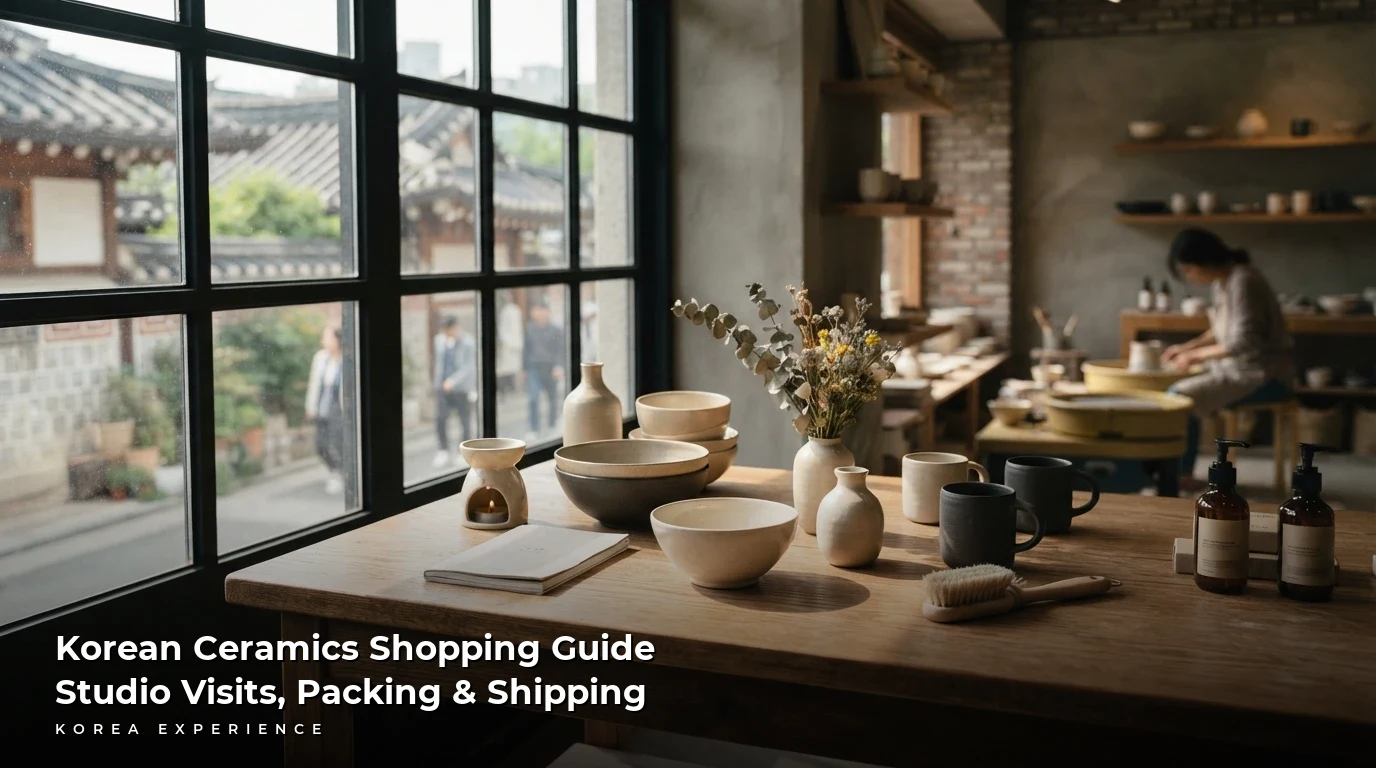
Navigate buying Korean ceramics with our practical guide covering studio firing timelines, top shopping neighborhoods, and safe packing techniques.

Discover why Seoul shoppers flock to Musinsa in 2026. Learn to navigate Standard basics and score 70 percent cheaper indie brands like Matin Kim under $100.
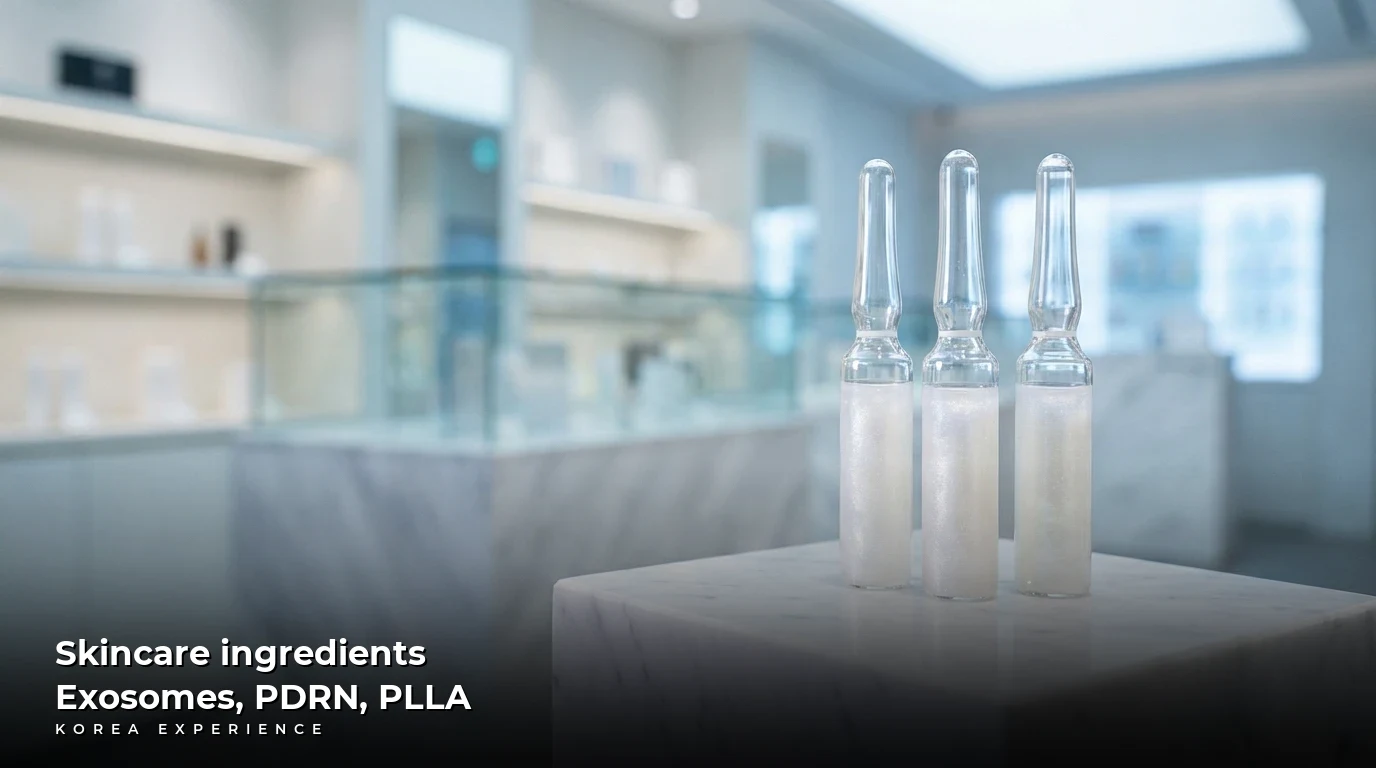
Discover why PDRN matches 95% of human DNA and how Juvelook PLLA costs ₩300,000 for results lasting 12 months in this 2026 ingredient guide.