Liposuction vs Coolsculpting Korea Body Contouring
Explore liposuction and Coolsculpting in Korea for body contouring Compare procedures costs recovery for international patients make informed decisions
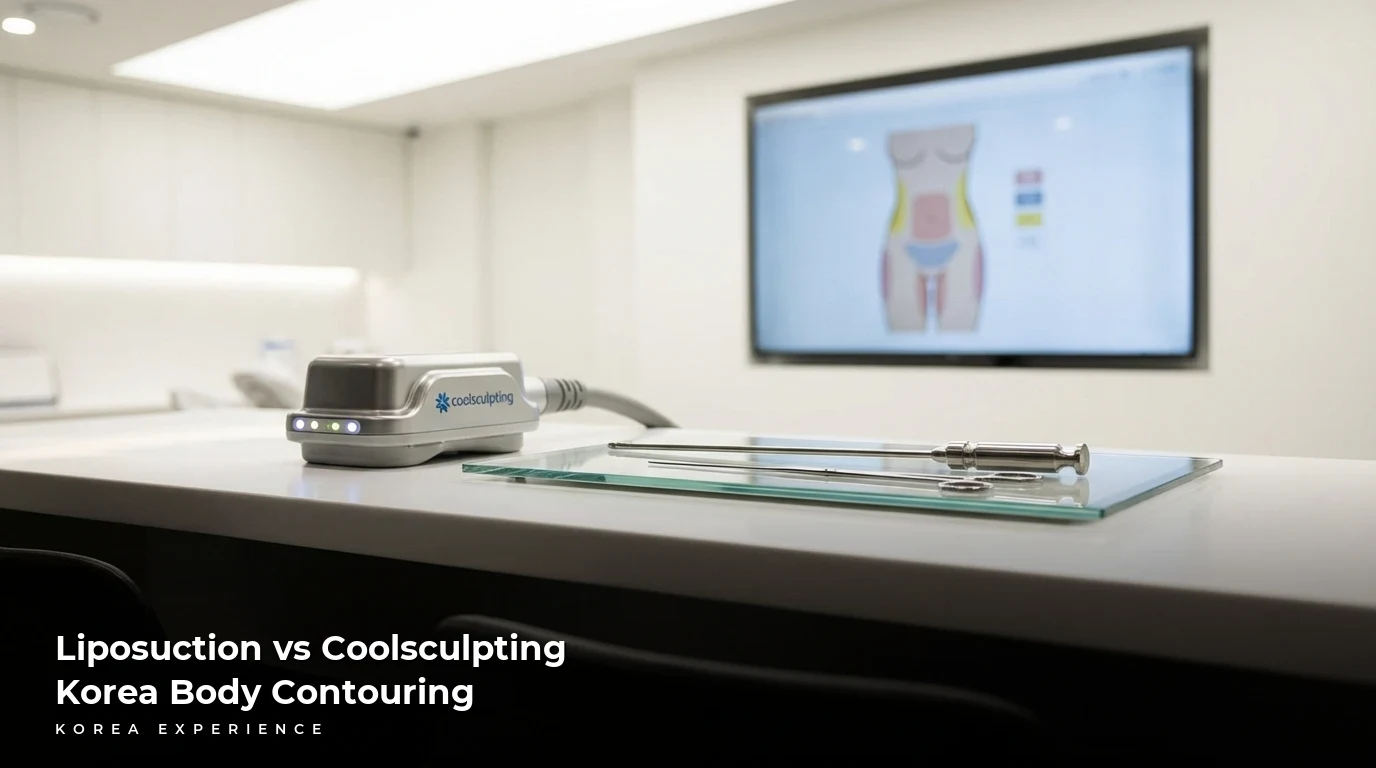
Unveiling Your Ideal Silhouette: Liposuction vs Coolsculpting Body Contouring in Korea
The quest for a perfectly sculpted physique is a journey many embark on, and for international travelers and expats, South Korea has emerged as a premier destination for aesthetic enhancements. Renowned globally for its cutting-edge medical technology, highly skilled practitioners, and innovative approaches to beauty, Korea offers a compelling environment for those seeking body contouring. However, navigating the diverse array of options can be daunting. Among the most popular and effective methods for targeted fat reduction are liposuction and Coolsculpting.
While both aim to reduce stubborn fat pockets that diet and exercise often fail to address, they employ fundamentally different approaches: one surgical, the other non-invasive. This comprehensive guide will delve deep into liposuction vs Coolsculpting for body contouring, comparing their procedures, benefits, risks, costs, and recovery times specifically within the Korean medical tourism landscape. By the end, you'll have a clear understanding of which method might best align with your aesthetic goals and lifestyle, empowering you to make an informed decision on your journey to a more confident you in Korea.
Understanding Body Contouring: A Korean Perspective
Body contouring procedures are designed to reshape and improve the tone of areas of the body by removing excess fat and skin. In Korea, this field has seen rapid advancements, driven by a strong cultural emphasis on aesthetics and continuous investment in medical innovation.
The Rise of Aesthetic Medicine in Korea
South Korea’s aesthetic medicine industry is not just a local phenomenon; it's a global powerhouse. Its reputation is built on several pillars:
- Technological Prowess: Korean clinics are often the first to adopt and perfect the latest medical technologies and techniques.
- Skilled Professionals: Medical practitioners undergo rigorous training and often specialize intensely, leading to a high level of expertise in specific procedures.
- Patient-Centric Approach: Clinics prioritize patient safety, comfort, and satisfaction, often offering comprehensive pre- and post-operative care.
- Natural-Looking Results: There's a strong emphasis on achieving results that enhance natural beauty rather than creating an artificial appearance.
Why Korea for Body Contouring?
For international patients, Korea offers several compelling advantages for body contouring:
- World-Class Expertise: Korean plastic surgeons are among the most experienced globally, especially in aesthetic procedures.
- Advanced Equipment: Clinics are equipped with state-of-the-art machinery, ensuring the latest and most effective treatments.
- Competitive Pricing: While offering premium quality, the cost of procedures in Korea can often be more competitive than in Western countries, making it an attractive destination for medical tourism.
- Dedicated Medical Tourism Infrastructure: Many clinics cater specifically to international patients, offering multi-lingual staff, concierge services, and seamless experiences. The Gangnam District in Seoul, for instance, is a hub for these high-end aesthetic clinics.
Liposuction: The Gold Standard for Fat Removal
Liposuction, or " 지방흡입" (Jibangheupip) as it's known in Korea, remains one of the most popular and effective surgical procedures for removing stubborn fat deposits. It's ideal for those seeking significant and immediate results.
What is Liposuction?
Liposuction is a surgical procedure that uses a suction technique to remove fat from specific areas of the body, such as the abdomen, hips, thighs, buttocks, arms, or neck. It is not primarily a weight-loss solution but rather a body contouring technique for reshaping areas with localized fat.
Types of Liposuction
Korean clinics excel in offering various advanced liposuction techniques, often tailoring the method to the patient's specific needs:
- Tumescent Liposuction: This is the most common technique. A sterile solution containing saline, lidocaine (a local anesthetic), and epinephrine (to constrict blood vessels) is injected into the fatty area. This solution numbs the area, minimizes blood loss, and makes fat removal easier.
- VASER Liposuction (Ultrasound-Assisted Liposuction): VASER uses ultrasound energy to liquefy fat cells before they are suctioned out. This method is known for being less invasive than traditional liposuction, leading to less bruising and a smoother recovery, while also potentially promoting skin tightening. Many clinics in the Apgujeong area of Seoul specialize in VASER.
- Laser-Assisted Liposuction (SmartLipo, AccuSculpt): This technique uses a laser fiber inserted through a small incision to melt fat cells, which are then either suctioned out or naturally absorbed by the body. It's often praised for its skin-tightening benefits.
The Liposuction Procedure in Korea
A typical liposuction journey in a Korean clinic involves:
- Initial Consultation: A thorough discussion with a board-certified plastic surgeon. They will assess your health, discuss your goals, determine suitable areas for treatment, and recommend the best technique. This is crucial for managing expectations and ensuring safety.
- Pre-operative Preparations: This may include blood tests, photographs, and instructions on medication cessation (e.g., blood thinners).
- Anesthesia: Depending on the extent of the procedure, local anesthesia with sedation, epidural anesthesia, or general anesthesia will be administered.
- Surgery: The surgeon makes small incisions (typically 3-5mm) in the target area. The tumescent solution is injected, followed by the insertion of a thin, hollow tube called a cannula. The cannula is moved back and forth to break up fat cells, which are then suctioned out using a surgical vacuum or syringe.
- Post-operative Care: After the procedure, compression garments are typically worn to help reduce swelling and aid in skin retraction. Pain medication and antibiotics may be prescribed. Follow-up appointments are scheduled.
Ideal Candidates for Liposuction
- Individuals who are at or near their ideal body weight.
- Those with stubborn pockets of fat that haven't responded to diet and exercise.
- People with good skin elasticity.
- Non-smokers and individuals in good overall health.
- Patients with realistic expectations about the results.
Expected Results and Recovery
- Results: Visible fat reduction is often immediate, though final results become apparent as swelling subsides over several weeks to months. The treated areas will appear more contoured.
- Recovery:
- Downtime: 1-2 weeks, depending on the extent of the procedure. Most patients can return to light activities within a few days.
- Swelling and Bruising: Common for several weeks.
- Compression Garments: Worn for 4-6 weeks to minimize swelling and aid skin contraction.
- Full Recovery: Can take 3-6 months. Strenuous exercise is typically restricted for 4-6 weeks.
Potential Risks and Considerations
While generally safe, liposuction carries surgical risks:
- Infection
- Bleeding
- Fluid accumulation (seroma)
- Numbness or changes in skin sensation
- Uneven contours or skin irregularities
- Anesthesia risks
- Blood clots
Choosing an experienced, board-certified surgeon in a reputable Korean clinic significantly minimizes these risks.
Coolsculpting: Non-Invasive Fat Freezing
Coolsculpting, known scientifically as cryolipolysis, is a revolutionary non-surgical method for fat reduction. It’s perfect for those who want to avoid surgery and its associated downtime.
What is Coolsculpting?
Coolsculpting is a patented non-surgical cooling technology that freezes and eliminates stubborn fat. The procedure is based on the science of cryolipolysis, which uses controlled cooling to target and kill fat cells without damaging the surrounding tissues.
How Coolsculpting Works
Fat cells are more susceptible to cold temperatures than other cells. During a Coolsculpting session:
- A specialized applicator is placed on the target area (e.g., love handles, tummy, double chin).
- The applicator delivers precisely controlled cooling to the fat cells underneath the skin.
- The fat cells crystallize and die.
- Over the following weeks and months, the body naturally processes and eliminates these dead fat cells, resulting in a reduction of fat in the treated area.
The Coolsculpting Procedure
- Initial Consultation: A consultation with a qualified technician or doctor is crucial to determine if Coolsculpting is suitable for you and to create a personalized treatment plan. They will identify target areas and estimate the number of cycles needed.
- Treatment Session: The applicator is applied to the skin. You may feel a sensation of pulling, tugging, mild pinching, intense cold, stinging, aching, or cramping at the treatment site. These sensations typically subside as the area becomes numb.
- Duration: Each session typically lasts between 35 minutes to an hour per treatment area. Multiple areas can be treated in one sitting, or you may require several sessions over time.
- Post-Treatment: The treated area is massaged for a few minutes to break up the frozen fat cells and enhance results.
Ideal Candidates for Coolsculpting
- Individuals who are at or near their ideal body weight but have visible bulges of fat that they'd like to eliminate.
- Those who prefer a non-surgical approach with no downtime.
- Patients with realistic expectations, understanding that results are gradual and typically less dramatic than liposuction.
- People who are generally healthy and have good skin elasticity.
Expected Results and Recovery
- Results: Results are not immediate. Fat reduction becomes noticeable typically within 1 to 3 months after treatment, as the body gradually eliminates the frozen fat cells. Each session can reduce fat by approximately 20-25% in the treated area. Multiple sessions may be required for optimal results.
- Recovery:
- Downtime: Virtually none. Patients can resume normal activities immediately after treatment, including work and exercise.
- Side Effects: Temporary redness, bruising, swelling, tenderness, cramping, itching, tingling, and numbness in the treated area are common but generally resolve within a few days to weeks.
Potential Side Effects and Considerations
Coolsculpting is considered very safe, but potential side effects include:
- Temporary redness, bruising, swelling, and sensitivity.
- Paradoxical adipose hyperplasia (PAH): A rare condition where the treated fat cells actually grow larger instead of shrinking. This is extremely uncommon but can require surgical intervention.
- Nerve pain or discomfort (temporary).
Ensure your procedure is performed by a certified professional in a reputable clinic, which is standard practice in leading Korean aesthetic centers.
Liposuction vs. Coolsculpting: A Direct Comparison
Understanding the key differences between these two powerful body contouring methods is crucial for making the right choice.
Procedure Type: Surgical vs. Non-Surgical
- Liposuction: A surgical procedure involving incisions, anesthesia, and direct removal of fat. It is more invasive.
- Coolsculpting: A non-surgical procedure using external cooling. It is entirely non-invasive.
Efficacy and Fat Reduction Volume
- Liposuction: Can remove a larger volume of fat in a single session. Results are typically more dramatic and immediate. Ideal for significant fat pockets and reshaping.
- Coolsculpting: Reduces fat by about 20-25% per treated area per session. Results are gradual. Best for smaller, localized fat bulges.
Recovery Time and Downtime
- Liposuction: Requires significant downtime (1-2 weeks) and a longer full recovery period (3-6 months).
- Coolsculpting: No downtime. Patients can resume normal activities immediately.
Pain and Discomfort Levels
- Liposuction: Involves surgical pain, managed with medication. Post-operative discomfort, swelling, and bruising are expected.
- Coolsculpting: Generally well-tolerated. Initial cold and pulling sensations, followed by numbness. Some mild discomfort, bruising, and swelling can occur post-treatment.
Number of Sessions Required
- Liposuction: Often a single procedure for a specific area, though extensive full-body liposuction might be staged.
- Coolsculpting: Typically requires multiple sessions per area to achieve desired results.
Cost Analysis in Korea
The cost of both procedures in Korea is highly competitive and generally lower than in North America or Europe for comparable quality. However, it varies significantly based on clinic reputation, location, the surgeon's experience, the number of areas treated, and the specific technique used.
-
Liposuction Cost:
- Small Area (e.g., chin, armpit): Approximately 1,000,000 - 2,000,000 Korean Won (₩) per area.
- Medium Area (e.g., abdomen, thighs, arms): Approximately ₩2,000,000 - ₩5,000,000 per area.
- Multiple Areas/Larger Volumes: Can range from ₩5,000,000 - ₩15,000,000 or more.
- These prices generally include anesthesia, the procedure, and some post-operative care. VASER or laser-assisted techniques might be at the higher end.
- For a deeper dive into pricing, consider our upcoming article "Understanding the Cost of Plastic Surgery in Seoul".
-
Coolsculpting Cost:
- Per Cycle/Applicator: Approximately ₩200,000 - ₩500,000 per cycle.
- Treatment Plan: A full treatment plan, often involving multiple cycles and sessions, can range from ₩1,000,000 - ₩5,000,000 or more, depending on the number of areas and applicators used.
- Clinics often offer packages for multiple cycles, which can be more cost-effective.
It is crucial to get a detailed quote during your consultation, as prices are always subject to individual needs and clinic policies.
Liposuction vs. Coolsculpting: Feature Comparison
| Feature | Liposuction | Coolsculpting |
|---|---|---|
| Procedure Type | Surgical (invasive) | Non-surgical (non-invasive) |
| Anesthesia | Local with sedation, epidural, or general | None (may feel intense cold/pulling) |
| Fat Removal Volume | Large volumes, dramatic results | Moderate volumes (20-25% per session) |
| Results Timeline | Immediate visible changes (final after swelling) | Gradual (1-3 months for noticeable changes) |
| Downtime | 1-2 weeks significant downtime | None |
| Full Recovery | 3-6 months | Immediate (minor side effects resolve quickly) |
| Number of Sessions | Typically one per area | Multiple sessions often required for optimal results |
| Skin Tightening | Some (especially VASER/Laser-assisted) | Minimal to none |
| Best For | Larger, localized fat deposits, significant reshaping | Smaller, pinchable fat bulges, subtle contouring |
| Potential Risks | Surgical risks (infection, bleeding, irregularities) | Temporary numbness, bruising, rare PAH |
Recovery Comparison
| Aspect | Liposuction | Coolsculpting |
|---|---|---|
| Immediate Sensation | Soreness, tenderness, numbness, bruising | Intense cold, tugging, numbness (during procedure) |
| Post-Procedure Care | Compression garments, pain medication, rest | Gentle massage, return to normal activities |
| Swelling & Bruising | Significant for weeks, gradually subsides | Mild, temporary (days to weeks) |
| Physical Activity | Restricted for 4-6 weeks (strenuous exercise) | Can resume immediately |
| Visible Results | Initial visible, final results 3-6 months | Noticeable results in 1-3 months |
| Long-Term Care | Maintain weight, healthy lifestyle | Maintain weight, healthy lifestyle |
Choosing Your Path: Factors to Consider
Deciding between liposuction and Coolsculpting involves a careful evaluation of your personal circumstances, aesthetic goals, and tolerance for recovery.
Your Aesthetic Goals and Expectations
- Significant Fat Reduction and Reshaping: If you have substantial fat deposits you wish to remove and desire more dramatic, immediate changes to your body's silhouette, liposuction is likely the more suitable option.
- Subtle Contouring and Minor Fat Reduction: If you have smaller, pinchable pockets of fat and prefer gradual, subtle improvements without surgery, Coolsculpting might be your ideal choice.
Your Body Type and Amount of Fat
- Good Skin Elasticity: Both procedures benefit from good skin elasticity for optimal results, as this helps the skin retract smoothly after fat removal.
- BMI and Overall Health: Both procedures are not for weight loss. Candidates should be at or close to their ideal body weight. Your doctor will assess your overall health to ensure you are a suitable candidate.
Your Tolerance for Downtime and Recovery
- Willingness for Downtime: If you can afford 1-2 weeks of downtime for recovery and are prepared for the post-surgical care, liposuction is an option.
- No Interruption to Daily Life: If you cannot afford any downtime and need to return to work or other activities immediately, Coolsculpting is the clear winner.
Budgetary Considerations
While Korea offers competitive pricing, liposuction typically involves a higher upfront cost due to its surgical nature (anesthesia, operating room, surgeon's fees). Coolsculpting, while potentially requiring multiple sessions, generally has a lower per-session cost. Consider the total estimated cost for your desired outcome.
Importance of Expert Consultation
Regardless of your initial preference, a thorough consultation with a qualified plastic surgeon or aesthetic specialist in Korea is paramount. They can:
- Assess your individual anatomy and fat distribution.
- Discuss your medical history and suitability for each procedure.
- Provide personalized recommendations based on your goals and expectations.
- Show you before-and-after photos of previous patients with similar body types.
- Outline a detailed treatment plan and transparent cost breakdown.
Navigating Body Contouring in Korea: Practical Tips for International Patients
Embarking on a medical tourism journey in Korea for body contouring requires some thoughtful planning, but the rewards can be immense.
Finding Reputable Clinics
- Research Online: Look for clinics with excellent reviews from international patients. Websites specializing in Korean medical tourism can be a good starting point.
- Accreditation: Check for relevant medical accreditations and certifications.
- Specialization: Some clinics specialize more in surgical procedures like liposuction, while others are renowned for non-invasive treatments like Coolsculpting.
- Location Hotspots: The Gangnam District and Apgujeong street in Seoul are famous for their concentration of high-quality aesthetic clinics, many of which cater to international clients.
Language Support and Communication
- Translator Services: Many prominent clinics offer in-house translation services for English, Chinese, Japanese, and other languages. Confirm this during your initial inquiry.
- Medical Coordinators: Look for clinics that provide international patient coordinators who can guide you through the entire process, from consultation to post-operative care.
- Clear Communication: Ensure you fully understand all aspects of the procedure, risks, and aftercare instructions. Do not hesitate to ask for clarification.
Accommodation and Travel Planning
- Proximity to Clinic: Choose accommodation that is conveniently located near your clinic, especially if undergoing liposuction, to minimize travel discomfort during recovery.
- Duration of Stay: Plan for an adequate stay. For liposuction, you might need 1-2 weeks post-surgery for initial recovery and follow-up appointments. For Coolsculpting, a shorter stay might suffice, depending on the number of sessions planned.
- Visa and Entry: Check the Republic of Korea's visa requirements for your nationality well in advance. Some countries have visa-free entry for short stays.
- Travel Insurance: Consider purchasing comprehensive travel insurance that covers medical emergencies and potential procedure complications.
Post-Procedure Care and Follow-up
- Adhere to Instructions: Diligently follow all post-operative instructions provided by your Korean medical team. This is crucial for optimal healing and results.
- Follow-up Appointments: Ensure you attend all scheduled follow-up appointments. If you are returning home, discuss remote follow-up options or instructions for your local doctor.
- Massage and Garments: For liposuction, consistent wearing of compression garments and post-liposuction massage (often offered by clinics) can significantly aid recovery and contouring.
Insider Knowledge
- Review Before-and-After Photos: Korean clinics are usually very transparent with their results. Ask to see a wide range of before-and-after photos specific to the procedure and body type you are interested in.
- Don't Rush: Take your time with the consultation. A reputable clinic will encourage you to ask questions and will not pressure you into a decision.
- Package Deals: Sometimes clinics offer package deals for multiple areas or combined treatments. Inquire if this is an option that suits your needs.
Frequently Asked Questions (FAQ)
Q1: Is body contouring safe in Korea? A1: Yes, South Korea maintains extremely high standards in medical aesthetics. Clinics are often equipped with advanced technology, and surgeons are highly trained and experienced. Always choose a reputable, accredited clinic with board-certified professionals.
Q2: How long do the results of liposuction and Coolsculpting last? A2: Both liposuction and Coolsculpting permanently remove fat cells from the treated areas. However, maintaining results depends on your lifestyle. If you gain weight, remaining fat cells in the treated area can expand, and new fat can accumulate in other areas. A healthy diet and regular exercise are crucial for long-lasting results.
Q3: Can I combine liposuction or Coolsculpting with other procedures? A3: Yes, it is common for patients to combine body contouring procedures with other aesthetic treatments. For example, liposuction might be combined with a tummy tuck (abdominoplasty) for comprehensive abdominal reshaping. Coolsculpting can be combined with skin tightening treatments like Ultherapy or Thermage for enhanced results. Discuss all your aesthetic goals with your surgeon during the consultation.
Q4: What if I experience language barriers during my medical journey in Korea? A4: Many top-tier clinics in major medical tourism hubs like Gangnam offer dedicated international patient departments with multi-lingual coordinators and in-house translators. It is highly recommended to choose such a clinic to ensure clear communication throughout your entire process.
Q5: How do I choose the best clinic for my body contouring procedure in Korea? A5: Look for clinics with:
- Board-certified plastic surgeons (for liposuction) or certified aesthetic specialists (for Coolsculpting).
- Strong positive reviews from international patients.
- Transparent pricing and detailed consultation.
- Excellent English-speaking staff or dedicated translation services.
- A comprehensive approach to patient care, from pre-consultation to post-treatment follow-up.
Conclusion: Your Informed Choice for Body Contouring in Korea
Navigating the options of liposuction vs Coolsculpting for body contouring in Korea unveils two distinct yet effective paths to achieving your aesthetic goals. Liposuction offers a surgical solution for significant fat removal and dramatic reshaping with a single procedure, albeit with a recovery period. Coolsculpting provides a non-invasive alternative for subtle fat reduction, demanding no downtime but requiring multiple sessions for optimal results.
Korea's world-class medical infrastructure, experienced professionals, and patient-centric approach make it an exceptional destination for either choice. Remember, the best decision is an informed and personalized one. Start your journey with a thorough consultation with a qualified Korean specialist who can assess your unique needs, clarify your expectations, and guide you towards the most suitable and safest body contouring method for you. Embrace the opportunity to achieve your ideal silhouette with confidence in South Korea.
image: "/images/liposuction-vs-coolsculpting-body-contouring-methods-compared.webp"
Medical Disclaimer
This blog post provides general information and is not intended to be a substitute for professional medical advice, diagnosis, or treatment. Always seek the advice of a qualified healthcare provider for any questions you may have regarding a medical condition or treatment. The information contained herein should not be used for diagnosing or treating a health problem or disease. Individual results may vary.
Emergency Contact Information in Korea
- Emergency Services (Ambulance, Fire, Police): Dial 119
- Medical Information Center (for medical consultation in English): Dial 1339
About the Author
Korea Experience Team
Written by the Korea Experience editorial team - experts in Korean medical tourism, travel, and culture with years of research and firsthand experience.
⚠️ Medical Disclaimer
The information provided on this website is for general informational purposes only and does not constitute medical advice. Always consult with qualified healthcare professionals before making any medical decisions.
Explore more in Medical Tourism
World-class medical procedures at competitive prices. From plastic surgery and dermatology to dental care and health checkups — your complete guide to medical tourism in Korea.
Browse All Medical Tourism ArticlesContinue Reading
Explore more articles you might find interesting
A comprehensive guide to FFS, VFS, and top surgery in Seoul for 2026. Includes costs, recovery times, and clinic recommendations for international patients.
Explore 2026 male plastic surgery trends in Korea for jawline definition and gynecomastia. Discover top clinics, costs, and recovery insights for international patients interested in medical tourism.
Your comprehensive guide to double eyelid surgery in Korea, covering procedures, costs, recovery, and finding the best clinics for international patients.
Explore the ultimate guide to Mint and Silhouette Soft thread lifts in Korea for 2026 Learn about procedures costs clinics and recovery
Understand the Post-Surgery Swelling Timeline in Korea. Our week-by-week guide helps international patients manage recovery expectations for various procedures.
A comprehensive guide to body contouring in Korea. Compare LAMS vs. traditional liposuction, analyze 2026 pricing, and find top-rated Gangnam clinics.