Rhinoplasty in Korea Complete Guide Cost and Best Clinics 2026
Unlock your guide to rhinoplasty in Korea for 2026. Discover costs, top clinics, procedures, and essential tips for a successful medical tourism journey.
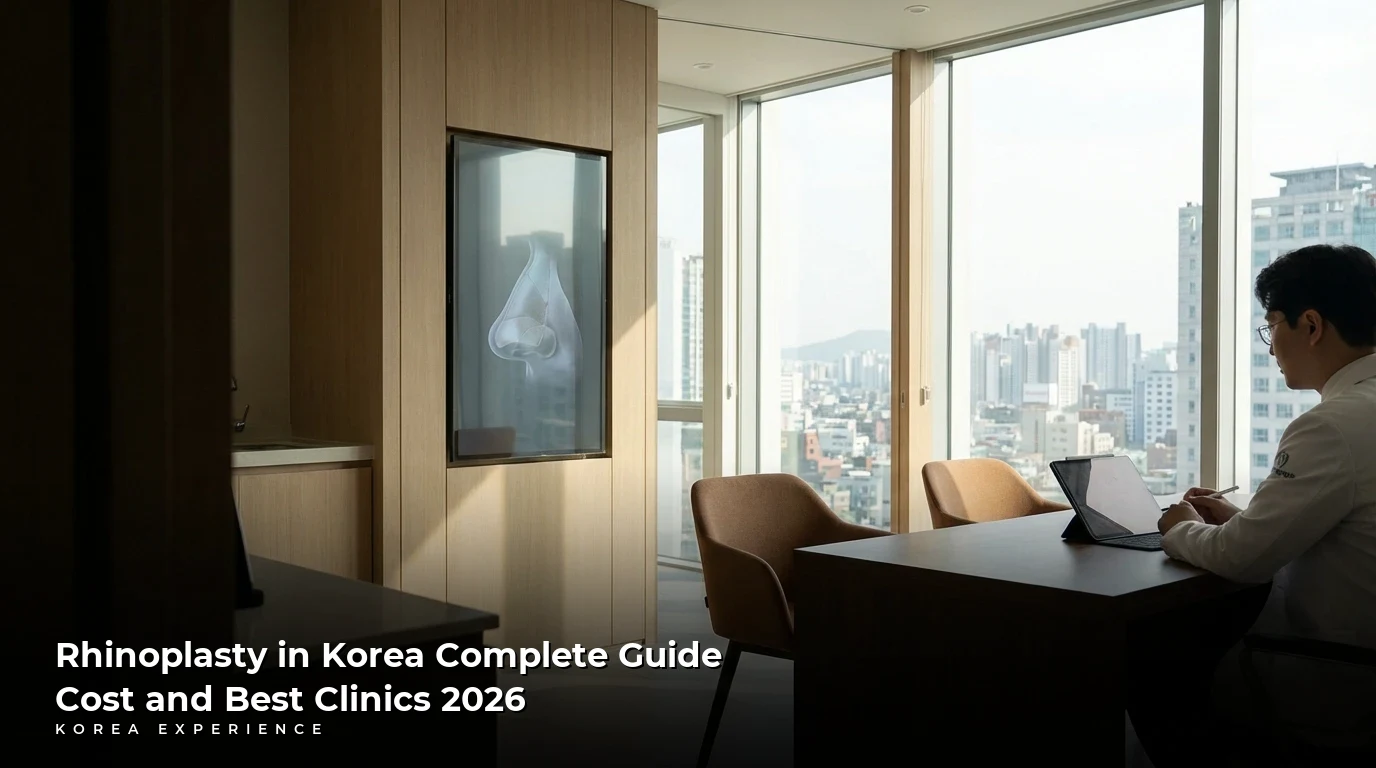
Seoul, South Korea, has cemented its reputation as the global epicenter for aesthetic procedures, particularly excelling in the highly specialized field of rhinoplasty, commonly known as a nose job. For international visitors seeking advanced, natural-looking results, the allure of Korean expertise in rhinoplasty in Korea is undeniable. With cutting-edge technology, world-renowned surgeons, and a patient-centric approach, Korea offers an unparalleled experience for those looking to refine their nasal aesthetics. This comprehensive guide aims to illuminate every facet of your potential rhinoplasty journey in Korea for 2026, covering costs, leading clinics, procedural details, and essential practical advice.
Embarking on a medical tourism venture can feel daunting, especially when considering a significant procedure like rhinoplasty in a foreign country. This article addresses your core concerns: understanding the process, navigating the financial aspects, identifying the most reputable clinics, and preparing for a smooth, successful experience. By the end, you'll be equipped with the knowledge to make informed decisions and confidently pursue your aesthetic goals in Korea.
Why Korea is the Global Leader for Rhinoplasty
Korea's dominance in plastic surgery, particularly rhinoplasty in Korea, isn't accidental. It's built on a foundation of relentless innovation, intense competition fostering excellence, and a deep cultural appreciation for aesthetics. Several factors contribute to its status as the premier destination for nose surgery:
Unrivaled Surgical Expertise and Specialization
Korean plastic surgeons undergo rigorous training, often specializing intensely in specific areas like rhinoplasty. This specialization leads to a profound understanding of nasal anatomy and diverse aesthetic ideals, allowing them to craft results that are both harmonious with the individual's facial features and achieve their desired look. Many surgeons have performed thousands of rhinoplasty procedures, accumulating invaluable experience.
Advanced Techniques and Technology
Korean clinics are at the forefront of adopting and developing innovative surgical techniques. From sophisticated 3D imaging for pre-surgical planning to minimally invasive procedures and state-of-the-art anesthetic protocols, patients benefit from the latest advancements. This focus on technology translates to safer procedures, more predictable outcomes, and often quicker recovery times.
Focus on Natural-Looking Results
While popular media might sometimes portray Korean plastic surgery as creating a 'standardized look', the reality, especially in top clinics, is a strong emphasis on natural-looking enhancements. Surgeons prioritize achieving results that complement the patient's existing features, avoiding an 'operated' appearance. They are skilled at understanding diverse ethnic anatomies and tailoring procedures accordingly.
Comprehensive Patient Care and Aftercare
From the moment you arrive, Korean clinics are geared towards international patients. This includes multilingual staff, dedicated patient coordinators, and thorough post-operative care instructions. Many clinics offer extended aftercare services, including swelling management, scar treatment, and follow-up appointments, ensuring optimal healing and results.
Competitive Pricing for Premium Quality
Despite offering world-class services, the rhinoplasty cost in Korea often remains more competitive than in Western countries for a comparable level of quality, expertise, and technology. This value proposition makes Korea an attractive option for those seeking high-quality aesthetic surgery without exorbitant prices.
Understanding Rhinoplasty Procedures in Korea
Rhinoplasty is a highly individualized procedure aimed at reshaping the nose to improve its proportion relative to other facial features. Korean surgeons are adept at a wide range of techniques, customizing each surgery to the patient's specific needs and desired outcome.
Common Rhinoplasty Techniques
- Open Rhinoplasty: This technique involves a small incision on the columella (the narrow strip of skin between the nostrils), allowing the surgeon direct visibility and access to the underlying nasal structures. It's often preferred for more complex cases requiring significant reshaping.
- Closed Rhinoplasty: All incisions are made inside the nostrils, leaving no visible external scars. This technique is typically used for minor adjustments to the nose.
- Non-Surgical Rhinoplasty (Liquid Rhinoplasty): Using dermal fillers to temporarily alter the shape of the nose, often to smooth bumps or lift the tip. While popular for its non-invasiveness, results are temporary and it cannot reduce nose size.
Types of Rhinoplasty Procedures Based on Desired Changes
Korean clinics excel in addressing various aesthetic concerns:
- Bridge Augmentation: Often utilizing silicone implants, Gore-Tex, or autologous cartilage (from the ear or rib) to raise a low nasal bridge, common in many Asian noses.
- Tip Plasty (Nose Tip Surgery): Reshaping the nasal tip, whether to make it sharper, more defined, or to reduce a bulbous tip. This often involves cartilage grafting.
- Alar Reduction (Nostril Reduction): Reducing the width of the nostrils, creating a more refined base of the nose.
- Hump Reduction: Removing bone or cartilage to straighten a dorsal hump.
- Septoplasty: While primarily functional, septoplasty (correcting a deviated septum) can be combined with aesthetic rhinoplasty to improve breathing and nasal symmetry.
- Revision Rhinoplasty: Correcting or improving the results of a previous nose surgery. This is a complex procedure requiring immense skill and experience, an area where many Korean specialists excel.
During your consultation, the surgeon will assess your facial structure, discuss your goals, and recommend the most suitable technique and materials to achieve a natural and balanced result.
Rhinoplasty Cost in Korea 2026
The rhinoplasty cost in Korea varies significantly based on several factors, but in 2026, you can expect prices to range from approximately USD 3,000 to USD 10,000 or more. This range reflects the complexity of the procedure, the surgeon's expertise, the clinic's reputation, and the materials used.
Factors Influencing Rhinoplasty Costs
- Complexity of the Surgery: A simple tip refinement will naturally cost less than a full nasal reconstruction or a complex revision rhinoplasty.
- Surgeon's Experience and Reputation: Highly sought-after surgeons with extensive experience and a track record of excellent results often command higher fees.
- Clinic Location and Brand: Clinics in prime locations like Gangnam or Apgujeong, especially those with international recognition, may have slightly higher prices.
- Materials Used: The choice of implant material (silicone, Gore-Tex) or autologous cartilage (ear, rib, septum) impacts the cost. Autologous cartilage grafts are often more expensive due to the additional donor site surgery.
- Anesthesia Fees: Typically included in the overall cost but can vary based on the type (local with sedation vs. general) and duration.
- Pre- and Post-Operative Care: While most clinics include standard consultations and follow-ups, extensive aftercare or specialized treatments might incur additional charges.
- Diagnostic Tests: Blood tests, X-rays, or 3D CT scans are necessary pre-surgery and contribute to the total cost.
Average Price Ranges for Common Procedures (Estimate for 2026)
| Procedure Type | Estimated Cost Range (USD) | Notes |
|---|---|---|
| Basic Rhinoplasty (Bridge/Tip) | 3,000 - 6,000 | Silicone implant or basic cartilage graft for bridge or tip. |
| Complex Rhinoplasty (Full Reshaping) | 5,000 - 8,500 | Multiple components: bridge, tip, alar reduction, osteotomy. |
| Autologous Cartilage Rhinoplasty | 6,000 - 10,000+ | Using patient's own ear or rib cartilage; highly natural results. |
| Revision Rhinoplasty | 7,000 - 15,000+ | Correcting previous surgery; requires high skill and experience. |
| Non-Surgical Rhinoplasty | 500 - 1,500 | Dermal fillers; temporary results (6-18 months). |
Note: These are approximate ranges for 2026 and can fluctuate. It is crucial to get a personalized quote from your chosen clinic after a thorough consultation. Remember that the cheapest option is not always the best; prioritize surgeon expertise and clinic reputation over minor cost differences.
Choosing the Best Rhinoplasty Clinic in Korea
Selecting the right clinic and surgeon is the most critical step in your rhinoplasty in Korea journey. The sheer number of clinics in Seoul can be overwhelming, but focusing on key criteria will help you make an informed decision.
Key Criteria for Clinic Selection
- Board-Certified Surgeons with Specialization: Ensure the surgeon is board-certified in plastic surgery and has extensive experience specifically in rhinoplasty. Look for surgeons who specialize in nose aesthetics, as this indicates a deeper level of expertise.
- Reputation and Reviews: Research online reviews from international patients on platforms like Google, medical tourism forums, and dedicated review sites. Pay attention to consistent themes regarding patient satisfaction, natural results, and aftercare.
- Safety Standards and Facilities: Verify that the clinic adheres to strict safety protocols, has sterile operating rooms, and is equipped for emergencies. Hospitals should have anesthesiologists on-site and emergency power backup.
- Transparency in Pricing and Procedures: A reputable clinic will provide a clear breakdown of all costs involved with no hidden fees. They should also explain the procedure thoroughly, including potential risks and recovery expectations.
- International Patient Services: Look for clinics with dedicated international patient coordinators, English-speaking staff, and translation services. Assistance with accommodation, transportation, and visa information is a huge plus.
- Before-and-After Photos: Review a substantial portfolio of the surgeon's previous work, paying attention to cases similar to your desired outcome and ethnic background. This helps you gauge their aesthetic style.
- Consultation Experience: A good consultation involves the surgeon listening attentively to your goals, providing realistic expectations, and explaining the proposed plan in detail. They should use 3D simulation software to visualize potential results.
Top Recommended Clinics for Rhinoplasty in Korea (Examples)
While "best" is subjective and depends on individual needs, several clinics consistently receive high praise from international patients for their rhinoplasty expertise. These examples are widely recognized, primarily located in Seoul's renowned Gangnam and Apgujeong districts, often called the "Beauty Belt" or "Plastic Surgery Street" (성형외과 거리 - seonghyeong-oegwa geori).
- ID Hospital:
- Specialty: Known for facial contouring, but also highly skilled in rhinoplasty, focusing on creating balanced, harmonious results. They are a large-scale hospital with comprehensive services.
- Location: Gangnam District, Seoul.
- International Services: Excellent, with dedicated English, Chinese, and Japanese coordinators.
- Why choose: State-of-the-art facilities, multidisciplinary approach, strong emphasis on patient safety.
- Banobagi Plastic Surgery:
- Specialty: Renowned for its natural-looking results across various procedures, including intricate rhinoplasty. Featured on popular Korean beauty shows.
- Location: Gangnam District, Seoul.
- International Services: Well-equipped with international patient support.
- Why choose: Highly experienced surgeons, reputation for subtle yet significant enhancements, detailed consultations.
- GNG Hospital (Global Nasal Group Hospital):
- Specialty: Exclusively focused on ear, nose, and throat (ENT) and aesthetic nose surgery. They boast a specialized team for functional and aesthetic rhinoplasty.
- Location: Gangnam District, Seoul.
- International Services: Strong focus on international patients with dedicated departments.
- Why choose: Deep specialization in the nose, combining functional improvement with aesthetic appeal, robust emergency system.
- TL Plastic Surgery:
- Specialty: Known for facial contouring and body procedures, they also have strong expertise in various types of rhinoplasty, emphasizing personalized design.
- Location: Gangnam District, Seoul.
- International Services: Good English support and patient care.
- Why choose: Modern facilities, patient-centric approach, customized surgical plans.
- Dream Plastic Surgery:
- Specialty: One of Korea's oldest and most respected plastic surgery clinics, with a long history of excellent results in rhinoplasty and other facial surgeries.
- Location: Apgujeong (Gangnam District), Seoul.
- International Services: Experienced with international clients, offering comprehensive support.
- Why choose: Long-standing reputation, highly experienced surgeons, focus on subtle and refined results.
This list is not exhaustive but represents clinics with strong reputations for rhinoplasty in Korea among international patients. Always conduct your own research and schedule multiple consultations if possible.
The Patient Journey: From Consultation to Recovery
Understanding the typical timeline and process for rhinoplasty in Korea is crucial for planning your medical trip.
Pre-Operative Phase
- Initial Inquiry & Online Consultation: Many clinics offer preliminary online consultations based on photos and your desired outcome. This helps assess feasibility and provides an initial cost estimate.
- Travel Planning: Secure your visa (if required), book flights, and arrange accommodation. Most patients stay in Korea for 10-14 days for rhinoplasty.
- In-Person Consultation: Upon arrival, you'll have a detailed consultation with your chosen surgeon. This involves a physical examination, discussion of your aesthetic goals, 3D imaging to simulate results, and finalization of the surgical plan.
- Medical Tests: Blood tests, chest X-rays, and sometimes a CT scan of the nose will be performed to ensure you are fit for surgery.
Surgery Day
- Admission: Arrive at the clinic a few hours before your scheduled surgery.
- Pre-Surgery Preparations: You'll meet with the anesthesiologist, have final markings done by the surgeon, and change into a surgical gown.
- Anesthesia: Rhinoplasty is usually performed under general anesthesia, though some minor procedures might use local anesthesia with sedation.
- Procedure: The surgery typically lasts 1.5 to 4 hours, depending on its complexity.
- Recovery Room: After surgery, you'll spend some time in a recovery room under observation before being discharged later the same day or staying overnight, depending on the clinic's protocol and the surgery's extent.
Post-Operative Care and Recovery
- Initial Recovery (Days 1-7):
- You will have a splint or cast on your nose and sometimes packing inside the nostrils.
- Swelling, bruising around the eyes and nose, and mild discomfort are normal. Pain medication will be prescribed.
- Head elevation and cold compresses are crucial for minimizing swelling.
- You'll have follow-up appointments for dressing changes and monitoring.
- The nasal splint and stitches (if external) are typically removed around day 5-7.
- Weeks 2-4:
- Most significant bruising and swelling will subside, allowing you to venture out more confidently.
- The nose will still look somewhat swollen, especially the tip.
- Avoid strenuous activities, heavy lifting, and contact sports.
- Months 1-6:
- The majority of swelling will continue to reduce gradually.
- The final shape of your nose will start to become apparent.
- Regular follow-ups with your surgeon are important.
- Year 1+:
- Final results are usually visible after a full year, as residual swelling can take that long to completely resolve.
Recovery Timeline Overview
| Timeframe | What to Expect | Activities |
|---|---|---|
| Day 0-7 | Swelling, bruising, discomfort, nasal splint/cast, packing | Rest, head elevation, cold compress, light walking. Avoid bending over, blowing nose. |
| Week 1-2 | Splint removed, major bruising fades, noticeable swelling | Light activities, gentle walks, return to light work (if not physically demanding). No strenuous exercise. |
| Week 3-4 | Most visible swelling reduces, nose still feels stiff | Resume moderate activities, avoid contact sports. Can wear glasses carefully (if surgeon approves). |
| Month 1-3 | Significant swelling gone, subtle changes continue | Resume most normal activities, but still avoid direct impact. |
| Month 6 - 1 Year | Residual swelling resolves, final shape emerges | Full recovery, final results visible. Continue to protect your nose. |
Insider Tip: Plan for at least 7-10 days in Korea after surgery to allow for initial healing and follow-up appointments. Consider extending your stay to two weeks for a more relaxed recovery before flying home.
Practical Tips for Medical Tourists in Korea
Navigating a foreign country for medical treatment requires careful planning. Here are essential tips for international patients considering rhinoplasty in Korea:
Visa and Travel Logistics
- Visa Requirements: Check the visa requirements for your nationality to enter South Korea. Many countries have visa-free entry for short stays, but confirm the maximum duration and purpose allowed.
- Accommodation: Book accommodation near your clinic in areas like Gangnam, Sinsa, or Apgujeong. Many hotels and guesthouses are accustomed to medical tourists and offer longer-stay options. Consider serviced apartments for more comfort during recovery.
- Transportation: Seoul's public transport (subway and bus) is excellent, efficient, and user-friendly. Taxis are also readily available. Download a navigation app like KakaoMap or Naver Maps (Google Maps is less effective in Korea).
Language and Communication
- Translation Services: Most reputable clinics provide in-house English-speaking coordinators and translators. For communication outside the clinic, consider hiring a freelance medical translator or using translation apps like Papago.
- Basic Korean Phrases: Learning a few basic phrases like "hello" (annyeonghaseyo), "thank you" (kamsahamnida), and "excuse me" (joesonghamnida) can significantly enhance your experience.
- SIM Card/Pocket Wi-Fi: Purchase a local SIM card or rent a portable Wi-Fi device upon arrival at Incheon International Airport (ICN) to stay connected.
Cultural Etiquette and Local Insights
- Respectful Demeanor: Koreans generally value respect and politeness. A slight bow when greeting or thanking someone is appreciated.
- Eating Out: Tipping is not customary in Korea. Most restaurants have clear menus, often with pictures.
- Medical Facilitators: Consider using a reputable medical tourism facilitator. They can assist with clinic selection, appointment scheduling, translation, accommodation, and post-operative care, streamlining your entire journey. They often have established relationships with clinics and can sometimes negotiate better package deals.
- Pre-Departure Checklist:
- Passport and visa (if needed)
- Flight and accommodation bookings
- Medical records (previous surgeries, allergies, current medications)
- Comfortable, loose-fitting clothes (easy to put on/take off after surgery)
- Neck pillow (for comfort during recovery and flight)
- Sunscreen and hat (to protect sensitive skin post-surgery)
- Travel insurance (ensure it covers medical tourism)
Frequently Asked Questions about Rhinoplasty in Korea
Q1: Is rhinoplasty in Korea safe for international patients?
A1: Yes, it is generally very safe when performed by board-certified surgeons in reputable, accredited clinics. Korean medical facilities adhere to high international safety standards. Clinics specializing in international patients are well-versed in managing their unique needs. Always research your chosen clinic thoroughly and ensure they have emergency protocols in place.
Q2: How long do I need to stay in Korea for rhinoplasty?
A2: A minimum stay of 7-10 days is recommended for initial recovery and stitch/splint removal. However, a 10-14 day stay is ideal to allow for more substantial swelling reduction and comfortable travel back home, especially if you opt for a more complex procedure or want to enjoy some light sightseeing post-recovery.
Q3: Will my rhinoplasty results look natural?
A3: Top Korean plastic surgeons are renowned for their ability to create natural-looking results that harmonize with your existing facial features. During your consultation, communicate your desired outcome clearly and review the surgeon's before-and-after photos to ensure their aesthetic style aligns with yours. 3D simulation tools are also used to give you a realistic preview.
Q4: Is revision rhinoplasty in Korea common?
A4: Yes, Korea is a leading destination for revision rhinoplasty due to the high level of surgical expertise required for these complex cases. Many surgeons specialize in correcting unsatisfactory results from previous surgeries, whether performed in Korea or elsewhere. However, revision rhinoplasty is often more challenging and costly than a primary procedure.
Q5: What is the best time of year to get a nose job in Korea?
A5: There isn't a single "best" time, but many patients prefer spring (April-May) or autumn (September-October) for their procedures. The weather is mild, making it more comfortable for walking around during recovery. Summer can be very hot and humid, potentially increasing swelling, while winter can be very cold. However, with proper care, surgery can be done successfully any time of year.
Conclusion
Choosing to undergo rhinoplasty in Korea in 2026 is a decision that promises access to world-class expertise, advanced technology, and a dedicated patient experience. From understanding the nuanced procedures and navigating costs to selecting a reputable clinic and planning your stay, this guide has aimed to equip you with the essential information for a successful journey.
Korea’s commitment to aesthetic excellence, combined with its comprehensive medical tourism infrastructure, makes it an unrivaled destination for nose surgery. By prioritizing thorough research, clear communication with your chosen clinic, and meticulous planning, you can look forward to achieving your desired aesthetic goals with confidence.
Remember that your beautiful transformation is a significant investment in yourself. Take the time to make informed choices, and embark on this exciting journey prepared and empowered.
image: "/images/rhinoplasty-in-korea-complete-guide-cost-and-best-clinics-2026.webp"
Medical Disclaimer
The information provided in this blog post is for general informational purposes only and does not constitute medical advice. It is not a substitute for professional medical advice, diagnosis, or treatment. Always seek the advice of a qualified healthcare professional with any questions you may have regarding a medical condition or treatment before making any decisions. The mention of specific clinics or surgeons is for illustrative purposes based on general reputation and should not be considered an endorsement. Individual results may vary.
Emergency Contact Numbers in Korea
- Emergency Services (Ambulance, Fire, Police): Call 119
- Medical Information & Consultation (for foreigners): Call 1339 (operates 24/7)
About the Author
Korea Experience Team
Written by the Korea Experience editorial team - experts in Korean medical tourism, travel, and culture with years of research and firsthand experience.
⚠️ Medical Disclaimer
The information provided on this website is for general informational purposes only and does not constitute medical advice. Always consult with qualified healthcare professionals before making any medical decisions.
Explore more in Medical Tourism
World-class medical procedures at competitive prices. From plastic surgery and dermatology to dental care and health checkups — your complete guide to medical tourism in Korea.
Browse All Medical Tourism ArticlesContinue Reading
Explore more articles you might find interesting
Discover Korea's 2026 stem cell medical tourism boom. Learn how new laws unlock anti-aging and joint treatments at 50% lower costs than the US, from $8,000.
A complete guide to high-BMI surgery in Korea. Discover specialized clinics, safety protocols for BMI 30+, and realistic cost estimates for 2026.
Explore breast augmentation in Korea 2026: understand costs, find top clinics, learn about recovery, and get practical tips for your medical journey.
Everything you need to know about medical tourism insurance for Korea in 2026, covering complications, costs, provider comparisons, and claim procedures.
A complete guide to pediatric healthcare in Seoul for international families, covering top clinics, costs, and emergency protocols in 2026.
Considering LASIK or LASEK eye surgery in Korea? Discover world-class clinics, advanced technology, costs, and a step-by-step guide for your vision correction journey.