Under-Eye Fat Repositioning: Korea's Secret Surgery 2026
Discover why under-eye fat repositioning in Korea is the go-to for a youthful gaze, detailed insights into this popular secret surgery.
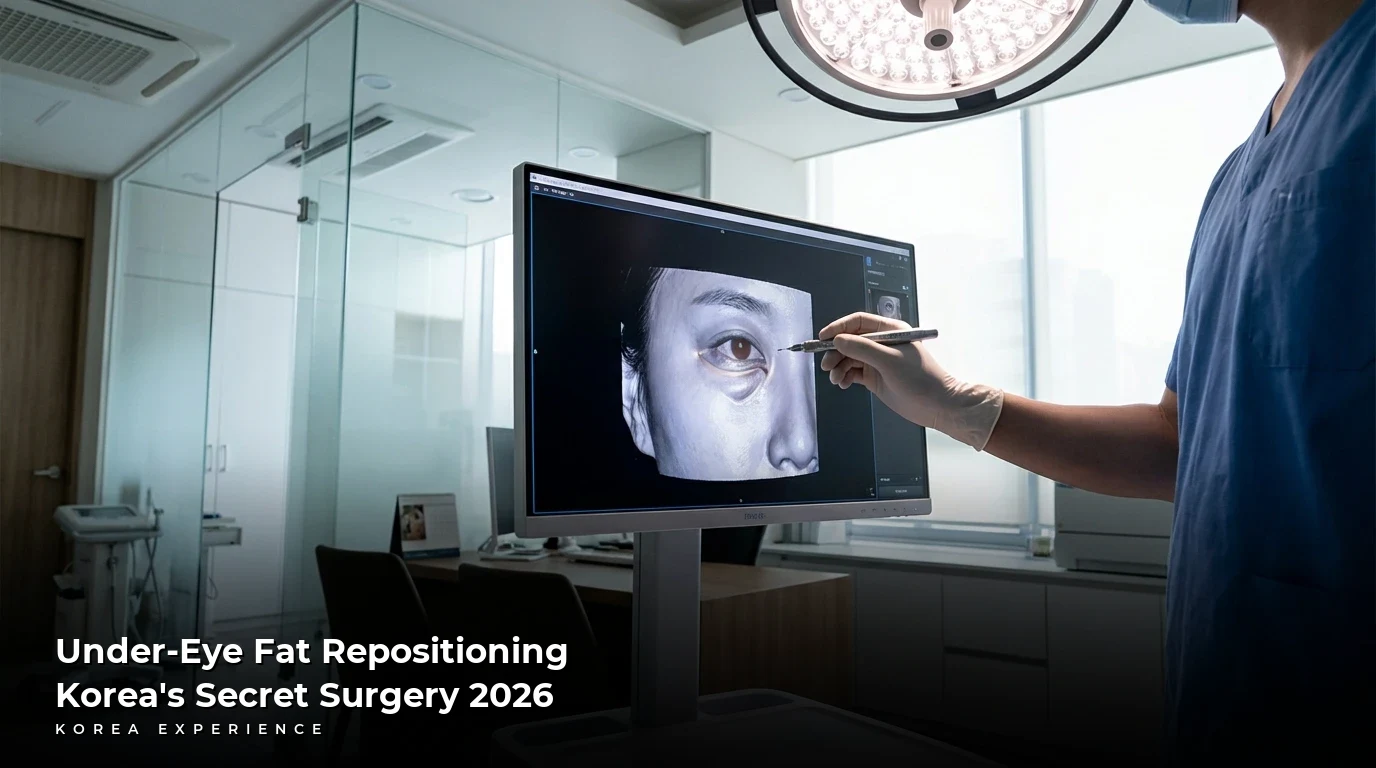
The relentless march of time, coupled with modern stressors and digital screen fatigue, often leaves its mark most prominently on our eyes. For many, this manifests as persistent dark circles, puffy under-eye bags, and a perpetually tired appearance, even after a full night's rest. While countless creams and serums promise miraculous transformations, the reality often falls short, leading individuals to seek more definitive solutions.
Enter South Korea, a global mecca for beauty and aesthetic innovation. Renowned for its cutting-edge techniques and an unparalleled commitment to natural-looking results, Korea has quietly perfected a procedure that's fast becoming its most sought-after "secret" surgery for a refreshed, youthful look: under-eye fat repositioning. By 2026, this procedure, often referred to as subtractive fat transposition or lower blepharoplasty with fat repositioning, has cemented its status as the go-to solution for those desiring bright, lively eyes without the tell-tale signs of surgery.
This comprehensive guide is designed for international travelers and expats considering this transformative journey in Korea. We'll delve into why under-eye fat repositioning is soaring in popularity, what the procedure entails, why Korea is the undisputed leader in this field, and how you can navigate your medical tourism experience with confidence. Prepare to uncover the secrets behind Korea's ability to turn back the clock on tired eyes, offering not just a surgery, but a renewed sense of confidence.
The Allure of Youthful Eyes: Why Under-Eye Fat Repositioning is Trending in Korea
In a society that values youthful vibrancy and a healthy appearance, the eyes hold paramount importance. They are often the first feature noticed and are powerful communicators of emotion and vitality. Tired, heavy eyes can inadvertently convey an impression of fatigue, sadness, or age, regardless of how well-rested or happy one truly is.
Understanding the Problem: Eye Bags and Dark Circles
Under-eye bags and dark circles are complex issues. While often grouped, their root causes can differ. Eye bags typically result from the protrusion of orbital fat, which naturally cushions the eyeballs. Over time, the septum (a thin membrane holding this fat in place) weakens, and the fat pushes forward, creating bulges. This can be exacerbated by fluid retention, genetics, and aging. Dark circles, on the other hand, can stem from thin skin revealing underlying blood vessels, hyperpigmentation, or shadowing caused by the very same fat bulges. Traditional treatments like fillers might temporarily mask the hollows, but they often fail to address the underlying fat protrusion effectively, sometimes even worsening the appearance by adding more volume.
Beyond Fillers: A Permanent Solution
For years, the options for severe under-eye concerns were limited. Fillers offered temporary relief for hollows but couldn't effectively manage protruding fat. Traditional lower blepharoplasty involved removing excess fat, which sometimes led to a hollowed-out or "skeletonized" look as the face aged. Under-eye fat repositioning offers a revolutionary approach: instead of simply removing the fat, it is carefully redistributed. This not only eliminates the bulge but also fills in the hollows and smooths the transition between the lower eyelid and the cheek, creating a much more natural and harmonious result. This approach makes it a more permanent and aesthetically pleasing solution for many.
The Korean Aesthetic Standard: Bright and Lively Eyes
The Korean beauty ideal emphasizes a natural, youthful glow, often referred to as "glass skin" and "chok chok" (moist and dewy). For the eyes, this translates to a bright, clear, and lively appearance, free from the shadows and heaviness of under-eye bags. Korean aesthetic surgeons excel at achieving these nuanced results, focusing on subtlety and harmony with the rest of the face. The goal isn't just to remove imperfections, but to enhance overall facial balance and impart a rejuvenated, energetic expression. This philosophy aligns perfectly with the restorative nature of under-eye fat repositioning, making it a natural fit for the Korean beauty landscape.
What Exactly is Under-Eye Fat Repositioning (Subtractive Fat Transposition)?
Under-eye fat repositioning is a specialized cosmetic surgical procedure designed to correct under-eye bags, hollows, and dark circles by redistributing the natural fat pads beneath the eyes. Unlike older techniques that focused solely on fat removal, this method is more advanced, aiming for a smoother, more youthful contour.
The Science Behind the Procedure
The procedure addresses two primary issues simultaneously: the bulging fat pockets that create "bags" and the hollows (tear troughs) that contribute to dark shadows and a tired appearance. The surgeon meticulously accesses the orbital fat, carefully relocating it from areas of protrusion to areas of deficit. This serves to even out the contour, eliminate shadows, and provide natural cushioning, effectively camouflaging the orbital rim and creating a seamless transition from the lower eyelid to the cheek. It's an artful blend of reduction and augmentation within the same anatomical structure.
Key Steps of the Surgery
- Anesthesia: The procedure is typically performed under local anesthesia with sedation, or sometimes general anesthesia, depending on the patient's preference and the surgeon's recommendation.
- Incision: In Korea, surgeons often prefer a transconjunctival approach, meaning the incision is made inside the lower eyelid (conjunctiva). This offers a significant advantage as there are no external scars. For cases with significant excess skin, a subciliary (external) incision just below the lash line might be used, which heals discreetly.
- Fat Repositioning: Through the incision, the surgeon accesses the three fat pads in the lower eyelid. Instead of excising them, the fat is meticulously detached, then spread evenly over the orbital rim and secured in its new position, usually with sutures, to fill in the tear trough hollows.
- Muscle and Skin Management (Optional): If there is muscle laxity, the orbicularis oculi muscle might be tightened. Any excess skin, if an external incision was made, is carefully trimmed and the incision is closed with fine sutures.
- Closure: The internal incision (transconjunctival) typically does not require sutures or uses dissolvable ones. External incisions are closed with fine sutures that are removed within a week.
Difference from Traditional Blepharoplasty
The key distinction lies in the management of the fat.
- Traditional Lower Blepharoplasty (Fat Excision): Primarily focuses on removing excess fat and skin. While effective for significant bags, it can sometimes lead to a hollowed-out look over time, especially as facial fat naturally diminishes with age.
- Under-Eye Fat Repositioning (Subtractive Fat Transposition): Focuses on redistributing the existing fat to fill hollows and smooth contours. This approach offers a more natural, lasting result that respects the facial anatomy and avoids the sunken appearance sometimes associated with aggressive fat removal. It addresses both the bulge and the hollow simultaneously, providing a more comprehensive rejuvenation.
Why Korea Leads the Way in Oculoplastic Surgery
Korea's reputation as a global leader in aesthetic surgery is well-earned, and its prowess in oculoplastic procedures, particularly under-eye fat repositioning, is truly unparalleled. Several factors contribute to its dominance.
Advanced Techniques and Technology
Korean clinics are at the forefront of adopting and developing the latest surgical techniques and technologies. This includes sophisticated imaging systems for precise surgical planning, advanced laser technologies for minimized bleeding and swelling, and innovative suturing methods for faster healing and imperceptible scars. Surgeons frequently attend and present at international conferences, constantly refining their approaches based on global best practices and their own extensive research.
Highly Skilled Surgeons and Specialization
The sheer volume of aesthetic procedures performed in Korea means that surgeons gain an immense amount of experience. Many specialize intensely in specific areas, such as oculoplastic surgery, developing an unmatched level of expertise and artistry. They undergo rigorous training and often complete additional fellowships, focusing exclusively on procedures around the eyes. This specialization leads to a nuanced understanding of eyelid anatomy and aesthetics, allowing for highly customized and precise outcomes.
Competitive Pricing and Value
Despite the world-class expertise and advanced facilities, the cost of under-eye fat repositioning in Korea remains remarkably competitive compared to Western countries. This makes it an attractive option for medical tourists seeking high-quality care without the exorbitant price tags. The value extends beyond just the surgery itself, often encompassing comprehensive pre-operative consultations, attentive post-operative care, and English-speaking coordination services.
Focus on Natural-Looking Results
Korean aesthetic philosophy strongly emphasizes natural-looking enhancement. The goal is not to drastically alter features but to refine and rejuvenate, making patients look like a more rested, younger version of themselves. This approach is particularly evident in under-eye fat repositioning, where the aim is to create smooth, harmonious contours that seamlessly integrate with the rest of the face, avoiding an "operated" look. Surgeons are masters at achieving subtle yet significant improvements.
Case Study Example: Gangnam's 'Beauty Belt'
Areas like Gangnam in Seoul, particularly the Apgujeong and Garosu-gil districts, are often referred to as Korea's "Beauty Belt." This concentrated hub of aesthetic clinics showcases the intense competition and specialization that drives innovation and excellence. Clinics here often boast state-of-the-art facilities, highly specialized teams, and a patient-centric approach. For instance, clinics like "XYZ Eye Clinic" or "ABC Plastic Surgery" (hypothetical names representing the common structure) have built international reputations specifically for their expertise in under-eye procedures, often featuring before-and-after galleries demonstrating their commitment to natural and satisfying results for diverse international clientele. Their long-standing presence and consistent positive reviews from medical tourists underscore Korea's leading position.
Navigating Your Journey: Pre-Surgery Consultation and Preparation
Embarking on a medical journey abroad requires careful planning and research. Korea makes this process smoother for international patients, but understanding the steps involved is crucial for a successful experience.
Finding the Right Clinic: Research and Recommendations
The first step is thorough research.
- Online Presence: Look for clinics with professional websites that offer detailed information about under-eye fat repositioning, surgeon biographies, and patient testimonials (especially from international patients).
- Before-and-After Photos: Carefully review these, paying attention to results that align with your aesthetic goals. Look for consistency in results and natural outcomes.
- Reviews and Forums: Consult platforms like WhatClinic, DocFinder, or expat forums in Korea for genuine patient experiences.
- International Patient Coordinators: Many top clinics in Korea have dedicated international patient departments with English-speaking staff who can guide you through the entire process, from initial inquiry to post-operative care.
- Accreditation: Check for any international accreditations or local certifications that speak to the clinic's standards.
Initial Consultation: What to Expect
Most Korean clinics offer online consultations, often via video call, allowing you to discuss your concerns with a surgeon or coordinator before traveling.
- Sharing Photos: Be prepared to send clear, well-lit photos of your face and eye area from various angles.
- Detailed Discussion: The surgeon will assess your specific condition (fat protrusion, skin laxity, tear trough depth), discuss your aesthetic goals, and determine if under-eye fat repositioning is the most suitable procedure for you.
- Procedure Explanation: They will explain the specific technique they plan to use, potential risks, expected outcomes, and recovery timeline.
- Pricing: You will receive a detailed quote, often including surgery fees, anesthesia, and post-operative medications.
- Realistic Expectations: A good surgeon will manage your expectations, emphasizing what is realistically achievable.
Essential Pre-Operative Instructions
Once you've decided on a clinic and scheduled your surgery, you'll receive a list of pre-operative instructions. These commonly include:
- Medication Review: Discontinue blood-thinning medications (aspirin, ibuprofen, certain herbal supplements) at least two weeks prior, as these can increase bruising. Always consult your primary doctor before stopping any prescribed medication.
- Smoking and Alcohol: Avoid smoking for at least 2-4 weeks before surgery, as it impairs healing. Limit alcohol consumption.
- Hydration and Nutrition: Maintain a healthy diet and stay well-hydrated.
- Arrangements: Plan for someone to accompany you to and from the clinic on the day of surgery, especially if sedation is used. Arrange for comfortable accommodation for your recovery period.
- Medical History: Be completely transparent about your medical history, allergies, and current medications.
Understanding the Costs Involved
The cost of under-eye fat repositioning in Korea can vary based on the clinic's reputation, the surgeon's experience, the complexity of the case, and the type of anesthesia used.
Table 1: Estimated Cost Comparison for Under-Eye Fat Repositioning (2026)
| Region/Country | Estimated Price Range (USD) | Notes |
|---|---|---|
| South Korea | $2,500 - $5,500 | Highly competitive, advanced techniques. |
| USA | $4,000 - $8,000 | Varies significantly by surgeon and location. |
| UK | $3,500 - $7,000 | Similar to the US, can be higher in London. |
| Thailand | $2,000 - $4,500 | Good value, but often less specialized expertise. |
| Other European Union | $3,000 - $6,000 | Varies by country and clinic. |
Note: These are estimated ranges and actual prices may vary. It's crucial to get a direct quote from your chosen clinic.
This table highlights Korea's attractive pricing without compromising on quality, making it a prime destination for medical tourists.
The Procedure Day and Post-Operative Care: What to Expect
Understanding what happens on the day of your surgery and during the recovery period will help you prepare mentally and physically for a smooth experience.
The Day of Surgery: Step-by-Step
- Arrival: Arrive at the clinic as instructed, usually an hour or two before your scheduled surgery time.
- Final Consultation: You'll have a final meeting with your surgeon to review the plan, ask any last-minute questions, and sign consent forms. The surgeon will make precise markings on your face.
- Anesthesia: The anesthesiologist will administer the chosen anesthesia (local with sedation or general anesthesia).
- Procedure: The surgery typically lasts between 1 to 2 hours, depending on the complexity.
- Recovery Room: After the procedure, you'll be moved to a recovery room where nurses will monitor you as you wake up from anesthesia. You may experience some mild discomfort, tightness, or a sensation of dryness in your eyes.
- Discharge: Once you are stable and alert, you will be discharged with detailed post-operative instructions, medications, and a follow-up appointment. Ensure you have someone to take you back to your accommodation.
Immediate Post-Op Recovery: First 24-48 Hours
The first couple of days are crucial for managing initial swelling and discomfort.
- Cold Compresses: Apply cold compresses to the eye area regularly (15-20 minutes on, 20-30 minutes off) for the first 48 hours to minimize swelling and bruising.
- Head Elevation: Sleep with your head elevated on several pillows to help reduce swelling.
- Pain Management: Take prescribed pain relievers as directed. Over-the-counter pain relievers (acetaminophen) are generally safe.
- Eye Drops/Ointments: Use any prescribed eye drops or ointments to prevent dryness or infection.
- Avoid Strain: Refrain from reading, watching excessive TV, or using screens that might strain your eyes.
- Swelling and Bruising: Expect some swelling and bruising, which is normal. This will typically peak within 2-3 days and then gradually subside.
Long-Term Healing and Results
While initial recovery takes a week or two, the final results become fully apparent over several months.
- 1 Week: Most sutures (if external) are removed. Significant bruising and swelling should have started to diminish. You may feel comfortable enough to go out with makeup or sunglasses.
- 2-4 Weeks: Most noticeable swelling and bruising should be gone. You'll start to see the positive changes in your eye contour.
- 3-6 Months: The tissues continue to settle, and any residual swelling resolves completely. This is when the final, natural-looking results are truly visible. The skin will have tightened, and the contours will be smooth.
Minimizing Swelling and Bruising
Korean clinics often provide specific protocols and products to aid in faster recovery.
- Lymphatic Drainage Massages: Some clinics may recommend gentle lymphatic drainage massages around the area (after initial healing) to help reduce swelling.
- Dietary Restrictions: Avoiding high-sodium foods can help prevent fluid retention.
- Arnica Supplements: Some surgeons might recommend Arnica Montana supplements to help with bruising, though always consult your doctor first.
- Follow Instructions: Adhering strictly to your surgeon's post-operative care instructions is the most critical factor for minimizing complications and optimizing results.
Table 2: Typical Under-Eye Fat Repositioning Recovery Timeline
| Timeline | Expected Experience | Recommended Actions |
|---|---|---|
| Day 1-3 | Peak swelling and bruising, mild discomfort. | Cold compresses, head elevation, pain meds. |
| Day 4-7 | Swelling and bruising start to subside. | Continue gentle care, avoid strenuous activity. |
| Week 2 | Most visible signs of surgery resolve. Sutures removed. | Return to light daily activities, limited exercise. |
| Month 1-3 | Residual swelling resolves, contours refine. | Resume normal activities, full exercise. |
| Month 3-6+ | Final results become apparent. | Enjoy your rejuvenated appearance! |
Note: Individual recovery times can vary based on patient health, age, and adherence to post-op care.
Beyond the Surgery: Maintaining Your Results and Exploring Korea
Under-eye fat repositioning offers long-lasting results, but proper care and a healthy lifestyle can extend their longevity. Moreover, a trip to Korea for medical tourism is also an opportunity to immerse yourself in a vibrant culture.
Lifestyle Tips for Lasting Results
- Sun Protection: Protect your delicate under-eye skin from UV damage by wearing sunglasses and using broad-spectrum SPF daily. Sun exposure can accelerate aging and hyperpigmentation.
- Healthy Habits: Maintain a balanced diet, stay hydrated, and get adequate sleep. These fundamental health practices contribute significantly to overall skin health and can prevent new fat bulges or skin laxity from forming prematurely.
- Gentle Skincare: Use gentle, hydrating eye creams. Avoid harsh rubbing or pulling at the delicate skin around your eyes.
- Regular Check-ups: While not typically required, staying in touch with your surgeon's international patient coordinator can be beneficial for any long-term questions or concerns.
Combining Beauty with Tourism: Making the Most of Your Trip
Korea offers a unique blend of ancient traditions and futuristic modernity, making it an ideal destination for combining medical procedures with a memorable vacation.
- Pre-Surgery Exploration: Before your surgery, explore bustling markets like Myeongdong, discover historic palaces like Gyeongbokgung, or enjoy the vibrant arts scene of Hongdae. Ensure these activities are not overly strenuous.
- Post-Surgery Relaxation: During your initial recovery, opt for more relaxing activities. Enjoy a traditional Korean tea house experience, visit a quiet temple, indulge in gentle shopping, or explore Seoul's many museums and art galleries. Many clinics are located in areas with excellent public transport, allowing easy access to diverse attractions.
- Culinary Delights: Korea is a food lover's paradise. Explore its diverse cuisine, from delicious street food to Michelin-starred restaurants. During recovery, stick to easily digestible and less spicy options.
- Further Beauty Treatments: After your recovery, you might consider indulging in Korean skincare rituals or non-invasive treatments like laser facials or hydration boosters, which are readily available and highly advanced in Korea.
Cultural Etiquette for Medical Tourists
- Respectful Communication: Koreans value politeness. Use polite language and deferential gestures. "Annyeonghaseyo" (hello) and "Kamsahamnida" (thank you) are good phrases to know.
- Punctuality: Be on time for all appointments, medical or otherwise.
- Modesty: While plastic surgery is common, public displays of recovery (e.g., showing fresh surgical bandages) are usually kept discreet. Most Koreans wear masks or sunglasses if they are visibly recovering.
- Gratitude: Expressing thanks to medical staff for their care is always appreciated.
Choosing Your Clinic: A Guide to Top Medical Hubs in Korea
Selecting the right clinic and surgeon is paramount to a successful under-eye fat repositioning experience. Korea boasts numerous world-class facilities, particularly concentrated in certain areas of Seoul.
Gangnam: The Epicenter of Aesthetic Surgery
Gangnam District is undeniably the heart of Korea's aesthetic surgery industry. Its main thoroughfares, particularly Apgujeong-dong and Sinsa-dong (Garosu-gil), are lined with hundreds of plastic surgery clinics.
- Pros: Highest concentration of highly specialized surgeons, state-of-the-art facilities, extensive experience with international patients, wide range of price points, convenient access via public transportation.
- Cons: Can be overwhelming with so many choices, some clinics may be more focused on volume than personalized care (though reputable ones balance both).
- Tip: Look for clinics with a long-standing history, dedicated oculoplastic specialists, and a strong online presence with transparent information.
Apgujeong: Specialized Clinics and High-End Services
Within Gangnam, Apgujeong is particularly known for its high-end clinics and specialized services. Many of the most famous and reputable plastic surgeons have their practices here.
- Pros: Renowned surgeons with deep specialization, personalized care, luxurious facilities, often more comprehensive international patient services.
- Cons: Generally higher price points compared to other areas.
- Tip: If your budget allows, Apgujeong offers some of the most experienced hands in the field. Focus on clinics that specifically highlight their expertise in eye surgeries.
Considerations for International Patients
When choosing a clinic, international patients have additional considerations beyond just surgical expertise.
Table 3: Clinic Selection Checklist for International Patients
| Feature | Importance | Details |
|---|---|---|
| English-Speaking Staff | High | Essential for clear communication before, during, and after surgery. Look for clinics with dedicated international patient coordinators. |
| International Patient Services | High | Does the clinic assist with accommodation, airport transfers, medical visa letters (if needed), and translation services? This can significantly reduce stress. |
| Pre-Consultation Options | High | Virtual consultations (video calls, photo reviews) allow you to interact with the surgeon and get a quote before traveling, ensuring you're a good candidate and managing expectations. |
| Post-Operative Care Plan | High | Clear instructions for recovery, follow-up appointments, and emergency contact procedures are vital. Discuss how long you need to stay in Korea for follow-ups. |
| Transparency in Pricing | Medium | Ensure the quoted price is all-inclusive (surgery, anesthesia, medications, follow-ups) to avoid hidden costs. Understand payment methods. |
| Specialization in Eye Surgery | High | While many clinics do various procedures, those with surgeons specializing in oculoplastic surgery often yield superior, more natural results for under-eye fat repositioning. |
| Reviews and Testimonials | High | Look for reviews from other international patients specifically regarding their experience with communication, care, and results. |
| Accreditation/Certification | Medium | While not always required, official certifications or memberships in professional medical associations can indicate adherence to high standards. |
Recommended Clinic Attributes
- Dedicated International Department: Clinics that cater specifically to international patients often provide a more streamlined and supportive experience.
- Surgeon's Portfolio: Review the surgeon's before-and-after photos, paying close attention to their style and whether it aligns with your preference for natural-looking results.
- Clear Communication Channels: Ensure you have multiple ways to contact the clinic (email, WhatsApp, phone) and that responses are timely and informative.
Frequently Asked Questions (FAQ)
Here are some common questions international patients have about under-eye fat repositioning in Korea:
1. How long do I need to stay in Korea for the procedure and recovery? Typically, patients are advised to stay in Korea for at least 7-10 days. This allows for the initial consultation, the surgery itself, and at least one follow-up appointment for suture removal (if external) and wound check, ensuring you're stable enough for travel. Some prefer to stay longer to enjoy more of Korea during their recovery.
2. Is under-eye fat repositioning painful? During the procedure, you won't feel pain due to anesthesia. After surgery, you might experience mild to moderate discomfort, tightness, or a sensation of dryness/irritation, which can be managed with prescribed pain medication. Most patients describe it as more uncomfortable than painful.
3. Will there be visible scars? In most cases, Korean surgeons use a transconjunctival approach (incision inside the eyelid), resulting in no external visible scars. If an external incision (subciliary) is necessary, it is made just below the lash line and heals very discreetly, becoming almost imperceptible over time.
4. How long do the results of under-eye fat repositioning last? The results are generally considered long-lasting, often for 10-15 years or more. The fat cells that are repositioned will not grow back in their original bulging form. However, the natural aging process will continue, and factors like genetics, sun exposure, and lifestyle can influence the skin's elasticity and overall appearance over decades.
5. Can I combine under-eye fat repositioning with other procedures? Yes, it's very common to combine under-eye fat repositioning with other facial procedures like upper blepharoplasty (double eyelid surgery), fat grafting to other areas of the face, or even non-surgical treatments like laser resurfacing or injectables, depending on your overall aesthetic goals and the surgeon's recommendations. Combining procedures can often be more cost-effective and allow for a single recovery period.
Conclusion
Under-eye fat repositioning in Korea is more than just a cosmetic surgery; it's an investment in renewed confidence and a brighter, more vibrant appearance. By addressing the root causes of tired-looking eyes, Korean surgeons offer a sophisticated, long-lasting solution that aligns perfectly with the modern aesthetic ideal of natural youthfulness. The combination of advanced techniques, highly specialized expertise, competitive pricing, and a patient-centric approach makes Korea the undisputed global leader in this transformative procedure.
If persistent under-eye bags and dark circles are dimming your glow, consider embarking on this journey to Korea. With careful research, clear communication with reputable clinics, and a mindful approach to pre- and post-operative care, you can achieve the refreshed, lively eyes you desire. This "secret surgery" isn't just about looking younger; it's about feeling more confident and energized as you face the world. Let Korea help you unveil the brighter, more vibrant you.
image: "/images/under-eye-fat-repositioning-why-its-korea-most-popular-secret-surgery-2026.webp"
Medical Disclaimer
The information provided in this blog post is intended for general informational purposes only and does not constitute medical advice. It is not a substitute for professional medical advice, diagnosis, or treatment. Always seek the advice of a qualified and experienced medical professional for any questions you may have regarding a medical condition or treatment. While we strive to provide accurate and up-to-date information, individual results from surgical procedures can vary, and recovery times are estimates. We strongly recommend thorough research and direct consultation with licensed medical practitioners before making any decisions related to your health or treatment.
Emergency Contact Numbers in Korea
- 119: For medical emergencies, ambulance, fire, and rescue services. Operators can connect to English translation services.
- 1339: For general medical consultation and guidance. This service can provide information on local hospitals and clinics, especially for foreign residents and tourists.
About the Author
Korea Experience Team
Written by the Korea Experience editorial team - experts in Korean medical tourism, travel, and culture with years of research and firsthand experience.
⚠️ Medical Disclaimer
The information provided on this website is for general informational purposes only and does not constitute medical advice. Always consult with qualified healthcare professionals before making any medical decisions.
Explore more in Medical Tourism
World-class medical procedures at competitive prices. From plastic surgery and dermatology to dental care and health checkups — your complete guide to medical tourism in Korea.
Browse All Medical Tourism ArticlesContinue Reading
Explore more articles you might find interesting
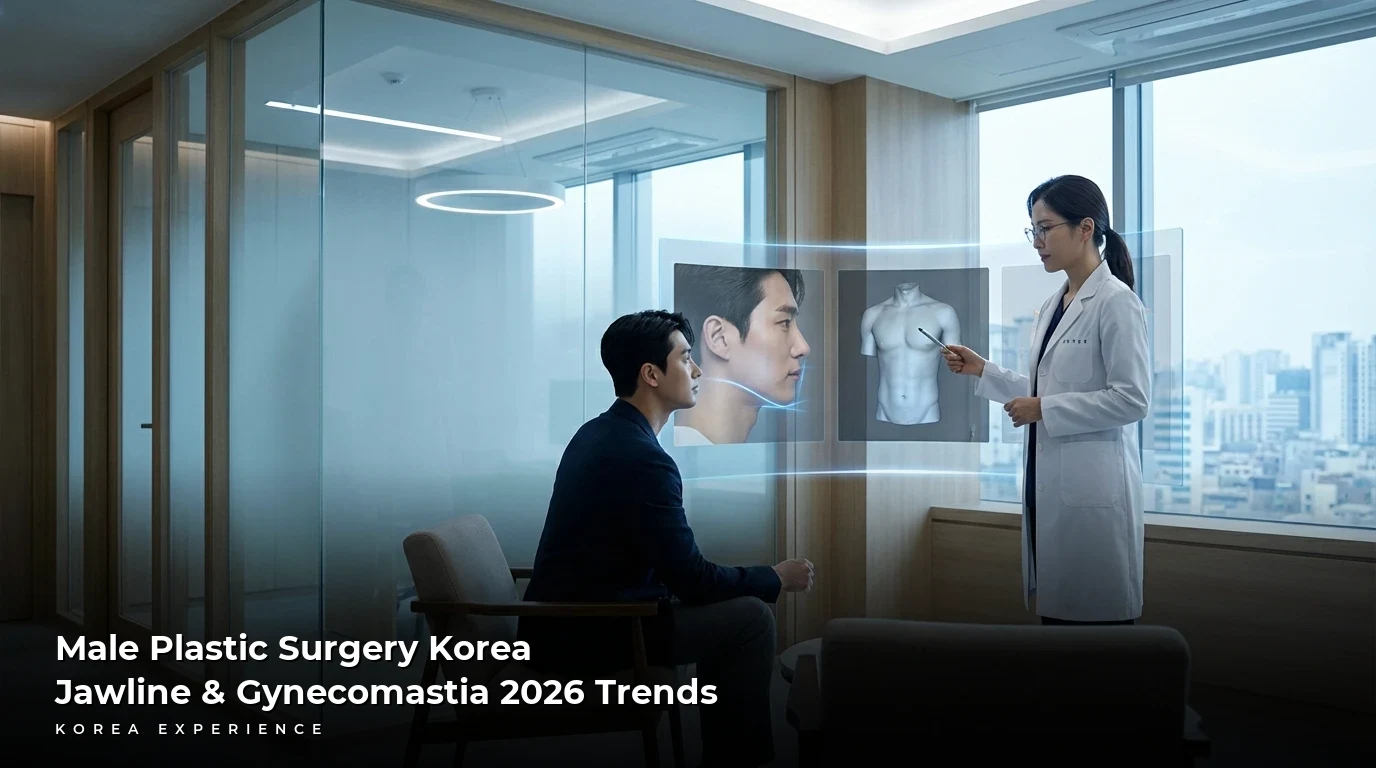
Explore 2026 male plastic surgery trends in Korea for jawline definition and gynecomastia. Discover top clinics, costs, and recovery insights for international patients interested in medical tourism.
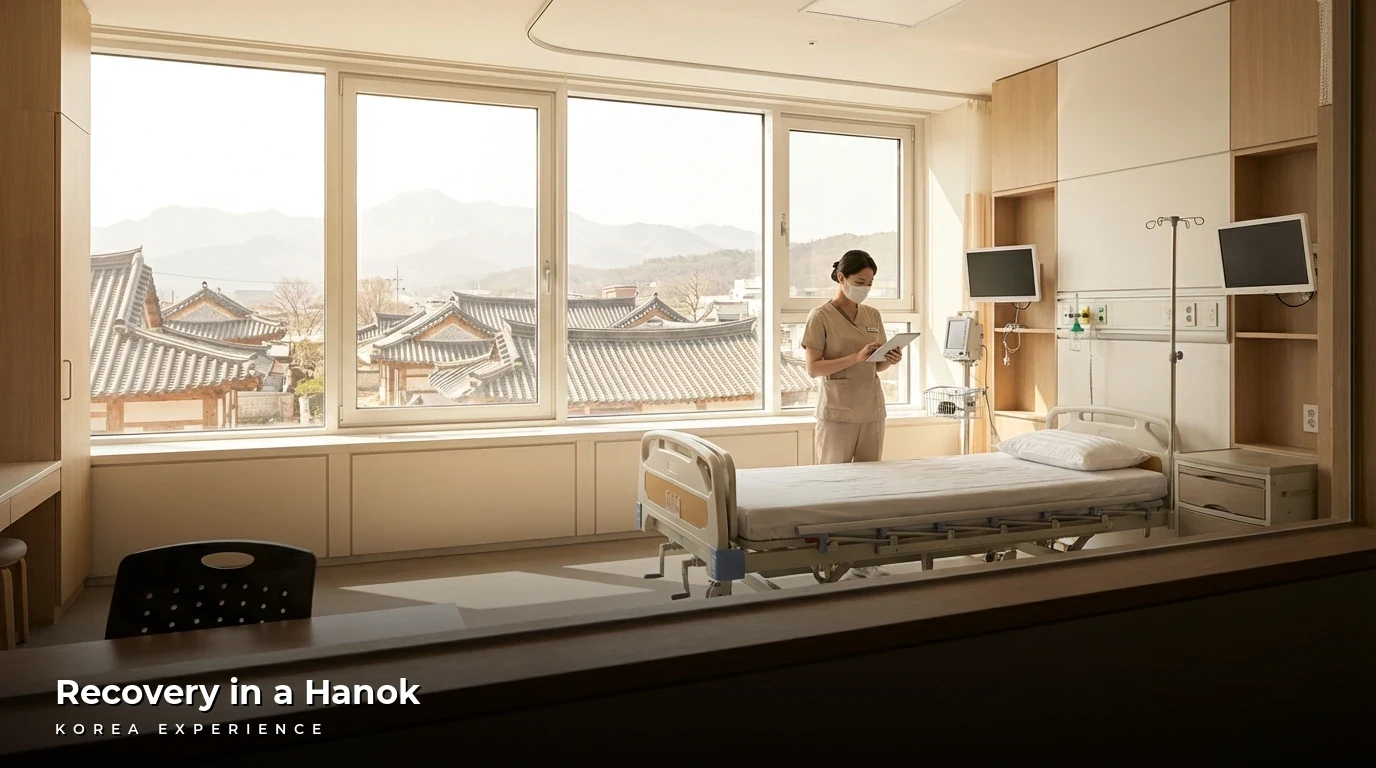
Discover why 57% of 2025 medical tourists chose dermatology and how recovering in a luxury Hanok for $250 a night is the ultimate 2026 healing hack.
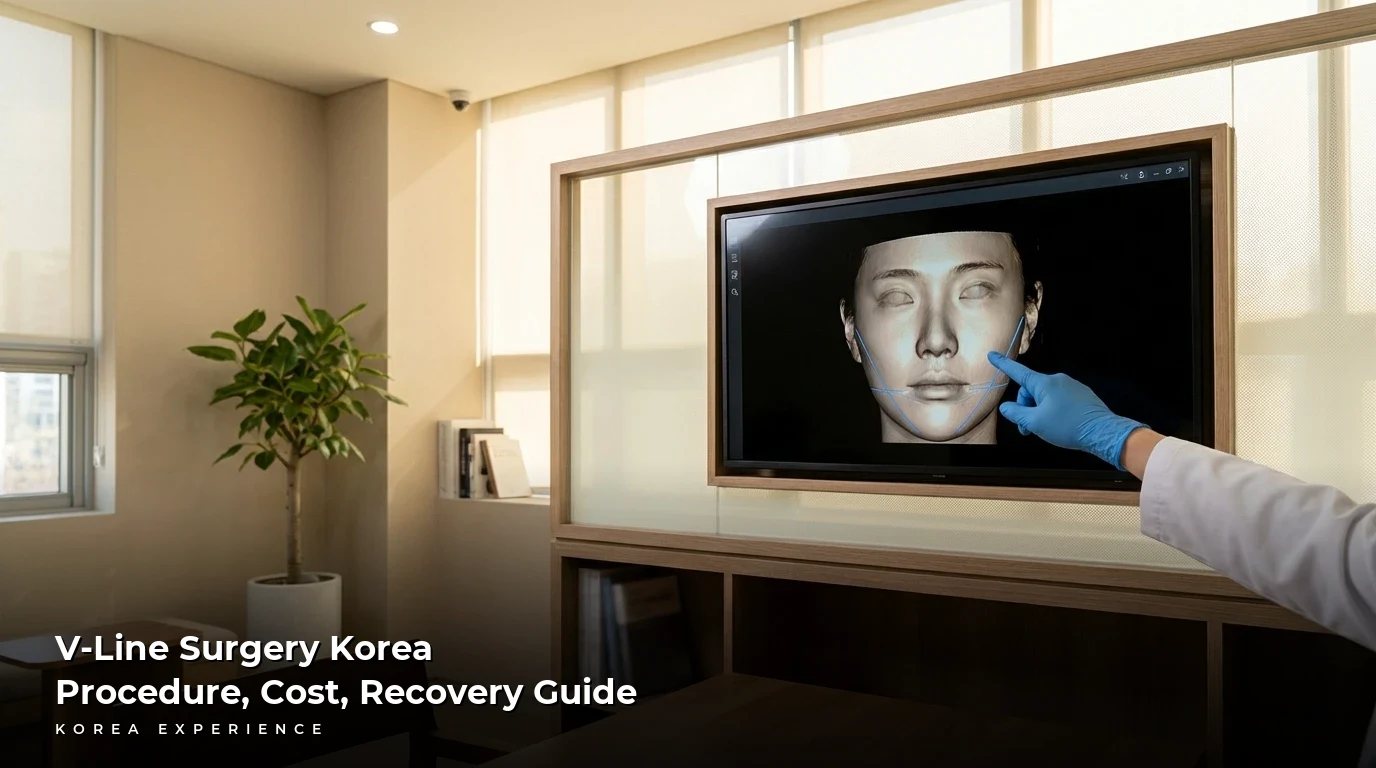
Unlock the secrets to a coveted V-line in Korea, covering surgical procedures, detailed cost breakdowns, and a comprehensive recovery journey.
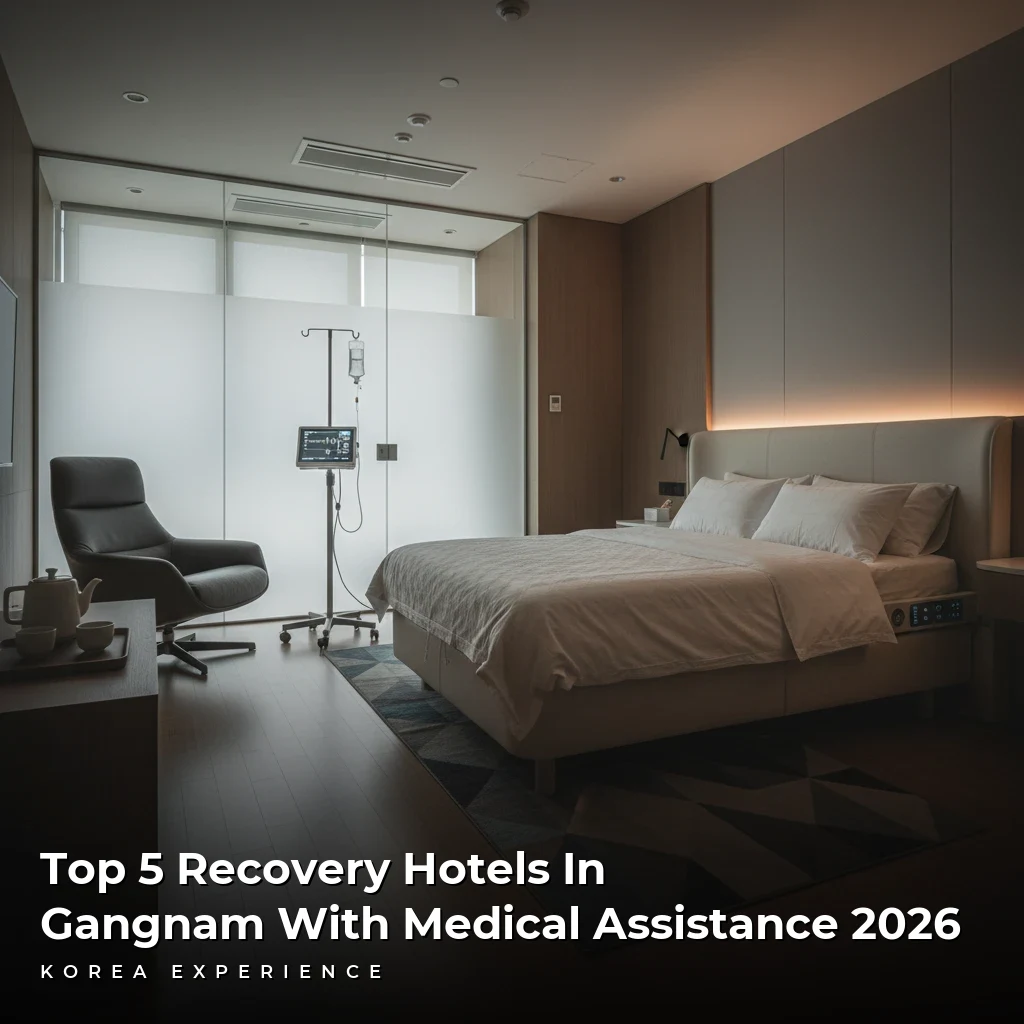
Discover the safest recovery hotels in Gangnam for post-surgery care, featuring adjustable beds, 24/7 concierge, and clinic proximity for 2026 travelers.
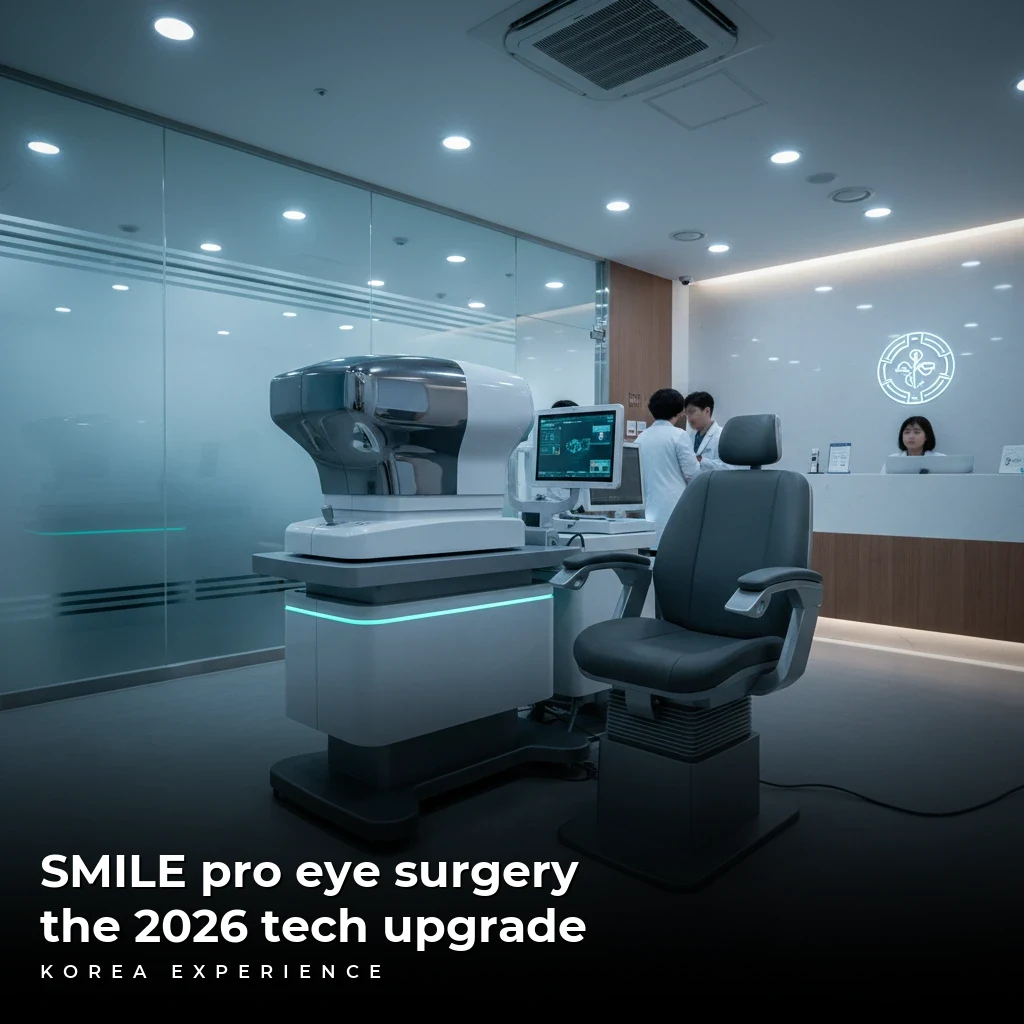
Discover SMILE Pro eye surgery in Korea, the 2026 tech upgrade from traditional LASIK. Learn its benefits, process, and why Korea is your top destination.

Discover the best delivery apps and healing foods for post-surgery recovery in Seoul. From pumpkin juice to premium porridge, here is your 2026 guide.