V-Line Surgery Korea: Procedure, Cost, Recovery Guide
Unlock the secrets to a coveted V-line in Korea, covering surgical procedures, detailed cost breakdowns, and a comprehensive recovery journey.
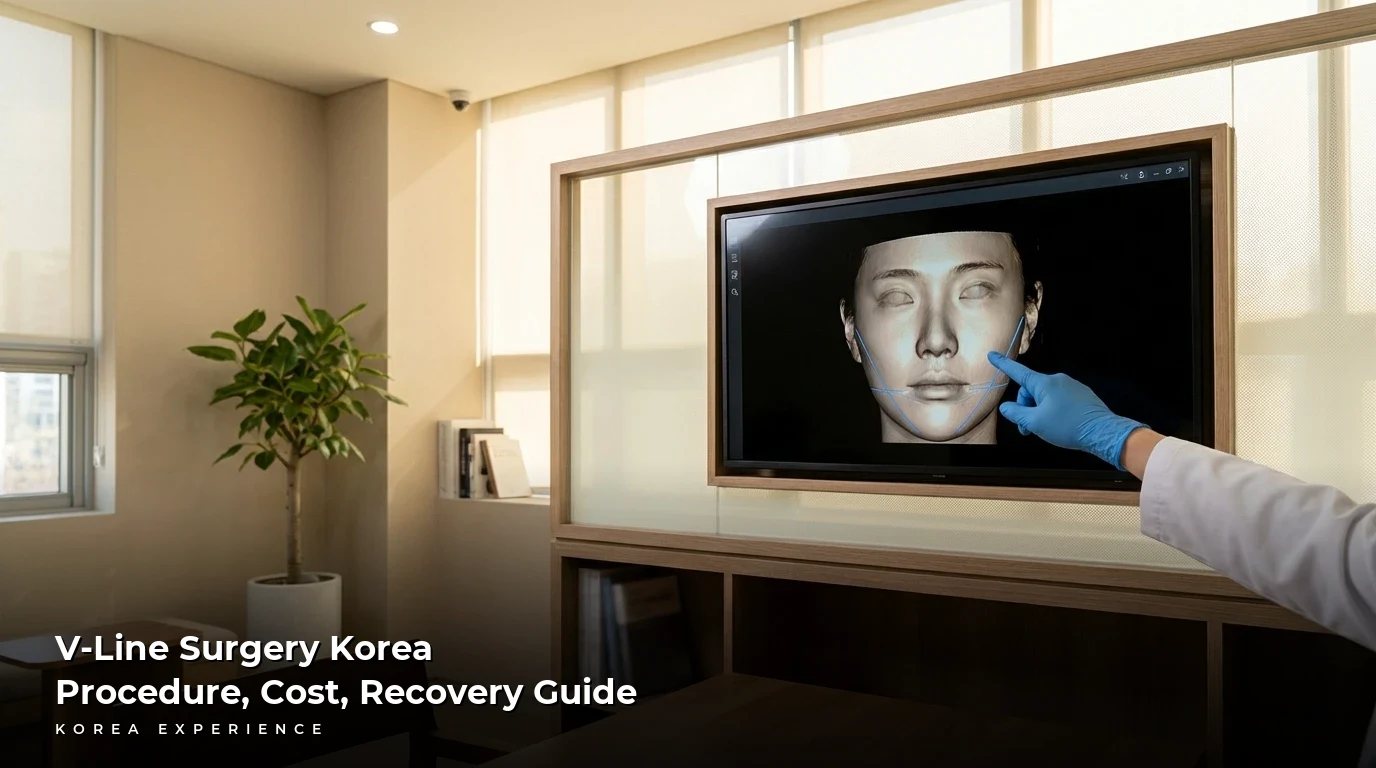
Achieve Your Dream Facial Contour: A Deep Dive into V-Line Surgery in Korea
In the pursuit of aesthetic perfection, specific facial features often stand out as universal symbols of beauty. Among them, the "V-line" facial contour – characterized by a slim, oval face shape with a defined, slender jawline and a pointed chin – has become synonymous with youthful elegance and sophistication, particularly in East Asia. Korea, globally renowned for its groundbreaking advancements in cosmetic surgery, is the undisputed epicenter for individuals seeking to achieve this coveted V-line look.
For international travelers and expats, navigating the world of Korean plastic surgery can seem daunting. From understanding complex medical procedures to anticipating costs and managing recovery in a foreign land, countless questions arise. This comprehensive guide aims to demystify V-line surgery in Korea, offering an invaluable resource that covers everything from the intricate surgical procedures and realistic cost expectations to the crucial recovery process and practical tips for a seamless medical tourism journey. By the end of this post, you'll have a clear understanding of what it takes to embark on your V-line transformation with confidence and informed decisions.
Understanding V-Line Surgery: The Korean Approach to Facial Harmony
V-line surgery, often referred to as facial contouring surgery, is a set of sophisticated procedures designed to create a more feminine and aesthetically pleasing facial shape by reducing the width of the jaw, refining the chin, and sometimes addressing prominent cheekbones. Unlike traditional jaw reduction surgeries that primarily focus on the mandibular angle, V-line surgery in Korea takes a holistic approach, aiming for a harmonious and natural-looking taper from the temples down to a delicate chin.
What Exactly is V-Line Surgery?
At its core, V-line surgery involves reshaping the bone structure of the lower face. This typically includes:
- Mandible Angle Reduction: Reducing the prominent or wide jaw angle (the corner of your jaw).
- Genioplasty (Chin Surgery): Reshaping, reducing, or advancing the chin to create a more pointed or balanced look.
In many cases, surgeons might also recommend Zygoma Reduction (Cheekbone Reduction) if prominent cheekbones contribute to a wider or squarer facial appearance, ensuring a smooth, continuous line from the temples to the chin. The goal is not just to make the face smaller but to enhance the overall balance and softness of the facial features.
Why Choose Korea for V-Line Surgery?
Korea's reputation as a global leader in plastic surgery is well-earned. When it comes to V-line surgery, several factors make it the preferred destination:
- Expert Surgeons: Korean plastic surgeons specializing in facial contouring are among the most experienced and skilled globally, having performed thousands of these complex procedures.
- Advanced Technology: Clinics in Korea utilize state-of-the-art diagnostic imaging (like 3D CT scans) and surgical equipment, leading to precise planning and execution.
- Aesthetic Sensitivity: Korean surgeons possess a profound understanding of facial aesthetics, particularly the nuanced beauty standards for the V-line, ensuring results that are both natural and aligned with desired outcomes.
- Comprehensive Care: From initial consultations and pre-operative assessments to post-operative recovery and follow-up, Korean clinics offer a streamlined and patient-centric experience.
- Competitive Pricing: While an investment, the cost of V-line surgery in Korea often presents a more attractive option compared to equivalent quality and expertise in Western countries.
Who is a Candidate for V-Line Surgery?
Ideal candidates for V-line surgery typically express concerns about:
- A wide or square jawline.
- A flat, wide, or recessed chin.
- Facial asymmetry.
- Prominent cheekbones that create a harsh facial contour.
- A desire for a softer, more feminine, or youthful facial shape.
During your initial consultation, a surgeon will assess your facial structure, discuss your aesthetic goals, and determine if V-line surgery is the most appropriate and safe procedure for you. This often involves 3D imaging to simulate potential results and ensure alignment between your expectations and what is surgically achievable.
The V-Line Surgery Procedure in Korea: A Step-by-Step Journey
Embarking on V-line surgery in Korea involves a carefully orchestrated series of steps, from initial consultation to the actual operation. Understanding each phase can help alleviate anxiety and prepare you for the journey ahead.
1. Pre-operative Consultation and Planning
Your journey begins with an in-depth consultation. This crucial step typically involves:
- Physical Examination: The surgeon will physically assess your facial bone structure, skin elasticity, and overall facial harmony.
- 3D CT Scans: High-resolution 3D CT scans provide detailed images of your bone structure, nerves, and soft tissues. This allows the surgeon to meticulously plan the exact osteotomy (bone cutting) lines, ensuring precision and minimizing risks.
- Virtual Simulation: Many clinics use advanced software to create virtual simulations of your post-operative appearance, allowing you to visualize potential results and communicate your desires more effectively with the surgeon.
- Medical History Review: You will discuss your medical history, any pre-existing conditions, allergies, and current medications to ensure you are a suitable candidate for surgery.
2. Anesthesia
V-line surgery is a complex procedure performed under general anesthesia. This means you will be completely asleep and feel no pain during the operation. An experienced anesthesiologist will monitor your vital signs throughout the surgery.
3. The Surgical Techniques
The specific techniques employed will depend on your individual facial structure and desired outcome. The surgery is typically performed intraorally (through incisions inside the mouth), leaving no visible external scars.
a. Mandible Angle Reduction (Square Jaw Reduction)
This procedure targets the prominent corners of the jawbone.
- Long Curve Osteotomy: This is a popular technique in Korea. Instead of simply cutting off the corner, the surgeon makes a long, smooth cut from the front of the jaw to the back, removing a continuous section of bone. This creates a more natural, flowing jawline and prevents a "secondary angle" or unnatural sharp corner that can result from less refined techniques.
- Outer Cortical Bone Resection: In cases where the jawbone itself is thick, the surgeon may also remove the outer layer of the cortical bone to further reduce width, complementing the long curve osteotomy.
b. Genioplasty (Chin Surgery)
Genioplasty is essential for creating the delicate 'V' shape by refining the chin.
- T-Osteotomy: This is a highly specialized technique frequently used in Korea. The chin bone is cut in a 'T' shape. The central bone segment is then removed, and the remaining side segments are brought together and fixed with tiny titanium plates and screws. This allows for precise narrowing, advancement, or retraction of the chin, resulting in a sharp, refined, and centrally pointed chin.
- Sliding Genioplasty: For chins that need to be moved forward or backward without significant narrowing, a horizontal cut is made, and the chin segment is slid to its desired position before being fixed.
- Chin Bone Reduction: For overly long or prominent chins, a segment of bone can be removed to shorten or reduce its projection.
c. Zygoma Reduction (Cheekbone Reduction - Optional)
If prominent cheekbones contribute to a wide facial appearance, zygoma reduction may be performed.
- L-Osteotomy or Arch Osteotomy: Incisions are made inside the mouth and/or near the sideburn area. Sections of the zygomatic arch (the bone connecting the cheekbone to the ear) are cut and repositioned inwards. The cheekbone body can also be shaved or fractured and reset. The repositioned bones are then fixed with titanium plates and screws. This creates a smoother transition from the forehead to the jawline, enhancing the overall V-line effect.
4. Post-operative Care Immediately After Surgery
Once the surgery is complete, you will be taken to a recovery room.
- Compression Bandages: Your face will be wrapped in compression bandages to help reduce swelling and support the reshaped bones.
- Drainage Tubes: Small drainage tubes may be inserted to collect any excess fluid or blood, typically removed within a day or two.
- Hospital Stay: Most patients stay in the hospital for 1-3 days for initial monitoring and pain management.
The entire surgical process, depending on the complexity and combination of procedures, can last anywhere from 2 to 4 hours. The meticulous planning and advanced techniques used by Korean surgeons aim to achieve optimal results with minimal invasiveness.
Cost of V-Line Surgery in Korea: A Detailed Breakdown
One of the most significant considerations for medical tourists is the cost. While V-line surgery is an investment, Korea often offers a superior balance of quality, expertise, and affordability compared to many Western countries. However, understanding the various factors that influence the final price is crucial for accurate budgeting.
Average Cost Range
The cost of V-line surgery in Korea can vary significantly based on the clinic, the surgeon's reputation, the complexity of the case, and the specific procedures combined.
- V-Line Surgery (Mandible Angle Reduction + Genioplasty): Expect to pay anywhere from 8,000 USD to 15,000 USD.
- V-Line Surgery with Zygoma Reduction: If cheekbone reduction is included, the total cost could range from 12,000 USD to 20,000 USD, or even higher for very complex cases or renowned surgeons.
It's important to obtain a personalized quote during your consultation, as these are general estimates.
Factors Influencing the Cost
| Factor | Description | Impact on Cost |
|---|---|---|
| Surgeon's Experience & Reputation | Highly experienced, board-certified surgeons with a strong track record and specialized expertise in facial contouring will charge more. | Higher |
| Clinic's Prestige & Facilities | Top-tier clinics in prime locations (e.g., Gangnam, Apgujeong) with advanced technology and luxury amenities often have higher prices. | Higher |
| Complexity of the Case | Patients requiring extensive bone reshaping, addressing severe asymmetry, or having specific anatomical challenges may incur higher costs. | Higher (due to longer surgery time, more intricate planning, and specialized techniques) |
| Combined Procedures | Including zygoma reduction, fat grafting, or other complementary procedures will increase the total price. | Higher (each additional procedure adds to the cost) |
| Anesthesia Fees | Costs for general anesthesia and the anesthesiologist's services are usually included but can vary. | Generally included in package, but can fluctuate |
| Pre/Post-Operative Care | This includes initial consultations, 3D CT scans, post-operative medications, compression garments, and follow-up appointments. | Usually included in the package, but always confirm |
| International Patient Services | Some clinics offer premium services like airport pickup, translation, and concierge assistance, which may be factored into the price. | Potentially higher, but adds convenience |
What's Typically Included in the Price?
Most reputable Korean clinics offer package prices that generally include:
- Initial consultations and 3D CT scans.
- Surgeon's fees.
- Anesthesia fees.
- Hospital stay (1-3 days).
- Post-operative medication (painkillers, antibiotics).
- Compression garment.
- Basic follow-up appointments (stitch removal, initial checks).
Potential "Hidden" Costs to Consider
While the surgical package covers the procedure, remember to budget for:
- Flights and Visa: Travel to and from Korea, and any necessary visa applications.
- Accommodation: You'll need to stay in Korea for at least 2-4 weeks post-surgery for recovery and follow-ups. Accommodation costs can vary significantly (e.g., guesthouses vs. serviced apartments).
- Food and Daily Expenses: Cost of living in Seoul, including meals, transportation, and personal items.
- Translator Services: While many clinics offer English-speaking coordinators, independent translators may be desired for non-medical interactions.
- Additional Treatments: Any unexpected or desired complementary treatments not included in the original quote.
- Travel Insurance: Comprehensive travel insurance that covers medical emergencies abroad.
By thoroughly researching and obtaining detailed quotes, you can create a realistic budget for your V-line surgery journey in Korea.
V-Line Surgery Recovery & Aftercare: What to Expect
The recovery phase is as crucial as the surgery itself for achieving optimal results and preventing complications. While individual recovery times vary, understanding the typical timeline and adhering to aftercare instructions are paramount.
Immediate Post-Surgery (Day 1-3 Hospital Stay)
- Pain & Discomfort: You will experience pain, swelling, and tightness. Pain medication will be administered to manage discomfort.
- Swelling & Bruising: Significant swelling and some bruising are normal. Compression bandages will be applied to minimize these.
- Drainage: Drains may be in place to remove fluids, typically removed within 24-48 hours.
- Diet: You will be on a liquid or very soft diet to avoid straining your jaw.
- Rest: Absolute rest is recommended.
Early Recovery (Week 1-2)
- Significant Swelling: Swelling will peak around day 3-5 and then gradually start to subside. Your face will still appear quite puffy.
- Diet: Continue with a soft, easy-to-chew diet. Avoid anything crunchy or hard.
- Compression Garment: You will be instructed to wear a compression garment consistently (often 24/7, removing only for hygiene) to help reduce swelling and shape the face.
- Oral Hygiene: Meticulous oral hygiene is vital to prevent infection. Use a soft-bristled toothbrush and prescribed mouthwash.
- Activity: Light walking is encouraged to promote circulation, but avoid strenuous activities, bending down, or heavy lifting.
- Follow-up: Your first follow-up appointment will typically be for drain removal (if not done in hospital) and initial check-ups. Stitches inside the mouth are usually dissolvable.
Mid-Recovery (Weeks 3-4)
- Noticeable Improvement: Swelling will have significantly reduced, and you'll start to see more of your V-line contour. Some residual swelling, particularly around the jaw and chin, will remain.
- Diet: You can gradually reintroduce softer solid foods, but continue to avoid hard, chewy items.
- Compression Garment: You may transition to wearing the compression garment only at night or for specific periods during the day, as advised by your surgeon.
- Activity: You can gradually resume more normal daily activities and light exercise, but still avoid strenuous workouts or contact sports.
- Return to Work: Many patients feel comfortable returning to work or social activities around this time, depending on the nature of their job and comfort level with residual swelling.
Long-Term Recovery (Months 1-6)
- Continuous Improvement: Swelling will continue to diminish over months, with most of the swelling resolving by 3-6 months. The final results will gradually emerge.
- Sensation: Numbness in the chin, jaw, or lips is common initially and can take several months to fully resolve as nerves heal.
- Physical Activity: You can typically resume all normal activities and exercises after 3 months, but always follow your surgeon's specific advice.
- Follow-ups: Schedule periodic follow-up appointments to monitor your progress and ensure proper healing.
Full Recovery (Months 6-12)
- Final Results: The true, final V-line contour is usually visible by 6-12 months post-surgery. Any lingering numbness or minor swelling should have fully subsided. Bone remodeling is complete.
Recovery Timeline & Key Stages
| Stage | Key Characteristics | Duration |
|---|---|---|
| Immediate Post-Op | Pain, significant swelling, compression bandages, liquid diet. | 1-3 days (hospital stay) |
| Early Recovery | Peak swelling, bruising, soft diet, continuous compression garment, gentle activity. | Weeks 1-2 |
| Mid-Recovery | Significant reduction in swelling, gradual return to soft solids, reduced garment wear. | Weeks 3-4 |
| Long-Term Recovery | Swelling subsiding, numbness resolving, initial V-line contour visible, return to most activities. | Months 1-6 |
| Full Recovery | Final V-line results, complete resolution of swelling/numbness. | Months 6-12 |
Essential Aftercare Tips
- Follow Instructions Meticulously: Adhere strictly to your surgeon's specific post-operative care instructions regarding medication, diet, compression garment wear, and activity restrictions.
- Maintain Oral Hygiene: Rinse your mouth with prescribed solutions after every meal to prevent infection at the incision sites.
- Elevate Your Head: Sleep with your head elevated (using extra pillows) for several weeks to help reduce swelling.
- Cold Compress: Apply cold compresses to your cheeks and jaw for the first few days to minimize swelling and bruising.
- Stay Hydrated & Eat Well: Drink plenty of fluids and maintain a nutritious, soft diet to support healing.
- Avoid Smoking & Alcohol: These can impair healing and increase the risk of complications. Avoid them for several weeks before and after surgery.
- Protect from Sun: Avoid direct sun exposure to your face during the initial healing period.
- Be Patient: Healing is a process, and final results take time. Be patient with your body and allow it to recover naturally.
Potential Complications (Rare but Important to Know)
While V-line surgery in Korea is generally safe with experienced surgeons, potential complications, though rare, can include:
- Infection.
- Excessive bleeding or hematoma.
- Nerve damage (leading to temporary or, very rarely, permanent numbness or weakness in the lips or chin).
- Asymmetry.
- Non-union of bones (very rare).
- Dissatisfaction with aesthetic results.
Choosing a reputable clinic and an experienced surgeon significantly minimizes these risks.
Choosing the Right Clinic & Surgeon in Korea
Selecting the right clinic and surgeon is the most critical decision in your V-line surgery journey. Korea offers numerous options, especially in the medical tourism hub of Seoul.
Key Considerations for Selection
- Board Certification and Specialization:
- Ensure the surgeon is a board-certified plastic surgeon, specifically with extensive experience in facial contouring and V-line surgery. Look for evidence of specialization and a high volume of relevant procedures.
- Clinic Reputation and Accreditation:
- Research the clinic's reputation. Look for clinics officially accredited by the Korean Ministry of Health and Welfare. These facilities adhere to strict safety and quality standards.
- Many top clinics are concentrated in areas like Gangnam District and Apgujeong in Seoul, known for their high concentration of specialized aesthetic hospitals.
- Surgeon's Portfolio and Aesthetic Style:
- Review before-and-after photos of previous V-line surgery patients. This will give you an idea of the surgeon's aesthetic style and whether it aligns with your desired outcome.
- Pay attention to how natural the results appear.
- Consultation Process and Communication:
- A thorough consultation is paramount. The surgeon should spend ample time discussing your goals, conducting a detailed examination, explaining the procedure, potential risks, and recovery.
- Ensure there's clear communication, especially regarding language barriers. Many top clinics have international patient coordinators and dedicated English-speaking staff.
- Safety Protocols and Equipment:
- Inquire about the clinic's safety protocols, emergency procedures, and the technology used (e.g., 3D CT scanners, advanced anesthesia monitoring).
- Ensure they have a dedicated anesthesiologist on staff, not just a circulating nurse or general practitioner administering anesthesia.
- Aftercare and Follow-up Services:
- Understand the post-operative care plan, including medication, compression garments, and the schedule for follow-up appointments. A robust aftercare program is crucial for optimal healing.
- Reviews and Testimonials:
- While not the sole determinant, online reviews and testimonials from other international patients can provide valuable insights into their experiences. Be discerning and look for consistent themes.
Insider Tips for Selection
- Don't Rush: Take your time researching multiple clinics and surgeons. Do not feel pressured to make an immediate decision.
- Prepare Your Questions: Compile a list of specific questions before your consultation to ensure all your concerns are addressed.
- Trust Your Gut: A good rapport with your surgeon and feeling comfortable with the clinic staff are important.
- Consider a Medical Tourism Agency: For first-time visitors, a reputable medical tourism agency specializing in Korea can help streamline the process, from clinic recommendations and bookings to accommodation and translation.
- Prioritize Safety Over Price: While cost is a factor, never compromise on safety, surgeon's expertise, or clinic quality for a cheaper price. The risks associated with unqualified practitioners are simply not worth it.
By diligently following these guidelines, you can significantly increase your chances of having a successful and satisfying V-line surgery experience in Korea.
Navigating Your Medical Journey in Korea: Practical Tips
Traveling to a foreign country for surgery requires careful planning beyond just the medical procedure itself. Here are practical tips to ensure a smooth and comfortable experience in Korea.
Before You Travel
- Passport and Visa: Ensure your passport is valid for at least six months beyond your intended stay. Check Korea's visa requirements for your nationality well in advance. Some countries have visa-free entry for tourism, but regulations can change.
- Medical Documents: Compile all relevant medical records, including past surgeries, current medications, allergies, and any diagnostic reports. Bring both physical and digital copies.
- Finances: Ensure you have sufficient funds for the surgery, accommodation, living expenses, and any unforeseen costs. Inform your bank of your travel plans to avoid issues with card usage.
- Travel Insurance: Purchase comprehensive travel insurance that includes medical coverage for emergencies and potential complications, as well as trip cancellation/interruption.
- Accommodation Booking: Book suitable accommodation for your entire stay (typically 2-4 weeks post-surgery). Serviced apartments or Airbnb options near your clinic in areas like Gangnam or Apgujeong are popular choices, offering more space and kitchen facilities for recovery.
- Flight Booking: Book round-trip flights. Be aware that you might not be comfortable flying immediately after major facial surgery due to swelling and potential discomfort, so plan your return date conservatively.
- Communication: Download translation apps (like Papago or Google Translate) and consider purchasing a local SIM card or an e-SIM for consistent connectivity.
During Your Stay in Korea
- Arrival at Incheon International Airport (ICN): Korea's main international airport is well-connected to Seoul via airport express trains (AREX) or limousine buses.
- Transportation in Seoul: Seoul boasts an incredibly efficient and clean public transportation system (subway and buses). Purchase a T-Money card (a rechargeable transit card) for easy travel. Taxis are also readily available.
- Language Barrier: While many people in central Seoul, especially in medical tourism areas, speak some English, having a translation app is invaluable. Most reputable clinics will provide English-speaking coordinators.
- Food and Diet: Be prepared for a soft diet during your initial recovery. Korea offers a variety of delicious and healthy soft food options like porridge (juk), soups, and steamed dishes. Stock up on essentials from local supermarkets.
- Cultural Etiquette: Koreans are generally very polite. Learning a few basic phrases like "hello" (annyeonghaseyo) and "thank you" (gamsahamnida) is appreciated.
- Staying Connected: Utilize free public Wi-Fi zones or your local SIM card to stay in touch with family and friends.
- Rest and Relaxation: Prioritize rest during your recovery. Explore some of Seoul's quieter attractions like parks or museums once you feel up to it, but avoid strenuous activities.
After Surgery and Before Departure
- Follow-up Appointments: Attend all scheduled follow-up appointments with your surgeon to ensure proper healing and address any concerns.
- Medical Certificates: Request a medical certificate from your clinic detailing your procedure and recovery instructions, which can be useful for airline travel or re-entering your home country.
- Compression Garment: Continue wearing your compression garment as advised by your surgeon, even on the flight home, to manage swelling.
- Airline Considerations: Inform the airline if you have undergone recent surgery, especially if you have significant swelling or require special assistance. You may need a doctor's note for travel.
- Ongoing Care: Ensure you understand any long-term aftercare instructions before you leave Korea.
Korea is an incredibly safe and welcoming country, and with proper preparation, your medical tourism experience can be smooth, successful, and even enjoyable.
Frequently Asked Questions About V-Line Surgery in Korea
Here are answers to some common questions international patients have about V-line surgery in Korea.
1. Is V-line surgery painful? During the surgery, you will be under general anesthesia, so you will feel no pain. Post-surgery, you will experience discomfort, swelling, and pain, which is typically managed effectively with prescribed pain medication. The level of pain varies by individual but is generally controllable.
2. How long do I need to stay in Korea for V-line surgery? While the immediate hospital stay is typically 1-3 days, most surgeons recommend staying in Korea for at least 2 to 4 weeks after V-line surgery. This allows for initial recovery, management of swelling, removal of any non-dissolvable stitches, and crucial follow-up appointments to ensure proper healing before you travel back home.
3. Will I look unnatural or "fake" after V-line surgery? Highly skilled Korean surgeons prioritize natural-looking results. Through advanced techniques like long curve osteotomy and T-osteotomy, they aim to create a smooth, harmonious V-line that complements your overall facial features rather than an overly sharp or artificial look. Your surgeon will discuss your desired aesthetic during the consultation to ensure alignment.
4. Can I combine V-line surgery with other procedures? Yes, it is common for patients to combine V-line surgery with other facial contouring procedures like zygoma (cheekbone) reduction for a more comprehensive facial slimming effect. Some also combine it with soft tissue procedures like fat grafting, liposuction, or facelifts. Discuss all your aesthetic goals with your surgeon during the consultation to create a tailored plan.
5. Are the results of V-line surgery permanent? Yes, the results of V-line surgery are generally considered permanent. The bone that is reshaped or removed will not grow back. While natural aging processes will continue, the underlying bone structure of your V-line will remain. Maintaining a healthy lifestyle can help preserve your overall aesthetic.
Conclusion: Your Path to a Refined V-Line in Korea
V-line surgery in Korea offers a remarkable opportunity to achieve a beautifully refined and harmonious facial contour. By leveraging the unparalleled expertise of Korean plastic surgeons, state-of-the-art technology, and a comprehensive approach to patient care, countless international patients have successfully transformed their facial aesthetics.
This guide has provided a detailed overview of the procedure, demystified the costs involved, outlined the crucial recovery journey, and offered practical advice for navigating your medical tourism experience in Korea. Remember that thorough research, careful planning, and selecting a reputable clinic and an experienced surgeon are the cornerstones of a successful outcome.
Embrace the journey with confidence, knowing that a well-informed approach will lead you closer to achieving your desired V-line and the renewed self-assurance that comes with it. Your dream facial contour is within reach in the medical heartland of Korea.
Further Reading Opportunities:
- Explore our guides on "Accommodation Options for Medical Tourists in Seoul."
- Learn more about "Navigating Public Transportation in Seoul for Visitors."
- Discover "Dental Tourism in Korea: Procedures and Prices."
Medical Disclaimer
This blog post provides general information about V-line surgery in Korea and is intended for informational purposes only. It is not a substitute for professional medical advice, diagnosis, or treatment. Always seek the advice of a qualified healthcare provider for any questions regarding a medical condition or treatment. The content here should not be used to self-diagnose or self-treat any health issue. Individual results may vary.
Emergency Contact Information in Korea
In case of a medical emergency during your stay in Korea, please use the following numbers:
- 119: For ambulance services (emergency medical services and fire department). Operators can often connect you with an English speaker.
- 1339: For medical consultation and information in English (24/7 service operated by the Ministry of Health and Welfare, connecting you to doctors for advice or directing you to appropriate medical facilities).
About the Author
Korea Experience Team
Written by the Korea Experience editorial team - experts in Korean medical tourism, travel, and culture with years of research and firsthand experience.
⚠️ Medical Disclaimer
The information provided on this website is for general informational purposes only and does not constitute medical advice. Always consult with qualified healthcare professionals before making any medical decisions.
Explore more in Medical Tourism
World-class medical procedures at competitive prices. From plastic surgery and dermatology to dental care and health checkups — your complete guide to medical tourism in Korea.
Browse All Medical Tourism ArticlesContinue Reading
Explore more articles you might find interesting
Your comprehensive guide to double eyelid surgery in Korea, covering procedures, costs, recovery, and finding the best clinics for international patients.
Unlock your guide to rhinoplasty in Korea for 2026. Discover costs, top clinics, procedures, and essential tips for a successful medical tourism journey.
A comprehensive guide to FFS, VFS, and top surgery in Seoul for 2026. Includes costs, recovery times, and clinic recommendations for international patients.
Comprehensive 2026 guide to plastic surgery costs in Korea. Compare prices for rhinoplasty, blepharoplasty, and facelifts in Seoul vs. global rates.
A complete guide to senior joint replacement and cataract surgery in Korea. Save 40-60% on robotic procedures with world-class care and recovery facilities.
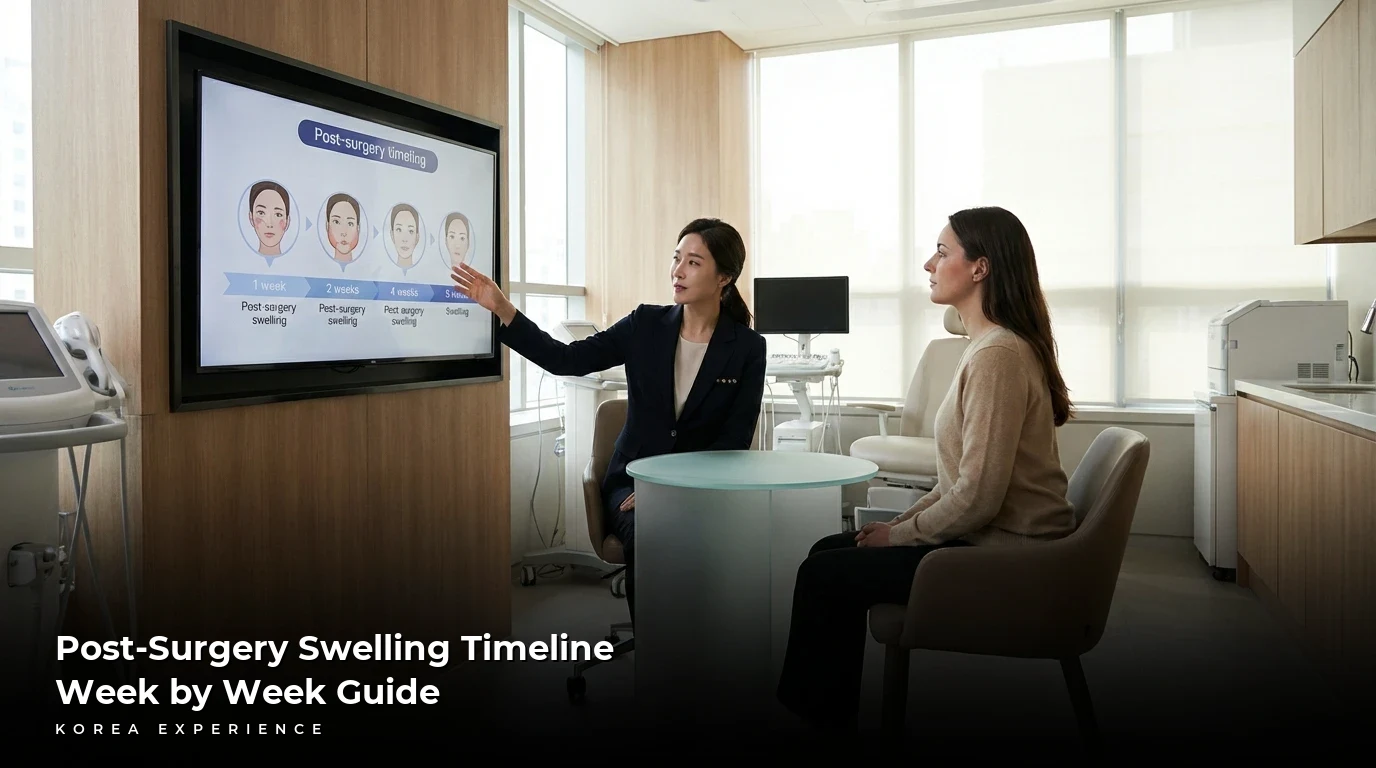
Understand the Post-Surgery Swelling Timeline in Korea. Our week-by-week guide helps international patients manage recovery expectations for various procedures.