Finding Public Restrooms in Korea: Stations, Malls, & Access
A practical guide to finding public restrooms in South Korea, covering subway stations, malls, accessible facilities, and navigation tools.
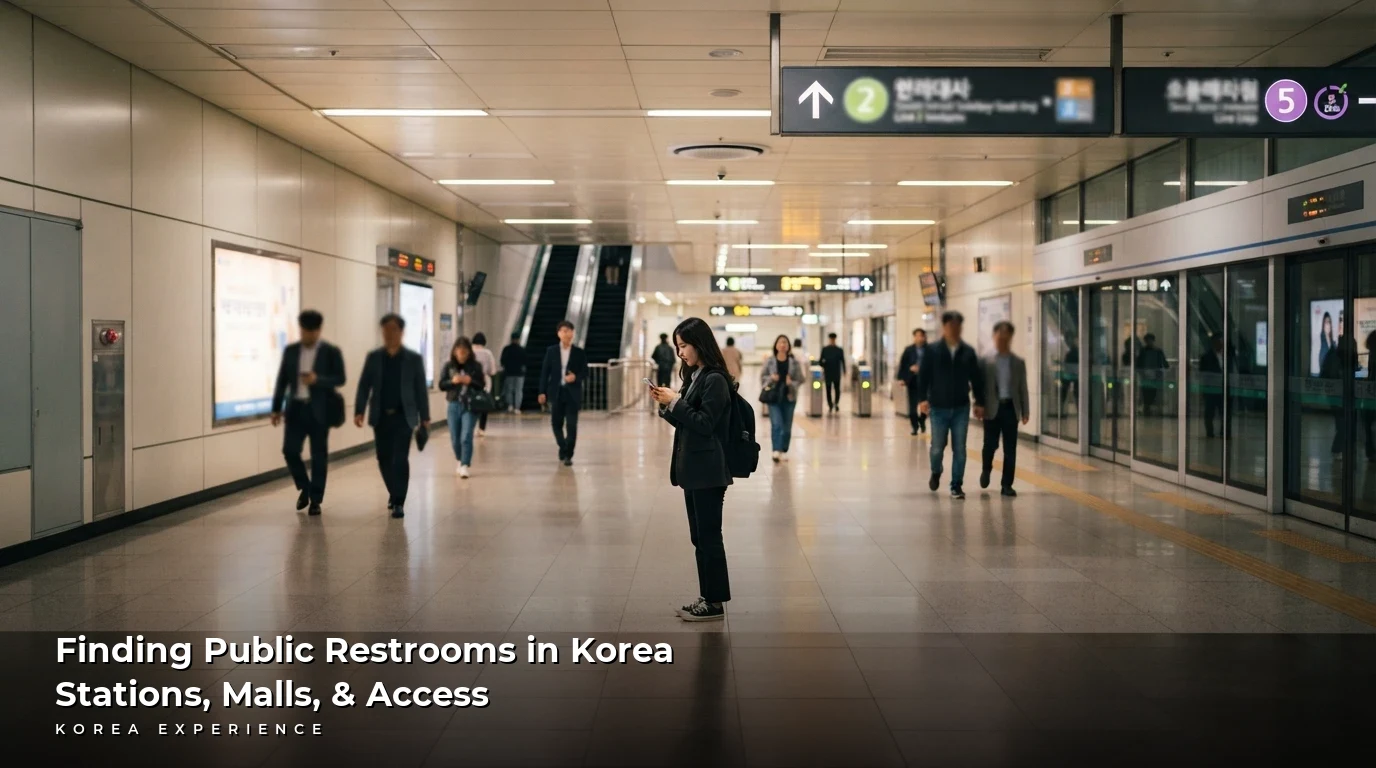
Finding a public restroom in South Korea is generally straightforward, as clean and free facilities are widely integrated into public infrastructure. However, layouts, accessibility levels, and access rules vary significantly depending on whether you are in a subway station, a commercial shopping center, or a neighborhood cafe.
Subway Stations and Public Transport Hubs
Every subway station in South Korea and Seoul features public restrooms that are free to use. However, their physical placement varies:
- Inside vs. Outside Gates: Some station restrooms are located inside the paid ticket zone, while others sit outside the turnstiles in the public concourse.
- Paid Zone Access: If you need a restroom located inside the ticket gates but have not entered—or have already exited—you do not necessarily need to buy a new ticket. You can press the emergency or help button near the turnstile gates to speak with a station attendant, who can remotely open the gate to grant you temporary free access.
Malls, Department Stores, and Commercial Spaces
Large shopping complexes, department stores, and massive underground shopping hubs (such as COEX Mall, Goto Mall, and DDP) offer some of the most reliable and well-maintained public restrooms in the country. These facilities are freely available to the public during operating hours and do not require a purchase. Major marts (like E-mart) also maintain clean, accessible washrooms.
By contrast, standard commercial food and beverage establishments operate differently:
- Cafes and Restaurants: Most cafes and restaurants provide customer restrooms, but they are frequently locked to prevent unauthorized street use. You may need a door code printed on your receipt or a physical key to enter.
- Convenience Stores: Convenience stores in Korea typically do not provide public restrooms for customer use.
Accessible Facilities and Family Infrastructure
Wheelchair-accessible restrooms and baby-changing stations are standard features in modern South Korean infrastructure, including newer subway stations, department stores, large commercial malls, and major museums. Accessible stalls or separate universal accessible rooms are typically marked with international accessibility symbols.
However, accessibility standards can vary heavily depending on the age of the building or neighborhood:
- Older Infrastructure: User reports indicate that strict accessibility can be hit-or-miss in older buildings, smaller subway stations, or traditional commercial districts.
- Potential Barriers: Heavy doors, narrow door ledges, non-standard sink heights, and street-level steps outside of new commercial zones may pose challenges for travelers with mobility needs.
Digital Tools and Navigation Apps
When navigating on the go, several digital resources can pinpoint nearby facilities:
- Local Mapping Apps: Naver Map and KakaoMap allow users to search directly for restrooms using the Korean keyword “화장실”. The Seoul Metropolitan Government also operates spatial portals such as Smart Seoul Map (map.seoul.go.kr).
- Dedicated Restroom Finder Apps: Specialized multi-language mobile applications (Korea Toilet: Restroom Finder and KORE - Korea Restroom Finder) aggregate open government data covering tens of thousands of public restrooms nationwide. These tools allow users to filter locations by accessibility features, baby-changing stations, operating hours, and crowd-sourced door codes.
- Web-Based Aggregators: Browser-based platforms like Free Toilet Korea offer GPS-based mapping of geocoded public facility points across the country without requiring mandatory app downloads or user sign-ups.
Sources
About the Author
Korea Experience Team
Written by the Korea Experience editorial team - experts in Korean medical tourism, travel, and culture with years of research and firsthand experience.
Explore more in Living in Korea
Everything expats and long-term visitors need to know — from visa requirements and housing to banking, healthcare, and daily life tips.
Browse All Living in Korea ArticlesContinue Reading
Explore more articles you might find interesting
A practical guide to finding lost items in Seoul, covering subway lines, taxis, public venues, and official national police databases.
A practical guide to visiting Korean public baths and jjimjilbangs, covering facility layouts, entry procedures, hygiene rules, and health safety.
Complete 2026 guide to stroller access in Seoul, Lotte World tips, and Everland hacks. Learn why 95% of subway stations are accessible but buses are not.
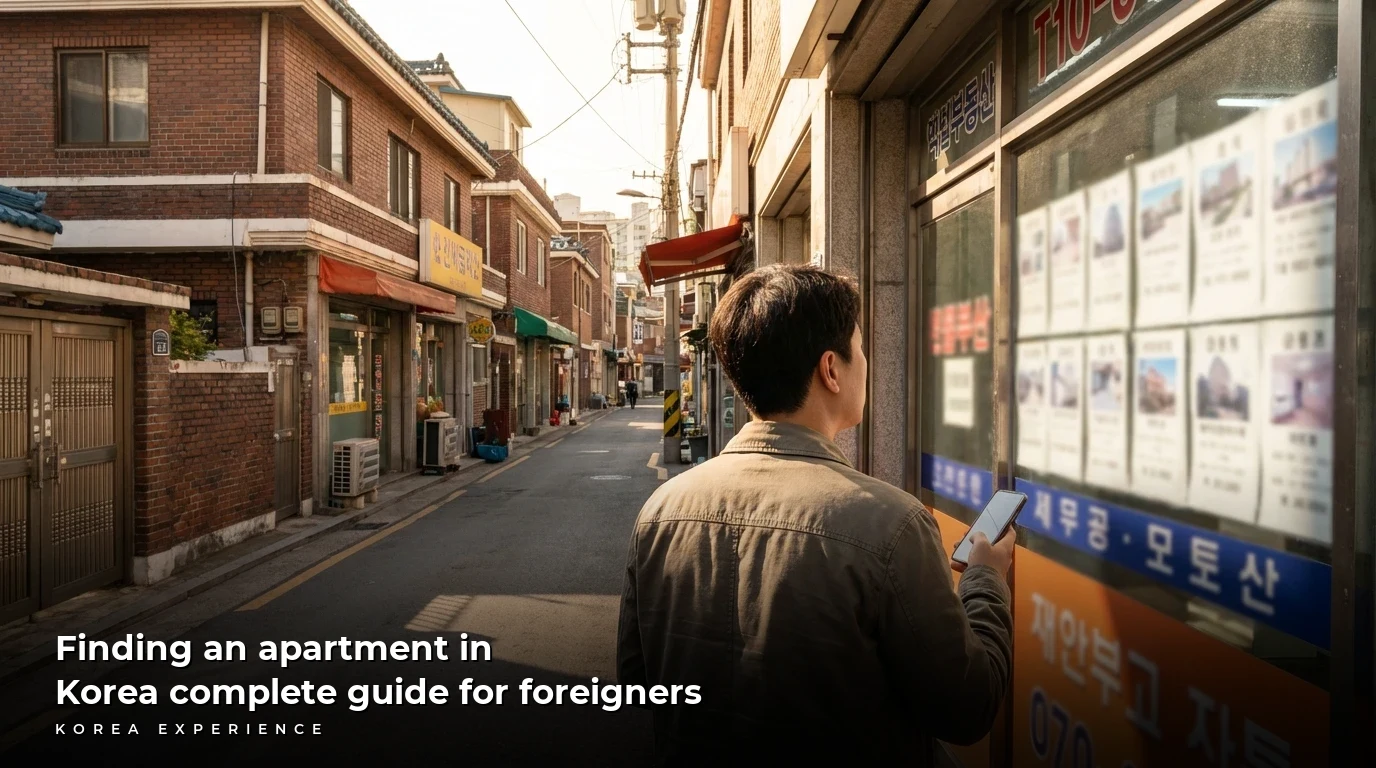
A detailed guide to renting in South Korea, covering Jeonse vs Wolse, deposits, finding English-speaking agents, and navigating contracts safely.
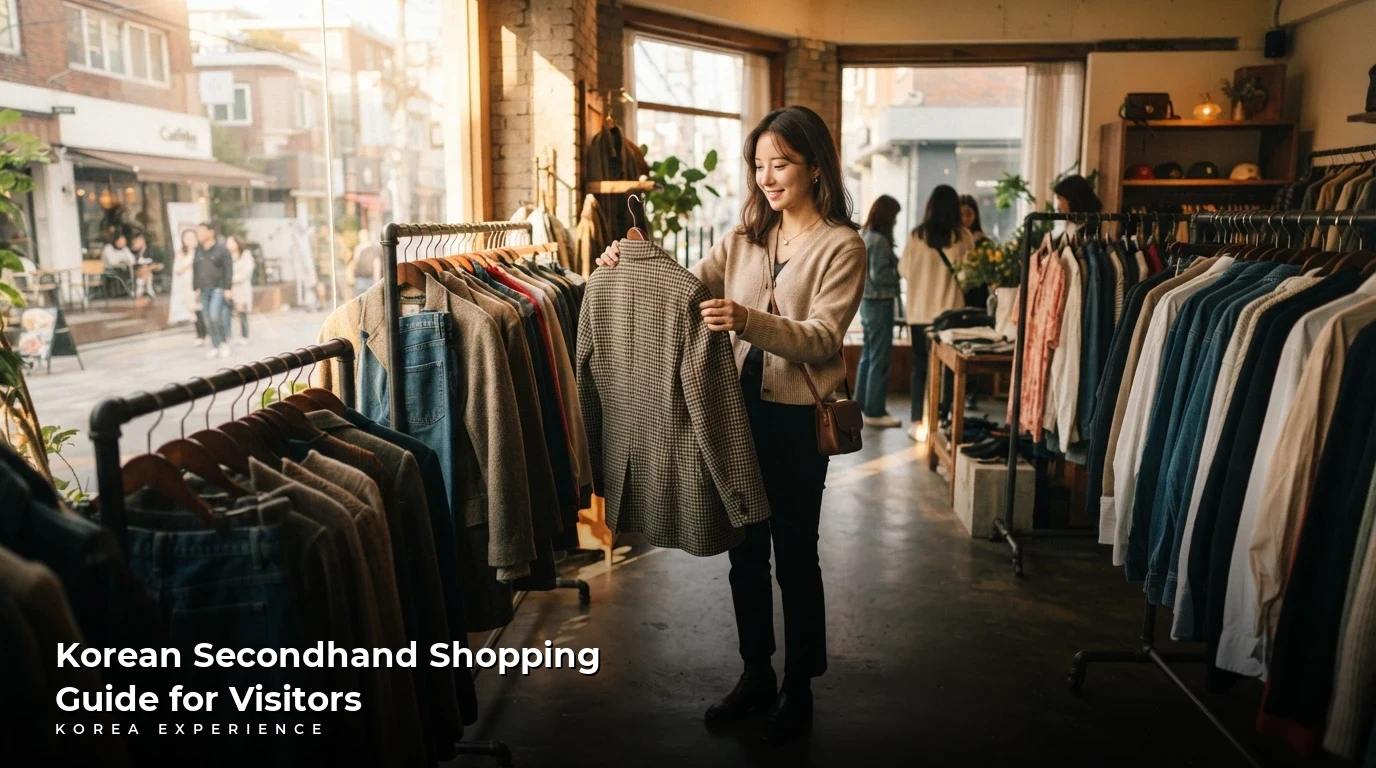
A practical guide for short-term visitors navigating South Korea's secondhand market, covering payment barriers, condition checks, and return limits.
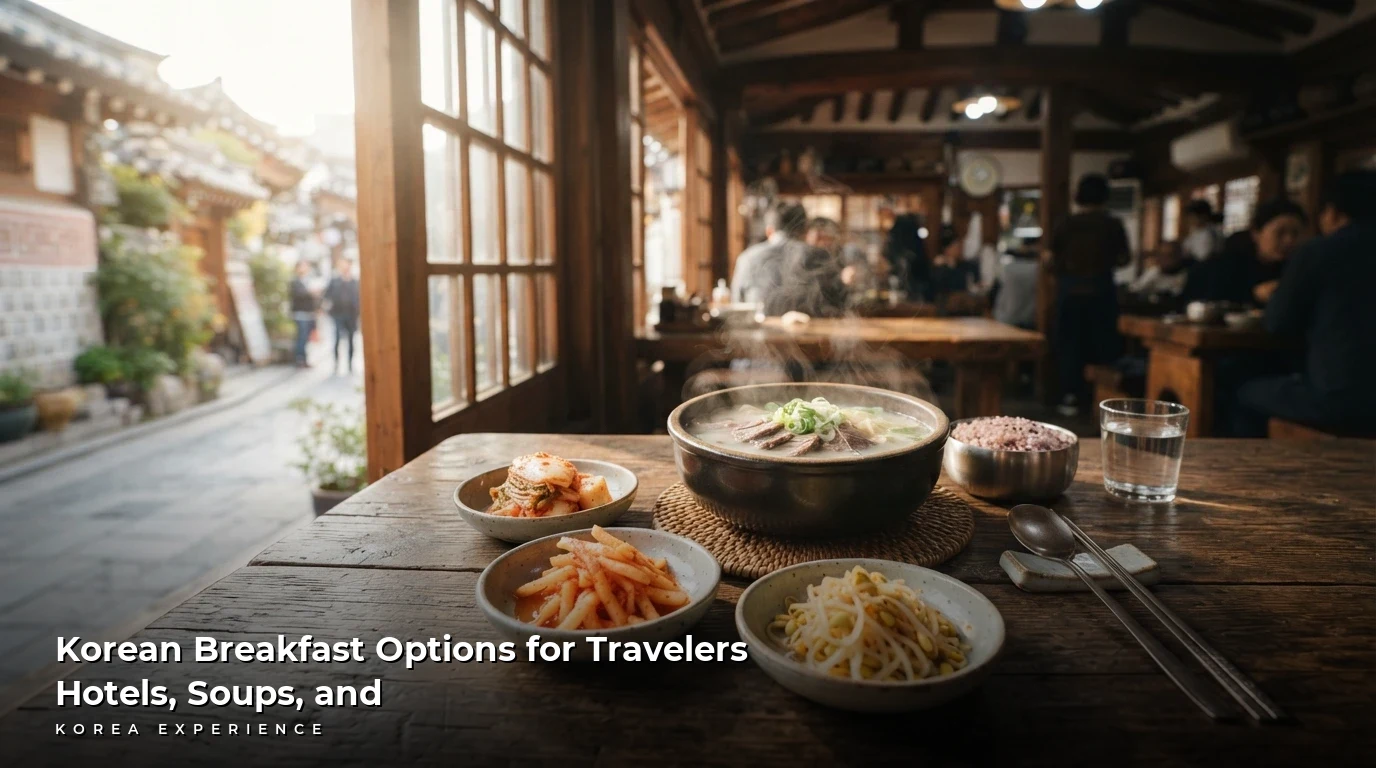
A practical guide to finding breakfast in Korea as a traveler, covering hotel buffets, traditional soup shops, and 24/7 convenience stores.