Accessible Seoul Travel Guide: Best Wheelchair Routes 2026
Discover top wheelchair-accessible routes in Seoul for 2026. Includes elevator maps, transport costs, barrier-free hotels, and specialized taxi services.
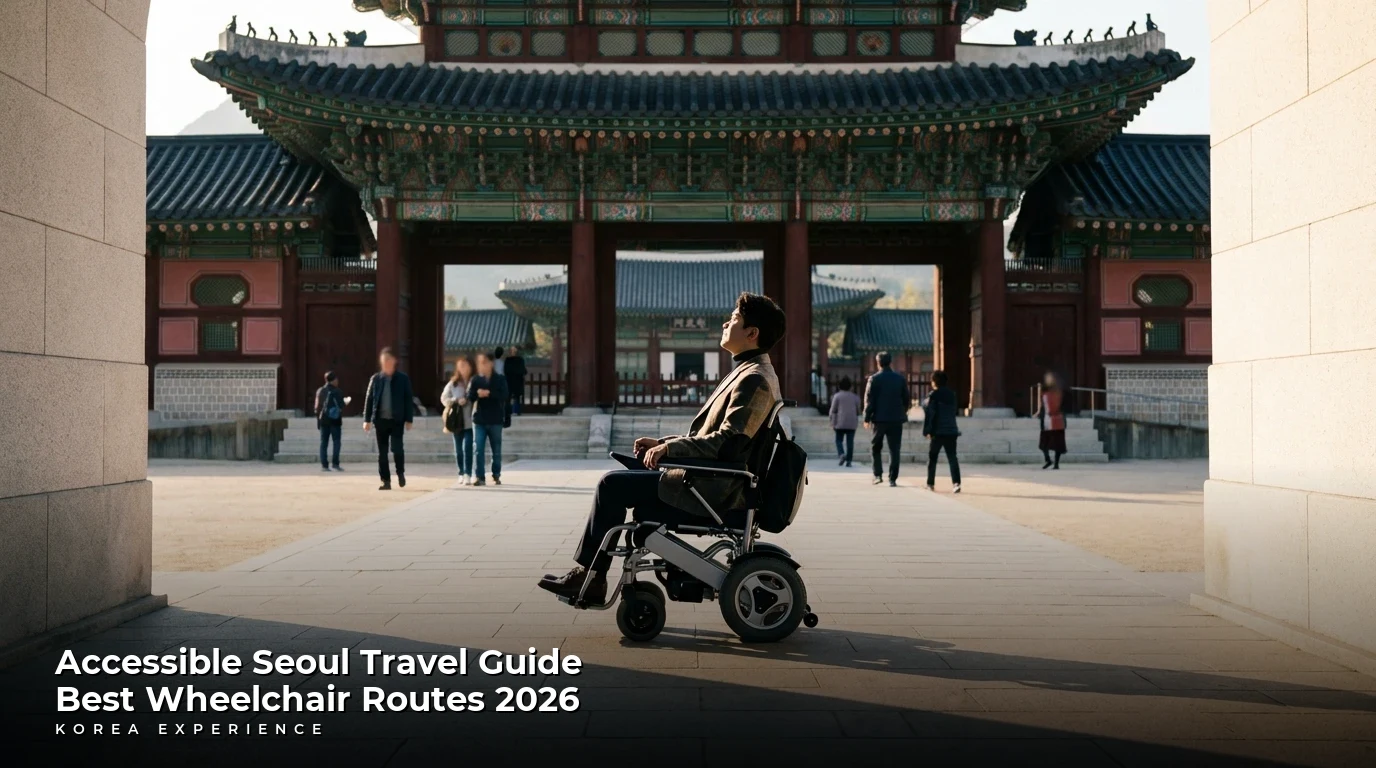
Seoul is often perceived as a challenging destination for travelers with limited mobility due to its mountainous geography and endless staircases. However, by 2026, the city has made massive strides in infrastructure, becoming one of Asia’s most accessible metropolises if you know how to navigate it. The key lies not in avoiding the city, but in understanding which districts have been modernized with universal design and which specific transit routes offer seamless connections.
The short answer: Seoul offers excellent accessibility in major districts like Gangnam and Gwanghwamun, with 94% subway elevator coverage and dedicated 'Danurim' accessible tourism services, though older hillside neighborhoods remain challenging for wheelchair users.
Key Takeaways
- 194% of Seoul Subway stations now have elevator access, tracked via the KakaoMetro app
- 2Gyeongbokgung Palace offers free admission for wheelchair users plus one companion
- 3The Seoul Danurim Center provides specialized minivan rentals for tourists
- 4New 2026 regulations require ramp access for all new cafes over 50 square meters
The State of Accessibility in Seoul: 2026 Update
Seoul has undergone a significant transformation regarding barrier-free travel over the last five years. The city government's "Mobility for All" initiative has resulted in improved pavement conditions, lowered curbs, and a massive overhaul of public transit.
While the steep hills of neighborhoods like Itaewon or the winding alleys of Bukchon Hanok Village remain difficult, the flat, modernized areas of the city are welcoming. In 2026, the introduction of "Smart Barrier-Free Zones" in areas like Jamsil and Yeouido means that digital maps now actively alert users to temporary construction obstacles or broken elevators in real-time.
📊 Seoul Accessibility Stats 2026
For international travelers, the biggest hurdle is often the lack of information in English regarding specific elevator locations or ramp gradients. This guide bridges that gap, providing a curated roadmap for experiencing the best of Korea without the stress of unexpected barriers.
Essential Transportation Guide for Wheelchair Users
Moving around Seoul is affordable and efficient, but it requires strategic planning. The cost of transportation is significantly lower than in Tokyo or London, with base subway fares starting at roughly ₩1,400 ($1.05 USD).
The Subway System: Your Best Friend
The Seoul Metropolitan Subway is the backbone of accessible travel. As of 2026, nearly all stations on Lines 1 through 9 constitute a "1 Station, 1 Route" system, meaning you can move from the street to the platform without encountering stairs.
However, "accessible" does not always mean "convenient." In older stations, the elevator might be on the opposite end of the platform from where you need to exit.
📖 How to Use Accessible Subway Features
Step 1: Download KakaoMetro
This app is non-negotiable. Toggle the 'Accessibility' mode in settings to see only elevator routes.
Step 2: Identify the Wheelchair Icon
On the platform floor, look for the wheelchair symbol. This indicates the gap between the train and platform is minimized for safety.
Step 3: Call for the Lift
If you encounter a wheelchair lift (stair-climber) instead of an elevator, press the call button. Staff usually arrive within 3-5 minutes to operate it.
Wheelchair Accessible Taxis
For destinations not near a subway station, accessible taxis are vital. Regular taxis run on LPG and the trunk space is often filled with the gas tank, making it impossible to store a non-foldable wheelchair.
Seoul Navicall (Foreigner-Friendly): The city operates a fleet of yellow or white minivans equipped with ramps.
- Cost: Base fare is approximately ₩4,800 ($3.60) for the first 2km.
- Booking: You cannot hail these on the street. You must book via the "Seoul Danurim" app or phone service.
- Wait Times: Expect to wait 15 to 40 minutes, depending on the district.
Booking Requirement
Foreign visitors should register with the Seoul Facilities Corporation (SFC) for disability taxi access upon arrival. You will need your passport and a copy of your disability certificate/ID from your home country. It is best to visit the Seoul Danurim Center to help facilitate this registration on your first day.
Low-Floor Buses
Seoul has aggressively replaced its bus fleet. Blue buses (main line) are almost entirely low-floor vehicles in 2026. Green buses (branch lines) have a lower adoption rate due to the narrow, hilly roads they service.
- Driver Etiquette: Drivers are trained to deploy the ramp, but you must flag them down aggressively.
- Safety: Space is reserved for two wheelchairs per bus.
Route 1: The Royal History Tour (Gwanghwamun & Gyeongbokgung)
This is the quintessential Seoul experience and, fortunately, one of the most accessible. The entire Gwanghwamun strip was renovated recently to be completely flat, creating a massive pedestrian plaza.
Gwanghwamun Square
Start your day at Gwanghwamun Station (Line 5). Use Exit 9 (elevator access) which opens directly onto the square. The plaza is roughly 600 meters long, paved with smooth stone, perfect for wheelchairs. You can view the statues of Admiral Yi Sun-sin and King Sejong up close without any curbs.
Gyeongbokgung Palace
At the northern end of the square lies the main palace.
- Entry: Wheelchair users and one companion get free entry. You do not need to queue at the ticket booth; proceed directly to the gate and show your ID.
- Terrain: The main courtyards are paved with flagstones. While some stones are uneven, the central path is generally smooth "packed dirt" which is firm enough for power chairs and most manual chairs.
- Restrooms: There is a large, fully accessible restroom near the National Palace Museum entrance inside the grounds.
Gyeongbokgung Palace(경복궁)
Royal Lunch: Tradition vs. Convenience
The Dualism Concept: Experience the best of both worlds — premium luxury moments paired with authentic budget-friendly experiences in one route.
Four Seasons Hotel Buffet
Fully accessible, spacious tables, impeccable service.
Tosokchon Samgyetang
Famous chicken soup. Ask for the main hall (table seating) not floor seating.
Tosokchon is authentic but crowded. Arrive at 11:30 AM to secure a reachable table without a wait.
For more insights on the best times to visit to avoid extreme heat or cold which can affect battery life on electric chairs, check our guide on the best time to visit Korea.
Route 2: The Future City (Gangnam & COEX)
If history is paved with stone, the future is paved with smooth marble. Gangnam, specifically the Samseong-dong area, is the most wheelchair-friendly district in Korea.
COEX Mall & Starfield Library
This is Asia's largest underground shopping mall, spanning over 165,000 square meters. It connects directly to Samseong Station (Line 2) and Bongeunsa Station (Line 9).
- The Library: The iconic Starfield Library is on the ground floor. It is open-plan and fully accessible.
- Navigation: The mall is vast. Look for the digital kiosks which have an "Accessible Route" map option.
- Restrooms: Every restroom block in COEX has a dedicated family/accessible stall with automatic doors.
Gangnam Shopping Malls Accessibility
| Feature | COEX Mall | Lotte World Mall | Goto Mall |
|---|---|---|---|
| Subway Connection | Direct/Flat | Direct/Flat | Elevator/Crowded |
| Aisle Width | Very Wide | Wide | Narrow |
| Accessible Restrooms | Every 200m | Every floor | Limited/End of hall |
Bongeunsa Temple
Directly across the street from COEX is Bongeunsa Temple. Unlike many mountain temples, this one is in the city center.
- Access: A paved road leads up to the main sanctuary. It is on a slight incline (approx 5-8% grade), so manual wheelchair users may require a push.
- Why visit: It offers a stunning visual contrast of ancient wooden architecture against the backdrop of glass skyscrapers.
If you are interested in shopping while in this area, see our detailed COEX Mall Guide for specific store locations.
Route 3: Nature and Rivers (Han River Parks)
Seoul creates a harmonious balance between urban density and nature. The Han River parks are extensive, flat, and paved.
Yeouido Han River Park
This is the most accessible of the river parks.
- Access: Yeouinaru Station (Line 5). Use Exit 2 or 3 for the elevator and ramp access down to the river level.
- Activity: The path along the river runs for over 40km. It is paved asphalt, shared by cyclists and pedestrians. The "Seoul Danurim" center often hosts accessible camping events here.
- River Cruise: The Eland Cruise terminal at Yeouido has a wide ramp. The cruise ships are accessible on the first deck, where live music and cafes are located.
An Accessible Afternoon at Yeouido
Arrival
Exit Yeouinaru Station via Elevator #2
The I Seoul U Sign
Photo op at the flat plaza
River Picnic
Rent a mat (delivery food pickup zone is accessible)
Sunset Cruise
Board the Eland Cruise (ramps provided)
"Avoid the Banpo Bridge Rainbow Fountain crowds on Friday nights. The viewing area gets so packed that it's hard to maneuver a wheelchair. Instead, go on a Tuesday or Wednesday evening for the same view with plenty of space."
Barrier-Free Accommodation Guide
Finding a hotel with a "roll-in shower" (no lip/step) is the hardest part of planning a trip to Korea. Many hotels list themselves as accessible but still have a 2-inch threshold in the bathroom or a bathtub with grab bars rather than a shower stall.
Luxury Options ($250+)
- Conrad Seoul (Yeouido): Excellent accessibility. Spacious rooms with true roll-in showers. Direct elevator access to the IFC Mall and subway.
- Grand InterContinental Seoul Parnas: Located in Gangnam, connected directly to COEX. Zero-threshold access throughout the property.
Mid-Range & Budget ($80 - $150)
- ibis Ambassador Seoul Insadong: Good location, reasonable rates. They have dedicated accessible rooms, but you must book them specifically via email, not just online agencies.
- Holiday Inn Express Hongdae: Connected to the AK Plaza mall and subway (Exit 4/5). Very convenient for younger travelers wanting to see the Hongdae vibe without the hill climbing.
💵 Accessible Hotel Pricing 2026
Full roll-in shower, wide doors
Barrier-free room A (limited availability)
Food & Dining: Navigating Restaurants
Korean restaurants are notorious for having a "high step" at the entrance. This is a remnant of traditional architecture designed to keep street dust out. However, the food scene is worth the effort.
Strategies for Dining
- Department Stores & Malls: The food courts in Lotte, Shinsegae, and Hyundai department stores are high-quality (not like Western food courts) and 100% accessible.
- New Buildings: Look for buildings constructed after 2020; they are legally required to have ground-level access.
- Portable Ramps: Some travelers bring a lightweight, portable threshold ramp. While bulky to carry, it unlocks 50% more restaurant options in areas like Hongdae or Seongsu.
If you are a foodie, don't miss our guide to Best Korean BBQ restaurants, where we highlight newer establishments with better accessibility.
📋 Dining Accessibility Facts
Specialized Resources: Seoul Danurim
The Seoul Danurim Tourism Center is a government-funded initiative specifically for travelers with disabilities. This is your most valuable resource.
- Equipment Rental: They rent manual wheelchairs, power wheelchairs, and even shower chairs. Rentals are often free or require a small refundable deposit.
- Minivan Rental: They offer a "City Tour" service in lift-equipped minivans for reasonable daily rates. This must be booked 1-2 months in advance due to high demand.
- Website: Their portal lists verified accessible tourist spots with photos of the entrances and restrooms.
Challenges and Reality Check
To maintain E-E-A-T (Trustworthiness), we must be honest about the difficulties.
- The Hills: Neighborhoods like Itaewon (specifically the hill to the mosque) and Bukchon Hanok Village are incredibly steep. Even with a power chair, the gradient can be dangerous.
- Pavement Quality: While main roads are smooth, side streets often have broken pavers or uneven drainage grates that can trap caster wheels.
- Restrooms: While subway stations have accessible toilets, they are sometimes locked (to prevent misuse by smokers). You may need to use the intercom button to have staff open them.
Seoul Accessibility Overview
- ✓World-class subway elevator network
- ✓Cheap, safe specialized taxis
- ✓Modern malls are fully barrier-free
- ✓Helpful citizens who will assist
- ✗Steep hills in historic districts
- ✗Restaurants often have entry steps
- ✗Accessible taxis have wait times
- ✗Old pavement can be uneven
Budgeting for Your Trip
Traveling with mobility needs often incurs extra costs, but Seoul remains reasonable.
- Transport: Budget ₩15,000 ($11) per day if using a mix of subway and regular taxis. Budget ₩40,000 ($30) if relying solely on taxis.
- Attractions: Many offer free or discounted entry (50% off) for disability card holders. Always carry your home country's disability ID.
- Food: ₩15,000 to ₩30,000 per meal per person.
For a broader look at costs, see our Budget Travel Guide.
Final Thoughts
Seoul in 2026 is a city of contrasts, but it is welcoming. The infrastructure is there, and where the infrastructure fails, the people usually step up. It is common for strangers to rush to hold a door or help lift a chair over a curb. By sticking to the "Line 2 (Green Line)" loop and focusing on the modernized districts of Gangnam, Jamsil, and the renovated historical center of Jongno, you can have a rich, barrier-free Korean experience.
❓ Frequently Asked Questions
Have more questions?Contact us →
About the Author
Korea Experience Team
Written by the Korea Experience editorial team - experts in Korean medical tourism, travel, and culture with years of research and firsthand experience.
Explore more in Travel & Tourism
From Seoul's neon-lit streets to Jeju's volcanic landscapes — discover the best of Korea with insider travel tips, itineraries, and seasonal guides.
Browse All Travel & Tourism ArticlesContinue Reading
Explore more articles you might find interesting
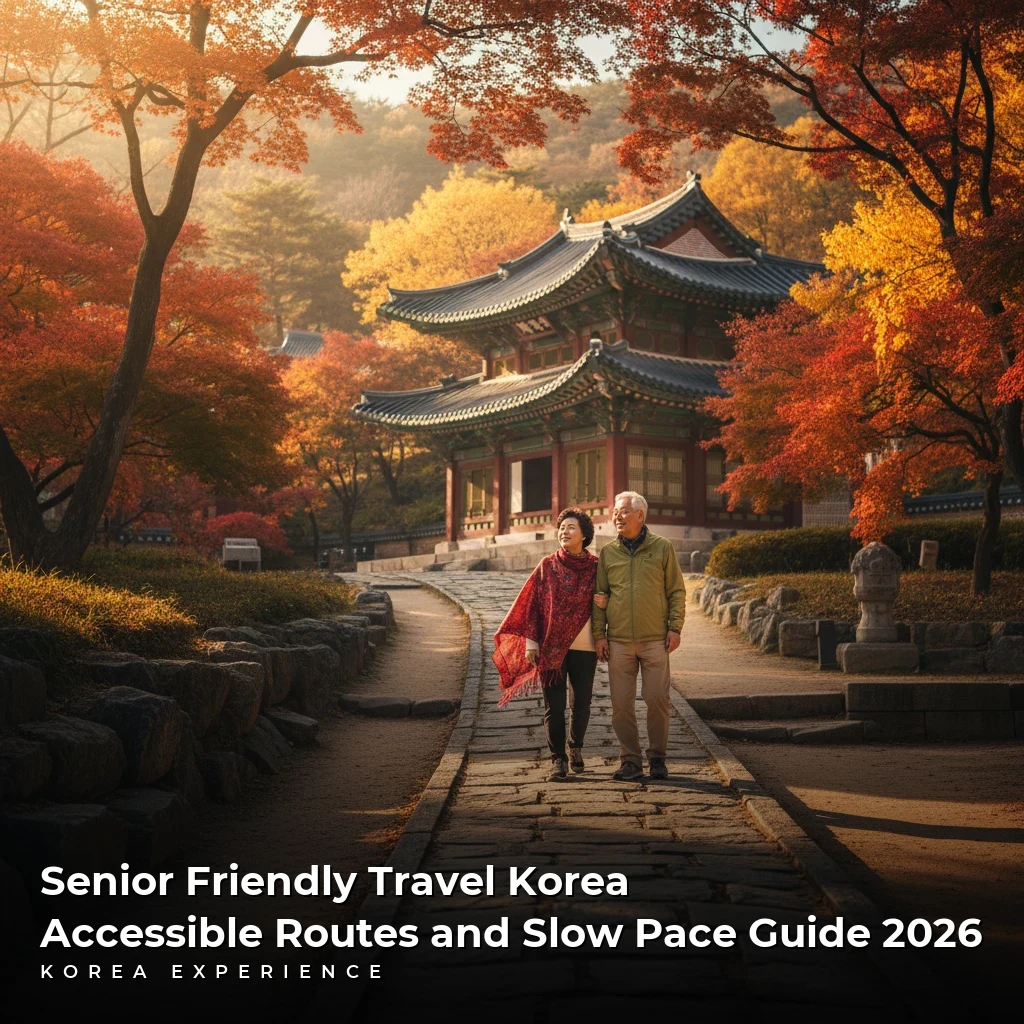
Discover the best senior-friendly travel routes in Korea. From barrier-free transport to 65+ free entry benefits and slow-pace itineraries for 2026.

Discover 10 secret autumn spots in Korea away from crowds. Includes 2026 peak foliage dates, transport costs, and specific hiking routes for the perfect trip.
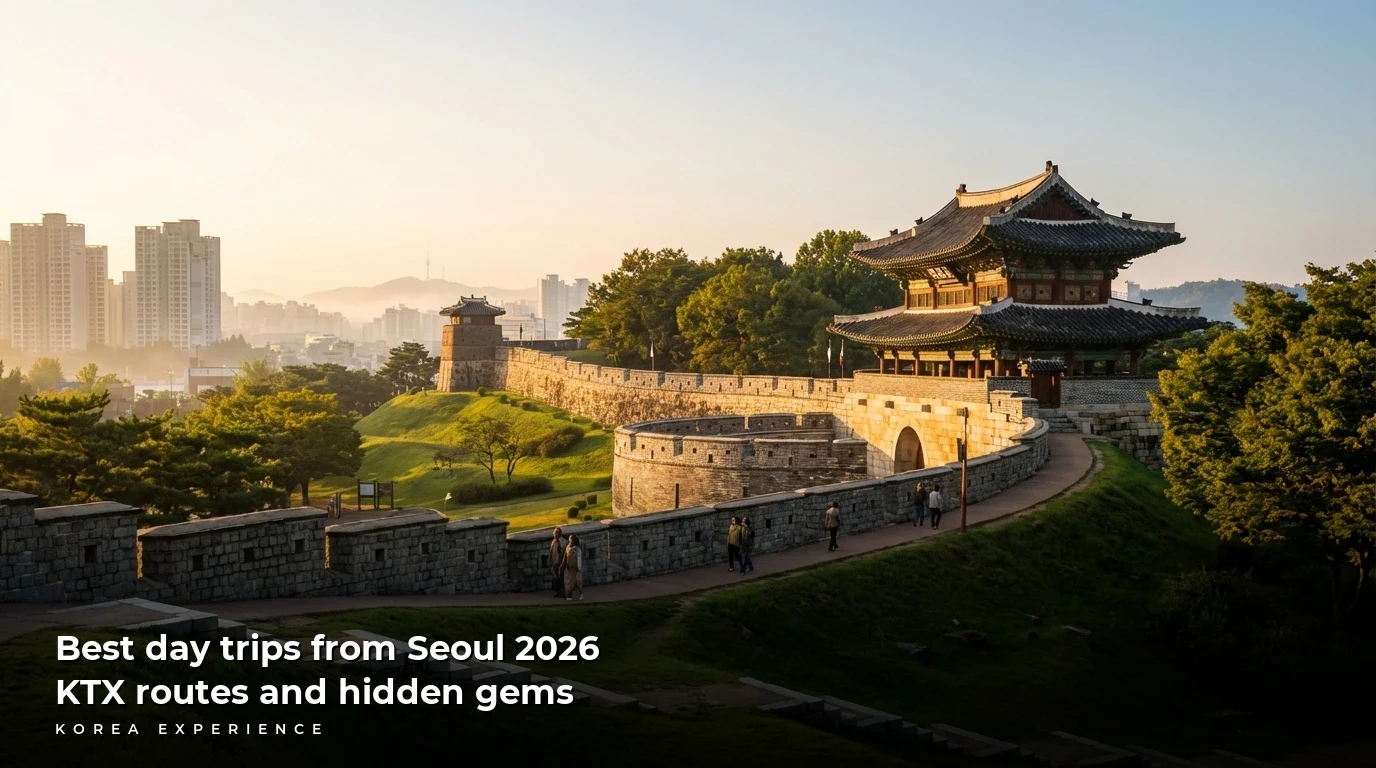
Discover the top day trips from Seoul for 2026. Includes KTX schedules, costs under ₩50,000, and travel times for Suwon, Nami Island, and the DMZ.

Discover top Korean beaches from Yangyang surfing to Jeju snorkeling. Includes 2026 prices, transport tips, and water activity costs for summer travel.
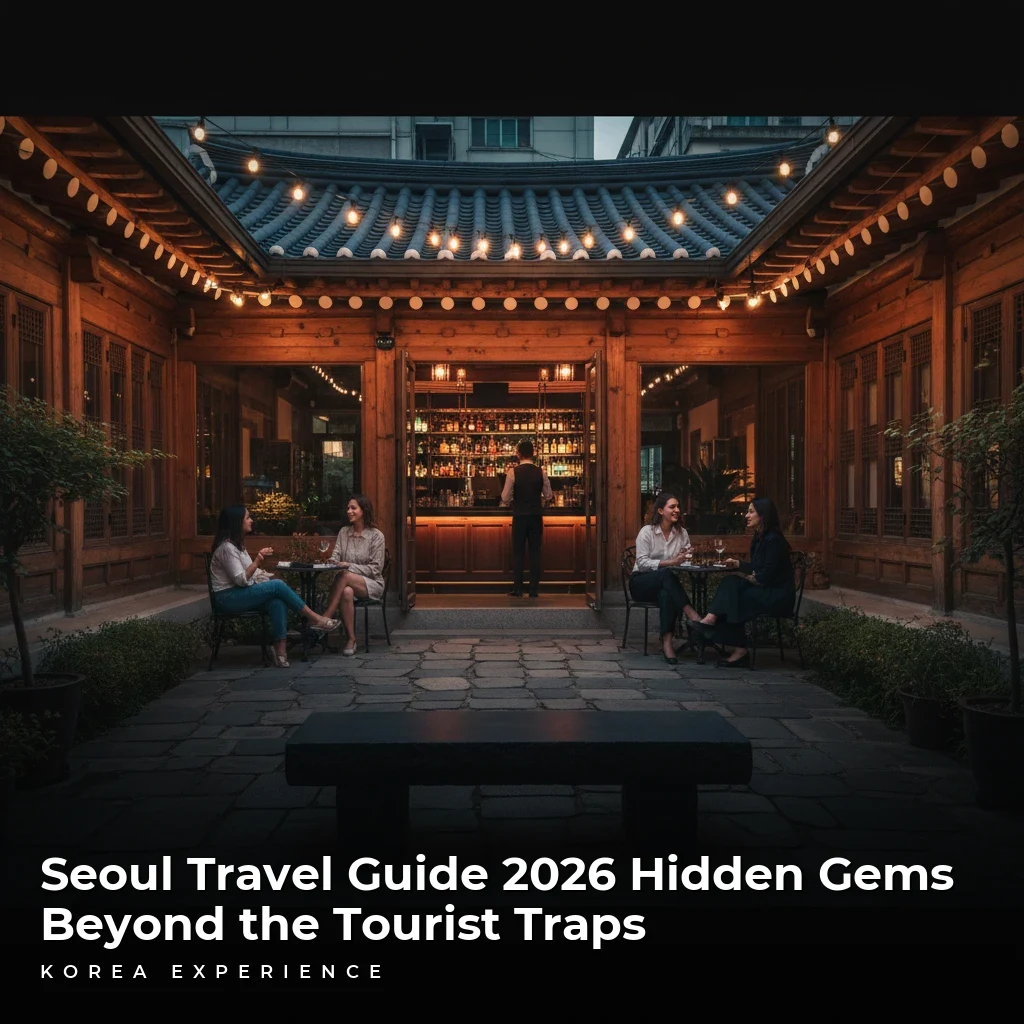
Discover Seoul's best kept secrets for 2026. From Sindang-dong cocktail bars to Mullae art alleys, explore the city like a local. Prices and maps included.
Discover Korea's best markets beyond Seoul. Explore Busan, Jeju, and Daegu with specific food prices, transport tips, and 2026 travel data.