K-Food Cooking Class 2026 Guide to Korean Home Cooking
Discover the best K Food cooking class options in Seoul for 2026. From market tours to authentic home cooking, master Korean cuisine today.
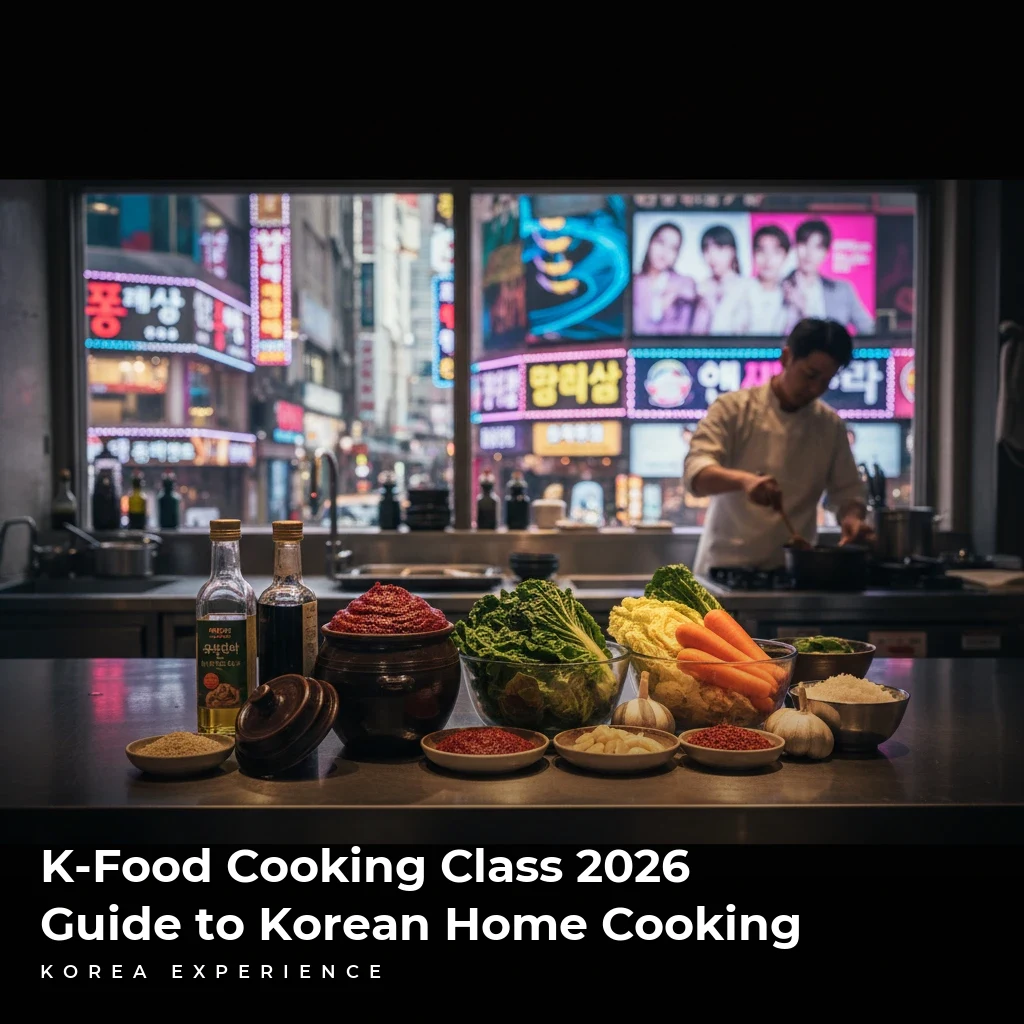
The aroma of toasted sesame oil, the sizzle of marinated beef on a hot pan, and the vibrant red hue of freshly fermented cabbage—these are the sensory hallmarks of Korean cuisine, or Hansik. In 2026, the global fascination with K-Food has transcended mere consumption; travelers now crave the tactile experience of creation. Participating in a K Food cooking class has become the quintessential activity for international visitors, offering a bridge between the palate and the soul of Korean culture.
For the modern traveler, a Korean home cooking experience is not just about following a recipe; it is an intimate lesson in history, geography, and the concept of Jeong (deep affection and connection). whether you are in the heart of Gangnam or the traditional alleys of Bukchon Hanok Village, these classes provide an unparalleled window into local life.
Key Takeaways
- 1Most comprehensive classes combine a 60-minute local market tour with a 2-hour cooking session.
- 2Average prices in 2026 range from ₩70,000 to ₩150,000 ($50-$110 USD) per person.
- 3Booking 3 weeks in advance is recommended for top-rated English-speaking studios in Seoul.
Why Choose a Korean Home Cooking Class?
While Seoul boasts over 120,000 restaurants, cooking the food yourself unlocks a deeper understanding of the ingredients that drive the cuisine. According to 2025 tourism statistics, 68% of repeat visitors to Korea cited "learning a local skill" as their primary travel goal. A cooking class offers practical knowledge that you can export back to your home kitchen, making it the ultimate souvenir.
Related reading: Fortune telling in Korea saju vs tarot my experience in s....
Beyond the educational aspect, these classes are social hubs. You will likely find yourself chopping radishes alongside travelers from Europe, North America, and Southeast Asia, all united by a love for Bulgogi and Japchae. The standard class size in 2026 remains intimate, usually capped at 8 to 10 participants, ensuring personalized attention from the instructor.
📊 K-Food Tourism Growth
Types of Cooking Experiences Available
Not all cooking classes are created equal. In 2026, the landscape of culinary tourism in Korea has diversified into three distinct categories, catering to different time constraints and interest levels.
Learn more in our comprehensive guide to K-Drama locations tour guide from Itaewon class to squid ....
1. The Market Tour + Cooking Class (Most Popular)
This is the "classic" experience. It begins at a subway exit, usually around 10:00 AM or 2:00 PM. You walk to a traditional market like Gyeongdong or Mangwon, guided by the instructor. You purchase fresh ingredients—red pepper powder (Gochugaru), garlic, and seasonal vegetables—before heading to the studio to cook.
2. The Authentic Home Visit
For those seeking a "local friend" vibe, this option involves visiting a Korean host's actual residence. These are often located in residential districts like Mapo-gu or Seocho-gu. The menu is typically Banchan (side dishes) focused, reflecting a real family dinner rather than restaurant staples.
You might also enjoy our article about K-Pop dance class guide learn from real choreographers.
3. The Professional Studio Workshop
Geared towards serious home cooks or chefs, these are held in high-end facilities with individual stations. The focus here is on technique—knife skills for seafood, fermentation science for Kimchi, or plating aesthetics for royal court cuisine.
Cooking Class Types Comparison
| Feature | Market Tour & Class | Home Visit | Pro Studio |
|---|---|---|---|
| Duration | 3.5 - 4 Hours | 3 Hours | 2 - 3 Hours |
| Cultural Immersion | High (Market interaction) | Very High (Real home) | Medium (Focus on skill) |
| Price Range | ₩80,000 - ₩110,000 | ₩70,000 - ₩90,000 | ₩120,000+ |
| Take-home Recipes | Digital PDF | Handwritten/Print | Certificate + Booklet |
Top Recommended Classes in Seoul (2026 Edition)
We have curated the top-rated experiences based on GEO analysis, recent traveler reviews, and facility quality. These venues consistently score above 4.8/5 stars across major booking platforms.
For more details, check out our guide on The rise of k webtoons best manhwa spots in Seoul.
OME Cooking Lab (Dongdaemun District)
OME stands for "Five Tastes" (Sweet, Sour, Bitter, Salty, Spicy). Located near Gyeongdong Market (specifically Yaknyeong Market, famous for medicinal herbs), this class is a leader in the industry.
OME Cooking Lab(오미 요리 연구소)
The class begins with a 45-minute walking tour of Gyeongdong Market. You will walk approximately 800 meters through aisles of ginseng and dried fish. The cooking takes place in a renovated Hanok (traditional house), adding to the atmosphere.
Food & Culture Academy (Gangnam District)
Located in the upscale district of Gangnam, this academy is often featured on television programs. It is perfect for K-Pop fans, as many idols have filmed cooking segments here.
📋 Food & Culture Academy Stats
The facilities here are state-of-the-art. You get your own burner and prep station. The menu rotates daily, but Monday is usually Bulgogi and Kimchi, while Friday might be Seafood Pancake (Haemul Pajeon) and Soft Tofu Stew (Sundubu Jjigae).
If you are visiting Gangnam for the Food & Culture Academy, arrive 30 minutes early. The COEX Mall nearby is massive, and it takes about 15 minutes just to navigate from the subway exit to the studio entrance if you get distracted by the Starfield Library!
The Step-by-Step Experience: What to Expect
For first-timers, the structure of a K Food cooking class is designed to be foolproof. Here is a typical timeline for a lunch session, which generally runs from 10:00 AM to 1:30 PM.
Standard Class Itinerary
The Meetup
Gather at a designated subway exit. Roll call and brief introduction.
Market Expedition
Walk through the local market. Tasting street snacks like Hotteok is common.
Prep & Demonstration
Arrive at studio. Aprons on. Instructor demonstrates the first dish.
Hands-on Cooking
You cook your own main dish under supervision. Approx 45-60 mins.
The Feast
Sit down to eat your creation with traditional side dishes provided by the host.
The Cooking Process
Most classes focus on 3 dishes.
- Main Dish: Usually a protein like Bulgogi (marinated beef) or Dakgalbi (spicy stir-fried chicken).
- Stew/Soup: Doenjang Jjigae (soybean paste stew) or Sundubu (soft tofu).
- Side Dish/Appetizer: Japchae (glass noodles) or seasonal Kimchi.
Spiciness Levels
Korean standard "spicy" is significantly hotter than Western standards. If you cannot handle heat, inform the instructor before the class begins. Most studios can adjust the Gochugaru (red pepper) levels for individual portions.
Cost Breakdown and Value Analysis
Is a Korean home cooking experience worth the price tag? In 2026, inflation has nudged prices up slightly, but the value proposition remains high due to the inclusion of full meals and market tours.
When comparing options, consider that a high-quality meal in a tourist area of Seoul can easily cost 30,000 to ₩50,000. A cooking class, priced around ₩80,000, provides entertainment, education, a full meal, and often a dessert or tea ceremony.
💵 2026 Pricing Comparison
Private station, premium ingredients (Hanwoo beef), gift bag.
Ingredients You Will Master
Understanding the core ingredients is the first step to mastering K-Food.
1. Jang (Fermented Sauces): The trinity of Korean cooking: Ganjang (soy sauce), Doenjang (soybean paste), and Gochujang (chili paste). Instructors will explain the difference between soup soy sauce (Guk-ganjang) and regular soy sauce (Jin-ganjang).
2. Aromatics: Garlic, green onion, and ginger. Korean cuisine uses more garlic per capita than almost any other cuisine—approximately 6.7kg per person annually.
3. Sesame: Both the oil (Chamgireum) and the toasted seeds (Kkae) provide the nutty finish essential to dishes like Bibimbap.
How to Book Your Class
Booking a K Food cooking class in 2026 has become seamless thanks to digital integration. However, popular slots, especially weekend mornings, fill up rapidly.
📖 How to Secure Your Spot
Step 1: Choose Your Platform
Use trusted aggregators like Klook, Trazy, or Airbnb Experiences for English support.
Step 2: Select Your Menu
Check the weekly schedule. If you hate seafood, don't book the Haemul Pajeon day.
Step 3: Notify Dietary Needs
Send a message regarding allergies (peanuts, shellfish) immediately after booking.
Step 4: Save the Location
Copy the Korean address into Naver Map or KakaoMap, not just Google Maps.
Essential Etiquette and Tips
When entering a Korean cooking studio, especially one located in a home, specific cultural norms apply.
Shoes Off: 90% of studios will require you to remove your shoes at the entrance. Socks are appreciated; bare feet are acceptable but less polite.
Respect the Knife: In Korean kitchen culture, you never point a knife at someone, and you usually pass scissors or knives handle-first.
Dining Etiquette: Wait for the eldest person (or the instructor) to lift their spoon before you start eating. Do not hold your rice bowl in your hand while eating; leave it on the table.
hydration Tip
Tap water in Seoul is safe to drink, but most studios provide filtered water (Purifier). Look for the machine—red button is hot, blue button is cold.
Pros and Cons of Cooking Classes
Before committing 4 hours of your itinerary, weigh the benefits against the potential downsides.
Is it Right for You?
- ✓Hands-on cultural immersion
- ✓Learn recipes to use forever
- ✓Socialize with other travelers
- ✓Includes a full, high-quality meal
- ✗Takes up half a day (3-4 hours)
- ✗Requires standing for long periods
- ✗Not suitable for very small children
- ✗Fixed menus (less flexibility)
Making Kimchi: The Highlight of the Experience
Almost every comprehensive class covers Kimchi. In 2026, "Kimjang" (the culture of making and sharing Kimchi) remains a UNESCO Intangible Cultural Heritage item.
You will likely make Baechu-Kimchi (Napa cabbage kimchi). The process involves salting the cabbage (usually done beforehand by the instructor to save 6 hours), making the paste, and then the therapeutic act of rubbing the paste into the leaves.
Fun Fact: There are over 200 varieties of Kimchi in Korea. A typical class uses approximately 800g of cabbage per person. You will usually be given a special vacuum-sealed bag or jar to take your creation back to your hotel.
Transporting Kimchi
Do NOT pack your fresh Kimchi in your carry-on luggage. It counts as a liquid/gel. It must be checked. Even in checked bags, double-bag it to avoid a suitcase disaster as fermentation creates gas and pressure.
Accessibility and Dietary Restrictions
In the past, Korean cuisine was difficult for vegetarians due to the hidden use of fish sauce and shrimp paste. However, in 2026, the industry has adapted significantly.
Vegetarian/Vegan: Most top-tier studios now offer vegan Kimchi classes (using fruit pears or vegetable stock instead of salted shrimp) and replace meat in Bibimbap with mushrooms or tofu.
Halal: Studios like OME Cooking Lab and Food & Culture Academy are certified or Muslim-friendly, ensuring Halal meat procurement and no alcohol in marinades (Mirim is replaced with sugar syrup/soda).
Gluten-Free: This is harder, as soy sauce and Gochujang often contain wheat. You must inquire specifically for "Tamari" or gluten-free alternatives at least 48 hours in advance.
Conclusion
A K Food cooking class is more than just a culinary lesson; it is a passport into the heart of Korean life. Whether you are massaging sauce into cabbage leaves or flipping a mung bean pancake, you are participating in a tradition that has sustained generations.
For your 2026 trip to Korea, allocating a half-day to a Korean home cooking experience offers a return on investment that lasts far longer than your vacation. You leave not just with a full stomach, but with the confidence to recreate the flavors of Seoul in your own kitchen.
❓ Frequently Asked Questions
Have more questions?Contact us →
About the Author
Korea Experience Team
Written by the Korea Experience editorial team - experts in Korean medical tourism, travel, and culture with years of research and firsthand experience.
Explore more in K-Culture
K-Pop, K-Drama, traditional arts, and modern culture — dive deep into the cultural phenomena that have captivated the world.
Browse All K-Culture ArticlesContinue Reading
Explore more articles you might find interesting
Master Korean cooking with our 2026 guide to essential pantry items. Discover the must-have sauces, spices, and ingredients for authentic flavors.
Discover the best Korean cooking classes in Seoul for 2026. From market tours to kimchi making, find the perfect culinary experience for your trip.
Discover how to mix a $15 Dior Seongsu latte with a $3.80 market pancake in 2026. Master the WOWPASS and Climate Card to conquer Seoul on any budget.
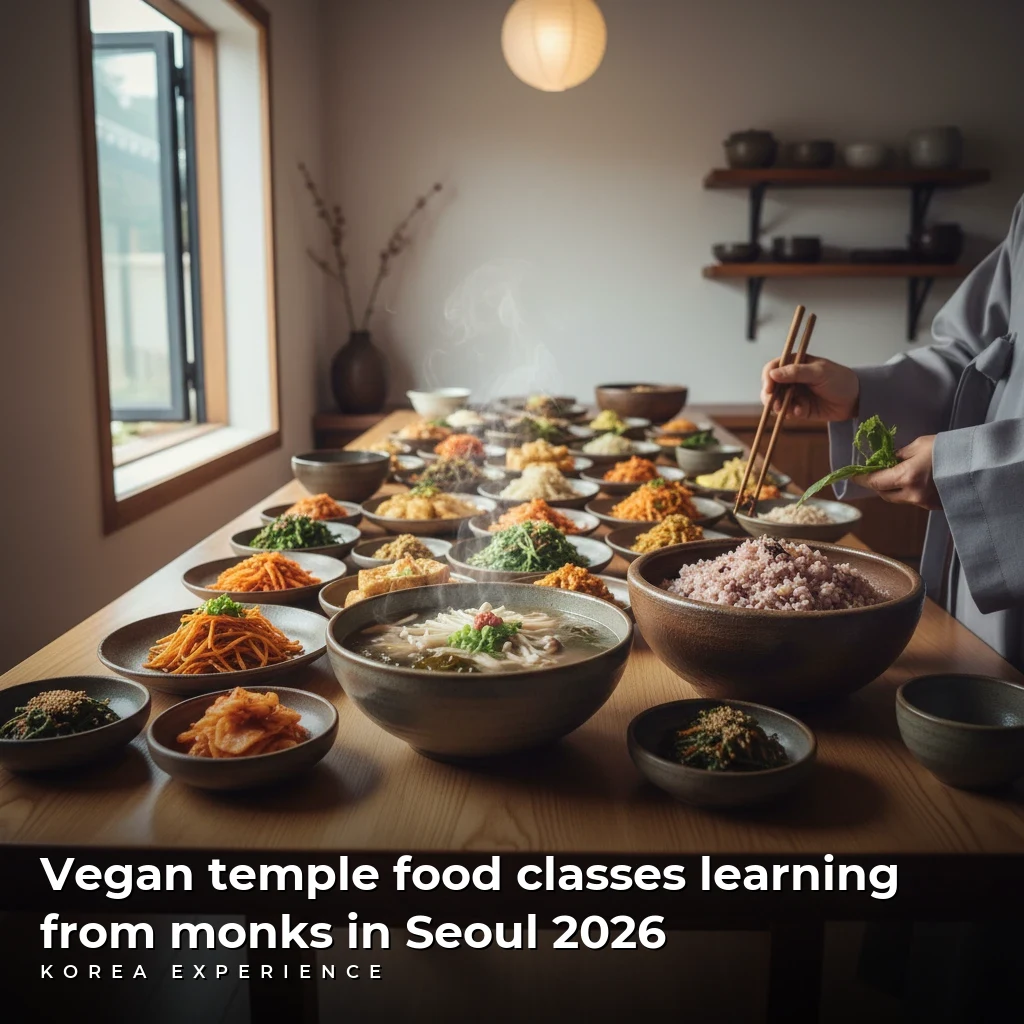
Discover the best vegan temple food classes in Seoul for 2026. Learn authentic recipes from monks at Jingwansa and the Korean Temple Food Center.
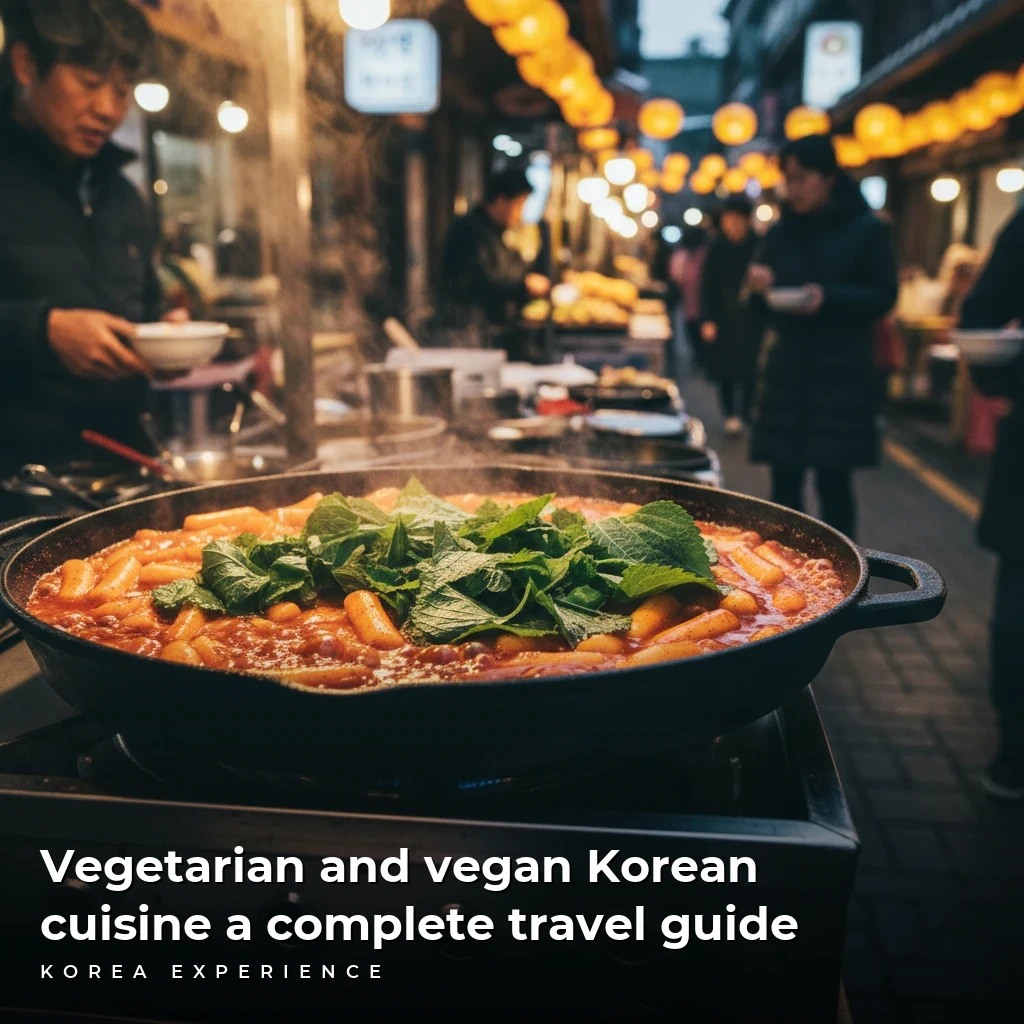
Discover the best vegetarian and vegan Korean cuisine options. From Michelin-starred temple food to spicy street snacks, navigate dining in Korea easily.

The ultimate guide to Korea's 2026 summer nightlife. Discover the Hangang Moonlight Market, Waterbomb Festival prices, and food truck costs averaging ₩8,000.