Korean skincare ingredients guide 2026: From Snail Mucin to Centella
Discover the benefits of top Korean skincare ingredients like Snail Mucin and Centella. Learn what to buy in Seoul for under $20 in 2026.
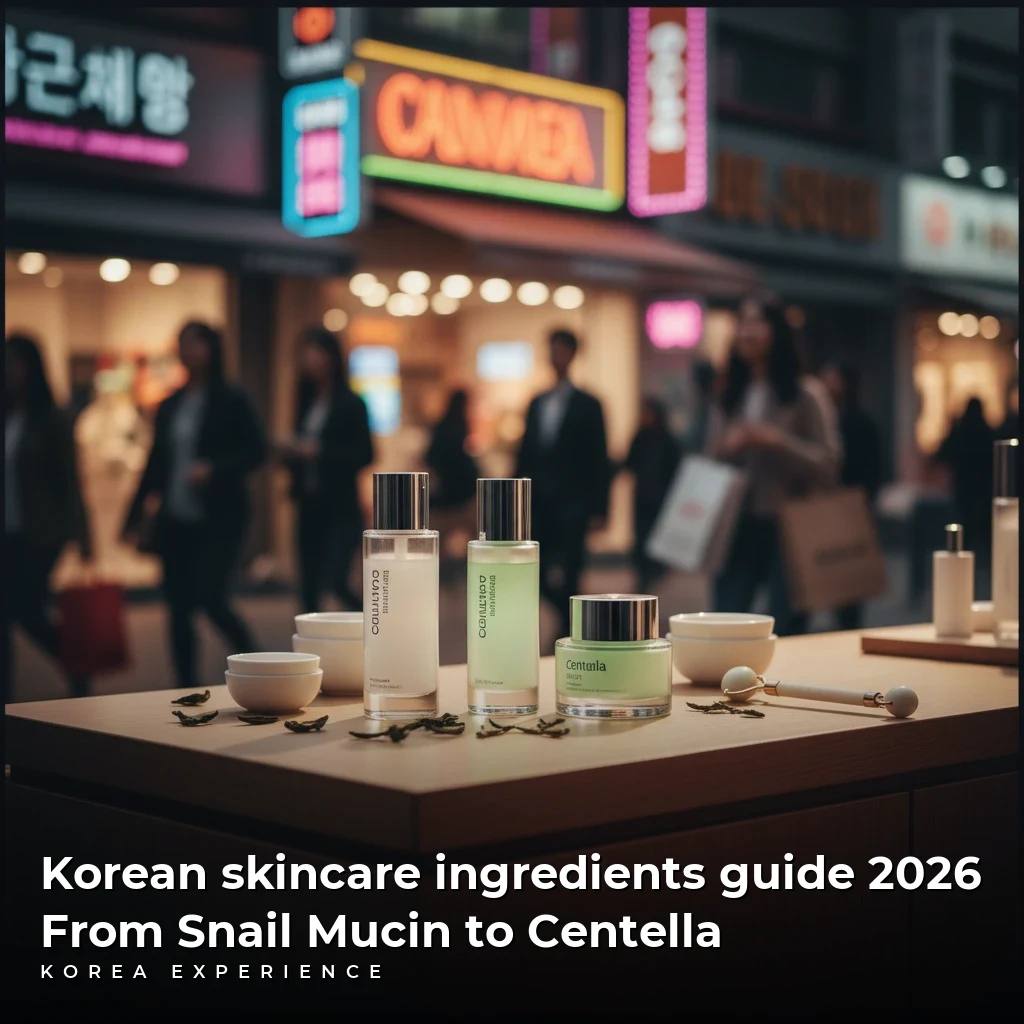
Korean skincare ingredients focus primarily on barrier repair, hydration, and soothing inflammation rather than harsh exfoliation. If you are looking to understand the labels on products at Olive Young, the most essential ingredients to know are Snail Mucin for repair, Centella Asiatica (Cica) for soothing, and Propolis for glow.
The short answer: Snail Mucin repairs damage and boosts hydration, while Centella Asiatica effectively calms acne and redness. When combined with Propolis and Heartleaf, these ingredients form the core of a K-Beauty routine, with effective products typically costing between ₩15,000 and ₩35,000 ($11–$26 USD) in 2026.
Key Takeaways
- 1Snail Mucin (96% concentration) is the gold standard for repairing acne scars and dehydration.
- 2Centella Asiatica is 4x more effective than plain aloe vera for soothing redness.
- 3Most high-quality single-ingredient ampoules cost under ₩25,000 ($18) in Korea.
The Philosophy of Korean Skincare Ingredients
The global dominance of K-Beauty isn't just about cute packaging or 10-step routines; it is fundamentally about the ingredients. unlike Western skincare, which often relies heavily on exfoliating acids (AHAs/BHAs) and strong retinoids that strip the skin to rebuild it, Korean formulations prioritize nourishment and barrier reinforcement. This approach stems from a cultural preference for "chok-chok" (moist/dewy) skin.
In 2026, the trend has shifted even further toward "single-ingredient" dominance. Consumers in Seoul no longer want a moisturizer with 50 unpronounceable chemicals; they want a toner that is 77% Heartleaf or an essence that is 96% Snail Secretion Filtrate. This transparency allows users to customize their routines with surgical precision.
When visiting Korea, you will notice that products are marketed by their key ingredient rather than their function. Instead of "Acne Cream," you will see "Cica Balm." Instead of "Hydrating Serum," you will find "Hyaluronic Acid Ampoule." Understanding these ingredients is crucial for shopping intelligently in Myeongdong or Gangnam.
Ingredient Percentages
In Korea, labeling laws allow brands to state very high percentages (like 90%+) of an ingredient extract. However, this often includes the water used to extract the ingredient. A "90% Aloe" toner is not raw aloe goo, but a solution where the primary base is aloe extract rather than plain purified water.
Snail Mucin: The hydration powerhouse
Perhaps the most famous—and initially controversial—export of K-Beauty is Snail Mucin, technically known as Snail Secretion Filtrate. While the idea of putting snail slime on your face might alienate some beginners, the results are undeniable, making it a staple in millions of routines globally.
What is it and what does it do?
Snail mucin is an excretion from snails that is naturally rich in hyaluronic acid, glycoproteins, proteoglycans, and antimicrobial and copper peptides. It became popular in Korea in the early 2000s after Chilean snail farmers noticed their hands were unusually soft and healed quickly from cuts.
In 2026, Snail Mucin is primarily used for:
- Deep Hydration: It penetrates deeper than standard moisturizers without clogging pores.
- Repair: It speeds up the healing process of acne scars and hyperpigmentation.
- Anti-aging: The copper peptides stimulate collagen production.
Most standard products on the Korean market today contain anywhere from 92% to 96% snail secretion filtrate. The consistency is often "stringy" or viscous, yet it absorbs almost instantly into the skin.
The Best Products and Prices
The market leader remains COSRX, a brand that has become synonymous with the ingredient. Their Advanced Snail 96 Mucin Power Essence typically retails for ₩16,800 to ₩23,000 ($12–$17 USD) depending on the sale season at Olive Young. A standard 100ml bottle lasts approximately 3 to 4 months with twice-daily use.
For a deeper dive into this brand, read our Cosrx skincare guide.
Snail mucin is excellent, but those with dust mite allergies should patch test first. There is a cross-reactivity between dust mites and snail secretion that can cause breakouts in about 5-10% of the population.
Centella Asiatica (Cica): The redness eraser
If Snail Mucin is for repair, Centella Asiatica is for putting out fires. Also known as "Tiger Grass" (because legends say tigers would roll in it to heal their wounds), Cica has become the absolute dominant ingredient for sensitive and acne-prone skin in Korea.
The Science of Cica
The plant contains four main active compounds: Asiaticoside, Madecassic acid, Asiatic acid, and Madecassoside. These compounds have powerful anti-inflammatory properties. In 2026, technology has advanced to where brands extract specific components (like pure Madecassoside) for targeted treatments rather than just using the whole plant extract.
You will find Cica in everything from toners to sunscreens. It is particularly effective for soothing the skin after exposure to Seoul's fine dust (micro-dust) pollution, which peaks in the spring months of March and April.
Recommended Products
- Skin1004 Madagascar Centella Ampoule: This product contains 100% Centella Asiatica extract. It feels like water but calms red skin within minutes.
- Price: Approx. ₩14,000 ($10 USD) for 55ml.
- Dr. Jart+ Cicapair Series: Famous for their color-correcting treatments that turn from green to beige.
- Price: Higher end, typically ₩45,000–₩58,000 ($33–$42 USD).
Snail Mucin vs. Centella Asiatica
| Feature | Snail Mucin | Centella Asiatica (Cica) |
|---|---|---|
| Primary Benefit | Hydration & Repair | Soothing & Anti-redness |
| Texture | Viscous/Slimy | Watery/Lightweight |
| Best for | Dry/Dehydrated Skin | Acne/Sensitive Skin |
| Avg. Price (100ml) | ₩20,000 | ₩18,000 |
Propolis: The key to "Honey Skin"
"Honey Skin" is a Korean beauty trend describing skin that looks plump, shiny, and nourished—like honey. The ingredient responsible for this is Propolis. Propolis is a resinous mixture that bees produce by mixing saliva and beeswax with exudate gathered from tree buds.
Why Korea loves Propolis
Propolis is naturally antibacterial and antifungal, making it incredible for "fungal acne" (Malassezia folliculitis) which is common in humid Korean summers (July-August). It provides an immediate glow that makeup highlighters struggle to replicate.
Unlike pure honey, which is sticky, Propolis extracts in skincare are refined to be non-sticky while retaining the moisturizing properties. It is often combined with Royal Jelly for added nutrition.
Buying Propolis in Korea
When shopping in 2026, look for percentages between 60% and 83%.
- CNP Laboratory Propolis Energy Ampoule: A cult classic often sold in duty-free sets.
- Price: ₩25,000 ($19 USD) for 15ml (expensive per ml but potent).
- COSRX Full Fit Propolis Toner: great value for money.
- Price: ₩22,000 ($16 USD) for 150ml.
Hanbang: Traditional Herbal Ingredients
"Hanbang" refers to traditional Korean holistic medicine. Skincare brands like Sulwhasoo and History of Whoo are built entirely around these ingredients, blending ancient wisdom with modern chemistry.
Ginseng (The King of Herbs)
Ginseng is the crown jewel of Hanbang. It stimulates blood circulation and collagen synthesis. High-quality Panax Ginseng takes 6 years to grow, which explains the high price tag.
- Target: Anti-aging and dullness.
- Cost: High. A premium Ginseng cream can cost upwards of ₩250,000 ($185 USD). However, mid-range brands like 'Beauty of Joseon' offer Ginseng serums for around ₩17,000 ($13 USD).
Mugwort (Artemisia)
Mugwort is the "cool" cousin of Cica. While Cica soothes inflammation, Mugwort cools down the skin temperature. It is widely used in traditional baths and now in face masks. It is exceptionally rich in Vitamin E.
- Best Use: Wash-off masks to reduce puffiness in the morning.
- Price: Very affordable. Mugwort sheet masks can be found for ₩1,500–₩3,000 ($1–$2 USD) each.
📊 Hanbang Market Value
The Trending Stars of 2026: Heartleaf & Birch Juice
As of 2026, two ingredients have skyrocketed in popularity, largely driven by viral trends on social media and the "Clean Beauty" movement in Korea.
Heartleaf (Houttuynia Cordata)
Heartleaf has arguably dethroned Cica as the trendiest soothing ingredient for oily skin. It regulates sebum production while calming irritation. The brand Anua propelled this ingredient to stardom with their 77% Heartleaf Toner.
- Why it works: It contains quercitrin, which lowers UVB damage.
- Popularity: It is currently the #1 selling toner category in Olive Young stores across Seoul.
- Price: ₩20,000–₩30,000 ($15–$22 USD) for large bottles (250ml+).
Birch Juice (Betula Platyphylla)
Birch juice is essentially "tree sap" that replaces water in formulations. It is rich in amino acids and minerals. It mimics the skin's natural moisturizing factor (NMF) better than plain water.
- The Leader: Round Lab has dominated the sunscreen market with their Birch Juice Moisturizing Sun Cream.
- Context: If you are looking for sun protection, check our guide on the best Korean sunscreen guide.
Fermented Ingredients: Galactomyces & Bifida
If you want the "glass skin" translucency, you need fermented ingredients. Fermentation breaks down molecules into smaller sizes, allowing deeper penetration.
Galactomyces
This yeast filtrate is the primary ingredient in the famous (and expensive) Japanese SK-II essence. However, Korean brands offer "dupes" that are 95% similar for 20% of the price. Galactomyces brightens skin tone and refines texture.
- Warning: Like Propolis, this can trigger fungal acne in some people.
- Budget Pick: Many Korean toners with Galactomyces cost under ₩30,000 ($22 USD).
Bifida Ferment Lysate
This is a probiotic ingredient that strengthens the skin's microbiome. It protects against UV-induced damage and helps skin become less reactive over time. It is often found in "night repair" ampoules.
The Purging Phase
When introducing fermented ingredients or high-turnover ingredients like Snail Mucin, your skin might experience a "purge" (temporary breakout) for 1-2 weeks. This is normal as cell turnover accelerates. However, if irritation persists beyond 3 weeks, stop usage.
Shopping Guide: Where to Buy in Seoul
If you are planning a trip to Korea in 2026, buying these ingredients locally is significantly cheaper than importing them. Here is where to go.
1. Olive Young (The Sephora of Korea)
With over 1,300 stores, you cannot walk 500 meters in Seoul without seeing one.
- Best for: Trendy items, sheet masks, COSRX, Round Lab, Anua, and mid-range brands.
- Sales: The "Olive Young Big Bang Sale" happens in early March, June, September, and December. Discounts reach up to 70%.
- Tax Refund: Immediate tax refunds at the register for purchases between ₩30,000 and ₩500,000. Bring your passport.
2. Chicor
Owned by Shinsegae Department Store, Chicor carries more premium and international brands alongside high-end K-Beauty like Huxley and Klairs.
- Atmosphere: Less crowded than Olive Young, better for testing makeup.
3. Duty-Free Shops (Lotte, Shilla)
Located in airports and major department stores in the city.
- Best for: Bulk buying. You can buy "packages" of 6 Snail Mucins or 10 boxes of masks for 40% off the retail price.
- Logistics: You buy in the city, but pick up the goods at the airport gate before flying out. This saves luggage weight!
Olive Young Gangnam Flagship(올리브영 강남 타운)
Layering Guide: How to Mix Ingredients
The beauty of single-ingredient products is the ability to layer. However, there is a science to the order. The general rule in K-Beauty is "thinnest to thickest" consistency.
📖 The 5-Step Layering Routine
Step 1: Toner (Heartleaf/Mugwort)
Apply immediately after cleansing to balance pH.
Step 2: Essence (Snail Mucin)
Pat onto damp skin. This aids absorption.
Step 3: Ampoule (Centella/Propolis)
Target specific concerns like redness or dullness.
Step 4: Moisturizer (Ceramides)
Seal everything in with a barrier cream.
Step 5: Sunscreen (Day) / Sleeping Mask (Night)
The final shield.
Do Not Mix
Avoid mixing Vitamin C (Ascorbic Acid) directly with Retinol or high-percentage AHAs/BHAs in the same routine, as this can destroy the skin barrier. However, ingredients like Snail Mucin, Centella, and Propolis are generally safe to mix with almost anything.
For a comprehensive breakdown of the full routine, check out our complete guide to Korean skincare routine.
Price Comparison: Building a Routine
Can you build a full routine on a budget? Absolutely. Korean beauty is famous for its "price-performance" ratio. Here is a comparison between a budget-friendly routine (common for students and backpackers) and a luxury routine (for those looking to splurge).
💵 Routine Cost Comparison (5 Products)
Ginseng-heavy, anti-aging focus
Hydration & soothing focus
In 2026, the gap between budget and luxury in terms of efficacy has narrowed. A ₩20,000 toner often performs just as well as a ₩100,000 one, with the main difference being the packaging, scent, and brand heritage.
Why Korea Leads in Ingredient Innovation
You might wonder why Korea is always first with these ingredients. The answer lies in the competitive landscape. With thousands of brands competing for a relatively small population (approx. 51 million), companies must innovate rapidly to survive.
Furthermore, Korean consumers are incredibly educated. A brand cannot simply slap "Natural" on a bottle and expect it to sell. Users check apps like Hwahae (a cosmetic ingredient analysis app) to scrutinize every component. If a product claims to have Centella but it is at the bottom of the ingredient list, it will be "cancelled" by netizens.
This pressure creates a "survival of the fittest" environment for skincare, where only the most effective formulations survive. This is why when you buy a Korean toner, you are buying a product that has survived one of the toughest consumer markets in the world. For more on products that stand the test of time, read about my beauty empties.
Focusing on Single Ingredients
- ✓Customizable for your specific skin condition daily
- ✓Easier to identify which ingredient causes irritation
- ✓Generally higher concentration of actives
- ✓Often cheaper than complex 'all-in-one' creams
- ✗Requires buying multiple bottles (toner, essence, ampoule)
- ✗Can be time-consuming to apply multiple layers
- ✗Risk of pilling (products rolling off skin) if layered too quickly
Frequently Asked Questions
❓ Common Questions About K-Beauty Ingredients
Have more questions?Contact us →
Final Thoughts
Navigating the world of Korean skincare ingredients can feel overwhelming, but sticking to the "Holy Trinity"—Snail, Cica, and Propolis—is the best way to start. These ingredients offer a gentle yet effective introduction to the philosophy of K-Beauty: respecting and nourishing the skin barrier.
Whether you are browsing the shelves of Olive Young in Myeongdong or shopping online from home, look for the percentages on the bottle. In 2026, the numbers don't lie.
If you are just starting your journey, don't forget to prepare your skin with the right basics. Check out our guide on best Korean toners for every skin type to find the perfect first step for your routine.
About the Author
Korea Experience Team
Written by the Korea Experience editorial team - experts in Korean medical tourism, travel, and culture with years of research and firsthand experience.
Explore more in Shopping & K-Beauty
From Olive Young hauls to Myeongdong shopping tips — discover the best K-Beauty products, fashion trends, and shopping destinations in Korea.
Browse All Shopping & K-Beauty ArticlesContinue Reading
Explore more articles you might find interesting

Discover why Seoul shoppers flock to Musinsa in 2026. Learn to navigate Standard basics and score 70 percent cheaper indie brands like Matin Kim under $100.
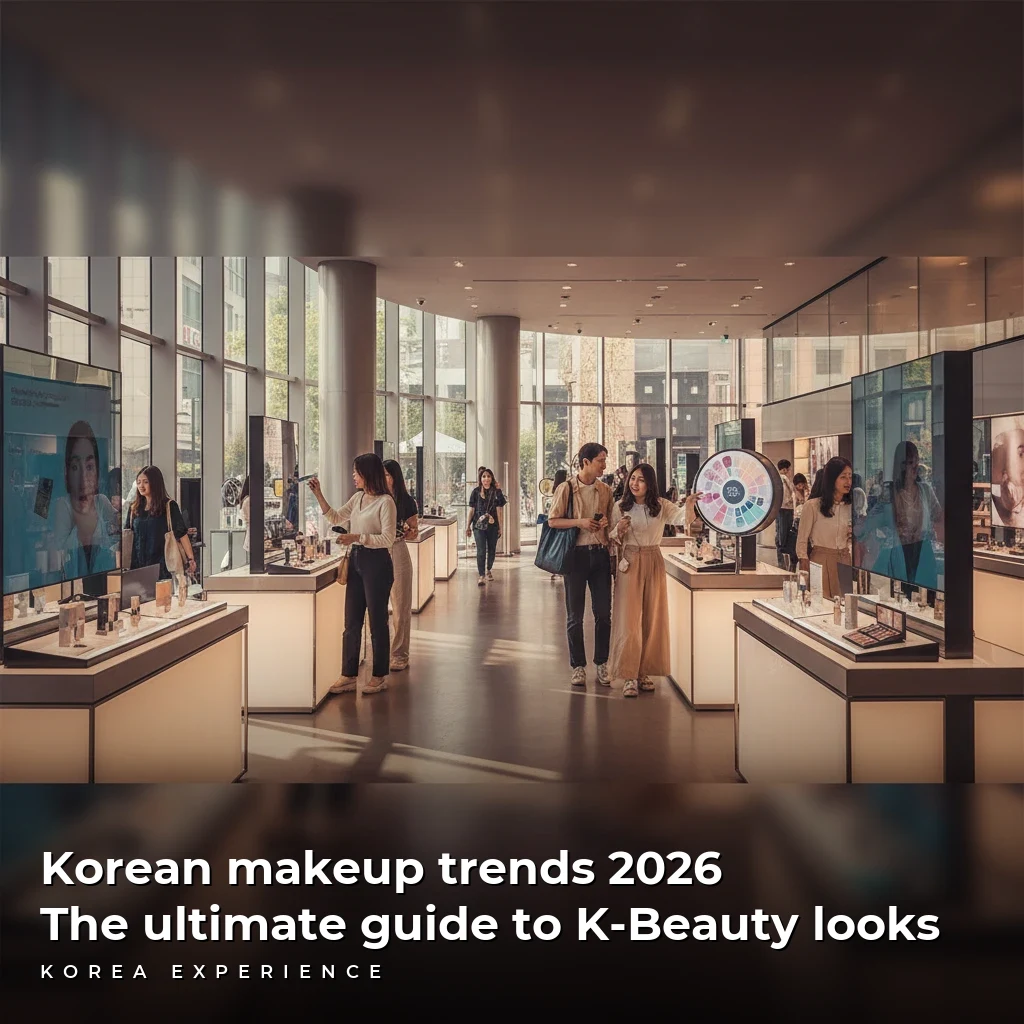
Discover the top Korean makeup trends of 2026, from Protein Skin to AI color analysis. Learn prices, top brands, and where to shop in Seoul for under $50.
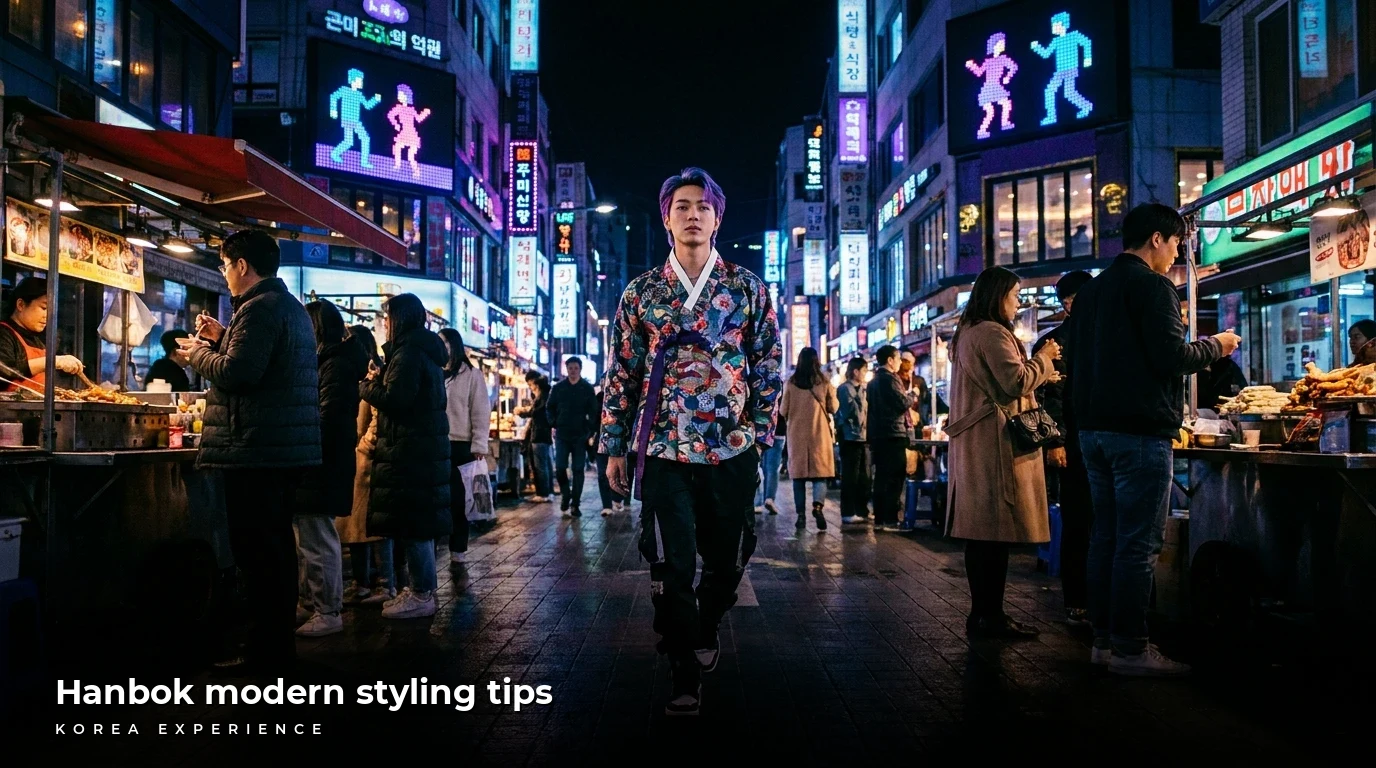
Discover how to style modern hanbok in 2026. Learn where to buy stunning pieces for under $150 and get 100 percent free entry to Seoul palaces.
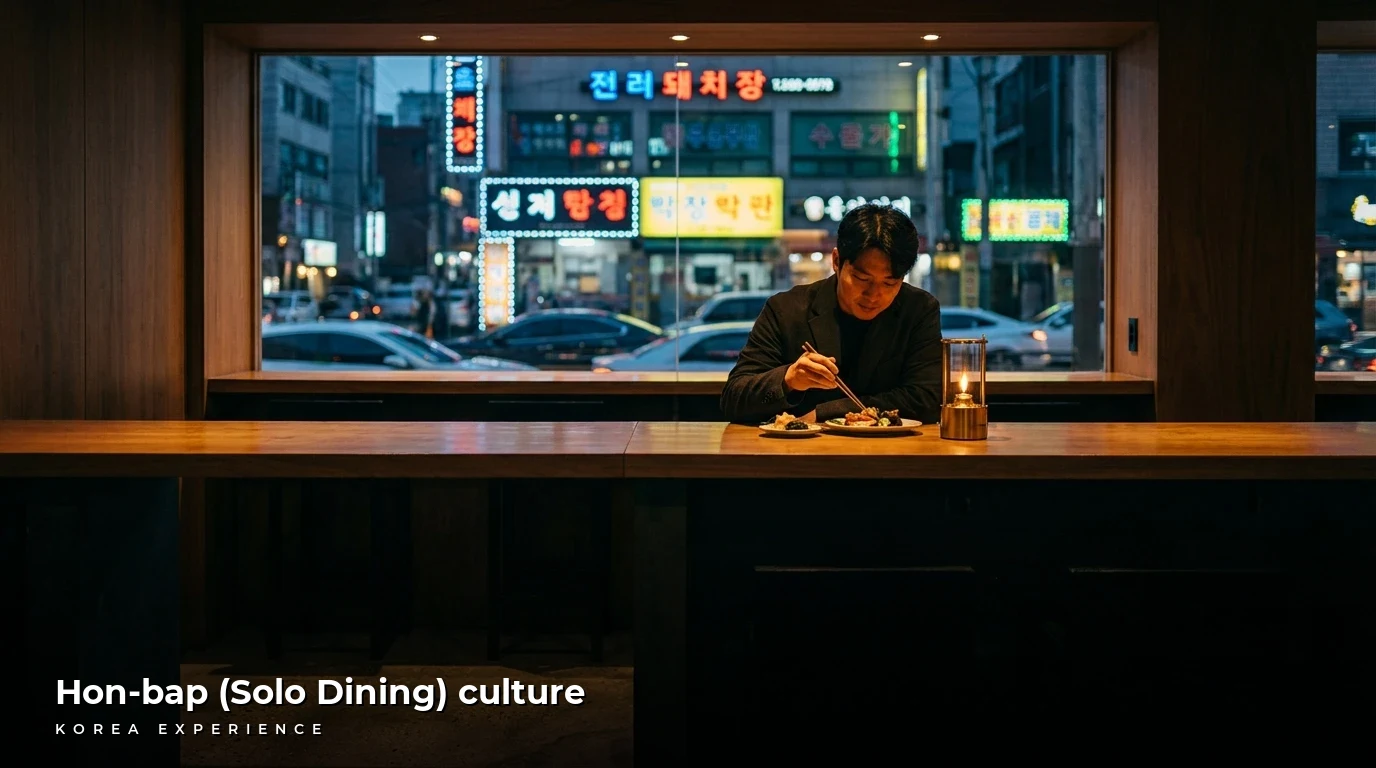
Discover the 2026 solo dining revolution in Seoul where 36.1% of households are single. Learn to navigate BBQ joints and avoid lunchflation prices.
Discover if the 1 to 2 hour wait for Seoul Ader Error flagship stores is worth it. Learn how to save up to 8 percent on 2026 prices ranging from $110 to $260.
Discover why PDRN matches 95% of human DNA and how Juvelook PLLA costs ₩300,000 for results lasting 12 months in this 2026 ingredient guide.