Living in Korea

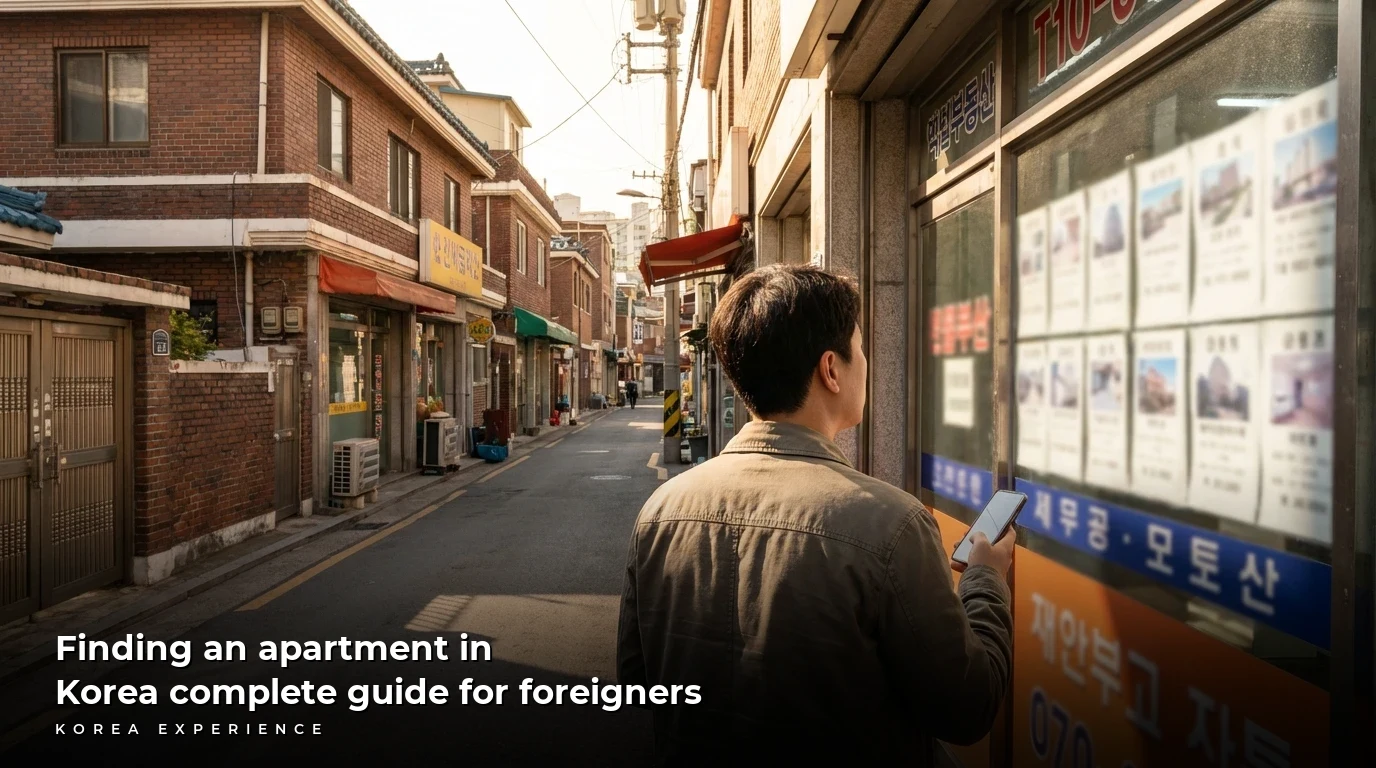
Finding an Apartment in Korea Your Complete Guide

Navigating Korea's dynamic rental market can be complex for foreigners. This comprehensive guide simplifies finding an apartment, explaining systems, types, and legal steps.

Finding an Apartment in Korea Your Complete Guide for Foreigners

Korea, with its vibrant culture, bustling cities, and incredible opportunities, attracts countless international travelers and expats each year. Whether you're moving for work, study, or simply a new adventure, one of the most significant challenges you'll face is securing suitable accommodation. The process of finding an apartment in Korea can seem daunting, especially with unique rental systems, language barriers, and distinct cultural norms. Many foreigners arrive feeling overwhelmed, unsure where to start or how to protect their interests.

This comprehensive guide is designed to demystify the Korean rental market for you. We'll walk you through every essential step, from understanding the different types of rental contracts and accommodation options to navigating the search process, managing legalities, and budgeting effectively. By the end of this post, you'll be equipped with the knowledge and confidence needed to find your ideal home in Korea, ensuring a smoother and more enjoyable transition to life in this fascinating country. Let's embark on this journey to make your dream of living in Korea a reality.

Understanding the Korean Rental Market: Unique Systems and Structures

The Korean rental market operates on principles that are quite different from those found in many Western countries. Before you begin your search for an apartment in Korea, it's crucial to grasp these fundamental differences, particularly concerning the rental systems and financial structures.

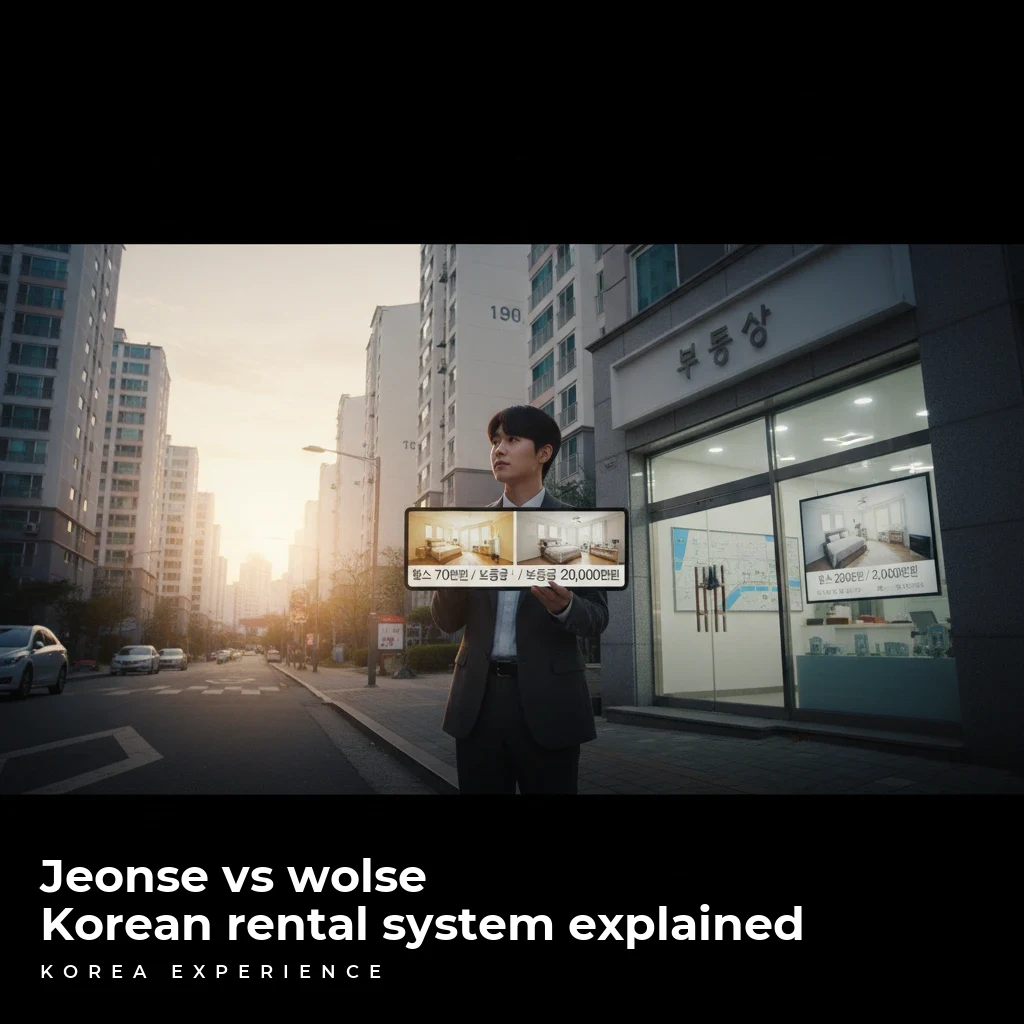
Key Rental Systems: Jeonse, Wolse, and Half-Jeonse

Korea primarily uses two distinct rental systems: Jeonse and Wolse, with a hybrid known as Half-Jeonse also being common.

  • Jeonse (전세): This system is unique to Korea and involves a large, one-time lump-sum deposit paid to the landlord, typically ranging from 50% to 90% of the property's market value. Critically, there is no monthly rent. The landlord, in turn, invests this deposit (often in banks or real estate) and uses the interest gained as their income. At the end of the lease term (usually two years), the full deposit is returned to the tenant.
    • Pros: No monthly rent means significant savings over time; the deposit acts as a forced savings account.
    • Cons: Requires a very substantial upfront sum, which can be difficult for foreigners to access; relies on the landlord's financial stability for deposit return.
  • Wolse (월세): This is more akin to traditional Western renting. You pay a smaller deposit (보증금, bojeunggeum), known as "key money," and then a fixed monthly rent (월세, wolse). The key money acts as security for the landlord against damages or unpaid rent, similar to a security deposit.
    • Pros: Lower upfront cost compared to Jeonse; easier for most foreigners to manage financially.
    • Cons: Recurring monthly expense; key money can still be substantial, often 5-20 times the monthly rent.
  • Half-Jeonse (반전세 or 보증부월세): Also known as "semi-Jeonse" or "deposit-based monthly rent," this hybrid system combines elements of both Jeonse and Wolse. You pay a larger key money deposit than a typical Wolse contract, but in return, the monthly rent is significantly lower. The landlord benefits from a larger upfront sum to invest, while the tenant pays less monthly.
    • Pros: A good middle-ground if you have some capital but not enough for full Jeonse; lower monthly outgoings than pure Wolse.
    • Cons: Requires a larger initial investment than Wolse.

Deposit and Rent Structure

Understanding "key money" (보증금, bojeunggeum) is crucial. Unlike a security deposit that might be one or two months' rent, key money in Korea can range from millions to hundreds of millions of Korean Won. For a typical officetel or one-room apartment in Seoul, expect key money to be at least 5 million KRW, and often 10-20 million KRW, even for Wolse contracts. The higher the key money, the lower the monthly rent tends to be, and vice versa. It's an inverse relationship often open to negotiation.

Lease Durations and Renewals

Standard residential leases in Korea are for two years. While shorter terms might be negotiable for serviced apartments or specific arrangements, the two-year contract is the norm. At the end of the term, both parties can negotiate a renewal. If neither party explicitly terminates the contract (usually with notice 1-6 months before expiration), it can automatically renew under the same conditions, known as "implied renewal" or mukshi jeonjae (묵시적 갱신).

Here's a quick comparison of the main rental systems:

FeatureJeonseWolseHalf-Jeonse
Upfront CostVery High (50-90% of property value)Medium (5-20x monthly rent)High (larger than Wolse, smaller than Jeonse)
Monthly RentNoneYes (fixed amount)Yes (lower than Wolse for similar key money)
Deposit ReturnFull deposit returned at lease endFull deposit (less damages/arrears) at endFull deposit (less damages/arrears) at end
Landlord IncomeInterest on lump-sum depositMonthly rent + interest on key moneyMonthly rent + interest on larger key money
AvailabilityDecreasing in popularity, harder for foreignersWidely available, popular for foreignersIncreasingly common, good middle ground

Types of Accommodation for Foreigners in Korea

Korea offers a variety of housing types, each with its own characteristics, amenities, and price points. Your choice will largely depend on your budget, lifestyle, and how long you plan to stay.

Officetels (오피스텔)

Officetels are one of the most popular choices for single expats and young professionals in urban areas. These are multi-purpose buildings that combine office and residential spaces.

  • Features: Typically studio or small one-bedroom units. Most come semi-furnished with essentials like a refrigerator, washing machine, air conditioner, and built-in closet. Modern officetels often include security systems, concierge services, and sometimes even gyms or common spaces.
  • Pros: Convenient, modern facilities, often located near public transport and commercial areas, good security.
  • Cons: Can be more expensive than one-room apartments; relatively small living space.

One-Room Apartments (원룸)

One-room apartments are another common option, especially for students or those on a tighter budget. As the name suggests, they are single-room units that combine living, sleeping, and kitchen areas, with a separate bathroom.

  • Features: Smaller and generally older than officetels. Some may come semi-furnished, but many are empty shells.
  • Pros: More affordable monthly rent and key money; good for those who prioritize budget and location.
  • Cons: Less amenities, can be older and less insulated; may require purchasing furniture.

Apartments (아파트)

Korean apartments (아파트, apateu) refer to multi-unit residential complexes, often high-rise buildings, similar to condominiums in other countries. These are typically larger and designed for families or those needing more space.

  • Features: Usually unfurnished, with multiple bedrooms and bathrooms. Complexes often include extensive amenities like playgrounds, fitness centers, community halls, and excellent security.
  • Pros: Spacious, family-friendly, high-quality living environment, good communal facilities.
  • Cons: Significantly higher key money and/or monthly rent; often located further from central commercial areas; requires furnishing.

Goshiwons/Goshitels (고시원/고시텔) and Hasukjips (하숙집)

These are budget-friendly, short-term, or student-oriented options.

  • Goshiwons/Goshitels: Very small, private rooms, often with shared bathrooms and kitchen facilities. They are typically furnished with a bed, desk, and small refrigerator.
    • Pros: Extremely affordable, no key money (just monthly rent), all utilities often included, good for short stays.
    • Cons: Extremely small spaces, minimal privacy, shared facilities, can be noisy.
  • Hasukjips: Similar to homestays, these are private rooms in a landlord's house, often including two meals a day.
    • Pros: Affordable, includes meals, good for cultural immersion, no key money.
    • Cons: Less privacy, strict house rules, less independent living.

Serviced Apartments and Share Houses

For those needing flexibility or a temporary base, these options are ideal.

  • Serviced Apartments: Fully furnished apartments with hotel-like amenities and services (cleaning, laundry, internet, etc.). Available for short or long stays.
    • Pros: Extremely convenient, fully equipped, no hassle with utilities or furnishing, flexible lease terms.
    • Cons: Significantly more expensive than traditional rentals.
  • Share Houses: Private rooms within a larger apartment shared with other tenants. Common areas like kitchens and living rooms are shared.
    • Pros: Affordable, good for meeting new people, often includes utilities, flexible terms.
    • Cons: Less privacy, potential roommate issues.

Here's a comparative overview of common accommodation types:

Accommodation TypeTypical SizeFurnishingKey Money (Deposit)Monthly Rent (Seoul Est.)Best For
OfficetelStudio/1-bed (20-40 sqm)Semi-furnished5-20M KRW500k-1.5M KRWSingles, young professionals, mid-term stays
One-RoomStudio (15-30 sqm)Partially/Unfurnished3-10M KRW300k-800k KRWStudents, budget-conscious, short/mid-term
ApartmentMulti-room (60+ sqm)Unfurnished10M-100M+ KRW1M-3M+ KRWFamilies, long-term residents, those needing space
GoshiwonVery small (5-10 sqm)FurnishedNone200k-500k KRWShort-term, extreme budget, temporary
Share HousePrivate room + sharedFurnished500k-3M KRW400k-800k KRWSocial, mid-budget, flexible term

Note: Prices are estimates for Seoul and can vary greatly by location, age of building, and amenities.

Choosing the right neighborhood is as important as choosing the right apartment. Korea's cities, especially Seoul, are diverse, with each district offering a unique vibe and set of amenities.

Seoul's Hotspots for Foreigners

  • Hongdae (홍대): Known for its youthful energy, art, music, and vibrant nightlife. Popular with students and young expats. Good for those who enjoy a lively atmosphere.
  • Sinchon (신촌) and Ewha (이대): University areas, similar to Hongdae but slightly more student-focused. Abundant affordable restaurants and cafes.
  • Gangnam (강남): Upscale, modern, and bustling business district. Home to luxury shopping, high-end restaurants, and corporate offices. More expensive, but offers convenience and prestige.
  • Itaewon (이태원): Traditionally the most diverse and expat-friendly area, known for its international restaurants, bars, and diverse community. Many foreign embassies are located here.
  • Jamsil (잠실): Home to Lotte World Tower, Seokchon Lake, and Olympic Park. A more family-friendly area with good schools and amenities, but still very metropolitan.
  • Mapo (마포)/Gongdeok (공덕): Well-connected and increasingly popular for its blend of residential and commercial spaces, with good access to the Han River.
  • Yeonhui-dong (연희동) / Seodaemun (서대문): Quieter, more residential areas, often with charming cafes and a relaxed atmosphere. Good for those seeking a balance between urban life and tranquility.

Beyond Seoul: Other Major Cities

While Seoul is often the primary destination, other cities also offer great living opportunities:

  • Busan (부산): Korea's second-largest city, famous for its beaches, mountains, and seafood. A more relaxed pace than Seoul, with a strong maritime culture.
  • Incheon (인천): Home to Korea's main international airport, Incheon is a modern city with growing expat communities, especially in areas like Songdo International City.
  • Daegu (대구): Known for its textile industry, vibrant fashion scene, and hot summers. A large city with a lower cost of living than Seoul.
  • Gyeonggi Province (경기도): Surrounding Seoul, this province offers a wide range of cities (e.g., Suwon, Bundang, Ilsan) that provide a slightly quieter life, often with more space, at a lower cost, while still being commuter-friendly to Seoul.

Factors to Consider When Choosing a Location

  • Commute Time: Proximity to your work or university is paramount. Korea has an excellent public transportation system, but long commutes can be tiring. Check subway and bus routes.
  • Budget: Rental prices vary significantly by district. Generally, areas in Gangnam-gu and Hannam-dong are among the most expensive, while districts further from the center or in other cities offer more affordable options.
  • Lifestyle: Do you prefer a bustling nightlife, quiet residential streets, or access to nature? Consider what type of environment makes you feel at home.
  • Amenities: Proximity to supermarkets, hospitals, parks, gyms, and international schools (if applicable) can greatly impact your daily life.
  • Community: Some areas have more established expat communities, which can be helpful for networking and cultural adjustment.

The Apartment Search Process Step-by-Step

Finding an apartment in Korea requires a systematic approach. Here's how to navigate the search, from online browsing to signing the lease.

1. Online Platforms and Apps

Start your search online to get a sense of available properties and prices.

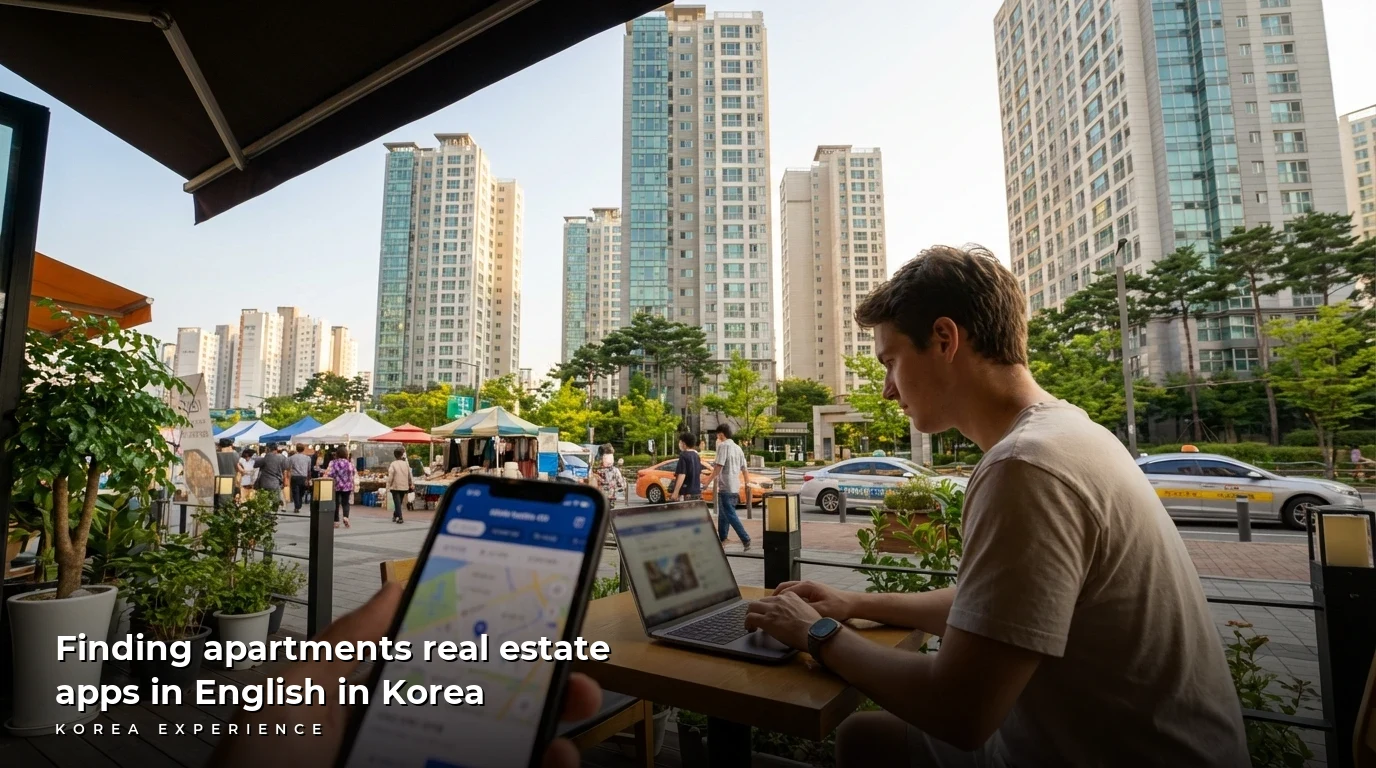
  • Zigbang (직방) and Dabang (다방): These are the two most popular Korean real estate apps. They offer extensive listings for one-room apartments, officetels, and some apartments. While primarily in Korean, their visual interfaces (maps, photos) can be navigated with translation tools or help from a Korean speaker.
  • Naver Real Estate (네이버 부동산): Part of the Naver portal, this site has comprehensive listings, including larger apartments. It's often used by real estate agents to list properties.
  • Expat Facebook Groups: Groups like "Seoul Expats," "Housing in Seoul," or "Housing for Expats in Korea" often have direct listings from landlords or current tenants, and can connect you with bilingual agents. This can be a good way to find share houses or short-term rentals.
  • Specialized Websites: Some websites cater specifically to foreigners, offering bilingual support and curated listings, although their selection might be smaller.

2. Engaging a Real Estate Agent (부동산 중개사 사무실)

While online platforms are great for initial browsing, you will almost certainly need a licensed real estate agent (부동산 중개사, budongsan junggaesa) to finalize a rental agreement.

  • Importance: Agents have access to the full Multiple Listing Service (MLS), understand local regulations, and can mediate negotiations. Crucially, they perform background checks on properties and landlords to ensure legitimacy.
  • Finding an Agent: Look for offices with the distinctive blue and white sign, or ask for recommendations in expat groups. Many agents specialize in certain areas; try to find one familiar with your target neighborhood.
  • Bilingual Agents: If your Korean is limited, seek out a bilingual agent. This will significantly reduce stress and miscommunication.
  • Commission Fees (부동산 수수료): Agents charge a commission, paid by both landlord and tenant. The fee is legally capped and depends on the lease type (Jeonse vs. Wolse) and the total transaction value. For Wolse, it's typically 0.3% to 0.5% of (deposit + monthly rent * 100), with maximum limits. For a 10M KRW key money, 700k KRW monthly rent apartment, you might expect to pay around 300,000 to 500,000 KRW in agent fees. Always confirm the fee upfront.

3. Viewing Properties and What to Look For

Once you have a shortlist, schedule viewings. Be prepared with questions.

  • Lighting and Ventilation: Check natural light, especially if working from home. Open windows to assess airflow.
  • Noise Levels: Visit during different times of the day if possible. Is it near a busy road, school, or construction site?
  • Utilities: Verify heating (Korean floors have ondol underfloor heating), air conditioning, and water pressure. Ask about maintenance fees (gwanlibi).
  • Mold/Dampness: Especially in older buildings or basements (banjiha), check for signs of mold.
  • Appliances and Furniture: If semi-furnished, test all appliances. Document existing damage.
  • Facilities: Check laundry options, parking, trash disposal, and building security.
  • Transportation: Walk the route to the nearest subway/bus station and check commute times.

4. Negotiating and Securing the Deal

Your agent will help with negotiations.

  • Key Money/Monthly Rent: There's often a small window for negotiation, especially if you offer a higher key money for lower rent, or vice versa.
  • Lease Term: While 2 years is standard, some landlords might consider a 1-year contract for Wolse, but it's less common.
  • Initial Deposit: Once you agree on terms, you'll typically pay a small contract deposit (계약금, gyeyakgeum), usually 5-10% of the key money. This reserves the property and is usually non-refundable if you back out.

Legalities and Paperwork: Essential Steps for Foreigners

The legal aspects of finding an apartment in Korea are critical. Ensure you understand and complete these steps to protect your tenancy rights.

Required Documents

You'll need several key documents to sign a lease.

  • Alien Registration Card (ARC): This is your primary identification document as a long-term resident. You generally cannot sign a formal lease without one.
  • Passport: For identification.
  • Visa: Proof of your legal status in Korea.
  • Proof of Funds: Bank statements or an employment contract to show you can afford the key money and rent.
  • Certificate of Employment/Enrollment: Your employer or university might need to provide a letter.

The Lease Agreement (전월세 계약서)

The lease agreement is a legally binding document.

  • Understanding Clauses: The standard contract is in Korean. It's imperative that you understand every clause. Your agent should translate and explain it thoroughly. If not, consider hiring an independent translator or asking a trusted Korean friend to review it.
  • Key Information: Ensure it clearly states: tenant and landlord names, property address, key money amount, monthly rent (if applicable), lease term, conditions for deposit return, and responsibility for utilities/maintenance.
  • Verification: Ensure the landlord's name on the contract matches the property registration (등기부등본, deungibu deungbon). Your agent should verify this document, which shows the property's ownership and any existing debts (e.g., mortgages) that could impact your deposit.
  • Payment Plan: The contract will specify the payment schedule for key money, monthly rent, and any other fees.

Registering Your Lease and Resident Registration (전입신고)

These are crucial steps to legally protect your deposit.

  • Resident Registration (전입신고, jeonip singo): Within 14 days of moving in, you must register your new address at your local district office (동사무소 or 주민센터). This gives you tenant rights, including priority over future claims against the property (essential for Jeonse deposits). You will need your passport, ARC, and the lease agreement.
  • Fixed Date Confirmation (확정일자, hwakjeong ilja): This is applied for at the same time as your resident registration, or at a local notary office. It stamps your lease agreement with an official date, confirming its validity and providing legal priority in receiving your Jeonse or key money deposit back, should the landlord default. This is critical for Jeonse and large Wolse deposits.
  • Property Registration Extract (등기부등본): Always get a copy of this document (your agent will provide it) after signing the contract but before paying the full deposit. It shows the property's legal history, including ownership and any mortgages. Ensure no new liens have been placed on the property between the initial check and signing the lease.

Utilities Setup

Your agent can help you set up utilities.

  • Electricity, Gas, Water: These usually need to be transferred to your name. You'll contact KEPCO for electricity, your local gas company for gas, and the water authority.
  • Internet: Many providers (SKT, KT, LG Uplus) offer bundles with TV and phone. It's best to sign up as soon as you move in, as installation can take a few days.
  • Maintenance Fees (관리비, gwanlibi): These cover common area cleaning, building security, elevator maintenance, and sometimes basic utilities like water or trash collection. It's a separate monthly fee from your rent.

Insurance and Guarantees

  • Deposit Protection Insurance: For Jeonse contracts, especially large ones, consider purchasing deposit protection insurance (jeonse bojeunggeum boheom). This ensures your deposit is returned even if the landlord defaults. The Housing and Urban Fund (HUG) and Seoul Guarantee Insurance (SGI) offer such products.

Here's a checklist of key documents for the legal process:

Document/ActionPurposeWhere to Get/Do It
PassportPrimary identificationPersonal document
Alien Registration Card (ARC)Legal residency identificationImmigration Office
VisaProof of legal statusEmbassy/Immigration Office
Lease Agreement (계약서)Legal contract outlining termsReal Estate Agent
Proof of FundsShows ability to pay deposit/rentYour bank
Certificate of Employment/EnrollmentConfirms your statusEmployer/University
Resident Registration (전입신고)Establishes tenant rightsLocal District Office
Fixed Date Confirmation (확정일자)Secures deposit priority against defaultsLocal District Office/Notary
Property Registration Extract (등기부등본)Verifies property ownership and liensReal Estate Agent

Budgeting for Your Korean Home

Understanding the full financial commitment beyond just rent is crucial for finding an apartment in Korea that fits your budget.

Deposit (보증금) and Monthly Rent (월세)

As discussed, these are the primary costs. For Wolse, expect key money ranging from 3M-5M KRW for a cheap one-room up to 20M-50M KRW+ for a modern officetel in a prime location. Monthly rent for a basic officetel or one-room in Seoul will generally be 400,000 to 800,000 KRW, excluding utilities. Apartments are significantly higher.

Maintenance Fees (관리비) and Utilities

  • Maintenance Fees (관리비): Typically range from 50,000 to 150,000 KRW per month for officetels/one-rooms, covering building upkeep. Larger apartments will have higher fees.
  • Utilities (전기, 가스, 수도): Electricity (전기, jeongi), gas (가스, gaseu), and water (수도, sudo) are charged based on consumption. Expect 50,000-150,000 KRW/month depending on usage, especially with air conditioning in summer and heating in winter.
  • Internet/Cable TV: Around 30,000-50,000 KRW/month.

Real Estate Agent Fees (부동산 수수료)

Budget for 0.3% to 0.5% of the transaction value. For example, on a property with 10M KRW key money and 700k KRW monthly rent (which is valued at roughly 80M KRW for calculation purposes, or 10M + 700k*70), the commission could be around 240,000-400,000 KRW.

Furnishing Costs and Initial Setup

If your apartment isn't fully furnished, factor in costs for:

  • Furniture: Bed, desk, chair, couch. Second-hand markets, IKEA, or online stores like Gmarket and Coupang are options.
  • Appliances: Microwave, rice cooker, vacuum cleaner (if not included).
  • Kitchenware: Pots, pans, dishes.
  • Bedding and Linens:
  • Moving Costs: If you have a lot of items, a moving service (이사, isa) can cost several hundred thousand KRW.

Hidden Costs to Watch Out For

  • Application Fees: Some landlords or agencies might charge a small application fee, though this is less common for standard rentals.
  • Cleaning Fees: A cleaning fee might be deducted from your deposit upon moving out. Clarify this in the contract.
  • Tax: Property taxes are generally covered by the landlord, but it's always good to confirm.
  • Early Termination Penalties: If you break your lease early, you might be responsible for finding a new tenant or paying a penalty.

Tips for a Smooth Transition

Moving to a new country and finding a home is a significant undertaking. These tips will help ease your transition into your new Korean apartment.

Language Barrier Solutions

  • Translation Apps: Papago is highly recommended for Korean-English translation, especially for conversational use and understanding signs.
  • Bilingual Agents: As mentioned, a bilingual real estate agent is invaluable.
  • Korean Friends/Colleagues: Don't hesitate to ask for help with calls, contract reviews, or navigating local services.

Cultural Nuances in Rental

  • Shoes Off Indoors: Always remove your shoes immediately upon entering any home or most indoor spaces in Korea.
  • Waste Disposal (음식물 쓰레기): Korea has strict rules for waste separation, especially food waste. You'll need to purchase specific bags for different types of waste. Fines are imposed for non-compliance.
  • Noise: While buildings can be well-insulated, be mindful of noise, especially late at night. Neighbors can be sensitive to loud music or stomping.
  • Landlord-Tenant Relationships: Maintain a respectful relationship with your landlord. Small gifts or gestures can go a long way.

Safety and Security

  • CCTV: Most modern buildings in Korea have extensive CCTV cameras and often a security guard, making them very safe.
  • Door Locks: Apartments often have advanced digital door locks. Remember your code and how to change it.
  • Fire Safety: Familiarize yourself with emergency exits and fire extinguisher locations.

Building a Community

  • Expat Groups: Join online expat communities (e.g., on Facebook, Meetup) to connect with others, share experiences, and ask for local advice.
  • Local Classes: Take a Korean language class or join a local hobby group to meet both Koreans and other foreigners.

What to Do Upon Leaving

  • Give Notice: Adhere to the notice period specified in your contract (usually 1-2 months) if you plan not to renew.
  • Clean Thoroughly: Leave the apartment in good condition to ensure the full return of your deposit.
  • Deposit Return: The landlord typically returns your deposit after inspecting the property. This process can sometimes take a few days to a few weeks.
  • Utility Closure: Cancel all your utility accounts (electricity, gas, water, internet) to avoid future charges.
  • Deregister Address: Inform the district office that you are moving out of the address.

Frequently Asked Questions About Finding an Apartment in Korea

Here are some common questions foreigners have about securing housing in Korea.

1. Can I rent an apartment without an Alien Registration Card?

It is extremely difficult, if not impossible, to sign a formal, long-term lease without an Alien Registration Card (ARC). The ARC is your official identification and proof of legal residency. For temporary solutions while waiting for your ARC, consider serviced apartments, goshiwons, or temporary stays in Airbnb.

2. What's the typical real estate agent fee?

The agent fee (commission) in Korea is legally capped and calculated based on the total transaction value. For Wolse, it's typically 0.3% to 0.5% of the calculated value (Key Money + (Monthly Rent * 100)), with maximum limits depending on the price range. For a common officetel or one-room, expect to pay a few hundred thousand Korean Won. Always confirm the exact fee with your agent upfront.

3. Is it possible to find fully furnished apartments?

Yes, but they are less common for traditional long-term leases (Jeonse or Wolse) in standard officetels or apartments. Officetels often come semi-furnished with major appliances (fridge, washing machine, AC), but full furniture is rare. Fully furnished options are more common in serviced apartments, share houses, or some higher-end expat-focused rentals, which typically come at a premium.

4. How long does the whole process usually take?

From starting your online search to signing a lease and moving in, the process can take anywhere from a few days to several weeks. If you are well-prepared with documents and a clear idea of what you want, you might find something within a week. However, it's wise to allocate at least 2-4 weeks for searching, viewing, and completing paperwork, especially if you need to coordinate with a bilingual agent or secure funds.

5. What should I do if my landlord doesn't return my deposit?

If you have completed your resident registration (jeonip singo) and secured a fixed date confirmation (hwakjeong ilja) on your lease, you have strong legal protection. First, try to resolve it amicably with your landlord and agent. If that fails, you can send a certified letter (내용증명, naeyong jeungmyeong) to the landlord. If still unresolved, you may need to pursue legal action, such as filing a complaint with the Lease Dispute Mediation Committee (주택임대차분쟁조정위원회) or consulting a lawyer specializing in landlord-tenant disputes. This underscores the importance of the legal registration steps mentioned earlier.

Conclusion: Your Journey to a Korean Home

Finding an apartment in Korea might seem like a complex maze at first glance, but with the right knowledge and a clear strategy, it's an achievable goal. You've now gained a deep understanding of Korea's unique rental systems, the diverse range of accommodation types available, and the critical step-by-step process from search to move-in.

Remember these key takeaways for a successful housing hunt:

  • Understand the Market: Differentiate between Jeonse, Wolse, and Half-Jeonse, and grasp the concept of key money.
  • Choose Wisely: Match your accommodation type and neighborhood to your budget and lifestyle.
  • Leverage Experts: Utilize online platforms for initial research, but rely on a licensed real estate agent for viewings, negotiations, and legal verification.
  • Prioritize Legality: Ensure your Alien Registration Card is ready, and critically, register your address (Resident Registration) and obtain Fixed Date Confirmation on your lease to protect your valuable deposit.
  • Budget Beyond Rent: Factor in maintenance fees, utilities, agent commissions, and potential furnishing costs.

Embark on this journey with confidence, knowing that a perfect Korean home awaits you. With careful planning and the insights from this guide, your transition to living in Korea will be much smoother and more enjoyable. Happy apartment hunting!

About the Author

Korea Experience Team

Written by the Korea Experience editorial team - experts in Korean medical tourism, travel, and culture with years of research and firsthand experience.

⚠️ Medical Disclaimer

The information provided on this website is for general informational purposes only and does not constitute medical advice. Always consult with qualified healthcare professionals before making any medical decisions.

Continue Reading

Explore more articles you might find interesting