Korea Plastic Surgery Reviews What to Expect
Considering plastic surgery in Korea? Learn what to expect, from choosing a clinic to recovery, costs, and essential tips for international visitors.
Korea Plastic Surgery Reviews: What to Expect as an International Patient
South Korea has firmly established itself as the global epicenter of aesthetic surgery, drawing hundreds of thousands of international patients annually. The allure is undeniable: cutting-edge techniques, highly skilled surgeons, state-of-the-art facilities, and a societal acceptance of cosmetic enhancement that translates into unparalleled expertise and innovation. For many, the prospect of undergoing plastic surgery in Korea promises not just a transformation, but a journey into a world where beauty is approached with precision, artistry, and advanced medical science.
However, for international travelers and expats considering this life-changing decision, the journey can feel daunting. Navigating a foreign medical system, understanding cultural nuances, managing logistics, and discerning trustworthy information from marketing hype requires careful planning and comprehensive insight. This detailed guide aims to demystify the process, offering a realistic and in-depth look at what to expect from Korea plastic surgery. From initial consultation to post-operative care, we will cover the essential steps, costs, practical considerations, and insider tips to help you make informed decisions and ensure a safe, successful experience.
You will learn about:
- The unique advantages of choosing South Korea for cosmetic procedures.
- How to thoroughly research and select the right clinic and surgeon.
- A typical timeline from consultation to recovery.
- Realistic cost expectations for popular procedures.
- Essential preparation and practical tips for your medical journey.
- How to navigate potential challenges and ensure a positive outcome.
Embarking on a medical tourism journey to Korea for plastic surgery is a significant undertaking, and our goal is to equip you with the knowledge needed to approach it with confidence and clarity.
Why Choose Korea for Plastic Surgery? Unpacking the Global Hub
South Korea's reputation as the world's capital for plastic surgery is well-earned, built on a foundation of advanced medical technology, high surgical volumes, and a deep cultural appreciation for aesthetic refinement. Understanding these factors is crucial for anyone considering Korea plastic surgery reviews and making their choice.
Unrivaled Expertise and Innovation
Korean surgeons are renowned globally for their meticulous techniques and innovative approaches, particularly in areas like facial contouring, rhinoplasty, and blepharoplasty (double eyelid surgery). The sheer volume of procedures performed means surgeons gain extensive experience, refining their skills to an exceptional degree. They often pioneer new methods and technologies that are later adopted worldwide. Continuous research and development in the field lead to safer procedures, quicker recovery times, and more natural-looking results. Many clinics invest heavily in the latest equipment, ensuring patients benefit from the most advanced medical infrastructure available.
State-of-the-Art Facilities and Infrastructure
The plastic surgery clinics in South Korea, particularly concentrated in areas like Gangnam and Apgujeong in Seoul, are often equipped with world-class facilities. These aren't just sterile environments; they are often luxurious, designed with patient comfort and recovery in mind. Operating rooms boast cutting-edge technology, and recovery suites offer hotel-like amenities. Furthermore, the overall medical infrastructure in Korea is highly advanced, with robust emergency services and stringent health regulations, contributing to a high standard of patient safety.
Comprehensive Pre- and Post-Operative Care
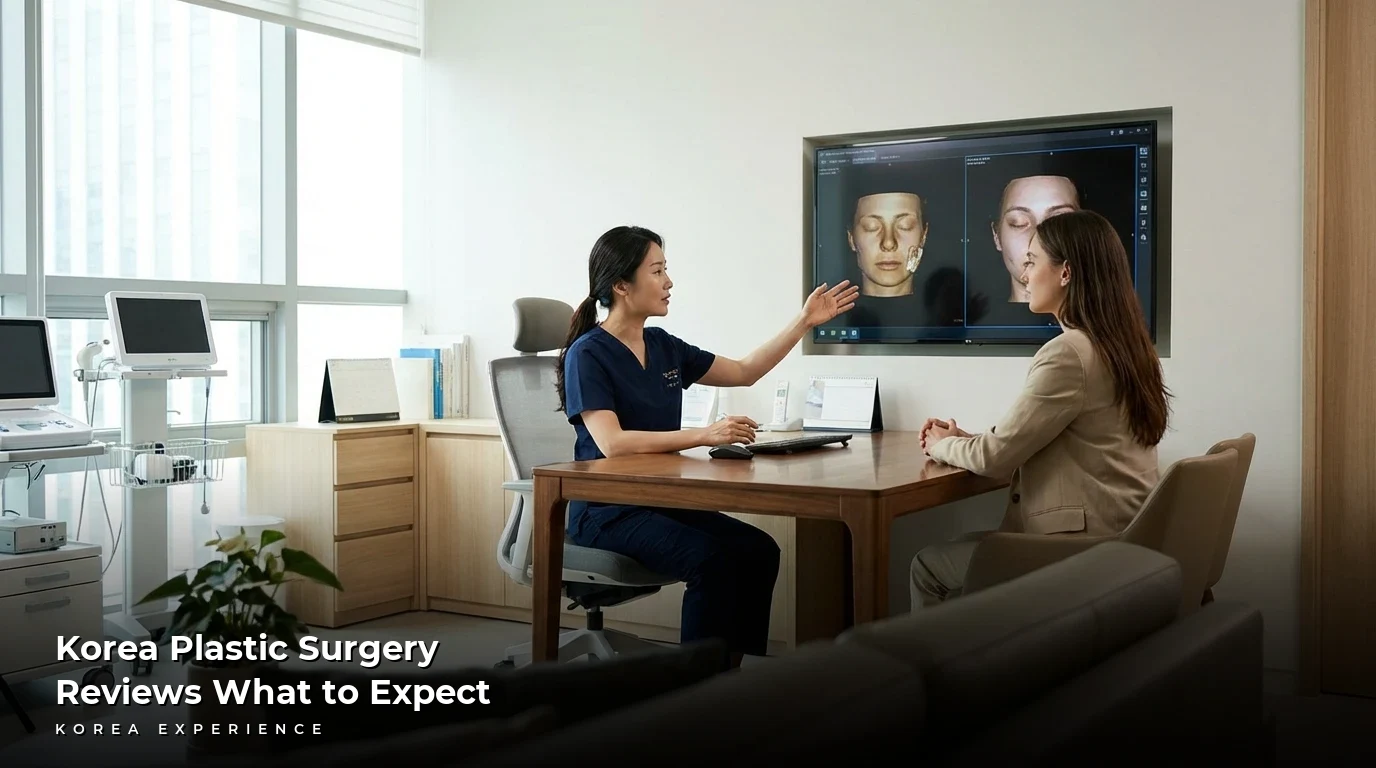
Korean clinics typically offer a holistic approach to patient care, extending well beyond the surgery itself. Pre-operative consultations are thorough, involving detailed assessments, 3D simulations, and extensive discussions about desired outcomes. Post-operative care is equally comprehensive, often including dedicated recovery rooms, nurses available around the clock, specialized swelling reduction treatments (like high-frequency massages or LED therapy), and follow-up appointments to monitor healing. This commitment to ongoing support significantly contributes to a smoother recovery and better overall results.
Cultural Understanding of Aesthetic Standards
While beauty standards are subjective, Korean surgeons possess an innate understanding of East Asian facial aesthetics, which is invaluable for many international patients seeking harmonious and natural enhancements. They are adept at achieving results that complement individual features rather than imposing a generic "Western" look. For patients of all ethnicities, this expertise translates into more tailored and aesthetically pleasing outcomes that respect individual characteristics while enhancing overall appeal. This nuance is often highlighted in positive Korea plastic surgery reviews.
Navigating Your Options: Choosing the Right Clinic and Surgeon
The most critical step in your Korea plastic surgery journey is selecting a reputable clinic and a skilled surgeon. With hundreds of clinics, especially concentrated in Seoul's "Beauty Belt" in Gangnam, this task can feel overwhelming. Careful research and due diligence are paramount.
Researching Clinics and Surgeons
Start by compiling a list of potential clinics that specialize in the procedures you are interested in. Look for clinics with:
- Board-Certified Surgeons: Ensure your surgeon is a certified specialist in plastic surgery, not just a general practitioner. The Korean Society of Plastic and Reconstructive Surgeons (KSPRS) is a good reference.
- Specialization: Some clinics excel in specific areas (e.g., facial contouring, breast augmentation, rhinoplasty). Choose one whose expertise aligns with your needs.
- International Patient Services: Many top clinics have dedicated international departments with English-speaking coordinators, translators, and concierge services to assist foreign patients.
- Positive Korea Plastic Surgery Reviews and Testimonials: Look for consistent positive feedback on independent platforms, but be wary of overly polished or suspiciously perfect reviews. Real patient stories, especially those with before-and-after photos, can be insightful.
- Safety Protocols: Inquire about their anesthesia practices, emergency systems, and medical equipment.
- Ethical Practices: A reputable clinic will be transparent about costs, potential risks, and realistic outcomes.
The Consultation Process
Most clinics offer online consultations, often involving sending photos and discussing your goals via email or video call. This preliminary step is crucial for getting initial feedback, understanding potential procedures, and estimated costs.
In-Person Consultation: Once in Korea, the in-person consultation is vital. You should expect:
- Detailed Examination: The surgeon will physically examine you, discuss your medical history, and evaluate your bone structure and skin elasticity.
- 3D Simulation (Optional but Recommended): Many clinics use advanced 3D imaging technology (e.g., VECTRA XT) to show you potential outcomes, helping you visualize the changes and align expectations with the surgeon.
- Open Discussion: Don't hesitate to ask questions about the surgeon's experience, the procedure steps, potential risks, recovery timeline, anesthesia, and emergency protocols.
- Translator Availability: If you are not fluent in Korean, ensure a professional medical translator is present during all consultations and post-operative appointments.
Red Flags to Watch Out For
- Pressure Tactics: Avoid clinics that pressure you into making a quick decision or signing up for more procedures than you initially wanted.
- Unrealistic Promises: Be wary of clinics guaranteeing "perfect" or "celebrity-like" results. A good surgeon will manage expectations realistically.
- Significantly Lower Prices: While cost-effectiveness is a draw, prices that are drastically lower than competitors can indicate compromises in quality, safety, or surgeon experience.
- Lack of Transparency: If a clinic is unwilling to provide detailed information about the surgeon's credentials, the procedure, or costs, it's a major red flag.
- No Follow-up Plan: A reputable clinic will outline a clear post-operative care and follow-up schedule.
Table 1: Key Factors for Choosing a Clinic
| Factor | Description | Importance |
|---|---|---|
| Surgeon Credentials | Board-certified, specialized experience in desired procedure | High |
| International Services | English-speaking staff, translation, patient support | High |
| Safety Protocols | Emergency systems, anesthesia specialists, equipment sterility | High |
| Patient Reviews | Consistent positive feedback, reputable platforms, before/after photos | Medium |
| Consultation Quality | Detailed examination, 3D simulations, open communication, realistic expectations | High |
| Location & Accessibility | Proximity to accommodation, transport links, other medical facilities | Medium |
The Plastic Surgery Journey: From Pre-Op to Recovery
Understanding the typical timeline and what each stage entails can help manage expectations and prepare you for your Korea plastic surgery experience.
Pre-Operative Preparations and Tests
Once you've selected your clinic and surgeon, the pre-operative phase begins. This typically includes:
- Medical Check-up: A comprehensive health check including blood tests, urine tests, chest X-ray, and an ECG to ensure you are fit for surgery. Some clinics might require specific tests depending on the procedure and your medical history.
- Discontinuation of Medications: You'll be advised to stop certain medications (e.g., blood thinners, herbal supplements, certain vitamins) weeks before surgery to minimize bleeding risks.
- Lifestyle Adjustments: Smoking and alcohol consumption should be ceased or significantly reduced prior to surgery to promote better healing.
- Logistical Planning: Arrange your accommodation (many clinics offer affiliated recovery centers or recommend nearby hotels), transportation, and potentially a caretaker for the initial recovery days. For more on navigating transportation in Korea, check our guide on "Seoul Public Transportation Tips."
The Day of Surgery
On the day of your procedure, you will:
- Arrive at the Clinic: You'll typically arrive a few hours before your scheduled surgery time.
- Final Consultation: A final meeting with your surgeon to review the plan, mark surgical sites, and address any last-minute questions.
- Anesthesia: Depending on the procedure, you will receive local anesthesia with sedation, twilight anesthesia, or general anesthesia. A certified anesthesiologist should be present throughout the surgery.
- The Procedure: The surgery itself, varying in length based on complexity.
Immediate Post-Operative Care and Hospitalization
- Recovery Room: After surgery, you will be moved to a recovery room where medical staff monitor your vital signs as you wake up from anesthesia.
- Hospitalization: For more invasive procedures (e.g., facial contouring, complex breast augmentation), an overnight stay or a few days of hospitalization within the clinic is often recommended or required. This allows for close monitoring of immediate post-operative complications and pain management.
- Pain Management: Clinics will provide medication to manage pain and discomfort.
- Swelling and Bruising: Expect significant swelling and bruising, which are normal parts of the healing process. Cold compresses and anti-swelling medication will be provided.
The Recovery Period: What to Expect in Korea
The initial recovery period in Korea is crucial and typically lasts 1-3 weeks, depending on the procedure.
- Follow-up Appointments: Regular check-ups with your surgeon or medical staff are essential to monitor healing, remove stitches, and address any concerns.
- Swelling Reduction Treatments: Many clinics offer specialized post-operative treatments like high-frequency massages, LED light therapy, or lymphatic drainage to accelerate swelling reduction and promote healing.
- Dietary and Activity Restrictions: You'll receive specific instructions on diet, activity levels, and wound care. Strict adherence is vital for optimal results.
- Accommodation: Staying in Korea for at least 1-2 weeks post-surgery is highly recommended to ensure adequate follow-up care and to be readily available should any minor complications arise. For major surgeries, 3-4 weeks might be advisable.
Table 2: Typical Recovery Timeline for Popular Procedures
| Procedure | Initial Downtime (Severe Swelling/Bruising) | Return to Light Activities | Full Recovery (Swelling Subsides) | Travel Back Home (Recommended) |
|---|---|---|---|---|
| Double Eyelid (Blepharoplasty) | 3-7 days | 1-2 weeks | 1-3 months | 1 week |
| Rhinoplasty (Nose Job) | 7-10 days (cast removed) | 2-3 weeks | 6-12 months | 1-2 weeks |
| V-Line (Facial Contouring) | 2-3 weeks | 3-4 weeks | 6-12 months | 3 weeks |
| Breast Augmentation | 5-7 days | 2-3 weeks | 3-6 months | 1-2 weeks |
| Liposuction | 1-2 weeks | 2-3 weeks | 3-6 months | 1-2 weeks |
Cost of Korea Plastic Surgery: A Realistic Budget
One of the most frequently asked questions in Korea plastic surgery reviews is about cost. While generally competitive with or even more affordable than Western countries for comparable quality, "cheap" isn't the primary driver. The value lies in the advanced techniques and high standards. Prices vary significantly based on the procedure's complexity, the surgeon's experience, the clinic's reputation, and included services.
Average Price Ranges for Popular Procedures (Estimates in USD)
- Double Eyelid Surgery (Blepharoplasty): $1,500 - $4,000
- Includes: Incisional, non-incisional, or partial incisional methods.
- Rhinoplasty (Nose Job): $3,000 - $8,000
- Includes: Bridge augmentation, tip plasty, alar reduction, revision rhinoplasty can be higher.
- Facial Contouring (V-Line Surgery, Zygoma Reduction): $8,000 - $20,000+
- Includes: Jaw reduction, chin genioplasty, cheekbone reduction. Often combined for a "V-line" effect.
- Breast Augmentation (Implants): $5,000 - $12,000
- Includes: Implants (silicone gel), surgery, initial post-op care.
- Liposuction: $2,000 - $6,000 per area
- Includes: Abdomen, thighs, arms, etc. Multiple areas will increase cost.
- Facelift: $8,000 - $15,000+
- Includes: Mini-facelift, full facelift, neck lift.
Note: These are approximate ranges and can change. Always get a detailed quote from your chosen clinic.
What's Typically Included in the Price?
- Surgeon's Fee: The primary cost component.
- Anesthesiologist's Fee: For the anesthesia administration.
- Operating Room Costs: Use of facilities and equipment.
- Initial Post-Operative Care: Dressings, stitches removal, medication for pain/swelling.
- Follow-up Consultations: Usually within the recovery period.
- Translator Services: Often included for international patients during appointments.
Hidden Costs to Consider
- Medical Tests: Pre-operative blood tests, X-rays, etc., might sometimes be an additional charge if performed at an external facility.
- Accommodation: Your stay in Korea (hotel, Airbnb, or recovery center). This is a significant expense for longer recovery periods.
- Flights: Round-trip international airfare.
- Food and Local Transportation: Daily living expenses.
- Post-operative Treatments: While some clinics include basic swelling reduction, more extensive or extended treatments might be extra.
- Medications: Beyond the initial supply, additional prescriptions could be an out-of-pocket expense.
- Travel Insurance: Medical travel insurance is highly recommended.
- Revisional Surgery: If complications occur or results are not as desired, revisional surgery (though rare with reputable surgeons) may incur additional costs, which might not be covered. Always clarify the clinic's policy on revisions.
Table 3: Estimated Total Budget Components (Excluding Procedure Cost)
| Expense Category | Estimated Cost (Per Week, USD) | Notes |
|---|---|---|
| Accommodation | $500 - $1,500 | Hotel, serviced apartment, or recovery center. Varies greatly. |
| Food & Dining | $200 - $500 | Depending on dining habits, self-catering vs. restaurant meals. |
| Local Transportation | $50 - $100 | Subway, bus, occasional taxis (especially post-op). |
| Medication (Post-Op) | $30 - $100 | Additional pain relievers, antibiotics, swelling meds. |
| Swelling Treatments | $0 - $300+ | Some included, others extra. Highly recommended for faster healing. |
| Miscellaneous/Shopping | $100 - $500 | Incidentals, comfort items, light shopping. |
| Travel Insurance | Varies by plan | Essential for medical emergencies, flight changes. |
Practical Tips for Your Medical Tourism Journey
Preparing for plastic surgery in a foreign country involves more than just selecting a surgeon. These practical tips will help ensure a smooth and stress-free experience.
Visa and Entry Requirements
Check the visa requirements for South Korea based on your nationality well in advance. Many countries have visa-free entry for short stays, but if your recovery period extends beyond this, you might need a different visa. Always consult the official Republic of Korea immigration website or your nearest Korean embassy/consulate.
Accommodation and Transportation
- Stay Near Your Clinic: Especially for the first week or two post-surgery, choose accommodation within easy reach of your clinic in Seoul (e.g., Gangnam, Apgujeong, Sinsa-dong). This minimizes travel stress for follow-up appointments.
- Serviced Apartments or Airbnbs: These can offer more comfort and amenities (like a kitchen for preparing light meals) compared to hotels, which can be beneficial during recovery.
- Public Transportation: Seoul boasts an excellent subway system. Get a T-Money card upon arrival for convenient use. Taxis are also readily available, but be aware of potential language barriers.
- Medical Escort Services: Some clinics or medical tourism agencies offer airport pickup and drop-off, as well as assistance with local transportation to and from appointments.
Communication and Language
- Translator Services: Most reputable clinics catering to international patients will provide professional medical translators for consultations and follow-up appointments. Confirm this beforehand.
- Basic Korean Phrases: Learning a few basic phrases like "Hello" (Annyeonghaseyo), "Thank you" (Gamsahamnida), "Excuse me" (Joesonghamnida), and "Where is the bathroom?" (Hwajangsil eodiyeyo?) can be helpful, though not essential.
- Translation Apps: Google Translate or Papago (a popular Korean translation app) can be invaluable for daily communication outside the clinic.
Finances and Payment
- Payment Methods: Clinics typically accept major credit cards (Visa, Mastercard, American Express) and international bank transfers. Confirm acceptable payment methods and any transaction fees.
- Currency Exchange: While credit cards are widely accepted, having some Korean Won (₩) for smaller purchases or emergencies is advisable. Exchange at banks or official money changers.
- Negotiation: While package deals might be offered, surgical costs are generally fixed. Attempting to haggle over procedure prices is not customary in medical settings in Korea.
Health and Travel Insurance
- Travel Insurance: Purchase comprehensive travel insurance that covers medical emergencies, trip cancellations, and unforeseen events. Ensure it specifically covers elective cosmetic surgery if that's a concern (many standard policies exclude this).
- Medical Insurance: Your regular health insurance from your home country will likely not cover elective cosmetic surgery abroad.
Emergency Contacts in Korea
It's crucial to know the emergency contact numbers in South Korea:
- 119: For ambulance, fire, and rescue services. This is similar to 911 in the US.
- 1339: For medical consultation and assistance for foreigners. This hotline connects you with medical professionals who can provide advice in English and guide you to appropriate medical facilities.
Cultural Sensitivity and Etiquette
Korean society is generally polite and respectful. A few tips:
- Bowing: A slight bow when greeting or saying goodbye is common.
- Shoes: Remove your shoes when entering homes or certain traditional establishments.
- Table Manners: Wait for the eldest to start eating. Do not stick chopsticks upright in rice.
- Respectful Communication: Always be polite and patient, especially when there's a language barrier.
Potential Challenges and How to Overcome Them
While plastic surgery in Korea offers many advantages, it's wise to be aware of potential challenges and how to mitigate them.
Language Barriers Outside the Clinic
Even with clinic translators, daily interactions outside the clinic (e.g., in restaurants, shops, public transport) might pose language challenges.
- Solution: Utilize translation apps, learn basic Korean phrases, or prepare phrases on your phone. Many younger Koreans speak some English, especially in tourist areas.
Managing Expectations vs. Reality
While results are often excellent, it's crucial to have realistic expectations.
- Solution: Engage in thorough consultations, use 3D simulations, and openly discuss your goals and potential outcomes with your surgeon. Understand that healing takes time and results will evolve. Refer to Korea plastic surgery reviews, but also consider that individual results vary.
Loneliness or Homesickness During Recovery
Being alone in a foreign country, especially during a vulnerable recovery period, can lead to feelings of loneliness or homesickness.
- Solution: Plan for distractions like books, movies, or light sightseeing (if allowed by your doctor). Consider having a friend or family member accompany you, especially if you're undergoing major surgery. Stay connected with loved ones via video calls.
Unexpected Complications
While rare, complications like infection, excessive bleeding, or adverse reactions to anesthesia can occur with any surgery.
- Solution: Choose a reputable, accredited clinic with robust safety protocols and a certified anesthesiologist. Discuss potential risks with your surgeon. Have medical travel insurance. Know the emergency contact numbers (119 and 1339).
Navigating the "Plastic Surgery Belt"
The sheer number of clinics in areas like Apgujeong and Sinsa-dong (often called the "Plastic Surgery Belt") can be overwhelming, with many clinics aggressively marketing to tourists.
- Solution: Do not walk into a clinic off the street without prior research. Stick to your pre-researched list of reputable clinics. Be wary of street touts or overly enthusiastic sales pitches.
Table 4: Overcoming Common Challenges
| Challenge | Mitigation Strategy |
|---|---|
| Language Barrier | Use translation apps (Papago, Google Translate), learn basic phrases, utilize clinic translators. |
| Unrealistic Expectations | Thorough consultations, 3D simulations, open communication, realistic result understanding. |
| Recovery Isolation | Bring a companion, plan distractions, stay connected with family/friends. |
| Unexpected Complications | Choose reputable clinic, medical travel insurance, know emergency contacts (119, 1339). |
| Overwhelm from Clinic Choices | Pre-research thoroughly, avoid impulse decisions from street marketing. |
FAQ: Your Top Questions Answered
Q1: Is plastic surgery in Korea safe for international patients?
A1: Yes, if you choose a reputable, accredited clinic with board-certified surgeons and proper international patient services. Korean medical standards are very high, but due diligence in selecting your clinic is paramount. Ensure they have certified anesthesiologists and robust safety protocols.
Q2: How long should I plan to stay in Korea for recovery?
A2: For most procedures like double eyelid surgery or rhinoplasty, a stay of 1-2 weeks is generally recommended to allow for initial healing and stitch removal. For more invasive procedures like facial contouring or breast augmentation, 2-3 weeks, or even up to a month, might be advisable to ensure adequate post-operative care and monitoring.
Q3: Do Korean plastic surgeons speak English?
A3: While many top surgeons have some English proficiency, it's not guaranteed. Reputable clinics catering to international patients will always provide professional medical translators to ensure clear communication between you and your surgeon during consultations and follow-up appointments.
Q4: Can I combine multiple procedures in one trip?
A4: Yes, it's common for patients to combine procedures to optimize their trip and recovery time. However, the feasibility depends on the complexity and invasiveness of the chosen procedures and your overall health. Your surgeon will assess if combining procedures is safe and advise accordingly. Listen to their professional recommendations.
Q5: What should I do if I experience an emergency or complication after surgery?
A5: In case of an emergency, immediately call 119 for an ambulance. For non-life-threatening medical advice or to find a hospital with English-speaking staff, call the 1339 medical consultation hotline for foreigners. Also, contact your clinic's international patient coordinator immediately.
Conclusion: Your Empowered Journey to Transformation
Embarking on a plastic surgery journey in South Korea is a significant decision, promising a blend of advanced medical artistry and profound personal transformation. By thoroughly understanding what to expect, from the initial research and selection of a clinic to the intricacies of pre-operative preparation, the surgical process, and the crucial recovery period, you can approach this experience with confidence and clarity.
Remember to prioritize safety, engage in transparent communication with your chosen medical team, and prepare diligently for your stay in Korea. Leverage the comprehensive care services offered by reputable clinics, take advantage of the advanced swelling reduction treatments, and always adhere to your surgeon's post-operative instructions.
The unparalleled expertise of Korean surgeons, combined with state-of-the-art facilities and a holistic approach to patient care, truly sets South Korea apart as a premier destination for aesthetic enhancements. By carefully considering the insights from Korea plastic surgery reviews and this comprehensive guide, you are now better equipped to make informed choices, navigate your medical tourism journey successfully, and achieve the aesthetic goals you envision. Your empowered transformation awaits.
Medical Disclaimer
The information provided in this blog post is intended for general knowledge and informational purposes only, and does not constitute medical advice. It is essential to consult with a qualified healthcare professional, such as a plastic surgeon or medical doctor, for any medical concerns, diagnoses, or treatment options. Always seek the advice of your physician or other qualified health provider with any questions you may have regarding a medical condition. Do not disregard professional medical advice or delay in seeking it because of something you have read in this article.
Emergency Contact Numbers in South Korea
- 119: Ambulance, Fire, Rescue (Similar to 911 in the US)
- 1339: Medical Consultation for Foreigners (Provides medical advice and guides to appropriate medical facilities with English-speaking staff)
About the Author
Korea Experience Team
Written by the Korea Experience editorial team - experts in Korean medical tourism, travel, and culture with years of research and firsthand experience.
⚠️ Medical Disclaimer
The information provided on this website is for general informational purposes only and does not constitute medical advice. Always consult with qualified healthcare professionals before making any medical decisions.
Explore more in Medical Tourism
World-class medical procedures at competitive prices. From plastic surgery and dermatology to dental care and health checkups — your complete guide to medical tourism in Korea.
Browse All Medical Tourism ArticlesContinue Reading
Explore more articles you might find interesting
Discover premier breast reduction surgery in Korea for international patients. Learn about top clinics, costs, recovery tips, and essential travel info for 2026
Understand the crucial safety timeline for flying after plastic surgery in Korea. Learn about risks, recovery, and essential tips for a smooth return journey.
A comprehensive guide to FFS, VFS, and top surgery in Seoul for 2026. Includes costs, recovery times, and clinic recommendations for international patients.
Explore 2026 male plastic surgery trends in Korea for jawline definition and gynecomastia. Discover top clinics, costs, and recovery insights for international patients interested in medical tourism.
See authentic before and after Korean plastic surgery real patient reviews 2026. Compare costs, recovery timelines, and success rates for top procedures.

Discover the best calligraphy classes in Seoul for 2026. Learn Hangeul art, costs, studio reviews, and essential tips for travelers.