Flying after plastic surgery: when is it safe?
Understand the crucial safety timeline for flying after plastic surgery in Korea. Learn about risks, recovery, and essential tips for a smooth return journey.
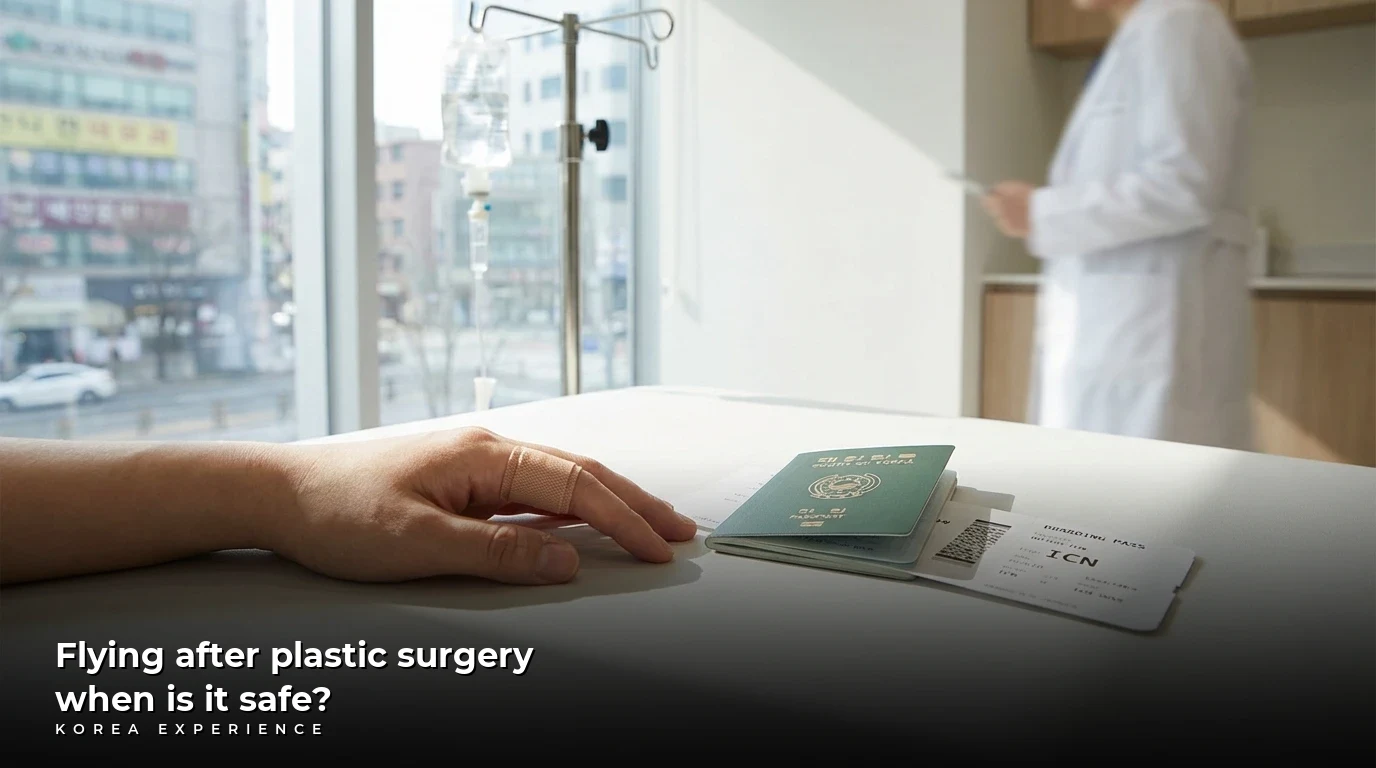
Flying After Plastic Surgery: When Is It Safe? Your Essential Guide for Medical Tourists in Korea
Korea has cemented its reputation as a global hub for plastic surgery, attracting thousands of international patients annually seeking world-class aesthetic enhancements. From subtle refinements to dramatic transformations, clinics across Seoul, particularly in the renowned Gangnam and Apgujeong districts, offer unparalleled expertise, cutting-edge technology, and exceptional results. The allure of combining a medical journey with a cultural experience often leads patients to meticulously plan their surgery and recovery. However, one of the most critical, yet frequently overlooked, aspects of this journey is the safe return home: understanding precisely when is it safe to fly after plastic surgery.
The excitement of a successful procedure can sometimes overshadow the crucial post-operative recovery phase, especially concerning air travel. Flying too soon after surgery carries significant risks that can jeopardize your results, health, and even your life. This comprehensive guide, brought to you by the Korea Experience Team, is designed to equip international travelers and expats with the essential knowledge needed to navigate the complexities of post-surgery air travel. We'll delve into the potential dangers, provide general timelines for various procedures, offer practical tips for a comfortable flight, and emphasize why prioritizing your recovery in Korea is paramount. By the end of this article, you'll be well-prepared to make informed decisions for a safe and smooth journey back home, safeguarding both your health and your beautiful new self.
Understanding the Risks: Why Flying Too Soon is Dangerous
While the thought of returning home to showcase your new look is tempting, rushing your departure after plastic surgery can expose you to a range of serious health complications. The unique environment of an airplane cabin, combined with your body's post-surgical state, creates a perfect storm for potential adverse events.
Deep Vein Thrombosis (DVT) and Pulmonary Embolism (PE)
One of the most significant and potentially life-threatening risks associated with flying after surgery is the increased chance of developing Deep Vein Thrombosis (DVT). DVT occurs when a blood clot forms in a deep vein, typically in the legs. If this clot dislodges and travels to the lungs, it becomes a Pulmonary Embolism (PE), which can be fatal.
Several factors contribute to a heightened DVT/PE risk in surgical patients, especially during air travel:
- Immobility During Flight: Prolonged sitting in cramped airplane seats significantly restricts blood flow in the legs.
- Dehydration: The dry cabin air can lead to dehydration, making blood thicker and more prone to clotting.
- Cabin Pressure Changes: Fluctuations in cabin pressure can affect circulation and contribute to swelling.
- Surgery-Induced Inflammation: Any surgical procedure causes tissue trauma and inflammation, which activates the body's clotting mechanisms as part of the healing process.
- Prolonged Immobility During Surgery: Long surgical procedures can further increase the risk of blood clot formation due to extended periods of inactivity on the operating table.
Swelling and Bruising Complications
All plastic surgery procedures involve some degree of swelling (edema) and bruising. While these are normal parts of the healing process, flying can exacerbate them considerably.
- Increased Pressure: Changes in cabin pressure can intensify swelling, making it more pronounced and prolonging its resolution. This is particularly problematic for facial procedures, breast augmentations, or liposuction where swelling management is critical for optimal results.
- Discomfort: Exaggerated swelling can lead to increased pain and discomfort during the flight and in the days following your return.
- Compromised Healing: Severe or prolonged swelling can potentially compromise blood supply to the healing tissues, delaying recovery or affecting the final aesthetic outcome.
Wound Dehiscence and Infection
Surgical incisions require meticulous care to heal properly. Flying too soon can introduce several factors that hinder this delicate process:
- Pressure Changes and Stress: The physical stress of travel, combined with cabin pressure fluctuations, can put strain on healing incisions, potentially leading to wound dehiscence (reopening of the wound).
- Hygiene and Environment: Airplane cabins, while regularly cleaned, are enclosed environments where germs can circulate. A weakened immune system post-surgery, coupled with exposure to various pathogens, increases the risk of infection at the surgical site.
- Lack of Immediate Medical Attention: If a complication arises mid-flight, immediate specialized medical assistance is limited, potentially escalating a minor issue into a serious one.
Anesthesia After-Effects
While most anesthesia effects wear off within hours, some residual fatigue, nausea, or dizziness can linger for several days. Flying can exacerbate these symptoms, making the journey uncomfortable and potentially unsafe. It's crucial that your body has fully cleared the anesthetic agents before undergoing the additional stress of air travel.
General Guidelines for Safe Post-Surgery Flying
While general advice can provide a starting point, remember that your surgeon's specific instructions are paramount. Every patient's recovery is unique, influenced by the type of surgery, individual health, and any complications.
Consult Your Surgeon: The Most Crucial Step
Before you even book your flight to Korea, and certainly before booking your return journey, have an explicit discussion with your plastic surgeon about your travel plans. They are the only ones who can provide a personalized and accurate timeline based on your specific procedure, overall health, and progress during recovery.
- Be Transparent: Inform your surgeon about your planned flight duration, any layovers, and your general health history.
- Seek Medical Clearance: Many airlines require a "Fit to Fly" certificate or a medical clearance letter from your surgeon, especially for travel within a certain period after surgery. Ensure you obtain this well in advance.
Listen to Your Body
Even if a general guideline or your surgeon suggests a certain timeframe, always prioritize how you feel. If you're experiencing unusual pain, excessive swelling, fever, or extreme fatigue, do not hesitate to postpone your flight and consult your surgeon immediately. Pushing your body too hard can have serious repercussions.
Key Factors Influencing Travel Time
The appropriate waiting period before flying is not a one-size-fits-all answer. It largely depends on:
- Type of Surgery: More extensive procedures generally require longer recovery periods.
- Individual Health: Pre-existing conditions (e.g., blood clotting disorders, diabetes, heart conditions) can extend the recommended waiting time.
- Complications During or After Surgery: Any unexpected issues will necessitate a longer recovery and observation period.
- Length of Flight: Shorter flights (under 4 hours) pose fewer risks than long-haul international flights (over 8 hours) due to reduced immobility and exposure to cabin pressure changes.
Specific Surgery Timelines: When Can You Fly After Popular Procedures?
Below are general recommendations for flying after common plastic surgery procedures. These are guidelines only and MUST be superseded by your surgeon's advice.
Facial Procedures (Rhinoplasty, Blepharoplasty, Facelift)
Facial surgeries, while often less invasive than body contouring, still involve significant swelling and delicate healing.
- Rhinoplasty (Nose Job): The splint or cast is usually removed within 7-10 days. Flying is often considered safe after 7-14 days, once the splint is off and initial swelling has subsided. However, nasal packing can sometimes complicate this.
- Blepharoplasty (Eyelid Surgery): Generally, 5-7 days for initial healing. Flying might be possible after 7-10 days, but significant bruising might still be present.
- Facelift/Neck Lift: More extensive procedures involving significant swelling and bruising. A minimum of 10-14 days is often recommended, with some surgeons preferring 3-4 weeks to ensure sutures are stable and major swelling has resolved.
| Procedure | Minimum Wait Time (General) | Key Considerations |
|---|---|---|
| Rhinoplasty | 7-14 days | Splint removal, initial swelling, nasal packing (if any) |
| Blepharoplasty | 7-10 days | Initial healing, bruising resolution |
| Facelift / Neck Lift | 14-28 days | Swelling, bruising, suture stability |
Breast Procedures (Augmentation, Lift, Reduction)
Breast surgeries involve potential risks related to implants and significant tissue manipulation.
- Breast Augmentation: Often considered safe to fly after 7-10 days, but some surgeons recommend 2 weeks to ensure implants are settling and major swelling is down. Pressure changes can cause discomfort around the implants.
- Breast Lift/Reduction: These are more extensive procedures than augmentation alone. A minimum of 10-14 days is usually recommended, potentially longer if drains were used or if the incisions are extensive.
Body Contouring (Liposuction, Abdominoplasty, BBL)
These procedures carry the highest risk of DVT due to their invasiveness, larger surgical areas, and extended recovery.
- Liposuction (especially extensive): While smaller areas might allow flying after 7-10 days, extensive liposuction requires at least 10-14 days, often longer (2-3 weeks) due to significant swelling and fluid retention. Compression garments are crucial.
- Abdominoplasty (Tummy Tuck): This is a major surgery. Most surgeons recommend a minimum of 14-21 days before flying. Some advise up to 4 weeks. Mobility is often restricted, and drains may be in place.
- Brazilian Butt Lift (BBL): Patients cannot sit directly on their buttocks for several weeks. Flying requires specialized cushions and careful positioning. A minimum of 2-3 weeks is typically advised, but 4 weeks is safer, especially for long-haul flights. The risk of DVT is higher due to the combination of extensive liposuction and fat grafting.
Non-Invasive Procedures (Fillers, Botox)
For minimally invasive or non-surgical treatments, the flying restrictions are significantly less stringent.
- Dermal Fillers & Botox: You can generally fly immediately after these procedures. Some doctors might recommend waiting 24-48 hours to allow initial swelling to subside and to monitor for any rare immediate complications, but this is usually for comfort rather than safety.
Here's a comparison table showing typical recommendations:
| Procedure | Typical Korean Clinic Recommendation | International Recommendation (General) |
|---|---|---|
| Rhinoplasty | 7-10 days | 7-14 days |
| Blepharoplasty | 5-7 days | 7-10 days |
| Facelift | 10-14 days | 14-28 days |
| Breast Augmentation | 7-10 days | 10-14 days |
| Breast Lift / Reduction | 10-14 days | 14-21 days |
| Extensive Liposuction | 14-21 days | 21-28 days |
| Abdominoplasty (Tummy Tuck) | 14-21 days | 21-28 days |
| Brazilian Butt Lift (BBL) | 14-21 days | 21-28 days |
| Dermal Fillers / Botox | 24-48 hours (comfort) | No significant wait |
Note: The "Korean Clinic Recommendation" often reflects the efficiency of post-op care and the typical duration international patients stay. Always verify with your specific surgeon.
Preparing for Your Flight: Essential Tips for a Smooth Journey
Once your surgeon gives you the green light to fly, meticulous preparation can make a significant difference in your comfort and safety during the journey.
Obtain Medical Clearance
As mentioned, many airlines may require a "Fit to Fly" letter or medical certificate from your surgeon if you've had surgery recently. This document should detail your procedure, the date, and confirm that you are medically cleared for air travel. Keep this document readily accessible with your passport and travel documents.
Wear Your Compression Garments
If your surgeon prescribed compression garments (e.g., after liposuction, abdominoplasty, or breast surgery), wear them diligently during your flight. These garments are crucial for reducing swelling, promoting blood circulation, and supporting healing tissues. Ensure they are correctly fitted and worn as instructed.
Hydration and Nutrition
Staying well-hydrated is critical to prevent dehydration, which can thicken your blood and increase DVT risk. Drink plenty of water before, during, and after your flight. Avoid alcohol, excessive caffeine, and sugary drinks. Pack healthy, light snacks to maintain stable blood sugar and energy levels.
Mobility and Stretching
Movement is key to preventing DVT.
- Aisle Seat: If possible, choose an aisle seat to allow easier access to walk around the cabin.
- Walk Regularly: Stand up and walk the aisles every 1-2 hours on long flights, if your condition permits.
- In-Seat Exercises: Perform ankle pumps, calf raises, and knee bends while seated to stimulate blood flow in your legs.
Medication Management
Pack all necessary medications in your carry-on luggage, including pain relievers, antibiotics, and any personal prescriptions. Carry them in their original packaging with prescription labels. A doctor's note for controlled substances is advisable. Consider bringing a mild sedative if you anticipate anxiety during the flight, but discuss this with your surgeon first.
In-Flight Comfort
- Loose Clothing: Wear comfortable, loose-fitting clothing that doesn't constrict your body.
- Support Pillows: A neck pillow can provide comfort, and small, soft pillows can be used to cushion surgical areas or provide lumbar support.
- Empty Bottles/Bags: Bring empty plastic bags for motion sickness (just in case) or to dispose of wound dressings discreetly.
- Eye Mask/Earplugs: Help create a more restful environment on the plane.
Direct Flights vs. Layovers
Whenever possible, opt for direct flights, especially for long-haul journeys. Layovers add extra stress, movement, and potential for delays, all of which can be taxing on a recovering body. If a layover is unavoidable, try to choose one with sufficient time for comfortable transit without rushing.
Extended Recovery in Korea: Making the Most of Your Stay
Many international patients choose to extend their stay in Korea for a period of post-operative recovery. This decision is not just about convenience; it's a strategic choice that prioritizes safety, optimizes results, and offers a unique opportunity to experience Korea's renowned medical tourism infrastructure.
Why Stay Longer?
- Reduces Risks: Staying in Korea for the full recommended recovery period significantly minimizes the risks associated with early air travel, such as DVT, infection, or wound complications.
- Immediate Follow-Up: You'll have direct access to your surgeon for crucial follow-up appointments, dressing changes, drain removal, and immediate assessment of any concerns. This peace of mind is invaluable.
- Specialized Post-Operative Care: Korea offers dedicated post-operative care facilities and services that can significantly enhance your recovery.
Accommodation Options for Recovery
Seoul offers a range of accommodation suitable for recovery, often concentrated around major medical hubs like Gangnam and Apgujeong.
- Serviced Apartments: These are popular choices, offering kitchenettes, laundry facilities, and more space, making them ideal for longer stays. Many are located within walking distance or a short taxi ride from clinics.
- Recovery Hotels: Some hotels specifically cater to medical tourists, offering amenities like softer beds, medical assistance on call, and specialized meal plans. While more costly, they provide a higher level of comfort and support.
- Guest Houses/Airbnbs: Can be a more budget-friendly option, but ensure they are comfortable, accessible, and allow for a quiet, undisturbed recovery. Verify proximity to your clinic.
Post-Operative Care Services
Korea excels in providing holistic post-operative care:
- Lymphatic Drainage Massages: Often recommended after liposuction or facelifts to reduce swelling and improve circulation. Many clinics offer these or can refer you to specialized aesthetic clinics. Costs vary, but expect to pay around 50,000 - 150,000 Korean Won (roughly 40-120 USD) per session, depending on the clinic and duration.
- Specialized Recovery Clinics: Some centers focus solely on post-op care, offering various treatments like swelling reduction, scar management, and nutritional support.
- Korean Recovery Meals: Certain services can deliver nutrient-rich, easy-to-digest meals tailored for post-surgical recovery, often incorporating traditional Korean medicinal principles.
Exploring Korea Safely During Recovery
While vigorous activity is out, gentle exploration can enhance your recovery experience.
- Gentle Walks: Explore nearby parks or quiet streets. For instance, the Garosu-gil area in Sinsa-dong (near Apgujeong) offers quaint cafes and boutiques perfect for a relaxed stroll.
- Cultural Experiences: Visit a quiet museum, enjoy a traditional tea ceremony, or attend a classical music concert. Avoid crowded areas, strenuous walking, and physically demanding activities.
- Relaxation: Indulge in some light reading, enjoy Korean dramas, or simply relax at your accommodation. The goal is rest and recuperation, not sightseeing.
| Recovery Stay Duration | Benefits | Ideal Activities (Gentle) |
|---|---|---|
| 1-2 Weeks | Critical immediate post-op care, suture removal | Short walks, light cafe visits, clinic follow-ups |
| 2-4 Weeks | Reduced DVT risk, significant swelling reduction | Museums, traditional tea houses, gentle park strolls |
| 4+ Weeks | Optimal healing, minimal travel risks, scar management | Cultural performances, light shopping, extended relaxation |
Choosing the Right Clinic and Communicating Your Travel Plans
Your journey to a safe and successful surgical outcome, including a smooth return flight, begins long before your procedure. It starts with selecting the right clinic and maintaining open communication with your medical team.
Research Reputable Clinics
Korea is home to thousands of plastic surgery clinics. To ensure you receive top-tier care and clear post-operative instructions:
- Accreditation: Look for clinics with international accreditations like JCI (Joint Commission International), though not all excellent clinics have this.
- Surgeon's Qualifications: Verify the surgeon's board certification, years of experience, and specialization in the procedures you are interested in.
- International Patient Services: Clinics that cater to international patients often have dedicated coordinators who speak multiple languages and are experienced in assisting with travel plans, accommodation, and post-op care. Many reputable clinics in Gangnam and Apgujeong offer these services.
- Reviews and Testimonials: Read reviews from other international patients.
Transparent Communication
During your initial consultation, be completely open about your travel schedule and return flight dates. This allows your surgeon to:
- Tailor the Surgical Plan: They can advise you if your planned stay is sufficient for safe recovery.
- Provide Realistic Expectations: They can inform you about the typical recovery timeline for your specific procedure, including when you can realistically expect to fly.
- Offer Post-Op Support: They can plan for necessary follow-up appointments and prescribe appropriate care.
Post-Operative Support
Inquire about the clinic's post-operative support system.
- Follow-Up Schedule: Understand how many follow-up appointments are included and when they will occur.
- Emergency Contacts: Know who to contact in case of an emergency or concern after hours, especially before your flight.
- International Coordinators: Confirm their availability to assist with any last-minute questions or arrangements related to your flight or recovery.
Frequently Asked Questions
Q1: Can I fly immediately after fillers or Botox?
A1: Generally, yes. For dermal fillers and Botox, there are usually no significant restrictions on flying immediately. However, some practitioners might suggest waiting 24-48 hours to allow for initial swelling to subside and to monitor for any rare immediate reactions, primarily for your comfort rather than safety from DVT.
Q2: What if I have an emergency and need to fly home sooner than recommended?
A2: In the event of a genuine emergency requiring immediate return, you must first consult your surgeon. They will assess your condition and provide critical guidance. This might involve obtaining emergency medical clearance, adjusting your medication, or arranging for specialized medical assistance during the flight. Be aware that flying against medical advice can void travel insurance and pose severe health risks.
Q3: What documents do I need for flying after surgery?
A3: Always carry your passport, flight tickets, and your surgeon's "Fit to Fly" medical certificate or clearance letter. This letter should specify your procedure, date, and confirm your fitness for air travel. Also, have copies of your prescriptions for any medications you are carrying.
Q4: How can I make my flight more comfortable after surgery?
A4: To enhance comfort, wear loose clothing, hydrate frequently, choose an aisle seat for easier movement, and perform in-seat exercises to prevent DVT. Use support pillows for surgical areas or your neck, and ensure all necessary medications are in your carry-on. Avoid heavy lifting and rushing.
Q5: Will my insurance cover complications if I fly too soon?
A5: This depends entirely on your specific travel or medical insurance policy. Many policies have clauses that exclude coverage for complications arising from elective cosmetic surgery or if you travel against medical advice. It is crucial to review your policy details thoroughly before your trip and confirm coverage with your provider.
Conclusion
Embarking on a plastic surgery journey in Korea is an exciting prospect, offering life-enhancing results from some of the world's most skilled surgeons. However, the path to a successful outcome extends beyond the operating room. Prioritizing your post-operative recovery, especially concerning air travel, is as crucial as the surgery itself.
Remember these key takeaways:
- Safety First: Never compromise your health by rushing your return journey.
- Surgeon's Advice is Gold: Your surgeon is your primary guide for a personalized and safe recovery timeline.
- Plan for Recovery: Factor in adequate recovery time in Korea. The country's excellent post-operative care services can significantly aid your healing and enhance your results.
- Prepare Meticulously: From medical clearance to in-flight comfort, every detail matters for a smooth journey.
By taking a proactive and informed approach to flying after plastic surgery, you can ensure that your experience in Korea is not only transformative but also safe and worry-free. Allow yourself the time and care needed to fully heal, and you'll return home not just with a new look, but with renewed confidence and health.
Medical Disclaimer
The information provided in this blog post is intended for general informational purposes only and does not constitute medical advice. It is not a substitute for professional medical advice, diagnosis, or treatment. Always seek the advice of your qualified plastic surgeon or other medical professional for any questions you may have regarding a medical condition or treatment. Never disregard professional medical advice or delay in seeking it because of something you have read in this article. Individual results and recovery times may vary.
Emergency Contact Numbers in Korea
In case of a medical emergency during your stay in Korea:
- 119: For ambulance services, fire, or other emergencies. This number is free and available 24/7.
- 1339: For medical consultation and information from the National Emergency Medical Center. This number can connect you with medical professionals who can provide advice in English and guide you to appropriate medical facilities.
About the Author
Korea Experience Team
Written by the Korea Experience editorial team - experts in Korean medical tourism, travel, and culture with years of research and firsthand experience.
⚠️ Medical Disclaimer
The information provided on this website is for general informational purposes only and does not constitute medical advice. Always consult with qualified healthcare professionals before making any medical decisions.
Explore more in Medical Tourism
World-class medical procedures at competitive prices. From plastic surgery and dermatology to dental care and health checkups — your complete guide to medical tourism in Korea.
Browse All Medical Tourism ArticlesContinue Reading
Explore more articles you might find interesting
Considering plastic surgery in Korea? Learn what to expect, from choosing a clinic to recovery, costs, and essential tips for international visitors.
Comprehensive guide on flying after surgery in Korea. Learn safe timelines, DVT prevention, and doctor-approved tips for your flight home in 2026.
Explore breast augmentation in Korea 2026: understand costs, find top clinics, learn about recovery, and get practical tips for your medical journey.
Discover premier breast reduction surgery in Korea for international patients. Learn about top clinics, costs, recovery tips, and essential travel info for 2026
Avoid ghost surgery risks in 2026. Learn how 100,000 victims sparked new CCTV laws, why VAT refunds ended, and how to verify your surgeon.
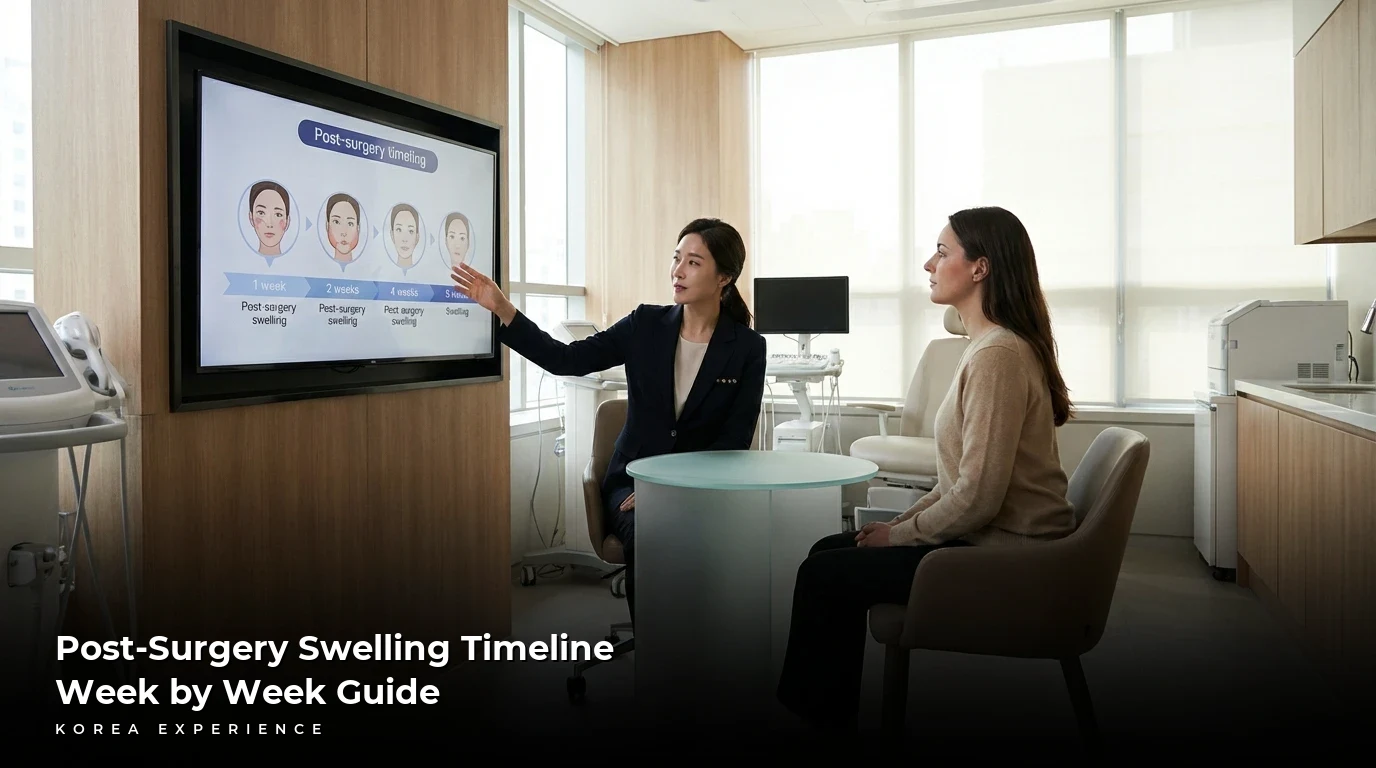
Understand the Post-Surgery Swelling Timeline in Korea. Our week-by-week guide helps international patients manage recovery expectations for various procedures.