Korean double cleansing method complete guide 2026
Master the foundation of K-Beauty with our 2026 guide to double cleansing. Learn the oil-and-water technique that removes 99% of impurities for glass skin.
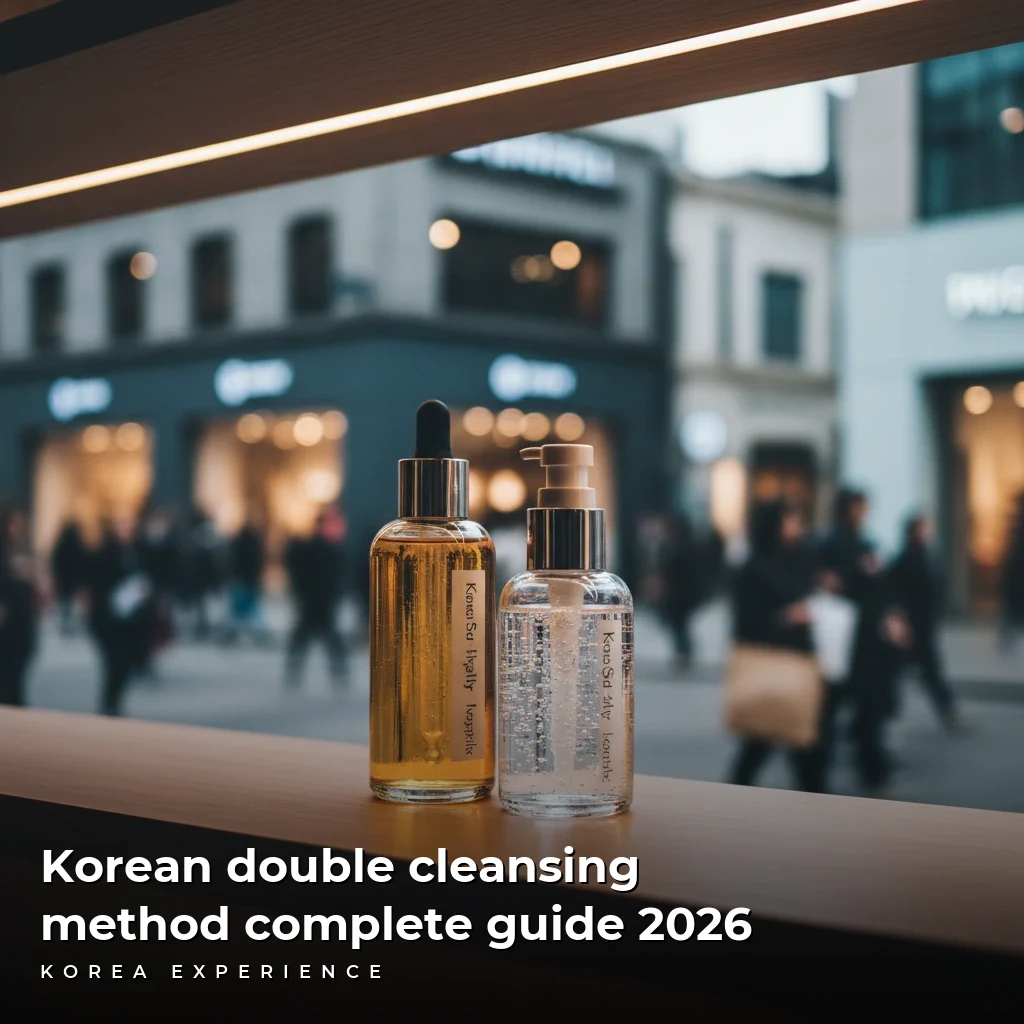
The Korean Double Cleansing Method is a two-step evening skincare ritual that involves using an oil-based cleanser followed by a water-based cleanser to thoroughly remove impurities, makeup, and sunscreen without stripping the skin's moisture barrier. While it may seem like an extra step in an already busy schedule, this foundational technique is widely considered the single most important factor in achieving the coveted "glass skin" complexion, as it addresses the specific environmental challenges of living in or visiting Korea, such as fine dust and heavy pollution.
The short answer: Double cleansing combines a lipid-loving oil cleanser to dissolve makeup and sebum, followed by a water-based foam to wash away sweat and dirt, reducing clogged pores by over 80% compared to single cleansing.
Key Takeaways
- 1Step 1 uses oil to dissolve sebum, SPF, and waterproof makeup
- 2Step 2 uses water-based foam to clean sweat, dirt, and bacteria
- 3Essential for removing Korean 'fine dust' pollution (under 2.5 micrometers)
- 4Reduces blackheads and acne significantly within 4 weeks
- 5Should typically be done only in the evening routine
Why the Korean double cleansing method is non-negotiable in 2026
In the Western world, cleansing was historically viewed as a chore—a quick scrub with a harsh bar of soap or a makeup wipe. In South Korea, cleansing is viewed as the most critical part of the skincare hierarchy. By 2026, the global skincare market has fully embraced this philosophy, but the technique originates from a specific necessity in Korea.
The primary driver for the adoption of double cleansing in Korea is the environmental factor known as Hwangsa (Yellow Dust) and fine dust pollution. In Seoul, the average concentration of PM2.5 (fine particulate matter) can frequently exceed 50 µg/m³, which is significantly higher than the WHO recommended safety limit of 15 µg/m³. These microscopic particles are roughly 2.5 micrometers in diameter, while the average human pore is approximately 0.02 to 0.05 millimeters (20-50 micrometers). This means dust particles can easily lodge deep within the pores, causing inflammation, acne, and premature aging.
📊 Cleansing Efficiency Stats
A single water-based cleanser effectively removes water-soluble impurities like sweat and dirt but struggles against oil-soluble debris. Sunscreen, which is a daily non-negotiable in Korea (with SPF 50+ PA++++ being the standard), is designed to stick to the skin and repel water. Waterproof makeup and excess sebum also resist water. If you only use a foam cleanser, you are likely leaving behind a film of oil, dirty SPF, and trapped pollutants. Over time, this residue oxidizes, leading to blackheads and dullness.
The double cleanse utilizes the chemical principle of "like dissolves like." The oil cleanser binds to the oils on your face (sebum, makeup, sunscreen), breaking them down so they can be emulsified and rinsed away. The subsequent water-based cleanser then has a clear path to clean the skin surface itself.
Step 1: The oil-based cleanser
The first step involves a product formulated with oils (either natural plant oils or synthetic esters) that turns into a milky emulsion when mixed with water. In 2026, the market is dominated by two main textures: liquid cleansing oils and solid cleansing balms.
Choosing between oil and balm
Liquid oils are generally packaged in pump bottles and are excellent for quick application. They tend to slip over the skin easily, reducing friction. Cleansing balms come in jars as solids (often resembling sherbet) and melt into an oil upon contact with skin warmth. Balms are particularly popular among travelers because they do not leak in luggage.
Oil Cleanser vs. Cleansing Balm
| Feature | Liquid Oil | Cleansing Balm |
|---|---|---|
| Texture | Fluid/Runny | Solid/Sherbet-like |
| Portability | Prone to leaks | Travel-friendly |
| Best For | Dry/Sensitive Skin | Heavy Makeup Removal |
| Avg Price (100ml) | ₩18,000 ($13.50) | ₩22,000 ($16.50) |
The chemistry of emulsification
The magic of the oil cleanser lies in emulsification. This is the process where the oil turns milky white when water is added. This phase change is crucial. If an oil does not emulsify well, it will leave a greasy residue that can clog pores—a condition often cited by skeptics of oil cleansing. Modern Korean formulations from brands like Ma:nyo, Anua, and Banila Co are engineered to emulsify instantly upon contact with lukewarm water (ideally 30°C to 32°C).
In 2026, the trend has shifted heavily toward ingredients like Heartleaf (Houttuynia Cordata) and Mugwort, which soothe inflammation while cleansing. The average cost for a high-quality 200ml cleansing oil in Olive Young is approximately ₩24,000 ($18 USD), lasting about 3 months with daily use.
For those interested in building a full routine starting with this step, check out our complete guide to Korean skincare routine for how this fits into the 10-step method.
Step 2: The water-based cleanser
Once the oil-soluble debris is removed, the skin is prepped for the second step: the water-based cleanser. This is typically a foaming cleanser, gel cleanser, or cleansing milk.
The pH balance revolution
Historically, foam cleansers were very alkaline (pH 8-9), which gave that "squeaky clean" feeling but destroyed the skin's acid mantle (natural barrier). In 2026, the standard for Korean foam cleansers is strictly "low pH" (pH 5.5-6.0), matching the skin's natural acidity. This ensures that the second cleanse removes bacteria, sweat, and old skin cells without stripping necessary lipids.
Avoid the 'Squeaky' Feel
If your skin feels "squeaky" or tight after washing, your cleanser is too alkaline (high pH). This damages your moisture barrier and can actually trigger more oil production as your skin tries to compensate.
A proper water-based cleanser should create a dense, micro-bubble foam. Korean beauty technology often utilizes "micro-foam" pumps or mesh nets to generate bubbles smaller than the average pore size, allowing the surfactant to lift dirt from deep within the skin without aggressive scrubbing.
How to execute the method properly
Knowing the theory is one thing, but execution is where results are made. Many people claim double cleansing caused them breakouts, but upon closer inspection, they are often skipping the emulsification step or using water that is too hot.
📖 The Perfect Double Cleanse Ritual
Step 1: Apply Oil on DRY Skin
Pump oil 2-3 times into dry hands. Massage onto a DRY face for 60 seconds. Do not wet face first.
Step 2: Emulsify
Wet hands slightly with lukewarm water and massage face again. The oil should turn milky white. Massage for 30 seconds.
Step 3: Rinse Completely
Rinse thoroughly with lukewarm water until no milky residue remains.
Step 4: Foam Cleanse
Lather a pea-sized amount of foam cleanser in hands first, then massage onto damp face for 60 seconds.
The 60-Second Rule
A popular technique in Korea is the "60-Second Rule" (N60). This suggests massaging the oil cleanser for a full minute to allow the ingredients to penetrate and dissolve hardened sebum plugs (blackheads). While effective, do not exceed 2 minutes, as massaging dirty oil back into the skin for too long can cause re-absorption of impurities.
Customizing for skin types
One of the biggest misconceptions is that oily skin types should avoid oil cleansers. In reality, oily skin benefits most from oil cleansing because oil dissolves oil (sebum). However, the type of oil matters.
Oily and Acne-Prone Skin
Look for lightweight oils high in linoleic acid, such as grapeseed oil or jojoba oil. Jojoba oil is biomimetic, meaning it mimics human sebum so closely that it can trick the skin into producing less oil over time. In 2026, brands like Anua have perfected "pore control" oils specifically for this demographic.
Avoid: Coconut oil (highly comedogenic) and mineral oil if you are very prone to congestion.
For those struggling with breakouts, you might want to read our analysis on Cosrx skincare guide for acne-prone skin.
Dry and Mature Skin
Look for richer oils or balms containing olive oil, avocado oil, or ceramides. The goal here is to cleanse while leaving a moisturizing film. Balms are often preferred here for their nourishing texture. Ingredients like Ginseng and Snail Mucin are often added to 2026 formulations to provide anti-aging benefits during the cleansing stage.
Sensitive Skin
Sensitive skin requires minimalism. Fragrance is the number one enemy. Look for "EO-free" (Essential Oil-free) formulas. Many 2026 Korean cleansers now feature Centella Asiatica (Cica) or Panthenol to soothe redness immediately upon contact.
"Many foreigners visiting my clinic in Seoul suffer from 'over-cleansing' dermatitis. They use harsh Western scrubs combined with Korean double cleansing. If you double cleanse, you must stop using physical scrubs. The oil massage provides enough gentle exfoliation for daily maintenance."
Shopping for cleansers in Korea: 2026 Guide
If you are traveling to Korea, purchasing cleansers is an experience in itself. The primary destination for skincare shopping is Olive Young, which has over 1,350 locations across the country as of 2026.
Where to buy
While Myeongdong remains the tourist hub, the Gangnam and Seongsu-dong branches of Olive Young often stock more niche, trendy brands that locals prefer over the mass-market export brands.
Olive Young Myeongdong Flagship(올리브영 명동 플래그십)
Price Expectations
Korean cleansers are generally very affordable compared to Western luxury brands, despite superior formulations.
- Budget (Roadshop brands): ₩10,000 - ₩18,000 ($7.50 - $13.50 USD)
- Mid-Range (Derma brands): ₩20,000 - ₩35,000 ($15.00 - $26.00 USD)
- Luxury (Department store): ₩50,000 - ₩90,000 ($37.50 - $67.50 USD)
💵 Cleanser Price Comparison (2026)
Hanbang ingredients, premium scent
National bestseller, organic ingredients
If you're looking for new brands to try, check our article on best under-the-radar K-beauty brands gaining popularity in 2026.
Common mistakes to avoid
Even with the best products, technique errors can render the method ineffective or harmful.
- Skipping the morning cleanse (or doing too much): You do not need to double cleanse in the morning. A splash of water or a very mild water-based cleanser is sufficient. You don't have makeup or SPF to dissolve in the AM.
- Using cold water: Cold water solidifies oils and balms, making them difficult to rinse off. This leaves a waxy residue that clogs pores. Always use lukewarm water.
- Not washing hands first: Before you touch your face with the oil cleanser, wash your hands with soap. Otherwise, you are massaging bacteria from the subway or door handles directly into your pores.
- Rushing the emulsion: If you splash water and immediately rinse, the oil hasn't had time to grab the dirt. You must see the white milky texture before rinsing.
Double Cleansing Analysis
- ✓Removes 99% of sunscreen and makeup
- ✓Prevents clogged pores and blackheads
- ✓Increases absorption of serums/toners
- ✓Gentle massage boosts circulation
- ✗Takes extra time (4-5 mins total)
- ✗Cost of buying two products
- ✗Can be drying if wrong products used
- ✗Requires consistent daily habit
The "Triple Cleanse": Is it necessary?
In late 2025, a trend called "Triple Cleansing" emerged on Korean social media, involving a cleansing wipe, then oil, then foam. Generally, dermatologists advise against this. Cleansing wipes create unnecessary friction and tugging on the skin, which can lead to micro-tears and premature sagging. A high-quality oil cleanser or balm is powerful enough to remove waterproof mascara without the need for a pre-wipe step.
The only exception might be for heavy stage makeup or cosplay makeup, but for daily life, double cleansing is the golden standard.
Timeline of results
When starting the double cleansing method, patience is key. Here is what you can typically expect regarding skin transformation.
Skin Transformation Timeline
Instant Softness
Skin feels smoother and less textured immediately after washing.
Purging Phase
You might see small pimples as deep impurities are brought to surface (optional).
Blackhead Reduction
Noticeable reduction in 'strawberry nose' and pore visibility.
Glass Skin
Skin barrier is repaired, retaining moisture and glowing naturally.
Product recommendations by category (2026 Favorites)
While specific product rankings change monthly in Korea's fast-paced beauty industry, certain icons remain staples due to their efficacy.
The Holy Grail Oil: Ma:nyo Factory Pure Cleansing Oil Consistently the #1 seller in Olive Young for over 5 years. It uses soybean oil and hazelnut oil. It is famous for removing blackheads effectively.
The Cult Classic Balm: Banila Co Clean It Zero (Original Pink) This product is sold every 3.1 seconds globally. In 2026, they released a reformulated version that is micro-plastic free and vegan. It's the best option for heavy waterproof makeup.
The Sensitive Pick: Anua Heartleaf Pore Control Cleansing Oil Exploded in popularity in 2024-2025 and remains a top pick in 2026. It is extremely lightweight, almost like water, and excellent for acne-prone skin.
After cleansing, it is vital to rehydrate immediately. See our guide on best Korean toners for every skin type 2026 for the next step.
Sustainability in K-Beauty Cleansing
A growing trend in 2026 is "Waterless Beauty" and sustainable packaging. Many Korean brands are moving away from plastic pumps toward refillable pouches. Buying a refill pouch of cleansing oil is usually 20-30% cheaper than buying a new bottle. When shopping in Seoul, look for the "Refill Station" corners in large Olive Young or Amore Pacific stores, where you can refill your own bottle by the gram.
This shift is also seeing the rise of cleansing bars (solid soaps) that are low-pH and soap-free, reducing plastic waste entirely. Brands like Donggubat are leading this eco-friendly charge.
Frequently Asked Questions
❓ Frequently Asked Questions
Have more questions?Contact us →
Final thoughts
The Korean Double Cleansing Method is more than just a trend; it is a logical, science-backed approach to hygiene in a modern world filled with pollution and long-wear cosmetics. By investing the extra two minutes every evening, you are not just cleaning your face—you are resetting your skin's health, allowing it to repair itself overnight effectively.
Whether you are shopping in the bright aisles of Myeongdong or ordering online from abroad, finding the right oil and foam combination for your skin type is the first and most crucial step in your K-Beauty journey.
For more insights on products we have personally tested and finished, read our review on beauty empties 10 products i keep re buying in korea 2026.
About the Author
Korea Experience Team
Written by the Korea Experience editorial team - experts in Korean medical tourism, travel, and culture with years of research and firsthand experience.
Explore more in Shopping & K-Beauty
From Olive Young hauls to Myeongdong shopping tips — discover the best K-Beauty products, fashion trends, and shopping destinations in Korea.
Browse All Shopping & K-Beauty ArticlesContinue Reading
Explore more articles you might find interesting
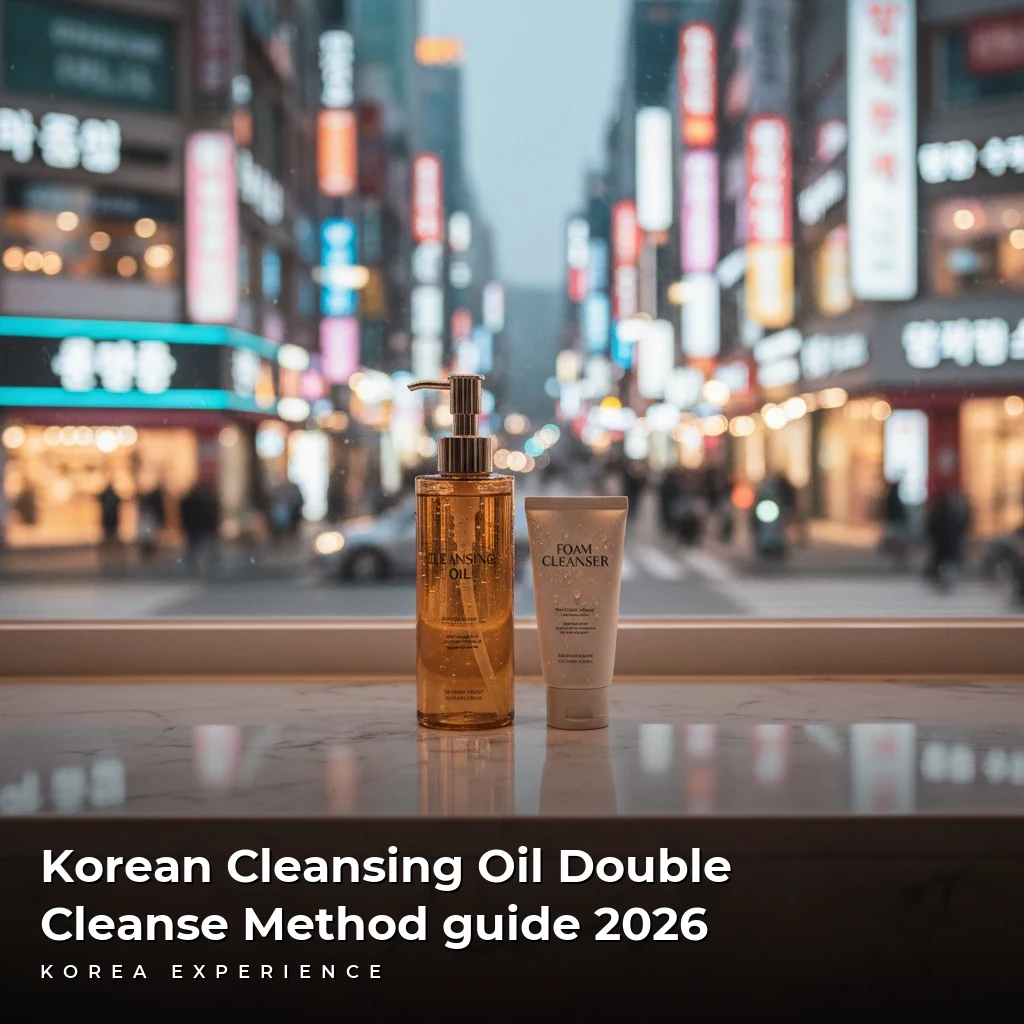
Master the 2-step K-Beauty ritual for glass skin. Learn why 92% of Korean women double cleanse, best products for 2026, and how to shop at Olive Young.

Master the 2026 Korean spatula makeup trend for glass skin. Learn the 90-degree technique, best tools under ₩20,000, and Olive Young shopping tips.
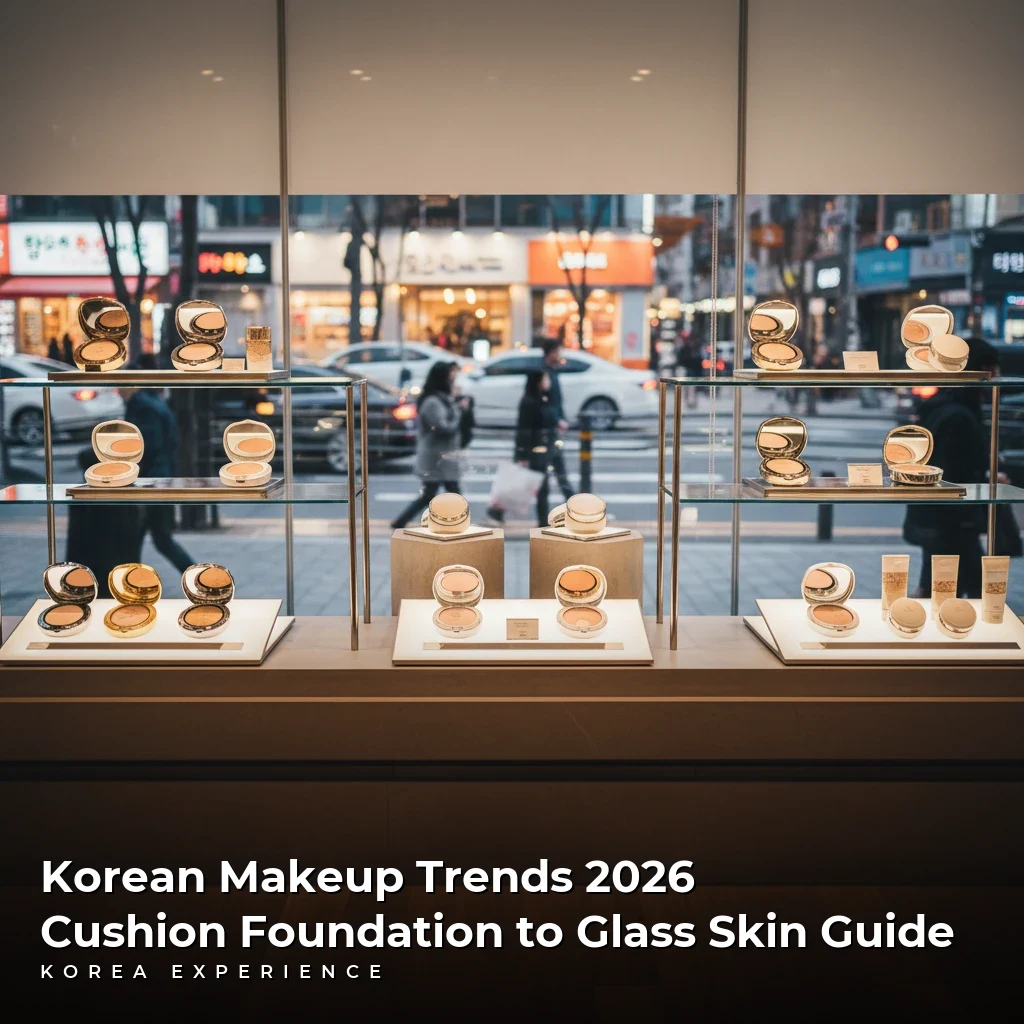
Master the 2026 glass skin look with our guide to Korean cushion foundations. Discover top brands, application tips, and shopping spots in Seoul.
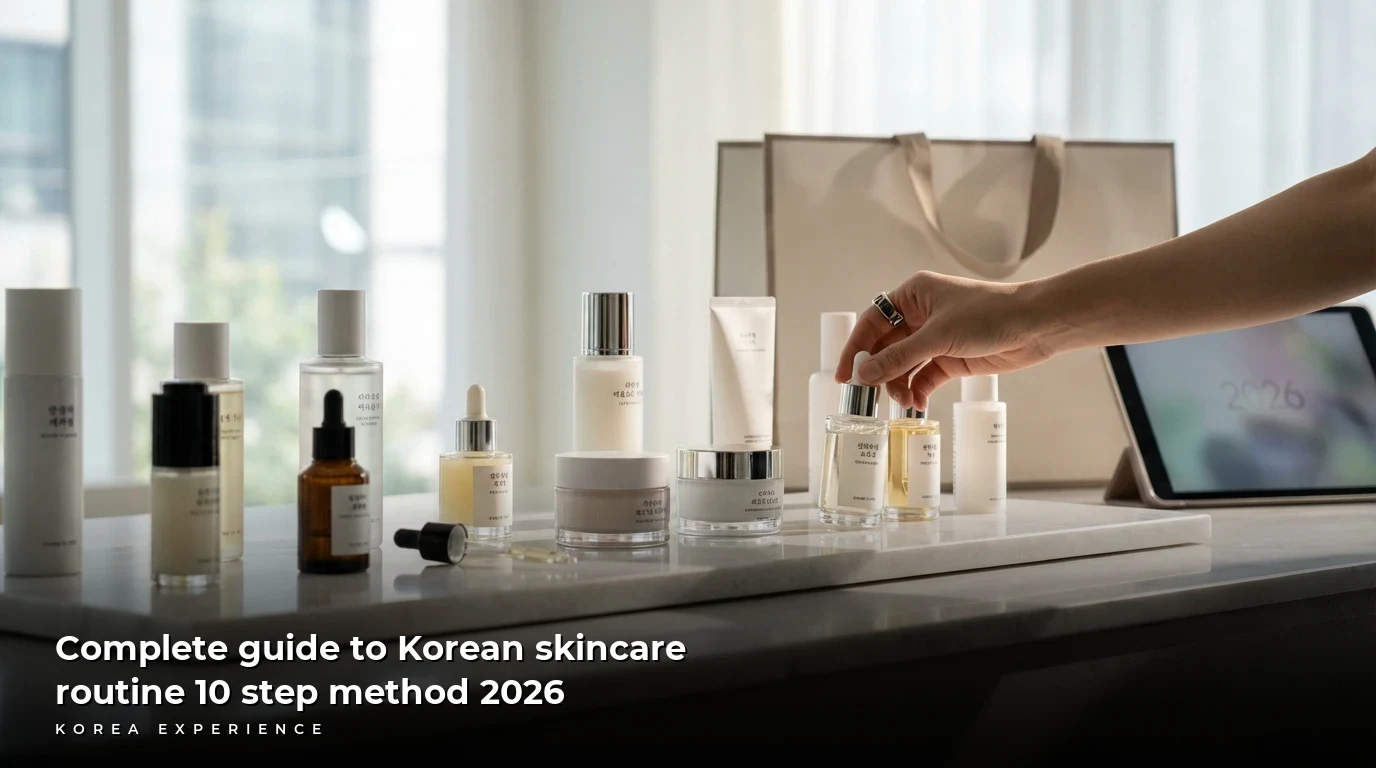
Master the famous 10-step K-beauty routine with our comprehensive guide for 2026, including product recommendations, costs, and store locations.

Discover the 7-step Korean glass hair routine for 2026. A complete guide to scalp scaling, water treatments, and top products starting at ₩18,000.
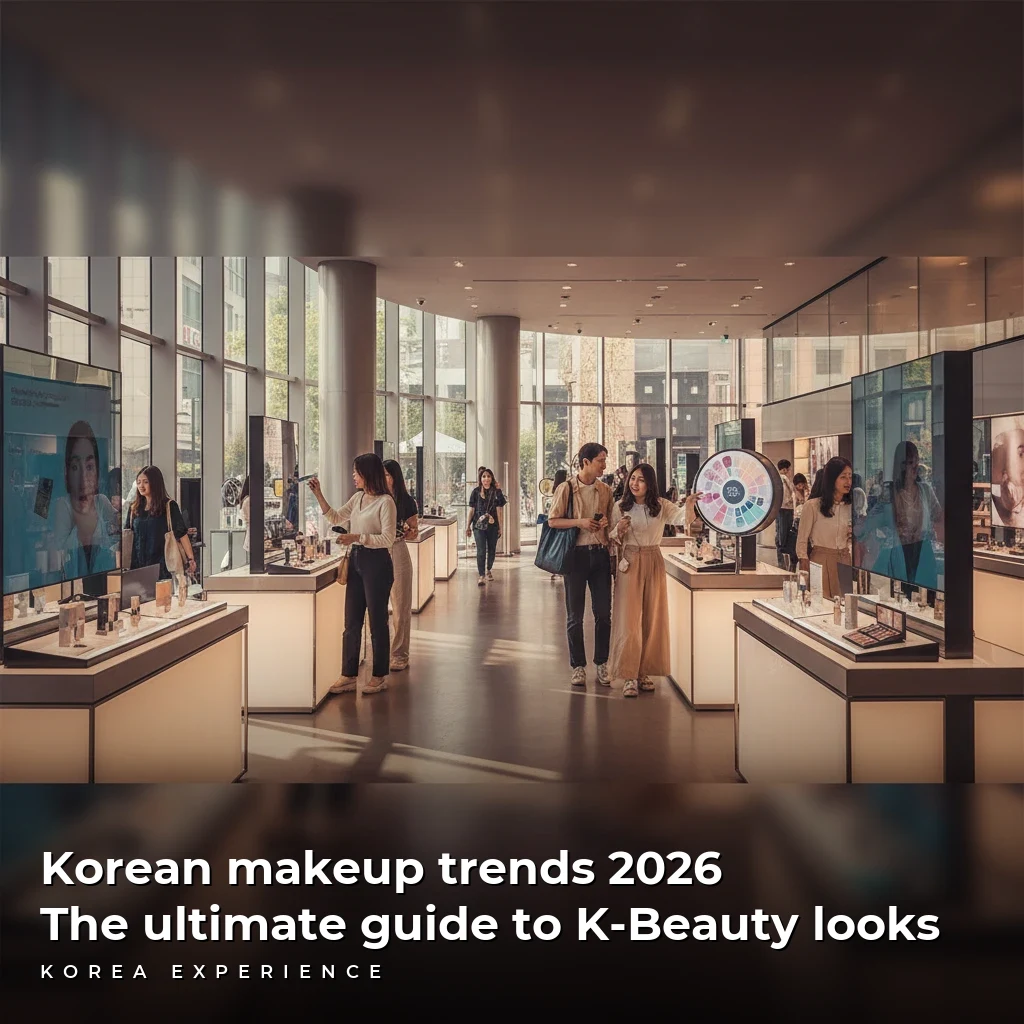
Discover the top Korean makeup trends of 2026, from Protein Skin to AI color analysis. Learn prices, top brands, and where to shop in Seoul for under $50.