Best Korean Eye Cream Under Eye Care Guide 2026
Discover the best Korean eye creams for dark circles and wrinkles. Our 2026 guide covers ingredients, prices, and shopping tips for 15+ top brands.
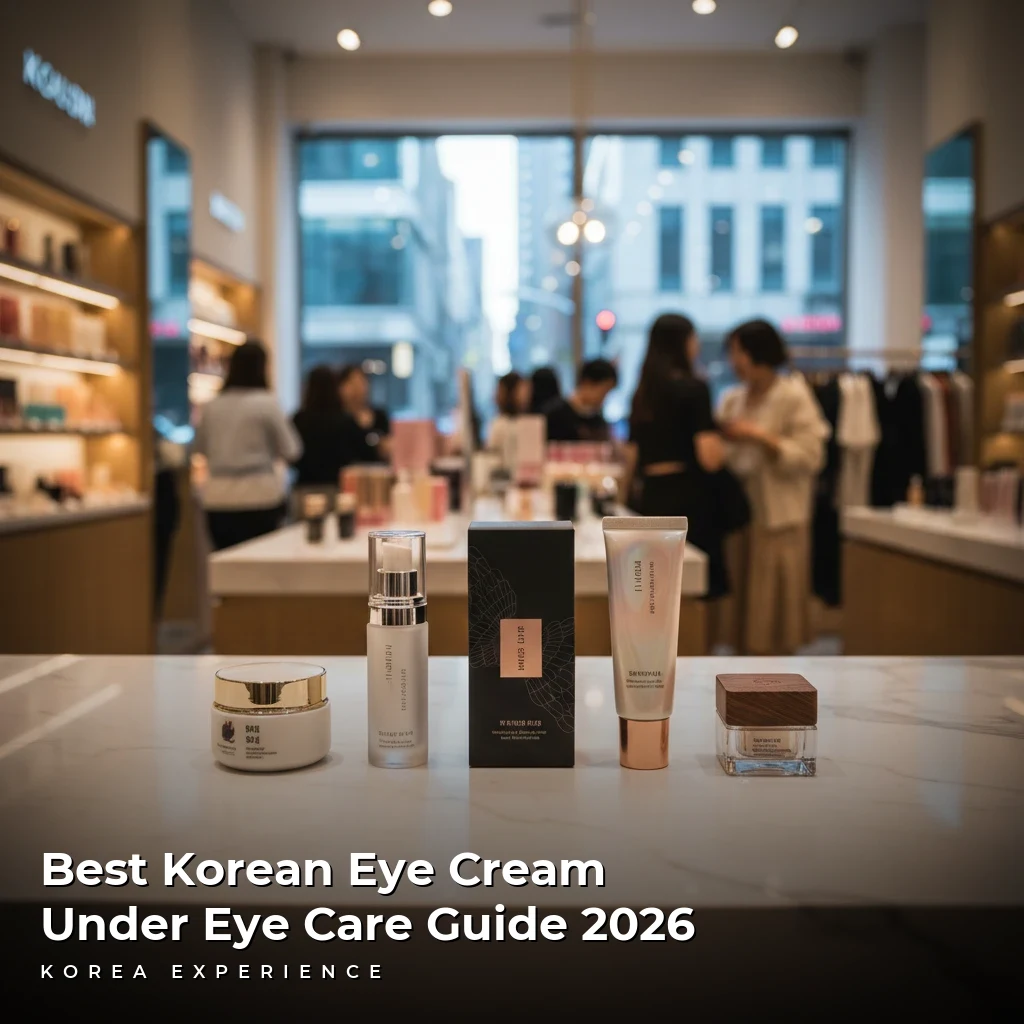
The most effective Korean eye care routine relies on a combination of lightweight, fermentation-based ingredients and a gentle "tapping" application method rather than heavy, occlusive creams. Unlike Western standards that often focus on retinol-heavy formulations, the Korean approach prioritizes hydration barrier repair using ginseng, snail mucin, and peptides to plump the delicate under-eye area, which is approximately 0.5mm thick—about one-tenth the thickness of facial skin. For 2026, the market leaders are AHC (for all-over application), Sulwhasoo (for herbal anti-aging), and COSRX (for texture repair), with most products priced between ₩25,000 and ₩80,000 ($18–$60 USD).
The short answer: Korean eye care focuses on prevention through hydration and barrier repair rather than harsh correction. The "Real Eye Cream for Face" by AHC remains the best-selling staple in 2026 due to its versatility and peptide density.
Key Takeaways
- 1Korean eye skin is treated differently due to being 0.5mm thick, requiring lighter molecular weights
- 2AHC, Sulwhasoo, and Beauty of Joseon are the top-performing brands in 2026
- 3Expect to pay ₩25,000-40,000 for drugstore tiers and ₩100,000+ for luxury herbal formulas
Why Korean Eye Care is Different
The philosophy behind K-Beauty eye care is distinct from Western dermatology. In Korea, the concept of "skin fatigue" (pibu piro) is taken seriously. The under-eye area is the first to show signs of this fatigue because it lacks sebaceous glands, making it prone to dehydration lines long before true aging wrinkles appear.
While Western products often aggressively target wrinkles with high-strength retinoids that can cause irritation (the "uglies" phase), Korean formulations focus on soothing and plumping. In 2026, the trend has shifted heavily toward "slow-aging"—a concept of maintaining skin health over time rather than fighting it.
📊 Market Insights 2026
This difference is also reflected in the texture. Korean eye creams are often formulated with advanced delivery systems like liposomes, which encapsulate ingredients to penetrate deeper without sitting heavily on the surface. This prevents milia—small white keratin-filled cysts that often result from using eye creams that are too heavy or oily.
Key Ingredients in Korean Eye Creams
To understand which product to buy, you must understand the ingredients. Korean manufacturers utilize a mix of traditional herbal medicine (Hanbang) and cutting-edge clinical science.
1. Panax Ginseng (Red Ginseng)
This is the gold standard for anti-aging in Korea. High-quality root extract, usually aged for 6 years before harvesting, stimulates blood circulation. This is critical for dark circles caused by blood stagnation (vascular dark circles). When circulation improves, the bluish tint under the thin skin dissipates.
2. Snail Mucin filtrate
Made famous by brands like COSRX, snail mucin contains natural glycolic acid, elastin, and copper peptides. It is exceptional for repairing the skin barrier. Most top-tier products contain between 70% to 96% filtrate concentration.
3. Fermented Bifida
Borrowing from the success of products like Estée Lauder's Advanced Night Repair, Korean brands use fermented yeast extracts. Fermentation breaks down molecules into smaller sizes, allowing for 30-40% better absorption rates compared to non-fermented alternatives.
Pro Tip
When shopping in Olive Young or LOHB, look for the word "balhyo" (발효) on the packaging. This means "fermented," indicating the ingredients have been broken down for deeper penetration.
Top Product Recommendations by Category
The sheer volume of products in Seoul can be overwhelming. We have categorized the top performers for 2026 based on specific skin concerns.
Best for Anti-Aging and Deep Wrinkles: Sulwhasoo Concentrated Ginseng Renewing Eye Cream
This is the luxury standard. It utilizes Ginsenomics™, a concentrated active saponin found in ginseng.
- Price: Approx. ₩180,000 ($135 USD)
- Size: 20ml
- Texture: Rich, buttery, herbal scent.
Best for Dark Circles: Beauty of Joseon Revive Eye Serum
A viral hit that sustained its popularity into 2026. It combines Ginseng root extract (10%) with Retinal Liposome (2%). Retinal acts faster than Retinol but is stabilized to prevent irritation.
- Price: Approx. ₩22,000 ($16 USD)
- Size: 30ml
- Texture: Gel-like, yellow tint (natural), fragrance-free.
Best for Dryness and Milia-Prone Skin: Heimish Marine Care Eye Cream
For those who need hydration but fear clogging pores, this uses fermented seaweed extract and sea water. It usually comes with a cooling applicator (massage tool).
- Price: Approx. ₩32,000 ($24 USD)
- Size: 30ml
- Texture: Dense but melts instantly.
For a broader look at skincare routines, you can read our Complete guide to Korean skincare routine.
Eye Cream Feature Comparison
| Feature | Sulwhasoo | Beauty of Joseon | AHC |
|---|---|---|---|
| Primary Active | Ginseng Saponin | Retinal + Ginseng | Peptides + Collagen |
| Texture | Rich Cream | Light Serum | Emulsion |
| Price Tier | $$$ ($130+) | $ ($16) | $$ ($25) |
The "Eye Cream for Face" Phenomenon
If you walk into any Olive Young in Myeongdong or Gangnam, you will see walls dedicated to AHC (Aesthetic Hydration Cosmetics). They revolutionized the market with a simple concept: Why apply high-concentration actives only to the eyes?
AHC’s "Real Eye Cream for Face" is currently in its 13th generation (Season 13) as of 2026. They reformulate every year to include smaller molecular sizes. The current version boasts particles 1/500th the size of a pore, ensuring rapid absorption.
📋 AHC Eye Cream Stats
This product is heavily purchased by tourists because it simplifies the routine. Instead of a separate serum, moisturizer, and eye cream, travelers often use this single tube for their entire face, especially during dry long-haul flights.
Shopping Guide: Where to Buy in Seoul
Finding these products is easy, but finding the best deal requires strategy. Prices can fluctuate by 30-40% depending on where you shop.
Olive Young (The Sephora of Korea)
With over 1,300 stores across Korea, this is the most accessible option.
- Best for: Mid-range brands (BioHeal, Goodal, COSRX, Isoi).
- Sale Period: "Olive Young Day" usually happens from the 25th to the 27th of each month. The "Big Bang" sales occur in early March, June, September, and December.
Duty-Free Shops (Lotte, Shilla, Shinsegae)
Located in major city centers (Myeongdong, Jamsil) and airports.
- Best for: Luxury brands (Sulwhasoo, History of Whoo) and bulk sets (e.g., "Buy 3 Get 1 Free").
- Requirement: You must bring your passport and flight ticket information.
- Savings: Tax-free instantly, plus usually 10-15% cheaper than street prices.
Brand Flagship Stores
Visiting a flagship store offers an experience, not just a transaction. The Sulwhasoo Flagship in Gangnam is a prime example.
Sulwhasoo Dosan Flagship Store(설화수 도산 플래그십 스토어)
If you are planning a shopping trip, check our guide on Best areas to stay near shopping districts to minimize travel time carrying heavy bags.
Budget vs. Luxury: A Price Analysis
Is the expensive ginseng cream really worth 8 times the price of the tube from the drugstore? In Korea, the price gap is significant.
💵 Price Comparison
Rare ingredients, patented extraction, heavy R&D
Effective basics, mass production, frequent sales
For travelers in their 20s and early 30s, the budget options are generally sufficient. The luxury tier is recommended for those over 40 or those purchasing gifts for parents (a very common cultural practice in Korea).
Correct Application Technique
You can have the best product in the world, but if you apply it incorrectly, you risk damaging the skin. The mechanical action of rubbing the eyes is a primary cause of hyperpigmentation in Korea.
📖 How to Apply Eye Cream the Korean Way
Step 1: Dispense
Squeeze a grain-of-rice amount onto your ring finger. The ring finger has the weakest muscle, ensuring gentle pressure.
Step 2: Dotting
Gently dot the cream along the orbital bone—under the eye and along the brow bone. Do not go too close to the lash line to avoid irritation.
Step 3: Tapping
Use a piano-playing motion to tap the product in until absorbed. Do not drag or pull the skin.
Beyond Creams: Patches and Professional Treatments
While creams are the daily maintenance, Koreans rely on intensive treatments for immediate results.
Hydrogel Eye Patches
These are ubiquitous in Korea. Sold in jars of 60 patches (30 pairs), they are made of water-soluble hydrogel soaked in essence.
- Usage: Apply for 20-30 minutes in the morning to depuff.
- Popular Brand: Heimish Bulgarian Rose Water Hydrogel Eye Patches.
- Tip: Keep the jar in the fridge for enhanced vasoconstriction (shrinking blood vessels to reduce puffiness).
Professional Treatments (Medical Tourism)
For those visiting Seoul for medical tourism, creams might not be enough. The "Rejuran I" (Rejuran Eye) injection is the leading treatment in 2026. It uses Polynucleotide (PN) derived from salmon DNA to regenerate tissue density.
- Cost: Approximately ₩300,000 - ₩400,000 ($225 - $300 USD) per 1cc syringe.
- Downtime: visible bumps (embossing) for 24-48 hours.
- Pain Level: Moderate (numbing cream is applied for 30 minutes prior).
If you are interested in clinical treatments, you should consult our article on Best Korean skin clinics in Gangnam for verified locations.
Creams vs. Professional Treatments
- ✓Creams: Non-invasive, daily maintenance
- ✓Treatments: Immediate structural improvement
- ✓Creams: Low cost entry ($20)
- ✓Treatments: Long-lasting results (6 months)
- ✗Creams: Takes 4-8 weeks for results
- ✗Treatments: High cost ($300+)
- ✗Creams: Surface level only
- ✗Treatments: Downtime and pain involved
Understanding the "Whitening" Label
International visitors are often confused or alarmed by products labeled "Whitening." In the context of Korean eye creams, this does not mean bleaching the skin.
"Whitening" (mibaek) is the K-FDA (Korea Food and Drug Administration) standard term for brightening pigmentation and evening skin tone. The active ingredients are usually Niacinamide (Vitamin B3) or Vitamin C derivatives, which inhibit melanin transfer. It is perfectly safe and desirable for treating dark circles.
"Many foreign patients ask if 'whitening' eye creams will bleach their skin. They won't. It's a regulatory term for brightening agents like Niacinamide. For dark circles caused by pigmentation (brown circles), these are essential. For vascular circles (blue/purple), you need Vitamin K or caffeine instead."
The Role of Lifestyle in Eye Care
K-Beauty is holistic. Eye creams are supported by lifestyle choices. You will notice that many Korean women wear large visors or sunglasses even on cloudy days. UV damage is the number one cause of collagen degradation around the eyes.
Additionally, "beauty sleep" is culturally reinforced, though hard to achieve in the busy city of Seoul. To combat lack of sleep, lymphatic drainage massage is common. Many eye creams in 2026 come with built-in ceramic or metal applicators to massage the area during application, helping to drain stagnant fluid that causes puffiness.
Seasonal Adjustments
Korea has four distinct seasons, and your skincare should adjust accordingly.
- Winter (Dry/Cold): Switch to heavier, ceramide-rich eye creams (e.g., Illiyoon Ceramide Ato). The humidity drops significantly, sucking moisture from the skin.
- Summer (Hot/Humid): Switch to lightweight gels or eye serums (e.g., Beauty of Joseon). Heavy creams will melt and run into your eyes, causing stinging.
For more on adapting your travel and routine to the weather, see our guide on Best time to visit Korea month by month weather.
FAQ: Common Questions About Korean Eye Care
❓ Frequently Asked Questions
Have more questions?Contact us →
Timeline: Your Shopping to Application Journey
From Store to Skin Routine
Olive Young Visit
Test textures on your hand. Look for 'Ginseng' or 'Peptide' ingredients.
Patch Test
Apply a small amount behind your ear to check for allergies before putting it near your eyes.
Full Application
Start using morning and night. Use the ring finger tapping method.
Evaluation
Check hydration levels. Fine lines from dehydration should disappear. Deep wrinkles take 12+ weeks.
Final Thoughts
Navigating the world of Korean eye care is a journey into advanced skincare science mixed with traditional herbal wisdom. Whether you opt for a ₩25,000 tube of AHC or invest in the premium Sulwhasoo line, the consistency of application and the "gentle touch" philosophy are what truly yield results.
Remember that while products are powerful, they work best when paired with the holistic Korean approach to health—staying hydrated, avoiding excessive sun exposure, and treating your skin with respect rather than aggression.
If you are looking for specific brands mentioned here, nearly all are available at the Incheon International Airport Duty-Free on your way out, often in convenient travel sets that make perfect gifts. For more hidden gems in the K-Beauty world, check out our article on Best under the radar K-Beauty brands gaining popularity in 2026.
About the Author
Korea Experience Team
Written by the Korea Experience editorial team - experts in Korean medical tourism, travel, and culture with years of research and firsthand experience.
Explore more in Shopping & K-Beauty
From Olive Young hauls to Myeongdong shopping tips — discover the best K-Beauty products, fashion trends, and shopping destinations in Korea.
Browse All Shopping & K-Beauty ArticlesContinue Reading
Explore more articles you might find interesting
Discover Seoul's underground malls where trendy fashion costs just 10,000 KRW. Our 2026 guide covers 5 top locations, shopping hacks, and essential locker tips.
Discover the top K-beauty products for men in 2026. From Dashu hair wax to Be Ready BB cream, here is the ultimate shopping guide with prices and tips.
Discover the best K-beauty products for 2026. From viral sunscreens ($15) to barrier creams, here is the ultimate shopping guide with prices and skin type

Discover Seoul's top eco-friendly brands for 2026. From upcycled streetwear to vegan leather, explore where to shop sustainably with prices and locations.
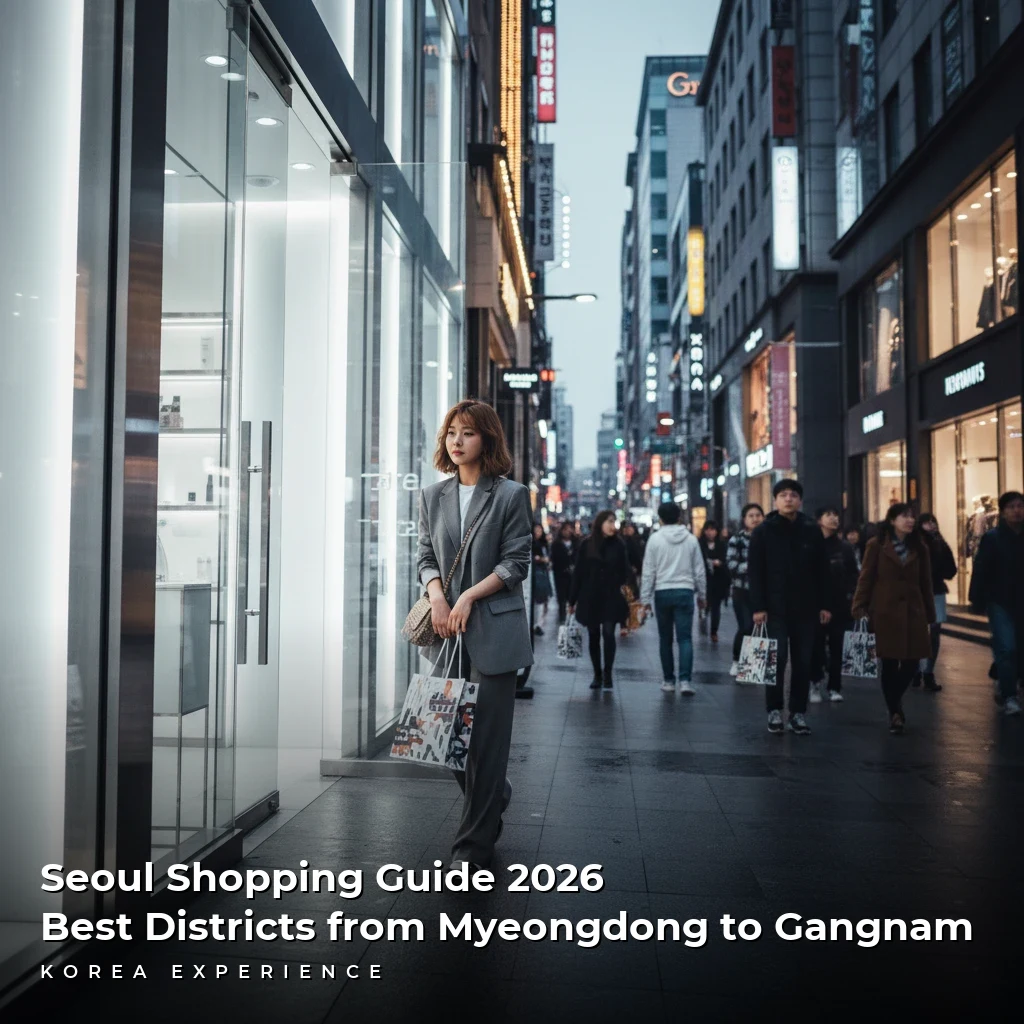
Discover Seoul's top 7 shopping districts for 2026. Compare Myeongdong beauty prices, Gangnam luxury, and Hongdae vintage fashion with tax refund tips.
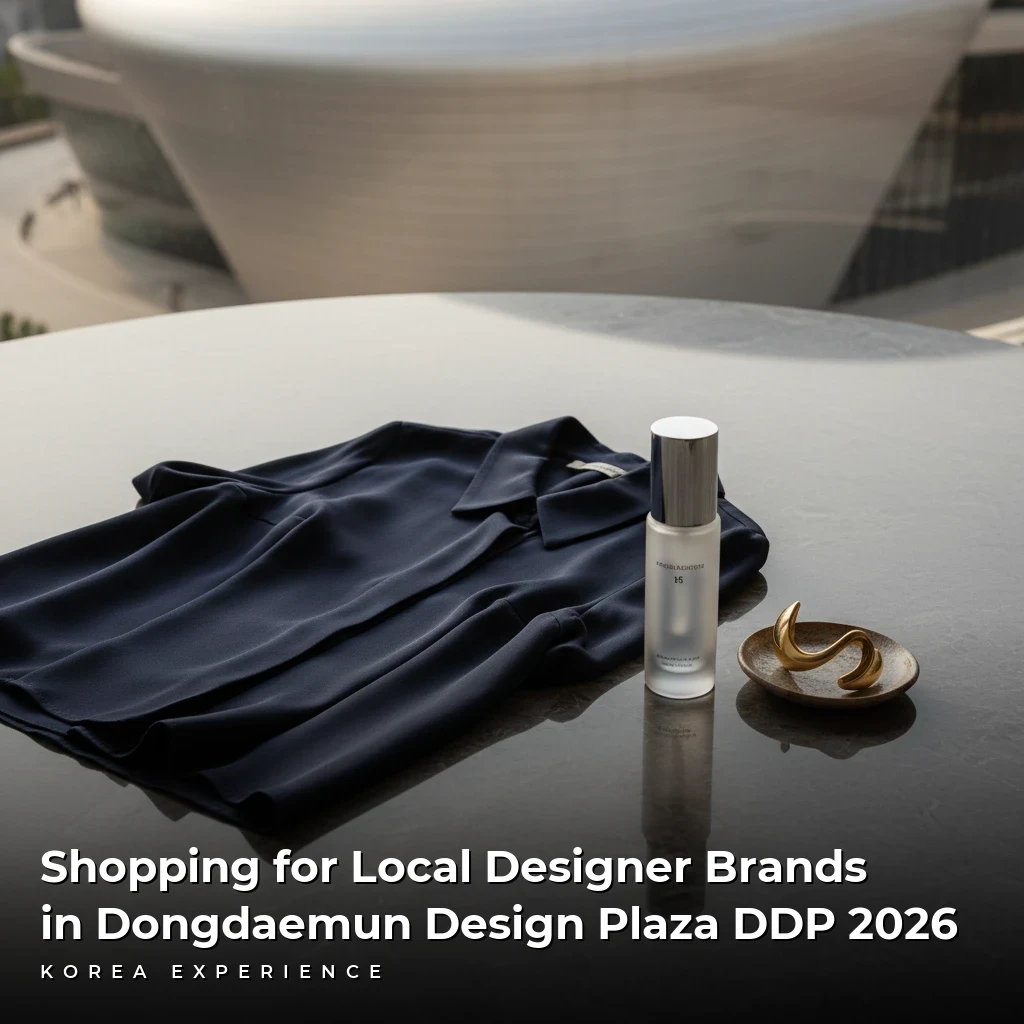
Your 2026 guide to finding Korean designer brands at DDP. Discover Doota Mall, the Design Lab, and hidden showrooms with prices and opening hours.