Moving Companies in Korea: International vs Local Options
Navigating moving companies in Korea can be complex. This guide covers international and local movers, costs, services, and essential tips for expats.
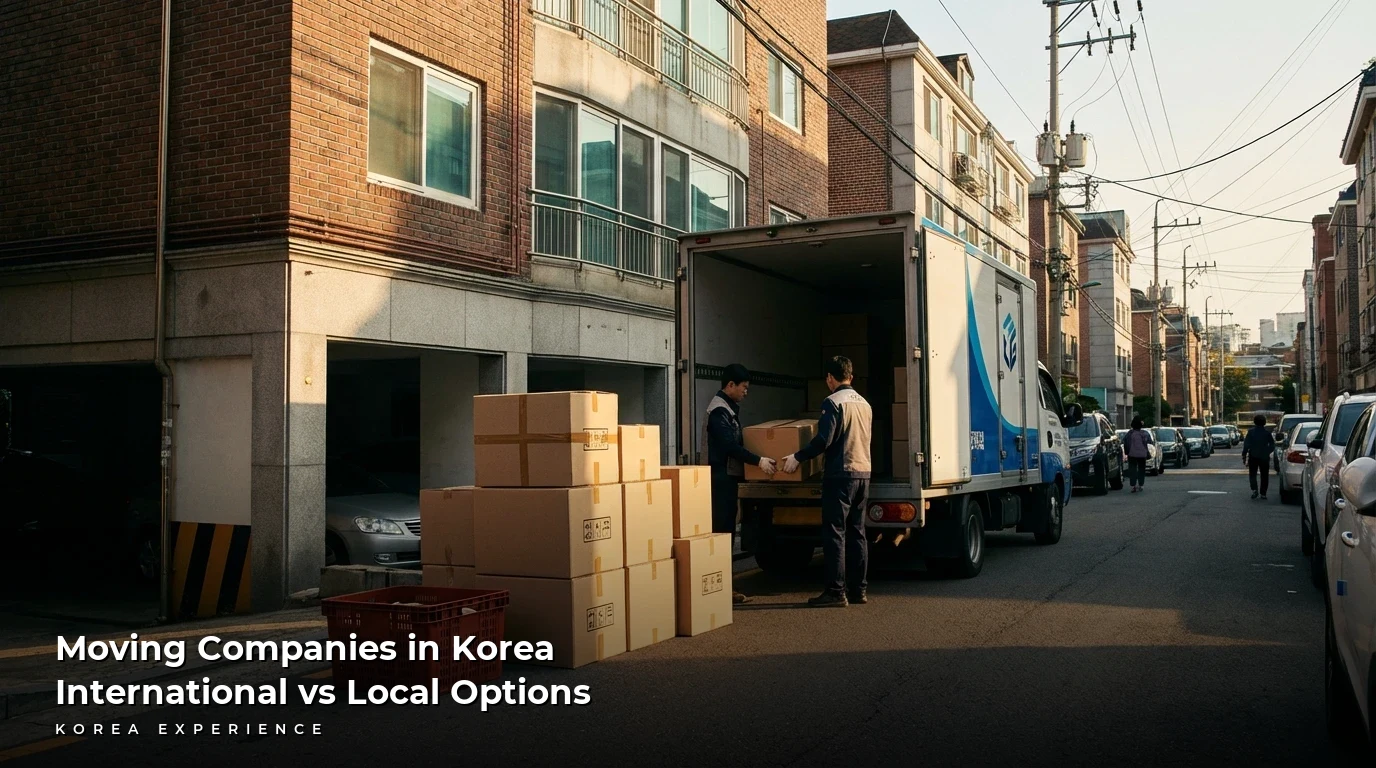
Moving to a new country like South Korea, or even relocating within its vibrant cities, presents a unique set of challenges and opportunities. Among the most significant hurdles is managing the logistics of your belongings. Whether you are an international expat planning a full-scale relocation to Seoul, a digital nomad moving from Busan to Jeju Island, or a student transferring apartments in Daejeon, understanding the landscape of moving companies in Korea is paramount for a stress-free transition.
This comprehensive guide aims to demystify the options available, comparing the services, costs, and benefits of international versus local Korean moving companies. We will equip you with the knowledge needed to make informed decisions, ensuring your precious possessions arrive safely and efficiently, allowing you to focus on settling into your new Korean life. From understanding the intricacies of customs clearance to deciphering the nuances of local moving services, you will learn practical tips, insider knowledge, and what to expect every step of the way.
Understanding the Moving Landscape in Korea
South Korea boasts a highly developed logistics infrastructure, making it relatively efficient to move goods both internationally and domestically. However, the specific services and approaches differ significantly between companies specializing in global relocations and those focused on local moves. International expats and residents often encounter a blend of global standards and unique Korean service models.
For those moving to Korea from overseas, the process involves intricate planning, customs documentation, and international shipping logistics. Conversely, internal moves within Korea, even between major cities, require navigating local service providers, understanding pricing structures, and often dealing with different levels of English proficiency. Moving companies in Korea cater to this diverse range of needs, and knowing which type suits your situation is the first step.
The Nuance of "Isa" (Moving) in Korea
In Korea, the concept of "이사" (isa), meaning moving, is deeply ingrained in everyday life. Many Koreans relocate frequently for work or lifestyle changes, leading to a highly competitive and efficient domestic moving market. This competition often translates into comprehensive service packages, known as pojang isa (포장이사), or "full packing move," where movers handle everything from packing to unpacking. This level of service is something international movers also provide, but often at a different price point and with a global scope.
Key Players in the Moving Industry
The Korean moving industry features both global giants with extensive networks and a multitude of local companies, ranging from large domestic brands to smaller, independent operations. International moving companies typically handle door-to-door services from your home country to your new residence in Korea, including customs clearance. Local moving companies in Korea, on the other hand, specialize in moves within the country, be it inter-city or within the same neighborhood.
International Moving Companies: Your Global Relocation Partner
When relocating to Korea from another country, international moving companies are your primary choice. These firms specialize in handling cross-border logistics, navigating complex customs regulations, and ensuring your household goods arrive safely. They act as a single point of contact, coordinating every aspect of your move from origin to destination.
Services Offered by International Movers
International moving companies offer a comprehensive suite of services tailored for global relocations:
- Pre-move Survey: An expert visits your home to assess the volume and type of items, providing an accurate quote. This can also be done virtually.
- Professional Packing: Skilled movers use specialized materials to pack your belongings, ensuring their safety during transit over long distances. They often use industry-standard crates and protective wraps.
- Documentation Assistance: They help prepare and process necessary customs forms and international shipping documents, which can be particularly complex for a country like Korea.
- Transportation: This includes sea freight (most common and cost-effective for large volumes) or air freight (faster, more expensive, suitable for essential items).
- Customs Clearance: They manage the entire customs clearance process upon arrival in Korea, liaising with local authorities at ports like Incheon.
- Delivery and Unpacking: Once cleared, items are delivered to your new residence in Korea, often including unpacking, reassembly of furniture, and removal of packing debris.
- Storage Solutions: Temporary storage at origin or destination may be offered if there's a gap between your move-out and move-in dates.
- Insurance: Various insurance options are available to protect your goods against loss or damage during transit.
Choosing the Right International Mover
Selecting an international moving company requires due diligence. Look for:
- FIDI Accreditation: The International Federation of International Movers (FIDI) sets global standards for quality and professionalism. A FIDI-affiliated company typically adheres to high service levels.
- Experience with Korea: Companies with established networks and experience specifically moving goods to Korea will have a smoother process regarding local regulations and logistics.
- Transparent Pricing: Ensure the quote is comprehensive, detailing all charges, including customs duties (if applicable), port fees, and destination services. Watch out for hidden costs.
- Customer Reviews: Check online reviews and testimonials from other expats who have used their services for moves to Korea.
Examples of Reputable International Movers (Global Reach)
While specific branches or partners operate locally, globally recognized names often used for moves to Korea include:
- Allied Van Lines
- Atlas Van Lines
- Crown Relocations
- Santa Fe Relocation
- SIR Move International
These companies usually have local partners in Korea to handle the destination services, ensuring continuity and local expertise.
Local Moving Companies in Korea: Navigating Domestic Moves
Once you are in Korea and need to move apartments or houses, local moving companies in Korea become your primary resource. These companies are adept at navigating the specific challenges and expectations of domestic moves within the country. They offer a range of services from basic truck rental with labor to full-service packing and unpacking.
Types of Local Moving Services
Local Korean moving companies typically offer several distinct service levels:
- Pojang Isa (포장이사) - Full Packing Move: This is the most popular and comprehensive option. The moving company handles everything: dismantling furniture, professional packing of all items (using their own materials), loading, transportation, unloading, unpacking, reassembling furniture, and even basic rearrangement and cleaning up packing debris. It is highly recommended for those with busy schedules or who prefer a hands-off approach.
- Banjip Isa (반집이사) - Semi-Packing Move: A hybrid option where the customer packs smaller items, and the movers handle larger furniture, appliances, and fragile items. They also take care of loading, transport, unloading, and basic setup. This can be a cost-effective alternative to pojang isa.
- Yongdal Isa (용달이사) - Truck-Only Move / Economy Move: This is the most basic and cheapest option, essentially renting a truck with a driver who also helps with loading and unloading. You are responsible for all packing and often for carrying items to and from the truck. This is suitable for very small moves (e.g., studio apartment with minimal belongings) or single large items. It often uses a smaller cargo truck known as a "Yongdal" truck.
- Office Isa (사무실이사) - Office Move: Specialized services for commercial relocations, often including IT equipment handling and after-hours services.
Key Considerations for Local Moves
- Language Barrier: While many international movers have English-speaking staff, smaller local Korean companies may have limited English proficiency. It's advisable to have a Korean speaker assist or use translation apps if you're not fluent.
- Booking in Advance: Especially during peak moving seasons (spring and fall, or end of month), book your move several weeks in advance. Weekends are also highly sought after.
- Apartment Rules: Many Korean apartment complexes have specific rules regarding moving hours, elevator usage (some require reservations or padding), and designated loading zones. Inform your moving company and secure any necessary reservations.
- Disposal of Waste: Moving companies typically remove their packing materials, but general waste or old furniture disposal is usually your responsibility. Korea has strict rules for waste disposal, often requiring special stickers purchased at convenience stores or local administrative offices.
Examples of Reputable Local Movers
Korea has several large domestic moving chains, alongside numerous independent operators.
- Logisstar (로지스타)
- Hanjin Express (한진택배/한진익스프레스) (Well-known for logistics, also offers moving services)
- YES2404 (예스2404)
- KGB Logistics (KGB 로지스)
Many of these companies operate through franchises, so service quality can vary. It's always best to get multiple quotes and check local reviews.
Key Factors When Choosing a Moving Company in Korea
Whether you're moving internationally or locally, several critical factors should guide your decision-making process. These ensure not only cost-effectiveness but also peace of mind.
Scope of Services
Align the company's offerings with your needs. Do you require full packing and unpacking? Is temporary storage necessary? For international moves, ensure they handle customs clearance effectively. For local moves, clarify whether dismantling and reassembling furniture are included.
Cost and Pricing Structure
This is often the most significant factor. Get detailed, itemized quotes from at least three different companies. Understand what is included and what might incur additional charges. For international moves, ask about port fees, customs duties, and destination delivery charges. For local moves, clarify if appliance installation or unusual item handling costs extra.
Insurance Coverage
Always inquire about insurance options. Reputable companies offer various levels of coverage for loss or damage during transit. For international moves, marine insurance is common for sea freight. Understand the deductible, claim process, and what types of damages are covered.
Reputation and Reviews
Check online reviews on platforms like Google, expat forums, or local Korean review sites. Ask for recommendations from friends or colleagues who have moved in Korea. Look for consistent positive feedback regarding punctuality, professionalism, and careful handling of belongings.
English Proficiency and Communication
Especially for international expats, clear communication is crucial. Does the company have English-speaking staff? Are contracts available in English? Misunderstandings due to language barriers can lead to significant problems.
Licensing and Accreditation
Ensure the company is properly licensed and insured to operate. For international movers, FIDI accreditation or membership in other reputable associations (like IAM – International Association of Movers) is a good sign. For local movers, check for valid business registration.
Flexibility and Availability
Can the company accommodate your preferred moving dates? What is their policy on schedule changes? Flexibility can be important, especially if your visa or housing timeline is subject to change.
Cost Considerations: International vs. Local Moving Estimates
The cost of moving can vary dramatically based on the volume of goods, distance, chosen services, and timing. Below are some general estimates to help you budget, though actual prices will require specific quotes.
International Moving Costs to Korea
International moves are typically priced based on cubic meter (CBM) for sea freight or weight for air freight.
-
Sea Freight (Container Shipping):
- Small apartment (1-2 CBM): For a few boxes, you might share a container (LCL - Less than Container Load). Estimate: 1,500 - 3,000 USD.
- 1-bedroom apartment (5-10 CBM): Estimate: 3,000 - 6,000 USD.
- 2-3 bedroom house (15-25 CBM): Estimate: 5,000 - 10,000+ USD.
- Factors influencing cost: Origin country distance, port charges, customs duties, destination services (unpacking, debris removal).
- Timeline: 4-8 weeks transit time, plus customs and delivery.
-
Air Freight:
- Essential items (100-300 kg): For urgent, smaller shipments. Estimate: 500 - 2,000 USD or more, depending on weight and airline tariffs.
- Factors influencing cost: Weight, urgency, airline tariffs.
- Timeline: 1-2 weeks transit time, plus customs and delivery.
Additional International Costs:
- Insurance: Typically 1-3% of declared value.
- Customs Duties and Taxes: Most personal household goods are exempt if you're moving as a registered resident with a long-term visa. However, new items, certain electronics, or excessive quantities might incur duties. Your moving company will guide you on specific Korean regulations.
- Storage: If needed at origin or destination.
- Specialty Items: Pianos, art, antiques often require special handling and crating, increasing costs.
Local Moving Costs within Korea
Local moving costs in Korea are influenced by the volume of items, distance, type of service (Pojang Isa vs. Yongdal Isa), floor level (elevator vs. stairs), and date (weekends/month-end are more expensive).
-
Yongdal Isa (Truck-only with driver assist):
- Studio/small 1-room: ₩100,000 - ₩250,000 (approx. 75 - 190 USD). This assumes you do all packing and most heavy lifting.
- Suitable for: Minimal items, short distances.
-
Pojang Isa (Full Packing Move):
- Studio/small 1-bedroom apartment: ₩300,000 - ₩600,000 (approx. 225 - 450 USD).
- 2-bedroom apartment: ₩600,000 - ₩1,200,000 (approx. 450 - 900 USD).
- 3-bedroom apartment/house: 1,000,000 - ₩2,000,000 (approx. 750 - 1,500+ USD).
- Factors influencing cost: Volume of goods, distance between locations (e.g., Gangnam to Ilsan vs. within Gangnam), number of movers, day of the week, floor level (especially if no elevator).
- Timeline: Usually completed in a single day.
Table 1: International vs. Local Moving Companies in Korea
| Feature | International Moving Companies (To/From Korea) | Local Moving Companies (Within Korea) |
|---|---|---|
| Primary Scope | Cross-border, global relocation | Domestic moves (inter-city or intra-city) |
| Key Services | Packing, shipping (sea/air), customs, delivery, unpacking | Packing (Pojang Isa), transport, unpacking, furniture assembly |
| Target Audience | Expats, international students, corporate transferees | Local residents, expats already in Korea |
| Pricing Basis | Cubic meters (CBM) for sea, weight for air freight | Volume of goods, distance, service type (Pojang Isa, Yongdal Isa) |
| Typical Timeline | Weeks to months (depending on method) | Single day (for most moves) |
| Customs Expertise | High, handles all import/export paperwork | Not applicable (unless for specific domestic regulations) |
| Language Support | Often provides English-speaking staff | Varies, many may have limited English |
| Insurance Options | Comprehensive transit insurance (marine, air cargo) | Standard domestic moving insurance |
The Moving Process: What to Expect
Understanding the typical workflow can help manage expectations and prepare effectively for your move, whether it's across continents or just across town.
International Moving Process
- Initial Inquiry & Survey: Contact several companies for quotes. A surveyor (in-person or virtual) assesses your items.
- Quote & Booking: Receive detailed quotes. Choose a company and book your moving date.
- Packing & Inventory: Professional movers pack your items and create a comprehensive inventory list. This often takes 1-3 days depending on volume.
- Loading & Transit: Your packed goods are loaded onto a container (sea freight) or air cargo pallet. They are then transported to the port/airport.
- Customs at Origin: Export customs clearance is handled by the moving company.
- Shipping: Your goods travel by sea or air to Incheon Port or Incheon International Airport.
- Customs at Destination (Korea): This is a critical step. Your moving company's local partner handles import customs clearance. You might need to provide copies of your passport, visa, entry stamp, and detailed inventory. Personal presence for clearance might be required in some cases, or the moving company can act as your agent. Be prepared for potential delays.
- Delivery & Unpacking: Once cleared, your goods are delivered to your new home in Korea. Movers typically unpack, reassemble basic furniture, and remove packing materials.
- Payment: Final payment is usually made after delivery and services are completed.
Local Moving Process in Korea
- Request Quotes: Contact 3-5 local moving companies. Many operate online platforms or apps where you can enter details for an estimate. For pojang isa, an in-person visit for an accurate quote is common.
- Booking: Choose a company and reserve your date and time. Weekends and month-ends are premium.
- Preparation (if not Pojang Isa): If opting for Banjip Isa or Yongdal Isa, you'll need to pack your boxes and organize your belongings.
- Moving Day:
- Arrival: Movers arrive on time.
- Packing (for Pojang Isa): They quickly and efficiently pack all items, dismantle furniture, and secure appliances.
- Loading: Items are loaded onto the truck, often using specialized equipment.
- Transportation: Goods are transported to the new address.
- Unloading & Setup: Items are unloaded, unpacked (for Pojang Isa), furniture reassembled, and appliances reconnected. You usually direct where furniture goes.
- Clean-up: Packing materials are removed.
- Inspection & Payment: Inspect your belongings for any damage before the movers leave. Pay the agreed-upon fee.
Table 2: Common Moving Services in Korea (Local Focus)
| Service Type | Description | Typical Scope (Excludes) | Who Packs? | Cost Level | Best For |
|---|---|---|---|---|---|
| Pojang Isa | Full-service packing, loading, transport, unloading, unpacking, furniture reassembly. | Specialty item crating, old item disposal | Movers | High | Busy individuals, large homes, fragile items |
| Banjip Isa | Movers handle large furniture/appliances; you pack personal items and boxes. | Specialty item crating, old item disposal | You (boxes), Movers (furniture) | Medium | Moderate amount of belongings, some DIY |
| Yongdal Isa | Truck with driver who assists with loading/unloading. Minimal help beyond that. | All packing, extensive heavy lifting by movers, unpacking | You | Low | Very small moves, single large items, budget-conscious |
| Hand Carry (Labor only) | You rent a truck separately; company provides labor to pack/load/unload. | Truck rental, packing materials | Varies | Medium-Low | When you have your own transport, need labor |
Essential Tips for a Smooth Move to or within Korea
Moving can be stressful, but with careful planning and these insider tips, you can significantly ease the process.
For International Moves to Korea:
- Declutter Ruthlessly: Shipping costs are based on volume/weight. The less you ship, the more you save. Sell, donate, or discard items you don't truly need. Korea has everything you could possibly want.
- Understand Customs Regulations: Familiarize yourself with Korea's customs rules for household goods. Prohibited items (e.g., certain foods, weapons) or restricted items (e.g., alcohol, tobacco, medicines) can cause significant delays and fines. Your moving company should provide a list, but cross-reference it.
- Separate Essentials: Pack a "first night" box or suitcase with immediate necessities: toiletries, clothes, medications, important documents, chargers, and anything you need within the first 24-48 hours. Ship this separately via air freight or carry it with you.
- Keep Important Documents Handy: Passports, visas, lease agreements, school enrollment, and contact lists should be in your carry-on luggage, not packed with your household goods.
- Currency & Banking: Have some Korean Won (₩) ready upon arrival. Research opening a Korean bank account for smooth financial transitions. (Internal linking opportunity: "Setting Up Banking in Korea for Expats").
- Apartment Size: Be mindful that apartments in Korea, especially in major cities like Seoul, can be smaller than what you are used to. Consider this when deciding what furniture to bring.
For Local Moves within Korea:
- Book Early, Especially for Peak Dates: Weekends, the end of the month, and certain seasons (March/April for school, September/October for general moves) are incredibly busy. Book 2-4 weeks in advance.
- Get Multiple "On-site" Quotes: For Pojang Isa, always insist on an in-person visit for a quote. Photos or descriptions online can lead to underestimated costs or insufficient truck space.
- Communicate Clearly: If you have special items (e.g., large refrigerator, delicate art, unique furniture), point them out during the quote process. If possible, have a Korean speaker facilitate communication.
- Prepare Your New Home: Ensure your new apartment is ready (utilities connected, cleaning done) before your moving day. This minimizes stress upon arrival.
- Label Boxes Clearly (if self-packing): If you're doing Banjip Isa or Yongdal Isa, label boxes by room and content. This helps the movers place them correctly and simplifies unpacking.
- Dispose of Large Waste Properly: Korea has specific rules for disposing of large items like old furniture or appliances. You typically need to purchase disposal stickers (daehyeong peagi mulpeum 스티커) from your local community center (dongjumin center) or convenience store and place them on the item for municipal collection. Do this before moving day.
- Check Apartment Moving Rules: Many Korean apartment buildings require advance notice, elevator reservations, or even elevator padding for moving. Check with your building management well in advance to avoid last-minute issues or fines.
Table 3: International Shipping Methods to Korea
| Method | Cost Level | Speed | Suitability | Pros | Cons |
|---|---|---|---|---|---|
| Sea Freight (LCL/FCL) | Low-Medium | Slow (4-8 weeks) | Large volumes, non-urgent, cost-effective | Most affordable for large shipments, environmentally friendlier | Very slow, potential for delays, items inaccessible during transit |
| Air Freight | High | Fast (1-2 weeks) | Small volumes, urgent items, high-value goods (sometimes) | Quick delivery, ideal for essentials, higher security (often) | Very expensive, weight/size restrictions, not suitable for entire households |
| Excess Baggage | Medium-High | Very Fast (with you) | Few extra bags, immediate access | Instant access, simple | Very limited volume, high cost per kg if over airline allowance |
Frequently Asked Questions (FAQ)
1. How long does international shipping to Korea typically take?
For sea freight, expect transit times of 4 to 8 weeks, depending on the origin country and port. Air freight is much faster, usually taking 1 to 2 weeks. Remember to factor in additional time for customs clearance and final delivery within Korea.
2. Do I need to be present for customs clearance in Korea for my household goods?
While your moving company's local agent will handle most of the paperwork, you might be required to be physically present at the customs office at Incheon International Airport or a specific port for an interview or to sign documents, especially for first-time entries or complex shipments. It's best to confirm this requirement with your chosen moving company well in advance.
3. What's the average cost of a local "Pojang Isa" (full packing move) in Seoul?
The average cost for a "Pojang Isa" in Seoul for a 2-bedroom apartment typically ranges from ₩600,000 to ₩1,200,000 (approximately 450 - 900 USD), depending on the volume of items, distance, building access (elevator/stairs), and the day of the week. Always get an in-person quote for accuracy.
4. Can moving companies help with visa documents or residential permits for Korea?
No, moving companies specialize in logistics and household goods. They cannot assist with personal visa applications or residential permits. However, international moving companies will guide you on the specific customs documentation required for importing your household goods based on your visa status (e.g., long-term resident, corporate transferee). For visa and residency help, consult immigration lawyers or your sponsoring employer. (Internal linking opportunity: "Visa and Immigration Guide for Korea").
5. Are there English-speaking moving companies available in Korea?
Yes, particularly for international moves. Most major international moving companies will have English-speaking staff or dedicated expat service teams. For local moves within Korea, finding English-speaking staff can be more challenging with smaller companies, but larger domestic chains may have limited English support. It's always advisable to confirm language capabilities during your initial inquiry.
Conclusion: Making Your Move to or within Korea Seamless
Navigating the world of moving companies in Korea doesn't have to be overwhelming. By understanding the distinct roles of international and local movers, carefully evaluating their services, and being mindful of cost factors and specific Korean moving customs, you can ensure a smooth and efficient transition.
For those undertaking an international relocation to Korea, prioritizing a FIDI-accredited company with proven expertise in Korean customs is key. For expats already in Korea planning a domestic move, embracing the pojang isa (full packing move) service for its convenience and getting multiple on-site quotes will be your best strategy.
Remember to declutter, communicate clearly, keep important documents close, and always secure appropriate insurance. With this comprehensive guide, you are well-equipped to choose the right moving partner and embark on your next chapter in South Korea with confidence and ease. Happy moving!
About the Author
Korea Experience Team
Written by the Korea Experience editorial team - experts in Korean medical tourism, travel, and culture with years of research and firsthand experience.
Explore more in Living in Korea
Everything expats and long-term visitors need to know — from visa requirements and housing to banking, healthcare, and daily life tips.
Browse All Living in Korea ArticlesContinue Reading
Explore more articles you might find interesting
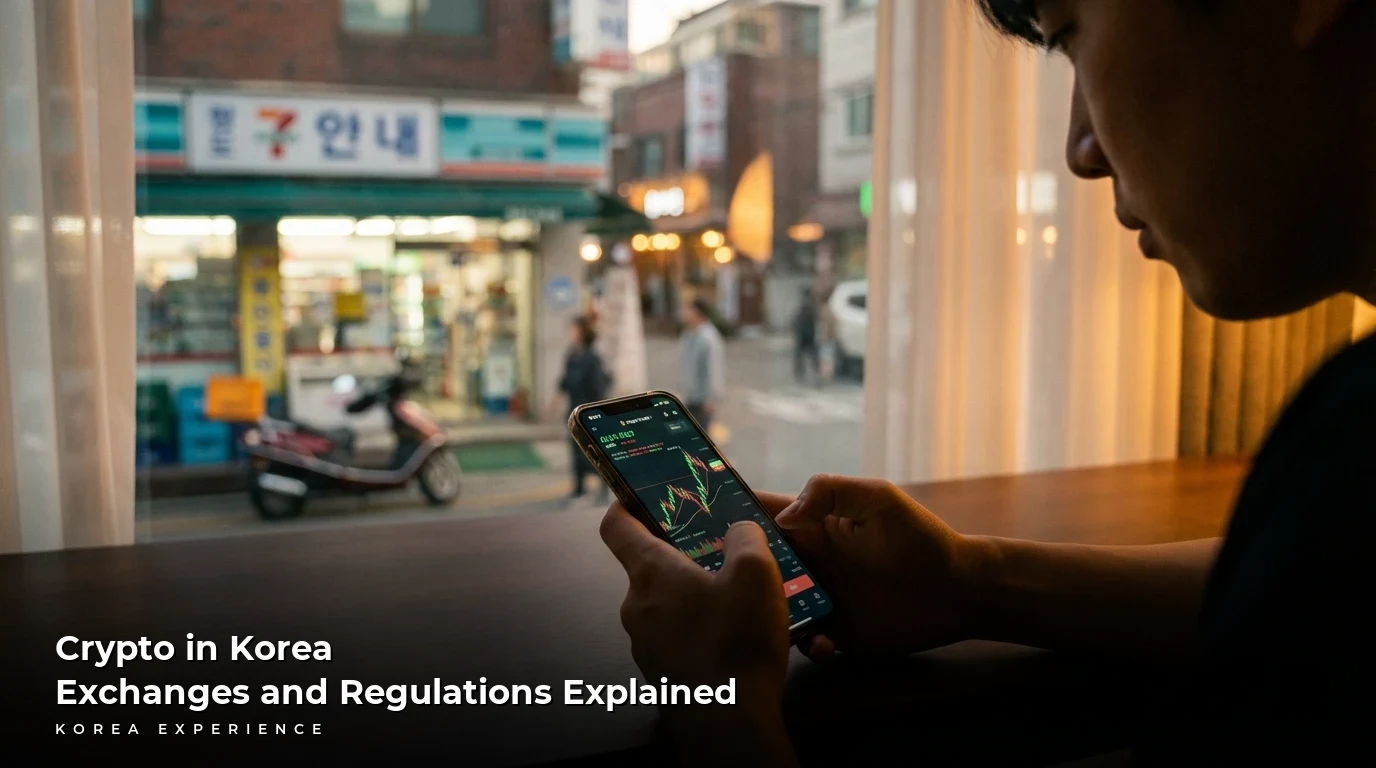
Navigating cryptocurrency in Korea can be complex. This guide covers exchanges, regulations, tax implications, and practical tips for expats and travelers.

Master the fast-paced Pali-Pali culture in South Korea's workplaces. Essential guide for expats & international professionals in 2026.

Discover Seoul's underground malls where trendy fashion costs just 10,000 KRW. Our 2026 guide covers 5 top locations, shopping hacks, and essential locker tips.

Considering plastic surgery in Korea? Learn what to expect, from choosing a clinic to recovery, costs, and essential tips for international visitors.
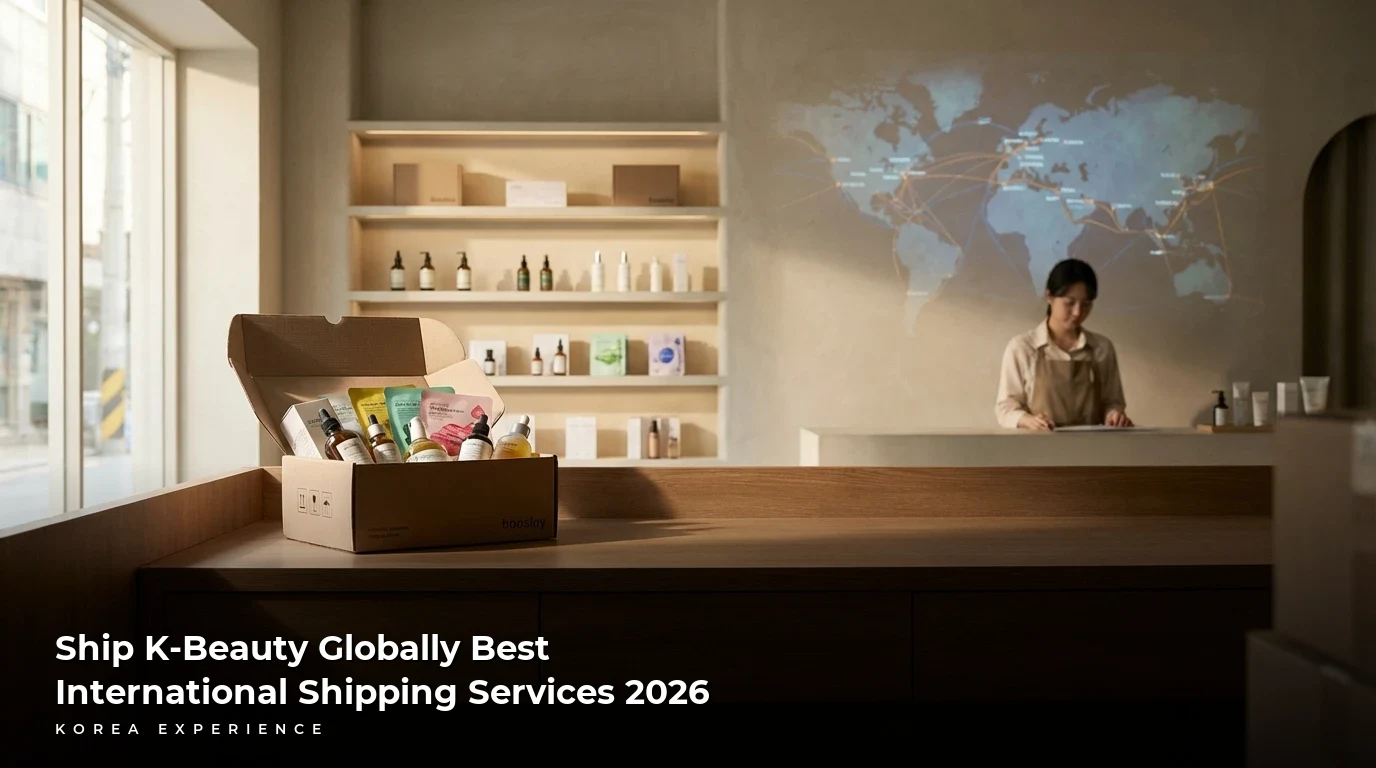
Master international K-Beauty shipping from Korea in 2026. Discover top services, costs, regulations, and expert tips for safe delivery worldwide.

Complete guide to K-Pop auditions in 2026. Learn about global castings, the Big 4 agencies, and essential tips for international applicants.