Master Namdaemun Bargaining: Tips for Travelers
Unlock the secrets of haggling at Seoul's historic Namdaemun Market. Learn expert bargaining strategies, cultural etiquette, and savvy shopping tips for a rewarding experience.
Introduction: Discovering the Thrill of Namdaemun Market Shopping
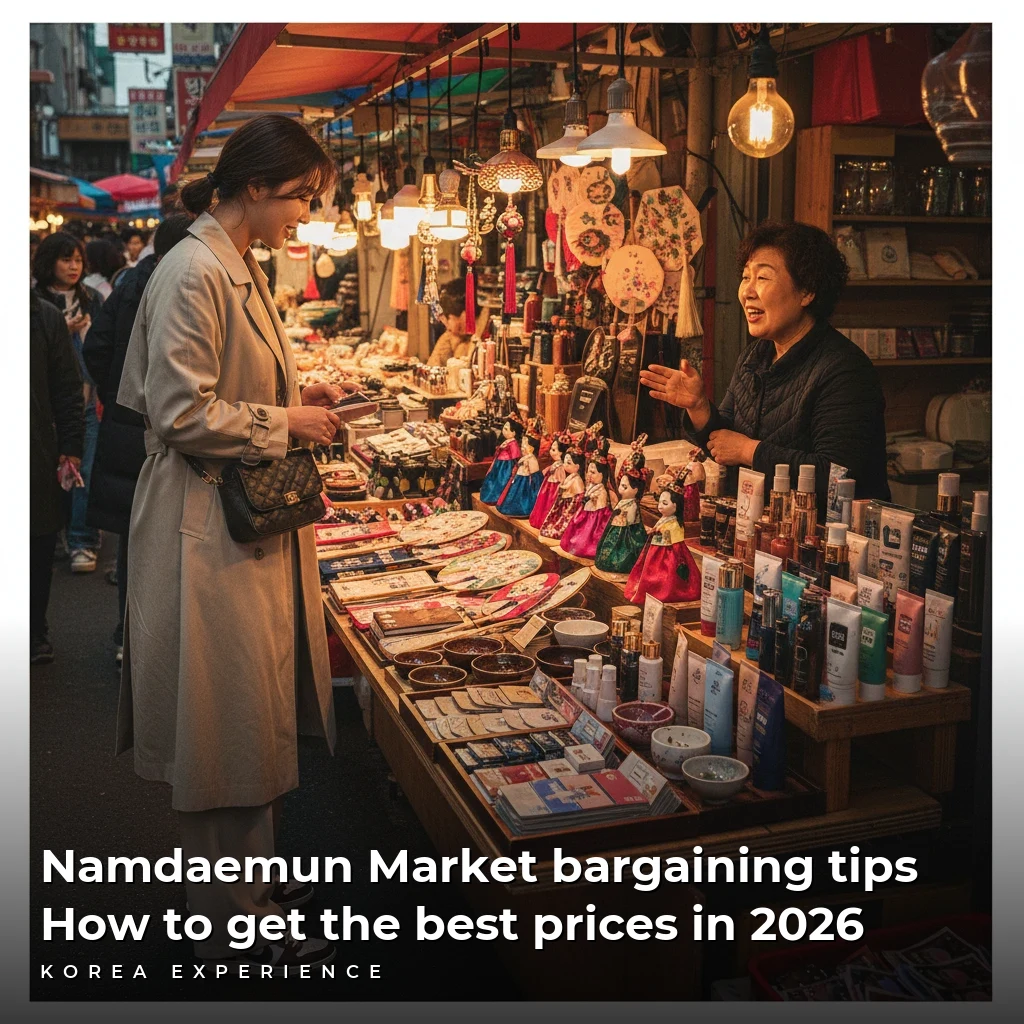
Nestled in the heart of Seoul, Namdaemun Market stands as a vibrant testament to Korea's rich merchant history. For centuries, this sprawling outdoor market has been a bustling hub where locals and visitors alike converge to find everything from traditional crafts and children's clothing to tantalizing street food and trendy accessories. Its energetic atmosphere, a symphony of vendors calling out their wares and shoppers eagerly seeking deals, is an experience not to be missed for any international traveler.
However, for many unfamiliar with Korean market culture, the concept of bargaining can be daunting. Unlike fixed-price retail stores, Namdaemun Market thrives on the dynamic interplay between buyer and seller, where negotiation is often an expected part of the transaction. The problem many international visitors face is a lack of confidence and understanding regarding how to effectively haggle without causing offense, ultimately leading to missed opportunities for significant savings and a less authentic shopping experience.
This comprehensive guide is designed to empower you with essential Namdaemun Market bargaining tips, transforming you from a hesitant onlooker into a savvy shopper. We will delve into the cultural nuances of negotiation, equip you with practical strategies, and share insider knowledge to help you confidently navigate Namdaemun's bustling alleys. By the end of this post, you'll be well-prepared to secure the best deals, immerse yourself fully in the market's charm, and leave with cherished souvenirs and unforgettable memories. Get ready to master the art of the deal at one of Seoul's most iconic shopping destinations!
Understanding Namdaemun Market: A Shopper's Paradise
Before diving into the intricacies of bargaining, it's crucial to understand the environment you'll be entering. Namdaemun Market isn't just a collection of stalls; it's a living, breathing entity with its own rhythms and rules.
A Brief History and Its Unique Charm
Namdaemun Market traces its origins back to the 15th century, making it one of the oldest and largest traditional markets in Korea. Its name, "Great South Gate," comes from its proximity to the historic Sungnyemun Gate (Namdaemun Gate), which was once the main southern entrance to the walled city of Hanyang (now Seoul). Over the centuries, it has evolved from a small trading post into a colossal marketplace, adapting to changing times while retaining its traditional soul.
What gives Namdaemun its unique charm is its sheer diversity and the palpable sense of history. Unlike modern shopping malls, the market offers a labyrinthine network of narrow alleys, each specializing in different goods. The sensory overload – the aromas of street food, the vibrant colors of textiles, the clamor of voices – creates an authentic Korean experience that is hard to replicate. It's a place where tradition meets modernity, where you can find both ancient remedies and the latest trends.
What You Can Find: From Souvenirs to Street Food
Namdaemun Market is famed for its incredible variety. While many first-time visitors expect only tourist trinkets, the market caters to a much broader clientele, including local retailers and wholesale buyers. This diverse offering is precisely why bargaining is so prevalent.
- Apparel: Children's clothing is a major draw, with entire sections dedicated to stylish and affordable outfits. You'll also find adult clothing, from casual wear to traditional hanbok.
- Accessories: Bags, hats, scarves, jewelry, and eyewear are available in abundance, often at competitive prices.
- Household Goods: Kitchenware, bedding, and small appliances are popular with local shoppers.
- Crafts and Souvenirs: Traditional Korean crafts, stationery, novelty items, and tourist souvenirs like keychains, magnets, and small figurines are plentiful.
- Eyeglasses: Namdaemun is particularly famous for its spectacle shops, offering quick service and often much lower prices than elsewhere.
- Street Food: No visit is complete without indulging in the market's gastronomic delights. From hotteok (sweet pancakes) and tteokbokki (spicy rice cakes) to mandu (dumplings) and eomuk (fish cakes), the food stalls offer a delicious journey through Korean cuisine.
- Dried Seafood and Ginseng: Specialized shops sell high-quality dried seafood, seaweed, and various ginseng products, prized for their health benefits.
Market Layout and Key Areas
Navigating Namdaemun can feel like an adventure. The market is broadly organized into sections, though often without clear signage for non-Korean speakers. Key areas to look out for include:
- Kids' Clothing Alley: A vibrant street overflowing with children's garments. This is an excellent place to practice your bargaining skills due to the high volume of goods and multiple vendors selling similar items.
- Accessory Street: Full of shops selling affordable jewelry, hair accessories, and fashion items.
- Craft and Souvenir Section: Located near Gates 4 and 5, where you'll find a concentrated area of traditional Korean crafts.
- Food Alleys: Numerous food stalls are scattered throughout, but some concentrated areas offer a wider selection of hot snacks and meals, particularly near Sungnyemun Gate.
Familiarizing yourself with the general layout, even through a quick map glance online, will help you feel more comfortable and strategic in your shopping approach.
The Art of Bargaining: Why It's Essential at Namdaemun
Bargaining, or "ggakda" (깍다) in Korean (meaning 'to cut' or 'reduce'), is deeply ingrained in the culture of traditional Korean markets. It's not just about saving money; it's an interaction, a dance between buyer and seller that adds to the overall market experience.
Not All Items Are Negotiable: Know What to Haggle For
One of the first rules of Namdaemun Market bargaining is to understand that not everything is up for negotiation. Trying to haggle over items with clearly marked prices or at food stalls is generally frowned upon and unproductive.
Negotiable vs. Non-Negotiable Items
| Category | Negotiable (Usually) | Non-Negotiable (Generally) |
|---|---|---|
| Apparel | Adult clothing, scarves, hats, bags, children's sets | Single children's items, socks, underwear, basic t-shirts |
| Accessories | Jewelry sets, larger fashion accessories, eyeglasses | Small hairpins, simple keychains, items under 5,000 Won |
| Crafts/Souvenirs | Larger crafts, sets of items, artwork, custom pieces | Small, mass-produced souvenirs (e.g., single magnets) |
| Household Goods | Cookware sets, bedding, electronics | Single utensils, small kitchen gadgets |
| Food | Large quantities of dried goods, ginseng products | All street food, prepared snacks, single produce items |
| Service-Based | Bulk orders, customized items | Express shipping, small repairs |
Generally, the higher the price of the item, the more room there is for negotiation. Bundled items or multiple purchases from the same vendor also present excellent bargaining opportunities.
Cultural Nuances of Price Negotiation in Korea
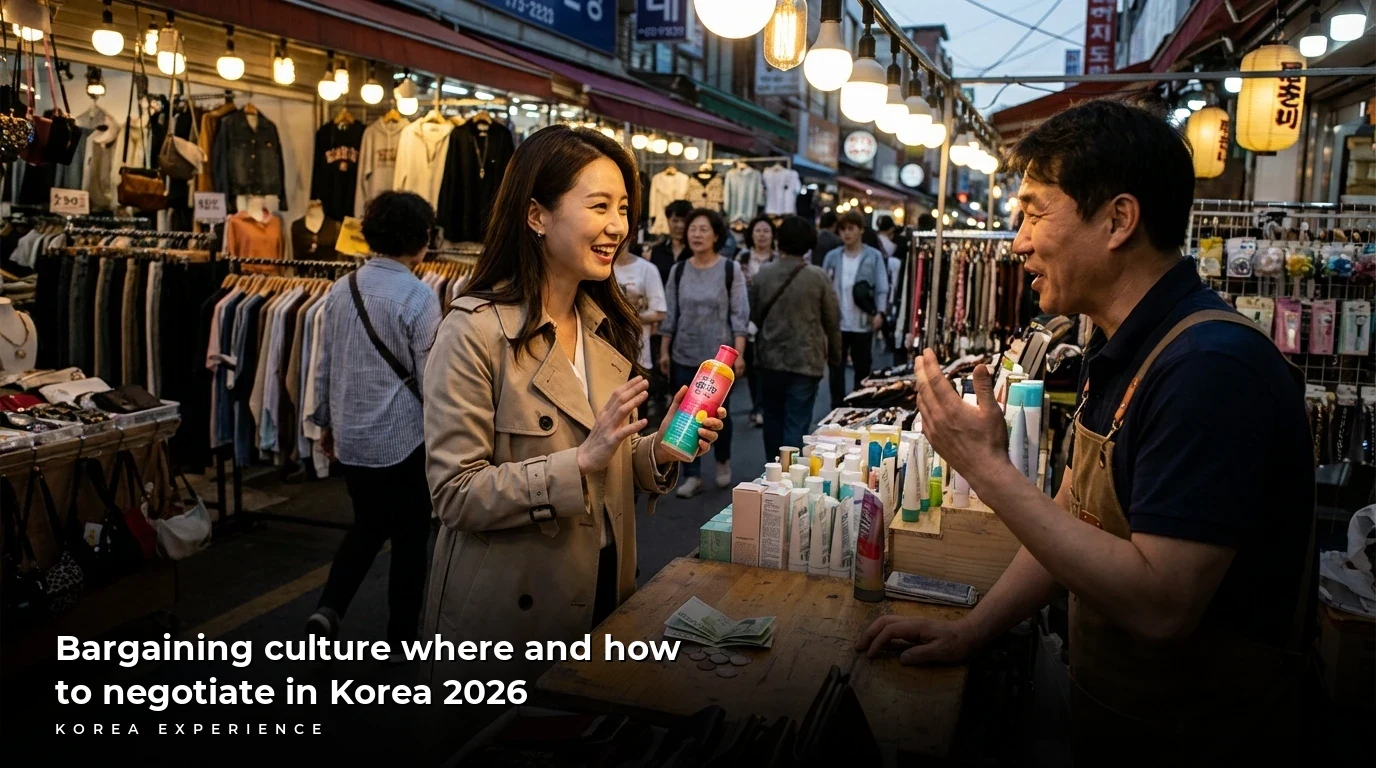
Bargaining in Korea, especially in traditional markets, is often more subtle than in some other cultures. It's less about aggressive haggling and more about polite persuasion and building a good rapport.
- Respect is Key: Always maintain a respectful and friendly demeanor. A smile and a polite tone go a long way.
- No Hard Feelings: If a vendor refuses to lower the price, accept it gracefully. Don't push too hard or become confrontational.
- It's a Dance: Think of it as a lighthearted exchange rather than a battle. The goal is a mutually agreeable price, not to "win" at all costs.
- "Service": Sometimes, instead of a direct price cut, vendors might offer "service" (service in English), which means a small freebie or an extra item. This is a common way to show appreciation and can be just as valuable as a discount.
The Initial Price: Expect Inflation for Tourists
It's an open secret that vendors in tourist-heavy areas often quote a higher initial price to foreign shoppers, anticipating that they will bargain. This isn't meant to be deceptive; it's simply part of the market dynamic. Your goal is to gently guide them towards a more reasonable price, closer to what a local might pay, or at least a price you're comfortable with. Don't be offended by the initial price; it's just the starting point of your negotiation.
Pre-Bargaining Preparation: Your Toolkit for Success
Success in bargaining at Namdaemun Market begins before you even say a word. Strategic preparation can significantly improve your chances of securing a great deal.
Do Your Research: Benchmark Prices
Before heading to Namdaemun, do a quick online search or even visit a few shops in other areas (like Myeongdong or Insadong) to get a general idea of prices for items you're interested in. This benchmark knowledge will give you a realistic range and prevent you from overpaying or asking for an unrealistic discount. For example, if a souvenir keychain generally sells for 3,000 Won elsewhere, and a Namdaemun vendor quotes 5,000 Won, you know there's definite room to negotiate.
Learn Basic Korean Phrases for Bargaining
While many vendors in Namdaemun have some grasp of English, especially in tourist-focused stalls, knowing a few key Korean phrases can be a game-changer. It shows respect for the local culture and can open doors to better interactions and deals.
- "Eolmayeyo?" (pronounced: Uhl-ma-yay-yo?) - "How much is it?" This is your primary question.
- "Kkakka juseyo." (pronounced: Kka-kka joo-say-yo.) - "Please give me a discount/cut the price." This is the magic phrase for bargaining.
- "Neomu bissaeyo." (pronounced: Nuh-moo bis-sa-yay-yo.) - "It's too expensive." Use this gently, not dismissively.
- "Juseyo." (pronounced: Joo-say-yo.) - "Please give me (it)." Useful when pointing to something.
- "Gam-sa-ham-ni-da." (pronounced: Gam-sa-ham-nee-da.) - "Thank you." Always use this, regardless of the outcome.
Even a simple "Eolmayeyo?" followed by a polite "Kkakka juseyo?" with a smile can initiate the negotiation process effectively.
Carry Cash (Korean Won): The Preferred Payment Method
While credit cards are widely accepted in many parts of Korea, cash is king in traditional markets like Namdaemun. Vendors often prefer cash as it avoids transaction fees and allows for more flexible pricing. Sometimes, you might even get a slightly better deal if you offer to pay in cash. Make sure you have a good mix of denominations, as vendors may not always have change for large bills. There are ATMs available around the market if you need to withdraw cash.
Go Early or Late: Strategic Timing
The timing of your visit can subtly influence your bargaining power.
- Early Morning: Vendors are often keen to make their first sale of the day (known as "cheot gae-si" - 첫 개시). A quick first sale is considered good luck, so they might be more amenable to a discount to kickstart their day.
- Late Afternoon/Evening (before closing): As the market winds down, vendors might be more willing to offer deals to clear out their inventory, especially for perishable goods or items they want to sell before packing up.
Avoid the peak midday rush if you want a more relaxed bargaining experience, as vendors will be busier and have less time for individual negotiations.
Dress Down, Not Up: Appearances Matter
While it might seem superficial, how you present yourself can sometimes influence a vendor's initial price or willingness to negotiate. If you appear to be a wealthy tourist, vendors might be less inclined to offer a significant discount. Dressing in comfortable, casual clothes that blend in a bit more can subtly signal that you're a budget-conscious traveler looking for a good deal, potentially leading to a better starting point for negotiation. This isn't about deception, but about adjusting to the market environment.
Mastering the Bargain: Step-by-Step Strategies
With your preparation complete, it's time to put your skills to the test. Here's how to approach the actual negotiation process at Namdaemun Market.
Start Low, but Be Reasonable
Once you've asked "Eolmayeyo?" and the vendor gives a price, don't immediately accept it. Instead, propose a counter-offer. A good rule of thumb is to offer 60-70% of their initial asking price, especially if you suspect it's inflated for tourists. However, your offer must be reasonable. Don't lowball excessively, as it can be considered disrespectful and shut down negotiations quickly. For example, if they say 30,000 Won for an item, you might counter with 20,000 Won.
The Art of the Walk-Away (and the Come-Back)
This is a classic bargaining tactic that often works wonders. If the vendor isn't budging on price, or if their final offer is still too high, politely thank them and begin to walk away. Sometimes, as you turn to leave, the vendor might call you back with a better offer. This shows them you're serious about your budget and not desperate for the item.
If they don't call you back, you have two options: either the price truly isn't negotiable, or you can try a different stall selling similar goods. Or, if you really want the item, you can sheepishly return after a minute or two and accept their last offer. This subtle dance requires confidence and a willingness to potentially miss out, but it's highly effective.
Buying in Bulk: Your Strongest Bargaining Chip
The most effective way to secure a discount at Namdaemun is to buy multiple items from the same stall. Whether it's three scarves, a set of children's clothes, or several souvenirs, the more you buy, the greater your leverage.
When negotiating for multiple items:
- First, establish the individual price of each item.
- Then, gather all the items you want and ask for a combined price, followed by "Kkakka juseyo" for a further discount on the total.
- Vendors are often eager to make a larger sale, so they'll be more inclined to offer a better overall deal. This is especially true in sections like the children's clothing alley.
The Power of Politeness and a Smile
Never underestimate the impact of a friendly attitude. A polite demeanor, a genuine smile, and a bit of lighthearted banter (even if it's just through gestures) can foster goodwill and make the vendor more willing to work with you. Avoid aggressive or demanding tones, as this will likely result in a firm "no" or a complete disengagement from the vendor. Remember, it's a social interaction, and people are generally more inclined to help those they like.
Inspect Before You Pay: Quality Assurance
Before finalizing your purchase and handing over payment, always thoroughly inspect the item. Check for any defects, loose threads, stains, or damage. Especially for clothing, make sure it's the correct size and color. Once you've paid and left the stall, returns or exchanges in traditional markets can be very difficult, if not impossible. A quick inspection can save you from later disappointment.
Negotiable vs. Non-Negotiable Items (Refined)
| Item Type | High Negotiation Potential | Low/No Negotiation Potential |
|---|---|---|
| Clothing & Accessories | Coats, leather goods, custom bags, jewelry sets | Socks, underwear, single t-shirts, hair ties |
| Traditional Crafts/Souvenirs | Hand-painted items, large ceramic pieces, bulk souvenirs (5+ items) | Small, mass-produced keychains, magnets |
| Eyeglasses | Frames, prescription lenses, package deals | Lens cleaning spray, single lens cases |
| Dried Foods/Ginseng | Large quantities (e.g., kilo of seaweed), premium ginseng roots | Small snack packs, single ginseng candies |
| General Goods | Any items bought in significant quantity | Items with clearly marked prices, food stalls |
Advanced Namdaemun Bargaining Techniques for Savvy Shoppers
Once you've mastered the basics, you can elevate your bargaining game with these more nuanced strategies.
The "Broken English" Advantage (or feigned confusion)
While it's good to know basic Korean, sometimes a bit of "broken English" or feigned confusion can work to your advantage. If a vendor is quoting a price you find too high, you can look a bit puzzled, perhaps mime that you don't fully understand, and then slowly pull out a calculator or show a lower number on your phone. This can sometimes elicit a lower offer from the vendor who might simplify their approach to make the sale, rather than engage in a drawn-out explanation. It's a subtle tactic, not meant to be disrespectful, but to gently shift the dynamic.
Group Bargaining: Strength in Numbers
If you're traveling with friends or family, leverage your collective buying power. Approach a stall as a group, express interest in multiple items (even if they are for different people), and then ask for a group discount. Vendors are often more willing to give a substantial discount for a larger overall sale. This is particularly effective for items like souvenirs or matching accessories.
Look for Hidden Deals and "Service" (Extra Freebies)
Sometimes, the best deals aren't direct price cuts but added value. If a vendor is firm on the price, you can try asking for "service." This might translate to:
- An extra small item: "Can you give me a small something extra?" (pointing to a small accessory or novelty).
- A slight upgrade: "If I buy this, can I get a nicer bag?"
- A free sample: Especially in food or dried goods stalls.
This shows you're still interested in the purchase and are looking for value, even if the price itself won't budge. Many Korean vendors take pride in offering "service" as a gesture of generosity and appreciation.
Building Rapport with Vendors
A memorable bargaining experience often comes from a positive interaction. If you've been to Namdaemun before and found a vendor you liked, revisit them. They might remember you and be more inclined to offer a better deal as a returning customer. A little friendly chat, a compliment on their goods, or expressing genuine interest in their products can go a long way in establishing a connection that might lead to a more favorable outcome.
Bargaining Styles: What Works and What Doesn't
| Effective Bargaining Style | Ineffective Bargaining Style |
|---|---|
| Polite & Friendly | Aggressive & Demanding |
| Patient & Persistent (Gently) | Impatient & Rushing |
| Smiling & Engaging | Scowling & Silent |
| Bundle Buying | Haggling over single, cheap items |
| Respectful "Walk-Away" | Storming Off in Anger |
| Asking for "Service" | Insisting on exact percentage discount always |
| Cash Payment | Only offering credit card for small purchases |
Beyond the Bargain: Enjoying Your Namdaemun Experience
While mastering the art of the deal is thrilling, remember that Namdaemun Market offers much more than just shopping. Embrace the full experience!
Sample Street Food Delights
One of the highlights of Namdaemun is its incredible array of street food. Take a break from shopping and treat your taste buds.
- Hotteok: A sweet, chewy pancake filled with brown sugar, cinnamon, and nuts. A must-try, especially the vegetable hotteok which offers a savory twist.
- Kalguksu: Hand-cut noodle soup, often found in a dedicated kalguksu alley, providing a hearty and comforting meal.
- Gyeranppang: A fluffy, slightly sweet bread with a whole egg baked inside.
- Mandu: Steamed or fried dumplings with various fillings.
- Tteokbokki: Spicy rice cakes, a quintessential Korean snack.
These food stalls generally have fixed prices, so enjoy them without the need to haggle. It's a fantastic way to refuel and absorb the local atmosphere.
Exploring Nearby Attractions
Namdaemun Market's central location makes it an ideal starting point for exploring other parts of Seoul.
- Sungnyemun Gate (Namdaemun Gate): Just steps away from the market, this majestic gate is a historic landmark and a symbol of Seoul.
- Deoksugung Palace: One of Seoul's five grand palaces, offering a beautiful blend of traditional and Western-style architecture. It's a peaceful retreat from the market's hustle.
- Myeongdong: A vibrant shopping and K-Beauty district just a short walk or subway ride away. After shopping for deals at Namdaemun, you can explore the latest K-Beauty trends and fashion in Myeongdong. (For more in-depth K-Beauty tips and shopping guides, check out our dedicated posts on Myeongdong!)
- Namsan Seoul Tower: Visible from many parts of the market, this iconic landmark offers panoramic views of the city and is accessible via a cable car or a pleasant walk.
Combining your Namdaemun visit with these attractions makes for a fulfilling day of sightseeing and cultural immersion.
Safety and General Etiquette Tips
- Watch Your Belongings: Namdaemun is crowded, so be mindful of your purse, wallet, and phone. Pickpocketing is rare but can occur in any busy area.
- Be Aware of Your Surroundings: The alleys can be narrow and busy with people and delivery scooters. Stay alert to avoid collisions.
- No Photography Without Permission: While street photography is generally accepted, always be polite and ask for permission before taking close-up photos of vendors or their specific stalls. A simple gesture and "Sajin jikeodo dwaeyo?" (Can I take a picture?) or even a polite bow and point can suffice.
- Keep the Flow: Don't block pathways while browsing or bargaining. Step aside if you need to pause and consider a purchase.
Payment Methods & Their Impact on Bargaining (Refined)
| Payment Method | Typical Impact on Bargaining | Best For |
|---|---|---|
| Cash (KRW) | Most preferred. Often allows for the best discounts, especially for larger purchases. | All purchases, especially when bargaining. |
| Credit Card | Widely accepted, but vendors might be less flexible with prices due to transaction fees. | Fixed-price items, larger purchases where cash isn't practical. |
| Mobile Pay (e.g., Apple Pay, Kakao Pay) | Less common in traditional market stalls than credit cards, sometimes not accepted. | Modern shops outside the immediate market area. |
FAQ: Your Namdaemun Market Bargaining Questions Answered
Here are some common questions international visitors have about bargaining at Namdaemun Market:
1. Is bargaining common in all Korean markets?
Bargaining is primarily common in traditional markets like Namdaemun, Gwangjang Market, and often in smaller, independent shops. In modern department stores, large chain supermarkets, and most restaurants/cafes, prices are fixed and non-negotiable. It's important to discern the environment – if it's a bustling outdoor or indoor traditional market, bargaining is usually expected and encouraged for certain items.
2. What is a reasonable discount to expect?
A reasonable discount can range from 10% to 30% off the initial quoted price, depending on the item, the vendor, and your bargaining skills. For high-value items or when buying in bulk, you might even achieve a slightly higher percentage. For lower-priced items (under 10,000 Won), expect closer to a 10-20% discount, or perhaps a small freebie instead of a direct price cut.
3. Should I feel guilty about bargaining?
Absolutely not! In traditional Korean markets, bargaining is a cultural norm and an expected part of the shopping experience for many items. Vendors anticipate it, especially from foreign tourists. It's seen as a friendly interaction, not an imposition, as long as you remain polite and respectful. Think of it as part of the fun and a way to engage with the local culture.
4. What if the vendor doesn't understand English?
Many vendors in Namdaemun, especially in tourist-heavy areas, will understand basic English phrases related to numbers and price. However, if they don't, use a calculator to show your desired price, or use the few Korean phrases you've learned like "Eolmayeyo?" (How much?) and "Kkakka juseyo?" (Discount, please?). Hand gestures and a friendly smile can also bridge communication gaps effectively. Don't let language barriers deter you.
5. Can I return items purchased at Namdaemun Market?
Returns and exchanges are generally not common or guaranteed in traditional markets like Namdaemun. It's a "buyer beware" environment to some extent. This is why it's crucial to thoroughly inspect items before purchasing them. If you buy clothing, consider trying it on if possible, or at least carefully checking measurements. Once you've paid and left the stall, it's highly unlikely you'll be able to return an item, unless there's a clear defect that was not visible at the time of purchase and you return very quickly with your receipt. Always assume sales are final.
Conclusion: Shop Smart, Explore More, and Enjoy Namdaemun
Navigating the bustling alleys of Namdaemun Market and engaging in the age-old tradition of bargaining is more than just a transaction; it's an immersive cultural experience. By applying these Namdaemun Market bargaining tips, you're not just saving money – you're actively participating in the vibrant pulse of Seoul's oldest and largest traditional market. You'll gain confidence, make meaningful connections with local vendors, and leave with a deeper appreciation for Korean culture.
Here are your actionable takeaways to ensure a successful Namdaemun adventure:
- Prepare Before You Go: Research prices, carry Korean Won cash, and learn a few key Korean phrases like "Eolmayeyo?" and "Kkakka juseyo."
- Identify Negotiable Items: Focus your bargaining efforts on higher-priced goods, multiple items, and apparel, rather than street food or clearly marked low-value items.
- Be Polite and Patient: Approach every interaction with a smile and a respectful attitude. Bargaining is a friendly negotiation, not a confrontation.
- Leverage Volume: Your strongest bargaining chip is buying multiple items from the same vendor. Don't hesitate to ask for a group discount or "service."
- Don't Be Afraid to Walk Away: If the price isn't right, a polite walk-away can often lead to a better offer.
- Inspect Before You Pay: Always check items thoroughly for quality and condition before completing your purchase, as returns are typically not an option.
- Enjoy the Whole Experience: Savor the delicious street food, explore the unique sections, and take advantage of Namdaemun's proximity to other incredible Seoul attractions.
With these expert strategies in your toolkit, you're now ready to confidently dive into the dynamic world of Namdaemun Market. Go forth, haggle with a smile, discover hidden treasures, and create unforgettable memories during your Korean shopping adventure! Happy bargaining!
About the Author
Korea Experience Team
Written by the Korea Experience editorial team - experts in Korean medical tourism, travel, and culture with years of research and firsthand experience.
⚠️ Medical Disclaimer
The information provided on this website is for general informational purposes only and does not constitute medical advice. Always consult with qualified healthcare professionals before making any medical decisions.
Continue Reading
Explore more articles you might find interesting
Learn to identify counterfeit K-Beauty products when shopping online in 2026. Protect your skin and wallet with expert tips and detailed comparisons.
Learn how to ship your Korean shopping haul home. This guide covers shipping options, estimated costs, customs duties, and practical tips for a smooth experience.
Uncover the honest truth about finding Korean foundations for darker skin tones. Expert tips, top product recommendations, and where to shop in Korea.