Bargaining culture where and how to negotiate in Korea 2026
Master the art of negotiation in Korea. Learn where to bargain, essential phrases, and how to save 10-20% at markets like Dongdaemun and Namdaemun.
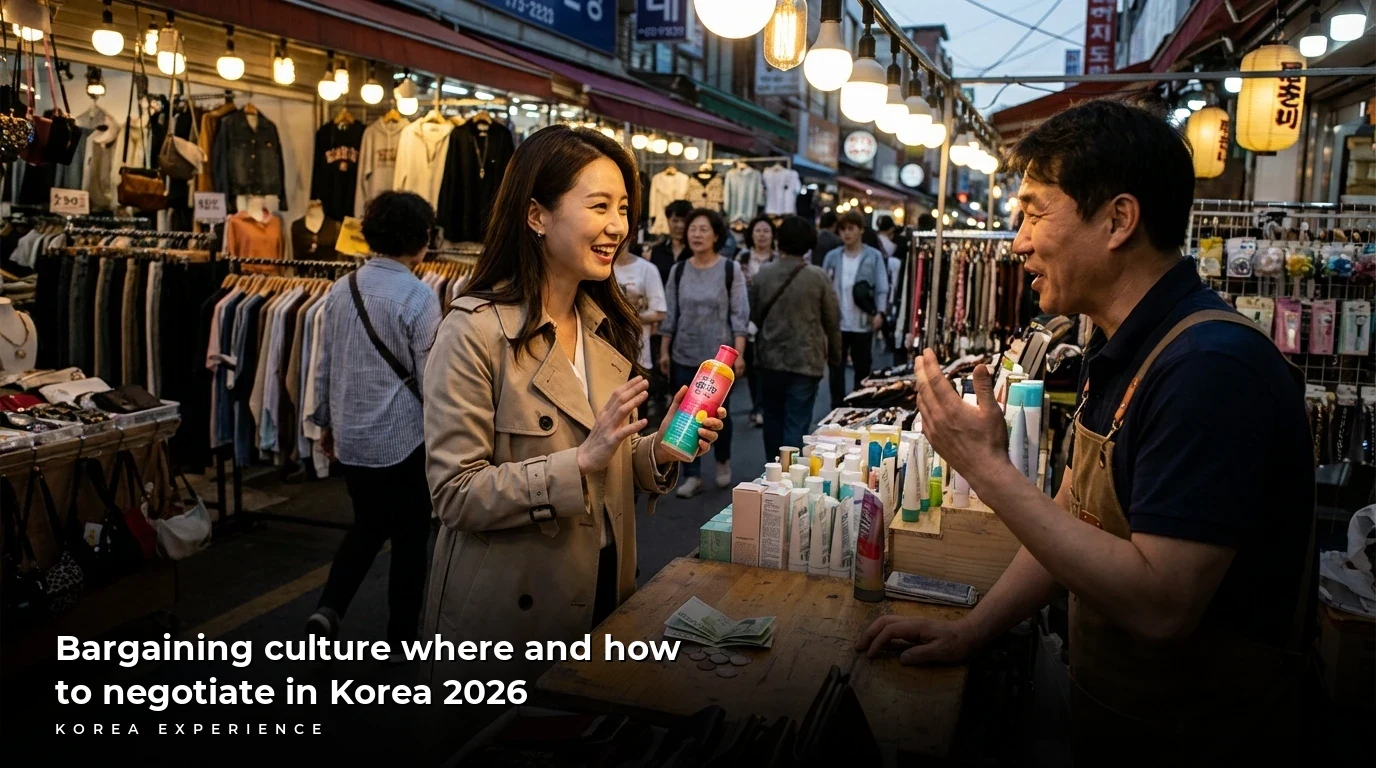
If you are planning a trip to Seoul in 2026, you are likely budgeting for significant shopping expenses. One of the most common questions international travelers ask is whether bargaining is acceptable in South Korea. The answer is nuanced: unlike the aggressive haggling cultures found in parts of Southeast Asia or the Middle East, Korean bargaining is subtler, situational, and heavily reliant on context. Generally, you can negotiate in traditional markets, underground shopping malls, and some electronics hubs, but never in department stores, franchise shops, or convenience stores. Understanding the unwritten rules of heung-jeong (negotiation) can save you approximately 10% to 20% on your purchases, but pushing too hard can be considered rude.
The short answer: Bargaining is acceptable in traditional markets (Namdaemun, Dongdaemun) and underground malls (Goto Mall) when paying with cash. Expect modest discounts of 1,000 to ₩5,000 ($0.75-$3.75 USD) per item or request "Service" (free gifts) rather than deep price cuts.
Key Takeaways
- 1Bargaining is generally limited to non-price-tagged items in traditional markets and underground malls
- 2Paying with cash is the single most effective tool for securing a 10-15% discount
- 3The concept of 'Service' (free gift) is often more culturally appropriate than asking for a price reduction
- 4Never attempt to bargain at department stores like Lotte, Shinsegae, or The Hyundai Seoul
The Korean Bargaining Landscape: Rules of Engagement
To understand bargaining in Korea, you must first understand the modern retail landscape. As of 2026, South Korea is a highly digitized society where credit card usage exceeds 80% of all transactions. In standard retail environments, prices are fixed (Jeong-chal-je). However, in specific zones where individual owners operate small stalls, the price is often "open" or negotiable, especially if you help the vendor avoid credit card processing fees, which typically range from 2.5% to 3.5% for small merchants.
The goal of bargaining in Korea is not to "win" against the merchant, but to build a momentary relationship, or Jeong (affection/connection). If you approach a vendor with a smile and a polite demeanor, you are far more likely to succeed than if you point out flaws in the product to drive the price down.
📋 Bargaining Snapshot
The "Cash is King" Philosophy
The most powerful negotiation tool in your arsenal is physical currency. While Korea is nearly cashless, vendors in places like the Express Bus Terminal Underground Mall (Goto Mall) or Dongdaemun's wholesale markets operate on tight margins.
When you pay by credit card, the vendor pays a transaction fee and must report the income instantly for tax purposes (10% VAT). By offering cash, you are essentially saving them money. It is standard practice to ask, "Is the price different for cash?" In many underground malls, a sweater tagged at ₩15,000 might drop to ₩13,000 or ₩14,000 immediately upon seeing a ₩10,000 bill.
Pro Tip: The ATM Strategy
Always withdraw cash before entering shopping districts. ATMs inside markets often charge high foreign transaction fees (up to ₩4,000 per withdrawal). Carry bills in ₩10,000 and ₩50,000 denominations.
Where to Negotiate: A Geographic Guide
Not all markets welcome bargaining. Knowing the specific districts where this behavior is expected prevents social awkwardness.
1. Dongdaemun Fashion District (Wholesale & Retail)
Dongdaemun is the beating heart of Korean fashion, but it is divided into two distinct worlds: the retail malls and the wholesale markets.
- Retail Malls (Doota, Hyundai City Outlets): Generally fixed prices. Doota, for example, functions more like a department store. While you might get a small discount on a high-ticket item (over ₩100,000) if paying cash, it is rare.
- Wholesale/Semi-Retail Malls (Migliore, Hello apM, Good Morning City): These are prime bargaining spots. The vendors here are individual owners.
- Night Markets (Nyu Nyu, The Mask Shop): These operate late, often from 8:00 PM to 5:00 AM. Prices here are already wholesale (very low), so bargaining is harder unless buying in bulk (5+ items).
Migliore Mall Dongdaemun(밀리오레)
If you are looking for somewhere to stay close to the action so you can drop off your shopping bags, check out our guide on best areas to stay near shopping districts.
2. Namdaemun Market
Namdaemun is Seoul's oldest and largest traditional market, dating back to 1414. It spans over 66,000 square meters and houses over 10,000 stores. Here, bargaining is expected for items like luggage, eyeglasses, souvenirs, and ginseng. It is less common for food items, which usually have set prices (e.g., Hotteok is fixed at 1,500-₩2,000).
The Eyewear Opportunity: Namdaemun is famous for optical shops. You can get prescription glasses made in 20-30 minutes. While the lens prices are often fixed by a chart, the frames are highly negotiable. If a frame is marked ₩50,000, you can often get it for ₩40,000, or get a free case and cleaning cloth upgrade.
3. Underground Shopping Malls (Goto Mall, Gangnam Station)
Seoul has massive subterranean shopping networks. "Goto Mall" at the Express Bus Terminal is 880 meters long with over 600 stores. The competition here is fierce, which keeps prices low (e.g., t-shirts for ₩10,000). Because margins are razor-thin, deep discounts are rare. However, if you buy three items totaling ₩45,000, asking to round it down to ₩40,000 is an acceptable move.
4. Yongsan Electronics Market & Techno Mart
Historically known for aggressive sales tactics, Yongsan has cleaned up its image significantly by 2026. However, it remains a place where prices fluctuate. For cameras, laptops, and computer parts, checking the price on "Danawa" (a Korean price comparison site) is essential before visiting. Show the vendor the online price; they will often match it or come close to it for a cash payment.
💵 Bargaining Potential by Location
Fixed price, tax refund only
Fixed prices displayed
Start at 70% of asking price
Only on bulk buys (3+ items)
How to Bargain: A Step-by-Step Guide
Bargaining requires confidence and a bit of theatricality. Here is a walkthrough of a typical interaction in a clothing stall.
📖 How to Negotiate Successfully
Step 1: Browse Silently
Look at the items without showing excessive excitement. If you look too eager, the price stays high.
Step 2: Ask the Price
Ask 'Ol-ma-ye-yo?' (How much is it?). If the price isn't written down, the vendor will quote you.
Step 3: The Flinch
When they give the price, react with mild surprise. 'Ah, bissayo' (It's expensive).
Step 4: The Counter-Offer
Offer a cash price. If they say 35,000, suggest 30,000 cash.
Step 5: The Walk Away
If they refuse, slowly start to leave. 50% of the time, they will call you back with a lower price.
Essential Vocabulary
You don't need to be fluent in Korean, but five phrases will earn you respect and discounts.
- Ol-ma-ye-yo? (얼마예요?) – How much is it?
- Bi-ssa-yo (비싸요) – It’s expensive.
- Kkak-a-ju-se-yo (깎아주세요) – Please give me a discount. (Use this with a smile!).
- Hyeon-geum (현금) – Cash. (e.g., "Hyeon-geum discount?")
- Service? (서비스?) – Can you give me a free gift? (pronounced "Seo-bi-seu").
"Foreigners often say 'Kkak-a-ju-se-yo' too aggressively. Instead, try saying 'Ssage hae-ju-se-yo' (Please do it cheaply for me) with a pleading look. It sounds softer and more natural. Also, mentioning you are a student or a traveler on a budget often triggers the 'Mother/Auntie' instinct in older female vendors."
The "Service" Culture (Bonus Goods)
In Korea, sometimes the price is firm, but the value is flexible. This is the culture of "Service" (Seo-bi-seu). If you are buying K-beauty products in Myeongdong or bulk socks in Namdaemun, the vendor might refuse to drop the price from ₩50,000 to ₩45,000, but they might happily throw in a pair of socks worth ₩2,000 or a handful of face mask samples.
Recognizing when to switch from asking for a discount to asking for "Service" is the mark of an expert shopper. If the vendor looks stern when you mention price, pivot immediately: "Okay, full price. But Service juseyo?" This usually breaks the tension and results in free goodies.
For a deeper dive into beauty shopping where "Service" culture is rampant (samples galore!), read our guide on best under-the-radar K-beauty brands gaining popularity in 2026.
The Psychology of the "First Customer"
There is a superstition among older Korean merchants regarding the first customer of the day, known as Gaesi (개시). If the first customer buys something, it brings good luck for the rest of the day. If the first customer haggles too much and leaves without buying, it is considered a bad omen for the day's sales.
Time your visits:
- Morning Markets (Namdaemun): Arrive around 10:00 AM - 10:30 AM.
- Night Markets (Dongdaemun): Arrive shortly after opening (8:00 PM - 9:00 PM).
If you are the first customer, you have leverage. The vendor wants to make that sale to "open the door" for money to flow in. However, be respectful; if you take up 20 minutes of their time and don't buy, you might get a scolding that is sharper than usual.
What to Avoid: Common Mistakes
While bargaining can be fun, there are lines you shouldn't cross.
Bargaining Etiquette
- ✓Smiling and being polite
- ✓Paying in cash
- ✓Walking away if the price is too high
- ✓Asking for 'Service' instead of money off
- ✗Bargaining on items with price tags (barcodes)
- ✗Bargaining at food stalls for small amounts
- ✗Criticizing the quality of the goods excessively
- ✗Agreeing on a price and then not buying
The "Foreigner Price"
Does the "foreigner price" exist in 2026? Unfortunately, yes, though it is less common than in the past due to social media exposing bad vendors. It is most prevalent in:
- Taxis: Drivers refusing to use the meter (illegal).
- Street Food in Myeongdong: Prices here are generally 30-50% higher than in residential neighborhoods.
- Unmarked Clothing Stalls: If there is no sign, the price might double for a tourist.
How to avoid it: Before asking the price, observe a local buying the item. If a Korean customer pays ₩5,000 for a pair of socks, and the vendor asks you for ₩8,000, politely say, "I saw that person pay 5,000." The vendor will usually correct the price immediately without argument.
Digital Bargaining: The Rise of Karrot Market
For expats or long-term travelers living in Korea, the bargaining landscape has shifted online. The app Karrot Market (Danggeun Market) has over 19 million users in Korea. It is a hyper-local secondhand marketplace.
If you are staying in Korea for a month or more, you can find incredible deals on luggage, adapters, or even unused K-pop merchandise.
📊 Karrot Market Stats
Bargaining on Karrot is expected. A typical message flow involves asking if the price is negotiable ("Nego ganeung-hangayo?"). If you are looking to save money during a longer stay, this is a goldmine. For tips on navigating life in Korea, check our article on best neighborhoods for expats in seoul 2026.
Budget Breakdown: What Should You Pay?
To help you negotiate effectively, you need a baseline. Here are the average "fair" street prices in Seoul for common items in 2026. If the initial quote is significantly higher, start bargaining.
- Cotton T-Shirt (Made in Korea): 10,000 – ₩15,000.
- Trendy Sweater/Knit: 15,000 – ₩25,000.
- Fashion Eyeglass Frames: 10,000 – ₩20,000.
- Socks: ₩1,500 per pair (or 10 pairs for ₩10,000 - a standard deal).
- Phone Case: 10,000 – ₩15,000.
- Souvenir Magnet: 3,000 – ₩5,000.
If you are budgeting for your entire trip, you might find our guide on budget travel in Korea: how to see Seoul for $50 a day incredibly useful for allocating funds between shopping, food, and accommodation.
Advanced Tactics: The "Bundle" Strategy
If you find a shop you like, buy everything there. Vendors love volume.
- Select multiple items: Pick out a shirt, a pair of pants, and a hat.
- Calculate the total: Let's say it comes to ₩58,000.
- The Round Down: Ask, "₩50,000 cash?"
- The Result: The vendor saves the credit card fee and moves three items at once. They will likely agree, or meet you in the middle at ₩53,000.
This works exceptionally well in underground malls like Gangnam Station Underground Shopping Center.
Where to Shop: Price vs. Experience
| Feature | Department Store | Myeongdong Streets | Underground Mall | Traditional Market |
|---|---|---|---|---|
| Bargaining | ❌ | Limited | Moderate | High |
| Fitting Rooms | Yes | Rare | Rare | No |
| Price Level | $$$ | $$ | $ | $ |
| English Spoken | Good | High | Low | Low |
Case Study: Buying a Hanbok
Many tourists want to buy a traditional Hanbok (Korean dress) rather than rent one. At Gwangjang Market or Dongdaemun Fabric Market, a custom or semi-custom Hanbok can cost anywhere from ₩200,000 to ₩800,000.
Negotiation Strategy for Hanbok:
- Don't haggle the fabric price too much: The margins on silk are tight.
- Haggle the accessories: Ask for the norigae (hanging ornament), clutch bag, or shoes to be included for free. These accessories have high markups, so vendors are happy to "gift" them to close a high-value sale.
For those not ready to buy, renting is a fantastic option. Read our hanbok rental complete guide for pricing and etiquette.
Frequently Asked Questions
❓ Bargaining in Korea FAQ
Have more questions?Contact us →
Final Thoughts
Bargaining in Korea is less about the battle for the lowest penny and more about the cultural dance of Jeong. It is a shared moment where the buyer acknowledges the value of the goods, and the seller acknowledges the value of the customer's cash and patronage.
When you walk into Namdaemun or Dongdaemun in 2026, keep your ₩10,000 bills ready, smile genuinely, and don't be afraid to ask, "Is this the best price?" The worst they can say is no, but more often than not, you'll walk away with a small discount and a story to tell.
Happy shopping!
About the Author
Korea Experience Team
Written by the Korea Experience editorial team - experts in Korean medical tourism, travel, and culture with years of research and firsthand experience.
Explore more in Shopping & K-Beauty
From Olive Young hauls to Myeongdong shopping tips — discover the best K-Beauty products, fashion trends, and shopping destinations in Korea.
Browse All Shopping & K-Beauty ArticlesContinue Reading
Explore more articles you might find interesting
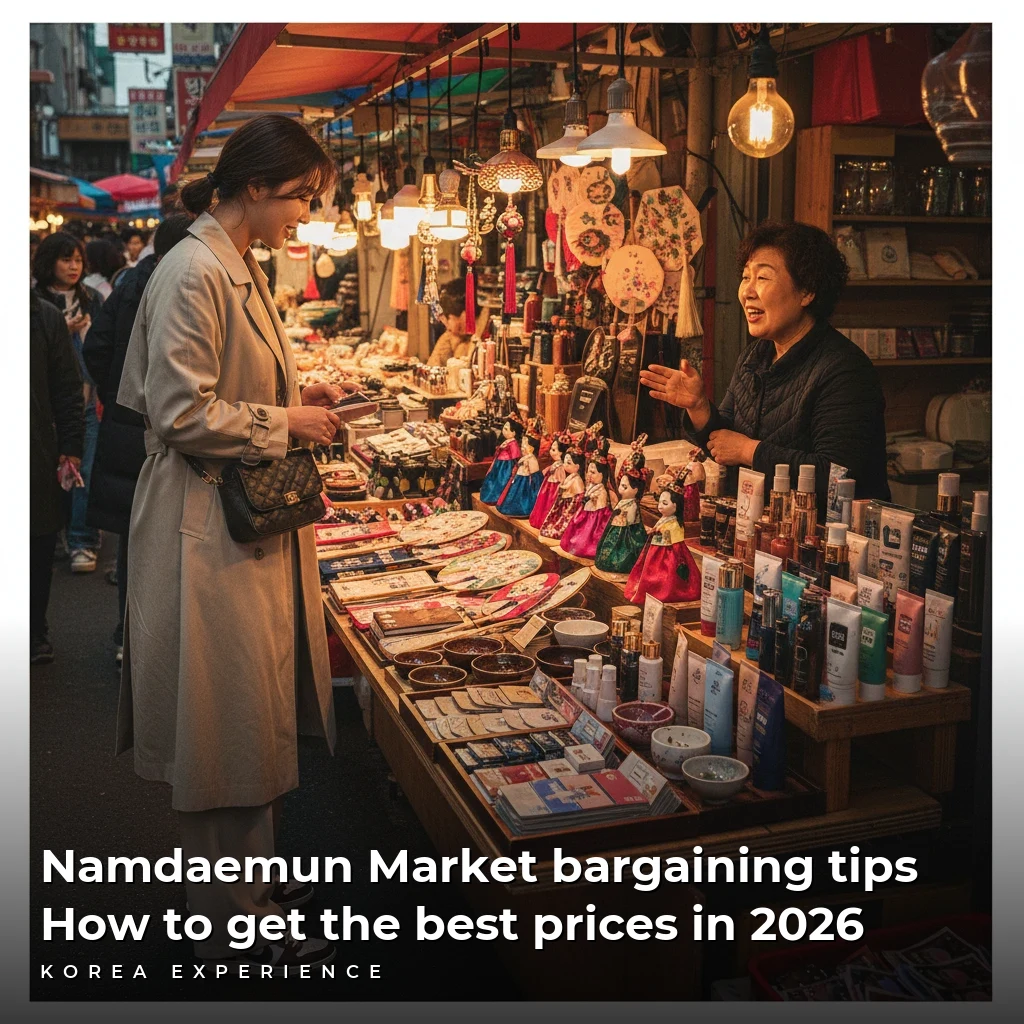
Master Namdaemun Market bargaining tips with our 2026 guide. Save 10-20% on clothes and souvenirs while navigating Seoul's oldest market like a pro.
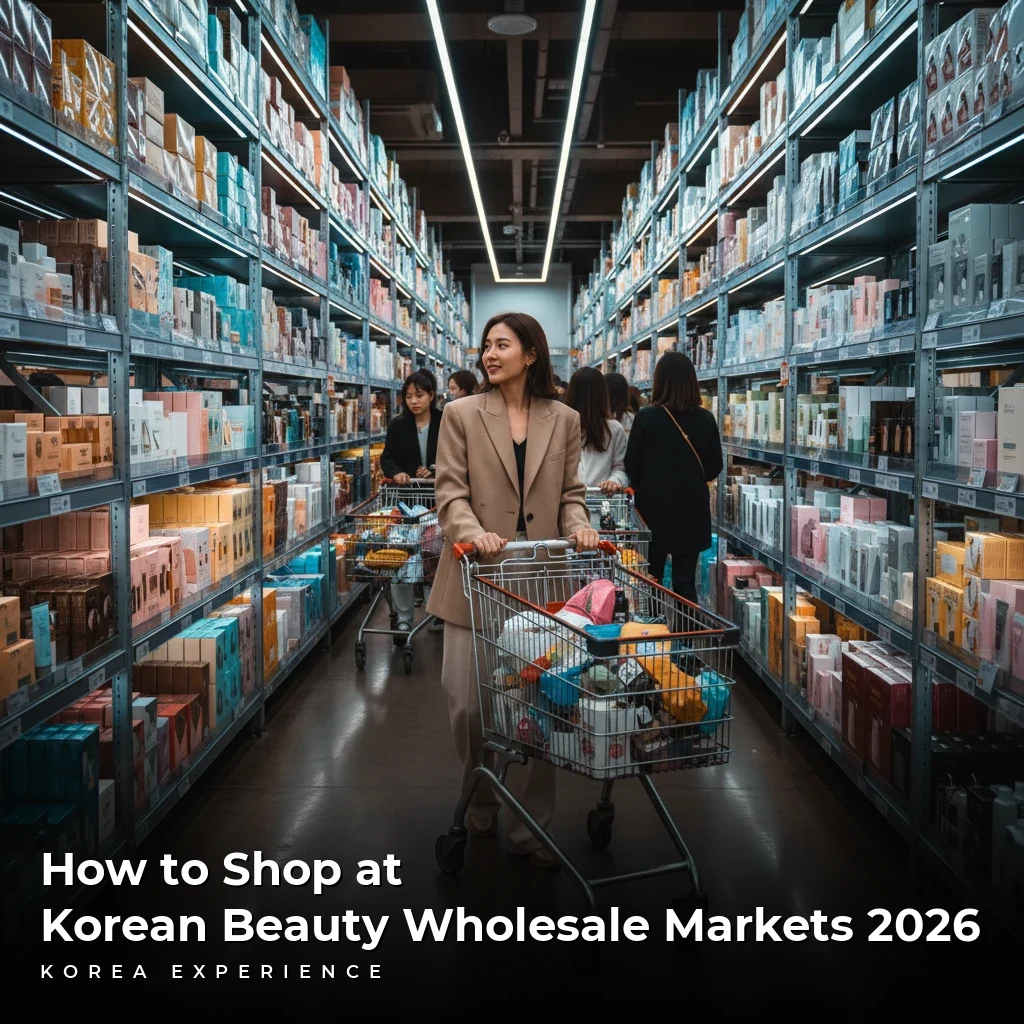
Save 30-70% on skincare by visiting Dongdaemun and Hwagok wholesale centers. We reveal pricing, locations, and the 2026 rules for bulk buying.
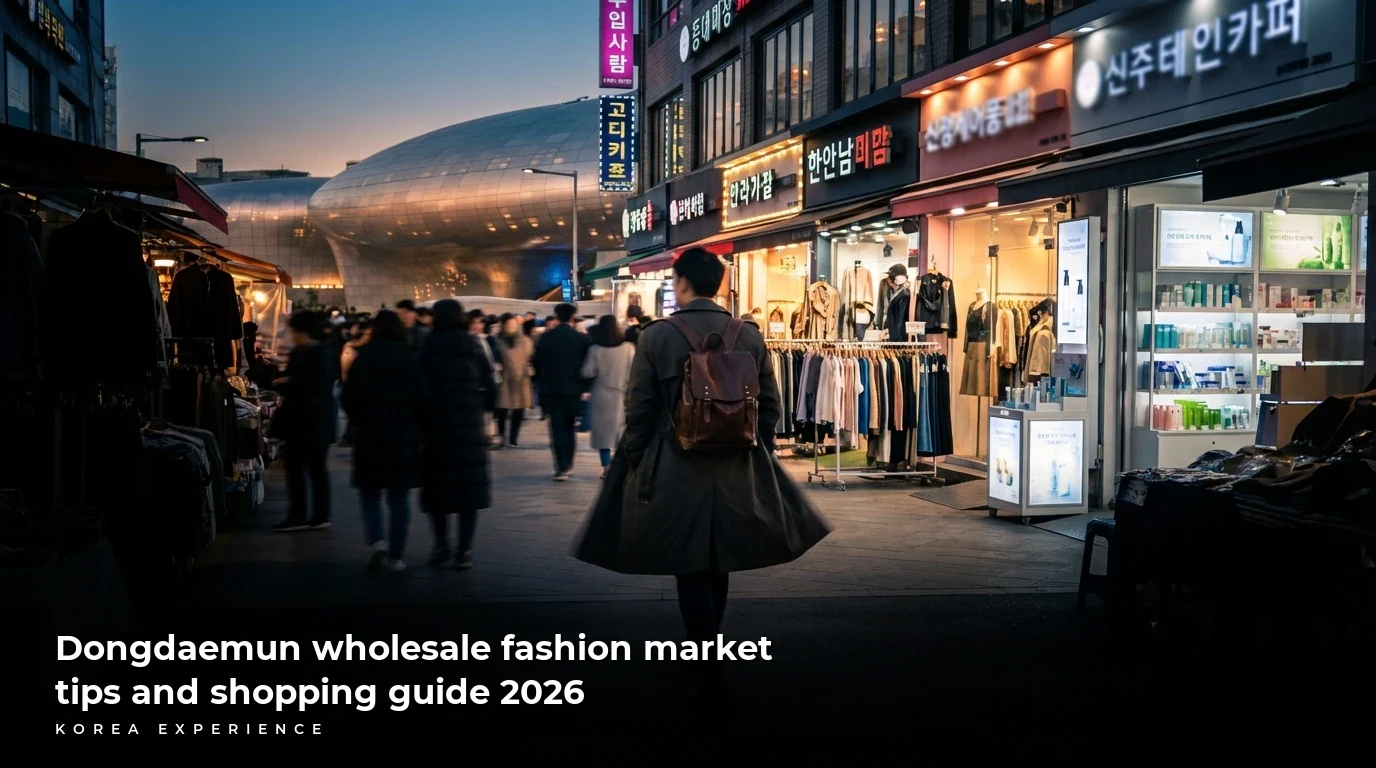
Master the art of shopping at Seoul's massive night market. Learn the rules of MOQ, best buildings for quality.
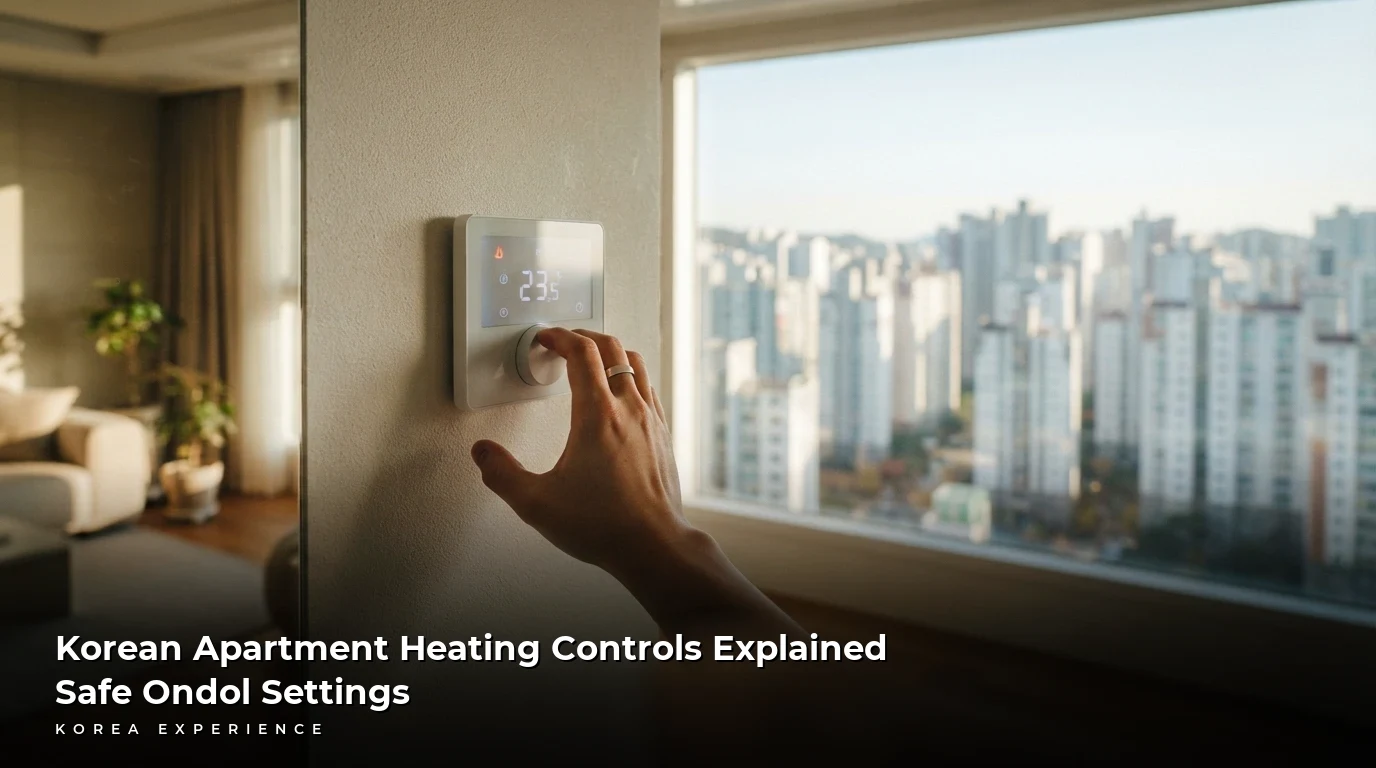
Master Korean apartment heating controls. Learn essential ondol terms, how to set room vs. floor temperature, and safe practices for energy efficiency.
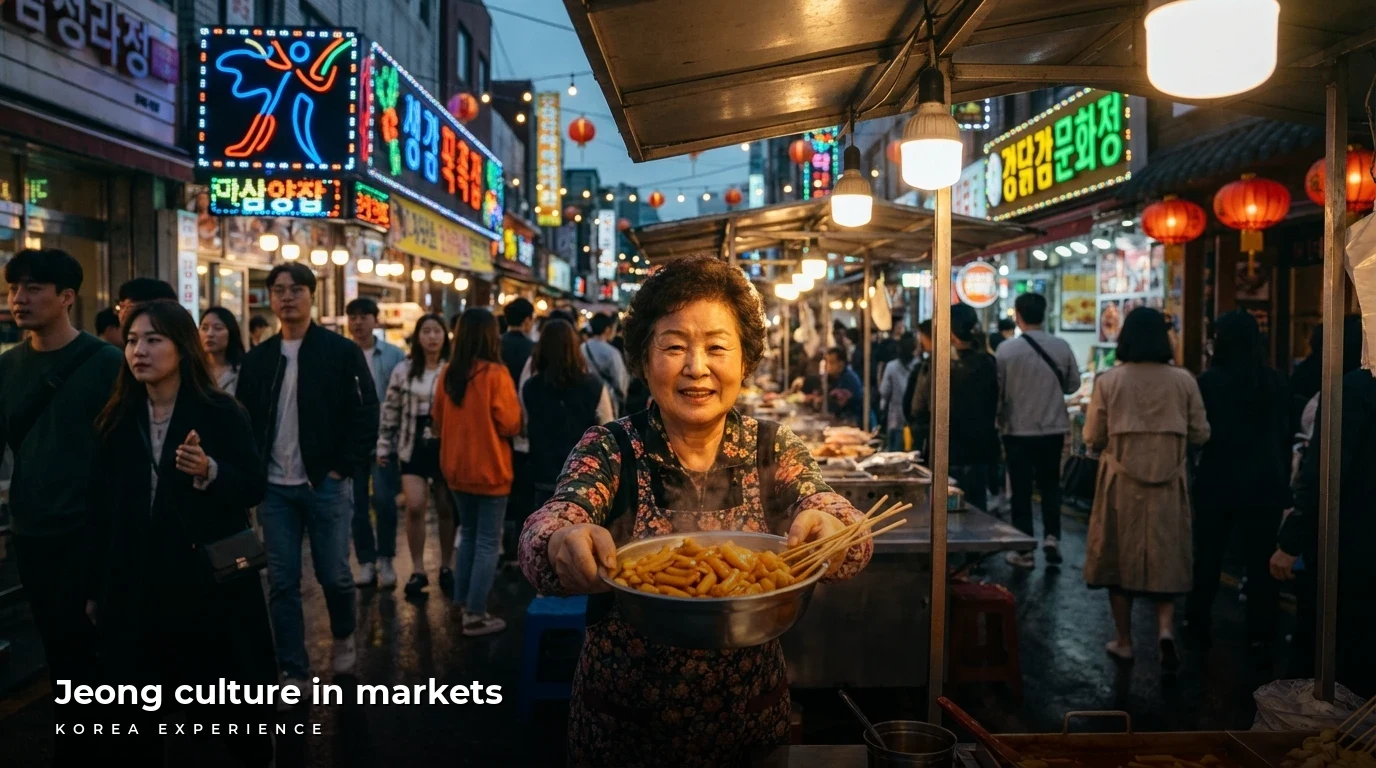
Discover why market vendors give free food. Learn how to navigate 24000 stalls in 2026 using WOWPASS and experience the 16 percent sales boom firsthand.
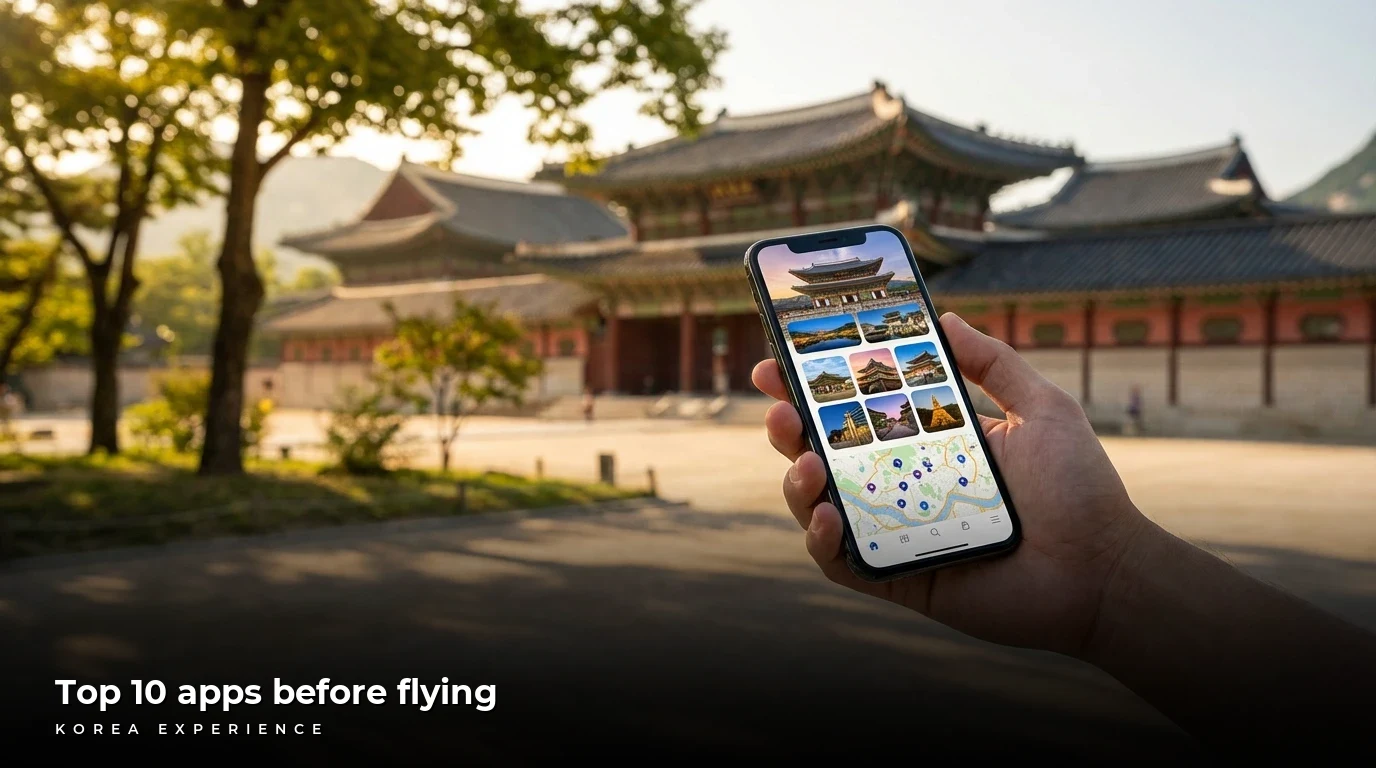
Ditch Google Maps and download these 10 essential apps for South Korea in 2026. Learn how to save $29 with the Climate Card and hail taxis with foreign cards.