50 Must try Korean foods complete guide 2026
Discover the ultimate checklist of 50 essential Korean dishes, from street food to royal cuisine, including prices, spicy levels, and best spots for 2026.
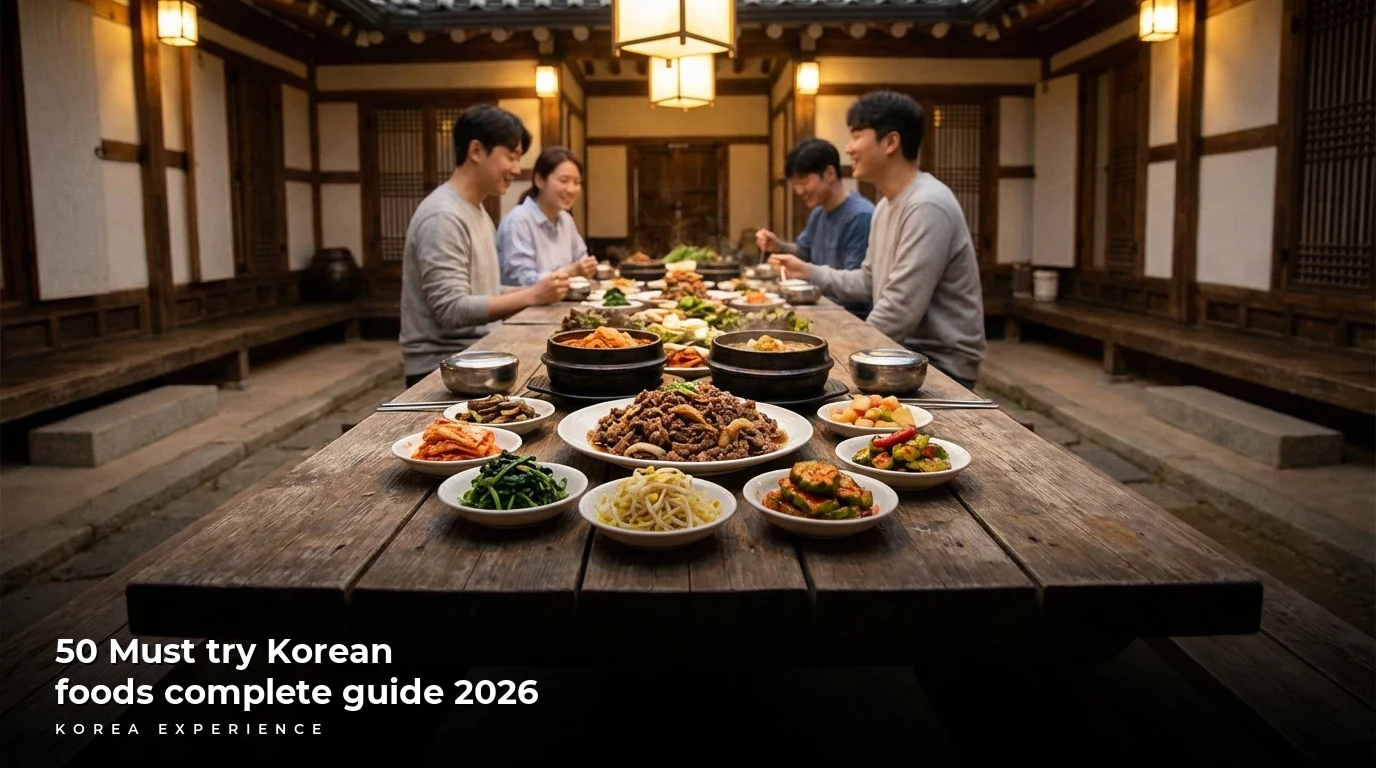
If you are planning a trip to the peninsula this year, you might be overwhelmed by the sheer volume of dining options available. The short answer: To truly experience Korean cuisine in 2026, you must categorize your culinary journey into five main pillars—BBQ (Meat), Soups & Stews (Jjigae), Noodles (Myeon), Rice Dishes (Bap), and Street Food (Bunsik)—budgeting approximately ₩15,000 per meal for dining out, or ₩40,000+ for premium BBQ experiences.
Korean food, or Hansik, is far more than just Kimchi and BBQ. It is a complex ecosystem of fermented flavors, communal dining, and seasonal ingredients that change with the weather. Whether you are navigating the bustling stalls of Gwangjang Market or sitting down for a royal table setting in Hanok Village, this guide covers the absolute essentials.
Key Takeaways
- 1Budget ₩8,000–₩12,000 for standard lunch stews and ₩18,000+ per serving for BBQ pork belly in 2026.
- 2Most Korean restaurants specialize in only 1-3 dishes; avoid places with massive menus resembling cheesecake factories.
- 3Tipping is not required or expected anywhere in South Korea, regardless of service quality.
Korean BBQ and Meat Dishes (Gogi-gui)
The smell of charcoal and roasting meat is the perfume of Seoul's evenings. Korean BBQ is not just a meal; it is a social event that usually lasts between 90 minutes to 2 hours.
1. Samgyeopsal (Grilled Pork Belly)
The undisputed king of Korean dining. These thick, fatty slices of pork belly are grilled at your table. In 2026, the trend has shifted towards "aging" pork (wet-aged or dry-aged) for 360 to 720 hours to increase tenderness.
- Average Cost: ₩16,000–₩20,000 per 150g serving.
- How to eat: Wrap the meat in lettuce with garlic, ssamjang (spicy paste), and grilled kimchi.
2. Galbi (Marinated Short Ribs)
Beef or pork ribs marinated in a sweet and savory sauce made from soy sauce, garlic, and sugar (often using pear juice for tenderizing). Suwon is particularly famous for its massive beef ribs, often measuring over 15cm in bone length.
- Average Cost: ₩35,000–₩60,000 for beef; ₩17,000–₩22,000 for pork.
3. Hanwoo Beef (Premium Korean Beef)
Think of this as the Korean equivalent of Kobe beef. Raised free-range in the Korean countryside, Hanwoo is prized for its high marbling and rich flavor. It is significantly more expensive than imported beef.
- Data Point: A premium Hanwoo dinner can easily exceed ₩150,000 for two people.
Pro Tip
When eating BBQ, you must order at least 2 servings (2 inbun) of meat to start the grill, even if you are dining alone. However, many solo-friendly BBQ spots are opening in Hongdae and Gangnam in 2026.
4. Dakgalbi (Spicy Stir-fried Chicken)
Originating from the city of Chuncheon, roughly 75km east of Seoul, this dish involves stir-frying marinated chicken, cabbage, sweet potatoes, and rice cakes in a massive cast-iron pan.
- Best Spot: Nami Island area or Chuncheon Myeongdong Street.
5. Bulgogi (Marinated Beef BBQ)
Unlike the thick cuts of Galbi, Bulgogi consists of thinly sliced beef marinated in a sweet soy sauce mixture. It is often cooked on a convex grill with a trough to catch the savory juices, which are delicious when mixed with rice.
6. Bossam (Boiled Pork Wraps)
For those who want a healthier alternative to grilling, Bossam is pork belly boiled in spices (star anise, ginger, soybean paste) to remove the fat, then sliced thin. It is served with fresh napa cabbage leaves and a spicy radish salad.
7. Jokbal (Braised Pig's Trotters)
Rich in collagen and braised in soy sauce and spices for hours until the meat falls off the bone. It is a favorite late-night snack (yasik) often ordered for delivery between 10:00 PM and 1:00 AM.
- Serving Size: Usually served in Large (₩45,000) or Medium (₩38,000) platters meant for 3-4 people.
8. Jeyuk Bokkeum (Spicy Stir-fried Pork)
A staple lunch menu item for office workers. Thinly sliced pork is stir-fried with a spicy gochujang-based sauce and vegetables. It’s quick, cheap, and incredibly flavorful.
Wangbijib Myeongdong(왕비집 명동점)
Soups, Stews, and Hot Pots (Jjigae & Tang)
In Korea, a meal isn't complete without soup. These dishes are served boiling hot, often at temperatures exceeding 90°C (194°F), so caution is advised.
9. Kimchi-jjigae (Kimchi Stew)
The soul food of Korea. Made with aged, sour kimchi (mukh-eunji), pork, and tofu. The older the kimchi, the deeper the flavor.
- Average Cost: ₩9,000–₩11,000.
10. Doenjang-jjigae (Soybean Paste Stew)
Similar to Japanese miso but earthier, funkier, and more robust. It usually contains zucchini, tofu, and clams or beef brisket. It is the standard accompaniment to rice.
11. Sundubu-jjigae (Soft Tofu Stew)
A bubbling pot of spicy broth and silky soft tofu. It often includes clams and an egg cracked raw into the boiling stew right before serving.
12. Samgyetang (Ginseng Chicken Soup)
A whole young chicken stuffed with glutinous rice, ginseng, jujube, and garlic, boiled until tender.
- Best Time: Traditionally eaten during Sambok, the three hottest days of summer (July-August), to replenish stamina.
13. Gamjatang (Pork Bone Soup)
A spicy, hearty soup made with pork spine bones, potatoes, and wild sesame seeds. The meat hidden in the crevices of the spine is considered the best part. It is a famous hangover cure.
14. Seolleongtang (Ox Bone Soup)
A milky-white, non-spicy soup made by boiling ox bones for over 10 hours. It is usually unseasoned; you add sea salt and chopped green onions at the table to taste.
15. Budae-jjigae (Army Base Stew)
Created after the Korean War using surplus U.S. military rations. It contains Spam, sausages, baked beans, and kimchi mixed with instant ramen noodles.
- Volume: Typically served as a communal pot for 2+ people (approx. ₩20,000 total).
16. Galbi-tang (Short Rib Soup)
A clear, savory soup featuring tender beef short ribs and glass noodles. It is considered a stamina food and is generally more expensive than other lunch soups, averaging ₩15,000–₩18,000.
For more hearty meal recommendations, check out our guide to Korean BBQ in Seoul which pairs perfectly with these stews.
📋 Soup Dining Facts
Noodle Dishes (Myeon)
Koreans consume an average of 75 servings of instant noodles per year per person, but the fresh noodle culture is even more impressive.
17. Mul-Naengmyeon (Cold Buckwheat Noodles)
Chewy buckwheat noodles served in an icy, vinegary beef broth. Essential for surviving the humid Korean summer.
- Condiments: Vinegar and mustard oil are always added to taste.
18. Bibim-Naengmyeon (Spicy Cold Noodles)
The same noodles as above but served without broth, mixed instead with a spicy gochujang sauce.
19. Jajangmyeon (Black Bean Noodles)
A Chinese-Korean hybrid dish consisting of thick wheat noodles topped with a black soybean paste sauce (chunjang), diced pork, and onions. It is the traditional food for moving days and graduation days.
- Speed: Delivery usually arrives within 15-20 minutes.
20. Jjamppong (Spicy Seafood Noodle Soup)
The spicy cousin to Jajangmyeon. A rich broth loaded with mussels, squid, shrimp, and vegetables.
21. Kalguksu (Knife-cut Noodles)
Hand-cut wheat noodles served in a savory broth (usually chicken or clam). The texture is rustic and uneven, which holds the broth beautifully. Famous in the Myeongdong area.
22. Japchae (Stir-fried Glass Noodles)
Sweet potato starch noodles stir-fried with spinach, carrots, mushrooms, and beef in a sesame oil and soy sauce glaze. It is a celebratory dish often seen at birthdays and holidays.
23. Kong-guksu (Cold Soy Milk Noodles)
A polarizing seasonal dish available only from May to August. Noodles are served in a thick, creamy, cold broth made from ground soybeans. You season it with either salt or sugar depending on regional preference.
Noodle Showdown: Jajang vs Jjamppong
| Feature | Jajangmyeon | Jjamppong |
|---|---|---|
| Flavor Profile | Sweet & Savory | Spicy & Salty |
| Main Base | Black Bean Paste | Seafood Broth |
| Spice Level | None | High (🌶️🌶️🌶️) |
Rice Dishes (Bap)
"Have you eaten rice?" (Bap meogeosseoyo?) is a standard greeting in Korea, highlighting the grain's importance.
24. Bibimbap (Mixed Rice)
A bowl of warm white rice topped with namul (sautéed and seasoned vegetables), gochujang, and usually a fried egg or beef. Jeonju is the spiritual home of this dish.
25. Gimbap (Seaweed Rice Rolls)
Rice, pickled radish, spinach, carrots, and egg rolled in dried seaweed (gim). Unlike sushi, the rice is seasoned with sesame oil, not vinegar.
- Convenience: Sold at convenience stores for ₩1,500–₩3,000.
26. Kimchi-bokkeumbap (Kimchi Fried Rice)
A simple comfort food where over-fermented kimchi is fried with rice and topped with a sunny-side-up egg and seaweed flakes.
27. Gukbap (Rice Soup)
A specialty of Busan. Rice is served inside (or alongside) a boiling pork broth. It is the ultimate fast food, often served within 3 minutes of ordering.
- Price: Very affordable, averaging ₩8,000–₩10,000.
28. Dolsot Bibimbap
Bibimbap served in a sizzling hot stone pot. The heat creates a layer of crispy, golden scorched rice at the bottom called nurungji.
29. Juk (Porridge)
Rice porridge slow-cooked with ingredients like abalone, pumpkin, or red bean. Traditionally food for the sick, it has evolved into a healthy slow-food breakfast option.
If you are heading to the coast to try authentic rice and seafood dishes, read our Busan seafood guide.
Street Food and Snacks (Bunsik)
Korean street food culture is legendary. You will find these stalls, or Pojangmacha, near subway exits and in markets like Gwangjang and Namdaemun.
30. Tteokbokki (Spicy Rice Cakes)
Cylindrical rice cakes simmered in a spicy, sweet gochujang sauce. It is the national snack of Korea.
- Spice Warning: Levels vary wildly; always have water ready.
31. Eomuk / Odeng (Fish Cake Skewers)
Skewered fish cakes kept warm in a radish and kelp broth. The broth is free—just grab a paper cup and help yourself while you eat the skewer.
- Cost: ₩1,000–₩1,500 per skewer.
32. Hotteok (Sweet Korean Pancakes)
A winter staple. Dough filled with cinnamon, brown sugar, and seeds, then fried on a griddle. Be careful; the filling is molten hot sugar syrup.
33. Bungeoppang (Fish-shaped Pastry)
Similar to Japanese Taiyaki. A fish-shaped waffle filled with sweet red bean paste or custard cream. Usually sold in bags of 3 for ₩2,000.
34. Twigim (Tempura/Fried Snacks)
Deep-fried squid, sweet potato, dumplings, and vegetables. Best eaten by dipping them into Tteokbokki sauce.
35. Sundae (Korean Blood Sausage)
Pig intestines stuffed with glass noodles, barley, and pork blood. It has a chewy texture and mild flavor, usually dipped in salt.
36. Gyeran-ppang (Egg Bread)
A small loaf of sweet cornbread with a whole egg baked on top or inside. A popular winter warmer found near universities.
37. Sotteok Sotteok
A skewer alternating between sausage and rice cake (So-Tteok), fried and brushed with a sweet chili sauce. Popularized by Korean highway rest stops.
38. Cupbap (Cup Rice)
Famous in the Noryangjin exam district. A large paper cup filled with rice, kimchi, spam, eggs, and tuna mayo.
- Value: Incredible caloric value for roughly ₩4,500.
💵 Street Food Budgeting
Sharing portion for 2
Quick bite
Seafood and Raw Dishes (Haemul)
With ocean on three sides, Korea's seafood game is strong. Freshness is paramount, and tanks are visible outside most seafood restaurants.
39. Hoe (Raw Fish / Sashimi)
Unlike Japanese sashimi which is aged for flavor, Korean Hoe focuses on the fresh, chewy texture of fish killed immediately before serving. It is dipped in chojang (vinegar chili paste) rather than soy sauce.
40. Sannakji (Live Octopus)
Small octopus cut into pieces while still alive. The nerves continue to fire, causing the tentacles to squirm.
- Safety Warning: Chew thoroughly! The suction cups can stick to your throat.
41. Ganjang Gejang (Soy Sauce Marinated Crab)
Raw blue crab fermented in soy sauce. It is nicknamed the "Rice Thief" (Bap-do-duk) because it is so salty and savory that you consume massive amounts of rice with it.
42. Agu-jjim (Spicy Braised Monkfish)
Monkfish is ugly but delicious. It is braised with mountains of soybean sprouts in a spicy sauce. The texture of the fish is firm, almost like lobster.
43. Golbaengi-muchim (Sea Snail Salad)
Whelks (sea snails) mixed with spicy sauce, scallions, and dried shredded squid. It is the classic side dish for beer (Hof culture).
44. Jangeo-gui (Grilled Eel)
Freshwater or saltwater eel grilled over charcoal. It is an expensive delicacy often eaten for stamina in summer.
- Cost: Expect to pay ₩40,000+ per person.
For specific seasonal recommendations on what fish is best right now, refer to our guide on Korean seasonal fish.
Chicken and Anju (Drinking Snacks)
Drinking culture is huge in Korea, and you rarely drink without food.
45. Chimaek (Fried Chicken & Beer)
Korea has more fried chicken joints than there are McDonald's worldwide. The crust is thin and double-fried for extra crunch. Yangnyeom (sweet spicy sauce) is a must-try variant.
46. Pajeon (Scallion Pancake)
A savory pancake loaded with green onions and often seafood (Haemul Pajeon).
- Tradition: It is customary to eat Pajeon and drink Makgeolli on rainy days because the sizzling sound of frying mimics the sound of rain.
47. Makgeolli (Rice Wine)
A cloudy, sweet, sparkling rice wine. It has a low alcohol content (6-8%) and pairs perfectly with spicy foods.
If you visit a traditional market, look for places serving 'Bindae-tteok' (mung bean pancakes). They are thicker and crispier than Pajeon and are the authentic market snack of choice in 2026.
Desserts and Drinks
End your meal on a sweet note.
48. Bingsu (Shaved Ice)
Milk ice shaved as fine as snow, topped with sweet red bean paste, condensed milk, and rice cakes. Modern versions include mango, strawberry, and chocolate.
- Best Spot: Sulbing (franchise) is reliable, but boutique cafes in Seongsu-dong offer artisanal versions.
49. Yakgwa (Honey Cookie)
A traditional deep-fried cookie made from wheat flour, honey, and sesame oil. It has seen a massive resurgence in popularity in 2025-2026 as a "retro" trend.
50. Sikhye (Sweet Rice Punch)
A traditional beverage made from malt water and cooked rice. It usually contains floating grains of rice and is the standard drink after a session at the Jjimjilbang (Korean Sauna).
Check out our curated list of best dessert cafes in Seoul for where to find the best Bingsu.
Conclusion
Trying all 50 items on this list might seem impossible for a single trip, but the beauty of Korean cuisine lies in its accessibility. From a ₩1,000 street skewer to a ₩150,000 Hanwoo feast, the spectrum of flavors is vast. In 2026, the culinary scene is more dynamic than ever, balancing deep tradition with modern convenience.
📖 How to Order at a Kiosk
Step 1: Select Language
Look for the flag icon or 'English' button, usually at the top right corner.
Step 2: Choose Menu
Tap the photos of the food you want. Add sides if necessary.
Step 3: Payment
Insert your card. Note that many kiosks in 2026 are cashless.
❓ Frequently Asked Questions
Have more questions?Contact us →
About the Author
Korea Experience Team
Written by the Korea Experience editorial team - experts in Korean medical tourism, travel, and culture with years of research and firsthand experience.
Explore more in Food & Dining
Korean BBQ, street food, Michelin restaurants, and regional specialties — your ultimate guide to eating well in Korea.
Browse All Food & Dining ArticlesContinue Reading
Explore more articles you might find interesting
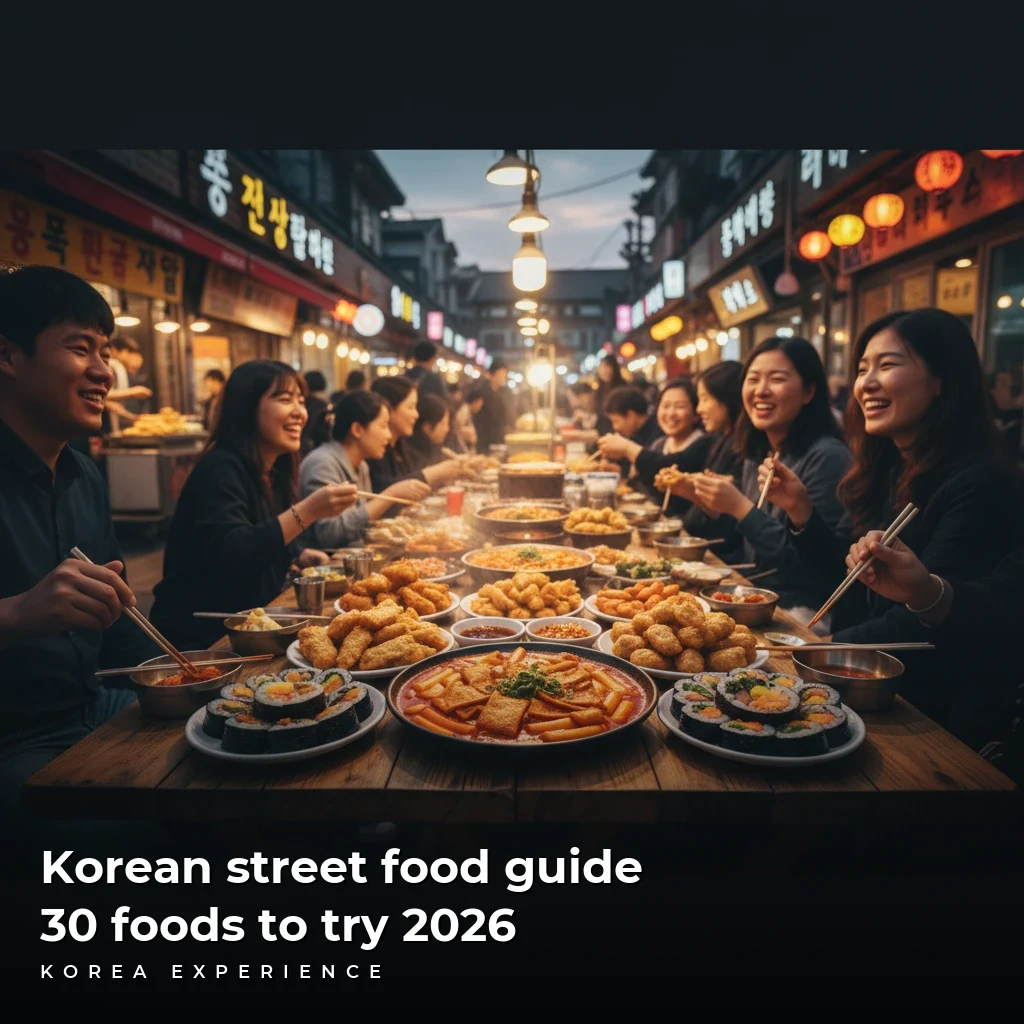
Discover the ultimate list of 30 must-try Korean street foods for 2026, from classic spicy rice cakes to trendy fusion snacks, with prices and local tips.
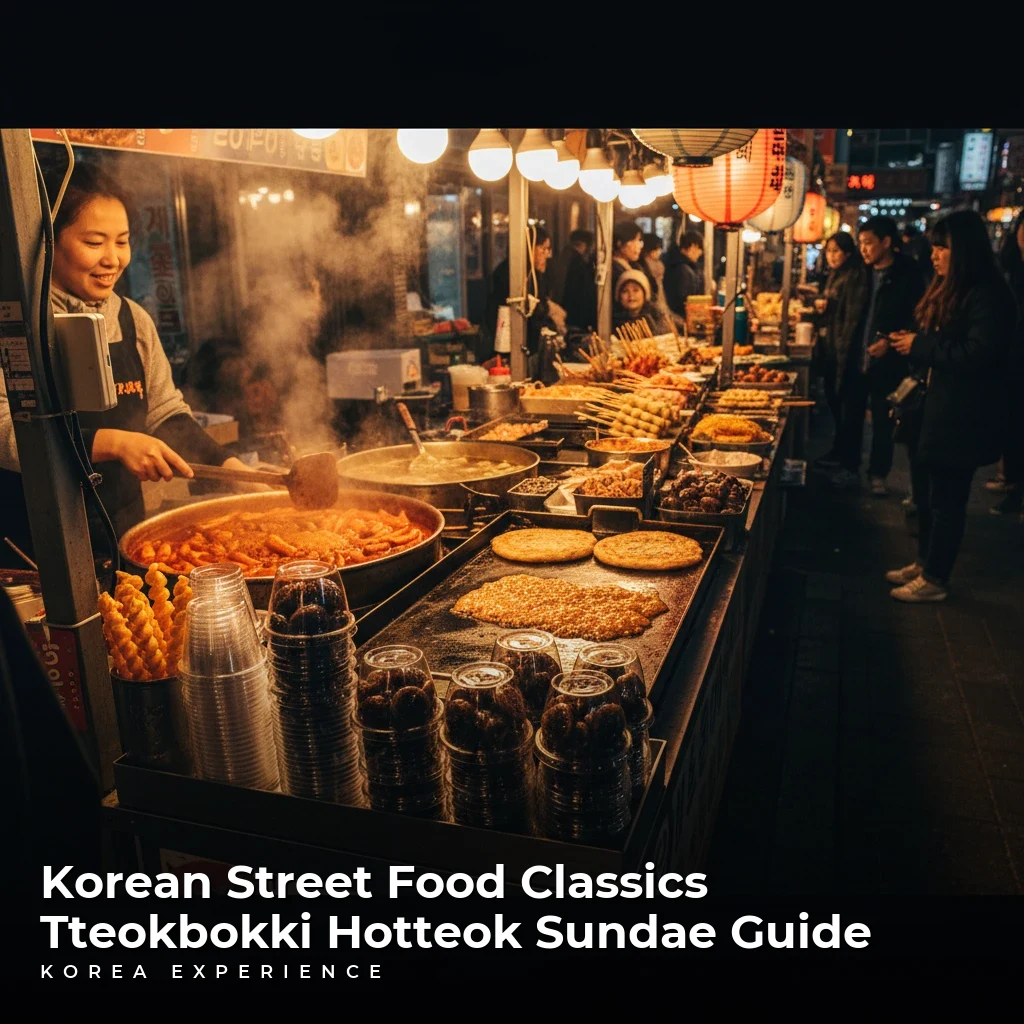
Discover the holy trinity of Korean street food. Essential guide to Tteokbokki, Hotteok, and Sundae including best spots, prices, and eating tips.
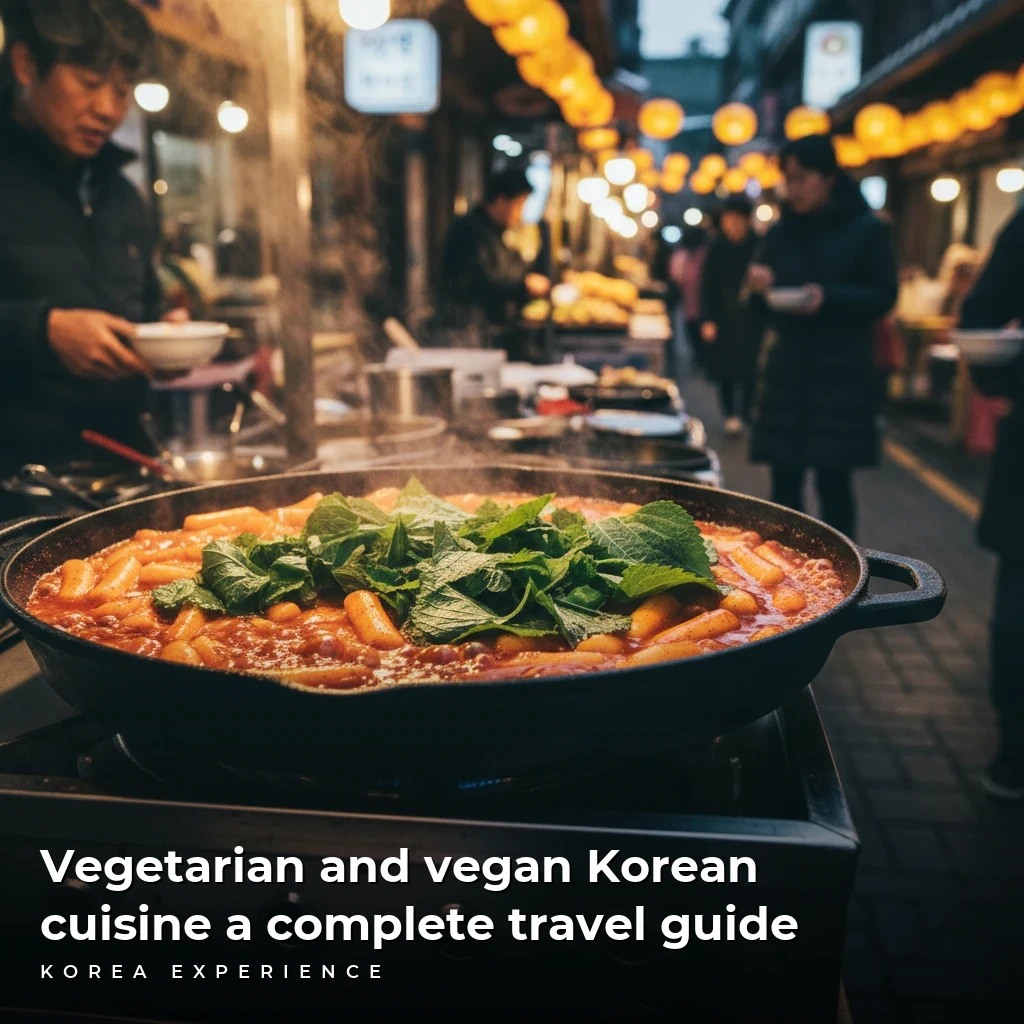
Discover the best vegetarian and vegan Korean cuisine options. From Michelin-starred temple food to spicy street snacks, navigate dining in Korea easily.
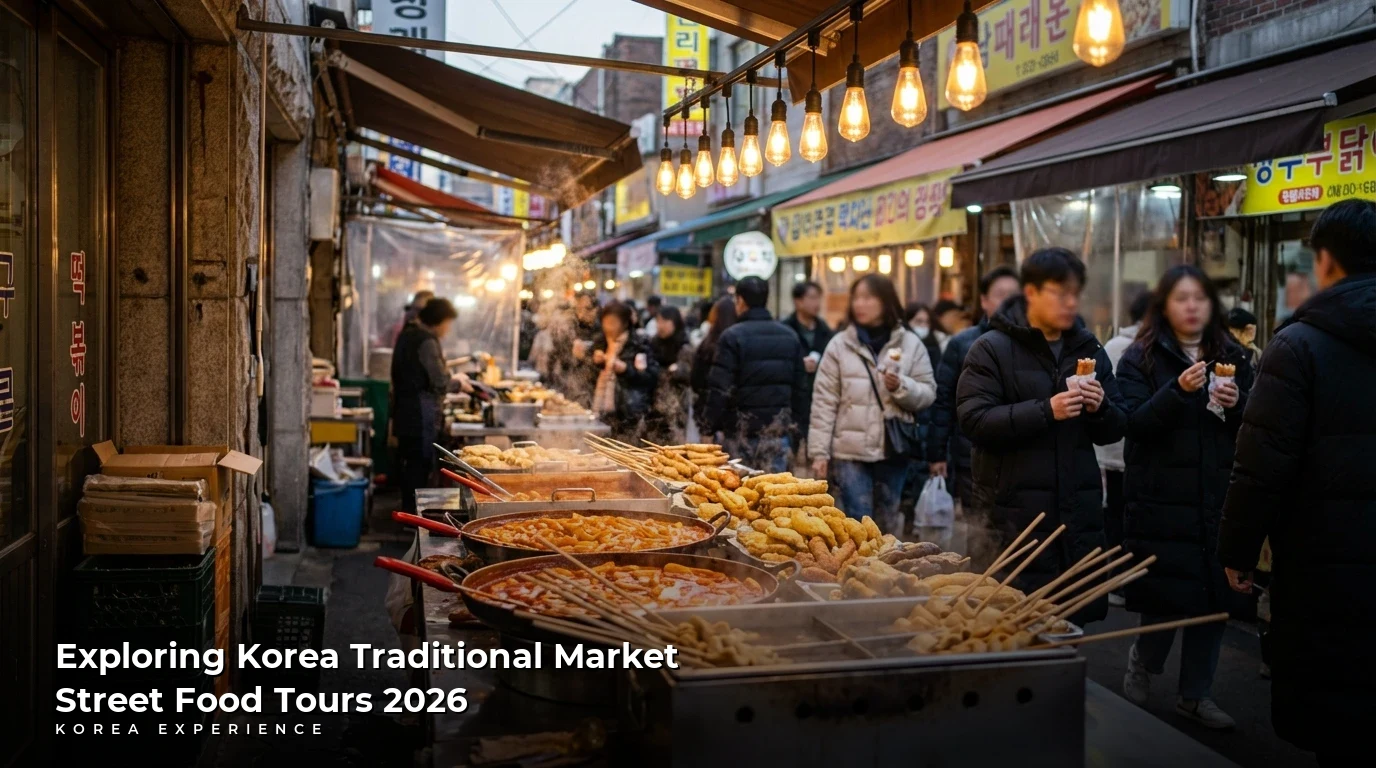
The ultimate guide to Korean street food markets in 2026. Discover prices, best tours, hidden stalls, and essential etiquette for travelers.
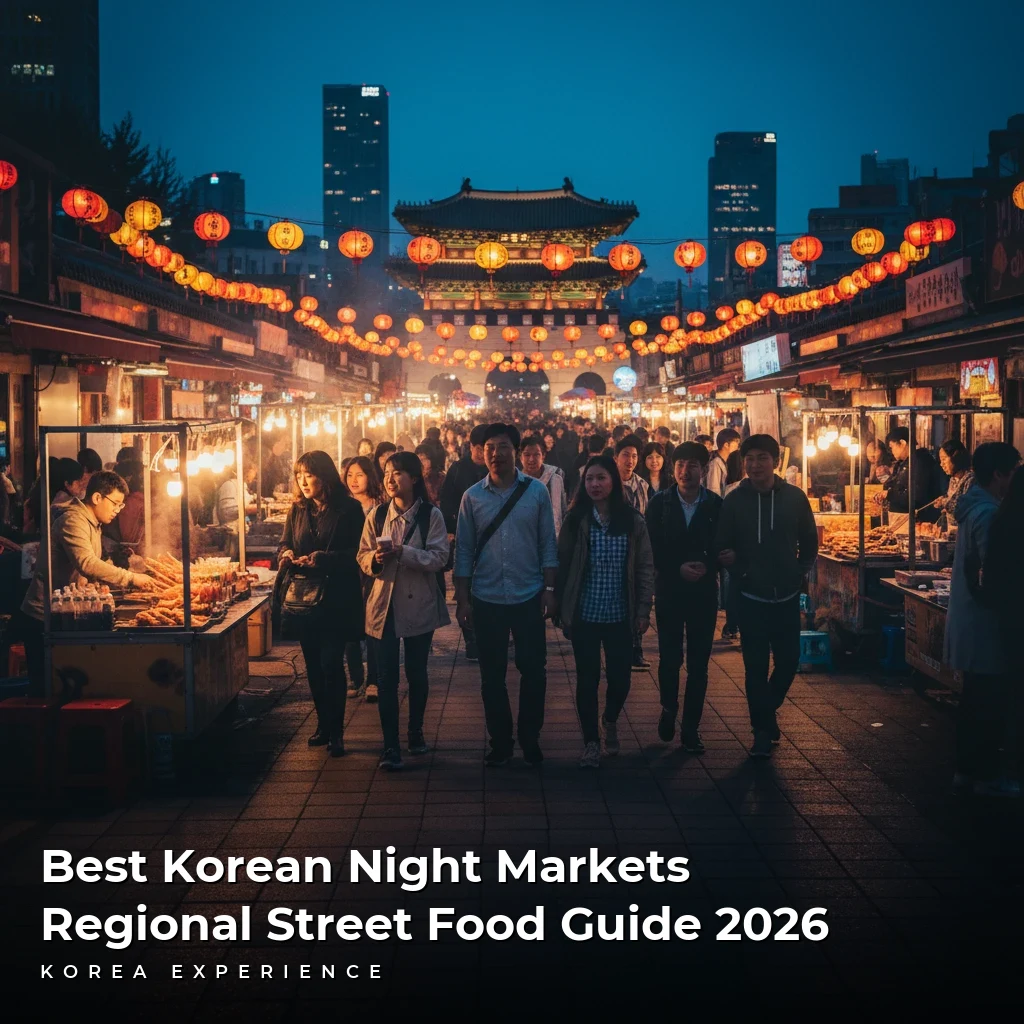
Discover top night markets in Seoul, Busan, and Jeonju. We compare food prices (₩3,000-15,000), opening hours, and must-try dishes for your 2026 trip.
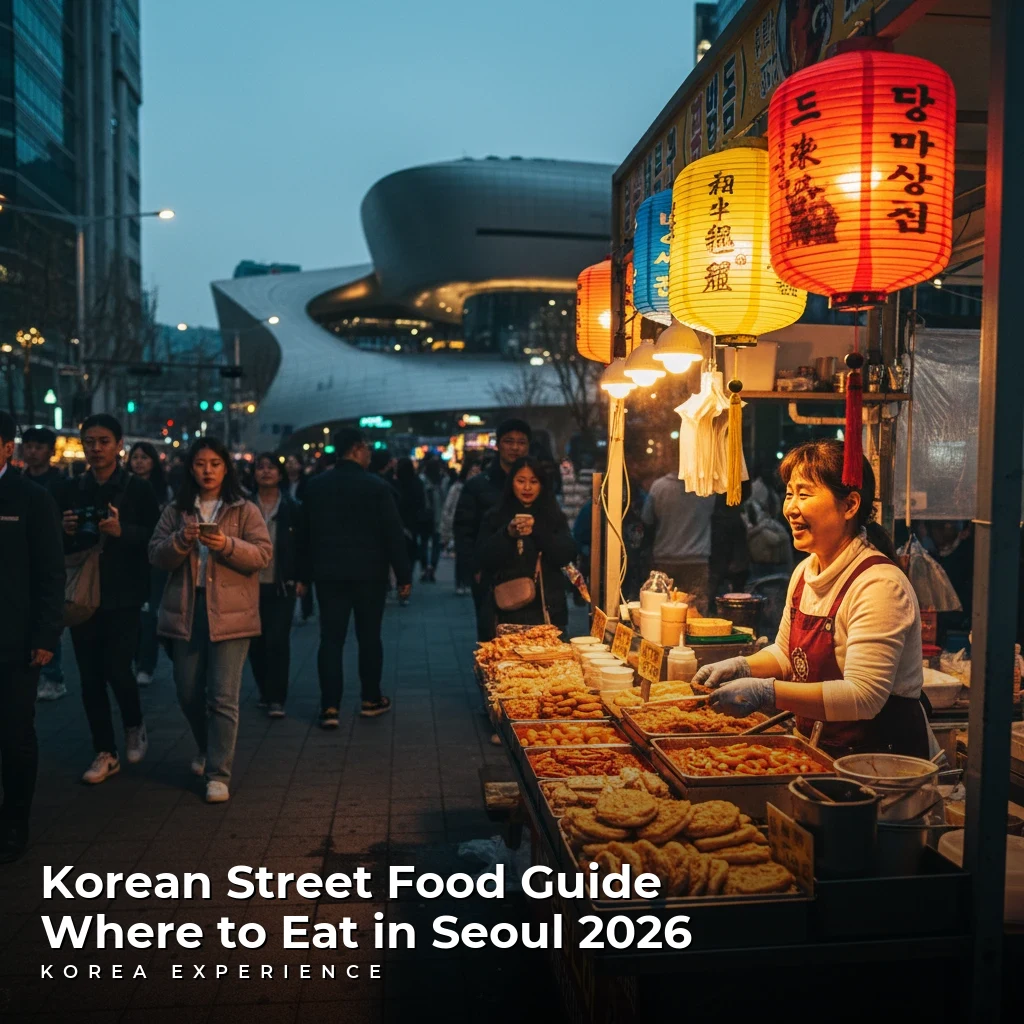
The ultimate guide to street food in Seoul for 2026. Discover prices, best markets like Gwangjang, and must-eat snacks from hotteok to tteokbokki.