Living in Korea

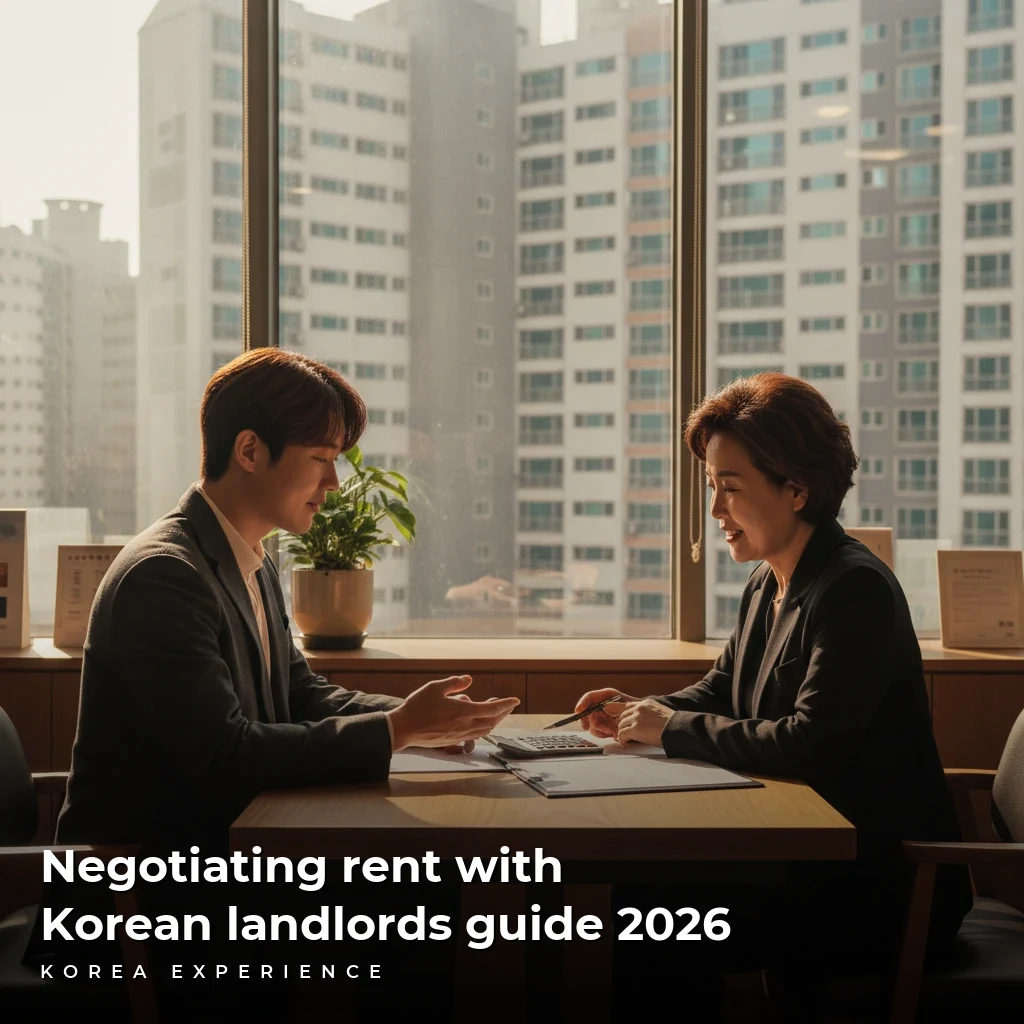
Negotiating Rent with Korean Landlords: Expats' Guide

Master the art of negotiating rent in Korea with this comprehensive guide for expats. Learn strategies, common practices, and essential tips for securing your ideal home.

Living in Korea offers an exciting blend of ancient traditions and cutting-edge modernity. For many international travelers and expatriates, the dream of calling this vibrant nation home begins with finding the perfect apartment. While the prospect of securing a cozy abode in a new country is exhilarating, navigating the Korean rental market, especially the crucial step of negotiating rent with Korean landlords, can feel like a labyrinth without a map. Unlike some Western markets where price haggling is common, the nuances of negotiation in Korea are deeply rooted in culture, market dynamics, and specific rental systems.

This comprehensive guide is designed to empower you with the knowledge and strategies needed to confidently approach rent negotiation. We will demystify the various rental types, unveil the unspoken rules of the market, and provide actionable tips to help you secure the best possible deal for your new home. By the end of this post, you will understand how to research effectively, communicate skillfully, and navigate the rental contract process with professionalism, ensuring a smooth transition into your Korean life.

Understanding the Korean Rental Market Landscape

Before you can even think about negotiating rent with Korean landlords, it's essential to grasp the fundamental structures of the rental market. Korea's system differs significantly from many countries, primarily revolving around two distinct types of leases: Jeonse and Wolse, with a hybrid known as Ban-Jeonse also common.

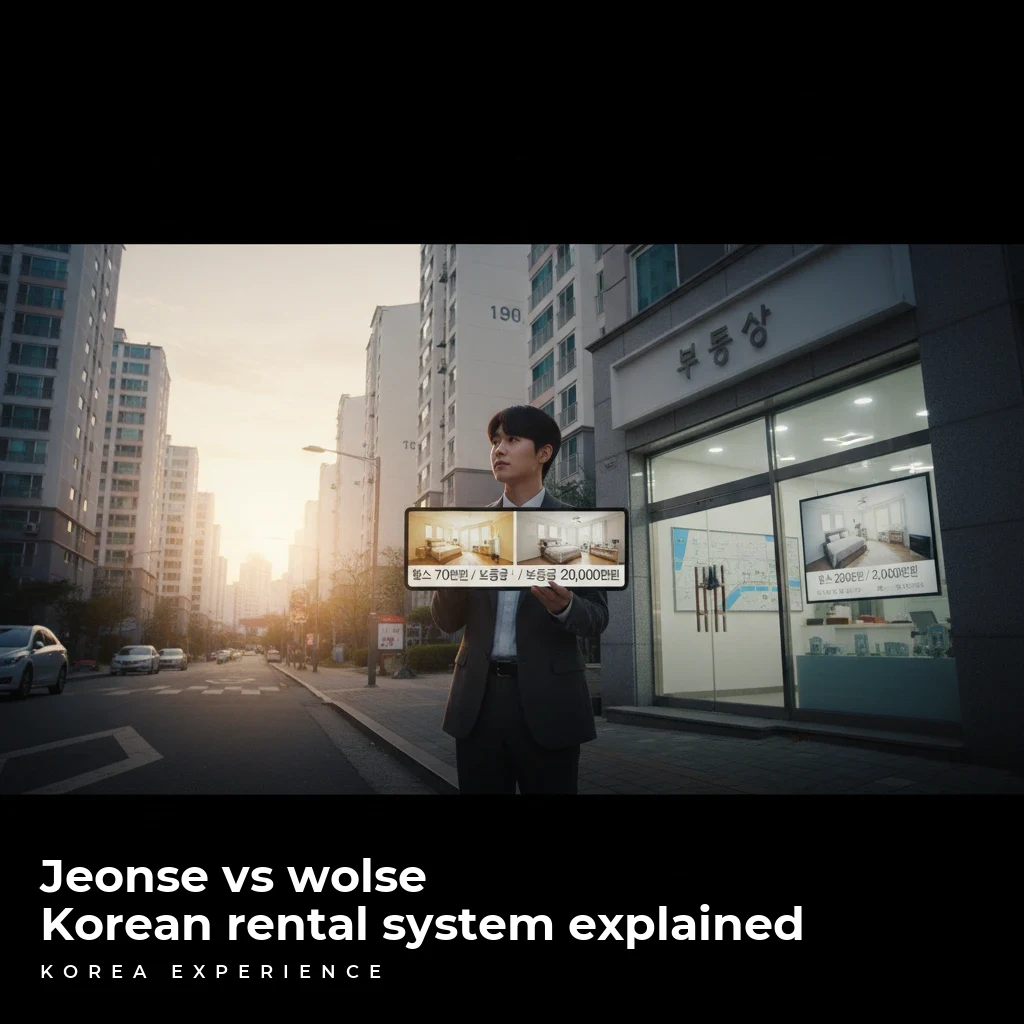
Jeonse, Wolse, and Ban-Jeonse Explained

  • Jeonse (Key Deposit System): This unique system involves paying a large lump-sum deposit (often 50% to 80% of the property's value) to the landlord at the beginning of the lease, typically for a two-year term. During this period, you pay no monthly rent. The landlord invests this substantial deposit and earns returns, returning the full deposit to the tenant at the end of the lease. For expats, Jeonse can be challenging due to the high upfront capital requirement, but it offers significant long-term savings on monthly expenses if you have the funds. The negotiation aspect here often revolves around the deposit amount itself and the lease term.
  • Wolse (Monthly Rent System): This is more akin to traditional rental systems globally. You pay a smaller security deposit (보증금 - bojeunggeum), which can range from a few million Korean Won to tens of millions, plus a fixed monthly rent (월세 - wolse). The security deposit serves as collateral and is returned at the end of the lease, provided there are no damages or unpaid dues. Wolse is the most common option for expats due to its lower upfront cost compared to Jeonse. Negotiation efforts here focus on both the security deposit and the monthly rent.
  • Ban-Jeonse (Half Jeonse / Hybrid System): This system blends elements of both Jeonse and Wolse. You pay a larger security deposit than a standard Wolse, but smaller than a full Jeonse. In return, your monthly rent is significantly reduced. For example, instead of a 10 million Won deposit with 1 million Won monthly rent, you might pay a 50 million Won deposit with 500,000 Won monthly rent. This can be an attractive middle ground for those with some savings but not enough for a full Jeonse. Negotiation in Ban-Jeonse considers the interplay between the deposit amount and the monthly rent.

Key Players: Landlords, Real Estate Agents, and Tenants

Navigating the Korean rental market effectively requires understanding the roles of the key players:

  • Landlords (집주인 - Jipjuin): Korean landlords vary widely, from individual property owners to large corporations managing multiple buildings. They are typically concerned with timely rent payments, property maintenance, and maintaining a good relationship with tenants, especially through their agents. Direct negotiation with a landlord without an agent is rare for expats, primarily due to language barriers and cultural expectations.
  • Real Estate Agents (부동산 - Budongsan): These agents are indispensable for foreigners. They act as intermediaries, helping you find properties, translate, explain contracts, and facilitate negotiations. Agents earn a commission (복비 - bokbi), usually a percentage of the total lease value (for Wolse, often based on the monthly rent multiplied by a factor, plus the deposit). A good agent is your greatest asset in negotiating rent with Korean landlords, as they have local market knowledge and established relationships.
  • Tenants (세입자 - Seipja): As a tenant, your role is to clearly communicate your needs, budget, and desired terms. Being prepared, polite, and professional will significantly aid your negotiation process.

Typical Rental Costs and Deposit Structures

Rental costs in Korea can vary drastically based on location, property size, age, and amenities. In major cities like Seoul, a small studio apartment (원룸 - wonroom) can range from 500,000 Won to over 1.5 million Won per month, with deposits from 5 million Won to 20 million Won or more. Expect higher costs in popular areas like Gangnam, Hongdae, or Seomyeon in Busan, and lower costs in suburban or less central districts.

Beyond the rent and deposit, be aware of:

  • Management Fee (관리비 - Gwanri-bi): This covers building maintenance, cleaning, electricity for common areas, and sometimes internet or water. It's a non-negotiable fixed cost that can range from 50,000 Won to 200,000 Won or more, depending on the building size and services.
  • Utilities: Electricity, gas, and personal internet are usually separate and paid by the tenant.
  • Agent Commission (복비 - Bokbi): Typically paid once upon signing the lease.

The Korean rental market experiences some seasonality:

  • Peak Seasons: Late winter to early spring (February-March) and late summer (August-September) are generally peak times. This is when students are moving for new semesters and new employees are starting jobs, leading to higher demand and less flexibility in pricing.
  • Off-Peak Seasons: Late spring/early summer (April-July) and late fall/early winter (October-January) often see lower demand. Landlords might be more willing to negotiate rent with Korean landlords during these periods to avoid vacancies. If you have flexibility, targeting these times can give you more leverage.

Research is Your Best Friend: Pre-Negotiation Steps

Successful negotiation starts long before you even view a property. Thorough research will arm you with the confidence and data needed to make informed decisions and present a strong offer.

Setting a Realistic Budget and Sticking to It

Before anything else, determine your absolute maximum budget for rent, deposit, and utilities. Factor in the management fee and agent commission. Be honest with yourself about what you can comfortably afford, remembering that unexpected costs can arise. A common guideline is that rent should not exceed 30% of your net income, though in high-cost cities like Seoul, this might stretch to 40% or even 50% for some. Clearly communicating your budget to your real estate agent is crucial, as they can filter properties accordingly.

Identifying Your Priorities: Location, Size, Amenities

What are your non-negotiables?

  • Location: Proximity to work or school, public transport access (subway stations, bus stops), amenities (supermarkets, parks, hospitals), and desired neighborhood vibe (e.g., quiet residential, bustling entertainment).
  • Size and Type: Studio (원룸 - wonroom), one-bedroom (1.5룸 - iljeomorum, literally "1.5 room," meaning a room with a separate living space/kitchen), two-bedroom apartment (아파트 - apateu or 빌라 - billa), or officetel.
  • Amenities: Air conditioning, washing machine, refrigerator, built-in closet, elevator, parking, pet-friendly policy.
  • Lease Term: Most leases are two years, but sometimes a one-year option is available, though it might come with less flexibility in negotiation or a slightly higher rent.

Prioritize these elements. If a property meets most of your criteria but is slightly above your budget, you'll know exactly what you might be willing to negotiate on.

Leveraging Online Resources and Local Agents

  • Online Platforms: Websites like Zigbang, Dabang, and Naver Real Estate (though mostly in Korean) offer a glimpse into available properties and average prices. Even if you can't read Korean, looking at the photos, maps, and using translation tools can help you get a feel for the market. These are great for initial browsing.
  • Expat Communities: Facebook groups like "Seoul Expats," "Busan Expats," or specific university/company groups often have listings or recommendations for trustworthy agents.
  • Local Real Estate Agents (부동산 - Budongsan): As mentioned, these are your best bet. Find one recommended by other expats or one with English-speaking capabilities. They have access to the most up-to-date listings, understand local market nuances, and will be your primary liaison for negotiating rent with Korean landlords. Be specific with your agent about your budget, preferences, and non-negotiables.

Understanding Market Rates in Your Desired Area

Knowledge of current market rates is your most powerful tool for negotiation. If you know that similar properties in the same building or neighborhood are renting for 800,000 Won, and the landlord is asking for 900,000 Won, you have a solid basis for a counter-offer.

For example, consider Seoul's Jongno district, known for its traditional charm and central location, versus a more residential area like Eunpyeong-gu. Or compare the bustling Haeundae district in Busan with a quieter neighborhood like Dongnae-gu. Rental prices can easily differ by hundreds of thousands of Won.

Table 1: Example Wolse Rental Price Ranges (Monthly Rent in 10,000 KRW)

Location (Example)Studio/Wonroom (20-30 sqm)1.5 Room (30-40 sqm)Apartment (60+ sqm)
Seoul (Gangnam)70-120100-200200-500+
Seoul (Jongno)50-9080-150150-300
Seoul (Eunpyeong)40-7060-100100-200
Busan (Haeundae)50-9070-130130-300
Busan (Dongnae)35-6050-9080-180
Daegu (Central)30-5045-8070-150

(Note: Prices are illustrative and subject to change based on market conditions, specific property features, and exact location.)

The Art of Negotiation: Strategies for Success

When it comes to negotiating rent with Korean landlords, a blend of cultural understanding, clear communication, and strategic timing is key.

Building Rapport and Cultural Nuances in Communication

Korean business and personal interactions often emphasize harmony and respect.

  • Politeness is paramount: Always be polite, respectful, and avoid aggressive or overly direct demands. Let your real estate agent lead the direct negotiation.
  • Indirect communication: Issues might be hinted at rather than stated outright. A good agent will pick up on these cues.
  • Building trust: Showing genuine interest in the property and appearing as a reliable, long-term tenant can positively influence the landlord.
  • No strong bargaining in person: It's generally not advisable to try to bargain heavily directly with the landlord during a viewing. This is best handled by your agent, behind the scenes.

What You Can Negotiate: Rent, Deposit, Duration, Inclusions

While not every landlord will be open to negotiation, here are common areas where flexibility might exist:

  • Monthly Rent (Wolse): This is the most common point of negotiation. If the property has been vacant for a while, or if it's in a less competitive market, you might be able to shave off 50,000 to 100,000 Won.
  • Security Deposit (Bojeunggeum): Sometimes, if you offer a slightly higher security deposit, the landlord might be willing to lower the monthly rent (this moves towards a Ban-Jeonse structure). Conversely, if you need a lower deposit, they might ask for a slightly higher rent.
  • Lease Duration: While two-year contracts are standard, you might negotiate a one-year term if that suits your plans. However, landlords generally prefer longer terms, so a shorter term might result in less flexibility on price.
  • Inclusions/Amenities: Can the landlord provide an extra furniture piece (e.g., a small table, a microwave) or make a minor repair before you move in? This is often easier to secure than a rent reduction, especially for smaller items.
  • Move-in Date: If you're flexible and can move in quickly, especially if the property is vacant, this can be a point of leverage.

Table 2: Negotiable vs. Less Negotiable Items

More NegotiableLess Negotiable
Monthly Rent (Wolse)Management Fee (Gwanri-bi)
Security Deposit (Bojeunggeum)Utility Costs
Lease Duration (within reason)Building Structure / Major Renovation
Minor Inclusions/RepairsAgent Commission (Bokbi)
Move-in DateInitial Contract Type (Jeonse/Wolse)

When to Push and When to Be Flexible

  • Push:
    • If the property has been on the market for an extended period.
    • If you're looking during an off-peak season.
    • If you have strong comparable data for lower prices in the area.
    • If you are offering a longer lease term or a higher deposit than requested.
    • If the property has minor flaws (e.g., outdated fixtures) that could warrant a slight reduction.
  • Be Flexible:
    • If the property is in high demand, in a prime location, or exceptionally good value.
    • If you need a specific, non-standard lease term (e.g., less than one year).
    • If you're negotiating on too many points. Pick your battles.
    • If the landlord is already offering a competitive price based on your research.

Preparing Your Offer: Documents and Professionalism

Once you've found a property you like and discussed potential negotiation points with your agent, you'll need to prepare an offer. This usually involves:

  • Proof of Funds: For Jeonse, landlords will want to see proof that you can pay the large deposit. For Wolse, they might ask for proof of stable income (e.g., employment contract, bank statements) to ensure you can pay rent.
  • Identification: Passport and Alien Registration Card (ARC) if you have one.
  • Clear Communication of Terms: Your agent will draft a preliminary agreement (가계약금 - gaegyageum, a temporary contract) outlining the proposed rent, deposit, lease term, and any negotiated inclusions. You'll often pay a small earnest deposit (typically 10% of the security deposit or a fixed amount like 1-2 million Won) to reserve the property while the full contract is prepared.

The Role of the Real Estate Agent in Negotiation

Your agent is your advocate. They will communicate your offer to the landlord, relay counter-offers, and manage the back-and-forth. A good agent will:

  • Have an established relationship with local landlords.
  • Understand local market dynamics and typical negotiation limits.
  • Be able to phrase your requests culturally appropriately.
  • Advise you on what's reasonable to ask for and when to compromise.
  • Handle all the necessary paperwork and ensure the contract is legally sound.

It's crucial to maintain open and honest communication with your agent throughout this process.

Common Negotiation Scenarios and How to Handle Them

Different property types and locations present varying negotiation opportunities.

High-Demand Areas vs. Less Competitive Locations

  • High-Demand (e.g., Gangnam, Hongdae, Haeundae): In these sought-after areas, landlords have little incentive to lower prices. Your best bet for negotiating rent with Korean landlords might be a small reduction (e.g., 50,000 Won), or asking for minor inclusions like a new microwave or a slightly earlier move-in date. If the property is vacant, they might be more flexible on the initial move-in date to start receiving rent sooner.
  • Less Competitive (e.g., newer developments in suburban areas, properties further from subway stations): Here, you have more leverage. If a property has been vacant for a month or two, the landlord might be more open to a 100,000 Won or even 200,000 Won reduction in monthly rent, especially if you offer a solid deposit and a two-year contract.

Older vs. Newer Buildings

  • Older Buildings (e.g., 오피스텔 - officetel from the 90s, older 빌라 - villa): These might have slightly outdated interiors or fewer modern amenities. Landlords might be more flexible on rent, or willing to undertake minor renovations (e.g., repainting, fixing a creaky door) as part of the deal.
  • Newer Buildings (e.g., 신축 아파트 - sinchuk apateu, brand new officetel): These typically come with fixed prices, and negotiation is minimal. Landlords know the appeal of new facilities. Your best bet might be to negotiate on the security deposit amount or specific furniture items if the unit is semi-furnished.

Furnished vs. Unfurnished Apartments

  • Furnished (풀옵션 - pul option): These often have a slightly higher monthly rent to account for the furniture's value and wear. Negotiation might involve asking for specific items to be added or replaced if they are old or missing.
  • Unfurnished: These usually offer more room for rent negotiation as the landlord doesn't have the added cost of furnishing. However, be prepared for the upfront cost of buying furniture.

Lease Renewal Negotiations

When your two-year lease is nearing its end, your landlord might propose an increase in rent or deposit. This is a prime opportunity for negotiation.

  • Do your research: Check current market rates for similar properties in your building or neighborhood. If prices have dropped, you have a strong argument against an increase.
  • Highlight your good tenant history: If you've always paid on time and maintained the property well, emphasize this. Landlords prefer reliable tenants over the hassle and cost of finding new ones.
  • Be prepared to walk away: If the landlord is unwilling to budge and their proposed increase is unreasonable, be ready to look for other options. Sometimes, the threat of losing a good tenant is enough to make a landlord reconsider.
  • Agent assistance: Your original real estate agent can often help mediate renewal negotiations for a small fee.

Understanding the legal aspects of your lease agreement is crucial for protecting your rights as a tenant.

Understanding the Korean Lease Agreement (Contract Review)

The lease agreement (임대차 계약서 - imdaecha gyeyakseo) is a legally binding document. It will typically be in Korean, so having your real estate agent thoroughly explain every clause is non-negotiable. If you have any doubts, consider having a trusted Korean speaker or a lawyer review it. Key elements include:

  • Landlord and tenant details
  • Property address and description
  • Lease term (start and end dates)
  • Monthly rent, security deposit, and management fee amounts
  • Payment due dates
  • Terms for early termination
  • Maintenance responsibilities
  • Pet policy (if applicable)

Key Clauses to Look Out For

  • Maintenance Responsibilities: Typically, the landlord is responsible for major structural repairs (e.g., plumbing, electricity, heating), while the tenant is responsible for minor wear and tear or damages caused by misuse. Clarify this.
  • Early Termination Clause: What are the penalties for breaking the lease early? Often, you are responsible for paying rent until a new tenant is found, and potentially covering the agent's fee for finding the new tenant.
  • Pet Policy: If you have pets, ensure this is explicitly stated and approved in the contract to avoid future issues. Many apartments are not pet-friendly.
  • Deposit Return: The contract should specify the conditions for the return of your security deposit, usually upon successful handover of the property and deduction of any unpaid utilities or damages.

The Importance of a Registered Lease and Confirmation

After signing your lease, it is absolutely critical to have it formally registered at the local community center (주민센터 - Jumin Center) or district office (동사무소 - Dongsa Muso). This process, known as "확정일자" (Hwakjeongilja - fixed date confirmation), grants you preferential rights as a tenant.

  • What it does: It establishes the exact date your lease agreement officially begins. In the event of the landlord defaulting on their mortgage or selling the property, your registered lease ensures that your security deposit is protected, and you have priority over subsequent creditors or buyers to receive your deposit back.
  • How to do it: Take your signed lease agreement and your Alien Registration Card to the nearest Jumin Center. The staff will stamp and register your contract. It's a quick and simple process that provides vital legal protection. Do this as soon as possible after signing your contract and moving in.

Tenant Rights and Responsibilities

Familiarize yourself with the basic tenant rights under Korean law. Generally, tenants have the right to peaceful enjoyment of the property, and landlords must provide a safe and habitable living environment. In return, tenants are responsible for paying rent on time, maintaining the property, and adhering to the terms of the lease. Your real estate agent should be able to clarify any specific legal questions or refer you to appropriate resources.

Practical Tips and Insider Knowledge for Expats

Beyond the formal aspects, a few practical tips can make your rental journey smoother.

While your agent will handle most of the communication, knowing a few key phrases can be incredibly helpful and shows respect:

  • "얼마예요?" (Eolmayeyo?) - How much is it? (For general pricing, though specific rent will be discussed by agent)
  • "계약서" (Gyeyakseo) - Contract
  • "관리비" (Gwanri-bi) - Management fee
  • "보증금" (Bojeunggeum) - Security deposit
  • "월세" (Wolse) - Monthly rent
  • "방" (Bang) - Room
  • "깨끗해요" (Kkaekkeuthaeyo) - It's clean. (A good compliment)
  • "감사합니다" (Gamsahamnida) - Thank you.

Inspecting the Property Thoroughly Before Signing

Do not rush your property inspection.

  • Check everything: Test all appliances (AC, washing machine, fridge, stove), turn on all lights, check water pressure and drainage in the bathroom and kitchen, look for mold, water damage, or pests.
  • Take photos/videos: Document the condition of the apartment before you move in. This is crucial for dispute resolution when you move out, proving pre-existing damages.
  • Check internet/phone reception: Test your phone's signal strength, especially in basements or high-rises.

Documenting Everything (Photos, Communication)

Beyond the initial inspection, keep records of all significant communication with your landlord or agent, especially regarding repairs or issues. Email or messaging apps are good for this, as they provide a written trail.

Considering a Property Management Service

For higher-end apartments or those with complex leases, some expats opt for a property management service. These services can handle communication with the landlord, maintenance issues, and lease renewals for a fee. While not always necessary, they can provide peace of mind.

Building a Good Relationship with Your Landlord

A positive relationship with your landlord can lead to more flexibility during renewals or when minor issues arise. Be a respectful tenant, pay your rent on time, and communicate any problems promptly through your agent. Small gestures, like a polite greeting when you see them, can go a long way.

Internal Linking Opportunity:

For more insights into what to look for when choosing the right neighborhood in Seoul or Busan, check out our guide on "Finding Your Ideal Neighborhood in Korea."

FAQ Section

Q1: Can foreigners negotiate rent in Korea? A1: Yes, foreigners can absolutely negotiate rent in Korea, primarily through their real estate agent. While direct negotiation with the landlord might be difficult due to language and cultural barriers, a skilled agent can effectively advocate for you, especially on the monthly rent, security deposit, or minor inclusions.

Q2: What is the best time of year to find rental deals? A2: Generally, off-peak seasons offer better negotiation opportunities. This includes late spring/early summer (April-July) and late fall/early winter (October-January). During these times, demand is lower, and landlords may be more willing to negotiate to fill vacancies.

Q3: Is it better to use an agent or find a place directly? A3: For expats, using a real estate agent (부동산 - Budongsan) is highly recommended. They provide invaluable assistance with language, cultural nuances, market knowledge, property search, and contract explanation. While there's a commission fee, the benefits far outweigh the costs, especially when it comes to negotiating rent with Korean landlords and ensuring a legally sound contract.

Q4: What if I don't speak Korean? A4: Not speaking Korean makes a reliable, English-speaking real estate agent even more essential. They will act as your translator and cultural bridge throughout the entire rental process, including all negotiations. Some larger agencies or expat-focused agents specialize in assisting non-Korean speakers.

Q5: What are common red flags to watch out for? A5: Be wary of landlords or agents who:

  • Pressure you to sign quickly without adequate time for review.
  • Refuse to provide a written contract or insist on a contract only in English (a Korean contract is legally standard).
  • Request large sums of money in cash without proper receipts.
  • Are hesitant to show you the property multiple times or answer questions thoroughly.
  • The property seems significantly cheaper than comparable units in the same area without a clear reason. Always verify the agent's license and ensure your lease is registered with Hwakjeongilja (확정일자).

Conclusion

Negotiating rent with Korean landlords might seem like a complex task, but with the right preparation and approach, it’s entirely achievable. Remember that your real estate agent is your most valuable ally in this process. By understanding the unique Korean rental systems, thoroughly researching market rates, and communicating your needs respectfully, you can significantly enhance your chances of securing favorable lease terms.

Equipped with cultural awareness, practical tips, and a clear understanding of your legal protections, you are now ready to embark on your housing journey in Korea. Approach the process with patience, politeness, and persistence, and you'll soon be enjoying the comfort of your new home. Happy house hunting, and welcome to Korea!

About the Author

Korea Experience Team

Written by the Korea Experience editorial team - experts in Korean medical tourism, travel, and culture with years of research and firsthand experience.

⚠️ Medical Disclaimer

The information provided on this website is for general informational purposes only and does not constitute medical advice. Always consult with qualified healthcare professionals before making any medical decisions.

Continue Reading

Explore more articles you might find interesting