Dealing with Korean landlords common issues and solutions
Navigate housing disputes in Korea with confidence. Learn how to handle repairs, deposit returns, and communication with your Korean landlord effectively.
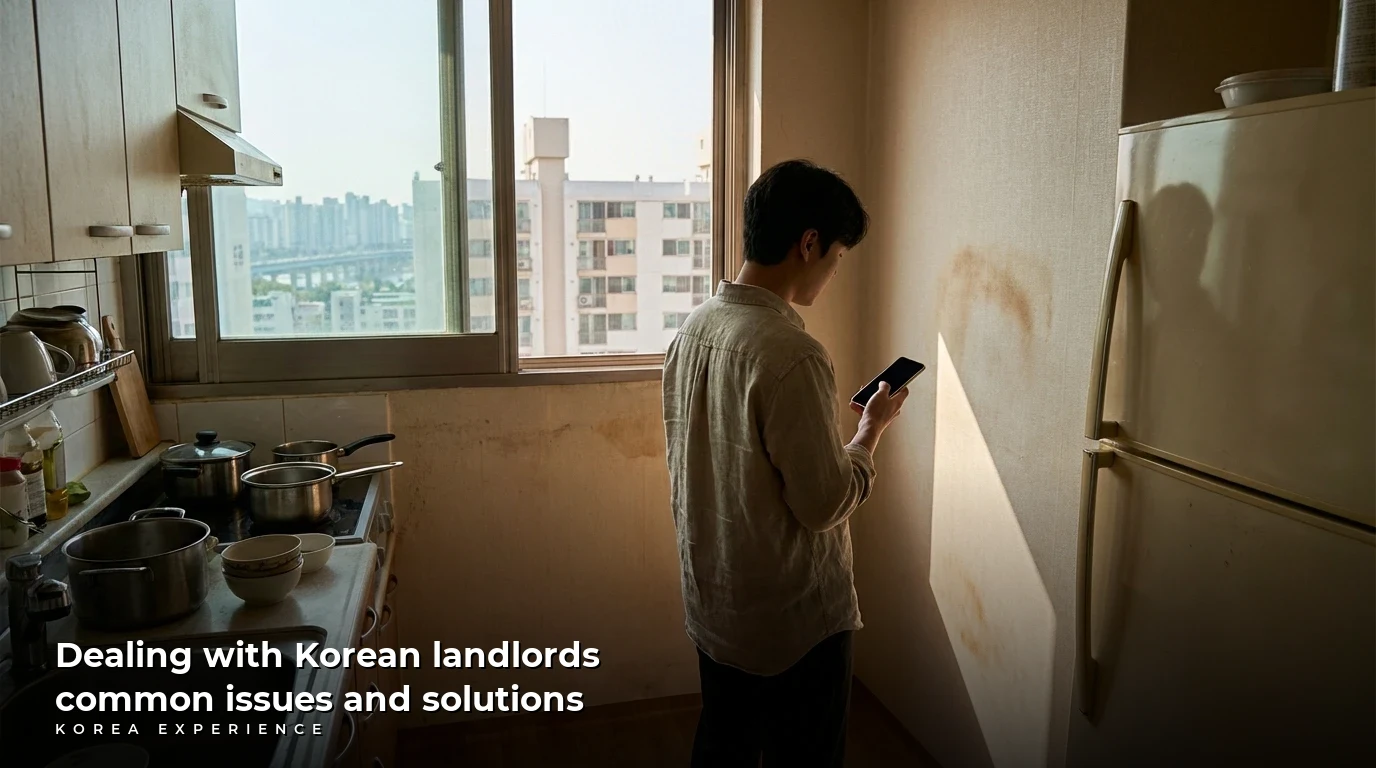
Finding the perfect officetel or villa in Seoul is an exhilarating milestone, but signing the contract is only the beginning of your journey. For many international residents and expats, the relationship with a Korean landlord (Imdaein) can be the most complex aspect of living on the peninsula. Cultural nuances, language barriers, and a unique rental system often create friction points that differ significantly from Western housing markets.
For more details, check out our guide on Navigating Korean bureaucracy from ARC to taxes.
You might also enjoy our article about Korea mental health resources guide dealing with loneliness.
Related reading: Dealing with yellow dust and air quality best apps and masks.
Related reading: Negotiating rent with Korean landlords guide.
While the majority of Korean landlords are reasonable and law-abiding, misunderstandings regarding maintenance, privacy, and the return of significant deposits (Bojungeum) occur frequently. In 2025 alone, housing dispute filings by foreign residents increased by 14% across the Seoul Metropolitan Area. Understanding your rights and the unspoken rules of Korean tenancy is crucial for a stress-free stay.
Key Takeaways
- 1Tenants cover minor consumables; landlords cover major structural repairs and aging boilers
- 2Notification of contract termination must be given 2 to 6 months before the lease ends
- 3Always document communication via KakaoTalk or text for legal evidence
Understanding the Landlord-Tenant Dynamic in Korea
To effectively handle issues, you must first understand the cultural hierarchy at play. In Korea, property ownership commands a certain level of social deference, but this is balanced by the Housing Lease Protection Act, which is heavily weighted in favor of the tenant.
The relationship is often viewed through the lens of "Gap" (the one with power/landlord) and "Eul" (the subordinate/tenant). However, in modern Korea, this dynamic is shifting. Most professional landlords managing newer buildings (built after 2015) operate with strict business efficiency. Conversely, if you are renting an older villa from an elderly couple, the dynamic may feel more personal—sometimes intrusively so.
Korean landlords often appreciate the 'human touch.' Sending a small gift set (roughly ₩30,000 value) during Chuseok or Seollal can build immense goodwill. This small investment often pays off when you need a favor, like a late rent payment or a flexible move-out date.
When communicating, 95% of interactions happen via KakaoTalk. This is beneficial for you as it creates a timestamped paper trail. Avoid voice calls for disputes unless you are fluent in Korean or recording the call (which is legal in Korea as long as you are a participant in the conversation).
Issue 1: Repairs and Maintenance (Who Pays?)
The most common source of friction involves repairs. Who pays for the broken boiler? Who replaces the wallpaper? In Korea, this distinction is generally drawn between "consumables" (tenant's responsibility) and "capital/structural" expenses (landlord's responsibility).
The Civil Act Standard
According to Article 623 of the Civil Act, the landlord is obligated to maintain the property in a state suitable for use. However, the line blurs with "minor repairs."
Repair Responsibility Breakdown
| Item/Issue | Tenant Responsibility | Landlord Responsibility | Estimated Cost |
|---|---|---|---|
| Lightbulbs/Batteries | ✅ | ❌ | 2,000 - ₩10,000 |
| Boiler Breakdown (Age) | ❌ | ✅ | ₩800,000 |
| Mold (Ventilation) | ✅ | ❌ | ₩50,000 (Cleaning) |
| Mold (Pipe Leak) | ❌ | ✅ | Varies widely |
| Wall Paper (Wear) | ❌ | ✅ | Included in turnover |
The "User Fault" Clause
If you break something through negligence, you pay. However, if a boiler breaks and it is over 7 years old (the standard depreciated life in Korean rental law), the landlord must replace it. If the boiler is 3 years old and breaks due to freezing pipes because you turned it off during winter, you are liable for repairs, which can range from ₩150,000 to ₩400,000.
📖 How to Request Repairs Effectively
Step 1: Document the Damage
Take high-resolution photos and video immediately. Show context (wide shot) and detail (close up).
Step 2: Check the Contract
Look for 'Special Agreements' (Teuk-yak). Some landlords insert clauses putting all maintenance on the tenant (often invalid if it violates the Protection Act, but good to know).
Step 3: Send a Formal Message
Send a polite KakaoTalk message stating the issue, the date it started, and requesting repair. Do not blame; just state facts.
Issue 2: The Mold and Humidity Battle
Korea's climate is distinct, featuring dry winters and incredibly humid summers (Monsoon season typically brings 300-400mm of rain in July alone). Mold is a massive issue in Korean housing, particularly in semi-basements (Banjiha) and ground-floor villas.
The Ventilation Argument
Landlords will almost always blame mold on your "lack of ventilation" (Hwan-gi). To protect yourself, buy a humidity monitor (approx. ₩15,000). If mold appears despite humidity being kept below 60%, the issue is likely structural (cracks or leaks), making it the landlord's responsibility.
If the mold is due to structural defects (condensation from lack of insulation), the landlord must fix it. If it is surface mold behind furniture because you never opened the window, you will be charged for wallpaper replacement upon moving out, costing roughly ₩50,000 per wall section.
Issue 3: The Deposit (Bojungeum) Return Anxiety
The biggest fear for expats is the non-return of the "Key Money" deposit. Since Korean deposits are substantial—often ranging from ₩5 million to over ₩100 million—this is a high-stakes issue.
In the Jeonse (lump sum deposit) system, landlords invest your deposit. If the market drops or they cannot find a new tenant, they may claim they "don't have the money right now."
📋 Deposit Return Facts
What if they delay payment?
If a landlord does not return the deposit on the contract end date:
- Do NOT move out completely. Leave some possessions there and keep the passcode. If you surrender possession, you lose your primary leverage and "opposing power" (Daehang-ryeok).
- Send a Certification of Contents (Naeyong Jeungmyeong). This is a formal letter sent via the post office acting as a final warning. It costs about ₩5,000 to send.
- Apply for a Leasehold Registration Order. This alerts future tenants that the landlord is in debt, effectively freezing their ability to rent the unit again.
📊 Deposit Disputes 2025
Issue 4: Privacy and Surprise Visits
In Western countries, 24-hour notice is standard and legally required. In Korea, the law is slightly vaguer regarding specific notice periods, but the tenant's right to privacy is protected. However, older landlords may feel entitled to check the property, especially if they live in the same building.
It is not uncommon for a landlord to knock and enter within 5 minutes to "check the boiler" or "show the room to a new tenant" if your contract is ending.
Digital Door Locks: Convenience vs. Privacy
- ✓Keyless entry is standard
- ✓Auto-locking features for security
- ✗Landlords often keep the master code
- ✗Hard to prove entry without CCTV
Solution: If you suspect your landlord is entering without permission, you can change the digital lock passcode. You are legally allowed to do this as the current resident. However, you must provide the code to the landlord only for emergency repairs or agreed-upon inspections. If they enter without permission, it constitutes trespassing (Home Invasion) under the Criminal Act.
Issue 5: Contract Renewal and Termination
Understanding the timeline for moving out is critical to avoiding automatic renewal penalties.
Implicit Renewal (Mukshijeok Gaengshin)
If neither the landlord nor the tenant communicates about ending the contract between 6 months and 2 months before the expiration date (updated from 1 month in previous laws), the contract automatically renews for the same duration and conditions.
If this happens, you are locked in. However, under implicit renewal, the tenant can cancel at any time, but the termination only takes effect 3 months after notification. During those 3 months, you are liable for rent.
The Move-Out Timeline
Notification Window
Inform landlord of intent to leave. Do not miss the 2-month cutoff.
Showings Begin
Real estate agents will request to show your apartment.
Utilities Check
Schedule final gas/electric readings.
Handover
Receive deposit, pay outstanding bills, reset door code.
The Realtor Fee Trap
If you leave before your contract expires, or if you didn't notify the landlord within the 2-month window and need to leave early, you are legally responsible for paying the real estate agent fees (Bokbi) for the new tenant. This usually ranges from 0.4% to 0.5% of the deposit/rent conversion, often costing between ₩200,000 and ₩500,000.
Dispute Resolution: Where to Turn
If talking fails, Korea has robust systems to help tenants. You do not need to go straight to an expensive lawyer.
The Housing Lease Dispute Mediation Committee
This government body offers mediation that is cheaper and faster than a lawsuit. Decisions here have the same force as a court judgment if both parties agree.
Global Centers
Seoul and other major cities operate Global Centers with free legal counseling for foreigners.
Seoul Global Center(서울글로벌센터)
Financial Nuances: Management Fees and Utilities
Often, the advertised rent is not the final price. The "Gwanlibi" (Management Fee) can be a hidden cost that causes disputes.
In 2026, legislation requires transparent breakdown of management fees for units over 50 units, but smaller villas remain a gray area. Landlords sometimes inflate the Gwanlibi to keep the taxable rental income lower.
💵 Typical Monthly Costs (Officetel in Seoul)
Standard for 6-8 pyeong studio
Includes internet, elevator, cleaning
Always ask specifically what is included in the Gwanlibi. Does it cover water? Internet? TV? Heating? In 40% of cases, internet is included, saving you approximately ₩35,000 per month.
Conclusion
Dealing with Korean landlords requires a mix of cultural sensitivity and firm legal knowledge. The "Gap-Eul" dynamic is fading, replaced by a contract-based relationship, but the human element remains strong.
Remember the golden rule of Korean renting: Document everything. A friendly relationship is ideal, but a documented one is safe. By understanding your rights regarding repairs, privacy, and deposit returns, you can transform your Korean housing experience from a source of stress into a secure foundation for your life in this dynamic country.
❓ Frequently Asked Questions
Have more questions?Contact us →
About the Author
Korea Experience Team
Written by the Korea Experience editorial team - experts in Korean medical tourism, travel, and culture with years of research and firsthand experience.
Explore more in Living in Korea
Everything expats and long-term visitors need to know — from visa requirements and housing to banking, healthcare, and daily life tips.
Browse All Living in Korea ArticlesContinue Reading
Explore more articles you might find interesting
Master the art of negotiating housing in Korea. Learn how to adjust deposits, lower monthly payments, and navigate real estate contracts like a local.
A complete guide to Korea's unique lump-sum housing deposit system. Learn costs, loans, and safety tips for foreigners navigating Jeonse in 2026.
Learn how to find compatible Global ATMs in South Korea, navigate fee layers, avoid the DCC trap, and manage foreign card limits.
Compare eSIM, USIM, and Pocket Wi-Fi for 2026 travel. Learn why 90% choose eSIMs for $3/day and how to handle the new facial recognition laws.
Discover the top expat communities, Facebook groups, and forums in Korea to navigate life, housing, and jobs. Essential digital guides for 2026.
Master Korean speech levels, honorific verbs, and everyday address terms to navigate daily social interactions with confidence and cultural awareness.