Rhinoplasty in Korea 2026: Costs, Safety & Recovery Guide
Discover 2026 Korean rhinoplasty costs averaging $3,000 to $8,000 and new safety laws while learning why 14 days is the ideal recovery time in Seoul.
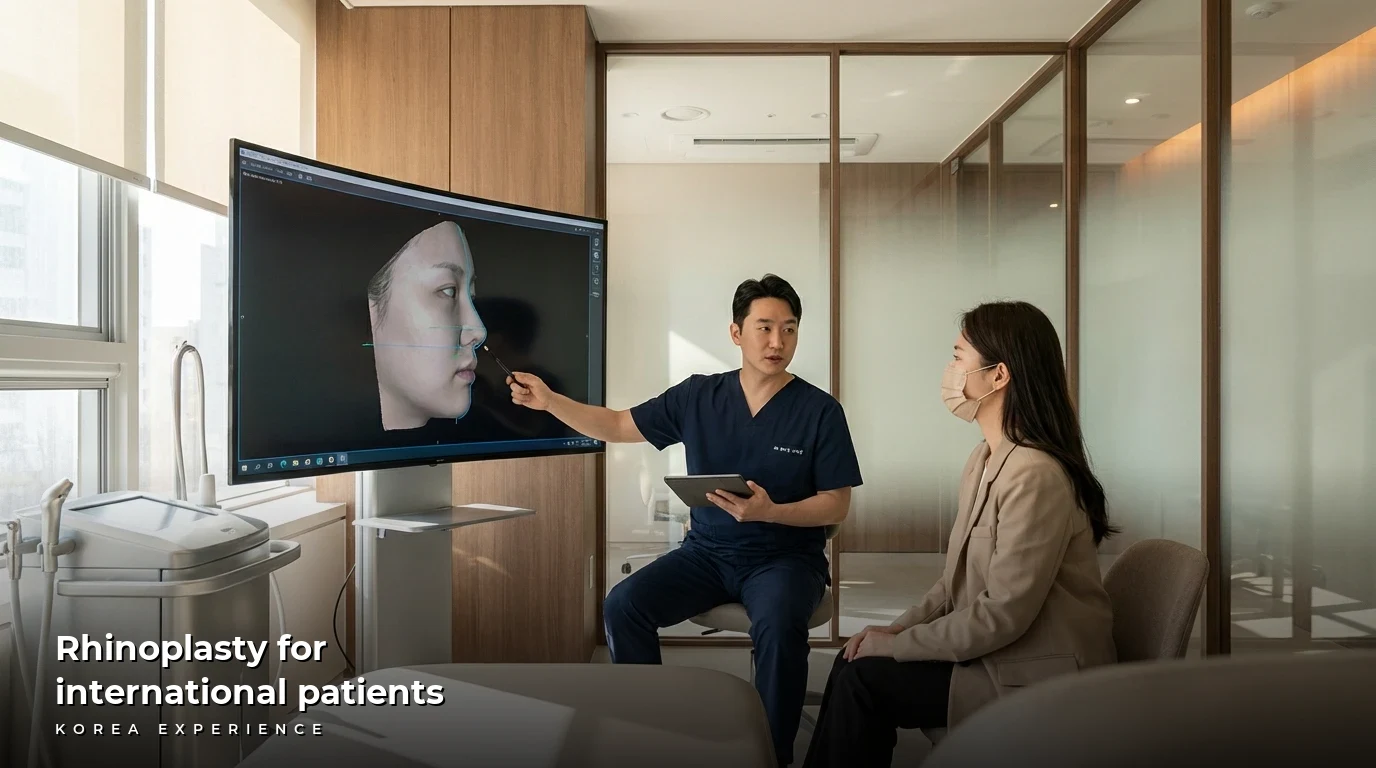
So you're thinking about flying to Seoul for a new nose? You're not alone—thousands do it every year, but with the new 2026 regulations and price shifts, you need the real scoop, not just the glossy brochures. Here is everything you need to know about getting a nose job in the plastic surgery capital of the world.
Key Takeaways
- 1South Korea remains the king of rhinoplasty, particularly for revision cases and Asian nose refinements, but 2026 brings stricter safety protocols with mandatory CCTV laws fully enforced.
- 2Primary rhinoplasty costs between $3,000 and $8,000 USD, offering significant savings compared to the $15,000+ price tags in Western countries.
- 3Preparation is critical: Verify board certification, plan for a minimum 7-day stay (14 is better), and download essential apps like KakaoTalk and Papago before departure.
📋 Quick Facts
Is Rhinoplasty in Korea Worth It in 2026?
So, is getting a nose job in Korea in 2026 actually worth the hype, the flight, and the recovery time? The short answer is yes, absolutely—but the game has changed.
Here’s the deal: South Korea remains the undisputed global heavyweight champion of rhinoplasty. We are talking about a country where surgeons perform these procedures with the frequency and casualness that other places perform dental cleanings. They have mastered the art of the "Asian rhinoplasty"—refining bulbous tips, raising low bridges, and creating harmony without erasing ethnic identity—in a way that Western surgeons often struggle to replicate. If you want a nose that looks refined but natural, Seoul is still the place to be.
But why 2026 specifically? Because safety has finally caught up to the volume. For years, the industry had a bit of a "Wild West" reputation. That is largely over. Since late 2023, strict laws requiring CCTV in operating rooms have been fully enforced. You can now request to have your surgery recorded. That level of transparency is rare globally and offers peace of mind that is worth its weight in gold. For a deeper understanding of these safety measures, read our guide on Shadow Doctors in Korea: 2026 Safety Guide & Ghost Surgery Risks.
Let’s talk numbers, because that’s probably why you’re here. A primary rhinoplasty in Seoul will cost you roughly $3,000 to $6,000 USD. In the US or Australia, you’re easily looking at $10,000 to $15,000 for a specialist of similar caliber. Even with a $1,500 flight and $1,000 for a hotel, you are still coming out ahead financially. And for revision cases (fixing a botched job)? Korea is the mecca. Surgeons here deal with complex rib cartilage reconstructions daily.
However, there is a catch this year. For a long time, tourists enjoyed a sweet 7-8% tax refund on cosmetic surgeries. As of late 2025, that program was set to expire or face significant changes (the "sunset clause" hit Dec 31, 2025). This means you need to double-check with your clinic if that discount still applies or if you’re paying the full VAT. Even without it, the value proposition is undeniable. For the latest updates on this, check our VAT Tax Refund on Plastic Surgery in Korea: 2026 Guide.
Trust me on this one: don't go just for the price. Go because these surgeons treat rhinoplasty like architecture. But you have to navigate the new rules correctly to have a smooth trip.
How Seoul Became the Plastic Surgery Capital
How did Seoul become the "Plastic Surgery Capital of the World" anyway? It didn’t happen overnight. It’s a mix of cultural pressure, intense competition, and government strategy.
Rewind to the early 2000s and 2010s. The "Hallyu" wave (K-Pop and K-Drama) was exploding. Suddenly, the whole world was looking at Korean stars with their perfectly sculpted faces. Locally, the competition for jobs and social status in Korea is fierce—like, really fierce. "Lookism" is a real sociological phenomenon here, where your appearance is often considered a valid part of your "specs" alongside your university degree. This drove a domestic demand for plastic surgery that created a hyper-competitive market for doctors. Only the best survived. They had to get really good, really fast.
The Gangnam district became the epicenter. Walk out of Sinsa Station or Apgujeong Station, and you are literally surrounded by hundreds of clinics. It’s not just a few buildings; it’s entire skyscrapers filled with nothing but aesthetic centers. This density created an ecosystem. If you’re a surgeon in Beverly Hills, maybe you do three rhinoplasties a week. A top surgeon in Gangnam might do three a day. The sheer volume of experience Korean doctors accumulate is unmatched.
But with rapid growth came growing pains. The mid-2010s saw some scandals. You might have heard horror stories about "ghost surgery"—where a famous doctor consults with you, puts you to sleep, and then a novice doctor (or even a nurse!) performs the actual cutting. It was a massive issue that shook trust in the industry.
The turning point was the CCTV Law. After years of activism by victims' families, the South Korean National Assembly passed a bill in 2021 mandating surveillance cameras in operating rooms for surgeries involving general anesthesia. It was a huge fight—doctors hated it—but it passed. It went into full effect in September 2023. Now, in 2026, this system is mature. It cleaned up the industry significantly. The factories that relied on ghost doctors had to change their ways or shut down.
Simultaneously, the government pushed Medical Tourism hard. They introduced the tax refund system in 2016 to attract foreigners, standardized medical visas, and cracked down on illegal brokers. While the tax refund might be phasing out now as the industry is self-sustaining, the infrastructure remains. You have clinics with in-house hotels, translators fluent in five languages, and aftercare centers that look more like spas than hospitals.
The K-Beauty Boom
South Korea explodes as the global hub for plastic surgery; medical tourism districts in Gangnam solidify.
Tax Refund Introduction
Government introduces VAT refunds (approx. 7-8% back) for foreign patients to boost tourism.
CCTV Bill Passed
Following high-profile 'ghost doctor' scandals, the National Assembly passes a law mandating cameras in ORs.
CCTV Law Effective
The law officially goes into effect (Sept), requiring clinics to record surgeries if requested.
Tax Refund Sunset?
The special VAT refund law for cosmetic surgery faced a sunset deadline of Dec 31, 2025.
The New Normal
Strict safety compliance is the standard; prices stabilize post-inflation; foreigners navigate a post-tax-refund landscape.
Choosing the Right Clinic Type
Okay, so you've decided to go for it. Now you're staring at a list of 500 clinics and feeling overwhelmed. I get it. To make it simple, let's break down the three main "vibes" of clinics you'll find in Seoul. Choosing the right one depends entirely on your personality and what you need done.
Option 1: The "Factory" or Large Comprehensive Hospital Think ID Hospital, View, or Banobagi. These are the giants. They are often whole buildings.
- The Vibe: It feels like an airport or a very fancy mall. There are coordinators with headsets, different floors for different body parts, and a massive lobby.
- Pros: They have everything. If something goes wrong, they have emergency equipment and anesthesiologists on standby. They usually have huge international teams, so language is rarely an issue. They are great if you want a "total makeover" (eyes + nose + contouring) all at once.
- Cons: You can feel like a number. The "shadow doctor" risk was historically higher here (though better now with CCTV). You might get less face time with the actual surgeon.
- Best For: The patient who wants a "one-stop-shop" and feels safer in a large institution.
Option 2: The Boutique / Specialist Clinic Think The Plus, 1mm, or smaller private practices run by a "star" doctor.
- The Vibe: High-end, quiet, personalized. You often meet the head doctor quickly.
- Pros: This is usually the gold standard for rhinoplasty in 2026. The doctor whose name is on the door is the one cutting you. They often specialize in only noses. The results tend to be more artistic and customized because they aren't trying to rush through 10 patients a day.
- Cons: They are more expensive. They might not have a dedicated English team, so you might need to hire a freelance translator. If you are worried about language barriers, check out The Ultimate 2026 Guide to Finding a Licensed Medical Coordinator.
- Best For: Revision cases (fixing a bad job) or anyone who wants a specific, high-quality aesthetic and personal attention.
Option 3: University Hospitals Think Asan Medical Center or Samsung Medical Center.
- The Vibe: Sterile, serious, medical.
- Pros: Safety is 100%. These are world-class hospitals. If you have a serious medical condition or need complex reconstruction (e.g., after an accident), this is where you go.
- Cons: It’s not about "beauty" first; it's about function. The aesthetics might be more conservative. The admin process is slow, expensive, and not geared toward tourists.
- Best For: Medical reconstruction, cleft palate repair, or severe trauma cases.
| Feature | Large "Factory" Hospital | Boutique/Specialist Clinic | University Hospital |
|---|---|---|---|
| Cost | Mid-Range ($$) | High ($$$) | Very High ($$$$) |
| Surgeon Access | Limited (Consults can be rushed) | High (Direct access to head doctor) | Moderate (Residents may assist) |
| Wait Times | Short (High volume/efficiency) | Long (Book months in advance) | Very Long (Slow admin) |
| English Support | Excellent (Dedicated teams) | Variable (May need translator) | Good (International centers) |
| Safety Gear | Top-tier (In-house emergency tech) | Good (Focus on specific procedures) | Best (Full ER on site) |
| Best For | Full makeovers (multiple surgeries) | Specialized/Revision Rhinoplasty | Reconstructive/Trauma cases |
| 2026 Vibe | Streamlined, busy, "systematic" | Personalized, artistic, "craftsman" | Clinical, cold, extremely safe |
Pros
- ✓The 'Master' Touch: Head surgeons in boutique clinics often focus only on noses, doing thousands of them.
- ✓Customized Aesthetics: Unlike the 'factory' style, specialist clinics focus on harmonious, natural results.
- ✓Accountability: The head doctor's reputation is on the line, ensuring they care deeply about your result.
Cons
- ✗The Communication Gap: Smaller clinics may lack translators, requiring you to hire a medical interpreter.
- ✗Higher Price Tag: You pay a premium for the surgeon's time and lower volume.
- ✗Scheduling Nightmares: Top doctors are booked out months in advance, making last-minute travel risky.
Step-by-Step Booking and Logistics
Ready to book? Let’s walk through the logistics. This isn't like booking a haircut; you need a strategy.
Step 1: The Digital Consult (3 Months Out) Download KakaoTalk (everyone uses this, not WhatsApp). Find the clinic’s ID on their website. Send them your photos.
- What to send: No filters, hair tied back. Front, side profile, 45-degree angle, and a "head tilted back" shot (nostrils).
- What to ask: "Can you recommend a surgical plan?" "What is the estimated cost?" "Is the tax refund applicable to me?"
- Pro Tip: Don't get attached to the price they quote online. It’s an estimate. The real price happens when they touch your nose in person.
Step 2: Booking and Flights (2 Months Out) Once you pick a clinic, they will ask for a deposit (usually 10%). Send it via Wise (formerly TransferWise) to save on fees.
- Timing: Book your flight to arrive at least 1 full day before surgery. Do NOT land and go straight to surgery. You need to be rested and have an empty stomach (fasting).
- Accommodation: Stay in Gangnam or Sinsa near the clinic for the first 5 days. You do not want to be navigating the subway across the Han River when you look like a chipmunk. Airbnb is great, but a hotel with a concierge (to order ice!) is better.
Step 3: The Pre-Op Day You’ll go in for blood tests, CT scans, and the final design consult.
- The Design: Bring photos of noses you like, but be realistic. A skilled doctor will tell you "No" if your skin is too thick or your bone structure can't support it. Listen to them.
- Payment: You pay the balance before surgery. Bring a credit card with a high limit (notify your bank!) or cash (you might get a small discount for cash, but get a receipt).
Step 4: Surgery Day
- Wear: A button-up shirt or a hoodie with a very wide neck. Sweatpants. Slip-on shoes.
- The Process: You’ll wash your face, get changed, meet the doctor one last time for "design" (drawing on your face with a marker), and then—lights out.
- Waking Up: You will be thirsty. Your throat will hurt from the breathing tube. You will have cotton packing in your nose (you can't breathe through it). This is the worst night. Just survive it.
Step 5: The Recovery Week
- Days 1-3: Peak swelling. You look like you went 10 rounds with Mike Tyson. Ice pack constantly (20 mins on, 20 mins off). Sleep sitting up to reduce swelling.
- Day 2 or 3: Cotton packing removal. This feels weird—like a slug sliding out of your brain—but the relief is instant. You can breathe!
- Day 7: Cast and stitch removal. This is the big reveal. Note: Your nose will look swollen and "piggy" (upturned) at first. Do not panic. It drops over the next few weeks.
Step 6: Flying Home Get a "Fit to Fly" letter from your doctor.
- At the Airport: If the tax refund is active, scan your passport at the kiosk before check-in, then again at the refund gate.
- On the Plane: Wear a mask (a loose one). Drink tons of water. The cabin pressure might make your nose throb. It's normal.
📖 The 'Seoul Nose Job' Master Plan
Step 1: The 'Instagram vs. Reality' Research Phase
Dig into GangnamUnni, PurseForum, and RealSelf. Look for 'bashing' reviews, not just praise.
Step 2: The Virtual Consultation Hustle
Contact 3-5 clinics via KakaoTalk. Send clear photos (front, side, 45-degree) with no makeup.
Step 3: Booking & The 'Golden Week' Check
Lock in your date. Avoid 'Golden Week' holidays (Chinese New Year, Chuseok). Arrive 1-2 days before surgery.
Step 4: The Recovery Survival Mode
Stock up on pumpkin juice, buy a neck pillow for sleeping upright, and download food delivery apps.
Insider Secrets: What Brochures Don't Tell You
Okay, now for the insider secrets that brochures won't tell you.
The "Post-Op Depression" is Real Around Day 3, you might hate yourself. You’re in pain, you look scary, you’re hungry, and you’re alone in a foreign country. You will think, "What have I done? I ruined my face." This is normal. It’s the anesthesia leaving your system and the shock of the change. Trust the process. By Day 10, you'll feel like a new person.
Pumpkin Juice isn't a Joke You will see pharmacies selling pouches of orange liquid. Buy them. Korean pumpkin juice (hobak-jup) is famous for reducing swelling. Doctors swear by it. Drink 3-4 packs a day. Also, walk! Walking circulates your blood and brings swelling down faster than laying in bed.
The "Ghost Doctor" Paranoia Even with CCTV laws, you should be vigilant.
- Pro Tip: Ask for the CCTV recording before you go under. Just saying "I might want to review the footage later" signals that you are a smart patient. Legally, they have to keep it for 30 days.
The Tax Refund Expiration If you read older blogs, they rave about the 8% tax refund. As of late 2025, the government signaled the end of this incentive for cosmetic surgery. Do not budget for this refund unless your clinic explicitly confirms it’s still valid for your specific procedure date in 2026. Assume the price is the price.
Deswelling Care Korean clinics have amazing aftercare. They have oxygen chambers, deswelling light therapy (SmartLux), and de-puffing injections. If you are nice to the consultants (bring them chocolate or coffee!), they will often throw in extra sessions for free. Use them!
Everyone obsesses over the side profile, but you see yourself from the front 90% of the time. In 2026, the best surgeons are focusing on the 'frontal effect'—making sure the nose doesn't look pinched or fake when you look in the mirror. Also, stop asking for 'celebrity noses.' Ask for a nose that fits your bone structure. A Karina nose on a different face structure just looks awkward.
No Korean Phone/ARC? Here's What To Do
This is the biggest headache for tourists. You can't order food on "Baedal Minjok" (Baemin) easily without a Korean ID.
The Solution:
- Use "Shuttle Delivery": It's the only fully English app that accepts foreign credit cards and doesn't require a Korean phone number.
- Coupang Eats: Sometimes works with foreign cards, but hit or miss.
- Concierge Services: Services like "Help Me Emo" or "Go Wonderfully" act as personal assistants. You chat them on KakaoTalk, tell them what you want, and they order it for a small fee. It's a lifesaver when you're stuck in a hotel room with a cast on your face.
Top Recommended Clinics (2026)
1. The Plus Plastic Surgery
- Type: Specialist Clinic (Rhinoplasty focus)
- Location: Sinsa Station (Line 3), Gangnam-gu
- Highlights: Dr. Jeong is a global authority on rhinoplasty. Known for natural aesthetics and high safety standards.
- Insider Tip: They are famous for revision surgeries, so book consultations months in advance.
2. GNG Hospital
- Type: Hospital (ENT + Plastic Surgery)
- Location: Bongeunsa Station (Line 9), Gangnam-gu
- Highlights: Hospital-level safety with ENT specialists involved. Excellent for "No-Implant" rhinoplasty options.
- Insider Tip: Great choice if you have functional breathing issues (deviated septum) you want fixed simultaneously.
3. View Plastic Surgery
- Type: Large Comprehensive Clinic
- Location: Sinnonhyeon Station (Line 9), Gangnam-gu
- Highlights: 19-story building, very foreigner-friendly, and often featured in media.
- Insider Tip: Their system for international patients is very streamlined, making it a good choice for first-timers who need hand-holding.
Detailed Cost Breakdown
| Option | Price (Approx) | Category | Description |
|---|---|---|---|
| Simple Bridge (Silicone) | $2,500 - $3,500 | Budget | Basic augmentation of the bridge only, often closed approach. |
| Tip + Bridge (Standard) | $4,000 - $6,500 | Mid | The most common "K-Pop" nose; silicone bridge + ear cartilage tip. |
| Rib Cartilage / Revision | $8,000 - $15,000+ | Luxury/Complex | Using own rib for structure; essential for complex revisions or major reconstruction. |
❓ Frequently Asked Questions
Have more questions?Contact us →
Conclusion
Look, getting a nose job in Korea is a journey, not just a surgery. It requires patience, research, and a bit of courage. But if you do it right, it’s life-changing.
Your first 24-hour to-do list:
- Download GangnamUnni and start looking at "After" photos to find the style you like.
- Contact 3 clinics on KakaoTalk today. Don't wait. The good ones have waitlists.
- Check your passport. Make sure you have 6 months validity left.
Don't rush the decision. This is your face. If a doctor pressures you to book right now for a discount, walk away. The best doctors are busy for a reason. Good luck, safe travels, and here’s to the new you in 2026! You’ve got this.
Sources
- Korea Clinic Guide - Specific clinic recommendations and doctor profiles.
- GangnamUnni / UNNI App - Reviews and clinic verification data.
- Medical Departures - Pricing data and clinic ratings.
- Korea Biomedical Review - Information on mandatory CCTV laws in operating rooms.
- Korea Herald / Tax News - Data regarding the expiration of VAT refunds for cosmetic surgery at the end of 2025.
About the Author
Korea Experience Team
Written by the Korea Experience editorial team - experts in Korean medical tourism, travel, and culture with years of research and firsthand experience.
⚠️ Medical Disclaimer
The information provided on this website is for general informational purposes only and does not constitute medical advice. Always consult with qualified healthcare professionals before making any medical decisions.
Explore more in Medical Tourism
World-class medical procedures at competitive prices. From plastic surgery and dermatology to dental care and health checkups — your complete guide to medical tourism in Korea.
Browse All Medical Tourism ArticlesContinue Reading
Explore more articles you might find interesting
A complete guide to revision nose surgery in Seoul including 2026 costs, recovery timelines, rib cartilage techniques.
Discover top-rated clinics for rhinoplasty, blepharoplasty, and contouring with English support, safety records, and 2026 price guides.
Compare Airbnb and recovery hotels for medical tourism in Korea. Discover costs, safety features, and amenities for your post-surgery stay.

The ultimate guide to Korea's 2026 summer nightlife. Discover the Hangang Moonlight Market, Waterbomb Festival prices, and food truck costs averaging ₩8,000.
A complete guide to LGBTQ+ safety in Korea. Discover inclusive neighborhoods in Seoul, nightlife costs (₩15,000+ drinks), and specific travel tips for 2026.
Discover Korea's 2026 stem cell medical tourism boom. Learn how new laws unlock anti-aging and joint treatments at 50% lower costs than the US, from $8,000.