Shadow Doctors in Korea: 2026 Safety Guide & Ghost Surgery Risks
Avoid ghost surgery risks in 2026. Learn how 100,000 victims sparked new CCTV laws, why VAT refunds ended, and how to verify your surgeon.
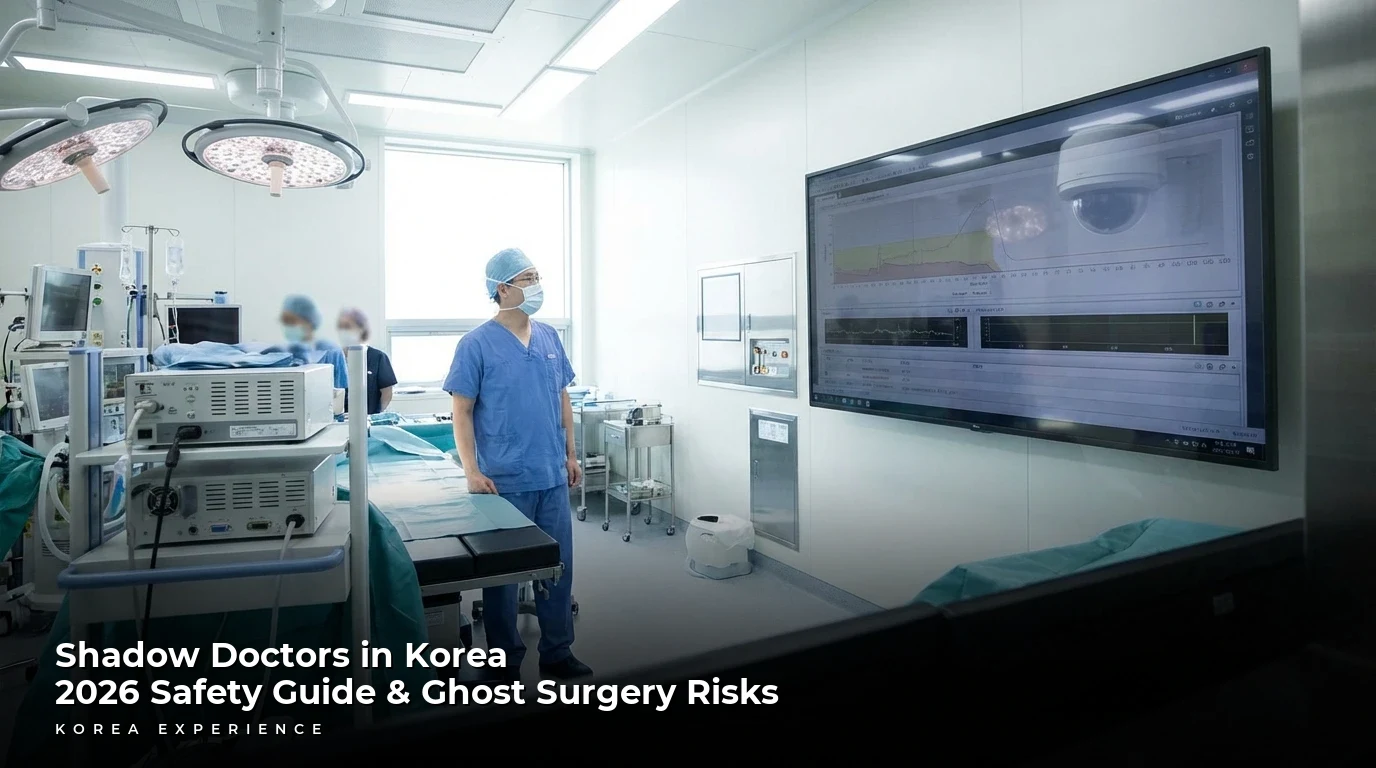
You’ve seen the viral makeovers and the flawless K-drama stars, but there’s a dark secret in Gangnam’s operating rooms that no brochure will tell you about. Before you book that flight to Seoul, we need to have a serious chat about "shadow doctors," the new CCTV laws, and how to make sure the surgeon you hired is the one actually holding the scalpel.
The short answer: "Shadow Doctors" (or ghost surgeons) are real, and yes, they are still a risk despite new laws. This happens when a famous "star doctor" consults with you, puts you under anesthesia, and then a junior doctor, dentist, or even a nurse steps in to perform the actual surgery while you're unconscious. It’s fraud, it’s dangerous, and it’s driven by greed—but you can avoid it if you know the red flags.
Key Takeaways
- 1Shadow Doctors are unauthorized substitutes who operate while the patient is sedated—a practice that has victimized an estimated 100,000 people.
- 2New laws mandate CCTV in operating rooms as of late 2023, but enforcement relies on patients actively requesting the footage beforehand.
- 3To stay safe, you must verify Board Certification, demand CCTV recording, and avoid 'factory clinics' that schedule impossible numbers of surgeries.
📋 Surgery Safety Snapshot 2026
The Reality of Ghost Surgery
So, you’re scrolling through Instagram, seeing these incredible transformations from Seoul, and you’re ready to book your ticket. But then you hear a whisper about "Ghost Doctors" or "Shadow Doctors," and suddenly, you’re terrified. Is it real? Is it safe?
Here is the honest truth: Yes, Shadow Doctors are real, but you don't have to be a victim.
The short answer is that a "Shadow Doctor" is an unauthorized substitute surgeon—often a trainee, a dentist, or even a nurse—who steps in to perform your surgery after you have been sedated, taking the place of the "Star Doctor" you actually hired. It sounds like a horror movie, but it was a massive issue in the "factory" clinics of Gangnam for years. However, things changed drastically in late 2023. South Korea became the first country in the world to mandate CCTV cameras in operating rooms. This law has made it significantly harder for clinics to pull this bait-and-switch. But harder doesn't mean impossible. The shady clinics have gotten smarter, meaning you have to be smarter too. You need to know exactly what to ask for—like the CCTV footage—before you ever put on that hospital gown.
If you are looking for reputable places to start your search, check our guide on the best plastic surgery clinics for foreigners in Seoul.
How Did We Get Here?
How on earth did this become a thing? It wasn't always this way. In the early 2010s, the K-Beauty boom exploded. Everyone wanted a piece of the pie. Clinics in Gangnam realized they could market a "Star Doctor"—a surgeon with movie-star looks and golden hands—to bring in hundreds of patients. The problem? One human being can’t perform 15 jaw surgeries a day. It’s physically impossible.
Instead of turning away money, some clinics began a system of industrial-scale fraud. The Star Doctor would do the consultation, smile, and promise you the world. You’d go into the OR, see the Star Doctor, and get the anesthesia. But the moment you were out, the Star Doctor would leave to consult with the next patient, and a "Shadow"—sometimes a fresh medical graduate, sometimes someone not even qualified—would walk in to do the cutting.
The turning point was the tragic death of Kwon Dae-hee in 2016. He was a university student who went in for a simple jawline reduction. He bled to death because the main surgeon left the room, leaving him with a nursing assistant and an intern. His mother, a true hero in this story, fought the system for years, reviewing thousands of hours of CCTV footage herself to prove what happened. Her fight led to the "Kwon Dae-hee Bill," passed in 2021 and enacted in September 2023, which finally forced clinics to install cameras. This history is important because it shows that the regulations we have today are written in blood. They are there to protect you, but only if you use them.
The Fight Against Ghost Surgery
The 'Birthday Party' Scandal
A photo leaks showing staff at a famous clinic having a party with cake in the OR while a patient lies unconscious; sparks public outrage.
Death of Kwon Dae-hee
A university student dies from excessive bleeding during jaw surgery performed by a nursing assistant and a ghost doctor while the lead surgeon left the room.
Kwon Family Victory
Kwon's family wins a landmark civil suit; the clinic is ordered to pay 430 million won in damages, proving the ghost surgery allegations.
The 'Kwon Dae-hee Bill' Passes
After years of protests by Kwon's mother, the National Assembly passes the bill mandating CCTV in operating rooms.
CCTV Law Implementation
As of September 25, 2023, all medical institutions operating on unconscious patients MUST install CCTVs.
VAT Refund Sunset
The Korean government announces the 10% VAT refund for cosmetic surgery will expire on Dec 31, 2025.
New Pricing Era
Foreign patients now face ~10% higher costs as tax refunds are eliminated to boost tax revenue.
Breaking Down Your Options
When you start looking for clinics, you’re generally going to find three types. Understanding the difference is your first line of defense.
First, you have the "Factory Clinics." These are the ones with the massive advertisements in the subway stations. They occupy entire skyscrapers. They offer prices that seem too good to be true—like a nose job for $1,500. They operate on volume. They need to churn out patients to pay for that expensive building. This is where the risk of shadow doctors is highest. If you are just getting simple skin treatments, check our guide on best Korean skin clinics in Gangnam, as these are generally safe at larger clinics. But for invasive surgery? Think twice.
Second, you have "Boutique" or Private Clinics. These are usually run by one or two head surgeons. Their name is often on the sign. They might only do two surgeries a day. They cost more—sometimes double the factory price—but you are paying for the guarantee that they are doing the work. Their reputation is everything. If they botch your face, they can’t hide behind a corporate brand. This is generally the "sweet spot" for most medical tourists.
Third, you have University Hospitals (like SNU or Asan). These are the safest places on earth. You will have professors operating on you. The downside? They are incredibly expensive, the wait times are long, and they focus on safety and reconstruction rather than the trendy "K-pop aesthetic." If you need complex revision surgery or have health issues, this is where you go.
Clinic Types: Where is the Risk?
| Feature | Factory Clinic | Boutique Clinic | University Hospital |
|---|---|---|---|
| Cost | Lowest (₩1.5M–₩4M) | Mid to High (₩4M–₩10M) | Highest (₩10M+) |
| Consultation | Rushed (Consultant driven) | Detailed (Surgeon driven) | Very Formal & Thorough |
| Surgeon | Star Doctor on poster, random in OR | Doctor you meet operates | Top Professors |
| Safety Risk | High (Ghost surgery risk) | Low (Reputation based) | Extremely Low |
| Best For | Simple skin/Botox | Rhinoplasty, Facelifts | Reconstructive/High-risk |
| CCTV Policy | Often 'broken' or discouraged | Transparent | Strict adherence |
Why Choose a Boutique Clinic?
- ✓Accountability: The owner is the head surgeon. If they botch your nose, their business collapses.
- ✓Customization: You aren't just a number. You get a tailored result, not a cookie-cutter assembly line look.
- ✓Transparency: These clinics are usually much more open about showing you the CCTV feed.
- ✗The Price Tag: Quality costs money. You won't find '50% off' deals here.
- ✗Availability: Popular private doctors are often booked out months in advance.
- ✗Language Barriers: Smaller clinics might have fewer translators compared to factory clinics.
Step-by-Step Verification Guide
So, how do you actually book this safely? Here is your game plan. For more details on the booking process specifically, read about booking medical consultations in Korea.
📖 How to Verify Your Surgeon & Avoid Ghost Doctors
Step 1: The 'Name Check' (Verify Board Certification)
Go to the Korean Society of Plastic and Reconstructive Surgeons (KSPRS) website. Type in the doctor's name. A real specialist's sign says 'Seong-hyeong Woe-gwa'. A general doctor's sign says 'Jin-ryo Gwa-mok'.
Step 2: The Consultation Interrogation
Ask: 'I know about the mandatory CCTV law. I want my surgery recorded. What is the process to request the footage?' If they get defensive or say cameras are 'broken', leave.
Step 3: The 'Anesthesia Handoff' Check
Ghost surgery usually happens right after anesthesia. Ask who the anesthesiologist is. Tell them, 'I want my guardian to see the surgeon enter BEFORE I am put to sleep.'
Step 4: Use the Apps (But Be Careful)
Download Gangnam Unni (Global). Look at reviews, but filter for 'Photo Reviews' only. Look for the 'CCTV' badge on the clinic profile.
Here is the biggest secret: If a clinic offers to pay for your hotel, your flight, and gives you a 50% discount if you book *today*, they are desperate for volume. High-volume clinics are where shadow doctors hide. The best surgeons in Korea don't need to bribe you to come; they are busy enough with locals who know the truth. Pay the full price for the private doctor—it's cheaper than paying for revision surgery later.
Important Warnings & Tips
The "Broker" Trap
You might meet people online or even taxi drivers who steer you toward specific clinics. "Oh, my daughter went here, it's the best!" Be careful. Illegal brokers get a massive commission—sometimes 30% to 50% of your surgery fee—which gets added to your bill. If a price seems inflated, you might be paying a "broker tax." Always book directly or use a government-certified medical tourism agency.
The VAT Refund is Gone
If you are sitting on the fence, you need to know the financial reality. For the last decade, tourists got a 10% tax refund on cosmetic surgeries. However, the government ended this perk on December 31, 2025. If you are booking your surgery now in 2026, expect to pay roughly 10% more than the prices you might see in older blog posts.
Pro Tip: Budget for Recovery
Don't spend your entire budget on the surgery itself. You will need high-quality recovery food and possibly a specialized recovery hotel. Check our guide on best Korean healing foods for surgery recovery to plan your post-op diet.
Beware of Illegal Medical Brokers
These are people who contact you via WeChat, Instagram DMs, or even in person near clinics. They earn 30%–50% commissions added to your bill. Always book directly through the clinic's official website or use a government-registered medical tourism agency. If someone pressures you to book immediately, walk away.
No Korean Phone/ARC? Here's What To Do
This is the #1 headache for tourists. You can't order food or call a taxi without a verified number.
- For Food: Download Shuttle Delivery. It is the ONLY app that is fully English, accepts foreign credit cards, and does not require a Korean Alien Registration Card (ARC).
- For Taxis: Download Uber (it automatically turns into UT in Korea) or k.ride. Regular Kakao T requires a Korean number for payment.
- For Reservations: Use Creatrip or CatchTable (Global version) to book restaurants and hair salons.
Recommended Locations
Here are three examples of clinics representing the different tiers of safety and service.
JK Plastic Surgery Center(JK성형외과)
ID Hospital(아이디병원)
Seoul National University Hospital(서울대학교병원)
💵 2026 Surgery Price Estimates
Top-tier safety, professors performing surgery, zero ghost risk.
High volume, rushed consults, higher risk of shadow doctors.
Frequently Asked Questions
❓ Frequently Asked Questions
Have more questions?Contact us →
Conclusion: Your Action Plan
Look, Korea is still the best place in the world for plastic surgery. The skill level here is unmatched. But "Shadow Doctors" are a real historical scar on the industry.
Your plan for the first 24 hours:
- Land in Seoul and buy a SIM card at the airport (you need a number, even if it's temporary).
- Download Naver Map, Papago (for translation), and Gangnam Unni.
- Visit 3 clinics for consultations. Do not book the first one. Compare the "vibe." Did they rush you? Did you meet the doctor?
- Ask about the CCTV.
Trust your gut. If a clinic feels like a factory, it probably is. Your face is the only one you get—don't discount it. Once you are recovering, make sure to treat yourself to some good food using the best food apps for English speakers to keep your spirits high. Good luck!
Sources
- Al Jazeera - Investigation into dodgy practices and risks facing medical tourists in Korea
- Korea Times - Coverage of Korea's mandatory CCTV bill and reactions from medical associations
- NIH / PMC Article - Peer-reviewed research on ghost surgery prevalence and patient safety data
- The Aesthetic Guide - Legal analysis of South Korea's operating room surveillance mandate
- American Med Spa Association - Industry report on ghost doctor risks and patient safety concerns
- VAT Update - Impact of ending the cosmetic surgery VAT refund on medical tourism
About the Author
Korea Experience Team
Written by the Korea Experience editorial team - experts in Korean medical tourism, travel, and culture with years of research and firsthand experience.
⚠️ Medical Disclaimer
The information provided on this website is for general informational purposes only and does not constitute medical advice. Always consult with qualified healthcare professionals before making any medical decisions.
Explore more in Medical Tourism
World-class medical procedures at competitive prices. From plastic surgery and dermatology to dental care and health checkups — your complete guide to medical tourism in Korea.
Browse All Medical Tourism ArticlesContinue Reading
Explore more articles you might find interesting
So, here is the big news: as of January 1, 2026, the official government VAT refund for plastic surgery is officially a thing of the past.
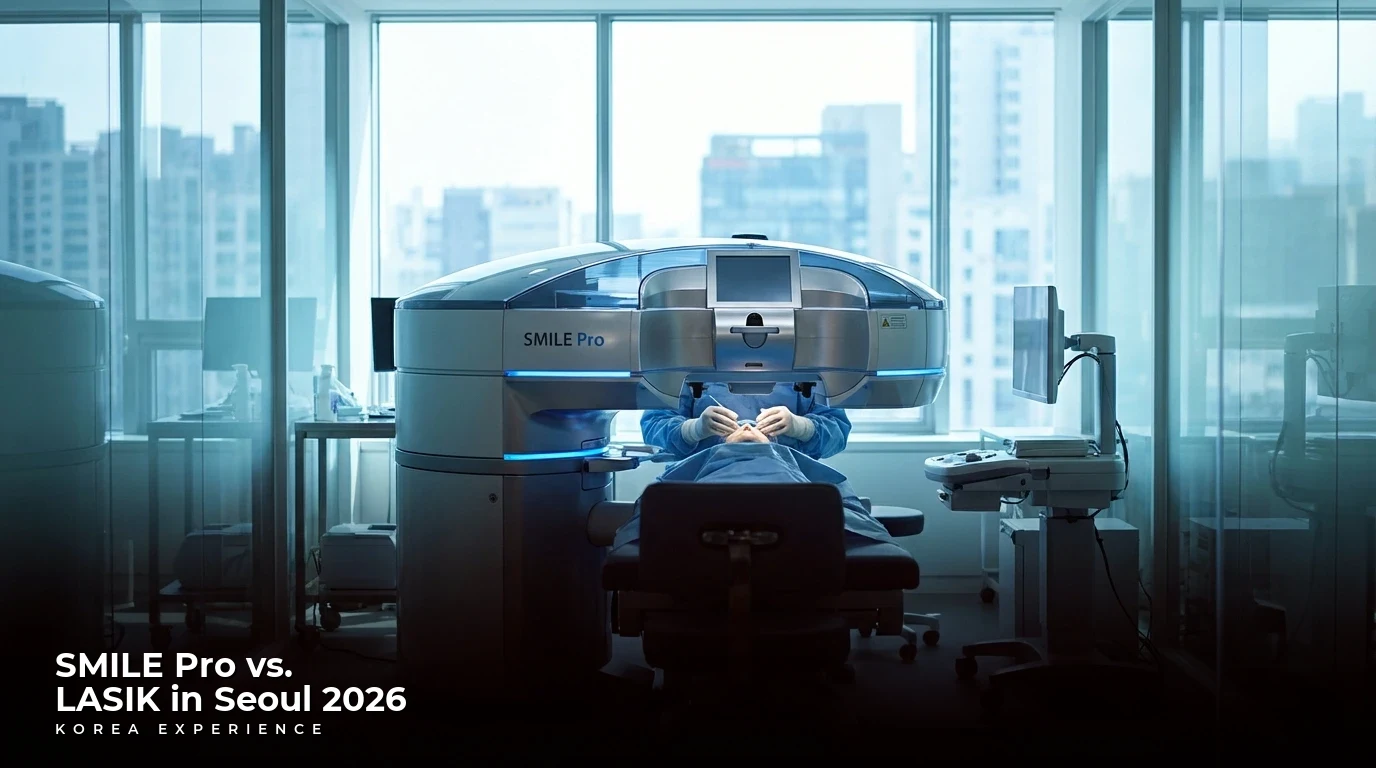
SMILE Pro is the new gold standard for vision correction in Seoul, offering faster recovery and fewer side effects than traditional LASIK.
Find open pharmacies in Seoul past 1 AM. Learn the 2026 Simya system, 30% night surcharges, and the 13 safety meds available at convenience stores.
Choose Rejuran (PDRN) if your skin is screaming for a 'reset button' because it's sensitive or damaged.
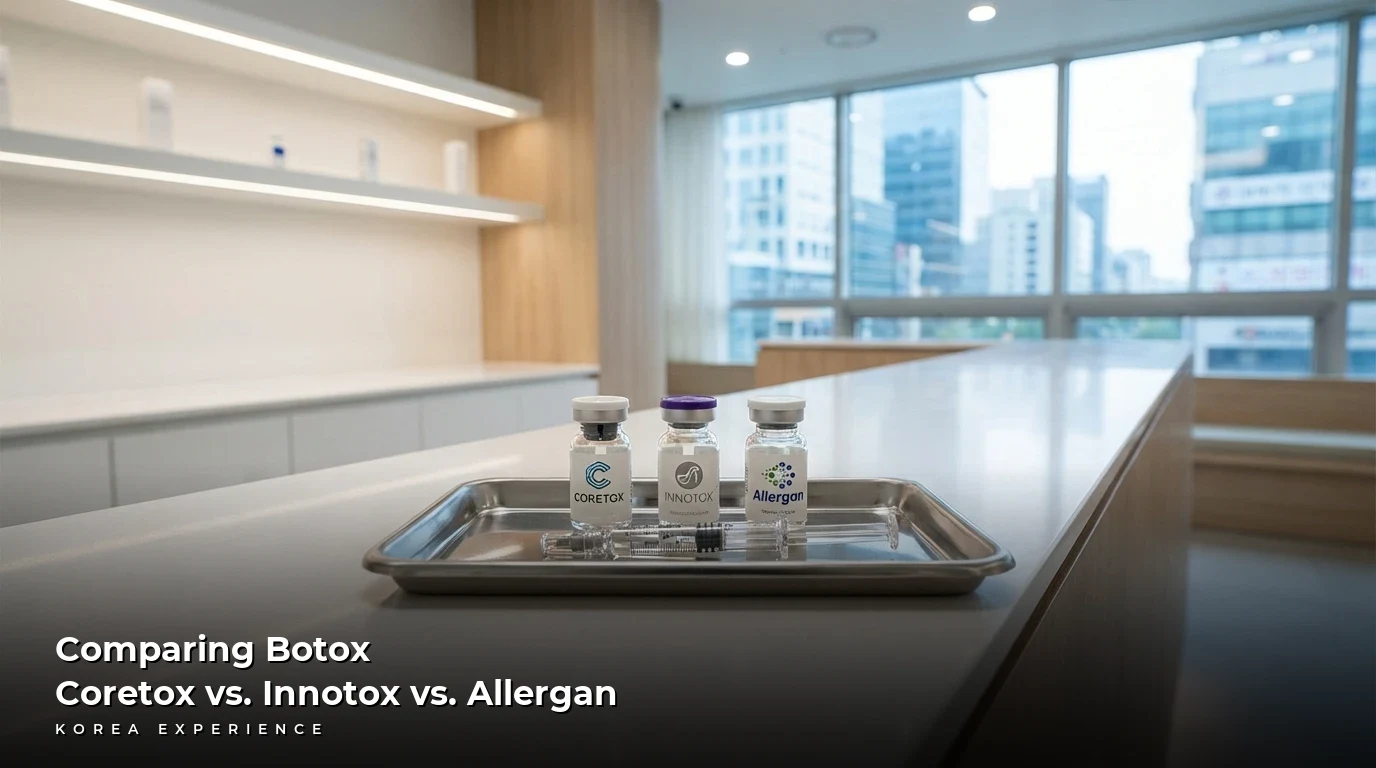
Confused by $20 Botox? We compare Allergan vs Coretox vs Innotox prices (₩25k-₩350k) and safety data to help you save 80% in Seoul.
The 2026 regulatory framework for South Korea's C-3-3 Medical Tourism Visa mandates a digital-first approach.