Seongsu-dong: Dior Luxury vs Market Eats in 24 Hours
Experience Seongsu-dong's unique dualism: from high-fashion Dior pop-ups to vibrant traditional market food, all in a single day.
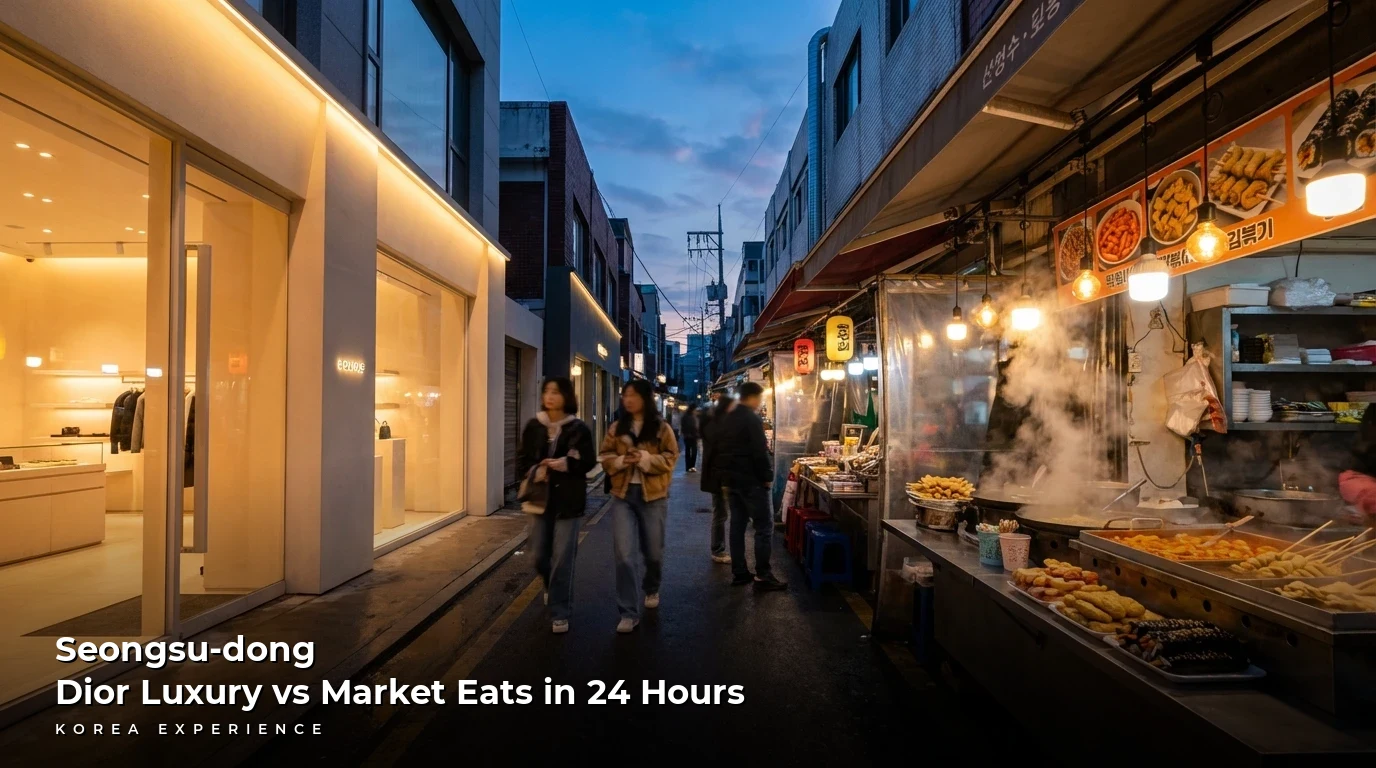
Welcome to Seongsu-dong, Seoul's captivating district that effortlessly blends the gritty charm of industrial past with the glittering allure of high fashion and cutting-edge culture. This isn't just another trendy neighborhood; it's a testament to Seoul's dynamic spirit, where repurposed factories now house luxury brand pop-ups and artisan cafes, coexisting just blocks away from bustling traditional markets serving delicious, budget-friendly street food. Our "24 Hours in Seongsu-dong: Luxury Dior Pop-up vs $5 Market Food - A Dualism Route" is designed for the curious international traveler, the expat seeking authentic Korean experiences, or anyone eager to witness Seoul's vibrant contrasts firsthand. Prepare to navigate a fascinating journey from designer elegance to local flavors, proving that in Seongsu, you truly can have it all.
Key Takeaways
- 1Seongsu-dong offers a unique blend of high fashion and traditional Korean market experiences within a short walking distance.
- 2A visit to a luxury pop-up like Dior can involve reservations and costs upward of 0,000 for a single dessert and drink, contrasting sharply with market meals for under ,000.
- 3Utilize Seoul's efficient subway system (Line 2, Seongsu Station) and walking to explore both facets of the district effectively.
Why Seongsu-dong? The Rise of Seoul's Trendiest Dualistic District
Seongsu-dong, often dubbed the "Brooklyn of Seoul," has undergone a remarkable transformation over the last decade. What was once an industrial hub, filled with shoe factories, printing presses, and auto repair shops, has re-emerged as one of the city's most vibrant and sought-after neighborhoods. This evolution didn't erase its past; instead, it embraced it, repurposing many of the original brick buildings and industrial spaces into chic cafes, art galleries, and designer showrooms. This reverence for its industrial heritage, combined with an influx of creative energy, is precisely what gives Seongsu-dong its unique, dualistic character.
📋 Seongsu-dong at a Glance
The appeal of Seongsu-dong for international visitors lies in its ability to offer a diverse range of experiences within a compact area. You can browse high-end fashion and art installations one moment, then immerse yourself in the authentic flavors and sounds of a traditional market the next. This duality isn't just about contrasting experiences; it's about understanding the multifaceted nature of modern Seoul itself. The district is incredibly accessible, located just a few stops from major transport hubs, making it an ideal destination for a day trip or an extended exploration. From Seongsu Station, many key attractions are within a 5-15 minute walk.
Getting to Seongsu-dong
The easiest way to reach Seongsu-dong is via Seoul Subway Line 2 (the green line). Get off at Seongsu Station (성수). Most of the trendy cafes and shops are concentrated around Exits 3 and 4. Ttukseom Station (뚝섬, also on Line 2, is convenient for the western part of the district and some markets.
Morning: The Luxury Immersion Dior and High-End Cafes (9:00 AM - 12:00 PM)
Our dualism route begins on the opulent side. Seongsu-dong has become a magnet for luxury brands seeking to connect with a younger, trend-conscious audience in a non-traditional setting. Dior is a prime example, often establishing spectacular pop-up stores or concept spaces that are as much art installations as they are retail environments.
The Dior Seongsu Experience: A Parisian Escape in Seoul
Stepping into the Dior Seongsu space is like entering another world. It's meticulously designed, often reflecting Parisian elegance intertwined with modern Korean aesthetics. These locations are less about quick shopping and more about brand immersion and experience. They typically feature curated collections, exclusive items, and often a themed cafe.
The atmosphere is undeniably luxurious, with attentive staff and exquisite displays. You're not just buying a product; you're buying into the Dior universe. Expect to see stunning architecture, intricate interior design, and often a beautifully landscaped garden or outdoor seating area. The average cost for a coffee or a signature dessert here can easily range from 8,000 to 5,000 ($13-$18 USD), reflecting the premium experience and brand prestige.
Dior Seongsu Concept Store(디올 성수 컨셉스토어)
Dior Seongsu Reservation Alert
Access to the Dior Seongsu pop-up or cafe often requires prior online reservation, particularly on weekends and holidays. Without a reservation, you might face long wait times or even be denied entry. Plan at least 1-2 weeks in advance for popular times.
High-End Brunch and Artisanal Coffee
After your Dior experience, or perhaps as an alternative if reservations are full, Seongsu-dong boasts an impressive array of high-end cafes housed in renovated industrial buildings. These spaces are known for their spacious interiors, unique architectural features, and premium coffee and bakery items.
Cafes like Café Onion Seongsu (어니언성수) or Daelim Warehouse (대림창고) offer a distinct blend of industrial chic and cozy comfort. They often serve specialty pour-over coffees, artisanal breads, and brunch menus that go beyond a simple croissant. The average price for a coffee in these establishments is around ,000-,000 ($4.50-$6 USD), and a pastry can add another ,000-,000 ($3.50-$5 USD). A full brunch plate might cost 5,000-0,000 ($11-$15 USD).
Cafe Onion Seongsu(카페 어니언성수)
"Many of Seongsu-dong's luxury pop-ups rotate frequently. Always check their official social media or Korean news sites for the latest information on which brands are currently in residence. Some require a specific app for entry, so be prepared!"
Midday: Bridging the Gap Urban Exploration and Artisanal Boutiques (12:00 PM - 3:00 PM)
As the morning transitions to afternoon, take some time to explore the streets that connect these contrasting worlds. Seongsu-dong is incredibly walkable, offering a visual feast of repurposed factories, vibrant street art, and small, independent boutiques.
Seongsu-dong Street Art and Galleries
Wander through the back alleys and main thoroughfares, and you'll discover a district brimming with creative expression. Colorful murals adorn brick walls, and small art galleries are tucked away in renovated spaces. These provide fantastic photo opportunities and a deeper understanding of the area's artistic pulse.
Artisanal Boutiques and Concept Stores
Seongsu-dong is a treasure trove for unique fashion, handcrafted goods, and sustainable brands. These boutiques offer an alternative to mainstream shopping, focusing on quality, design, and often, ethical production. You can find anything from bespoke leather goods and handmade jewelry to avant-garde clothing and quirky home decor. Expect prices for artisanal items to vary widely, from a handcrafted ceramic mug at 0,000 ($22 USD) to a unique clothing item costing 00,000 ($75 USD) or more. This is where the mid-range exploration truly shines, offering distinctive finds that aren't mass-produced.
Photography Etiquette
While Seongsu-dong is very photogenic, be mindful when taking pictures, especially inside shops or near residential areas. Always ask permission before photographing people, and be respectful of private property.
Lunch: A Glimpse of the Market Budget-Friendly Delights (3:00 PM - 5:00 PM)
Now, it's time to shift gears and prepare for the authentic flavors of Seongsu-dong's local scene. While the morning was all about curated experiences and premium pricing, the afternoon focuses on value and authenticity. Our dualism route wouldn't be complete without diving into the bustling world of Korean market food.
💵 Cost Comparison: Luxury Cafe vs. Market Lunch
Premium coffee and a signature dessert in a high-fashion setting.
Enjoy two to three street food items like tteokbokki, odeng, and gimbap.
Ttukseom Market: A Taste of Traditional Korea
Ttukseom Market (뚝섬 시장) is one of the local gems that perfectly embodies the traditional side of Seongsu-dong. Unlike the highly curated luxury spaces, this market offers a sensory overload of sights, sounds, and smells. It's where locals shop for fresh produce, household goods, and, most importantly, delicious and affordable street food.
Ttukseom Market(뚝섬 시장)
Here, you can feast like a local for a fraction of the price of a luxury cafe snack. Popular items include:
- Tteokbokki (떡볶이): Spicy rice cakes, often served with fish cakes (eomuk). A generous portion costs around ,000-,000 ($3-$3.75 USD).
- Odeng (오뎅): Fish cakes on skewers, simmered in a savory broth. Usually ,000 ($0.75 USD) per skewer.
- Gyeranppang (계란빵): A fluffy, slightly sweet bread with a whole egg baked inside. Approximately ,000 ($1.50 USD) each.
- Kimbap (김밥): Seaweed rice rolls, often sold in small, individual portions for ,000-,000 ($2.25-$3 USD).
This is an experience where plastic chairs, shared tables, and the aroma of various foods define the ambiance. It's raw, authentic, and utterly charming.
📖 How to Order Street Food at a Korean Market
Step 1: Browse and Point
Walk around and see what looks appealing. Many vendors display their food clearly. Don't be afraid to point to what you want if you don't speak Korean.
Step 2: Indicate Quantity
Hold up fingers to show how many portions or skewers you'd like. For items like tteokbokki, you might just say 'hana' (one) or 'dul' (two).
Step 3: Pay in Cash
Most market stalls are cash-only. Have small denominations (,000, ,000, 0,000) ready. You'll usually pay before or immediately after receiving your food.
Step 4: Eat Standing or at Small Tables
Many street food experiences involve eating while standing at the counter or sharing small, informal tables. Embrace the communal atmosphere!
"Don't be shy about trying a little bit of everything at the market! Most portions are small and inexpensive, so you can sample several different dishes. And remember to try the complimentary broth served with odeng it's incredibly comforting, especially on a chilly day."
Evening: Completing the Dualism Dinner & Drinks (5:00 PM - 10:00 PM)
As evening falls, Seongsu-dong offers even more opportunities to experience its dual nature, from sophisticated dining to casual local spots.
Dinner: From Industrial Chic to Homestyle Korean
For dinner, you have the choice of continuing your budget-friendly market exploration or opting for a more upscale, yet still characterful, dining experience in one of Seongsu's renovated spaces.
- Luxury/Mid-Range Option: Many of the larger cafes and repurposed warehouses also house restaurants serving modern Korean or international cuisine. Expect dishes to range from 8,000 to 5,000 ($13-$26 USD) per person for a main course. These often feature stylish interiors, curated menus, and a sophisticated ambiance perfect for a relaxed evening meal.
- Budget Option: Sticking to the market or seeking out smaller, local restaurants near Ttukseom Station will provide excellent value. A bowl of kalguksu (knife-cut noodles) or sundae-guk (blood sausage soup) can be found for ,000-2,000 ($6-$9 USD). These are hearty, authentic Korean meals that locals frequent.
Luxury Dining vs. Market Food Pros and Cons
- ✓Luxury: Impeccable ambiance, unique culinary creations, excellent service, Instagrammable presentation.
- ✓Market Food: Authentic flavors, incredible value, vibrant local atmosphere, quick and convenient.
- ✗Luxury: High price point, potentially restrictive dress codes, can feel less 'local'.
- ✗Market Food: Limited seating, cash-only common, less polished presentation, can be crowded.
Drinks: High-End Cocktails vs. Local Soju
Seongsu-dong's nightlife mirrors its daytime duality.
- High-End Bars: Several sophisticated bars have emerged, often with mixologists crafting unique cocktails in stylish, industrial-chic settings. A custom cocktail can cost anywhere from 8,000 to 5,000 ($13-$18 USD). These venues focus on atmosphere, premium ingredients, and a relaxed, upscale vibe.
- Local Soju Tents (Pojangmacha): For a more authentic, budget-friendly Korean experience, look for a 'pojangmacha' (포장마차) or a casual local pub. These often serve soju (,000 per bottle, ~$3.75 USD), beer (,000-,000 per bottle), and affordable anju (안주 - snacks to accompany drinks) like gyeranmari (rolled omelet) for 5,000 ($11 USD) or golbaengi-muchim (spicy sea snail salad) for 5,000 ($18 USD). It's a lively, unpretentious way to experience Korean drinking culture.
📊 Seongsu-dong's Economic Impact
Crafting Your 24-Hour Dualism Route in Seongsu-dong
Here's a suggested timeline to maximize your experience of Seongsu-dong's unique contrasts. Remember, these are flexible and can be adapted to your preferences.
Seongsu-dong Dualism Itinerary
Luxury Brunch/Coffee
Start with a premium coffee and pastry at a high-end cafe like Cafe Onion Seongsu.
Dior Seongsu Concept Store
Immerse yourself in the world of high fashion. (Reservations crucial!)
Urban Exploration
Wander through the industrial-chic streets, discover street art and unique boutiques.
Market Food Adventure
Head to Ttukseom Market for a budget-friendly and authentic Korean street food lunch.
Artisan Shopping/Relax
Browse local craft shops or find a cozy spot for a mid-afternoon coffee.
Dinner: Dualism Choice
Choose between a modern Korean restaurant in a renovated factory or another hearty market meal.
Evening Drinks
Conclude your day with either a chic cocktail at a trendy bar or a casual soju session at a pojangmacha.
Practical Tips for Your Seongsu Dualism Journey
To ensure a smooth and enjoyable visit to Seongsu-dong, keep these practical tips in mind:
Transportation
Seongsu-dong is primarily served by Seoul Subway Line 2. Seongsu Station is your gateway to the trendier parts, while Ttukseom Station is better for the market area. Both are very close, usually a 10-15 minute walk from each other. Taxis and ride-sharing apps (like Kakao T) are readily available if you prefer not to walk or are traveling with heavy bags. A subway ride typically costs ,250-,450 ($0.90-$1.10 USD) for basic fares.
T-Money Card is Your Best Friend
Purchase a T-Money card at any subway station or convenience store (like GS25, CU). Load it with funds. It's essential for seamless travel on subways and buses in Seoul and offers small discounts compared to single-use tickets.
Payment Methods
While luxury establishments and larger cafes accept international credit cards (Visa, Mastercard, Amex), many smaller market stalls and traditional eateries still operate on a cash-only basis. Having a mix of Korean Won in various denominations (,000, ,000, 0,000 notes) is highly recommended for market exploration. ATMs are widely available in convenience stores and subway stations.
Language Barrier
Most high-end cafes, pop-ups, and popular restaurants in Seongsu-dong will have staff who can communicate in basic English, or at least have English menus. In traditional markets, English proficiency might be lower, but vendors are generally friendly and accustomed to tourists pointing at items they wish to purchase. Learning a few basic Korean phrases like "Annyeonghaseyo" (hello), "Kamsahamnida" (thank you), and "Ige eolmayeyo?" (How much is this?) can significantly enhance your experience.
Payment & Language Support
| Feature | Luxury Stores/Cafes | Artisanal Boutiques | Traditional Markets |
|---|---|---|---|
| English Support | Good | Basic-Good | Limited |
| Foreign Card Acceptance | ✅ | ✅ | ❌ |
| Cash Recommended | ❌ | ❌ | ✅ |
| Reservations Common | ✅ | ❌ | ❌ |
Best Time to Visit
Seongsu-dong is lively year-round. Spring (April-May) and Fall (September-October) offer the most pleasant weather for walking and outdoor exploration. Weekdays generally see smaller crowds at popular spots compared to weekends, especially at luxury pop-ups and famous cafes. However, traditional markets are always bustling, offering a consistent authentic experience.
Conclusion: Embracing Seongsu-dong's Unique Charm
Seongsu-dong epitomizes the dynamic spirit of Seoul, a city that constantly reinvents itself while cherishing its roots. Our 24-hour dualism route, from the polished elegance of a Dior pop-up to the rustic charm of a $5 market meal, offers a compelling narrative of this captivating district. It's a journey that challenges perceptions and invites you to experience the rich tapestry of Korean culture, where luxury and tradition not only coexist but thrive side-by-side.
Whether you're sipping a premium latte in a designer cafe or savoring a spicy tteokbokki by a market stall, Seongsu-dong promises an unforgettable adventure. We encourage you to embrace both sides of this fascinating coin, allowing the contrasts to deepen your appreciation for one of Seoul's most unique and evolving neighborhoods. Come with an open mind, a curious palate, and a willingness to explore Seongsu-dong awaits to surprise and delight you at every turn.
❓ Frequently Asked Questions About Seongsu-dong
Have more questions?Contact us →
About the Author
Korea Experience Team
Written by the Korea Experience editorial team - experts in Korean medical tourism, travel, and culture with years of research and firsthand experience.
Explore more in Travel & Tourism
From Seoul's neon-lit streets to Jeju's volcanic landscapes — discover the best of Korea with insider travel tips, itineraries, and seasonal guides.
Browse All Travel & Tourism ArticlesContinue Reading
Explore more articles you might find interesting
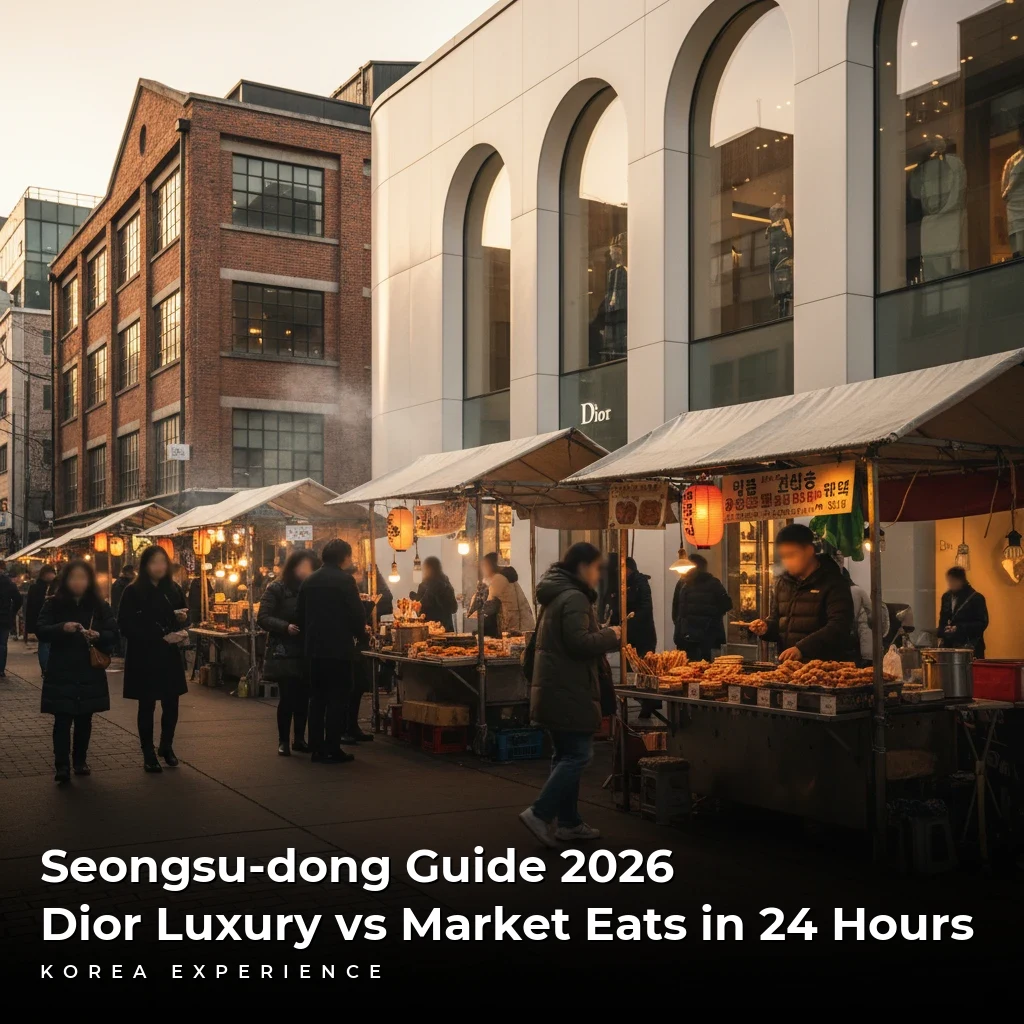
Explore Seoul's trendiest district with our 24-hour itinerary. Compare the ₩200,000 luxury Dior experience against ₩15,000 local market gems in Seongsu.
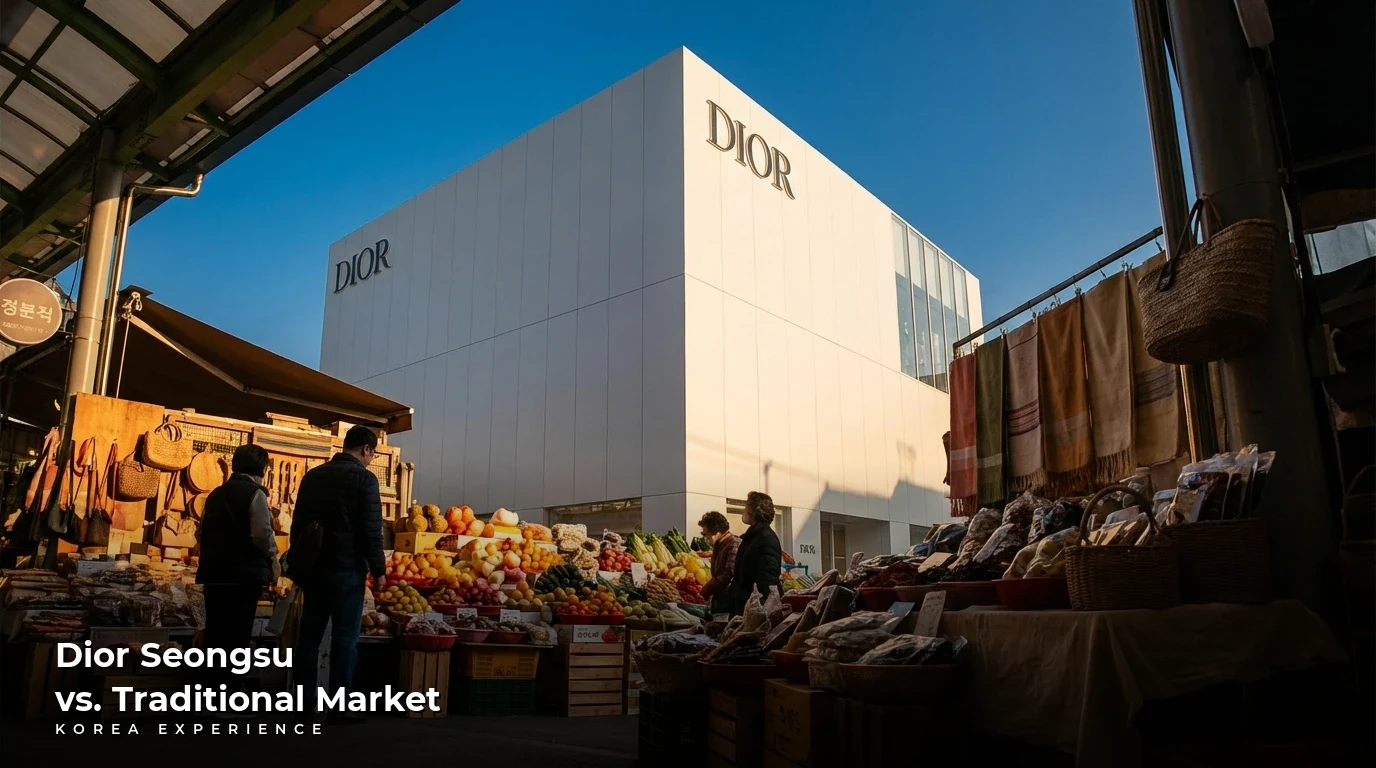
Discover how to mix a $15 Dior Seongsu latte with a $3.80 market pancake in 2026. Master the WOWPASS and Climate Card to conquer Seoul on any budget.
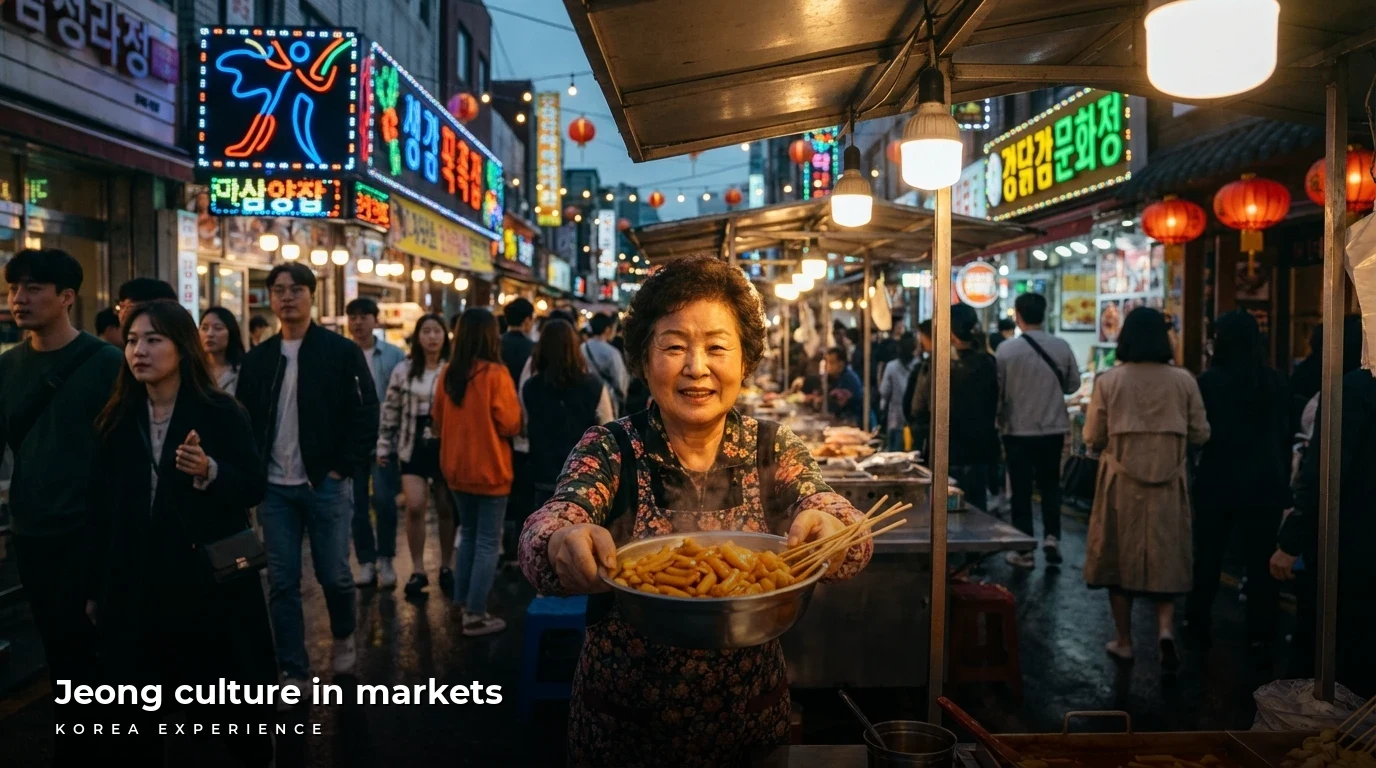
Discover why market vendors give free food. Learn how to navigate 24000 stalls in 2026 using WOWPASS and experience the 16 percent sales boom firsthand.
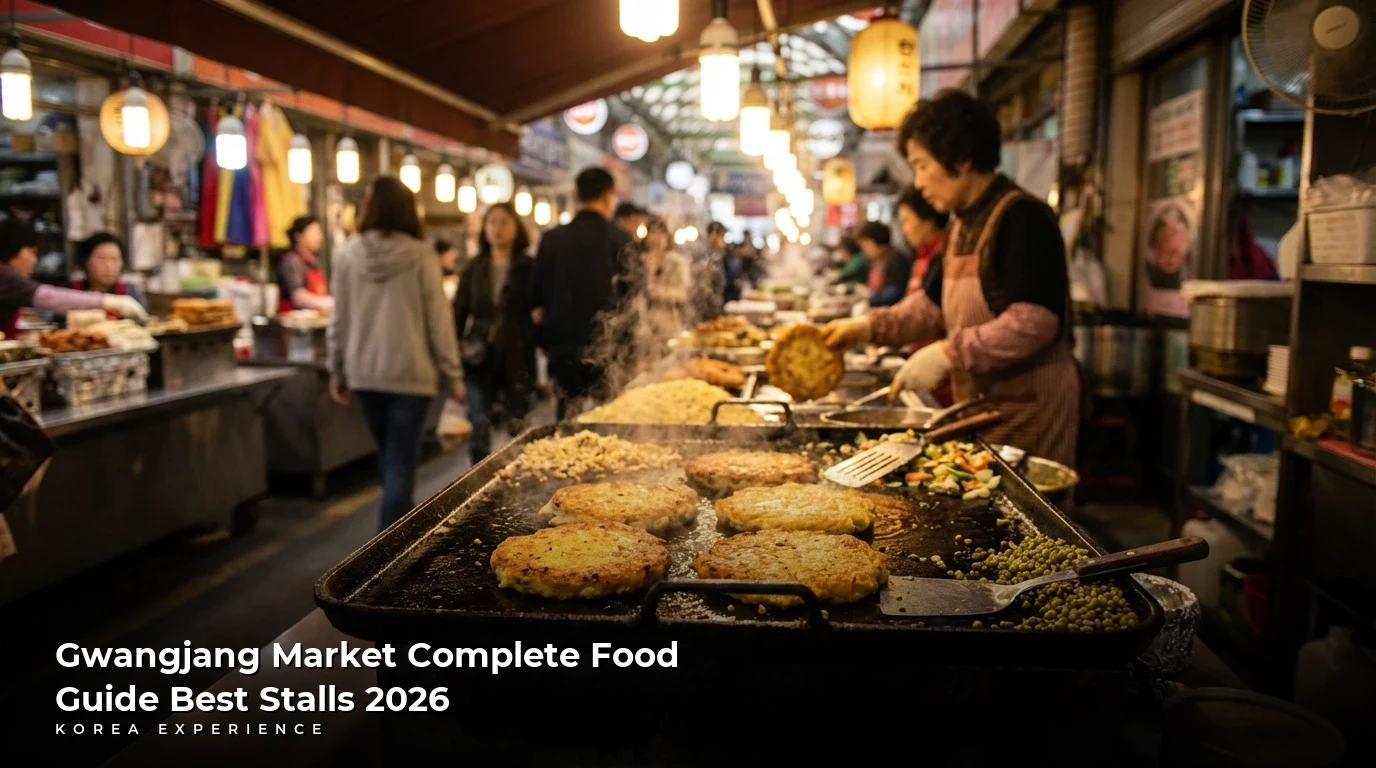
Discover the ultimate Gwangjang Market food guide featuring top stalls, prices, operating hours, and local tips for Seoul's oldest traditional market.
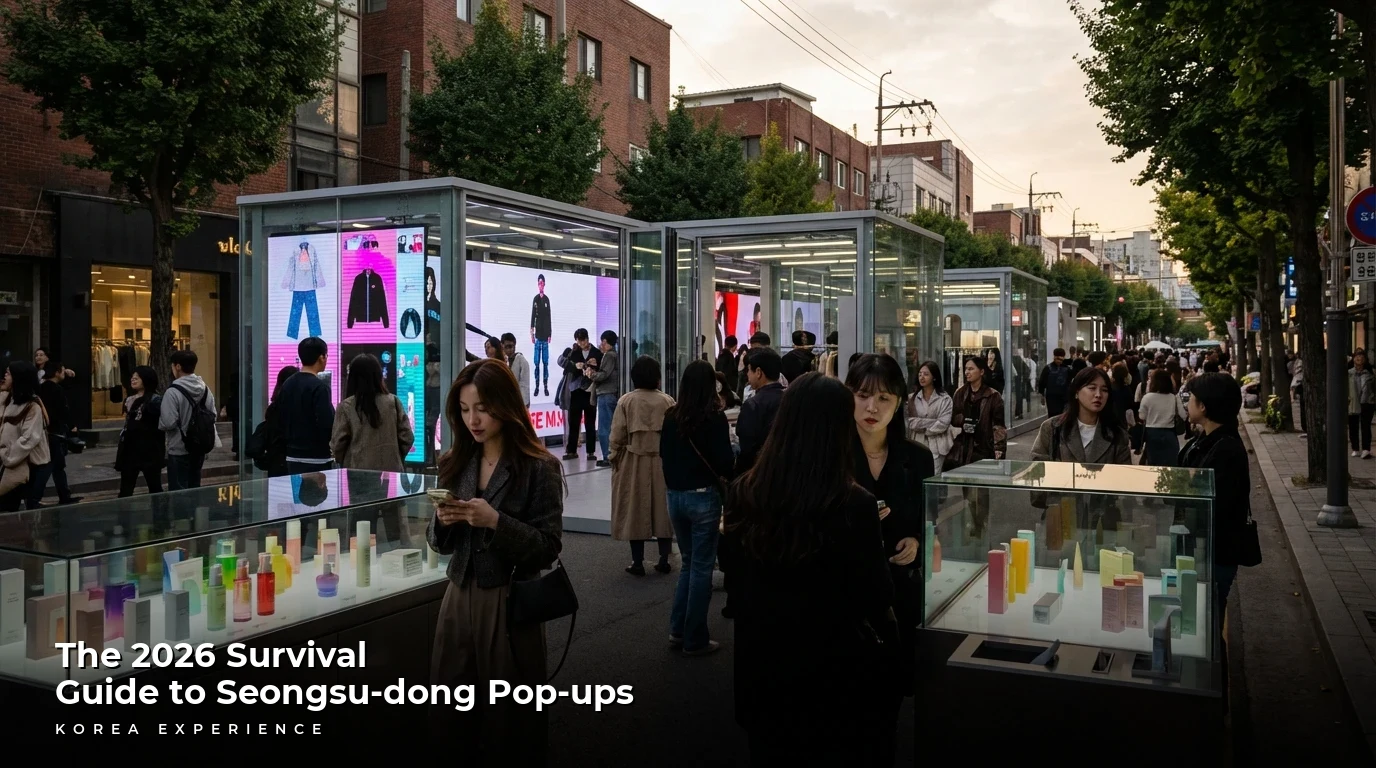
In 2026, Seongsu-dong has become pop-up ground zero—with over 200 pop-ups operating in rotation, from global fashion houses to K-pop merch 'scoop events.
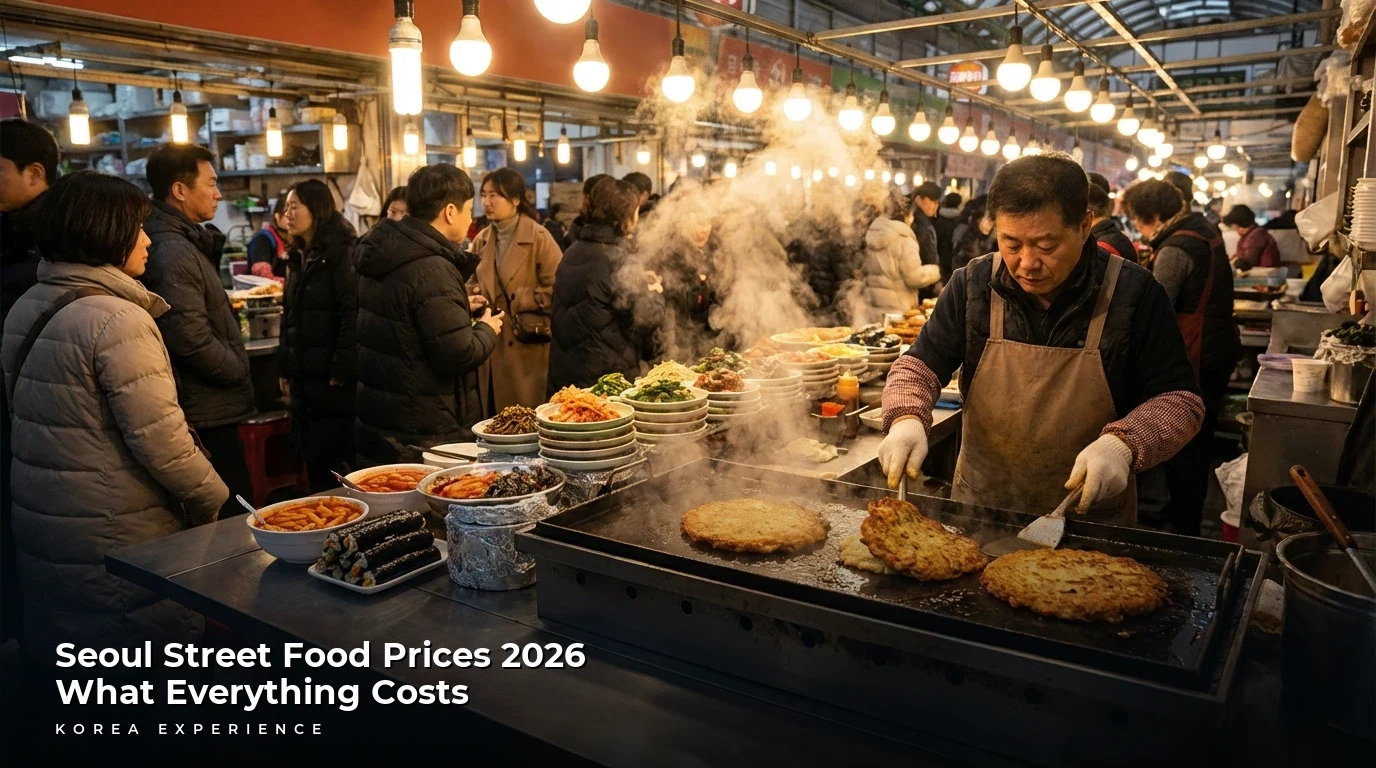
The short answer? Gwangjang remains the king of value for traditional eats.