Travel & Tourism

Experience Thrilling Winter Sports in South Korea

Uncover Korea's best slopes for skiing and snowboarding, brave icy climbs, and discover essential tips for an unforgettable winter adventure.

Embrace the Chill: Your Ultimate Guide to Winter Sports in Korea

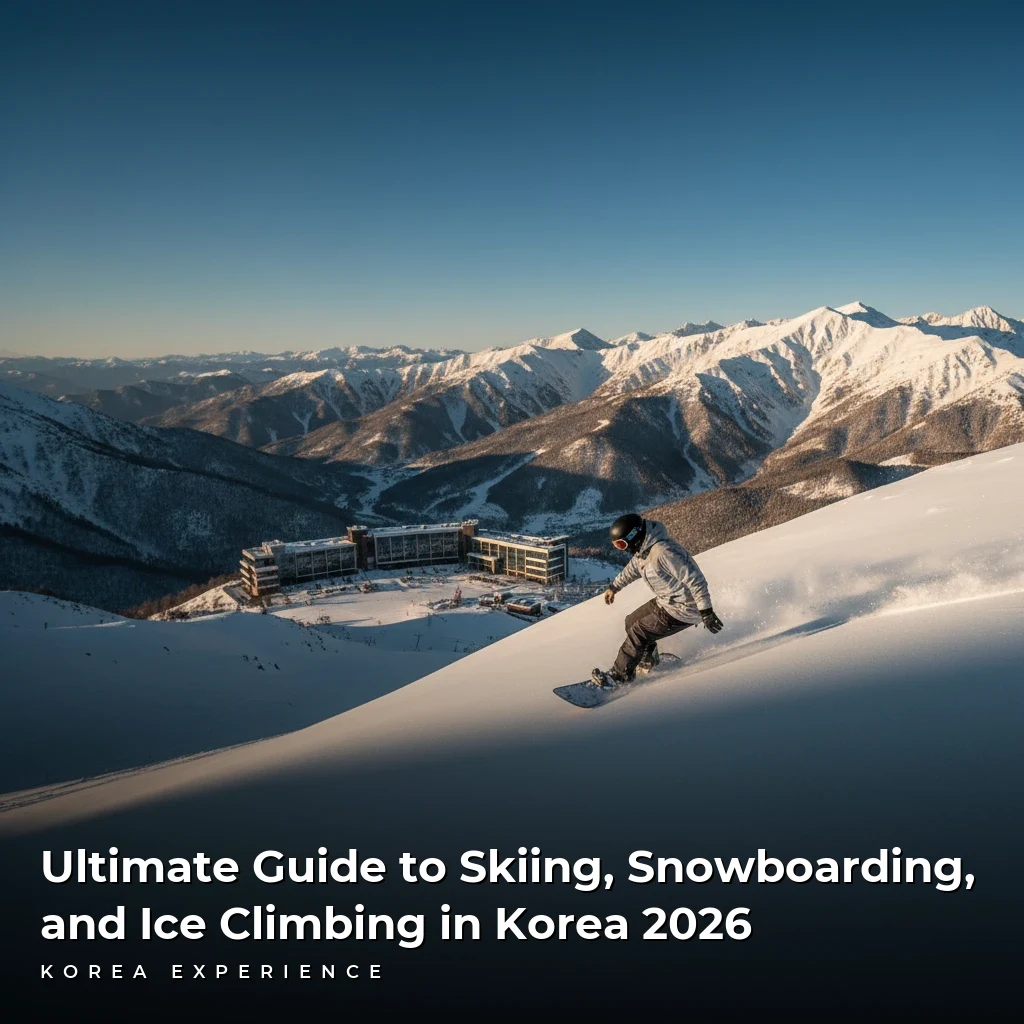
When many international travelers envision South Korea, images of bustling Seoul, ancient palaces, vibrant K-pop culture, or delicious street food often come to mind. While these experiences are undoubtedly iconic, South Korea truly transforms into a captivating winter wonderland as the temperatures drop and the snow begins to fall. Beyond its urban charm, the country boasts world-class facilities for winter sports, particularly skiing, snowboarding, and even the niche thrill of ice climbing.

For those seeking an adrenaline rush amidst breathtaking snowy landscapes, South Korea offers an unparalleled array of options. From the Olympic-grade slopes of Pyeongchang to family-friendly resorts easily accessible from Seoul, and the challenging frozen waterfalls of its national parks, there's a winter adventure waiting for every skill level and interest. However, navigating the myriad of choices, understanding local customs, and planning logistics can be daunting for international visitors.

This comprehensive guide aims to be your go-to resource for experiencing the exhilarating winter sports Korea has to offer. We will delve into the premier ski and snowboard resorts, detail what to expect regarding equipment and lessons, explore the unique opportunities for ice climbing, and provide essential tips for planning your trip, including transportation, accommodation, and budgeting. By the end of this post, you'll be equipped with all the insider knowledge to carve fresh powder or ascend a frozen cascade, making your South Korean winter experience truly unforgettable. Get ready to discover the thrilling world of winter sports Korea!

Discovering South Korea's Premier Ski and Snowboard Resorts

South Korea's ski and snowboard resorts are renowned for their excellent snow conditions, diverse slope offerings, and modern facilities. Many were enhanced or built for the 2018 Pyeongchang Winter Olympics, ensuring a top-tier experience.

Pyeongchang's Olympic Legacy: Alpensia and Yongpyong

The Gangwon Province, particularly the Pyeongchang region, is the heartland of South Korean winter sports. It proudly hosted the 2018 Winter Olympics, leaving behind world-class venues.

Yongpyong Ski Resort

Often dubbed the "Korean Alps," Yongpyong is South Korea's largest and oldest ski resort, boasting an impressive 28 slopes and 14 lifts, including a 3.7-kilometer gondola. It caters to all skill levels, from gentle beginner runs to challenging expert trails, and was a key venue for alpine skiing events during the Olympics.

  • Slope Variety: Extensive range, including the famous "Rainbow Paradise" for advanced skiers and boarders, and wide, gentle slopes like "Mega Green" for beginners.
  • Facilities: Multiple ski houses, a water park (Peak Island), golf course (in summer), various dining options, and a range of accommodation from hotels to condominiums.
  • Approximate Prices: A full-day lift pass typically ranges from 70,000 to 90,000 Korean Won. Equipment rental (skis/snowboard, boots, poles) is usually 30,000 to 45,000 Korean Won per day. Lessons start from around 100,000 Korean Won for group sessions. Prices vary by season and duration.
  • Accommodation: Dragon Valley Hotel, Tower Condominium, Villa Condominium, and the luxurious The Summit Yongpyong. Booking well in advance, especially for weekends and holidays, is highly recommended.
  • How to Get There: Dedicated shuttle buses operate from various points in Seoul directly to the resort. The KTX (Korea Train eXpress) high-speed rail to Jinbu Station (Pyeongchang) is another popular option, followed by a short local bus or taxi ride. Travel time from Seoul is typically 2.5-3.5 hours.

Alpensia Resort

Located adjacent to Yongpyong, Alpensia is another jewel of Pyeongchang, famous for its beautifully designed resort village and as the main hub for the 2018 Winter Olympics opening and closing ceremonies, as well as ski jumping and biathlon events. While smaller in terms of ski slopes compared to Yongpyong, it offers a more intimate and upscale experience.

  • Slope Variety: Six gentle slopes perfect for beginners and intermediate skiers, making it an excellent choice for families and those learning the basics. It also features a dedicated ski jump tower for viewing.
  • Facilities: InterContinental Alpensia Pyeongchang Resort, Holiday Inn Resort Alpensia Pyeongchang, Holiday Inn and Suites Alpensia Pyeongchang, a convention center, Alpensia Ocean 700 water park, and a shopping village.
  • Approximate Prices: Similar to Yongpyong, with full-day lift passes costing around 65,000 to 85,000 Korean Won and equipment rental ranging from 25,000 to 40,000 Korean Won. Package deals combining lift passes, rentals, and lessons are often available.
  • Accommodation: Directly on-site at its three distinct hotel properties.
  • How to Get There: Similar shuttle bus and KTX options as Yongpyong. Many shuttle services offer direct drop-offs at Alpensia.

Vivaldi Park Ski World: Fun for All Ages

Vivaldi Park, part of the larger Daemyung Resort complex, is one of the most popular ski resorts near Seoul, making it an excellent choice for day trips or short getaways. It's known for its vibrant atmosphere, extensive night skiing options, and family-friendly amenities.

  • Slope Variety: 12 diverse slopes, ranging from beginner "Hip-Hop" and "Techno" courses to advanced "Rock" and "Classic" runs. The slopes are well-maintained and often feature specific themes.
  • Facilities: Ocean World (a large indoor/outdoor water park), numerous restaurants, cafes, a bowling alley, arcade, and luxury accommodation. It's designed as a self-contained entertainment hub.
  • Approximate Prices: Full-day lift passes are typically 70,000 to 90,000 Korean Won. Rental fees are similar to Pyeongchang resorts, around 30,000 to 45,000 Korean Won. Night skiing passes are popular and often offer good value.
  • Accommodation: Various hotels and condominiums within the Vivaldi Park complex, including Sono Belle Vivaldi Park and Sono Felice Vivaldi Park.
  • How to Get There: Vivaldi Park operates one of the most extensive shuttle bus networks from Seoul, with numerous pick-up points. This is often the most convenient and cost-effective option, taking about 1.5-2 hours.

Konjiam Resort: Urban Escape for Winter Enthusiasts

For those looking for a premium ski experience very close to Seoul, Konjiam Resort is an excellent choice. It's the largest ski resort in the Seoul metropolitan area and prides itself on a more exclusive, less crowded experience through its innovative customer limit system.

  • Slope Variety: Nine slopes catering to various skill levels, with a good balance of beginner, intermediate, and advanced runs. The resort emphasizes quality snow management.
  • Facilities: A modern resort complex including a spa, botanical garden, premium restaurants, and the Konjiam CC golf course.
  • Approximate Prices: Konjiam operates on a time-based lift ticket system (e.g., 2-hour, 4-hour, full-day) rather than fixed sessions. Prices can be slightly higher than other resorts, with a full-day pass around 80,000 to 100,000 Korean Won. Equipment rental is similar.
  • Accommodation: The resort features the Konjiam Resort Hotel, offering comfortable and luxurious stays.
  • How to Get There: Located in Gyeonggi Province, it's easily accessible from Seoul by subway (to Gonjiam Station, then a short taxi or local bus ride) or via dedicated shuttle buses. Travel time is usually under 1 hour from parts of Seoul.

Other Notable Resorts: High1, Muju Deogyusan

High1 Resort

Located in Jeongseon, Gangwon Province, High1 Resort is known for its excellent snow quality, diverse slopes, and commitment to accessibility (it features a "barrier-free" design). It boasts 20 slopes, including several long runs, and a high-speed gondola. It's a bit further from Seoul but offers a spectacular mountain experience and a casino.

Muju Deogyusan Resort

Situated in Jeollabuk Province, Muju Deogyusan is unique for being located within Deogyusan National Park. It's famous for its stunning natural scenery and the "Silk Road Slide," a 6.1-kilometer run that offers breathtaking views. While further south and a longer journey from Seoul, it offers a distinct charm and often receives abundant natural snowfall.

Mastering the Slopes: Skiing and Snowboarding in Korea

Whether you're a seasoned pro or a first-timer, skiing and snowboarding in Korea offer a rewarding experience. Understanding the practicalities will enhance your trip.

Equipment Rental and Lessons

All major Korean ski resorts provide comprehensive rental services for skis, snowboards, boots, poles, and helmets. Rental shops are typically located within the main ski houses.

  • What's Included: Standard rental packages usually include skis/snowboard, boots, and poles. Helmets are sometimes an add-on but highly recommended for safety. Goggles, gloves, and ski attire (jacket, pants) can also be rented, though many prefer to bring their own for comfort and hygiene.
  • Average Costs: Expect to pay 25,000-45,000 Korean Won per day for a basic ski or snowboard set. Ski attire rental usually costs an additional 15,000-25,000 Korean Won.
  • Lessons: Highly recommended for beginners. All resorts offer group and private lessons in English. Group lessons are more economical (starting around 100,000-150,000 Korean Won for a 2-3 hour session), while private lessons offer personalized attention (starting from 250,000-400,000 Korean Won for a similar duration). Booking lessons in advance, especially during peak season, is advisable. Many independent ski schools also operate near resorts, often offering competitive prices.

Lift Ticket Pricing and Packages

Lift ticket pricing varies by resort, duration, and time of day.

  • Types of Tickets:
    • Full-day: Typically 9:00 AM - 5:00 PM.
    • Half-day: Morning (e.g., 9:00 AM - 1:00 PM) or Afternoon (e.g., 1:00 PM - 5:00 PM).
    • Night/Evening: Often from 6:00 PM onwards, offering a unique illuminated experience.
    • Multi-day passes: Available for longer stays, often offering better value.
    • Combo Packages: Many resorts offer packages that include lift tickets, equipment rental, and sometimes even lessons or accommodation. Look out for these deals, especially when booking through travel agencies or directly with resorts.
  • Approximate Costs: A full-day lift pass generally costs between 65,000-100,000 Korean Won. Discounts are often available for early booking, groups, or specific credit card holders. Children and seniors typically receive reduced rates.

While generally relaxed, adhering to some unwritten rules will ensure a smoother experience:

  • Safety First: Always follow trail signs and warnings. Skiing/snowboarding under the influence of alcohol is strictly prohibited and dangerous.
  • Respect the Queue: Wait your turn patiently at lift lines. Cutting the line is frowned upon.
  • Yield to Downhill Riders: Those downhill have the right of way.
  • Maintain Control: Always ski/snowboard in control and be able to stop or avoid people and objects.
  • Falling: If you fall, move to the side of the slope as quickly and safely as possible to avoid collisions.
  • Gear Storage: Use designated lockers for your belongings. Do not leave bags or equipment obstructing pathways.
  • Helmets: While not always mandatory for adults, helmets are strongly encouraged for all skill levels.
  • Warm-up Areas: Many resorts have indoor warm-up areas; use them to take breaks and rehydrate.

Best Time to Visit for Snow Sports

The winter sports season in South Korea typically runs from early December to early March.

  • Peak Season: Mid-January to mid-February offers the best snow conditions and coldest temperatures. This period also coincides with the Lunar New Year holiday (Seollal), which can make resorts extremely crowded and prices higher.
  • Early/Late Season: Early December and late February/early March can offer fewer crowds and potentially lower prices, though snow conditions might be less reliable, especially at lower altitudes. Many resorts use artificial snowmaking to ensure consistent coverage throughout the season.

The Vertical Challenge: Ice Climbing Adventures in Korea

For the truly adventurous, South Korea's rugged mountainous terrain, particularly in the Gangwon Province, transforms into an ice climber's paradise during winter. Frozen waterfalls and icy rock faces offer a unique and exhilarating challenge.

While not as commercially organized as skiing, ice climbing in Korea attracts a dedicated community.

  • Tohwangseong Falls (Seoraksan National Park): This is perhaps the most iconic and challenging ice climbing destination in Korea. The majestic 320-meter waterfall freezes into a massive ice wall, offering multi-pitch climbs that require significant experience and specialized gear. Access is typically restricted without a permit and guided tour.
  • Cheonbuldong Valley (Seoraksan National Park): Other frozen cascades within this stunning valley in Seoraksan also offer various ice climbing routes, from single-pitch to multi-pitch.
  • Gangwon-do Province: Beyond Seoraksan, other areas in Gangwon-do, such as parts of Chiaksan National Park or Odaesan National Park, can offer ice climbing opportunities, often on smaller, less famous frozen waterfalls.
  • Artificial Ice Walls: For beginners or those looking to train, several artificial ice climbing walls exist, particularly near Seoul (e.g., in Bukhansan National Park or at some climbing gyms). These offer a controlled environment to learn techniques.

Essential Gear and Safety Considerations

Ice climbing is an extreme sport that requires specialized equipment and a strong emphasis on safety.

  • Essential Gear:
    • Crampons: Metal spikes that attach to your boots for traction on ice.
    • Ice Axes: Used for balance, support, and anchoring into the ice. Typically two are used.
    • Helmet: Crucial for protection against falling ice and impacts.
    • Harness: For connecting to ropes and safety systems.
    • Ropes: Dynamic climbing ropes are essential for belaying and rappelling.
    • Ice Screws: Anchors placed into the ice to protect climbers.
    • Warm, Layered Clothing: Waterproof and windproof outer layers, thermal base layers, warm gloves, and boots are critical.
  • Safety Considerations:
    • Experienced Guide: Never attempt ice climbing without a certified and experienced guide, especially on natural ice formations. Guides understand local conditions, weather patterns, and route safety.
    • Weather and Ice Conditions: Ice conditions can change rapidly. A guide will assess the stability and safety of the ice.
    • Proper Training: Basic rock climbing skills and understanding of knots, belaying, and rappelling are prerequisites for natural ice climbing.
    • Fitness: Ice climbing is physically demanding, requiring good upper body strength, endurance, and mental fortitude.
    • Permits: Access to national parks for ice climbing, especially challenging routes, may require special permits.

Finding Guides and Tours

Given the inherent risks, engaging with local experts is paramount for ice climbing.

  • Korean Alpine Federation (KAF): The KAF is the governing body for mountaineering and climbing in Korea. They can be a good resource for finding certified guides and understanding regulations. While their website might be primarily in Korean, contacting them directly might yield English-speaking contacts.
  • Local Outfitters: Several adventure tour companies and climbing shops in Korea, particularly those specializing in mountaineering, offer guided ice climbing trips. Searching online for "Korea ice climbing guide" or "Seoraksan ice climbing" might reveal options. Expect to communicate primarily in English, though some guides are bilingual.
  • Typical Costs: Guided ice climbing tours can be expensive due to the specialized nature, equipment, and expertise required. A single-day guided trip could range from 300,000 to 700,000 Korean Won per person, depending on the route, duration, and group size. This often includes equipment rental, guide fees, and transportation from a meeting point. Multi-day expeditions will be considerably more.

Training and Preparation for Ice Climbing

If you're considering ice climbing, starting with foundational training is crucial.

  • Physical Fitness: Focus on exercises that build upper body strength (pull-ups, rows), core strength (planks, crunches), and endurance (running, hiking).
  • Basic Climbing Skills: Enroll in an indoor rock climbing gym to learn basic techniques, footwork, knot tying, and belaying. This foundation is essential.
  • Artificial Ice Walls: Once you have basic climbing skills, try an artificial ice wall to get a feel for crampons and ice axes in a controlled environment.
  • Mental Preparation: Ice climbing requires focus, problem-solving, and a tolerance for exposure to heights and cold. Practice mindfulness and visualization.

Planning Your Korean Winter Sports Trip: Logistics and Tips

A well-planned trip ensures a smooth and enjoyable winter sports experience in South Korea.

Accommodation Options: From Resorts to Pensions

  • On-site Resort Hotels/Condos: Most ski resorts offer a range of accommodation directly on the premises, from luxurious hotels to self-catering condominiums (known as "condos" in Korea, similar to apartments). These are the most convenient options for direct slope access. Book well in advance, especially for popular weekends and holidays.
  • Pensions (Guesthouses): In nearby towns or villages surrounding the resorts, you'll find charming pensions. These are often independently run guesthouses, sometimes with Korean-style rooms (ondol, sleeping on heated floors) and cooking facilities. They can be a more budget-friendly and authentic option.
  • City Hotels: For Konjiam Resort, staying in a hotel in Seoul or Gyeonggi Province cities is a viable option due to its proximity.

Transportation: Getting to the Mountains

South Korea has an excellent transportation infrastructure, making access to winter sports venues relatively straightforward.

  • Shuttle Buses: This is often the most convenient and cost-effective method for reaching major ski resorts from Seoul. Most resorts operate direct shuttle services from various pick-up points in the city. Booking online in advance is essential. Prices typically range from 20,000 to 40,000 Korean Won for a round trip.
  • KTX (Korea Train eXpress): For resorts in Gangwon Province (like Yongpyong and Alpensia), the KTX to Jinbu Station (Pyeongchang) is a fast and comfortable option. From Jinbu, local buses or taxis connect to the resorts. The KTX journey from Seoul to Jinbu takes about 1.5-2 hours.
  • Intercity Buses: Regular intercity buses connect major cities to towns near ski resorts. While generally cheaper than KTX, they can be slower. From the bus terminal, you'd typically take a local bus or taxi to the resort.
  • Rental Cars: Renting a car offers the most flexibility, especially if you plan to visit multiple resorts or explore the surrounding areas. Ensure your rental includes winter tires or snow chains, which are often necessary in mountainous regions. Be aware of toll roads.

Budgeting for Your Winter Wonderland Experience

A winter sports trip to Korea can vary widely in cost depending on your choices. Here's an approximate breakdown for a single person per day:

  • Accommodation:
    • Budget Pension/Guesthouse: 40,000 - 80,000 Korean Won
    • Mid-range Resort Condo/Hotel: 100,000 - 250,000 Korean Won
    • Luxury Resort Hotel: 250,000+ Korean Won
  • Lift Pass: 65,000 - 100,000 Korean Won
  • Equipment Rental: 25,000 - 45,000 Korean Won (per day)
  • Ski/Snowboard Attire Rental: 15,000 - 25,000 Korean Won (if needed)
  • Lessons: 100,000 - 400,000 Korean Won (group vs. private)
  • Food & Drink: 30,000 - 70,000 Korean Won (resort food can be pricier)
  • Transportation (to/from Seoul): 20,000 - 80,000 Korean Won (shuttle vs. KTX)
  • Ice Climbing Guide (if applicable): 300,000 - 700,000 Korean Won (per day, potentially shared)

A comfortable 3-day ski trip could range from 500,000 - 1,500,000 Korean Won (approximately 370-1,100 USD), excluding international flights, depending on accommodation and how many lessons you take.

What to Pack: A Comprehensive Checklist

Packing appropriately is key to enjoying the cold.

  • Layered Clothing: Essential for warmth and adaptability.
    • Base Layer: Thermal underwear (top and bottom), moisture-wicking material.
    • Mid-Layer: Fleece jacket or insulated vest for warmth.
    • Outer Layer: Waterproof and windproof ski jacket and pants.
  • Accessories:
    • Warm Hat or Balaclava: To cover head and ears.
    • Waterproof Gloves or Mittens: Essential for keeping hands dry and warm.
    • Ski Socks: Tall, warm, and moisture-wicking.
    • Goggles: Protect eyes from sun, wind, and snow.
    • Scarf or Neck Gaiter: For added face protection.
  • Footwear:
    • Waterproof Winter Boots: For walking around the resort.
  • Personal Items:
    • Sunscreen and Lip Balm with SPF: Snow reflects UV rays, leading to sunburn.
    • Small Backpack: For essentials on the slopes (water bottle, snacks, extra layer).
    • Portable Charger: Cold weather can drain phone batteries quickly.
    • Cash (Korean Won): While cards are widely accepted, some smaller shops or food stalls might prefer cash.

Beyond the Slopes: Winter Festivals and Attractions

South Korea's winter charm extends beyond just skiing and snowboarding. The season is celebrated with unique festivals and attractions that offer a glimpse into local culture and create memorable experiences.

Hwacheon Sancheoneo Ice Festival

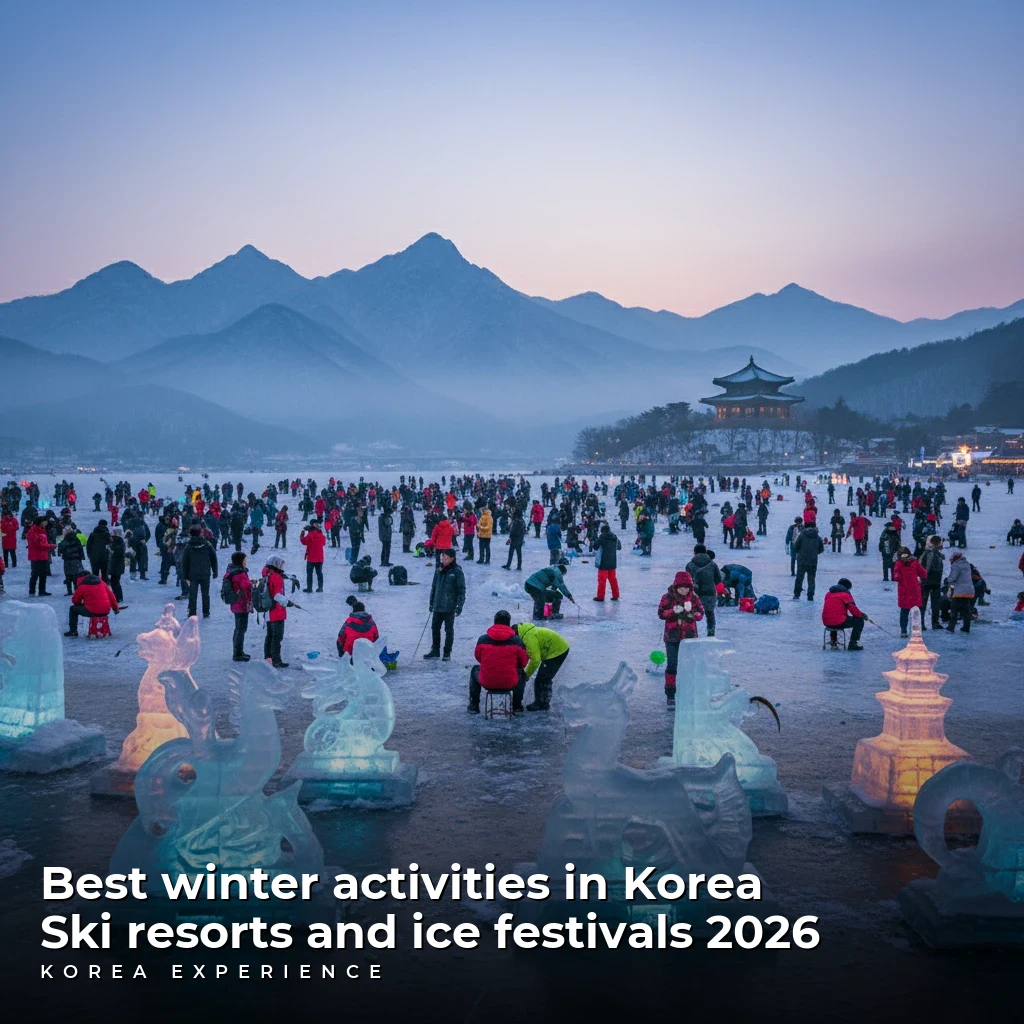
One of the most famous winter festivals in Korea, the Hwacheon Sancheoneo Ice Festival (Mountain Trout Festival) is held annually in Hwacheon, Gangwon Province. It draws over a million visitors each year.

  • Main Activities: Ice fishing for "sancheoneo" (mountain trout) is the main draw, with thousands of holes drilled into the thick ice of the Hwacheoncheon Stream. You can try bare-hand fishing for a truly immersive, albeit chilly, experience!
  • Other Attractions: The festival grounds also feature snow sledding, ice sculpting exhibitions, snow tubing, traditional Korean games, and delicious trout cooked in various ways.
  • When: Usually runs for most of January.

Pyeongchang Trout Festival

Similar to the Hwacheon festival, the Pyeongchang Trout Festival celebrates the region's famous trout (song-eo). Held near Odaesan Mountain, it offers a more relaxed, family-friendly atmosphere.

  • Activities: Ice fishing, bare-hand fishing, snow tubing, sledding, and traditional folk games. Freshly caught trout can be grilled or enjoyed as sashimi on-site.
  • When: Typically runs from late December to late January.

Everland Snow Festival

If you're looking for winter fun combined with theme park excitement, Everland (South Korea's largest theme park) hosts a fantastic Snow Festival.

  • Attractions: Snow-themed parades, dazzling light shows, special winter rides, and beautifully decorated festive zones. The "Snow Buster" sledding hill offers various courses for different age groups.
  • When: Throughout the winter season, generally from December to early March.

Warm Up with Korean Winter Delicacies

After a day of thrilling winter sports, there's nothing better than indulging in delicious Korean winter comfort food.

  • Hotteok: Sweet, chewy pancakes filled with brown sugar syrup, cinnamon, and nuts. A popular street food, often sold by vendors with portable carts.
  • Tteokbokki: Spicy stir-fried rice cakes, a quintessential Korean street food that's perfect for warming up.
  • Odeng: Fish cakes on skewers, served in a savory broth. A cheap and comforting snack found at street stalls everywhere.
  • Jjigae (Stew): Hearty stews like Kimchi Jjigae (kimchi stew), Sundubu Jjigae (soft tofu stew), or Budae Jjigae (army stew) are perfect for a full meal to combat the cold.
  • Gungoguma (Roasted Sweet Potatoes): Simple yet satisfying, these are often roasted over coals and sold as a warm snack.

Winter Sports Korea: Resort and Activity Comparison

To help you decide which winter adventure suits you best, here's a quick comparison of some popular options.

Major Ski Resorts Quick Comparison

ResortDistance from Seoul (approx.)Best ForKey FeaturesApprox. Full-Day Lift Pass (KRW)
Yongpyong2.5 - 3.5 hoursAll skill levels, Olympic legacyLargest resort, 28 slopes, long runs, diverse accommodation70,000 - 90,000
Alpensia2.5 - 3.5 hoursBeginners, families, upscaleOlympic hub, resort village feel, gentler slopes, luxury hotels65,000 - 85,000
Vivaldi Park1.5 - 2 hoursFamilies, groups, night skiingExtensive shuttle network, Ocean World, vibrant atmosphere, 12 slopes70,000 - 90,000
Konjiam Resort1 hourSeoul day trip, premium, less crowdLargest near Seoul, advanced booking system, modern facilities, 9 slopes80,000 - 100,000
High13.5 - 4 hoursIntermediate/Advanced, Snow QualityExcellent snow, diverse slopes, casino, "barrier-free" design75,000 - 95,000
Muju Deogyusan3.5 - 4.5 hoursNature lovers, scenic viewsWithin National Park, "Silk Road Slide" (6.1km), stunning scenery68,000 - 88,000

Prices are approximate and subject to change based on season, promotions, and resort policies.

Skiing/Snowboarding vs. Ice Climbing Comparison

FeatureSkiing/SnowboardingIce Climbing
AccessibilityVery High (many resorts, shuttle buses from Seoul)Low (limited natural locations, often requires permits, remote)
Cost (per day)Moderate (lift pass, rental, potentially lesson)High (specialized gear, guide fees, transportation to remote areas)
Skill LevelAll levels (beginner-friendly lessons available)Advanced (requires prior climbing experience, fitness, specific training)
Physical DemandModerate to High (cardio, leg strength, core)Very High (upper body strength, endurance, mental fortitude)
Risk LevelModerate (collisions, falls, common injuries)Very High (falls, falling ice, exposure, extreme weather, avalanches)
Gear RequiredSkis/board, boots, poles, helmet, goggles, layersCrampons, ice axes, helmet, harness, ropes, ice screws, specialized warm gear
Typical DurationDay trip to multi-day resort stayDay trip to multi-day expedition
Social AspectVery social (group lessons, après-ski, resort town)Often smaller groups, guided expeditions, focused on the climb

Frequently Asked Questions (FAQ) about Winter Sports in Korea

Q1: Is Korea good for beginner skiers/snowboarders?

Absolutely! South Korean ski resorts are very welcoming to beginners. They offer wide, gentle slopes, dedicated beginner areas, and professional English-speaking instructors. Resorts like Alpensia and Vivaldi Park are particularly well-suited for those new to snow sports.

Q2: Can I rent equipment at the resorts, or should I bring my own?

You can easily rent all necessary equipment (skis/snowboard, boots, poles, helmets, and even ski apparel like jackets and pants) directly at the resorts or from shops nearby. For most international travelers, renting is the most convenient option. However, if you have your own comfortable boots or specialized gear, bringing them can enhance your experience.

Q3: How do I get to the ski resorts from Seoul?

The most common and convenient ways are dedicated shuttle buses offered by the resorts (booking in advance is crucial) or the KTX high-speed train to stations like Jinbu (for Pyeongchang resorts), followed by a short local bus or taxi. Intercity buses and rental cars are also options.

Q4: Is ice climbing suitable for first-timers?

Natural ice climbing on frozen waterfalls is generally NOT suitable for first-timers without prior climbing experience and extensive training. It's a high-risk sport requiring specialized skills, gear, and an experienced guide. However, beginners interested in trying ice climbing can explore artificial ice walls at climbing gyms for an introduction to the techniques in a controlled environment.

Q5: What's the best time of year for winter sports in Korea?

The winter sports season typically runs from early December to early March. The peak season, offering the best snow conditions and coldest temperatures, is usually from mid-January to mid-February. Be aware that the Lunar New Year holiday (Seollal), often falling in late January or early February, can bring large crowds and higher prices.

Conclusion: Your Korean Winter Adventure Awaits

South Korea, with its stunning mountainous landscapes and commitment to world-class facilities, has firmly established itself as a premier destination for winter sports. From the adrenaline-pumping slopes of Olympic-grade ski resorts to the serene, yet challenging, frozen cascades that beckon experienced ice climbers, there is a distinct and exhilarating winter adventure for every type of traveler.

We've explored the diverse offerings of resorts like Yongpyong, Alpensia, Vivaldi Park, and Konjiam, each providing unique experiences for families, beginners, and seasoned enthusiasts alike. We've also highlighted the intense, yet incredibly rewarding, pursuit of ice climbing in the rugged beauty of places like Seoraksan National Park. Beyond the slopes and ice walls, Korea's vibrant winter festivals and comforting cuisine add layers of cultural richness to your journey.

Actionable Takeaways:

  1. Plan Early: Especially for peak season or popular resorts like Yongpyong and Vivaldi Park, booking lift tickets, lessons, accommodation, and shuttle buses in advance is crucial.
  2. Choose Your Adventure: Determine if you're seeking family-friendly skiing, challenging snowboarding, or the thrill of ice climbing, and select your destination accordingly.
  3. Budget Wisely: Factor in lift passes, equipment rental, accommodation, transportation, and food. Look for package deals to save money.
  4. Pack Smart: Layered clothing, waterproof outerwear, and proper accessories are essential for staying warm and comfortable in the Korean winter.
  5. Embrace Local Culture: Don't miss out on delicious Korean winter foods and festive activities that make the season so special.

So, whether you dream of carving fresh powder under a clear blue sky, navigating a challenging mogul field, or ascending a majestic frozen waterfall, South Korea offers the perfect canvas for your winter sports aspirations. Pack your bags, prepare for an unforgettable journey, and immerse yourself in the exhilarating world of winter sports Korea.

Ready to explore more of Korea? Check out our other guides, such as "A Culinary Journey: Exploring South Korean Street Food" or "Seoul's Hidden Gems: Discovering Unique Neighborhoods," to enhance your trip beyond the winter wonderland!

About the Author

Korea Experience Team

Written by the Korea Experience editorial team - experts in Korean medical tourism, travel, and culture with years of research and firsthand experience.

⚠️ Medical Disclaimer

The information provided on this website is for general informational purposes only and does not constitute medical advice. Always consult with qualified healthcare professionals before making any medical decisions.

Continue Reading

Explore more articles you might find interesting