Best winter activities in Korea: Ski resorts and ice festivals 2026
Discover top Korean ski resorts and ice festivals for 2026. From High1 to Hwacheon, find prices, transport tips, and gear rentals in our complete guide.
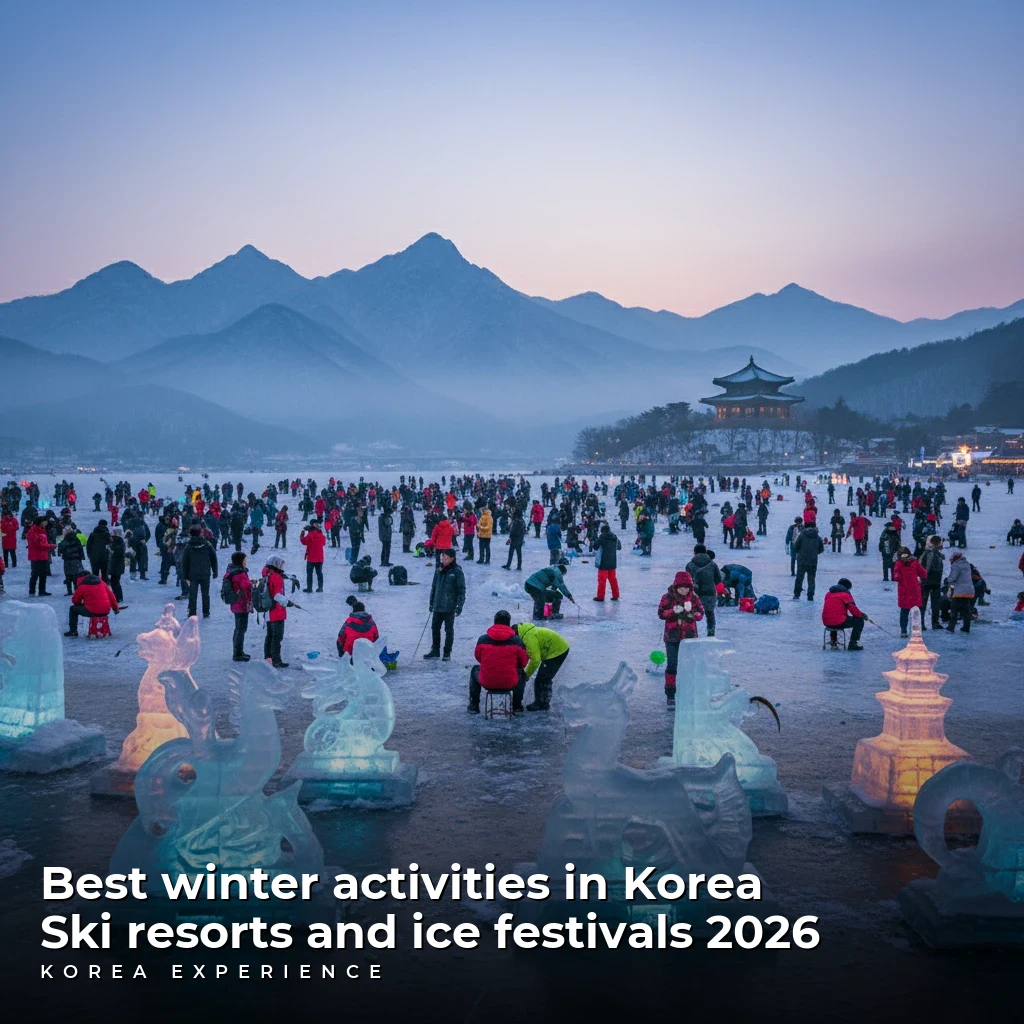
Winter in South Korea offers a crisp, exhilarating escape that transforms the peninsula into a wonderland of snowy peaks and frozen rivers. The best winter activities in Korea are centered around the mountainous Gangwon-do province for world-class skiing and snowboarding, and the northern regions for unique cultural experiences like the Hwacheon Sancheoneo Ice Festival. Travelers can expect ski seasons running from early December through early March, with peak powder conditions in January, while major ice festivals typically operate from early to late January.
The short answer: The premier winter experience involves visiting High1 or Yongpyong Resort for skiing (approx. ₩80,000-100,000 for lift passes) and dedicating a full day to the Hwacheon Sancheoneo Ice Festival for ice fishing. For casual travelers, Elysian Gangchon offers the most accessible skiing near Seoul.
Key Takeaways
- 1Ski season runs from early December to early March, with January offering the best snow quality
- 2Average lift passes cost ₩70,000-100,000 depending on the resort and time block
- 3The Hwacheon Sancheoneo Ice Festival attracts over 1 million visitors annually for trout fishing
- 4Booking shuttle buses (Purple Bus or K-Tour Story) is cheaper and easier than public transport for day trips
The Korean Winter: What to Expect in 2026
Before diving into the resorts and festivals, it is crucial to understand the environment. Korean winters are dry and bitingly cold, heavily influenced by the Siberian winds. In January, temperatures in Seoul average -6°C (21°F), but in the mountainous regions of Gangwon-do, where most ski resorts are located, temperatures frequently drop to -15°C (5°F) or lower with wind chill.
Unlike the wet heavy snow of Japan's Hokkaido, Korean snow is often drier and supplemented by extensive artificial snowmaking capabilities, ensuring consistent slopes regardless of natural precipitation. This reliability makes planning a trip months in advance much safer than in regions dependent solely on weather patterns.
📋 Winter Travel Quick Facts
Pro Tip: The Heattech Rule
Do not underestimate the wind chill in Gangwon-do. Local skiers swear by Uniqlo Heattech (Ultra Warm version) or localized Korean brands like BYC. You need a thermal base layer, a fleece mid-layer, and a windproof outer shell. Jeans are a terrible idea for festivals as they freeze and hold moisture.
Top Ski Resorts in Korea: The Big Three
While there are over a dozen ski resorts in South Korea, three stand out for international travelers due to their size, snow quality, and facilities. These resorts hosted events during the 2018 PyeongChang Winter Olympics, guaranteeing world-class infrastructure.
1. Yongpyong Resort (Dragon Valley)
Located in Pyeongchang, approximately 180km from Seoul, Yongpyong is often called the "Alps of Korea." It is the largest ski and snowboard resort in the country. With 28 slopes and 14 lifts, it caters to all levels, but it is particularly famous for its challenging Rainbow Paradise run, which stretches over 5.6km.
The resort is massive, covering 4,300 acres. Because it is situated at a habitable range of 700 meters above sea level, it is believed to be optimal for human health and biorhythms, though you will mostly feel the burn in your quads.
Yongpyong Resort(용평리조트)
Cost Breakdown:
- Day Pass (Lift): Approximately ₩84,000 for adults.
- Equipment Rental: ₩30,000 - ₩40,000 per day.
- Clothing Rental: ₩25,000 per day.
For those planning a visit, check out our guide to the best day trips from Seoul to see how Yongpyong compares to other regional excursions.
2. High1 Resort
High1 is a favorite among intermediate skiers and families. Located in Jeongseon, it sits at a higher altitude than many other resorts, which preserves the snow quality for longer periods. The unique selling point of High1 is that it was designed to preserve the surrounding nature; the slopes are wide and weave through ancient trees.
High1 has 18 slopes totaling 21km in length. It is also one of the few places in Korea with a casino (Kangwon Land), which is open to both locals and foreigners, unlike the foreigner-only casinos in Seoul.
📊 High1 Resort Stats
Why choose High1? The resort is known for its "Zeus" slopes, which allow even beginners to ski from the very top of the mountain down to the valley—a rare feature, as peaks are usually reserved for advanced skiers. The journey from Seoul takes about 3 hours by bus, making it slightly further than Yongpyong, but the lack of crowds often makes up for the travel time.
3. Vivaldi Park Ski World
If you are looking for energy and convenience, Vivaldi Park in Hongcheon is the answer. It is the most visited ski resort in Korea for several years running, largely due to its proximity to Seoul (roughly 1.5 hours) and its free shuttle bus services for foreigners.
However, popularity comes with a price: crowds. Weekends at Vivaldi can be intense, with wait times for lifts exceeding 20-30 minutes. The resort features 12 slopes and places a heavy emphasis on snowboarding culture. It also connects to "Snowy Land," a massive sledding park that is perfect for families with children who don't ski.
Ski Resort Comparison 2026
| Feature | Yongpyong | High1 | Vivaldi Park |
|---|---|---|---|
| Travel Time from Seoul | 2.5 Hours | 3 Hours | 1.5 Hours |
| Snow Quality | Excellent | Best | Good |
| Crowd Level | Moderate | Low | High |
| Best For | Pro Skiers | Intermediates | Youth/Party Vibe |
Ski Resorts Near Seoul: For the Time-Crunched
Not everyone can spare two days for a Gangwon-do excursion. If you are staying in the capital and want a quick fix, there are options within an hour of the city center.
Konjiam Resort is a premium option located just 40 minutes from Gangnam. It limits the number of daily skiers to 7,000 to ensure short lift lines (usually under 10 minutes). The "Me-Time Pass" system allows you to buy lift tickets in hour blocks (2, 3, 4, or 6 hours) rather than day/half-day sessions, offering great flexibility.
Elysian Gangchon is the only resort accessible by the subway system (ITX-Cheongchun line). You can literally take a train from Yongsan Station and walk to the resort. While the slopes are shorter and less challenging, the convenience is unbeatable for a half-day trip.
💵 Lift Pass Price Comparison (4-Hour Block)
Weekend rate, includes short queues
Standard rate, subway accessible
The Magic of Ice Festivals: Fishing on Frozen Rivers
Skiing isn't the only way to enjoy the Korean winter. The country hosts spectacular ice festivals that celebrate the cold with sculptures, sledding, and the uniquely Korean tradition of ice fishing.
Hwacheon Sancheoneo Ice Festival
Held every January in Hwacheon-gun, Gangwon-do, this is one of the "7 Wonders of Winter" according to CNN. The festival takes place on a frozen stream where over 1 million visitors gather to fish for Sancheoneo (mountain trout).
The ice is drilled with thousands of holes. You purchase a small plastic rod, drop your line, and wait. The water is so clear you can often see the fish swimming below the 40cm thick ice.
📖 How to Enjoy Sancheoneo Ice Fishing
Step 1: Buy a Ticket
Tickets cost approx ₩15,000. Half of this is usually returned as a voucher to use at local businesses.
Step 2: Find a Hole
Walk onto the frozen river. Pick an empty hole or wait for staff to drill a new one.
Step 3: Bob the Line
Drop your lure. Gently bob it up and down. The trout are attracted to the movement.
Step 4: Eat Your Catch
Take your caught fish to the grilling center nearby. For roughly ₩3,000 per fish, they will prepare it fresh for you.
The Bare-Hand Fishing Event For the brave, there is a pool of freezing water where participants jump in wearing shorts and t-shirts to catch trout with their bare hands. It is chaotic, freezing, and incredibly entertaining to watch. Winners usually get to take home extra fish.
Inje Icefish Festival
Located on the limitless expanse of Soyangho Lake, the Inje Icefish Festival focuses on catching bingeo (smelt). These tiny, silvery fish are often eaten raw with red chili paste (gochujang) or fried into tempura. The landscape here is more open and dramatic than Hwacheon, surrounded by snow-covered mountains.
The festival usually runs from late January to early February. Aside from fishing, there are massive ice slides, ATVs on ice, and ice soccer competitions.
If you visit Inje, try the 'Doribank' (fried smelt). It's much more approachable for foreigners than the raw version. Also, the wind on Soyangho Lake is fierce—bring sunglasses because the sun glare off the ice can be blinding.
Practical Logistics: Gear, Transport, and Costs
Planning a winter sports trip involves more logistics than a city tour. Here is how to navigate the complexities of gear and transport in Korea.
Renting vs. Buying Gear
For travelers, renting is almost always the way to go. Every resort has a rental house, but here is a secret: External rental shops are 20-30% cheaper. As you drive up to any ski resort, you will pass dozens of rental shops. Stopping here can save you significant money. A full set of ski clothes (jacket + pants) at an external shop might cost ₩15,000, whereas the resort might charge ₩25,000.
However, if you don't have a car, stick to the resort rentals for convenience. The hassle of carrying gear on a shuttle bus isn't worth the ₩10,000 savings.
Transportation Options
1. Shuttle Buses (The Best Option) Dedicated ski shuttles run from major spots in Seoul (Hongdae, Myeongdong, Gangnam) directly to the resorts.
- Cost: ₩30,000 - ₩40,000 round trip.
- Providers: Purple Bus, Daewon Express, K-Tour Story.
- Pros: Direct, no transfers, sleep on the bus.
- Cons: Fixed schedule (usually leave Seoul at 7:30 AM, return at 5:00 PM).
2. KTX (High-Speed Train) The KTX-Eum line connects Seoul Station/Cheongnyangni to Pyeongchang.
- Seoul to Jinbu Station (for Yongpyong): 1 hour 20 minutes, approx ₩22,000 one way.
- Seoul to Gangneung: 2 hours.
- Note: You must take a shuttle or taxi from the train station to the resort, which adds time and cost.
For those interested in exploring more of the country via rail, consider reading our guide on best weekend getaways for expats, which details other KTX-accessible destinations.
Accommodation Tips
If you plan to stay overnight, book at least 2 months in advance for weekends in January. Resort condos are expensive (₩250,000+ per night).
- Budget Option: Look for "Pensions" (guesthouses) just outside the resort gates. They often offer free pickup/drop-off to the slopes.
- Luxury Option: The InterContinental at Alpensia or the Dragon Valley Hotel at Yongpyong offer ski-in/ski-out convenience.
Staying On-Resort vs. Off-Resort
- ✓Ski-in/Ski-out convenience
- ✓Access to resort amenities (sauna, arcade)
- ✓No morning commute traffic
- ✗Significantly more expensive (2x-3x)
- ✗Food options limited to resort prices
- ✗Rooms sell out months in advance
Beyond the Slopes: Relaxing Winter Activities
Not everyone wants to hurl themselves down a mountain. Korea offers a "dualism" in its travel options—high energy vs. deep relaxation.
Winter Hiking
Hiking in winter is a national pastime. Hallasan on Jeju Island and Seoraksan in Gangwon-do are the crown jewels. The trails are covered in snow, turning the landscape into a black-and-white ink painting.
- Crampons (Ice Cleats) are mandatory. You will be turned away at the trail entrance without them.
- Hallasan: Requires a reservation in advance.
- Seoraksan: The cable car offers great views without the strenuous hike.
For a mix of luxury and local vibes, check out our itinerary on 24 hours in Seongsu-dong, which can be a great pre-ski warm-up day in Seoul.
Jimjilbang and Hot Springs
After a day in the cold, nothing beats a Korean sauna (Jimjilbang).
- Seorak Waterpia: Located near Seoraksan, this is a massive water park supplied by natural hot spring water.
- Termeden: A German-style spa resort in Icheon, perfect for families.
- Paradise City Cimer: A luxury spa near Incheon Airport, ideal for a final day of relaxation.
A Perfect Winter Saturday: Action & Recovery
The Dualism Concept: Experience the best of both worlds — premium luxury moments paired with authentic budget-friendly experiences in one route.
Morning Ski at Alpensia
Private lesson and premium gear rental
Evening Hot Spring
Seorak Waterpia evening pass
Start with the adrenaline of the slopes, then flush out the lactic acid in natural hot spring waters.
Winter Food: Fueling the Adventure
Korean winter street food is legendary. When the temperature drops, the streets fill with steam from food stalls.
- Bungeoppang: Fish-shaped pastry filled with red bean or custard. (Approx ₩1,000 for 2).
- Eomuk (Fish Cake) Soup: The hot broth is free when you buy a skewer. It is the ultimate hand-warmer.
- Roasted Chestnuts/Sweet Potatoes: Sold near subway stations and hiking trails.
For a deeper dive into what to eat, read our guide to 50 must-try Korean foods.
Frequently Asked Questions
❓ Winter Travel FAQ
Have more questions?Contact us →
Final Thoughts: Embracing the Cold
Visiting Korea in winter requires preparation, specifically regarding clothing and transport booking. However, the reward is a travel experience that is distinct from the humid summers or crowded cherry blossom springs. Whether you are carving down the slopes of High1 or waiting for a trout to bite in Hwacheon, the energy of a Korean winter is undeniable.
Remember to book your shuttle buses at least two weeks in advance, buy those heat packs from the convenience store (buy the ones that stick to your clothes!), and embrace the "Apès-ski" culture of fried chicken and beer, regardless of how well you skied that day.
Booking Timeline for a Perfect Trip
Book Accommodation
Pensions and resort condos fill up fast for Jan/Feb weekends.
Book Shuttle Bus
Reserve seats on Purple Bus or K-Tour Story.
Check Weather
If wind chill is below -15C, add an extra layer.
Arrive Early
Get to the rental shop by 8:30 AM to beat the crowds.
For those looking to time their visit perfectly with the weather, check our month-by-month weather guide to ensure you hit the peak snow window. Stay warm and enjoy the ride!
About the Author
Korea Experience Team
Written by the Korea Experience editorial team - experts in Korean medical tourism, travel, and culture with years of research and firsthand experience.
Explore more in Travel & Tourism
From Seoul's neon-lit streets to Jeju's volcanic landscapes — discover the best of Korea with insider travel tips, itineraries, and seasonal guides.
Browse All Travel & Tourism ArticlesContinue Reading
Explore more articles you might find interesting
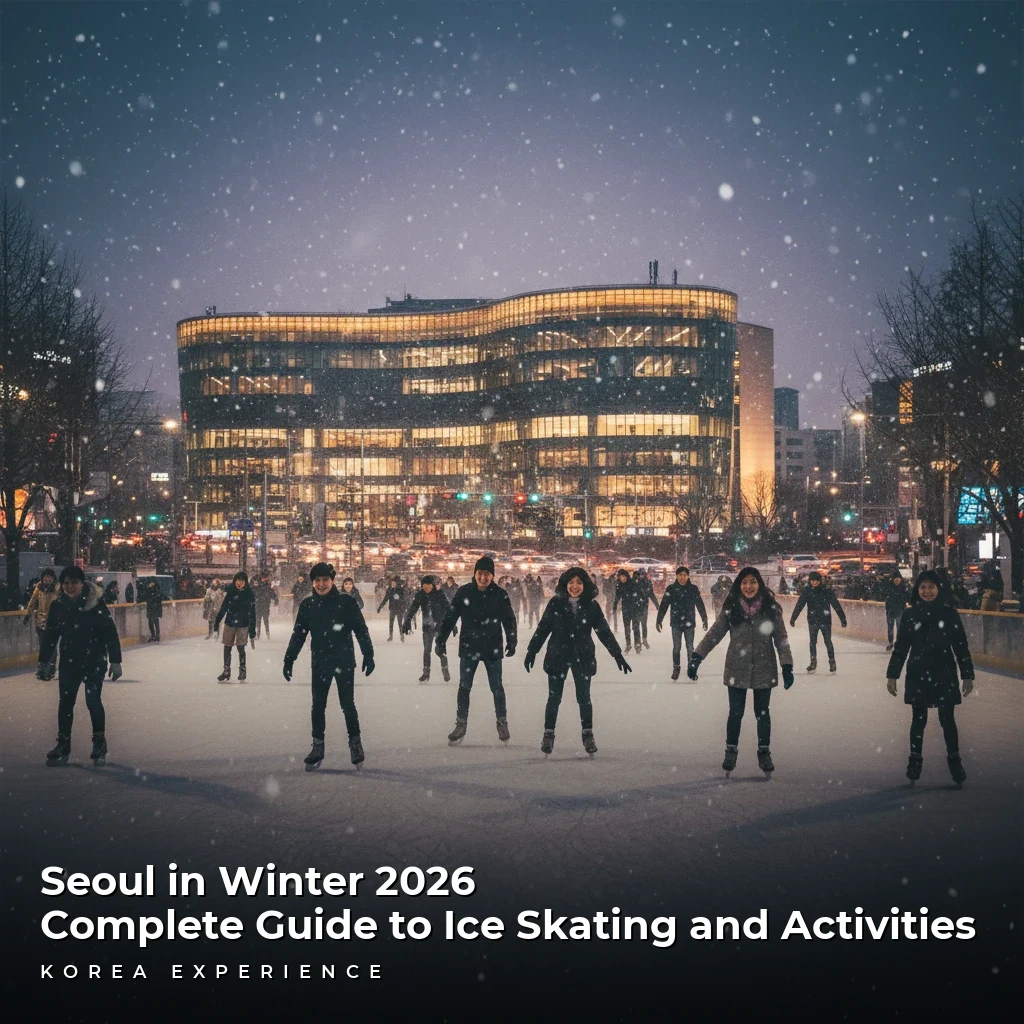
Discover Seoul's best winter spots for 2026. From ₩1,000 skating at City Hall to luxury spas, find temperatures, costs, and festivals in this complete guide.
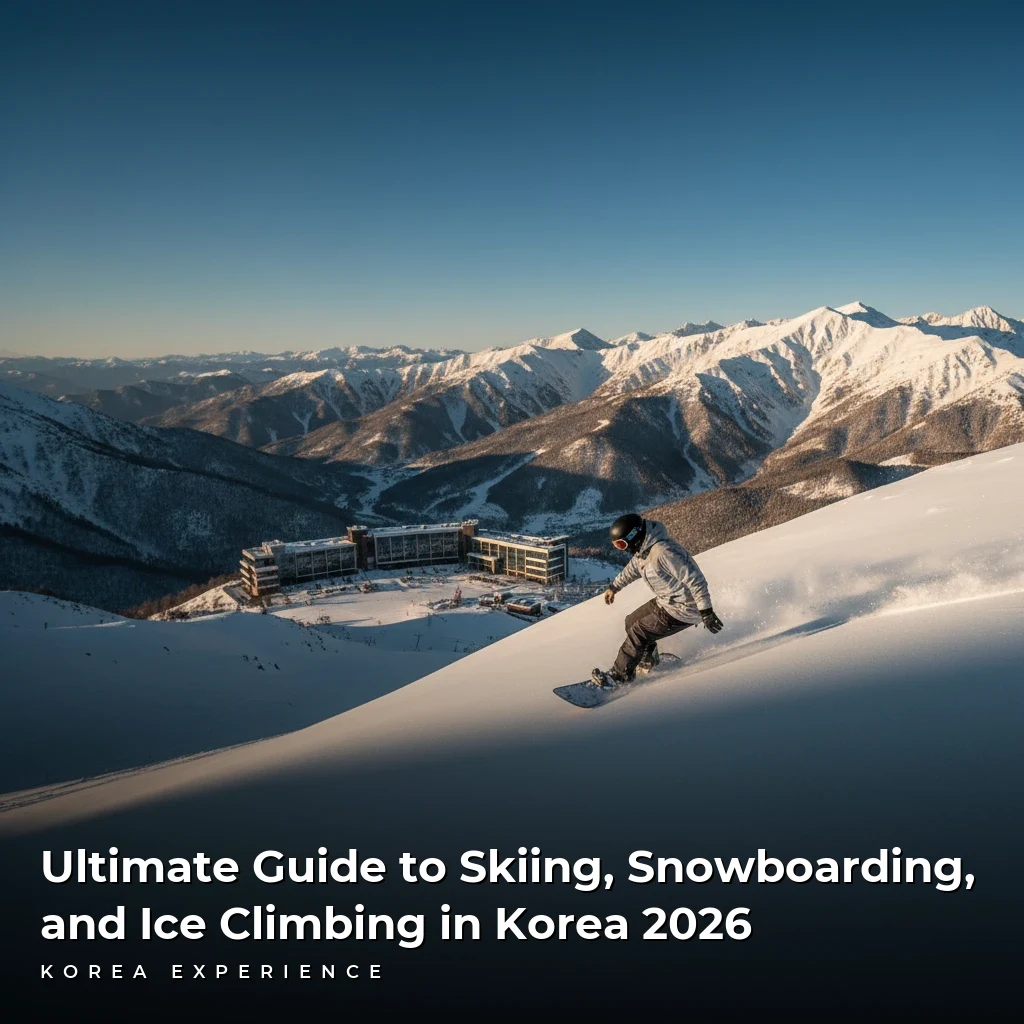
Discover Korea's top winter sports spots for 2026. From Yongpyong slopes to Cheongsong ice walls, get prices, transport tips, and rental guides.
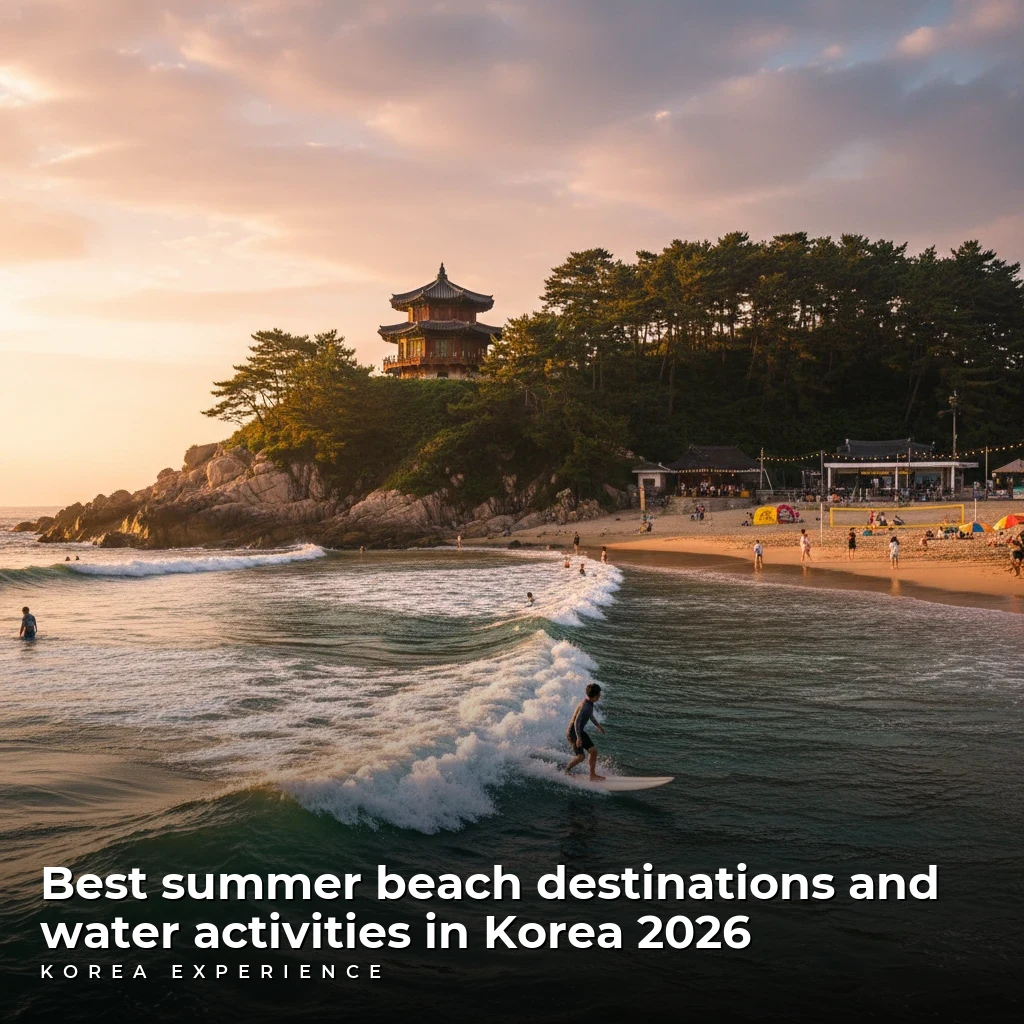
Discover top Korean beaches from Yangyang surfing to Jeju snorkeling. Includes 2026 prices, transport tips, and water activity costs for summer travel.
Discover the best spots for tulips, roses, and cosmos in Korea. Complete 2026 guide with dates, entry fees, and transport tips for spring and autumn blooms.
Discover the best Busan night markets in 2026. From Bupyeong Kkangtong's street food to Haeundae's seafood, find prices, hours, and transport tips.
Discover Korea's best markets beyond Seoul. Explore Busan, Jeju, and Daegu with specific food prices, transport tips, and 2026 travel data.