Korea Trip Cost 2026: 7-Day Budget vs Luxury Breakdown
Unpack the real cost of a 7-day trip to Korea in 2026. This guide details budget to luxury expenses for flights, hotels, food, and activities.
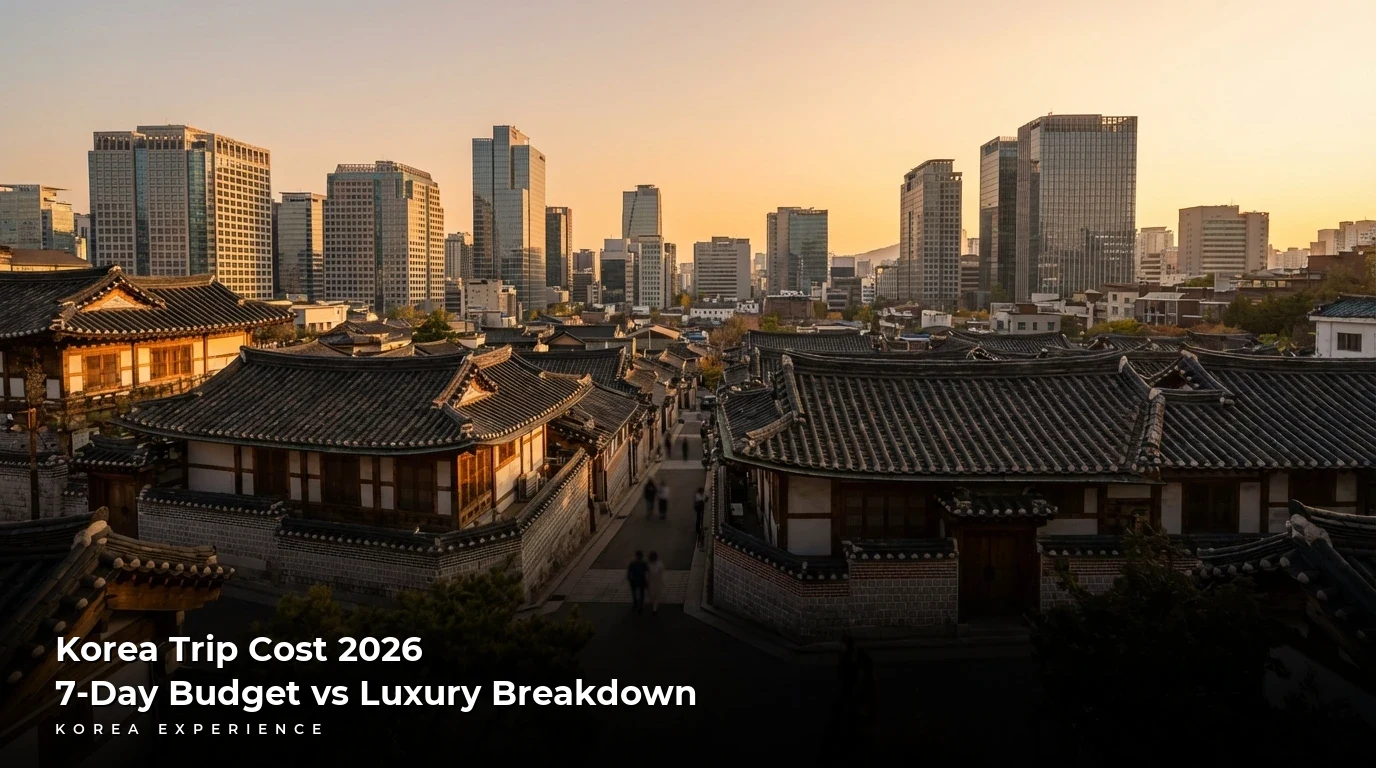
Planning a dream trip to South Korea often starts with one big question: How much will it actually cost? As we look ahead to 2026, understanding the financial landscape is key to making your adventure seamless and enjoyable. Korea, a land of vibrant cities, ancient traditions, and cutting-edge technology, offers experiences for every budget, from the savvy backpacker to the luxury seeker. This comprehensive guide will break down the expected costs for a 7-day journey, covering everything from flights and accommodation to delicious food and unforgettable activities, helping you budget effectively for your ideal Korean escape.
Key Takeaways
- 1A 7-day budget trip to Korea in 2026 can cost roughly $1,200 - $2,000 per person, excluding international flights.
- 2Luxury travelers should budget $4,000 - $7,000+ for a 7-day immersive experience, with premium flights adding significantly.
- 3Strategic planning for flights and accommodation, coupled with local food choices, offers the greatest savings potential.
Understanding Your Korea Trip Budget: The 2026 Landscape
Korea's appeal continues to grow, attracting millions of international visitors annually. In 2024, the country saw over 13 million foreign tourists, a number projected to exceed 16 million by 2026. This popularity, combined with global economic shifts, means that prices for travel components can fluctuate. We've factored in a modest inflation rate of approximately 3-5% annually on many local services and goods since 2024 to provide realistic estimates for 2026. Exchange rates, particularly for the Korean Won (₩) against major currencies like USD, EUR, and GBP, also play a significant role. For instance, in early 2026, we anticipate the exchange rate to hover around ,300-,350 per $1 USD.
Currency Conversion Tip
Always check the current exchange rate before and during your trip. Use a reputable currency converter app. While many places accept credit cards, having some Korean Won for street food, smaller shops, or T-Money top-ups is essential. Withdraw from ATMs at major banks for the best rates.
Your total trip cost will largely depend on your travel style. Are you comfortable staying in guesthouses and eating street food, or do you prefer five-star hotels and gourmet dining? This guide will present a clear dualism, outlining costs for both budget-conscious travelers and those seeking a luxurious experience, allowing you to tailor your estimates.
Flights to Korea: Your First Major Expense
International flights are often the single largest component of your Korea trip budget. Prices vary widely based on your departure city, time of year, and how far in advance you book. For 2026, peak seasons (spring cherry blossoms in April and autumn foliage in October) will naturally command higher prices. Expect flight costs to be 15-25% higher during these periods compared to off-peak months like January or November (excluding holidays).
📋 Flight Booking Facts
Budget Traveler: Look for economy class flights with layovers. Flying from major hubs like Los Angeles (LAX) or New York (JFK) to Incheon International Airport (ICN) will typically range from $800-$1,200 USD round trip during shoulder seasons (May/September) or off-peak. From Europe (e.g., London Heathrow LHR), expect to pay $900-$1,500 USD, often involving one layover. Booking at least 4-6 months in advance can secure better deals.
Luxury Traveler: Direct flights in business or first class offer unparalleled comfort. From the US West Coast, business class tickets can start from $3,500-$5,000 USD, while first class can easily exceed $7,000-$10,000 USD. From Europe, these prices are often 20-30% higher due to longer distances and fewer direct routes. Early booking (6-9 months out) is crucial for securing preferred seats and potential discounts.
💵 Flight Cost Comparison (Round Trip to ICN, 2026)
Direct flights, premium services
With layovers, off-peak/shoulder season
Accommodation in Korea: From Guesthouses to Grand Suites
Korea offers a diverse range of lodging options to suit every preference and budget. Seoul, the capital, naturally has the widest selection and generally the highest prices, but good value can be found with diligent searching. Outside Seoul, particularly in cities like Busan or Jeju Island, prices can be slightly lower by about 10-20%.
Budget Traveler: Hostels and guesthouses are your best friends. A bed in a clean dormitory in Seoul can cost as little as $25-$40 USD per night. Private rooms in guesthouses, often with shared bathrooms, range from $50-$80 USD per night. Look for options in vibrant areas like Hongdae, Insadong, or Myeongdong, which offer easy access to public transport and attractions. For a 7-day trip, this totals roughly $175-$560 USD for accommodation.
Hostel Zaha(호스텔자하)
Luxury Traveler: Five-star hotels in prime locations like Gangnam or Jung-gu offer impeccable service, spacious rooms, and amenities such as indoor pools and gourmet restaurants. Expect to pay $300-$700+ USD per night for a standard room. Boutique hotels and unique stays like renovated Hanoks (traditional Korean houses) in Bukchon Hanok Village can also fall into this category, offering a blend of cultural immersion and modern comfort, typically costing $250-$500 USD per night. A 7-day luxury stay would range from $2,100-$4,900+ USD.
The Shilla Seoul(신라 서울)
💵 Accommodation Cost Comparison (Per Night, 2026)
5-star hotel or high-end traditional stay
Dorm bed or private room with shared bath
Booking accommodation at least 3-4 months in advance is essential, especially if you're traveling during popular festivals or peak seasons. Many hidden gem guesthouses fill up quickly, and last-minute luxury hotels can be significantly more expensive. Also, consider booking directly with Hanok stays for a more authentic experience and sometimes better rates.
Getting Around Korea: Transportation Costs and Options
Korea boasts an incredibly efficient and user-friendly public transportation system. The T-Money card is a must-have for all travelers. It's a rechargeable smart card used for subways, buses, and even some taxis and convenience stores. You can purchase and top up a T-Money card at most convenience stores (e.g., CU, GS25, 7-Eleven) and subway stations. The card itself costs around ,000 ($2.30 USD).
📖 Getting and Using a T-Money Card
Step 1: Purchase Card
Buy a T-Money card at any convenience store or subway station. Cost: ,000 ($2.30 USD).
Step 2: Top Up
Load money onto the card at subway station machines (English option available) or convenience stores. Start with 0,000-0,000 ($15-$23 USD).
Step 3: Tap On/Off
Simply tap your card on the reader when entering and exiting subway stations or buses. The fare is automatically deducted.
Step 4: Check Balance
The remaining balance is displayed after each tap, or you can check it at any top-up station or convenience store.
Budget Traveler: Public transport is incredibly affordable. A single subway or bus ride in Seoul costs approximately ,400 ($1.08 USD) for up to 10 km. Long-distance travel via KTX (Korea Train eXpress) is faster but pricier than intercity buses. A KTX ticket from Seoul to Busan (approx. 2.5 hours, 400 km) costs about 9,800 ($46 USD) one-way. For a 7-day trip focused on Seoul, expect to spend $30-$50 USD on T-Money. If you include a trip to Busan, add another $90-$100 USD.
Luxury Traveler: While public transport is efficient, luxury travelers might opt for taxis or private drivers for convenience. A typical taxi fare starts at around ,800 ($3.70 USD) and increases by distance and time. A taxi from Incheon Airport to downtown Seoul can cost 0,000-0,000 ($46-$70 USD). Private car services for airport transfers or day trips start from $100-$200 USD per service. For long-distance travel, KTX first-class tickets are available for about 3,700 ($64 USD) Seoul-Busan, offering wider seats and more amenities.
Transportation Options Comparison
| Feature | Subway/Bus | KTX (Standard) | KTX (First Class) | Taxi |
|---|---|---|---|---|
| Cost (Seoul Ride) | ,400 ($1.08) | N/A | N/A | ,800+ ($3.70+) |
| Speed | Moderate | Very Fast | Very Fast | Variable (Traffic) |
| Comfort | Good | High | Premium | Good |
| Convenience | High | High | High | Door-to-Door |
| English Support | Excellent | Excellent | Excellent | Limited (apps help) |
Savoring Korea: Food & Dining Expenses
Korean cuisine is a highlight for many visitors, offering an incredible range of flavors and experiences. From sizzling street food to Michelin-starred restaurants, your food budget can be as lean or as lavish as you wish.
Budget Traveler: Eating authentically and cheaply is easy in Korea. Street food snacks like Tteokbokki (spicy rice cakes) or Gyeranppang (egg bread) cost ,000-,000 ($2.30-$3.80 USD). A hearty meal at a local restaurant (e.g., Kimbap, Bibimbap, Sundubu Jjigae) will typically be ,000-2,000 ($5.40-$9.20 USD). Convenience store meals (ramen, triangular Kimbap) are even cheaper, around ,000-,000 ($1.50-$3.80 USD). Daily food budget: $25-$40 USD. Over 7 days, this is $175-$280 USD.
Gwangjang Market Food Alley(광장시장 먹거리골목)
Luxury Traveler: Korea boasts an impressive fine dining scene, particularly in Seoul. Michelin-starred restaurants can cost $100-$300+ USD per person for a tasting menu. High-end Korean BBQ experiences, premium seafood restaurants, and stylish cafes are also options. A well-rounded luxury daily food budget might be $150-$300+ USD. For 7 days, this translates to $1,050-$2,100+ USD.
💵 Daily Food Cost Comparison (2026)
Fine dining, high-end restaurants, premium cafes
Street food, local restaurants, convenience meals
Don't be afraid to venture into smaller, less touristy neighborhoods for food. Look for restaurants filled with locals that's usually a sign of good, authentic, and reasonably priced food. Many places have picture menus or English translations, so ordering is easier than you might think! Also, try Makgeolli (Korean rice wine) with your meals; it's a fantastic local pairing.
Activities & Entertainment: What to Do and How Much It Costs
Korea offers a fascinating mix of historical sites, modern attractions, and unique cultural experiences. Many iconic sites are surprisingly affordable or even free.
Budget Traveler:
- Free: Exploring neighborhoods like Bukchon Hanok Village, hiking Namsan Mountain (excluding cable car), wandering Cheonggyecheon Stream, visiting Dongdaemun Design Plaza exterior, exploring local markets.
- Low Cost: Royal Palaces (Gyeongbokgung, Changdeokgung, etc.) entrance fees are typically ,000 ($2.30 USD) per person, or a combined pass for 0,000 ($7.70 USD) for 5 palaces. Museums like the National Museum of Korea are free. N Seoul Tower observatory costs 6,000 ($12.30 USD). A basic Hanbok (traditional Korean dress) rental is around 5,000-0,000 ($11.50-$15.40 USD) for 2-4 hours. Expect to spend $15-$30 USD per day on activities, totaling $105-$210 USD for 7 days.
Luxury Traveler:
- Premium Experiences: Lotte World or Everland theme park tickets are around 2,000 ($48 USD) each. High-end cooking classes can cost $70-$150 USD per person. A full-day guided DMZ tour ranges from $80-$150 USD. K-Pop concert tickets can be $80-$200+ USD. Jjimjilbang (Korean spa) entry is about 5,000-0,000 ($11.50-$15.40 USD), with treatments adding more. A luxury itinerary might include private tours ($300-$600+ per day) or exclusive cultural workshops. Budget $100-$300+ USD per day for activities, summing up to $700-$2,100+ USD for 7 days.
Free vs. Paid Activities
- ✓Free: Discover hidden gems, experience local life, enjoy nature walks, great for photography
- ✓Paid: Access to major landmarks, unique immersive experiences, professional guidance (tours), entertainment value
- ✗Free: Can sometimes lack context without a guide, may involve more walking/research
- ✗Paid: Can add up quickly, might require pre-booking, potential for crowds
📋 Attraction Entrance Fees (2026 Estimates)
Shopping & Souvenirs: Budgeting for Korean Treasures
Korea is a shopper's paradise, from bustling traditional markets to high-end department stores and trendy fashion districts.
Budget Traveler: Focus on affordable souvenirs from places like Insadong or Namdaemun Market. K-beauty products at Olive Young or Innisfree offer great value, with sheet masks starting at ,000-,000 ($0.77-$2.30 USD) and skincare items from 0,000-0,000 ($7.70-$23 USD). Small Korean stationery items are also popular and inexpensive. A budget of $50-$100 USD for souvenirs should suffice for a 7-day trip.
Tax Refund for Tourists
Foreign visitors can claim tax refunds on purchases over 5,000 ($11.50 USD) at participating stores (look for "Tax Free" signs). You can get instant refunds at some stores or claim them at designated kiosks at airports or major shopping areas. Keep your passport handy!
Luxury Traveler: Indulge in designer fashion in Apgujeong or Cheongdam-dong, luxury department stores like Lotte or Shinsegae, and high-end K-beauty brands. Personalized shopping experiences or bespoke items are also available. Budget $300-$1,000+ USD for luxury shopping, depending on your desires.
Miscellaneous & Contingency: Don't Forget the Extras
No trip budget is complete without accounting for miscellaneous expenses and a contingency fund.
- Travel Insurance: Highly recommended. A comprehensive plan for a 7-day trip typically costs 5-10% of your total non-flight expenses. For a mid-range trip ($2,500), this would be $125-$250 USD.
- SIM Card/eSIM: Essential for navigation and staying connected. A 7-day unlimited data eSIM costs about $20-$30 USD. Physical SIM cards are similar.
- Emergency Fund: Always have an extra 10-15% of your total budget for unforeseen circumstances. For a $2,000 trip, this means an extra $200-$300 USD.
- Visa (if applicable): Most Western countries do not require a visa for short tourist stays (up to 90 days), but check specific requirements for your nationality. K-ETA (Korea Electronic Travel Authorization) might be required for visa-free entry, costing 0,000 ($7.70 USD).
📊 Essential Extra Costs
📖 Getting Connected: eSIM for Korea
Step 1: Check Compatibility
Ensure your phone supports eSIM technology before purchasing. Most modern smartphones do.
Step 2: Purchase Online
Buy an eSIM plan from reputable providers like Airalo, Klook, or Chingu Mobile a few days before your trip. Choose a data package suitable for your 7-day stay.
Step 3: Install eSIM
You'll receive a QR code or manual setup details. Scan the QR code in your phone's cellular settings to install. Do this before you leave or upon arrival with airport Wi-Fi.
Step 4: Activate & Roam
Once in Korea, turn on your eSIM and ensure data roaming is enabled for that line. You should immediately connect to a local network.
Sample Itineraries and Cost Breakdowns (7-Day Trip)
Here are two detailed hypothetical 7-day itineraries for a single traveler, breaking down the costs for budget and luxury travel styles in 2026. This assumes international flights are booked separately and focuses on in-country expenses.
Budget Traveler Scenario (7 Days in Seoul & Gyeongju)
Total Estimated In-Country Cost: $1,400 - $1,900 USD
- Accommodation (7 nights): $250 (hostel dorms in Seoul and Gyeongju)
- Food (7 days): $245 (average $35/day for street food, local eateries, convenience stores)
- Local Transportation: $80 (T-Money for Seoul, intercity bus to Gyeongju)
- Seoul T-Money: $40
- Seoul-Gyeongju Bus (round trip): $40 (2,000)
- Activities & Sightseeing: $150
- Palace Pass: $8
- N Seoul Tower: $12
- Hanbok Rental: $15
- Gyeongju Historical Area (Bulguksa, Seokguram Grotto): $15 entry each x 2 = $30
- Various free activities: $0
- Miscellaneous entry fees: $85
- Shopping/Souvenirs: $100
- SIM Card/eSIM: $25
- Contingency (10%): $100-$150
Daily Breakdown Example:
- Day 1 (Arrival, Seoul - Hongdae):
- Airport Express (AREX): ,150 ($3.20)
- Hostel Check-in: $35
- Lunch (Kimbap): ,000 ($4.60)
- Explore Hongdae, street art: Free
- Dinner (Korean BBQ, budget spot): 5,000 ($11.50)
- Subway rides: ,800 ($2.15)
- Daily Total: ~$57
- Day 2 (Seoul - Palaces & Culture):
- Breakfast (convenience store): ,000 ($3.80)
- Gyeongbokgung Palace & Hanbok Rental: ,000 + 5,000 ($2.30 + $11.50)
- Insadong exploration: Free
- Lunch (street food): ,000 ($6.15)
- Changdeokgung Palace & Secret Garden: ,000 ($6.15)
- Dinner (local restaurant): 0,000 ($7.70)
- Subway rides: ,800 ($2.15)
- Daily Total: ~$40
- Day 3 (Seoul - Namsan & Myeongdong):
- Breakfast (cafe): ,000 ($5.40)
- Hike Namsan, N Seoul Tower entry: Free + 6,000 ($12.30)
- Lunch (Myeongdong street food): 0,000 ($7.70)
- Shopping Myeongdong: Budget $30
- Dinner (local eatery): 2,000 ($9.20)
- Subway rides: ,800 ($2.15)
- Daily Total: ~$67
- Day 4 (Gyeongju - History):
- Bus from Seoul to Gyeongju: 6,000 ($20)
- Guesthouse check-in: $35
- Lunch (local restaurant): 0,000 ($7.70)
- Bulguksa Temple entry: 5,000 ($11.50)
- Bus within Gyeongju: ,800 ($2.15)
- Dinner (local specialty): 2,000 ($9.20)
- Daily Total: ~$86
- Day 5 (Gyeongju - More History, Return to Seoul):
- Breakfast (guesthouse): Free
- Seokguram Grotto entry: 5,000 ($11.50)
- Daereungwon Tumuli Park: ,000 ($2.30)
- Lunch (local): ,000 ($6.15)
- Bus to Seoul: 6,000 ($20)
- Seoul Hostel check-in: $35
- Dinner (budget): 0,000 ($7.70)
- Daily Total: ~$83
- Day 6 (Seoul - Gangnam/Shopping):
- Breakfast (convenience store): ,000 ($3.80)
- Explore Gangnam, Starfield Library: Free
- Lunch (local café): 2,000 ($9.20)
- Shopping (K-beauty): Budget $40
- Dinner (chicken and beer): 8,000 ($13.80)
- Subway rides: ,800 ($2.15)
- Daily Total: ~$69
- Day 7 (Departure):
- Breakfast (hostel): Free
- Last minute souvenir shopping: Budget $20
- AREX to ICN: ,150 ($3.20)
- Daily Total: ~$23
Luxury Traveler Scenario (7 Days in Seoul & Jeju Island)
Total Estimated In-Country Cost: $4,500 - $7,000+ USD
- Accommodation (7 nights): $3,150 (average $450/night for 5-star hotels)
- Food (7 days): $1,575 (average $225/day for fine dining, upscale cafes, premium meals)
- Local Transportation: $700
- Private Airport Transfer (round trip): $150
- Seoul Taxis: $200
- Domestic Flight to Jeju (round trip, business class): $350
- Activities & Sightseeing: $1,000
- Private Palace Tour: $200
- Lotte World Premium Pass: $80
- Spa/Jjimjilbang treatment: $150
- Jeju Private Car Day Tour: $300
- Jeju attractions (museums, scenic spots): $70
- Cooking class: $200
- Shopping/Souvenirs: $500
- eSIM: $30
- Contingency (10%): $450-$700
Daily Breakdown Example:
- Day 1 (Arrival, Seoul - Gangnam Luxury):
- Private Airport Transfer to Hotel: $75
- Luxury Hotel Check-in: $450
- Lunch (upscale Korean BBQ): 0,000 ($61.50)
- Explore Gangnam, Starfield Library, Coex Aquarium: 5,000 ($27)
- Dinner (Michelin-starred restaurant): 50,000 ($115)
- Taxi rides: 0,000 ($23)
- Daily Total: ~$750
- Day 2 (Seoul - Culture & Spa):
- Breakfast (hotel): $40
- Private Gyeongbokgung Palace & Bukchon Hanok Village Tour: $200
- Lunch (traditional Hanjeongsik): 0,000 ($46)
- Luxury Jjimjilbang & Spa Treatment: 00,000 ($77)
- Dinner (fusion cuisine): 0,000 ($61.50)
- Taxi rides: 0,000 ($23)
- Daily Total: ~$447
- Day 3 (Seoul - Entertainment & K-Pop):
- Breakfast (hotel): $40
- Lotte World Premium Pass: $80
- Lunch (Lotte World gourmet): 0,000 ($31)
- Shopping (luxury brands): Budget $150
- K-Pop Concert Ticket (if available): $100
- Dinner (trendy restaurant): 0,000 ($54)
- Taxi rides: 0,000 ($23)
- Daily Total: ~$478
- Day 4 (Jeju Island - Nature's Beauty):
- Hotel to Gimpo Airport Taxi: 0,000 ($23)
- Business Class Flight to Jeju: $175 (one-way)
- Luxury Hotel Jeju Check-in: $450
- Private Car Tour (half-day): $150
- Lunch (Jeju black pork): 0,000 ($46)
- Dinner (fresh seafood): 0,000 ($69)
- Daily Total: ~$913
- Day 5 (Jeju Island - Exploration):
- Breakfast (hotel): $40
- Private Car Tour (full-day exploration, e.g., Seongsan Ilchulbong Peak, waterfalls): $300
- Attraction entry fees: 0,000 ($23)
- Lunch (local delicacy): 0,000 ($38.50)
- Dinner (fine dining Jeju): 00,000 ($77)
- Daily Total: ~$478
- Day 6 (Return to Seoul & Cooking Class):
- Breakfast (hotel): $40
- Flight to Seoul (Business Class): $175
- Taxi from Gimpo to Seoul Hotel: 0,000 ($23)
- Hotel Check-in: $450
- Lunch (casual upscale): 0,000 ($31)
- Traditional Korean Cooking Class: $200
- Dinner (class output or light meal): 0,000 ($23)
- Daily Total: ~$942
- Day 7 (Departure):
- Breakfast (hotel): $40
- Last-minute shopping: Budget $50
- Private Airport Transfer to ICN: $75
- Daily Total: ~$165
💵 7-Day In-Country Trip Cost Summary (2026)
5-star hotels, fine dining, private transport, exclusive experiences
Hostels, street food, public transport, free/low-cost activities
Money-Saving Tips & Tricks for Korea
Even if you're aiming for a mid-range trip, incorporating some budget-friendly strategies can significantly reduce your overall expenses.
- Utilize Public Transportation: Korea's subway and bus systems are excellent. A 0,000 ($7.70 USD) T-Money top-up can last several days for inner-city travel.
- Eat Like a Local: Street food and local restaurants (look for "Gukbap" or "Jjigae" places) offer delicious and filling meals for under 0,000 ($7.70 USD).
- Free Activities: Many of Seoul's best attractions, like the Cheonggyecheon Stream, Namsan Park, and numerous urban walks, cost nothing.
- Consider a Korean Air Pass: If you plan extensive train travel, especially to multiple cities, the KORAIL Pass can save money compared to individual tickets. A 3-day pass starts at around 31,000 ($100 USD).
- Shop Smart: Compare prices, especially for K-beauty. Duty-free shops at the airport or in major cities can offer savings on high-value items.
- Book in Advance: Flights and popular accommodation (especially Hanoks) can be significantly cheaper when booked several months ahead.
- Travel During Shoulder Seasons: Late spring (May/early June) or early autumn (September/early October) offer pleasant weather and slightly lower prices than peak cherry blossom or foliage seasons.
- Look for Deals: Websites like Klook or Trazy often have discounts on tours, attraction tickets, and sometimes even transport passes. A popular tourist pass like the Discover Seoul Pass (24/48/72 hours) might offer savings if you plan to visit many participating attractions within a short timeframe. A 24-hour pass is about 0,000 ($38.50 USD).
When to Visit: Seasonality and Cost Implications
The time of year you choose to visit Korea profoundly impacts both your experience and your budget.
Peak Season (Spring: April-May, Autumn: October-November):
- Pros: Ideal weather, cherry blossoms, vibrant fall foliage, numerous festivals.
- Cons: Highest prices for flights and accommodation (up to 20-30% more), larger crowds at popular attractions, requiring bookings well in advance (6-9 months for flights, 4-6 months for hotels).
Shoulder Season (Late March, June, September):
- Pros: Good weather, fewer crowds than peak season, slightly lower prices (10-15% less), still many cultural events.
- Cons: Can be a transitional period with unpredictable weather (e.g., late spring rain, early autumn chill).
Off-Peak Season (Winter: December-February, Summer: July-August):
- Pros: Lowest prices for flights and accommodation (up to 20-40% less than peak), fewer tourists, unique winter activities (skiing, festivals of light), summer beaches.
- Cons: Winter can be very cold (down to -10°C / 14°F), summer can be hot and humid with monsoon rains (temperatures up to 35°C / 95°F), some outdoor activities might be less enjoyable.
Peak vs. Off-Peak Travel
- ✓Peak: Best weather, beautiful scenery, lively atmosphere, many festivals
- ✓Off-Peak: Significant cost savings, fewer crowds, unique seasonal experiences
- ✗Peak: Highest prices, large crowds, need to book everything far in advance
- ✗Off-Peak: Extreme weather (cold winters, hot/humid summers), some attractions may have reduced hours
Final Thoughts: Making Your Korea Dream Trip a Reality
A 7-day trip to Korea in 2026 offers an incredible journey, whether you're meticulously budgeting every Won or splurging on luxury experiences. By understanding the typical costs for flights, accommodation, food, transportation, and activities, you can build a realistic budget that aligns with your travel style. Remember to account for unexpected expenses with a contingency fund and always stay updated on current exchange rates. With careful planning, your Korean adventure will be unforgettable. Start dreaming, start saving, and get ready to experience the magic of Korea!
❓ Frequently Asked Questions
Have more questions?Contact us →
About the Author
Korea Experience Team
Written by the Korea Experience editorial team - experts in Korean medical tourism, travel, and culture with years of research and firsthand experience.
Explore more in Travel & Tourism
From Seoul's neon-lit streets to Jeju's volcanic landscapes — discover the best of Korea with insider travel tips, itineraries, and seasonal guides.
Browse All Travel & Tourism ArticlesContinue Reading
Explore more articles you might find interesting
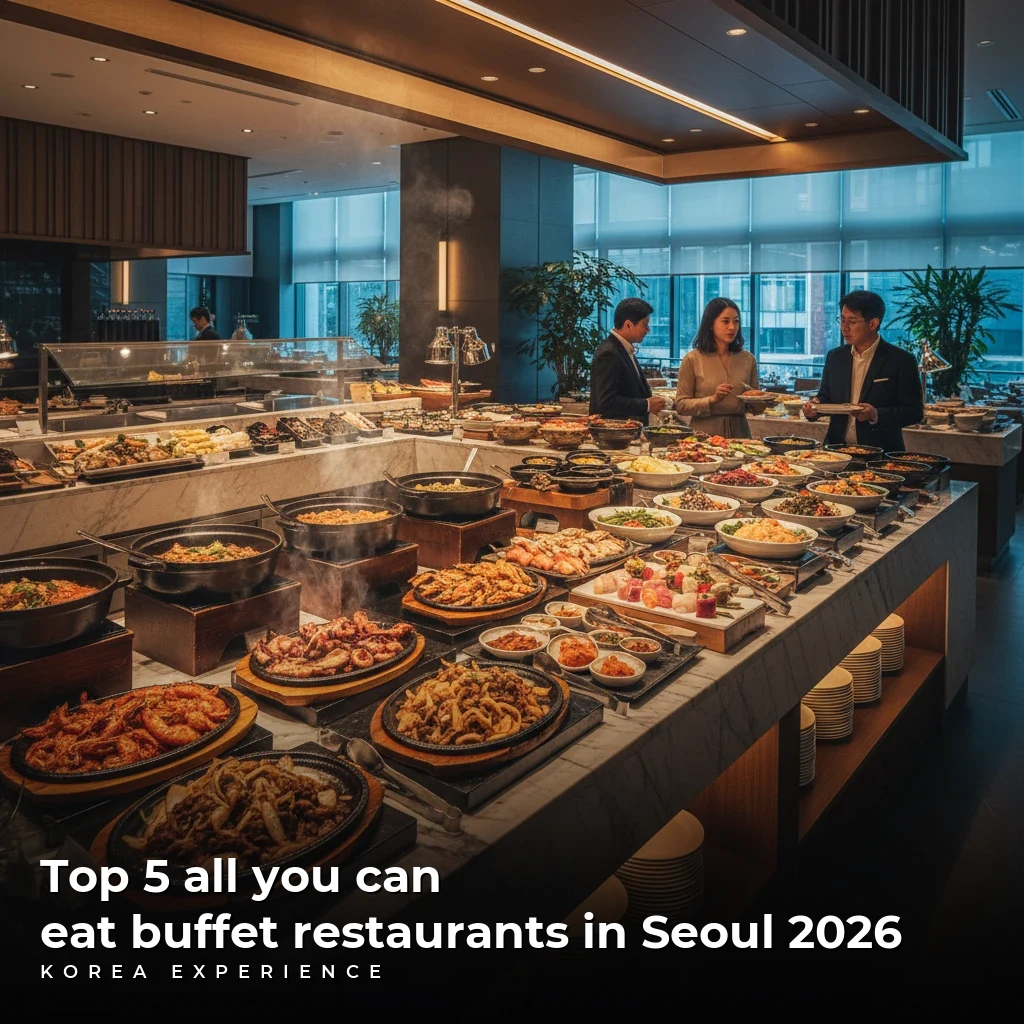
Discover the best all you can eat buffets in Seoul for 2026. From luxury hotels to budget BBQ, find pricing, locations, and expert dining tips.
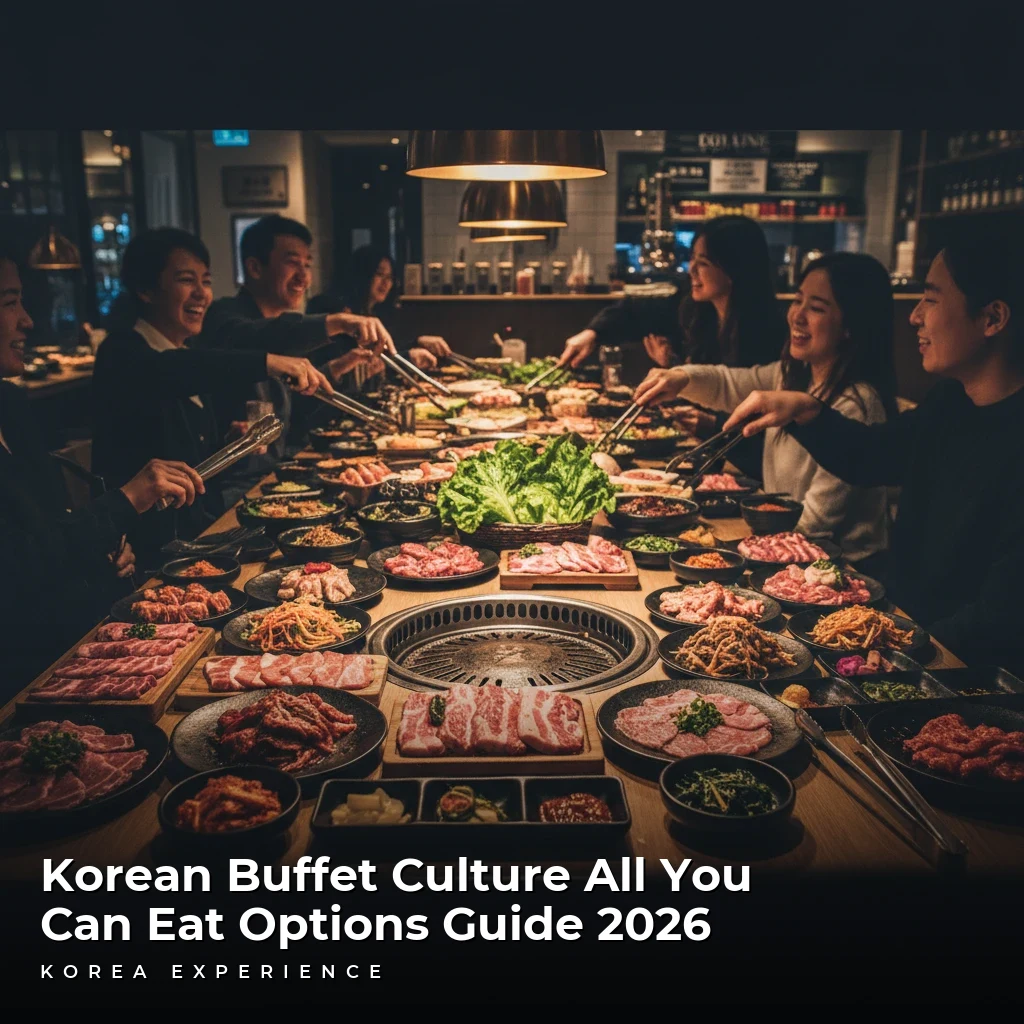
Discover the best Korean buffet culture all you can eat options, from luxury hotels to K-BBQ and endless street food spots in Seoul.
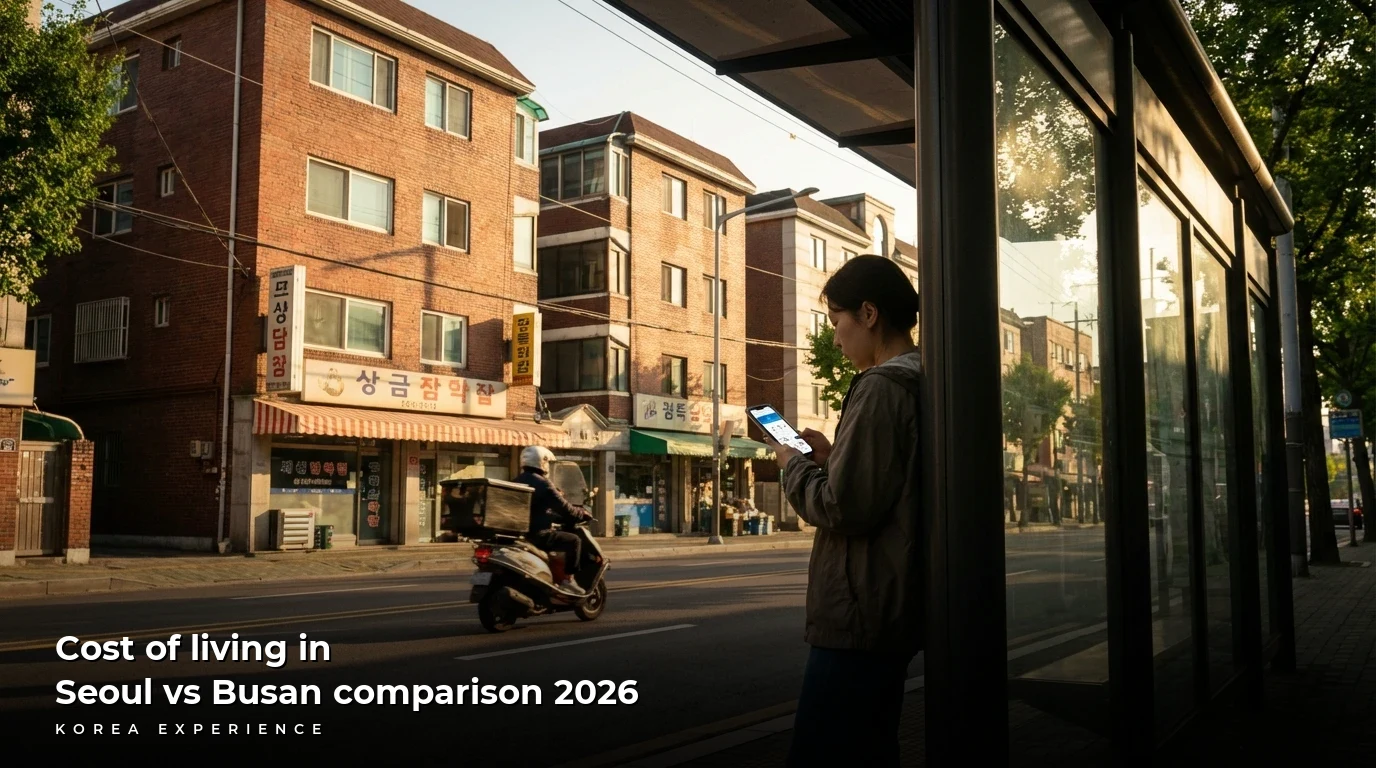
Discover the real cost differences between Seoul and Busan for 2026. Detailed rent, food, and transport breakdowns for expats and travelers.
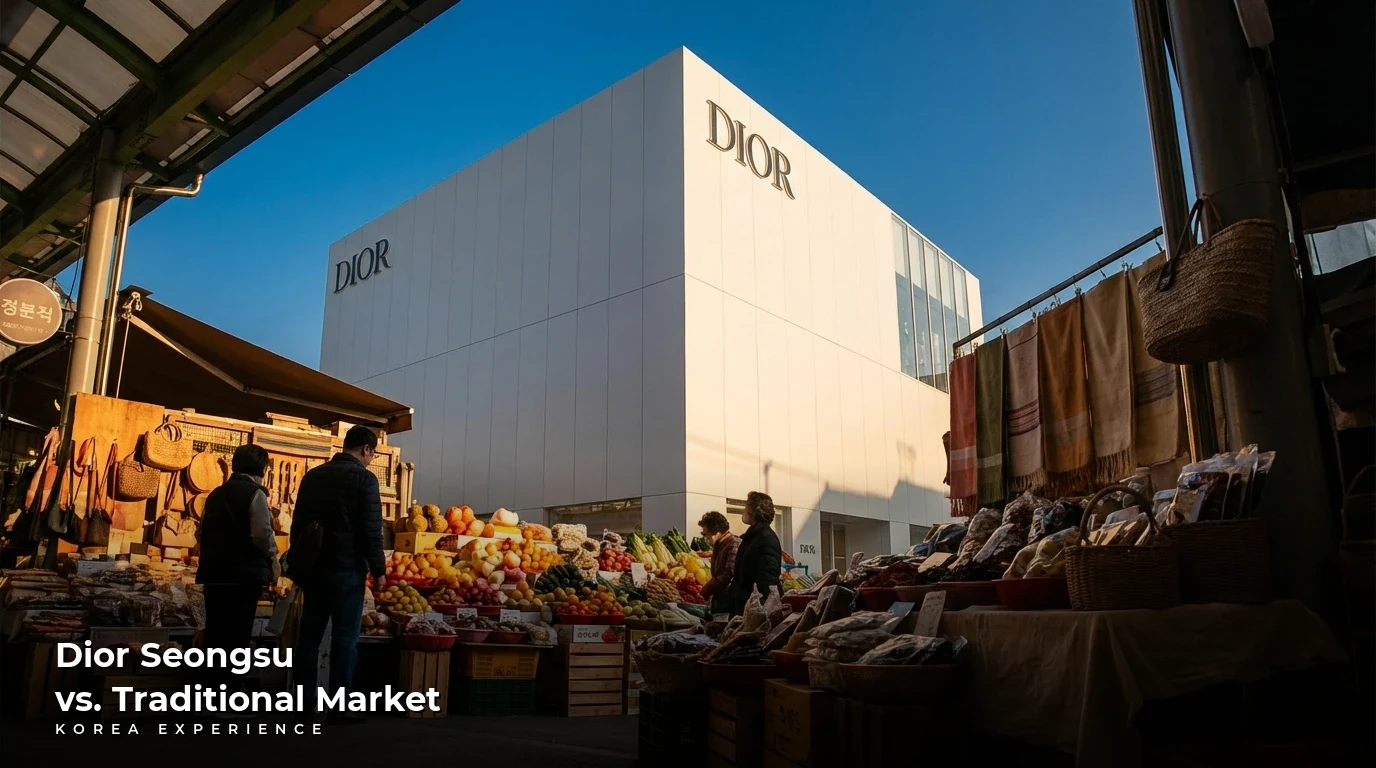
Discover how to mix a $15 Dior Seongsu latte with a $3.80 market pancake in 2026. Master the WOWPASS and Climate Card to conquer Seoul on any budget.

Stretch your budget in 2026 as 1 USD hits 1,400 KRW. Save up to 10 percent on tax refunds and cut 3 percent in card fees with our ultimate travel money guide.
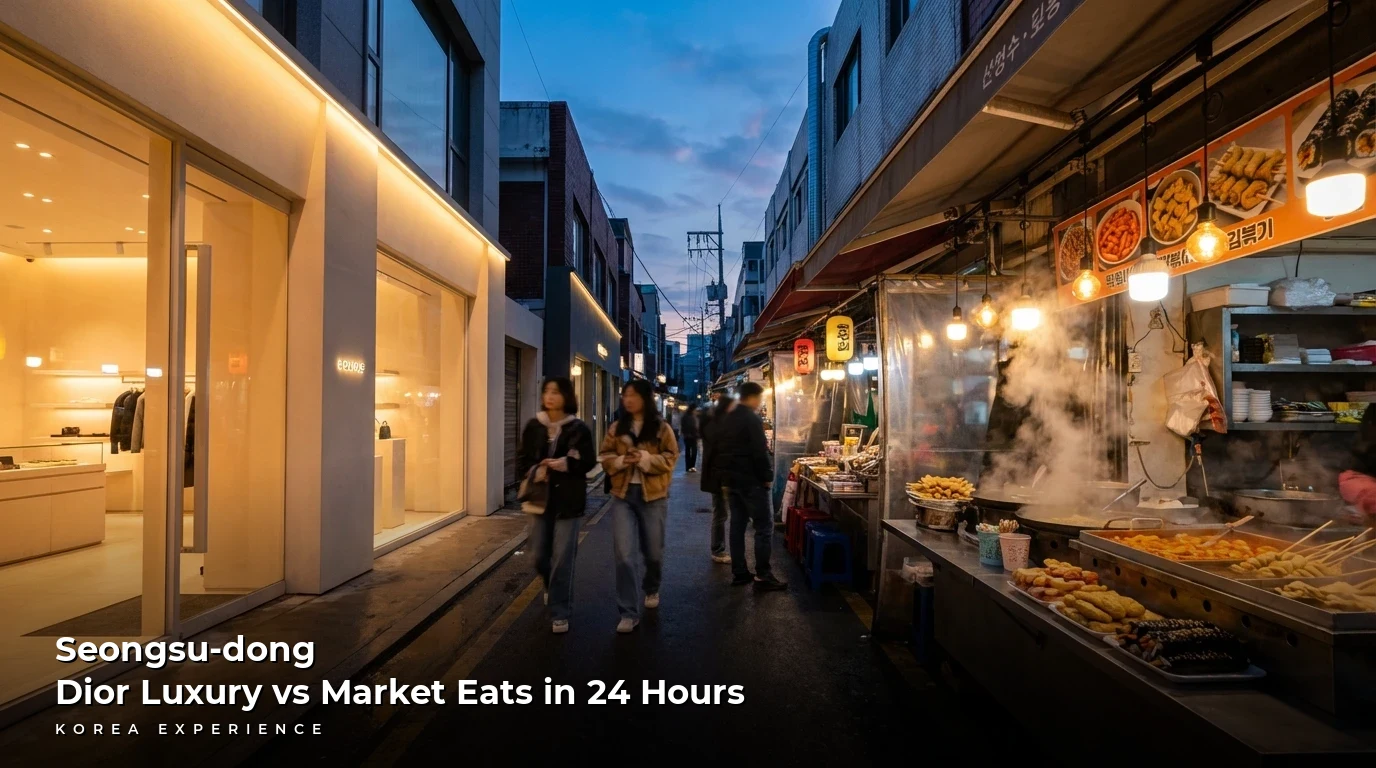
Experience Seongsu-dong's unique dualism: from high-fashion Dior pop-ups to vibrant traditional market food, all in a single day.