Best neighborhoods for expats in Seoul 2026
Discover the top districts for living in Seoul in 2026. Detailed rental costs, commute times, and lifestyle analysis for expats moving to Korea.
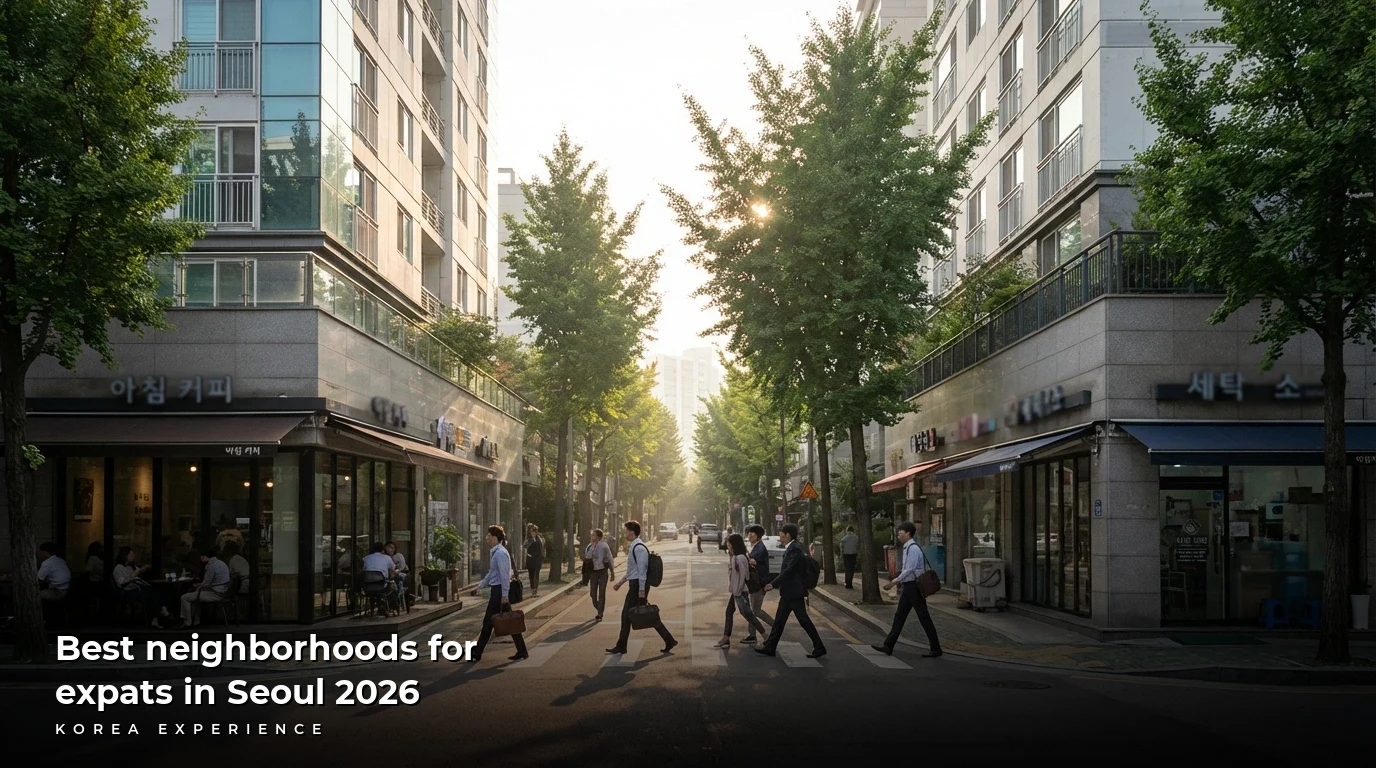
Finding the perfect place to live in Seoul is more than just choosing an apartment; it is about selecting a lifestyle. As we move into 2026, the landscape of South Korea's capital has shifted significantly due to the expansion of the GTX (Great Train Express) networks and the continued development of tech hubs outside the traditional center.
For international residents, the question of the "Best Neighborhoods For Expats In Seoul 2026" now involves balancing rising rental costs—which have increased by approximately 12% since 2024—with accessibility and community features. Whether you are a digital nomad seeking the cafe culture of Mapo-gu, a corporate professional needing the efficiency of Gangnam, or a family looking for the quiet international schools of Seorae Village, Seoul offers a district tailored to your needs.
You might also enjoy our article about Best weekend getaways for expats to beat city burnout.
Key Takeaways
- 1Gangnam remains the priciest hub with studios averaging ₩1.5 million monthly
- 2Seongsu-dong has officially surpassed Itaewon as the trendiest expat lifestyle district
- 3New GTX-A lines have made commute times from southern suburbs 60% faster
The Shifting Landscape of Seoul Housing
Before diving into specific neighborhoods, it is crucial to understand the current housing market dynamics in 2026. The traditional "Jeonse" (lump-sum deposit) system is becoming rarer for short-term expats, with "Wolse" (monthly rent with high deposit) becoming the standard.
Learn more in our comprehensive guide to Changing visa status while in Korea guide for expats.
As of early 2026, the average deposit (Key Money) required for a decent studio in a prime location ranges from 10 million to ₩20 million ($7,500 - $15,000 USD). This financial barrier is a primary consideration when selecting your district. Furthermore, the expansion of the subway system means that living 3 to 4 stops away from a major hub can save you roughly ₩200,000 per month in rent while only adding 10 minutes to your commute.
For more details, check out our guide on Home insurance for expats what to cover in Korea.
📊 2026 Seoul Rental Market Stats
1. Yongsan-gu: The Traditional Expat Haven
Yongsan-gu remains the undisputed heart of the international community in Seoul. Centrally located, it sits north of the Han River and provides the easiest access to both the Central Business District (CBD) and Gangnam.
For more details, check out our guide on Homeschooling and Alternative Education in Korea 2026 Guide.
Itaewon & Hannam-dong
Despite gentrification, Itaewon and Hannam-dong are the top choices for diplomats and high-income expats. In 2026, Hannam-dong continues to be the most expensive neighborhood in Korea, housing luxury villas and UN Village.
Why live here? You want English-speaking amenities, international grocery stores, and proximity to international schools like Seoul Foreign School (accessible via school bus).
The Cost: Expect to pay a premium. A 2-bedroom apartment in Hannam-dong rarely lists below ₩3.5 million ($2,600 USD) per month. However, the convenience is unmatched; you are rarely more than 20 minutes from anywhere central by car.
Foreign Food Mart(Foreign Food Mart)
Haebangchon (HBC) & Gyeongnidan
Just up the hill from Itaewon lies HBC. Once a budget area, it has matured into a hipster enclave with artisanal bakeries and craft beer pubs. It offers a tight-knit community feel that is hard to find elsewhere in the mega-city.
Terrain Warning
HBC and Gyeongnidan are located on steep hills. If you plan to rely on walking or cycling, be prepared for a workout. The green local bus (Yongsan 02) is a lifeline for residents here.
HBC has changed a lot by 2026. The rents have gone up, but the view of Namsan Tower from the rooftop apartments is still the best in the city. If you move here, joining the local 'HBC Residents' group chat is essential for buying second-hand furniture.
2. Gangnam-gu: The Professional Powerhouse
Gangnam is synonymous with wealth, modern infrastructure, and fast-paced living. For expats working in tech, finance, or entertainment, this is the logical base.
Gangnam Station & Yeoksam
This area is dense with high-rise "Officetels" (studio apartments in commercial buildings). It is convenient, clean, and incredibly busy. With the completion of the GTX-A line stops nearby, Gangnam is now more connected to the satellite cities than ever before.
Connectivity Data:
- Gangnam to Pangyo (Tech Valley): 14 minutes by Shinbundang Line.
- Gangnam to Hongdae: 38 minutes by Line 2.
Rental Insight: A standard 25-square-meter officetel near Gangnam Station averages ₩1.3 million per month with a ₩10 million deposit. Maintenance fees (gwanlibi) here are high, often averaging ₩150,000 monthly due to 24-hour security and elevator costs.
Living in Gangnam
- ✓Unbeatable public transport access
- ✓Modern, clean housing stock
- ✓Excellent medical clinics and gyms
- ✗Very little green space
- ✗Crowded streets 24/7
- ✗Higher cost of living for daily goods
3. Mapo-gu: Creativity and Nightlife
Mapo-gu, specifically the areas surrounding Hongik University, attracts a younger demographic, including students, digital nomads, and creators.
Hongdae & Yeonnam-dong
While Hongdae itself can be loud and chaotic, neighboring Yeonnam-dong offers a gentler, park-side vibe. The "Gyeongui Line Forest Park" runs through the center, providing a rare stretch of greenery for picnics and dog walking.
The Vibe: In 2026, Yeonnam-dong has solidified its reputation as the cafe capital of Seoul. Every alleyway houses a concept cafe or independent boutique.
Cost Analysis: Rent here is slightly cheaper than Gangnam or Itaewon. A loft-style officetel usually runs between ₩900,000 and ₩1.1 million. The trade-off is often older buildings and noise pollution on weekends.
📋 Mapo-gu Living Snapshot
Mangwon-dong
Located near the Han River, Mangwon is the "local" alternative to Hongdae. It features a massive traditional market (Mangwon Market) where grocery costs are roughly 30% lower than major supermarkets. It is flat, bike-friendly, and popular with long-term expats who want to escape the party scene.
📖 How to Shop at Mangwon Market
Step 1: Bring Cash
While cards are accepted, vendors prefer cash for small amounts.
Step 2: Visit the Dakgangjeong Stall
Queue for the famous sweet and sour chicken.
Step 3: Buy Seasonal Fruit
Check prices at the entrance versus the center of the market.
4. Seongsu-dong: The "Brooklyn" of Seoul
By 2026, Seongsu-dong has fully matured from an industrial shoe-making district into Seoul's premier lifestyle hub. Located in Seongdong-gu, it sits just across the river from Gangnam, offering excellent access via Line 2 and the Bundang Line.
Why it's trending: Seongsu offers high-ceiling loft apartments converted from old factories, a rarity in Seoul's apartment-heavy market. It is home to the headquarters of major K-pop agencies and fashion unicorns, driving a sophisticated, fashion-forward crowd.
Parks and Recreation: The massive Seoul Forest park is the district's backyard. Spanning over 1.16 million square meters, it is the third-largest park in Seoul, making this area ideal for dog owners and runners.
💵 Monthly Rent Comparison (Studio)
High ceilings, Seoul Forest view
Older building, 10 min walk to station
5. Emerging Areas & Family Hubs
For those moving with families or looking for better value, several neighborhoods outside the "Big Three" offer incredible quality of life.
Seorae Village (Banpo-dong)
Known as the French Village, roughly 40% of the French population in Korea resides here. It feels distinctly European, with bakeries, wine shops, and quiet streets.
Schooling: The main draw is the Lycée International Xavier. Rents here are high (comparable to Hannam-dong), but the apartments are significantly larger, often exceeding 130 square meters (40 pyeong), which is necessary for families.
Magok (Ganseo-gu)
Magok is the newest major development in Seoul. It is a planned city focused on R&D (LG Science Park is here).
Why choose Magok in 2026?
- Proximity to Gimpo Airport: 10 minutes by subway.
- New Buildings: almost every apartment is less than 8 years old.
- Botanic Park: Home to the Seoul Botanic Park, a massive indoor/outdoor green space.
Family Neighborhood Comparison
| Feature | Seorae Village | Ichon-dong | Magok |
|---|---|---|---|
| Intl Schools | ✅ | ❌ | ❌ |
| English Support | ✅ | ✅ | ❌ |
| Rent Price | $$$ | $$$ | $$ |
| Building Age | Older | Mixed | New |
Practical Guide to Renting in 2026
Navigating the Korean real estate market requires understanding specific terminology and financial structures. The market moves incredibly fast; an apartment listed in the morning is often signed for by the afternoon.
The Deposit System
Korea uses a unique high-deposit system. The higher your deposit (Key Money), the lower your monthly rent.
- Low Deposit: 5M - ₩10M (Higher monthly rent)
- Standard Deposit: 10M - ₩50M (Standard rent)
- High Deposit (Semi-Jeonse): 100M+ (Very low monthly rent)
Negotiation Tip
If you have extra cash on hand, offer to increase the deposit by ₩5 million or ₩10 million. Landlords will often lower the monthly rent by 50,000 to ₩100,000 in exchange.
Utility Costs
In 2026, energy prices in Korea have stabilized but remain higher than in previous decades.
- Summer (AC): Expect 80,000 - ₩150,000 per month for a studio.
- Winter (Floor Heating/Ondol): This is the expensive season. Gas bills can easily reach ₩200,000 if you leave the heating on 24/7.
Apartment Hunting Timeline
Research Areas
Visit neighborhoods day and night.
Contact Agents
Visit Budongsan (Real Estate Agents).
View & Sign
Be ready to transfer 10% of deposit immediately.
Final Payment
Pay remaining deposit and receive door code.
Final Verdict: Which Neighborhood is for You?
Choosing the best neighborhood for expats in Seoul in 2026 depends entirely on your lifestyle priorities and budget.
- Choose Gangnam if career efficiency is your priority and your budget allows for 1.5M+ rent.
- Choose Yongsan/HBC if you value international community, diverse food, and English accessibility.
- Choose Mapo/Hongdae if you are young, creative, and want access to the city's best nightlife and cafes.
- Choose Seongsu if you want the trendiest address in town with access to massive green spaces.
Seoul is a city that reinvents itself every few years. In 2026, the blend of hyper-modern infrastructure in places like Magok and the preserved character of neighborhoods like HBC offers a wider range of living experiences than ever before.
❓ Frequently Asked Questions
Have more questions?Contact us →
About the Author
Korea Experience Team
Written by the Korea Experience editorial team - experts in Korean medical tourism, travel, and culture with years of research and firsthand experience.
Explore more in Living in Korea
Everything expats and long-term visitors need to know — from visa requirements and housing to banking, healthcare, and daily life tips.
Browse All Living in Korea ArticlesContinue Reading
Explore more articles you might find interesting
Discover the real cost differences between Seoul and Busan for 2026. Detailed rent, food, and transport breakdowns for expats and travelers.
A complete guide to LGBTQ+ safety in Korea. Discover inclusive neighborhoods in Seoul, nightlife costs (₩15,000+ drinks), and specific travel tips for 2026.

Discover how AI-powered skin analysis in Seoul creates your perfect routine. We review top clinics, costs (₩50,000+), and booking tips for 2026.
Discover the top day trips from Seoul for 2026. Includes KTX schedules, costs under ₩50,000, and travel times for Suwon, Nami Island, and the DMZ.
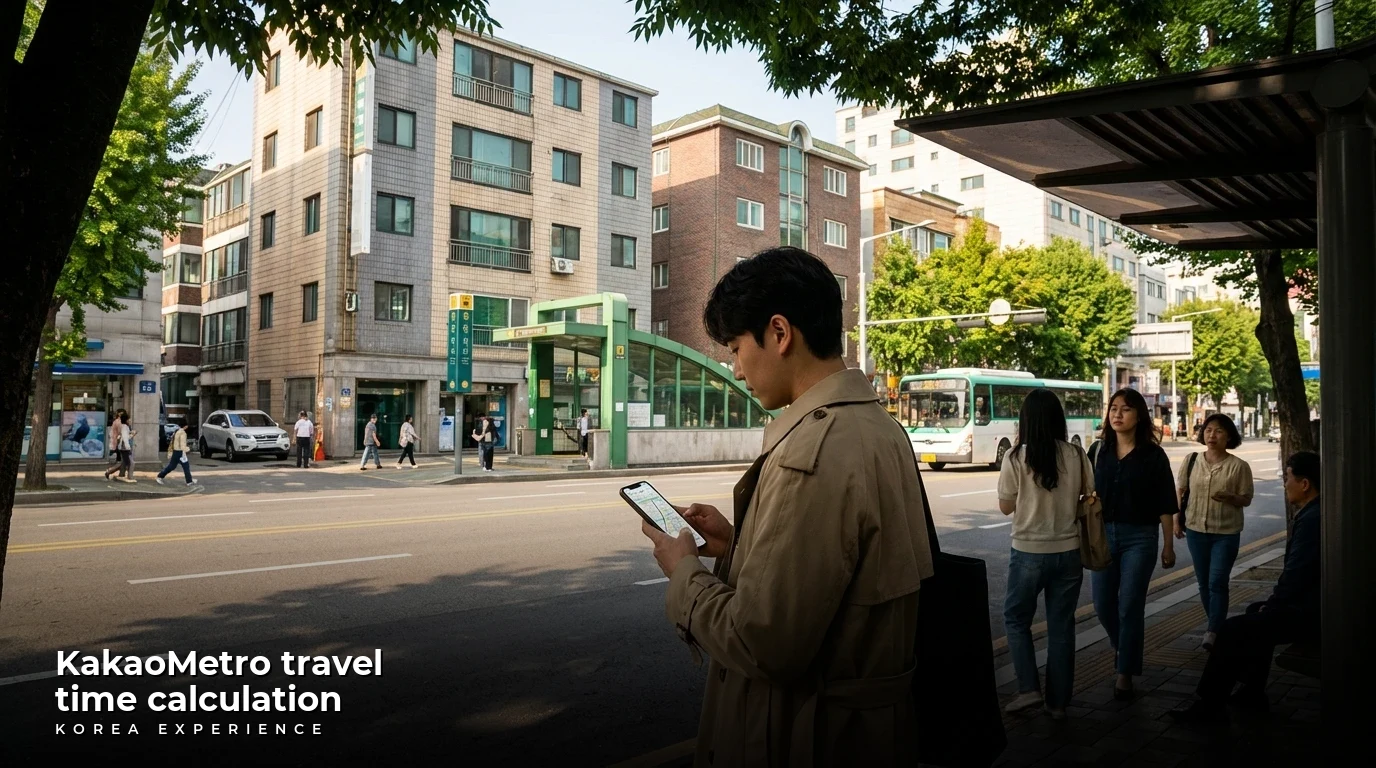
Discover how KakaoMetro calculates travel time using 2026 telemetry and why the 65,000 KRW Climate Card is essential for your Seoul subway commute.

Complete guide to pet ownership in Korea covering English-speaking vets, luxury pet hotels, costs, and regulations for expats living in Seoul.