K-Culture & Entertainment

Hanbok Rental Guide Styles, Pricing, & Tips

Unlock Korea's cultural charm with our complete Hanbok rental guide. Discover styles, compare prices, find top shops, and get essential tips for an unforgettable experience.

Embrace Korea's Heritage: Your Complete Hanbok Rental Guide

Stepping into the vibrant streets of Seoul or the serene alleys of a traditional village, you've likely seen them: individuals adorned in breathtaking, colorful garments, gliding with an elegance that transcends time. This is the magic of Hanbok, the traditional attire of Korea, and experiencing it firsthand is an absolute must for any visitor. Wearing a Hanbok transforms a simple sightseeing trip into a profound cultural immersion, offering incredible photo opportunities and a deeper connection to Korea's rich heritage.

However, for first-time visitors or those new to Korean culture, the world of Hanbok rental can seem a little daunting. With countless rental shops, a dazzling array of styles, varying price points, and practical considerations, it's easy to feel overwhelmed. How do you choose between a traditional Hanbok and a modernized one? Where are the best places to rent near iconic landmarks? What are the typical Hanbok rental prices, and what should you look out for in a rental agreement?

This comprehensive Hanbok rental guide is designed to answer all your questions. We'll walk you through everything you need to know, from understanding different Hanbok styles and finding the perfect rental shop to navigating the rental process, budgeting effectively, and capturing that perfect Instagram-worthy shot. By the end of this guide, you'll be fully equipped to plan your own unforgettable Hanbok adventure in Korea, making memories that will last a lifetime.

Unveiling Hanbok Styles: Traditional Elegance vs. Modern Flair

The term "Hanbok" encompasses a wide range of designs, evolving through centuries of Korean history. When choosing your rental, you'll primarily encounter two main categories: traditional Hanbok and modernized Hanbok. Understanding the nuances of each will help you select the style that best fits your vision and the experience you seek.

The Enduring Beauty of Traditional Hanbok

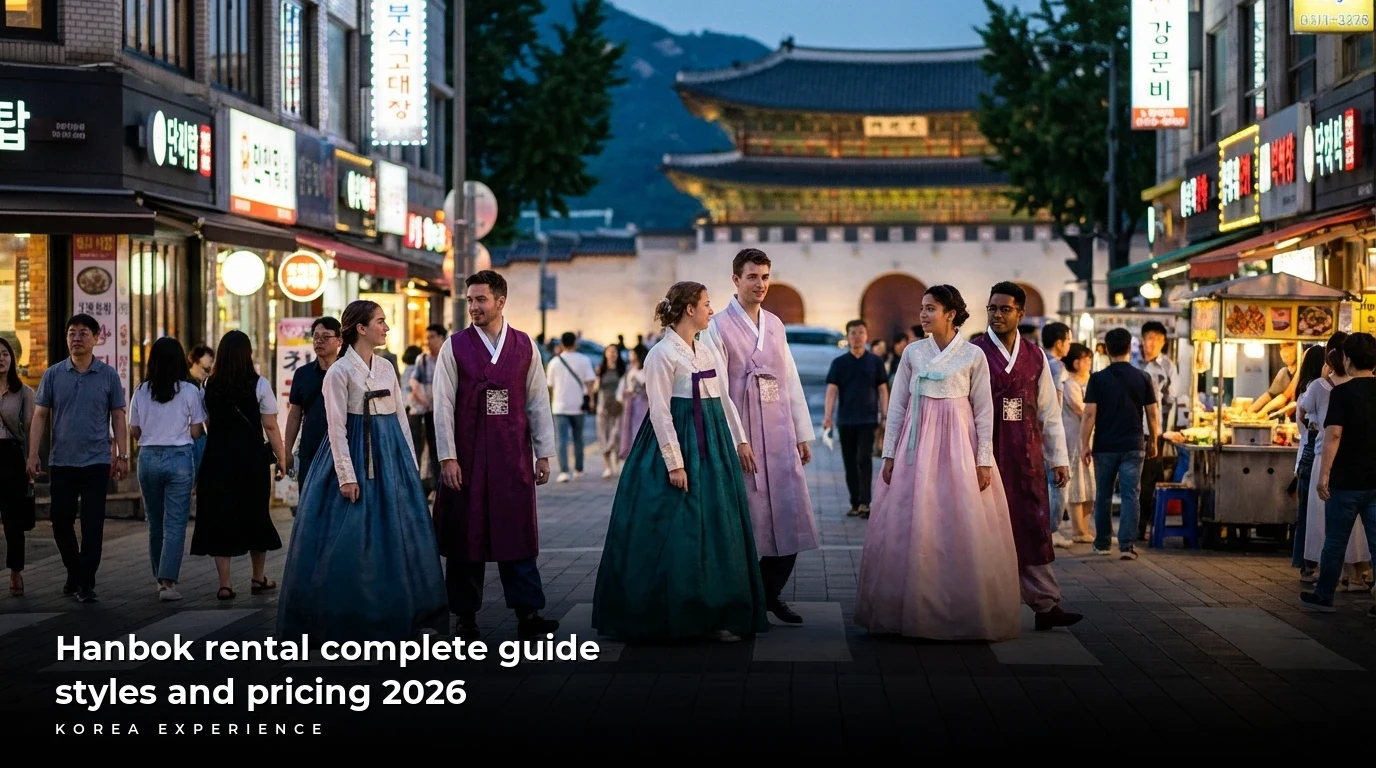
Traditional Hanbok, often seen in historical dramas or during major holidays, represents the classic silhouette and aesthetic that has been cherished for generations. The fundamental elements for women include the jeogori (a short jacket tied with a ribbon called an otgoreum) and the chima (a long, voluminous skirt that flares out from below the bust). Men's traditional Hanbok typically features a jeogori, baji (trousers), and an outer garment like a po (coat) or durumagi.

Key characteristics of traditional Hanbok include:

  • Graceful Silhouette: The bell-shaped skirt for women and loose-fitting trousers for men create an elegant, flowing line.
  • Natural Fabrics: Traditionally made from silk, ramie, or cotton, offering breathability and a natural drape. While rental versions might use synthetic blends for durability, the aesthetic remains true.
  • Subtle Embellishments: Embroidery, gold leaf printing (geumbak), and vibrant color combinations (obangseak) adhering to traditional symbolism.
  • Historical Accuracy: Often designed to replicate specific periods, ideal for historical palace backdrops.

Wearing a traditional Hanbok offers an authentic step back in time, perfect for photoshoots at palaces like Gyeongbokgung or Changdeokgung, or within the historic confines of Bukchon Hanok Village.

The Allure of Modernized Hanbok

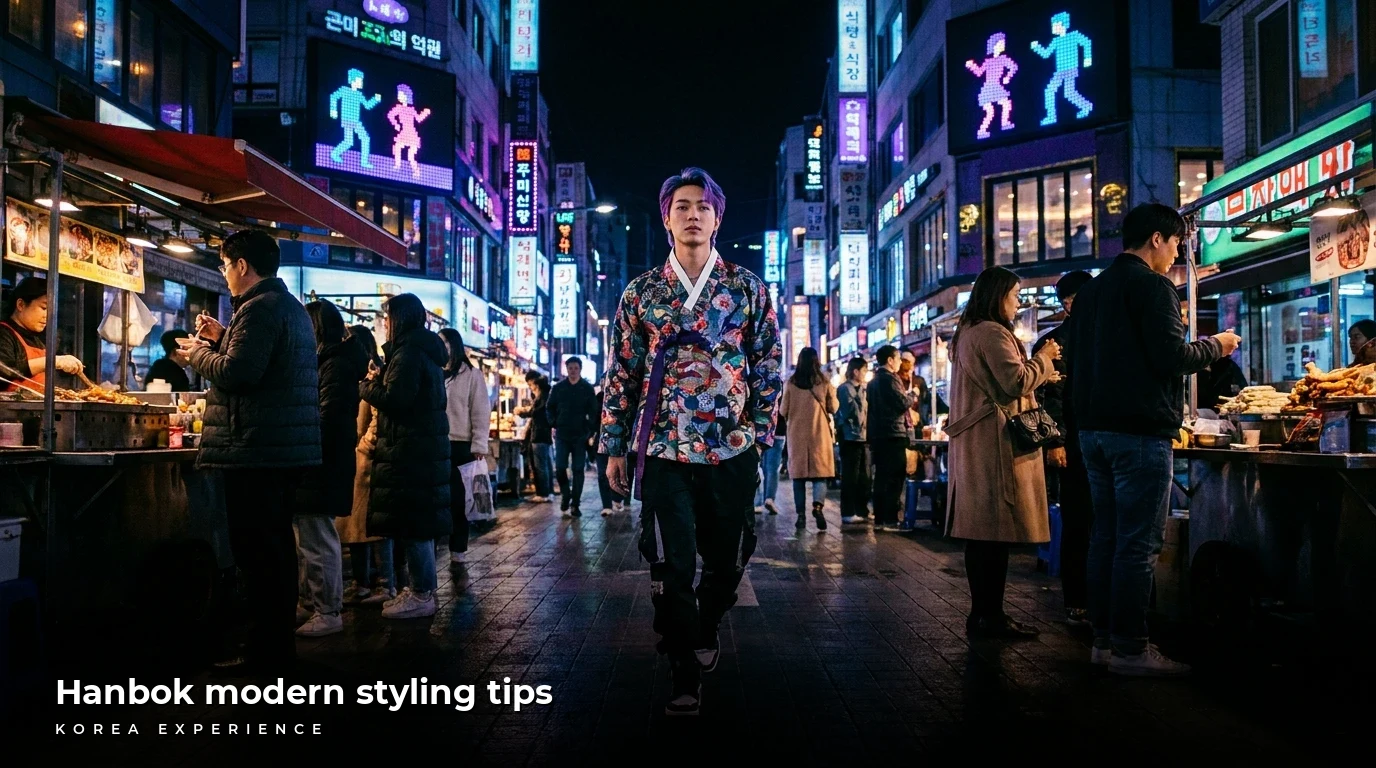
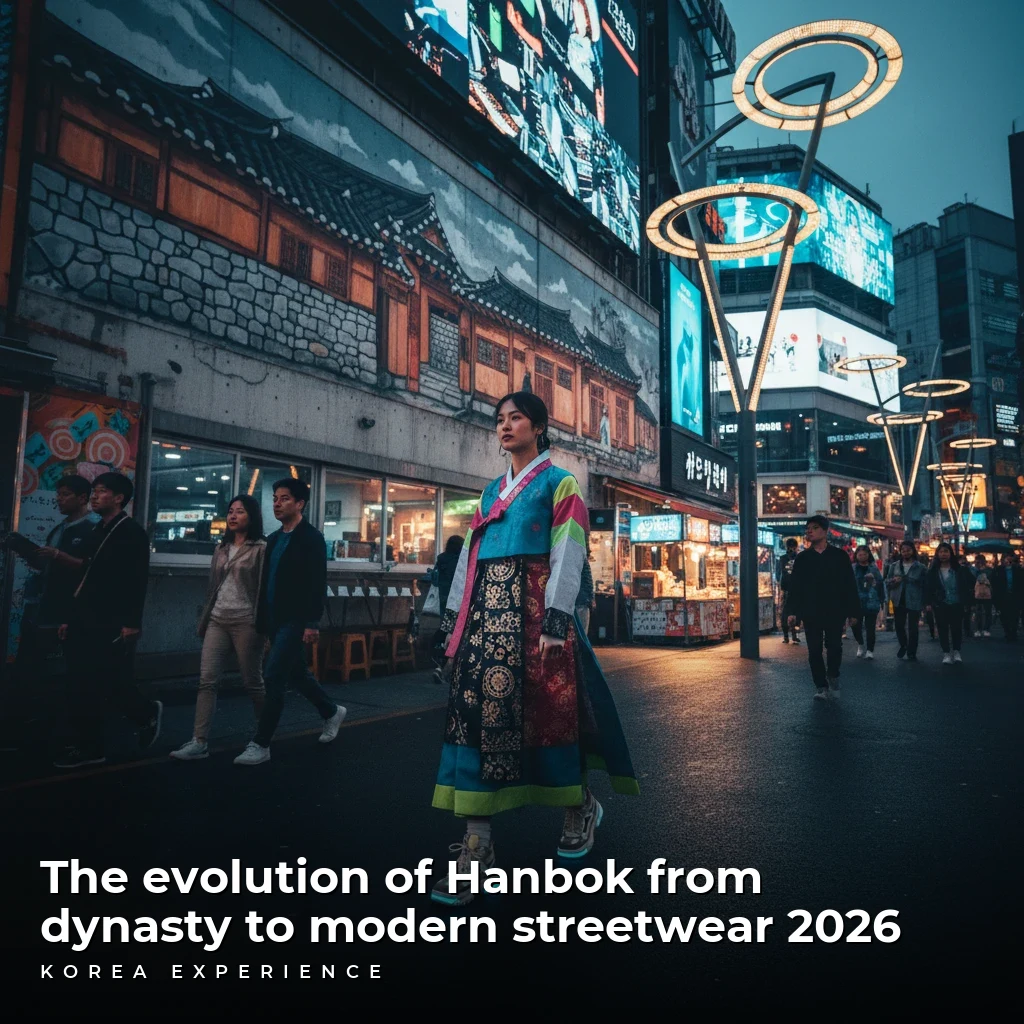
Modernized Hanbok, also known as "fusion Hanbok" or "everyday Hanbok," takes inspiration from traditional designs but incorporates contemporary elements to suit modern tastes and comfort. These styles are often more practical, versatile, and fashion-forward, appealing to those who want a Hanbok experience with a contemporary twist.

Characteristics of modernized Hanbok include:

  • Varied Lengths and Cuts: Skirts might be shorter, jackets might have different collars or closures, and overall silhouettes can be more tailored or streamlined.
  • Contemporary Fabrics: While still elegant, modern Hanboks often use lighter, more stretchable fabrics, making them easier to wear and move in for extended periods.
  • Bold Patterns and Colors: Designers experiment with a wider range of colors, patterns, and embellishments, sometimes incorporating Western fashion elements.
  • Comfort and Convenience: Often designed with ease of movement in mind, some even feature convenient zippers or buttons instead of traditional ties.

Modernized Hanbok is perfect for a more casual exploration of urban areas, shopping districts, or for those who simply prefer a blend of tradition and trend.

Table 1: Traditional vs. Modern Hanbok Comparison

FeatureTraditional HanbokModernized Hanbok
AestheticClassic, historically accurate, elegant, formalContemporary, fashionable, casual, versatile
SilhouetteVoluminous skirt (chima), short jacket (jeogori)Varied skirt lengths, diverse jacket styles
FabricsSilk, ramie, cotton (or blends mimicking them)Lighter, more flexible, synthetic blends often used
EmbellishmentsTraditional embroidery, gold leaf, symbolic colorsBroader range of patterns, modern prints, diverse decor
ComfortCan be less convenient for long walks; layersOften designed for enhanced comfort and mobility
Ideal ForPalaces, traditional villages, historical photoshootsUrban exploration, street photography, casual wear
Price PointOften slightly higher for premium designsCan vary widely; good value for fashion-forward looks

Where to Rent Your Hanbok: Prime Locations and Trusted Shops

Choosing the right location for your Hanbok rental is almost as important as selecting the Hanbok itself. The proximity of the rental shop to your desired photo spots can significantly enhance your experience.

Seoul's Hanbok Hubs: Gyeongbokgung, Bukchon, and Insadong

Seoul offers the highest concentration of Hanbok rental shops, especially around its major historical landmarks.

  • Gyeongbokgung Palace Area: This is arguably the most popular area for Hanbok rentals. Dozens of shops are clustered around the palace gates, making it incredibly convenient. You can rent your Hanbok, walk directly into the palace (free entry for those in Hanbok!), and begin your photoshoot. Shops here are highly competitive, offering a wide range of styles and packages. Look for shops along the main road leading to the palace or tucked into nearby alleys.
  • Bukchon Hanok Village: Just a short walk from Gyeongbokgung, Bukchon Hanok Village offers a picturesque backdrop of traditional Korean houses. Several Hanbok rental shops are also located here, catering to those who prefer the village's quaint charm over the grandiosity of the palace.
  • Insadong: Known for its traditional crafts, tea houses, and art galleries, Insadong also has a good selection of Hanbok rental shops. This area is ideal if you plan to explore the traditional side of Seoul beyond just the palaces.
  • Changdeokgung Palace: Similar to Gyeongbokgung, this UNESCO World Heritage site also has shops nearby, though fewer in number.

Examples of well-known rental shop chains (or common names you'll find): While specific shop names can change, look for established brands like "Hanboknam," "OneDay Hanbok," or "Goguan Hanbok Studio." These types of shops generally offer a wide selection, professional service, and sometimes even photography services.

Beyond Seoul: Jeonju Hanok Village

If your travels take you outside of Seoul, Jeonju Hanok Village in Jeollabuk-do province is another prime location for Hanbok rental. Jeonju is renowned for its well-preserved traditional houses, delicious food (especially bibimbap!), and vibrant cultural scene. Renting a Hanbok here allows you to immerse yourself fully in the village's historic ambiance, strolling through narrow alleys and enjoying local delicacies in your traditional attire. The rental process and prices are generally similar to Seoul, with many shops located directly within or at the entrance of the village.

Choosing the Right Rental Shop: Factors to Consider

With so many options, how do you pick the best one?

  • Location: As mentioned, proximity to your desired photo spot is key.
  • Selection: Look for a shop with a wide variety of styles, sizes, and colors for both men and women, and children if needed.
  • Cleanliness and Condition: Check the quality of the Hanboks. Are they clean, well-maintained, and in good repair?
  • Accessories: Does the rental package include essential accessories like hairpins, bags, and shoes? Are there extra charges for these?
  • Language Support: Many shops catering to international tourists will have English-speaking staff, or at least clear visual guides.
  • Customer Reviews: Check online reviews (Google Maps, Tripadvisor) for insights into service quality and overall experience.
  • Amenities: Some shops offer lockers for your belongings, changing rooms, and even basic hairstyling services.

The Hanbok rental process is typically straightforward, designed to get you dressed and out exploring as quickly as possible. Here’s what you can expect:

Pre-Booking vs. Walk-In: Pros and Cons

  • Pre-Booking (Recommended):
    • Pros: Guarantees your preferred time slot, especially during peak seasons (spring, autumn) or weekends. Some shops offer online discounts. Ensures availability of specific styles or sizes.
    • Cons: Less flexible if your plans change. Requires commitment.
    • How: Many shops have English websites or are listed on popular travel platforms (e.g., Klook, Trazy). You typically select a date, time, and package.
  • Walk-In:
    • Pros: Maximum flexibility. Can browse shops in person to compare styles and prices.
    • Cons: Risk of long queues, especially at popular shops near palaces. Limited selection during busy periods (your preferred style or size might be taken).
    • How: Simply walk into a shop, choose your Hanbok, and proceed with the rental.

The Fitting Room Experience: Sizing and Style Selection

  1. Selection: Once you enter, you'll be guided to browse the available Hanboks. They are usually organized by color, style (traditional, premium, modern), and sometimes by size. Don't be afraid to ask for recommendations! The staff can offer advice based on your body type and desired look.
  2. Sizing: Hanbok sizes are often quite forgiving due to their loose-fitting nature. Skirts are generally adjustable with ties or straps. The main consideration for women is usually the length of the chima and the fit of the jeogori. For men, it's the jeogori and baji length. Most shops carry a wide range of sizes from small to extra-large, and often have options for children.
  3. Fitting: You'll be directed to a changing room. Staff may assist you, especially with tying the otgoreum (jacket ribbon) or adjusting the chima. It's common to wear your regular clothes underneath, but remember to choose light, non-bulky attire for comfort and a smooth silhouette.
  4. Accessorizing: After selecting your main Hanbok, you'll often choose complementary accessories like hairpins (binyeo), small bags, or a decorative charm (norigae). Some shops offer basic hairstyling (braids, buns) to complete your look, sometimes for an additional fee.

Essential Rental Agreements and Deposit Information

Before you leave the shop, you'll need to complete a rental agreement:

  • Identification: Most shops will require a form of identification, such as your passport or a photocopy. This is common practice.
  • Deposit: A cash deposit (usually 10,000 - 50,000 Korean Won, or 10-50 USD) or leaving your ID/passport is typical. The deposit is refunded upon the safe return of the Hanbok.
  • Payment: Pay the rental fee upfront. Most shops accept credit cards and cash.
  • Rental Duration: Clearly understand the rental period (e.g., 2 hours, 4 hours, full day) and the exact return time.

Return Procedures and Late Fees

  • Return on Time: It's crucial to return the Hanbok within the agreed-upon timeframe. Late returns almost always incur additional charges, which can quickly add up.
  • Condition Check: Staff will inspect the Hanbok for any damage (tears, excessive stains, missing accessories). Minor, everyday wear is usually fine, but significant damage might result in a repair fee or deduction from your deposit.
  • Deposit Refund: Once the Hanbok is checked, your deposit or ID will be returned to you.

Hanbok Rental Pricing: What to Expect and Budget Smartly

Hanbok rental prices can vary significantly based on location, rental duration, Hanbok style, and the inclusion of accessories or additional services. Understanding these factors will help you budget effectively for your experience.

Basic vs. Premium Hanbok: Understanding the Cost Differences

  • Basic Hanbok: These are typically simpler designs, often made from synthetic fabrics, with fewer embellishments. They are clean and presentable, offering a great entry-level option.
    • Price Range: 10,000 - 20,000 Korean Won (approximately 8-15 USD) for a 2-4 hour rental.
  • Premium Hanbok: These feature more intricate designs, higher-quality fabrics (often mimicking silk), richer embroidery, and more elaborate patterns. They are often inspired by royal or aristocratic Hanboks.
    • Price Range: 20,000 - 50,000 Korean Won (approximately 15-40 USD) for a 2-4 hour rental. Some exceptionally elaborate "special" Hanboks can go higher.

Many shops also offer "luxury" or "special design" Hanboks at even higher price points for those seeking truly unique or regal attire.

Short-Term vs. Full-Day Rentals: Best Value for Your Time

  • Short-Term Rentals (2-4 hours): This is the most popular option, perfect for visiting a single palace or village and taking photos. It's often the most cost-effective per hour.
    • Price Range: As above, 10,000 - 50,000 Korean Won depending on style.
  • Full-Day Rentals (6+ hours or until closing): If you plan to visit multiple locations, enjoy a leisurely pace, or have a professional photoshoot, a full-day rental offers better value than repeatedly extending a short-term rental.
    • Price Range: Typically 25,000 - 70,000 Korean Won (approximately 20-60 USD), often just slightly more than a 4-hour rental.
  • Overnight/Multi-Day Rentals: Some shops offer these, often at a discounted daily rate, ideal for travelers staying in traditional accommodations or visiting multiple cities. Inquire directly with shops for these less common options.

Hidden Costs and Package Deals to Look For

Always clarify what's included in the base rental price:

  • Accessories: Are hairpins, headbands, purses, or traditional shoes included, or are they extra? Many shops include basic accessories, but premium ones might cost more.
  • Hairstyling: Simple braids or buns are sometimes free, but elaborate styles or professional makeup will be an additional charge (typically 5,000 - 20,000 Korean Won).
  • Locker Use: Most shops offer free locker usage for your belongings while you're out.
  • Photography Services: Some larger studios offer professional photography packages. These can be expensive but result in stunning, high-quality photos.
  • Inner Skirt/Petticoat: An inner skirt (sokchima) is essential for women's Hanbok to achieve the voluminous silhouette. Most shops include this, but always confirm.
  • Damage Waiver: Some shops offer an optional damage waiver for a small fee, which might cover minor accidental damage.

Table 2: Hanbok Rental Pricing Comparison (Seoul Averages)

Rental TypeHanbok StyleDurationEstimated Price Range (KRW)Estimated Price Range (USD)What's Typically Included
Basic PackageBasic Hanbok2 Hours10,000 - 15,0008 - 12Hanbok, basic hair tie/headband, locker
Standard PackageBasic Hanbok4 Hours15,000 - 20,00012 - 16Hanbok, basic accessories, locker
Premium PackagePremium Hanbok4 Hours25,000 - 35,00020 - 28Hanbok, choice of accessories, locker, basic hair styling
Full Day PackagePremium HanbokUntil Closing30,000 - 50,00025 - 40Hanbok, choice of accessories, locker, basic hair styling
Special/LuxuryDesigner Hanbok4 Hours40,000 - 70,000+35 - 60+High-end Hanbok, all premium accessories, professional hairstyling

Prices are estimates and subject to change. Always confirm with the specific rental shop.

Accessorizing Your Hanbok Look: The Perfect Finishing Touches

A Hanbok is more than just the main garments; it's a complete ensemble. Accessories play a crucial role in elevating your look, adding authenticity and personal flair.

Hair Accessories: Daenggi, Hairpins, and Headbands

  • Daenggi: A traditional ribbon used to tie and decorate braided hair, often seen with simpler Hanboks.
  • Binyeo (Hairpin): Elaborate decorative hairpins, often made of metal, jade, or coral, used to secure a bun. These range from simple to intricately carved pieces.
  • Gache (Wig): In ancient times, elaborate wigs were worn. Today, you might find modern interpretations or hair extensions to achieve a fuller look.
  • Hairbands/Headbands: Many rental shops offer a wide selection of modern hairbands adorned with flowers, pearls, or traditional patterns, perfect for those without long hair or who prefer a simpler style.
  • Basic Hairstyling: Most shops offer complimentary simple braids or buns, with more intricate styles or professional services available for an extra charge.

Footwear: Ggotshin, Beoseon, and Modern Shoes

  • Ggotshin (Flower Shoes): Traditional embroidered silk shoes, often featuring floral patterns. These are the most authentic choice. Some rental shops provide these, but they might be an extra charge or only available with premium packages.
  • Beoseon (Traditional Socks): White, padded, traditional Korean socks with a distinctive pointed toe. These are worn with traditional shoes but are less common for rentals.
  • Modern Shoes: Most visitors opt to wear their own comfortable shoes (e.g., sneakers, flats) under the long chima. The skirt is so voluminous that your shoes are rarely visible, making comfort a priority for a day of exploring. If you want traditional shoes, ask the rental shop if they are available.

Other Must-Have Items: Norigae, Bags, and Hats

  • Norigae: A traditional Korean ornamental pendant, often made of silk, jade, or precious metals, worn suspended from the jeogori ties. It adds a touch of elegance and symbolism. Many rental packages include a norigae.
  • Small Pouch/Bag: A small, traditionally styled silk pouch or handbag is perfect for carrying essentials like your phone and wallet, completing the look while being practical.
  • Gat (Men's Hat): For men, the gat (traditional black horsehair hat) is the quintessential accessory. Wearing a gat elevates a male Hanbok from simple to truly distinguished. These are often an additional rental item but highly recommended for a complete traditional look.
  • Outer Garments: For cooler weather, some shops offer a durumagi (long outer coat) or magoja (a short jacket) to layer over the Hanbok.

Practical Tips for an Unforgettable Hanbok Experience

To make the most of your Hanbok rental adventure, keep these insider tips in mind:

Timing is Everything: Best Hours and Seasons

  • Morning Rentals: Aim to rent your Hanbok as early as possible after the shops open (usually around 9:00 AM - 10:00 AM). You'll avoid the crowds, get the best selection of Hanboks, and enjoy cooler temperatures for photoshoots, especially in summer. Palaces also tend to be less crowded in the morning.
  • Off-Peak Hours: Weekdays are generally less busy than weekends. Avoid national holidays if possible, as shops and attractions will be packed.
  • Seasons:
    • Spring (April-May) and Autumn (October-November): These are ideal seasons with pleasant weather, beautiful cherry blossoms in spring, and vibrant fall foliage. Book in advance if visiting during these times.
    • Summer (June-August): Can be hot and humid. Opt for lighter fabrics, choose a shorter rental period, and stay hydrated. Consider early mornings or late afternoons.
    • Winter (December-March): While cold, a Hanbok can provide a surprising layer of warmth. Some shops offer heavier Hanboks or outer coats. The palaces are beautiful with a dusting of snow.

Comfort and Practicality: Undergarments and Weather

  • Undergarments: Wear light, non-bulky clothing underneath your Hanbok. Thin leggings or shorts and a camisole or T-shirt are perfect. Avoid thick sweaters or jeans, as they can create an awkward silhouette.
  • Shoes: While some shops offer traditional shoes, most people wear their own comfortable sneakers or flats. The Hanbok skirt is long enough to hide your modern footwear. Prioritize comfort as you'll be doing a lot of walking.
  • Weather Considerations:
    • Hot Weather: Choose a lighter Hanbok, stay in the shade, and take breaks. Carry a small fan.
    • Cold Weather: Wear thermal underwear, warm socks, and perhaps a thin sweater under your jeogori. Some shops offer durumagi (outer coats).
    • Rain: Check the weather forecast. Most rental shops do not allow Hanboks to get wet, or they may charge extra for cleaning if they do. You might need to postpone your rental or opt for an indoor activity.

Cultural Etiquette and Photography Posing Tips

  • Respect the Culture: Hanbok is a significant part of Korean heritage. Wear it with respect and carry yourself gracefully. Avoid overly casual behavior or disrespectful poses, especially in sacred or historic sites.
  • Free Palace Entry: Wearing a Hanbok grants you free entry to Seoul's five grand palaces (Gyeongbokgung, Changdeokgung, Changgyeonggung, Deoksugung, Gyeonghuigung) and Jongmyo Shrine. Remember to show off your Hanbok at the ticket counter!
  • Photography Tips:
    • Posing: Embrace traditional poses. Hands clasped gently in front, a slight bow, or a gentle fan flutter add authenticity.
    • Backdrops: Utilize the stunning architecture of palaces, the serene beauty of Hanok villages, or the vibrant colors of traditional gardens.
    • Angles: The voluminous chima looks fantastic from a lower angle. Twirl gently to capture the flowing fabric.
    • Professional Photography: Consider hiring a local photographer if you want high-quality, professional shots. Many specialize in Hanbok photography.

Table 3: Rental Shop Features Comparison

FeatureBudget-Friendly ShopsMid-Range ShopsPremium/Studio Shops
Hanbok SelectionGood variety of basic styles; smaller premium selectionWider variety of both basic and premium; latest trendsExtensive collection, high-quality fabrics, unique designs
Included AccessoriesBasic hair ties, simple headbandsBasic accessories + some choice of bags/pinsWide array of premium accessories, props, elaborate pins
HairstylingDIY or very basic (e.g., rubber bands, clips)Basic braids/buns often included or low feeProfessional hairstyling often included; makeup services available
Changing RoomsFunctional, sometimes smallerComfortable, privateSpacious, well-equipped, often with vanity areas
Language SupportLimited English, mostly visual aidsEnglish-speaking staff often availableFluent English and other languages usually available
Additional ServicesLockersLockers, basic photo zonesLockers, elaborate photo zones, professional photography packages
Typical LocationClosest to palace entrances, high foot traffic areasWell-located near attractions, slightly set backPrime locations, often larger storefronts

Beyond the Rental: Where to Showcase Your Hanbok Elegance

Once you've donned your beautiful Hanbok, the question becomes: where should you go to truly make the most of this unique experience? Korea offers a plethora of stunning backdrops that complement the traditional attire perfectly.

Historic Palaces: Gyeongbokgung, Changdeokgung, and More

  • Gyeongbokgung Palace: The grandest of Seoul's palaces, Gyeongbokgung is an absolute must-visit in Hanbok. Its sprawling courtyards, majestic gates, and intricate architecture provide endless photo opportunities. Don't miss the Gyeonghoeru Pavilion and Hyangwonjeong Pond.
  • Changdeokgung Palace and Huwon (Secret Garden): A UNESCO World Heritage site, Changdeokgung offers a more natural and serene beauty. Its "Secret Garden" (Huwon) is particularly stunning, especially during autumn foliage. Note that entry to Huwon requires a separate, guided tour.
  • Changgyeonggung Palace: Connected to Changdeokgung, Changgyeonggung has a quieter, more intimate atmosphere. It's often less crowded, allowing for more relaxed photography.
  • Deoksugung Palace: Unique for its blend of traditional Korean and Western architectural styles, Deoksugung offers a different aesthetic. The changing of the Royal Guard ceremony here is a fantastic cultural spectacle.

Pro-Tip: Remember, wearing a Hanbok grants you free entry to these palaces!

Traditional Villages: Bukchon Hanok Village, Namsangol Hanok Village

  • Bukchon Hanok Village: Nestled between Gyeongbokgung and Changdeokgung, this charming village features hundreds of traditional Korean houses (hanok). Strolling through its narrow, hilly alleys in Hanbok feels like stepping back in time. Be mindful that it's a residential area, so keep noise levels down.
  • Namsangol Hanok Village: Located at the foot of Namsan Mountain, this village is a collection of five restored traditional Korean houses from different social classes. It often hosts cultural performances and activities, making it a lively spot to showcase your Hanbok.

Picturesque Gardens and Scenic Spots

  • Namsan Park and N Seoul Tower: While not strictly traditional, Namsan Park offers beautiful city views and lush greenery. The N Seoul Tower provides a dramatic backdrop, blending traditional attire with modern cityscape.
  • Samcheongdong-gil Road: This picturesque street, near Bukchon Hanok Village, is lined with charming cafes, art galleries, and boutiques. It's a great spot for more candid, modern-fusion Hanbok photos.
  • Insadong: As mentioned, Insadong's traditional atmosphere with its tea houses, craft shops, and antique stores is a wonderful place to wander in Hanbok, especially for capturing the essence of Korean folk culture.

By exploring these varied locations, you can capture the versatility and timeless beauty of your Hanbok against truly iconic Korean backdrops. For more ideas on integrating traditional culture into your trip, explore our guides on [Korea's Royal Palaces and their history] and [Discovering Traditional Korean Architecture].

Frequently Asked Questions about Hanbok Rental

Here are answers to some common questions international visitors have about renting a Hanbok in Korea.

1. Do I need to make a reservation in advance for Hanbok rental? While walk-ins are usually possible, especially on weekdays, it's highly recommended to make a reservation, particularly during peak seasons (spring, autumn), weekends, or if you have a specific style or size in mind. This guarantees your desired time slot and Hanbok availability, saving you waiting time.

2. What sizes are available for Hanbok? I'm worried about finding one that fits. Hanboks are designed to be loose-fitting and generally come in a wide range of sizes, from small to extra-large, and often extend to plus sizes. The chima (skirt) is typically adjustable with ties or straps. Most shops are well-equipped to fit diverse body types, and staff are usually helpful in finding the right fit for you.

3. Can I wear my own shoes with the Hanbok? Yes, absolutely! Most people choose to wear their own comfortable shoes (sneakers, flats, sandals) as the chima (skirt) for women is long and voluminous, concealing your footwear. While traditional ggotshin (embroidered shoes) are beautiful, they are often less comfortable for extended walking, and may be an extra rental fee. Prioritize comfort for your day of exploration.

4. What if I accidentally damage or stain the Hanbok? Rental shops will inspect the Hanbok upon return. Minor, everyday wear and tear is usually acceptable. However, significant damage (tears, rips, large unremovable stains) may incur a repair or cleaning fee, which will be deducted from your deposit or charged separately. Some shops offer an optional damage waiver for a small fee, which can provide peace of mind. Always handle the Hanbok with care.

5. How long does the entire Hanbok rental and dressing process take? The entire process, from selecting your Hanbok and accessories to changing and getting a basic hairstyle, typically takes about 30-60 minutes, depending on how quickly you make your choices and how busy the shop is. Factor this time into your itinerary to ensure you have enough time to enjoy your Hanbok experience at your chosen location.

Your Hanbok Adventure Awaits!

Donning a Hanbok is more than just wearing a costume; it's an immersive journey into the heart of Korean culture, a vibrant expression of history, and a chance to create truly iconic memories. From the flowing silks of a traditional chima to the modern flair of a fusion jeogori, each Hanbok tells a story, and now, you have the knowledge to choose your own.

We've explored the diverse styles, demystified the Hanbok rental prices, guided you to the best rental locations, and equipped you with practical tips for a seamless experience. Whether you're dreaming of regal portraits amidst palace grandeur or whimsical snapshots in a charming Hanok village, your perfect Hanbok awaits.

So, take this guide, plan your visit, and prepare to be captivated. Your complete Hanbok rental adventure in Korea is just around the corner, promising not just beautiful photographs, but a deep, personal connection to this enchanting nation. Embrace the elegance, strike a pose, and let the magic of Hanbok transform your Korean journey!

About the Author

Korea Experience Team

Written by the Korea Experience editorial team - experts in Korean medical tourism, travel, and culture with years of research and firsthand experience.

⚠️ Medical Disclaimer

The information provided on this website is for general informational purposes only and does not constitute medical advice. Always consult with qualified healthcare professionals before making any medical decisions.

Continue Reading

Explore more articles you might find interesting