Budget Travel Korea: How to See Seoul for $50 a Day in 2026
Learn to explore Seoul on a $50 daily budget in 2026. Includes cost breakdowns for hostels, the Climate Card transit pass, and cheap eats under ₩7000.
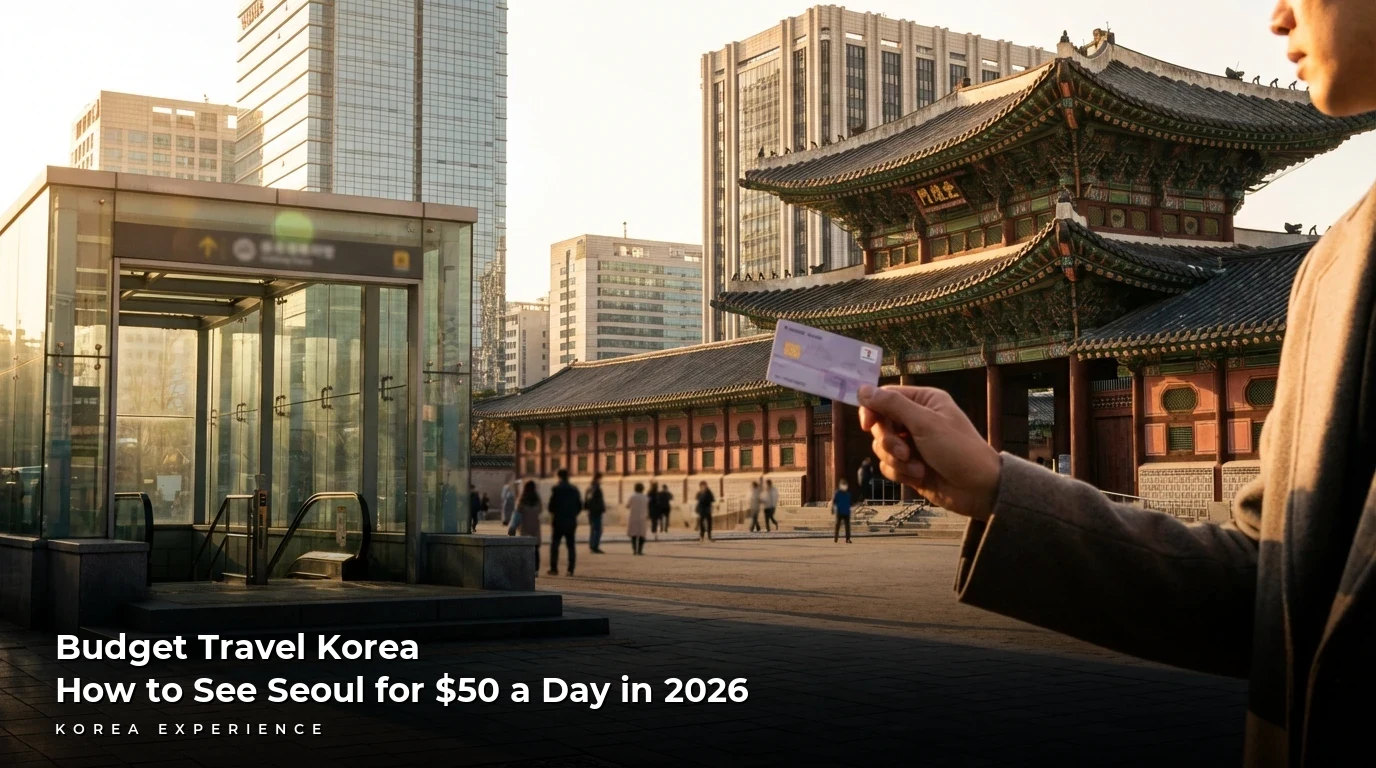
Is it really possible to travel comfortably in Seoul for just $50 a day in 2026? Yes, absolutely. While South Korea’s capital has a reputation for high-tech luxury and premium shopping, it remains one of the most accessible metropolises in East Asia for budget travelers. With the exchange rate hovering around ₩1,400 to 1 USD in early 2026, your purchasing power is stronger than it has been in decades. By leveraging the new Climate Card for transport, staying in modern hostels, and embracing Korea’s incredible street food culture, $50 (approx. ₩70,000) is not just a survival budget—it is a thriving budget.
The short answer: You can see Seoul for $50 a day by allocating roughly ₩30,000 for accommodation (hostels), ₩20,000 for food (convenience stores and local diners), ₩5,000 for transport (using passes), and ₩15,000 for attractions.
Key Takeaways
- 1The 2026 Climate Card offers unlimited subway and bus rides for ~₩65,000/month or via tourist day passes
- 2University cafeterias and Gimbap Cheonguk offer full meals for under ₩6,000 ($4.30)
- 3Hostels in Hongdae and Jongno provide clean beds for 25,000-₩35,000 per night
The Financial Blueprint: Breaking Down the $50 Day
To successfully stick to a $50 (approx. ₩70,000) daily budget, you need a strict financial structure. Seoul is a city of temptation, with 24-hour shopping and endless cafes, so knowing exactly where your money goes is crucial. In 2026, inflation has nudged prices up slightly, but the favorable exchange rate for USD/EUR holders balances this out.
The "Golden Ratio" for a budget traveler in Seoul is 40% Accommodation, 30% Food, 10% Transport, and 20% Fun/Misc.
📊 Daily Budget Allocation
Understanding the Currency
As of 2026, the Korean Won (₩) trades at roughly ₩1,400 to $1 USD. This means a ₩1,000 bill is roughly equivalent to $0.70. A common mistake travelers make is rounding ₩1,000 to $1.00, which leads to overestimating costs. By mentally adjusting to the $0.70 valuation, you will realize that a ₩5,000 coffee is actually $3.50, not $5.00, making the city feel much more affordable.
Cash vs. Card
While 95% of Seoul accepts international credit cards (Visa/Mastercard), street food vendors and T-Money card recharge machines strictly require cash. Always keep ₩50,000 in cash on you.
Strategic Sleeping: Accommodation for Under $25
Accommodation will be your largest fixed cost. To stay within the $50 limit, you need to cap your lodging spend at roughly $22-$25 (30,000 - ₩35,000). Fortunately, Seoul’s hospitality standards are high; "budget" here usually implies clean, safe, and modern, just small.
The Best Budget Districts
Avoid staying in Gangnam or Jamsil if you are on a strict budget. The real value lies north of the Han River.
- Hongdae (Mapo-gu): The epicenter of youth culture. Hundreds of guesthouses exist here catering to backpackers.
- Jongno 3-ga: Older, grittier, but incredibly central. You can find motels and hostels here for rock-bottom prices.
- Itaewon: Still a hub for foreigners, offering diverse hostel options.
💵 Accommodation Price Comparison 2026
Private room, gym, breakfast
Shared dorm, free toast, social
The Jjimjilbang Hack
For the adventurous traveler, or for those looking to save money on a weekend night, the Korean sauna (Jjimjilbang) is a legendary option. For an entry fee of 15,000 to ₩20,000 ($11-14), you get access to saunas, baths, and a sleeping mat in a common heated room. It is not for everyone, but it is the cheapest way to sleep indoors in Seoul.
For more details on budget stays, read our guide on budget backpacking in Korea.
Dining on a Dime: Eating Well for ₩20,000
Korean food culture is uniquely suited for budget travel because "cheap food" is often "soul food." You do not need to rely on instant noodles (unless you want to). You can have three hot meals a day for under $15 total if you know where to look.
The Convenience Store Feast
In 2026, Korean convenience stores (GS25, CU, 7-Eleven) have evolved into full-service dining stations. The "Dosirak" (bento box) quality has skyrocketed. A lunch box featuring rice, bulgogi, kimchi, and egg rolls costs between 4,500 and ₩5,500 ($3.20 - $3.90). Add a pouch drink with ice (₩1,500), and you have a full meal for under $5.
Always check the '1+1' or '2+1' stickers on beverages and snacks in convenience stores. If you buy one, you get one free. It is the number one way students survive finals week on a budget!
Kimbap Cheonguk (Kimbap Heaven)
These are ubiquitous orange-sign restaurants found in every neighborhood. They are essentially diners that sell everything from Kimbap (₩3,500) to Ramyeon (₩4,000) and Donkatsu (₩8,000). They are open early and close late, providing substantial calories for very little money.
University Cafeterias (Hak-sik)
You do not need to be a student to eat at university cafeterias in Korea. Major universities like Yonsei, Ewha, and Hongik allow the public to purchase meal tickets. A massive tray of food usually costs between 5,000 and ₩7,000.
Pomato Gimbap(포마토김밥)
If you want to treat yourself to something specifically cheap but famous, check out our list of best Korean convenience store foods.
Transportation: Mastering the Climate Card
The biggest change for travelers in 2026 is the maturity of the Climate Card (Gihu Donghaeng Card). This initiative allows unlimited use of Seoul's subways and buses.
T-Money vs. Climate Card
In the past, you paid per ride (approx. ₩1,400 + distance fees). Now, tourists can purchase short-term versions of the Climate Card.
- 1-Day Pass: ₩5,000
- 3-Day Pass: ₩10,000
- 5-Day Pass: ₩15,000
If you plan to visit more than 3 locations in a day, the pass pays for itself immediately.
Transport Payment Methods 2026
| Feature | T-Money (Standard) | Climate Card (Pass) |
|---|---|---|
| Cost Per Ride | ₩1,400 + distance | ₩0 (Unlimited) |
| Convenience Store Payment | Yes | No (Transport only) |
| Transfer Window | 30 Mins | N/A |
Walking the City
Seoul is surprisingly walkable, especially the historical center. You can walk from Gyeongbokgung Palace to Bukchon Hanok Village to Insadong and then to Cheonggyecheon Stream without ever touching a subway card. This 4-hour loop covers 60% of Seoul's major tourist sites and costs literally zero Won.
Airport Transfer
The cheapest way from Incheon Airport to Seoul Station is the AREX All-Stop Train (approx. 4,150 - ₩5,000 depending on terminal). It takes about 60 minutes. The Express train saves only 15 minutes but costs nearly double. Stick to the All-Stop (blue train) to save that $5 for a coffee.
For a deeper dive into airport logistics, read Airport Limousine Bus vs AREX Express Train.
Free and Low-Cost Attractions
Seoul is one of the few global capitals where the top attractions are either free or incredibly cheap. You do not need to spend $30 on observation decks when there are free alternatives.
The Grand Palaces
Gyeongbokgung, the main royal palace, charges a mere ₩3,000 ($2.15) for entry. However, if you wear a Hanbok (traditional Korean dress), entry is free. While Hanbok rental costs money (approx. ₩15,000 for 2 hours), it balances out if you visit multiple palaces and treat the rental as your "entertainment" budget for the day.
📖 How to Enter Palaces for Free
Step 1: Find a Rental Shop
Shops line the streets near Gyeongbokgung Station Exit 4.
Step 2: Get Changed
Staff will help you dress. Lockers are usually provided for your normal clothes.
Step 3: Walk Right In
Go to the ticket booth, show your Hanbok, and receive a free ticket.
Museums
The National Museum of Korea in Ichon is world-class, massive, and completely free. The War Memorial of Korea is also free and provides a deep, moving history of the Korean War. These can easily occupy 3-4 hours of your day, providing shelter from extreme weather (heat or cold) at no cost.
Hiking
Hiking is the national pastime. Namsan Park (Seoul Tower) is free to hike up. It takes about 45 minutes from Myeongdong. The views from the base of the tower are spectacular, saving you the ₩21,000 ticket to go up the elevator. For serious hikers, Bukhansan National Park is accessible by subway and offers arguably the best views in the country for the cost of a subway ride.
Sample Itinerary: The Perfect $50 Day
Here is how a $50 day looks in practice. This route focuses on the historic Jongno district, maximizing sights and minimizing costs.
Total Budget: ₩70,000 ($50) Theme: History & Street Food
24 Hours in Jongno: History on a Budget
The Dualism Concept: Experience the best of both worlds — premium luxury moments paired with authentic budget-friendly experiences in one route.
Gyeongbokgung Palace
Morning stroll through the royal grounds.
Bukchon Hanok Village
Photo walk through traditional houses.
Insadong Lunch
Mandu (Dumplings) and tea.
Cheonggyecheon Stream
Evening walk along the urban river.
Gwangjang Market
Mungbean pancake & Gimbap dinner.
This route hits the 'Big 3' cultural sites while keeping food costs low by utilizing markets.
If you have extra energy, check our guide on how to survive a 24-hour Seoul itinerary.
Connectivity and Essentials Hacks
In 2026, staying connected is non-negotiable. Roaming charges can destroy a budget, so local solutions are necessary.
SIM Cards and WiFi
South Korea has the world's fastest internet. Free WiFi is available on all subways, buses, and in 99% of cafes. Technically, you could survive without a SIM card if you are brave. However, for maps and translation, you need data.
- eSIM: The cheapest option in 2026. Providers like Airalo or local Korean carriers (SKT/KT) offer eSIMs for roughly $15-20 for 10 days.
- Physical SIM: Slightly more expensive but includes a phone number (essential for some restaurant reservations).
Connectivity: eSIM vs. Public WiFi
- ✓eSIM: Internet everywhere (maps work)
- ✓eSIM: No heavy router to carry
- ✓WiFi: Completely free
- ✗eSIM: Costs ~$2/day
- ✗WiFi: Spotty connection while walking
- ✗WiFi: Security risks
See our full breakdown of best Korea SIM cards.
Water and Hydration
Tap water in Seoul is safe to drink, but many locals prefer filtered water. Every hostel, hotel, and public building (including subway stations and banks) has a free hot/cold water purifier. Bring a reusable bottle. Buying 3 bottles of water a day costs ₩4,500. Refilling saves you that money—enough for an extra Gimbap.
Seasonal Timing: When is Seoul Cheapest?
The time of year you visit drastically impacts your budget, primarily through flight costs and heating/cooling needs.
📋 Seasonal Budget Impact
- Winter (Jan-Feb): The absolute cheapest time. Flights are low, and hostels have vacancies. However, it is brutally cold (-10°C). You will spend less on outdoor activities and more on cafes to stay warm.
- Summer (July-Aug): Hot, humid, and monsoon season. Not ideal for walking-heavy budget itineraries.
- Shoulder Season (March, November): The sweet spot. Weather is manageable, and prices haven't hit the peak cherry blossom or autumn foliage premiums yet.
Conclusion: The $50 Mindset
Traveling Seoul on $50 a day isn't about deprivation; it's about shifting your perspective. It means trading a solitary hotel room for the social atmosphere of a guesthouse. It means trading a $50 steak for a $5 sizzling plate of spicy pork that tastes authentically Korean.
In 2026, with the help of the Climate Card and the incredibly high standard of "cheap" food in Korea, you can experience the heartbeat of the city without draining your bank account. The memories you make eating Tteokbokki under a tent in Jongno will likely be more vivid than any fine dining experience in Gangnam.
❓ Frequently Asked Questions
Have more questions?Contact us →
Final Budget Check
If you stick to the plan: Hostel (30k) + Food (20k) + Transport (5k) + Fun (15k) = ₩70,000. You have successfully navigated Seoul like a pro!
About the Author
Korea Experience Team
Written by the Korea Experience editorial team - experts in Korean medical tourism, travel, and culture with years of research and firsthand experience.
Explore more in Travel & Tourism
From Seoul's neon-lit streets to Jeju's volcanic landscapes — discover the best of Korea with insider travel tips, itineraries, and seasonal guides.
Browse All Travel & Tourism ArticlesContinue Reading
Explore more articles you might find interesting

Compare Wowpass vs. Namane for 2026. Learn why the 1,550 KRW subway fare means you need a Climate Card Tourist Pass to save money in Seoul.
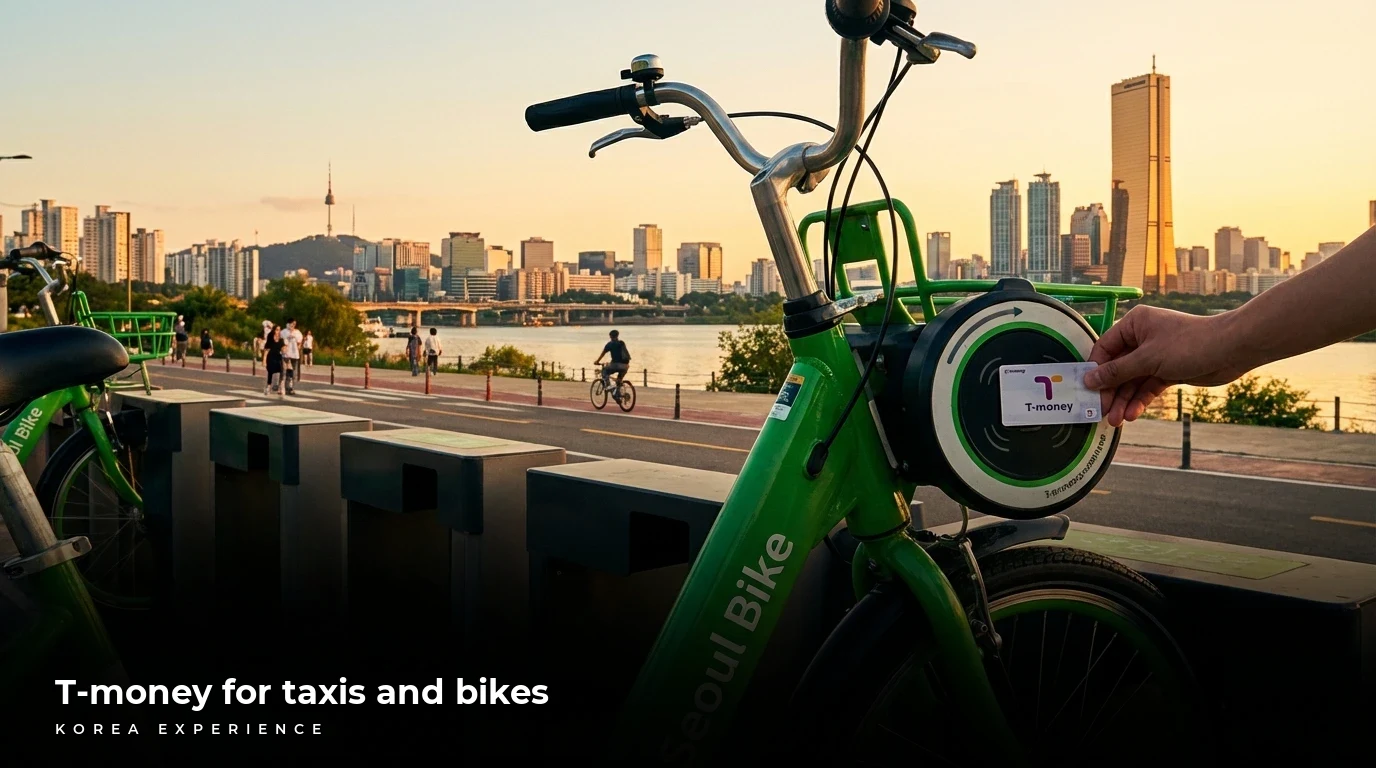
Master Seoul transit in 2026. Learn why T-money costs 4,000 KRW, how to rent 1,000 KRW bikes without an ARC, and the truth about the Climate Card for tourists.
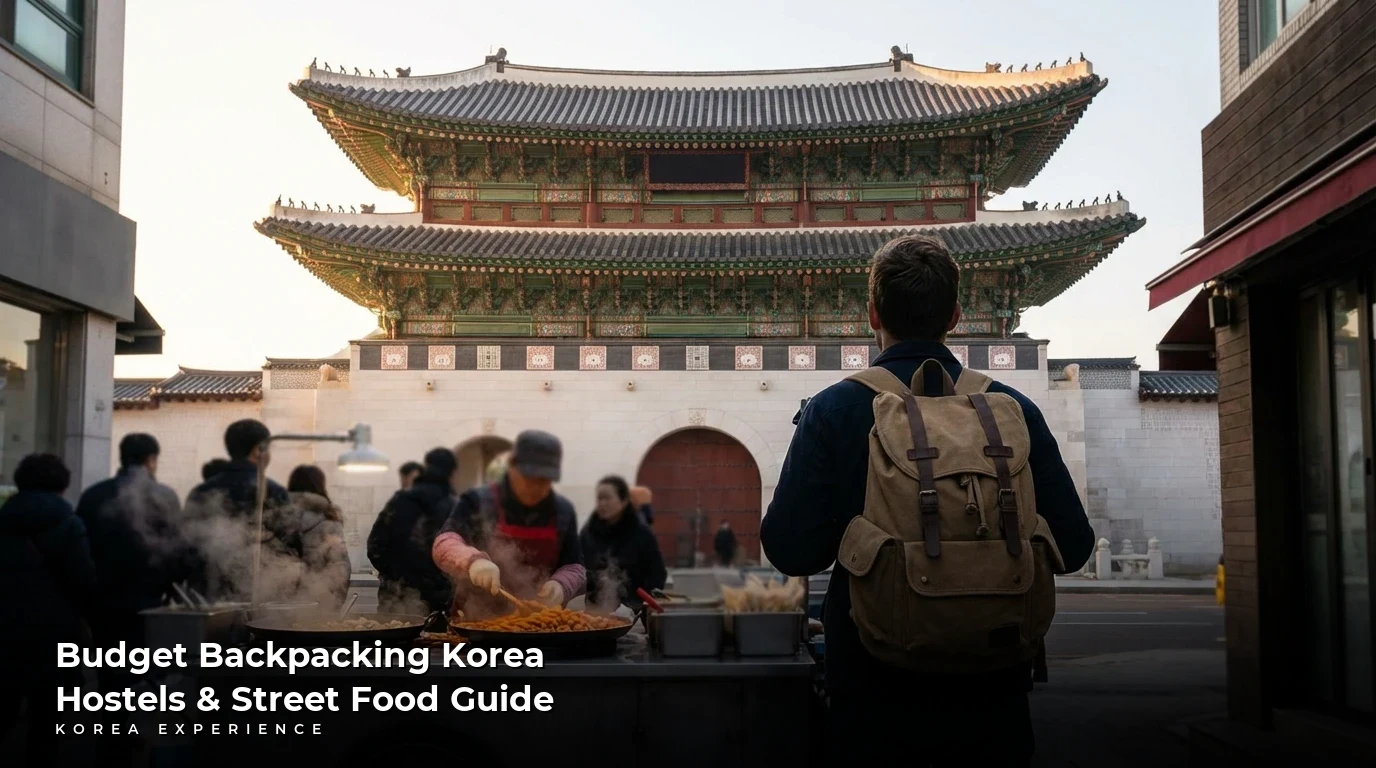
Discover how to backpack Korea on $45/day in 2026. Complete guide to best hostels, cheap street eats like tteokbokki under $3, and free palace entry hacks.
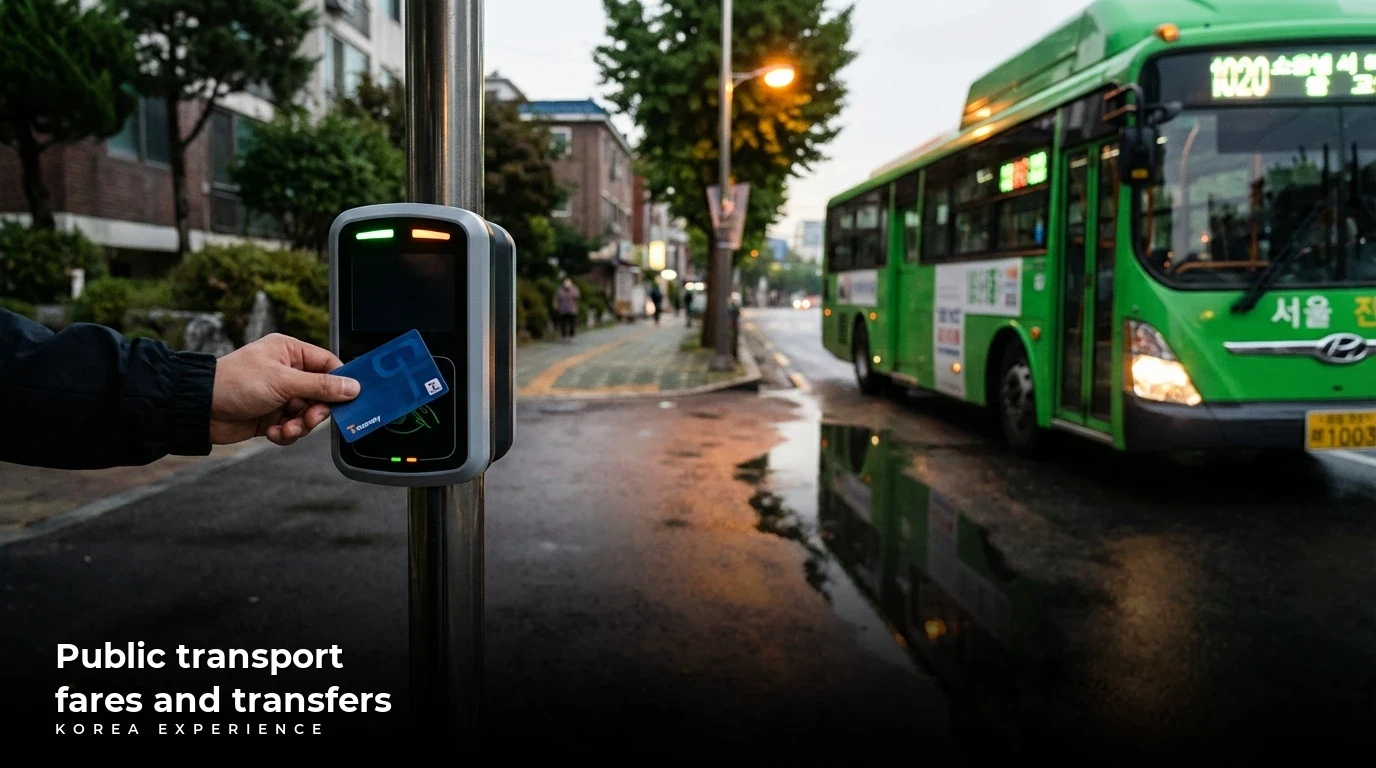
Discover 2026 Seoul transit updates including the 1,550 won base fare and new Climate Card options that save money for travelers taking over 3 rides daily.
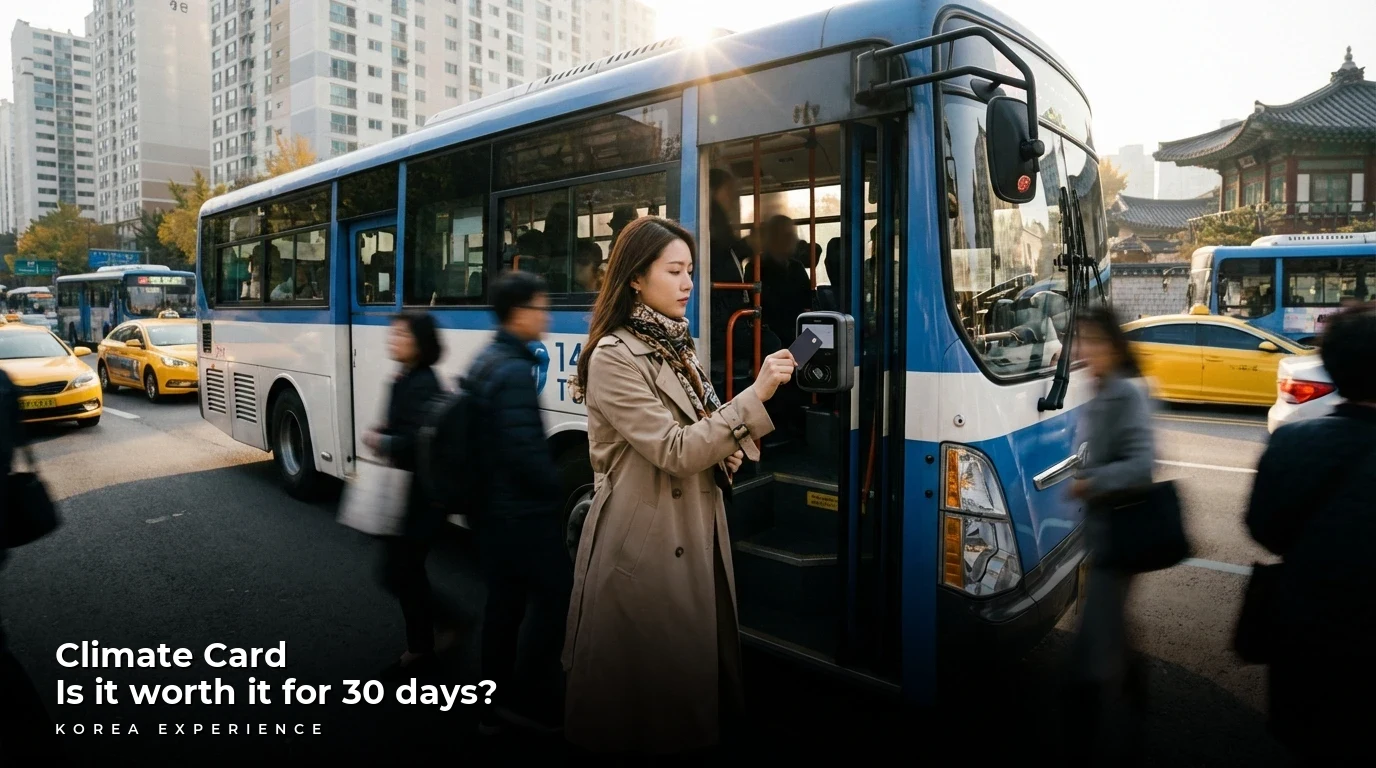
Save money in Seoul with the 2026 Climate Card. We analyze if the 62,000 KRW monthly pass beats T-Money for your 30-day stay based on 40 rides.
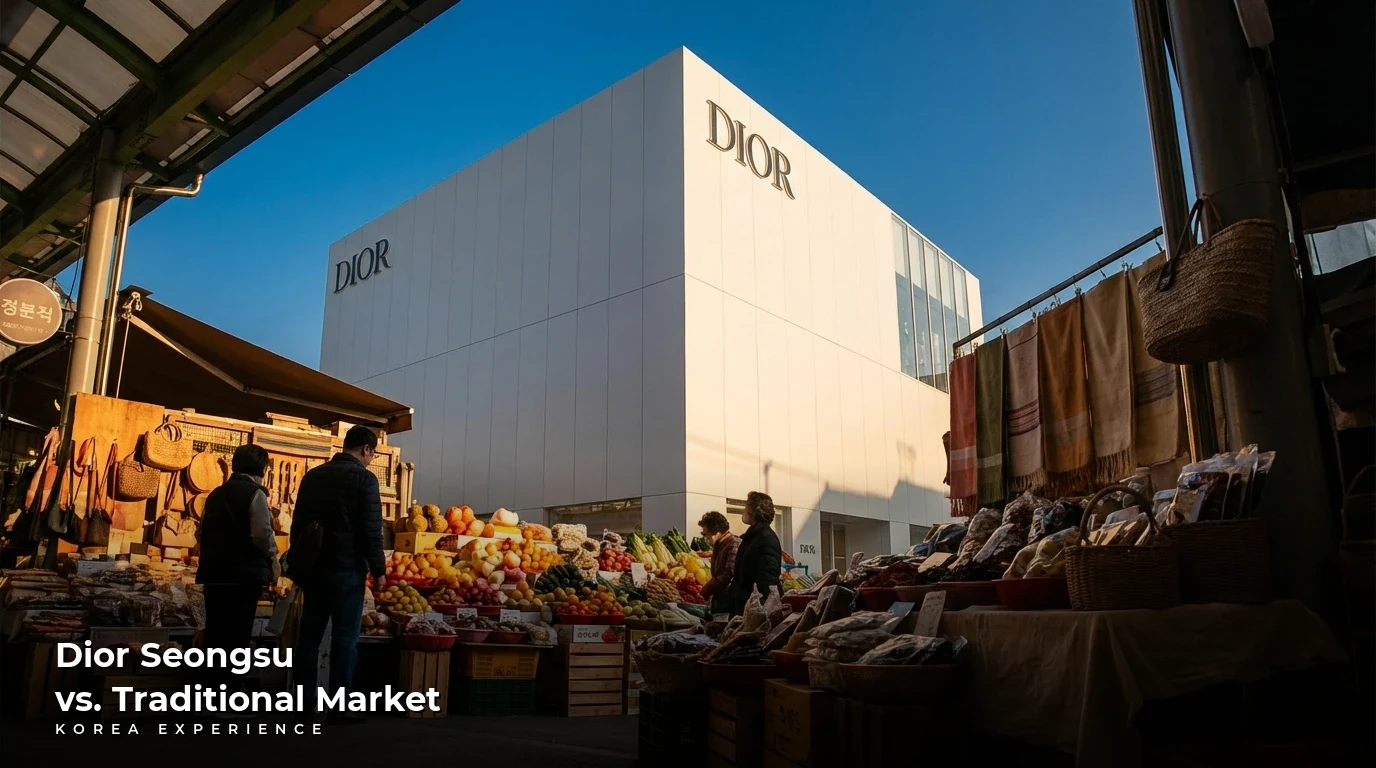
Discover how to mix a $15 Dior Seongsu latte with a $3.80 market pancake in 2026. Master the WOWPASS and Climate Card to conquer Seoul on any budget.