Best Korean BBQ Restaurants in Seoul 2026 Ultimate Guide
Discover the top Korean BBQ spots in Seoul for 2026. From premium Hanwoo beef to authentic Jeju pork, explore the best grills in Gangnam and Hongdae.
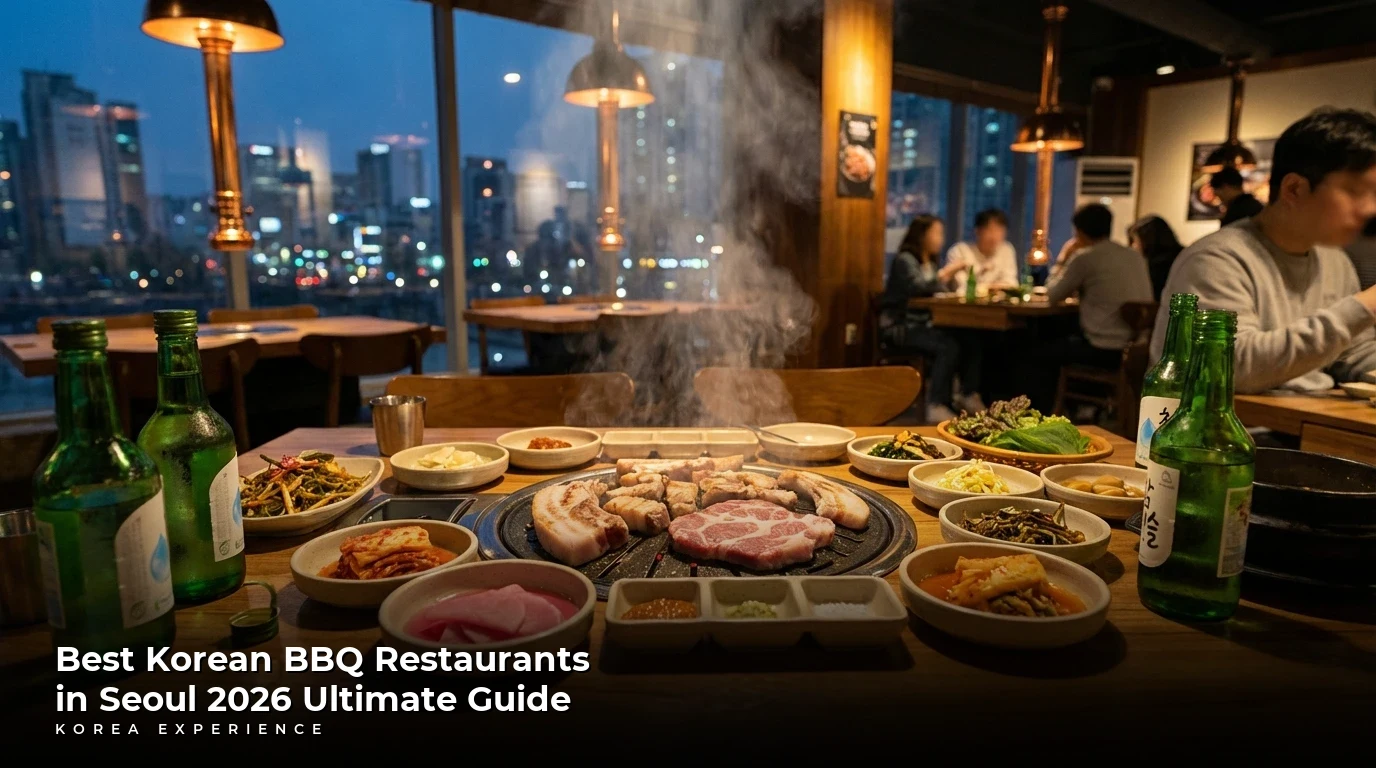
Seoul’s culinary landscape is constantly evolving, but the cornerstone of Korean dining remains the barbecue (gogi-gui). In 2026, the Korean BBQ scene has transcended simple grilling to become a sophisticated fusion of tradition, technology, and premium sourcing. Whether you are looking for the melt-in-your-mouth texture of 1++ Grade Hanwoo beef or the savory crunch of dry-aged pork belly, the capital offers an overwhelming number of choices.
Finding the "best" spot requires navigating through over 30,000 BBQ establishments across the city. The current trend has shifted heavily toward "Guweo-juneun" (staff-grilled) services and aging techniques that enhance flavor profiles over 360 to 720 hours. This guide curates the absolute pinnacle of BBQ experiences available in Seoul this year, categorized by meat type and atmosphere, ensuring you waste no time on mediocre meals.
Key Takeaways
- 1Hanwoo beef (1++) remains the gold standard, averaging ₩65,000+ per 150g serving
- 2Reservation apps like CatchTable are now essential for top-tier venues in 2026
- 3Staff-grilled service is the norm at premium spots, ensuring perfect doneness
The Evolution of Seoul BBQ: What to Expect in 2026
The Korean BBQ experience has undergone a significant transformation over the last five years. The days of strictly self-grilling in smoke-filled rooms are largely reserved for budget spots. The modern standard focuses on ventilation technology, wet and dry-aging hybrids, and specialized breed selection.
In 2026, the average waiting time for Seoul's top 10 BBQ restaurants exceeds 45 minutes without a reservation. Furthermore, the price gap between premium and budget has widened. A standard pork belly dinner now averages ₩22,000 ($16 USD) per serving, while premium beef omakase experiences can easily surpass ₩250,000 ($190 USD) per person.
Pro Tip
Most Korean BBQ restaurants require a minimum order of two servings (2-in-bun) for the first order, even if you are dining alone. Plan your appetite accordingly!
Premium Hanwoo Beef: The Wagyu of Korea
Hanwoo is Korea's indigenous cattle breed, celebrated for its unique marbling that offers a balance of beefy flavor and tenderness, often compared favorably against Japanese Wagyu. The highest grade is 1++ (Number 9), a standard strictly regulated by the Korean government.
Born & Bred (Majang-dong)
Located adjacent to the famous Majang Meat Market, Born & Bred remains the undisputed king of high-end beef in 2026. What started as a butcher shop has evolved into a multi-story beef temple. The restaurant sources directly from the market located less than 200 meters away, ensuring freshness that is mathematically impossible to beat.
Born & Bred(Born & Bred)
The dining experience here is split by floor. The second floor offers a casual a la carte experience where you can expect to pay approximately ₩70,000 per 150g of sirloin. The basement offers the legendary "Omakase" course, which serves up to 18 different cuts of beef over a 2.5-hour duration.
Don't skip the 'Katsu Sando' at Born & Bred. It uses the chateaubriand cut, which makes up only 3% of the cow. It melts faster than butter on toast.
Woo Tender (Gangnam)
For those staying south of the Han River, Woo Tender in the affluent Cheongdam district offers a distinct twist: grilling superior Hanwoo beef over high-grade charcoal to achieve a crispy exterior while maintaining a rare center.
💵 Hanwoo Price Comparison (Per 150g)
Melt-in-mouth texture
Woo Tender is famous for its "gentlemen's club" aesthetic. It is located roughly 3.5 kilometers from the COEX Mall, making it a prime dinner spot for business travelers. The ventilation here is state-of-the-art; you will leave smelling of expensive cologne rather than meat smoke.
The Pork Masters: Samgyeopsal and Moksal
While beef is a luxury, pork is the soul of Korean dining. In 2026, the focus is on "YBD" pigs—a hybrid of Yorkshire, Berkshire, and Duroc breeds—which provide a golden ratio of fat to lean meat.
Geumdwaeji Sikdang (Gold Pig Restaurant)
This venue has maintained its Michelin Guide status for over five years. Located in Sindang-dong, it is instantly recognizable by its white tile exterior and the perpetual line of people waiting outside.
Geumdwaeji Sikdang(Geumdwaeji Sikdang)
Gold Pig uses pine briquettes for grilling, which imparts a subtle, clean smokiness to the meat. Their signature "Bone-in Pork Belly" costs roughly ₩21,000 per 150g. The restaurant is 2.8km from Myeongdong, making it a quick taxi ride for tourists staying in the center.
📋 Pork BBQ Quick Stats
Mongtan (Samgakji)
Mongtan is arguably the most "viral" restaurant of the decade. They specialize in "Straw-Smoked Ribs" (Udae Galbi). The giant beef ribs are pre-smoked over burning straw before being finished on a cast-iron pan at your table.
The flavor is intense and earthy. Located near the War Memorial of Korea (a 5-minute walk), it is an essential stop for foodies. The waiting list often closes by 14:00 daily due to capacity limits. The ribs are priced at ₩34,000 per 280g (bone-in weight), offering exceptional value for the flavor complexity.
How to Eat Like a Local
Eating Korean BBQ is a participatory sport. There is a rhythm and method to the meal that enhances the experience. In 2026, international visitors are expected to know the basics of "Ssam" culture.
📖 How to Build the Perfect Ssam (Wrap)
Step 1: The Base
Take a fresh lettuce or perilla leaf in your non-dominant hand.
Step 2: The Meat
Dip your cooked meat in Ssamjang (soybean paste) or sesame oil with salt and place on the leaf.
Step 3: The Kick
Add a slice of raw garlic and a piece of grilled kimchi.
Step 4: The Finish
Fold the leaf into a tight ball and eat it in ONE bite.
Etiquette Alert
Never leave your chopsticks sticking vertically into your rice bowl. This resembles incense burning at funerals and is considered taboo in Korean culture.
Neighborhood Guide: Where to Go?
Seoul is vast, covering over 605 square kilometers. Choosing the right neighborhood for BBQ depends on your vibe preference and budget.
Gangnam & Cheongdam
This is the epicenter of luxury. Here you will find private dining rooms, wine pairings, and valet parking.
- Best for: Business meetings, anniversaries, premium beef.
- Average Cost: ₩150,000+ per person.
- Vibe: Sophisticated, quiet, attentive service.
Hongdae & Yeonnam-dong
The university district offers high energy and value. The restaurants here stay open late, often until 04:00 or 05:00 AM.
- Best for: Friend groups, late-night eats, pork belly.
- Average Cost: ₩35,000 per person.
- Vibe: Loud, energetic, youthful.
Majang-dong
The meat market district. It is gritty, authentic, and offers the highest meat quality for the price.
- Best for: Hardcore meat lovers, adventurous travelers.
- Average Cost: ₩80,000 per person (for high-grade beef).
- Vibe: Bustling market atmosphere, no-frills interiors.
📊 District Popularity 2026
Unique & Fusion BBQ Experiences
If you have tired of the standard grill, 2026 offers unique variations that break the mold.
Yeonnam Seo Sikdang (Standing BBQ)
Formerly known as the Sinchon standing galbi house, this institution requires you to eat while standing around oil drum barrels. There are no chairs. The menu has only one item: Marinated Galbi (beef short ribs).
- Price: ₩18,000 per serving.
- Unique Feature: You are encouraged to buy instant rice and kimchi from the convenience store next door and bring it in, as they only serve meat and drinks.
- Time: They open at 12:00 and close when the meat runs out, usually by 18:30.
Standing BBQ Analysis
- ✓Authentic 1950s atmosphere
- ✓Incredible marinade flavor
- ✓Social and interactive
- ✗Leg fatigue (no chairs)
- ✗Heavy smoke smell on clothes
- ✗No side dishes provided
Practical Guide: Logistics and Costs
Understanding the logistics of dining in Seoul is crucial. The city is dense, and travel times can be deceptive.
Transport
Subways are the most reliable way to reach these restaurants. Taxis during rush hour (18:00 - 20:00) in Gangnam can result in sitting in traffic for 40 minutes to move 3 kilometers.
- Subway Fare: Base rate is ₩1,500.
- Taxi Base Fare: Starts at ₩5,800 (Night surcharge applies after 22:00).
Apps You Need
To survive the waiting times in 2026, you must download CatchTable (Global version available) or Naver Map. CatchTable allows you to book reservations or join remote queues.
The Dinner Rush Timeline
Early Bird
Walk-ins possible at popular spots.
Peak Hour
Wait times exceed 60 mins. Reservations required.
Second Wave
Queues lighten up. Good time for late dinner.
Menu Decoding
When looking at a menu, you will see "100g" or "150g" prices.
- Samgyeopsal: Pork Belly (Fatty, popular).
- Moksal: Pork Neck (Leaner, steak-like).
- Galbi: Ribs (Usually marinated).
- Hanwoo Deungshim: Korean Beef Sirloin.
- Chadolbaegi: Thinly sliced brisket (Cooks in seconds).
Meat Type Comparison
| Feature | Pork Belly | Hanwoo Beef | Galbi (Marinated) |
|---|---|---|---|
| Price Level | $ | $$$$ | $$ |
| Cooking Difficulty | Medium | High | High (Burns easily) |
| Best Drink Pairing | Soju | Red Wine | Somaek (Beer+Soju) |
Expert Tips for the Ultimate Experience
To conclude our guide, here are advanced tips for navigating the Seoul BBQ scene like a veteran expat.
- The "Bokkumbap" Finale: Never finish your meal without ordering fried rice. It is cooked on the same grill, absorbing the leftover meat fat and oils. It is considered the dessert of the BBQ meal.
- Clothes Storage: Look for the plastic bags provided by the restaurant or check if your chair seat lifts up. Store your jacket and bag inside to protect them from the permeating smoke.
- Grill Changing: If your grill plate turns black, say "Pan-galyo-juseyo" (Please change the pan). However, at marinated meat places, a slightly charred pan can actually add flavor, so trust the server's judgment.
If you are visiting a busy pork place, order a 'Kimchi Jjigae' (Stew) immediately with your meat. The acidity of the aged kimchi stew cuts through the grease of the pork belly perfectly, allowing you to eat more without feeling heavy.
Seoul's BBQ culture in 2026 is a blend of high-tech convenience and deep-rooted tradition. Whether you are sitting on a plastic stool in a smoky alleyway or on a leather banquette in Cheongdam, the communal joy of cooking and eating together remains the same.
❓ Frequently Asked Questions
Have more questions?Contact us →
About the Author
Korea Experience Team
Written by the Korea Experience editorial team - experts in Korean medical tourism, travel, and culture with years of research and firsthand experience.
Explore more in Food & Dining
Korean BBQ, street food, Michelin restaurants, and regional specialties — your ultimate guide to eating well in Korea.
Browse All Food & Dining ArticlesContinue Reading
Explore more articles you might find interesting
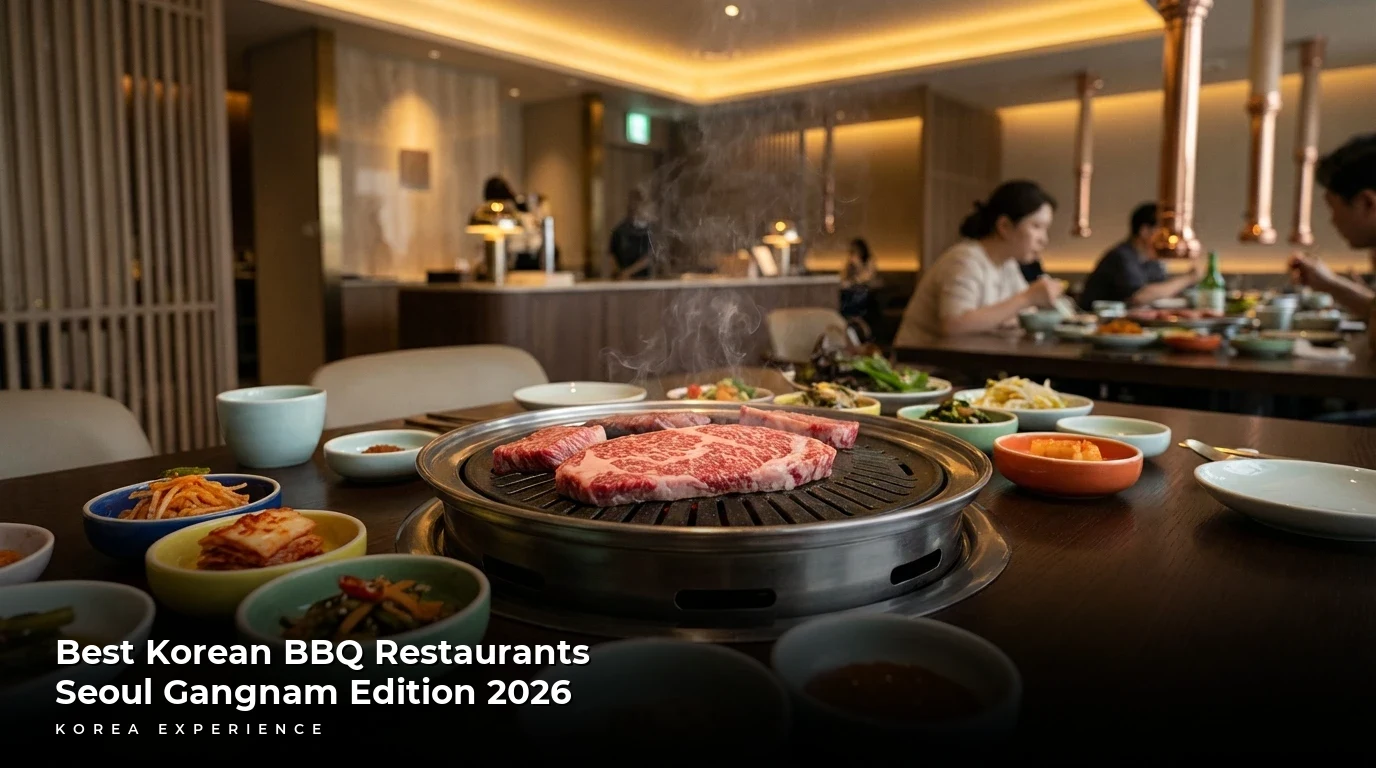
Discover the ultimate guide to the top rated Korean BBQ spots in Gangnam for 2026. From luxury Hanwoo to aged pork, here is where to eat.
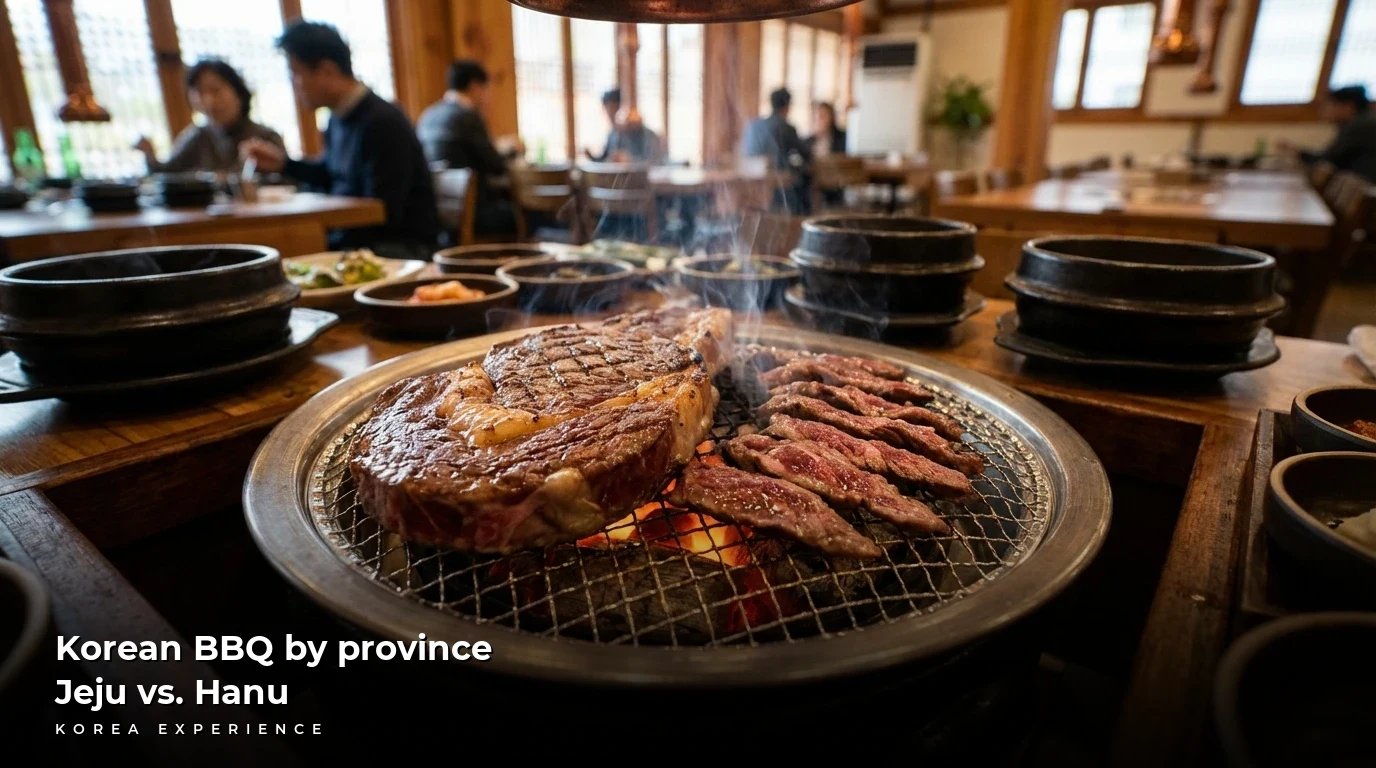
Discover whether to splurge on Jeju black pork or Hanwoo beef in 2026. With wholesale prices up 18.4 percent learn how to book top spots without a local ID.
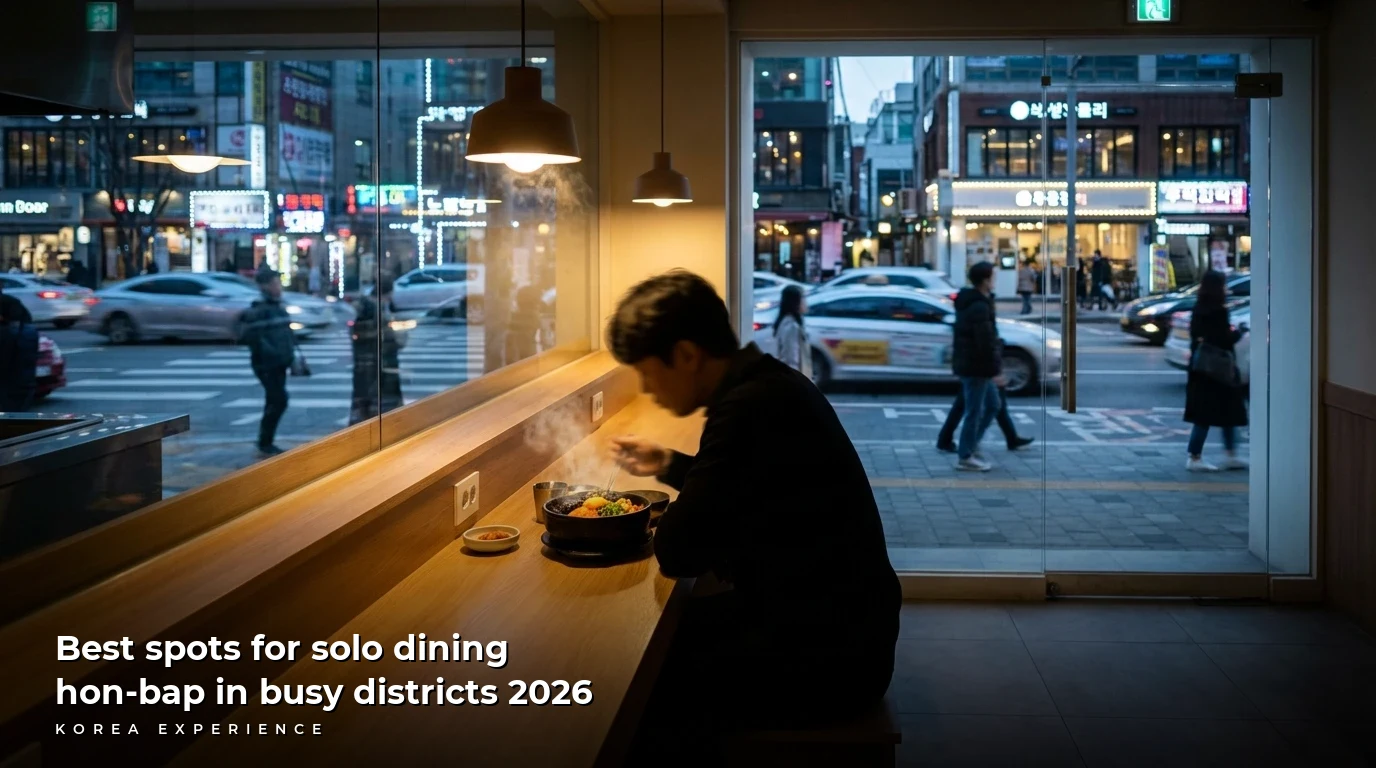
The ultimate guide to solo dining in Seoul. Discover the best Hon Bap spots in Gangnam, Hongdae, and Myeongdong with 2026 prices and tips.
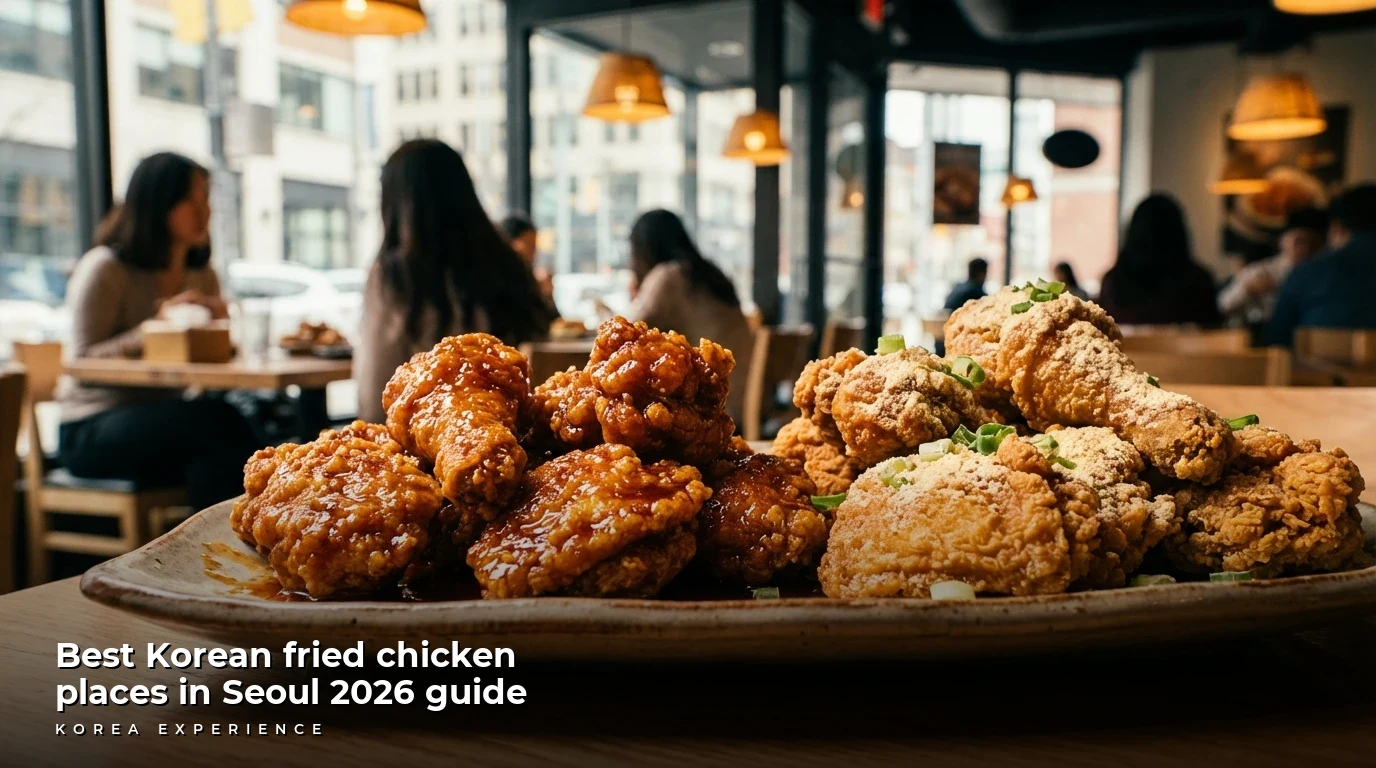
Discover the ultimate list of Seoul fried chicken spots for 2026. From crispy garlic flavors in Euljiro to premium Gangnam eateries, find your perfect crunch.
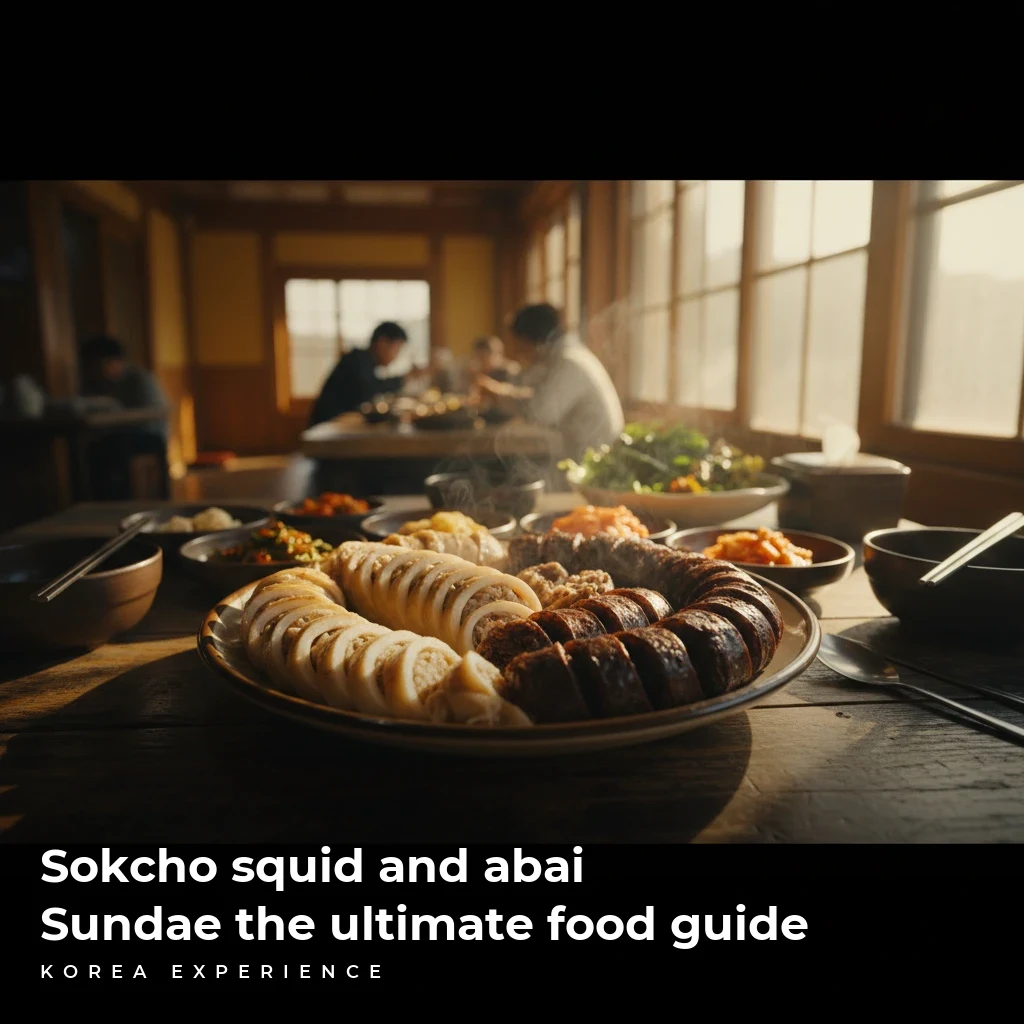
Discover the authentic taste of Sokcho with our guide to Squid Sundae and Abai Sundae. Explore history, best restaurants, and travel tips.
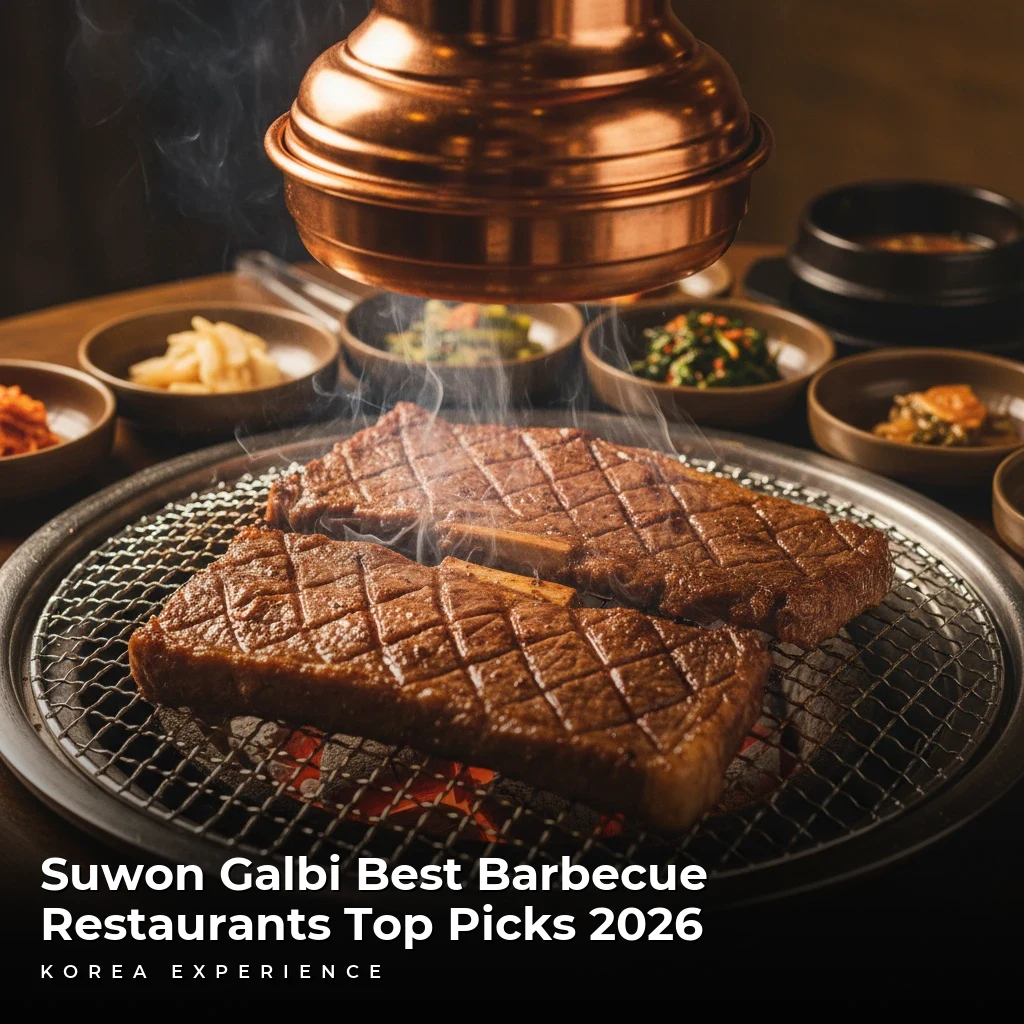
The ultimate guide to Suwon Galbi best barbecue restaurants. We review prices, locations, and menus for the most authentic premium beef ribs in Korea.