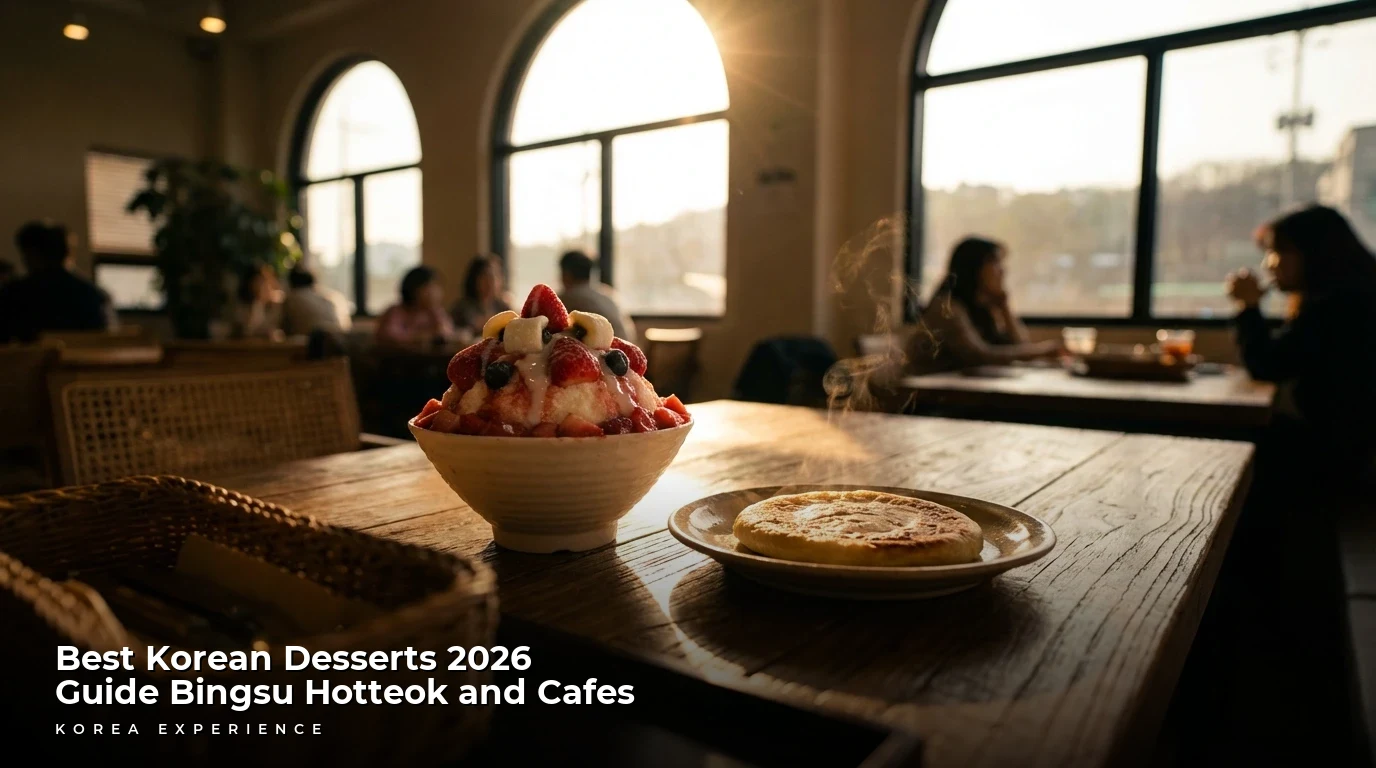
Best Korean Desserts 2026: Bingsu, Hotteok & More
Discover the ultimate guide to Korea's most delicious desserts in 2026, from classic Bingsu and Hotteok to hidden gems and modern cafe delights.
Savoring the Sweet Side of Korea: Your Ultimate Guide to Best Korean Desserts Bingsu Hotteok and More 2026
Korea is a country renowned for its vibrant culture, cutting-edge technology, and, of course, its incredibly diverse and delicious cuisine. While savory dishes like Kimchi Jjigae and Korean barbecue often take center stage, the nation's dessert scene is equally captivating, offering an exquisite blend of traditional flavors and innovative modern treats. For international travelers and expats in 2026, exploring Korean desserts is an essential part of the complete cultural experience.
Imagine cooling down on a warm summer's day with a towering bowl of Bingsu, or warming your hands on a chilly evening with a piping hot Hotteok fresh off the griddle. From ancient rice cakes steeped in history to the latest viral cafe creations, Korea's sweet offerings are a journey for the senses. However, with so many options available, it can be overwhelming to know where to start.
This comprehensive guide aims to demystify the delectable world of Korean desserts for you. We'll delve into the history, varieties, and best places to find the best Korean desserts Bingsu Hotteok and more 2026. You'll learn about iconic treats, discover hidden gems, get practical tips on where to eat, understand price ranges, and ultimately, be equipped to embark on your own sweet adventure across Korea. Get ready to indulge in the unique and irresistible flavors that make Korean desserts truly unforgettable.
Bingsu: The Shaved Ice Sensation of Korea
No discussion of Korean desserts is complete without celebrating Bingsu, the ultimate shaved ice delicacy that has captured hearts both locally and globally. Perfect for battling Korea's humid summers, Bingsu is more than just a dessert; it's a cultural phenomenon.
A Brief History and Evolution
The concept of shaved ice dates back to the Joseon Dynasty, where red beans (Pat) and ground wheat flour were served over finely crushed ice. Fast forward to the modern era, and Bingsu has transformed into an elaborate, artful creation. What sets Korean Bingsu apart is its incredibly fine, powdery ice – often made from milk (Uyu Bingsu) rather than just water – giving it a creamy, melt-in-your-mouth texture that distinguishes it from other shaved ice desserts around the world.
Popular Bingsu Varieties
While the variations are endless, some Bingsu types remain eternally popular:
- Patbingsu (Red Bean Bingsu): The traditional classic. Finely shaved milk ice is topped with sweetened red bean paste, chewy Tteok (rice cakes), and sometimes a sprinkle of roasted soybean powder (Injeolmi Garu) or a scoop of vanilla ice cream. It's a harmonious blend of sweet, subtle, and earthy flavors.
- Injeolmi Bingsu: A crowd favorite, especially for those who prefer less sweetness. This Bingsu features shaved milk ice generously dusted with fragrant Injeolmi Garu (roasted soybean powder) and topped with cubes of chewy Injeolmi Tteok. The nutty, savory notes of the soybean powder beautifully complement the creamy ice.
- Mango Bingsu: A vibrant and refreshing option, particularly popular when mangoes are in season. Piles of fresh, juicy mango chunks are layered over milk ice, often with a drizzle of condensed milk or mango syrup.
- Choco Bingsu: For chocolate lovers, this indulgent Bingsu combines chocolate shaved ice, chocolate syrup, chocolate pieces, and often brownies or chocolate cookies, sometimes even chocolate ice cream.
- Fruit Bingsu: A catch-all term for Bingsu topped with a medley of seasonal fruits like strawberries, blueberries, kiwi, and melon. These are often visually stunning and offer a burst of fresh flavors.
Where to Find the Best Bingsu in 2026
You'll find Bingsu almost everywhere in Korea, from large cafe chains to specialized Bingsu cafes and even smaller local eateries.
- Sulbing (설빙): This is arguably the most famous and largest Bingsu chain in Korea. Sulbing is a must-visit for first-timers, offering a vast menu of traditional and innovative Bingsu flavors. Their Injeolmi Bingsu is legendary. You can find Sulbing locations in virtually every major city and district, including bustling areas like Myeongdong, Hongdae, and Gangnam in Seoul. Prices typically range from KRW 9,000 to KRW 16,000 depending on the size and ingredients.
- Local Cafes: Many independent cafes, especially in trendy areas like Garosu-gil, Seongsu-dong, and Ikseon-dong, offer their unique take on Bingsu with high-quality ingredients and artistic presentations. These might be a bit pricier but often come with a more sophisticated atmosphere.
- Department Stores: High-end department stores often have cafes or food courts that serve premium Bingsu, sometimes featuring unique ingredients or luxurious presentations.
Insider Tips for Enjoying Bingsu
- Share it: Bingsu portions are typically very generous, often designed to be shared by two or more people.
- Mix lightly: Don't stir Bingsu vigorously like soup. Instead, gently scoop from the top down, ensuring you get a mix of ice and toppings with each bite. This preserves the delicate texture of the shaved ice.
- Consider the season: While available year-round, fruit Bingsu varieties are best enjoyed when their primary fruit is in peak season for optimal flavor.
- Look for quality ice: The best Bingsu uses fine, creamy milk ice that melts delicately on the tongue.
Hotteok: The Quintessential Sweet Street Pancake
When the weather turns cool, or you're simply craving a warm, comforting treat, Hotteok is the answer. This beloved Korean sweet pancake is a staple of street food culture and a delight for anyone with a sweet tooth.
From Humble Beginnings to Global Fame
Hotteok's origins are believed to trace back to Chinese merchants who immigrated to Korea in the late 19th century. They brought with them Chinese-style pancakes, which Koreans adapted to their tastes, developing the sweet, chewy, and crispy delicacy we know today. Traditionally made and fried right on the street, Hotteok has remained an incredibly popular snack for generations.
Classic Fillings and Modern Twists
The beauty of Hotteok lies in its simplicity and the delightful surprise of its molten center:
- Ssiat Hotteok (Seed Hotteok): Hailing from Busan, this is perhaps the most famous variation. The dough is fried until golden and then slit open and filled with a generous mixture of seeds (sunflower, pumpkin, sesame), nuts, and sometimes brown sugar syrup. The combination of crispy exterior, chewy dough, and crunchy, sweet filling is simply irresistible.
- Honey and Brown Sugar Hotteok (Ggul Hotteok): The most common classic, this Hotteok is filled with a mixture of brown sugar, cinnamon, and sometimes chopped nuts. As it cooks, the sugar mixture melts into a warm, gooey syrup.
- Vegetable Hotteok (Yachae Hotteok): While most Hotteok are sweet, a savory version filled with glass noodles (Japchae) and vegetables exists, often served with a soy dipping sauce. This offers a different, equally delicious experience.
- Cheese Hotteok: A modern invention that has gained popularity, featuring a savory or sweet cheese filling that melts delightfully when fried.
Where to Savor Authentic Hotteok
Hotteok is primarily a street food, so you'll find the best ones at bustling markets and street food alleys.
- Traditional Markets:
- Gwangjang Market (Seoul): Famous for its incredible array of street food, Gwangjang Market often has vendors specializing in Hotteok.
- Namdaemun Market (Seoul): Another iconic market where you can find delicious, freshly made Hotteok, especially the classic honey variety.
- Busan's Nampo-dong Street: The birthplace of Ssiat Hotteok, this area is a must-visit for the authentic seed-filled version. Look for long queues – a sure sign of a popular and delicious stall.
- Street Food Stalls: Keep an eye out for small carts with a round griddle, particularly in popular tourist areas like Myeongdong, Hongdae, and near subway stations during colder months.
Hotteok prices are very affordable, typically ranging from KRW 1,500 to KRW 3,000 per piece, making it an excellent budget-friendly treat.
Best Time to Eat Hotteok
While you can find Hotteok year-round, it truly shines during the cooler months of autumn and winter. The warm, sweet pancake is the perfect antidote to chilly weather, providing immediate comfort and energy. It makes for an excellent breakfast on the go, an afternoon snack, or a late-night treat after exploring.
Tteok: More Than Just Rice Cakes
Tteok, or Korean rice cakes, are far more versatile and delicious than many international visitors initially realize. While savory Tteokbokki (spicy rice cakes) is famous, sweet Tteok varieties are deeply ingrained in Korean culture and cuisine, served at celebrations, holidays, and as everyday snacks.
The Cultural Significance of Tteok
Tteok has been a staple in Korea for centuries, symbolizing longevity, prosperity, and good fortune. Different types of Tteok are traditionally prepared for specific occasions, such as birthdays, weddings, and ancestral rites. The act of making and sharing Tteok is itself a cultural practice that embodies community and celebration.
Popular Sweet Tteok Varieties
There's an astonishing array of sweet Tteok, each with its unique texture and flavor profile:
- Injeolmi (인절미): Famous for its soft, chewy texture and savory-sweet flavor. It's made from glutinous rice flour and coated with roasted soybean powder (Injeolmi Garu). Often served plain, or with honey, or as a topping for Bingsu.
- Gyeongdan (경단): Small, round glutinous rice cakes, often colored with natural ingredients like mugwort or pumpkin, and coated with various powders such as roasted soybean powder, black sesame powder, or shredded coconut. They are soft and delightfully chewy.
- Songpyeon (송편): Half-moon shaped rice cakes traditionally eaten during Chuseok (Korean Thanksgiving). They are typically filled with a sweet mixture of sesame seeds, red beans, or chestnuts, and steamed over pine needles for a distinct aroma.
- Chapssaltteok (찹쌀떡): Similar to Japanese mochi, these are glutinous rice cakes filled with a sweet red bean paste. They are incredibly soft, chewy, and often given as good luck gifts to students taking exams.
- Jeungpyeon (증편): Steamed, fermented rice cakes leavened with Makgeolli (Korean rice wine), giving them a slightly tangy flavor and a fluffy, airy texture. They are typically adorned with colorful toppings like jujubes or rock ear mushrooms.
Finding Artisanal Tteok
To experience authentic and high-quality sweet Tteok, head to these locations:
- Tteokjip (Tteok Specialty Stores): Dedicated Tteok shops are found in most neighborhoods and often display a wide variety of freshly made rice cakes. Look for traditional-looking storefronts.
- Traditional Markets: Markets like Gwangjang Market or Tongin Market are excellent places to find vendors selling a diverse selection of Tteok, often sold by weight or in small, pre-packaged portions.
- Department Store Food Courts: Many upscale department stores feature artisanal Tteok shops, offering beautifully packaged and premium-quality rice cakes.
Prices for Tteok can vary widely depending on the type and quantity. Small packs of Injeolmi or Gyeongdan might cost KRW 3,000-KRW 7,000, while larger assortments can be KRW 10,000 or more.
How Tteok is Enjoyed
Tteok is usually eaten as a snack, a breakfast item, or as part of a meal. Sweet Tteok is often paired with tea or a light beverage. They can be enjoyed plain, dipped in honey, or sometimes lightly grilled for a crispy exterior.
Traditional Korean Confections: A Taste of Heritage
Beyond Bingsu, Hotteok, and Tteok, Korea boasts a rich legacy of traditional confections that offer a glimpse into its culinary past. These treats, known collectively as Hangwa (한과), are often made with natural ingredients like honey, grains, and fruits, and are traditionally served during holidays and special occasions.
Yakgwa: The Honey Cookie
Yakgwa is a beautiful, flower-shaped cookie made from wheat flour, sesame oil, ginger juice, and honey, deep-fried to a golden crisp, and then soaked in more honey-ginger syrup. Its name literally means "medicinal confectionery," reflecting the traditional Korean belief that honey has medicinal properties. Yakgwa has a dense, chewy texture and a distinctively sweet, slightly spicy flavor. It's often adorned with pine nuts.
Gangjeong and Yugwa: Festive Fried Delights
- Gangjeong (강정): These are light, crispy fried glutinous rice crackers, typically coated with various sweet syrup and topped with sesame seeds, pine nuts, or colorful puffed grains. They are airy, delicate, and melt in your mouth, making them a popular snack during Lunar New Year.
- Yugwa (유과): Similar to Gangjeong but usually larger and with a more irregular shape. Yugwa is also made from glutinous rice flour, fried, and then coated in a grain syrup and puffed rice or other cereals. It has a slightly chewy interior and a delightfully crunchy exterior.
Yeot: Traditional Korean Candy
Yeot is a traditional Korean malt candy, often resembling taffy or hard candy. Made from malted barley and rice, it comes in various forms and flavors, from sticky, chewy varieties to brittle, hard types. Its natural sweetness and unique texture make it a popular traditional snack, believed to bring good luck, especially for students.
Where to Discover These Timeless Treats
- Traditional Hanok Villages: Places like Bukchon Hanok Village in Seoul often have small shops selling artisanal Hangwa, beautifully packaged.
- Insadong Street (Seoul): Known for its traditional Korean goods, Insadong is an excellent place to find specialty stores offering a wide selection of Yakgwa, Gangjeong, and Yugwa. You can also find modern cafes in Insadong that serve these traditional sweets with contemporary tea pairings.
- Department Store Food Halls: Many upscale department stores feature dedicated sections for traditional Korean snacks, offering high-quality, beautifully presented Hangwa.
- Gwangjang Market: Some vendors specialize in traditional sweets, offering bulk options or smaller, affordable packs.
Prices for traditional confections can vary; a small pack of Yakgwa might be KRW 3,000-KRW 5,000, while larger assortments or specialty items can cost upwards of KRW 15,000-KRW 30,000. They make excellent souvenirs!
Modern Korean Cafe Desserts: Innovation Meets Sweetness
While traditional desserts hold deep cultural significance, Korea's vibrant cafe culture is a hotbed of innovation, constantly churning out trendy and visually stunning sweet treats that rival any global patisserie. By 2026, the creativity in Korean cafes has reached new heights, blending international influences with unique Korean flair.
Croffles and Other Hybrid Delights
The "croffle" (a portmanteau of croissant and waffle) took Korea by storm and remains a firm favorite. This pastry combines the flaky, buttery goodness of a croissant dough pressed in a waffle iron, resulting in a unique texture – crispy on the outside, soft and airy inside. Croffles are served with an endless array of toppings: fresh fruit, ice cream, whipped cream, chocolate sauce, caramel, or savory options.
Other popular hybrid desserts include:
- Scone Waffles: Similar to croffles but using scone dough for a denser, crumbly texture.
- Souffle Pancakes: Light, airy, and jiggly pancakes, often served with fresh fruit and cream.
Specialty Pastries and Cakes
Korean cafes excel at creating aesthetically pleasing and delicious cakes and pastries:
- Daegureu (다쿠아즈) / Dacquoise: A French-inspired meringue-based pastry with a crisp exterior and a soft, chewy interior, often filled with buttercream and various flavors like pistachio, raspberry, or Injeolmi.
- Korean Style Tarts: Fruit tarts and cheese tarts with unique Korean flavor combinations, sometimes incorporating local ingredients.
- Dalgona-inspired Treats: The Dalgona candy trend from "Squid Game" has led to numerous dessert interpretations, including Dalgona coffee-flavored cakes, cookies, and even Bingsu.
- Matcha and Earl Grey Desserts: These classic tea flavors are incredibly popular in Korean cafes, found in lattes, cakes, and even specialized pastries.
The Cafe Culture Experience
Part of enjoying modern Korean desserts is the experience of the cafes themselves. Korean cafes are renowned for their stunning interiors, unique themes, and meticulous attention to detail. Many are Instagram-worthy destinations in their own right, offering comfortable seating, art installations, and often picturesque views.
Must-Visit Cafe Districts (2026)
- Hongdae: Known for its youthful energy and artistic vibe, Hongdae boasts countless trendy cafes, many of which specialize in unique and Instagrammable desserts.
- Garosu-gil (Sinsa-dong): An upscale tree-lined street filled with chic boutiques and sophisticated cafes. Here you'll find elegant patisseries and cafes serving high-quality, often pricier, modern desserts.
- Seongsu-dong: Once an industrial area, Seongsu-dong has transformed into a trendy district with repurposed factories and warehouses now housing edgy, artisanal cafes and bakeries. It's a great spot for unique and experimental desserts.
- Ikseon-dong: A charming Hanok village where traditional architecture meets modern cafes. You'll find a delightful blend of traditional and contemporary dessert offerings in a quaint setting.
Prices for modern cafe desserts vary widely. A croffle might cost KRW 5,000-KRW 9,000, while specialty cakes or elaborate plated desserts can range from KRW 8,000 to KRW 15,000. Coffees and teas are usually extra.
Seasonal & Regional Sweet Discoveries
Korea's culinary calendar is deeply influenced by its four distinct seasons, and its desserts are no exception. Exploring seasonal and regional specialties offers a unique and authentic taste of local life.
Strawberry Desserts in Winter/Spring
Korea's winter and early spring are synonymous with incredibly sweet and succulent strawberries. Cafes and bakeries across the country capitalize on this, offering an array of strawberry-centric desserts:
- Strawberry Bingsu: A seasonal highlight, piled high with fresh strawberries.
- Strawberry Cakes and Tarts: Delicate shortcakes, cream cakes, and fruit tarts featuring generous amounts of fresh strawberries.
- Strawberry Croffles and Waffles: A popular cafe item, often with whipped cream and strawberry sauce.
- Dalsan Strawberry Milk: A rich, homemade strawberry milk made with fresh strawberries.
Persimmon (Gam) and Sweet Potato (Goguma) in Autumn/Winter
As autumn arrives and transitions into winter, persimmons and sweet potatoes become the stars of the dessert world:
- Gotgam (Dried Persimmon): A traditional snack, often enjoyed with tea. Dried persimmons are naturally sweet and chewy, sometimes filled with walnuts.
- Hongeosi (Soft Persimmon): Ripe, soft persimmons are a simple yet incredibly delicious natural dessert, often chilled.
- Goguma Mattang (Candied Sweet Potatoes): Cubes of sweet potato glazed in a caramelized sugar syrup, often sprinkled with black sesame seeds. Crispy on the outside, soft and sweet on the inside.
- Baked Sweet Potatoes (Gun Goguma): A quintessential winter street food, simple baked sweet potatoes are comforting and naturally sweet. Many cafes also incorporate sweet potato into lattes, cakes, and bread.
Regional Specialties
Venturing beyond Seoul can unlock even more unique sweet treats:
- Gyeongju Hwangnamppang (Hwangnam Bread): From Gyeongju, this small, round bread is filled with sweetened red bean paste and has a distinct pattern stamped on top. It's a popular souvenir.
- Jeonju Chocopie (수제 초코파이): A gourmet, handmade version of the classic chocopie from Jeonju, featuring layers of cake, jam, cream, and chocolate coating.
- Cheonan Hodugwaja (Walnut Cakes): Small, walnut-shaped cakes with a walnut and red bean paste filling, originating from Cheonan.
Embracing Seasonal Flavors
- Visit local markets: Traditional markets are excellent places to find seasonal fruits and homemade versions of these desserts.
- Check cafe menus: Many cafes have rotating seasonal menus, so ask for "seasonal specials" (Gyejeol Teukbyeol).
- Try street vendors: During the relevant seasons, street food stalls will often feature these seasonal delights.
Comparison Tables: Navigating Your Sweet Choices
To help you quickly compare some of the most popular Korean desserts, here are a few handy tables:
Bingsu Varieties at a Glance
| Bingsu Type | Main Ingredients | Flavor Profile | Best Season | Average Price (KRW, 2026) |
|---|---|---|---|---|
| Patbingsu | Shaved milk ice, red bean paste, Tteok, Injeolmi | Sweet, earthy, subtly creamy | Summer | 9,000 - 14,000 |
| Injeolmi Bingsu | Shaved milk ice, Injeolmi Garu, Injeolmi Tteok | Nutty, savory, subtly sweet, creamy | All Year | 9,000 - 13,000 |
| Mango Bingsu | Shaved milk ice, fresh mango, condensed milk | Sweet, tropical, refreshing, tangy | Summer | 13,000 - 17,000 |
| Choco Bingsu | Shaved chocolate ice, chocolate sauce, brownies | Rich, indulgent, sweet, decadent | All Year | 10,000 - 15,000 |
Traditional vs. Modern Korean Desserts
| Category | Key Characteristics | Example | Best Occasion | Where to Find |
|---|---|---|---|---|
| Traditional | Deep-rooted history, natural ingredients, cultural significance | Yakgwa, Songpyeon, Injeolmi | Holidays, family gatherings, tea time | Traditional markets, specialty Tteok shops, Insadong |
| Modern | Innovative, visually appealing, fusion flavors, cafe culture | Croffles, Dacquoise, Souffle Pancakes | Casual outings, trendy cafes, social media sharing | Hongdae, Garosu-gil, Seongsu-dong cafes |
Korean Dessert Price Guide (2026 Estimates)
| Dessert Item | Average Price Range (KRW) | Typical Purchase Location |
|---|---|---|
| Hotteok (per piece) | 1,500 - 3,000 | Street food stalls, traditional markets |
| Bingsu (regular size) | 9,000 - 17,000 | Bingsu cafes (Sulbing), independent cafes |
| Tteok (small pack) | 3,000 - 7,000 | Tteok shops, traditional markets, supermarkets |
| Yakgwa (single/small pack) | 2,000 - 5,000 | Traditional shops, convenience stores |
| Croffle (plain) | 5,000 - 9,000 | Modern cafes |
| Specialty Cake Slice | 7,000 - 12,000 | Upscale cafes, patisseries |
| Goguma Mattang (small cup) | 4,000 - 7,000 | Street food stalls, traditional markets |
Prices are estimates and can vary based on location, ingredients, and establishment.
Frequently Asked Questions About Korean Desserts
1. Are Korean desserts very sweet?
It varies greatly! Traditional Korean desserts often have a more subtle, nuanced sweetness compared to Western desserts, relying on ingredients like red bean paste, honey, or fruit. Modern cafe desserts, however, can be quite sweet, featuring generous amounts of sugar, chocolate, and cream, catering to a diverse palate. Don't be afraid to try both to find your preference!
2. Where can I find vegetarian/vegan Korean desserts?
Many traditional Korean desserts are naturally vegetarian (e.g., most Tteok, Hotteok, Bingsu without milk ice, Yakgwa). For vegan options, it's slightly trickier but still possible. Look for Bingsu made with water ice (often called "Eoreum Bingsu") instead of milk, and ensure toppings like Tteok or red bean paste don't contain animal products (which they usually don't). Some cafes are starting to offer vegan pastries or plant-based milk alternatives for their Bingsu and beverages. Always ask about ingredients if you have strict dietary restrictions.
3. What's the best season to enjoy Korean desserts?
Every season offers unique dessert experiences! Bingsu is undoubtedly best in the hot summer months. Hotteok and warm Goguma Mattang are perfect for autumn and winter. Spring and early summer bring fresh fruit desserts, especially strawberries. Traditional Tteok and Hangwa can be enjoyed year-round, particularly during holidays. There's truly something delicious for every time of year.
4. Are there any specific etiquette tips for eating desserts in Korea?
For most street food like Hotteok, it's common to eat while standing or walking. For Bingsu, as mentioned, gently scoop rather than stir. In cafes, it's customary to order at least one item (dessert or drink) per person. Tipping is generally not expected in Korea. Enjoy your desserts slowly and savor the experience!
5. Can I find Korean desserts outside of Seoul?
Absolutely! While Seoul offers the widest variety and the trendiest spots, every city and region in Korea has its own beloved dessert culture. Busan is famous for Ssiat Hotteok. Gyeongju has its Hwangnamppang. Jeonju is known for its gourmet Chocopie. Traditional markets across the country are treasure troves of local sweet treats. Exploring beyond Seoul will give you a deeper appreciation for Korea's diverse dessert landscape.
Conclusion: Your Sweet Journey Awaits!
From the timeless charm of traditional Tteok and the comforting warmth of a Hotteok, to the refreshing sophistication of a Bingsu and the endless creativity of modern cafe delights, Korea's dessert scene in 2026 is a culinary adventure waiting to be explored. We hope this guide has inspired you to delve into the sweet side of Korea, offering practical insights and recommendations for your journey.
Remember to embrace the diverse flavors, seek out both classic and contemporary options, and don't be afraid to try something new. Each Korean dessert tells a story, offering a unique taste of the country's rich history, vibrant culture, and innovative spirit. So, go forth, explore, and let your sweet tooth lead the way. Your unforgettable Korean dessert experience starts now!
About the Author
Korea Experience Team
Written by the Korea Experience editorial team - experts in Korean medical tourism, travel, and culture with years of research and firsthand experience.
⚠️ Medical Disclaimer
The information provided on this website is for general informational purposes only and does not constitute medical advice. Always consult with qualified healthcare professionals before making any medical decisions.
Continue Reading
Explore more articles you might find interesting
Discover Tongyeong's exquisite oyster dishes, from fresh to grilled. This guide covers the best eateries, seasonal insights, and culinary tips for seafood lovers.
Uncover the unique culinary tradition of Daegu Makchang, a beloved grilled intestine dish. Explore its history, dining etiquette, and best spots.
Explore Korea's evolving fine dining scene in 2026, meeting the visionary Michelin-starred chefs redefining modern Korean cuisine for global palates.