Andong Jjimdak Best Restaurants in the Hometown
Discover the authentic taste of Andong Jjimdak in its true hometown. This guide unveils the best restaurants, history, and essential tips for an unforgettable culinary journey.
Unveiling the Authentic Taste: Andong Jjimdak's Best Restaurants
Korea, a land celebrated for its vibrant culture and incredibly diverse culinary landscape, offers a gastronomic adventure unlike any other. Among its myriad of dishes, one stands out as a true testament to regional specialization and heartwarming flavors: Andong Jjimdak. Originating from the historic city of Andong in Gyeongsangbuk-do Province, this delectable steamed chicken dish has captivated palates worldwide. Yet, to truly experience its authentic essence, one must journey to its birthplace.
For international travelers and expats eager to dive deep into Korean cuisine, the sheer number of restaurants in Andong's famous Jjimdak Alley can be overwhelming. How do you distinguish a truly exceptional Jjimdak from a merely good one? Which establishments uphold the tradition while delivering an unforgettable experience? This comprehensive guide is designed to cut through the noise, offering you an insider's look into the best Andong Jjimdak restaurants in its very hometown. We'll explore the dish's rich history, reveal the top spots cherished by locals and experts, and provide practical tips to ensure your Andong Jjimdak experience is nothing short of perfect. Prepare to embark on a flavorful exploration that promises to elevate your understanding and appreciation of this iconic Korean dish.
Understanding Andong Jjimdak – A Culinary Legacy
Before we dive into the best places to savor this masterpiece, let's understand what makes Andong Jjimdak so special. It's more than just a meal; it's a cultural icon, deeply embedded in the identity of Andong city.
What is Andong Jjimdak? A Symphony of Flavors and Textures
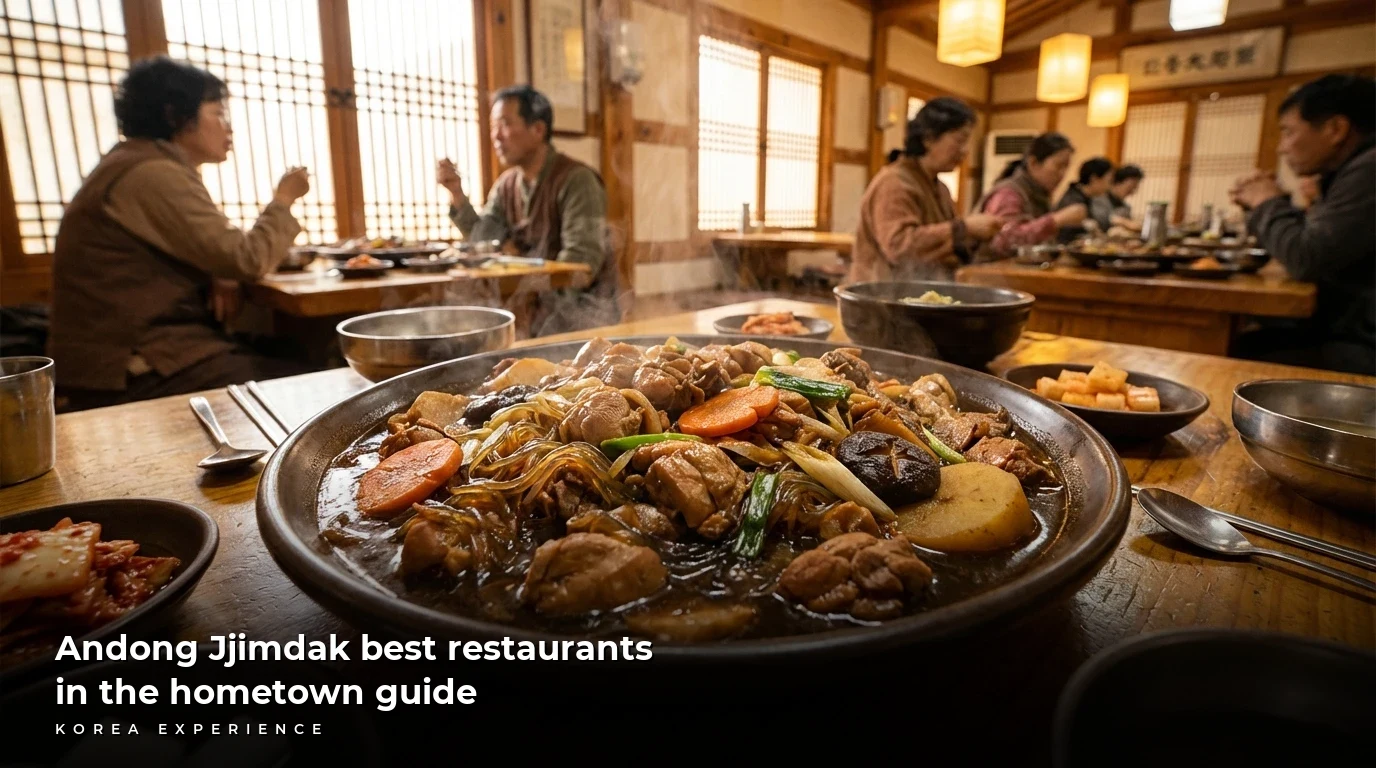
Andong Jjimdak is a savory steamed chicken dish, rich in flavor and texture, typically served on a large platter meant for sharing. At its core, it features succulent chicken pieces, often bone-in, braised in a complex, umami-rich soy sauce-based marinade. This dark, glossy sauce is the dish's soul, a delicate balance of sweet, salty, and savory notes, often with a hint of garlic, ginger, and sometimes a subtle spice.
Beyond the chicken, the dish is a harmonious medley of fresh vegetables and glass noodles. Common additions include large chunks of potato, carrots, onions, and various bell peppers (green, red, or yellow), all absorbing the rich sauce and contributing their unique textures. The translucent, chewy glass noodles, known as "dangmyeon," are a quintessential element, soaking up the flavorful liquid and providing a delightful contrast to the tender chicken and crisp vegetables. Some variations might also include mushrooms, dried chili peppers for a kick, or even rice cakes ("tteok"). The cooking method – steaming or braising – ensures the chicken remains incredibly moist and falls off the bone, while the vegetables retain a slight bite.
The History and Origin Story: From Marketplace to Culinary Icon
The exact origins of Andong Jjimdak are shrouded in various anecdotal tales, but most agree it emerged from Andong's Old Market (Andong Gu Sijang) in the 1980s. One popular theory suggests that local restaurant owners created the dish to counter the popularity of Western-style fried chicken shops that were beginning to proliferate. They wanted a unique, distinctly Korean chicken dish that would appeal to local palates while also being accessible.
Another story posits that Jjimdak was born out of necessity and resourcefulness. Merchants in the market would combine leftover chicken and vegetables with various seasonings to create a hearty, flavorful, and affordable meal. Over time, this improvised dish evolved into the structured and beloved recipe we know today. The combination of readily available ingredients, a robust flavor profile, and its ability to feed many people solidified its place in Andong's culinary heart. What started as a local market specialty quickly gained fame, leading to the designation of "Andong Jjimdak Alley" as a must-visit destination for food enthusiasts.
Why Andong is the True Home of Jjimdak
While you can find Jjimdak in Korean restaurants worldwide, tasting it in Andong is an entirely different experience. The local restaurants have access to the freshest regional ingredients, from high-quality poultry to locally sourced vegetables. More importantly, they carry the legacy of generations of Jjimdak makers, each preserving and perfecting the traditional methods and secret sauce recipes. There's an undeniable pride and authenticity in the Andong Jjimdak served here that simply cannot be replicated elsewhere. Visiting Andong for Jjimdak is not just about eating; it's about connecting with the dish's heritage and the culture that created it.
Navigating Andong Jjimdak Alley – The Heart of the Action
For any Jjimdak pilgrimage, Andong Jjimdak Alley is your ultimate destination. Located within the bustling Andong Old Market, this vibrant alley is lined with dozens of restaurants, each proudly displaying their unique take on the iconic dish.
What to Expect in the Alley
Upon entering Andong Jjimdak Alley, you'll be greeted by a lively atmosphere. The air is thick with the tantalizing aroma of soy sauce, garlic, and simmering chicken. Restaurants, often family-run, typically feature simple, unpretentious interiors, prioritizing comfort and efficiency. Many have open kitchens, allowing you to witness the chefs expertly preparing batches of Jjimdak in large woks. The alley is particularly bustling during lunch and dinner times, and on weekends, when both locals and tourists flock to satisfy their cravings. Don't be surprised to see queues forming outside popular establishments; it's often a good sign of quality!
Tips for First-Timers
- Go with a Group: Jjimdak portions are generous, designed for sharing. It's best enjoyed with at least two or three people to fully savor the experience without being overwhelmed.
- Be Ready for the Spice (or lack thereof): While the traditional Andong Jjimdak is often mild with just a hint of pepper, many restaurants offer a spicier version upon request. If you're sensitive to spice, make sure to clarify when ordering.
- Don't Rush: Jjimdak is a dish meant to be savored. Take your time, enjoy the various textures, and let the flavors unfold.
- Explore the Market: Before or after your meal, take some time to wander through the rest of Andong Old Market. You'll find other local delicacies, fresh produce, and unique crafts.
How to Spot an Authentic Spot
With so many restaurants, discerning authenticity can be tricky. Here are some pointers:
- Long-Standing Establishments: Look for restaurants that have been around for decades. Their history is often a testament to their quality and consistency.
- Local Clientele: A restaurant packed with local Andong residents is usually a strong indicator of an authentic and delicious meal.
- Simple Menu: Truly traditional Jjimdak restaurants often have a focused menu, sometimes only offering Jjimdak in a few variations (original, spicy) and perhaps a few simple side dishes.
- Visible Kitchens: Being able to see the cooking process in clean, well-maintained open kitchens can build confidence in the restaurant's hygiene and traditional preparation methods.
Top Picks: The Legendary Andong Jjimdak Restaurants
Now, for the main event. Based on local recommendations, enduring popularity, and consistent quality, these are some of the most revered establishments in Andong for an unparalleled Jjimdak experience.
1. Gurye Yetnal Jjimdak (구례옛날찜닭) – The Timeless Classic
Often hailed as one of the pioneers in Andong Jjimdak Alley, Gurye Yetnal Jjimdak lives up to its name, meaning "Oldman's Jjimdak." This restaurant is a cornerstone of the Jjimdak tradition, beloved by generations of locals and a must-visit for any purist.
- Signature Dish: Their classic Andong Jjimdak is renowned for its perfectly balanced, slightly sweet, savory soy sauce base that isn't overly heavy. The chicken is incredibly tender, falling off the bone, and the glass noodles are notoriously chewy and flavorful. They use generous portions of fresh, crisp vegetables.
- Ambiance: The interior is unpretentious and traditional, reflecting its long history. It’s clean, functional, and often bustling with a mix of families and tourists.
- Price Range: Expect to pay around 25,000 to 35,000 Korean Won (KRW) for a medium-sized Jjimdak, which comfortably feeds 2-3 people. Large portions are also available.
- Specific Location: Located prominently within Andong Old Market's Jjimdak Alley. Look for its distinctive, traditional signboard.
- Hours: Typically open from 10:00 AM to 9:00 PM, though hours can vary slightly on public holidays.
- Contact Info: (While exact phone numbers can change, look for "Gurye Yetnal Jjimdak" on Korean mapping apps like Naver Maps or Kakao Maps for the most up-to-date information.)
- Why it's Highly Rated: Consistency is key here. Gurye has maintained its high standards for decades, offering a taste that locals recognize as the benchmark for authentic Andong Jjimdak. Their sauce is often cited as the perfect example of the traditional flavor profile.
2. Hyundai Jjimdak (현대찜닭) – A Modern Twist on Tradition
Hyundai Jjimdak, while incorporating "modern" in its name, still offers a deeply traditional Jjimdak experience, but often with a slightly bolder flavor profile that appeals to a broader audience. It's another highly popular spot known for its robust and satisfying Jjimdak.
- Signature Dish: Hyundai's Jjimdak boasts a slightly richer, more intensely flavored sauce compared to some of its counterparts. It often has a deeper savory profile with a hint of natural sweetness. Their chicken is consistently juicy, and the vegetables are perfectly cooked to retain some texture.
- Ambiance: Similar to Gurye Yetnal Jjimdak, Hyundai offers a no-frills, bustling atmosphere. It's often very busy, a testament to its popularity, but efficient service ensures a smooth dining experience.
- Price Range: Comparable to Gurye Yetnal Jjimdak, with medium portions ranging from 25,000 to 35,000 KRW.
- Specific Location: Also a prominent fixture in Andong Old Market's Jjimdak Alley, often found just a few doors down from other famous eateries.
- Hours: Generally open from 10:00 AM to 9:00 PM.
- Contact Info: Check local mapping applications for the most current details.
- Why it's Highly Rated: For those who prefer a Jjimdak with a more pronounced flavor, Hyundai Jjimdak often hits the mark. It’s consistently delicious and a favorite among both locals and tourists seeking that satisfying, hearty taste.
3. Jinseong Sikdang (진성식당) – The Local's Quiet Favorite
While Gurye and Hyundai often draw the longest lines, Jinseong Sikdang is a well-regarded establishment that quietly garners immense praise, especially from local residents who appreciate its consistent quality and slightly unique take.
- Signature Dish: Jinseong Sikdang offers a Jjimdak known for its incredibly tender chicken and a sauce that strikes a harmonious balance between savory and a delicate, almost smoky sweetness. Some patrons note a slightly less oily finish, making it feel lighter yet equally flavorful. Their glass noodles are always cooked perfectly al dente.
- Ambiance: It typically provides a slightly calmer, perhaps more intimate dining experience compared to the bustling giants, though it can still get busy. The decor is simple and clean.
- Price Range: Similar to other established Jjimdak restaurants, with a medium portion costing around 25,000 to 35,000 KRW.
- Specific Location: Found within Andong Old Market, a bit off the main, most crowded stretch of Jjimdak Alley, but still easily accessible.
- Hours: Standard operating hours, usually from 10:00 AM to 9:00 PM.
- Contact Info: Consult local mapping applications for specific address and contact details.
- Why it's Highly Rated: It's often recommended by locals who want to share a slightly "less touristy" but equally authentic and delicious option. The attention to detail in the chicken's tenderness and the nuanced flavor of the sauce are frequently praised.
4. Okdong Jjimdak (옥동찜닭) – A Taste of Home
Okdong Jjimdak, though perhaps less historically significant in the alley's immediate origins, has carved out a strong reputation for its consistently delicious and generously portioned Jjimdak, often making it a preferred choice for families.
- Signature Dish: Okdong is known for its hearty Jjimdak that perfectly embodies comfort food. The sauce is rich, deeply savory, and coats every ingredient beautifully. They are generous with both chicken and vegetables, ensuring a satisfying meal. Their version often has a well-rounded flavor that appeals to a wide variety of palates.
- Ambiance: The restaurant typically has a warm and inviting atmosphere, often slightly more spacious than some of the older, smaller establishments, making it comfortable for larger groups.
- Price Range: Standard pricing, with medium portions around 25,000 to 35,000 KRW.
- Specific Location: Also located within the Andong Old Market area, usually identifiable by its clear signage.
- Hours: Generally open from 10:00 AM to 9:00 PM.
- Contact Info: Up-to-date details are best found on Korean mapping apps.
- Why it's Highly Rated: Customers often praise the generous portions and the consistently delicious, comforting flavor profile that feels like a home-cooked meal. It's a reliable choice for a satisfying Jjimdak.
Beyond the Classic: Variations and What to Look For
While the original Andong Jjimdak is a masterpiece, the culinary scene is dynamic. Many restaurants now offer exciting variations to cater to diverse preferences.
Spicy Jjimdak vs. Original
The traditional Andong Jjimdak is inherently mild, with only a very subtle hint of chili. However, recognizing the Korean love for spice, most restaurants now offer a "Maeun Jjimdak" (매운찜닭), or spicy Jjimdak. This version incorporates more gochugaru (Korean chili powder) or fresh chilies, resulting in a vibrant red sauce and a delightful kick.
- Original (Wonjo): Ideal for those who prefer savory, umami-rich flavors without heat. Perfect for appreciating the subtle nuances of the soy sauce base.
- Spicy (Maeun): A fantastic choice for chili lovers, offering an invigorating warmth that complements the chicken and vegetables beautifully. Most restaurants can adjust the spice level to your preference.
Incorporating Other Local Ingredients
Andong is rich in agricultural products, and some restaurants might subtly incorporate other local specialties into their Jjimdak, or offer them as separate side dishes.
- Andong "Hanwoo" Beef: While not typically in Jjimdak, some upscale restaurants in Andong might offer high-quality "Hanwoo" (Korean beef) dishes alongside Jjimdak, showcasing another of the region's premium products.
- Local Vegetables: The quality of the potatoes, carrots, and onions in Andong Jjimdak is often attributed to the region's fertile lands, contributing to the dish's fresh taste.
Side Dishes and Pairings
Andong Jjimdak is usually served with a few essential Korean "banchan" (side dishes), which perfectly complement its rich flavors.
- Kimchi: The ubiquitous fermented cabbage, offering a spicy, sour contrast.
- Pickled Radish (Danmuji): Crisp, refreshing, and slightly sweet, it cleanses the palate.
- Rice: Steamed white rice is often served separately, perfect for soaking up the leftover sauce.
- Beverages:
- Soju: The traditional Korean spirit, a clear alcoholic beverage that pairs well with savory, spicy dishes.
- Makgeolli: A milky, lightly carbonated rice wine that offers a sweeter, milder contrast, excellent for cutting through the richness.
- Soft Drinks: For non-alcoholic options, standard sodas are always available.
Essential Tips for Your Andong Jjimdak Experience
To ensure a smooth and enjoyable meal, keep these practical tips in mind.
Ordering Guide: Portions and Spice Levels
- Portion Sizes: Jjimdak is typically ordered by size: Small (소, "so"), Medium (중, "jung"), and Large (대, "dae").
- Small: Good for 1-2 people (if you're very hungry, 1 person might finish it, but it's generous).
- Medium: Ideal for 2-3 people.
- Large: Perfect for 3-4 people or a very hungry group of 3.
- Spice Level: When ordering, if you prefer spicy, clearly state "Maeun Jjimdak, jom deol maepge haejuseyo" (spicy Jjimdak, please make it a bit less spicy) or "Maeun Jjimdak, deo maepge haejuseyo" (spicy Jjimdak, please make it spicier). If you want the traditional, mild version, simply say "Wonjo Jjimdak" (original Jjimdak). Most places will ask "Maeun geollo badeurilkkayo?" (Would you like the spicy one?).
Payment and Etiquette
- Payment: Credit cards (Visa, Mastercard, etc.) are widely accepted, but having some cash is always a good idea, especially in smaller, older establishments in the market.
- Table Manners: Jjimdak is a communal dish. Use the serving tongs and spoons provided to take portions onto your individual plate. Don't dig around in the main dish with your personal utensils.
- Tipping: Tipping is not customary in South Korea.
Making a Reservation
For most Jjimdak restaurants in Andong Jjimdak Alley, reservations are generally not necessary, especially for smaller groups. During peak meal times (lunch 12:00-1:30 PM, dinner 6:00-8:00 PM) and on weekends, you might encounter a short wait. However, the turnover is usually quick. For very large groups (6+ people), calling ahead might be advisable, although many establishments are equipped to handle large parties on the fly.
Getting There: Transportation Tips within Andong
- From Andong Station: Andong Jjimdak Alley is conveniently located within the Andong Old Market, which is a short walk (about 10-15 minutes) from Andong Station. Taxis are also readily available and inexpensive for this short distance.
- From Andong Bus Terminal: The bus terminal is a bit further out. A taxi ride will take approximately 15-20 minutes, depending on traffic. Several local buses also connect the terminal to the market area.
- Navigation Apps: Utilize Korean navigation apps like Naver Maps or Kakao Maps. They are incredibly accurate and will guide you directly to the market and individual restaurants using public transport or walking directions.
Making the Most of Your Andong Visit
Andong offers more than just Jjimdak. Extend your stay to immerse yourself in the rich history and culture of this traditional Korean city.
Other Must-Try Andong Delicacies
- Andong Godeungeo (안동 간고등어): Salted mackerel, a historical staple due to Andong's inland location requiring preservation techniques. It's often grilled and served with rice. A true taste of traditional Korean ingenuity.
- Andong Soju (안동소주): This is not your typical green-bottle soju. Andong Soju is a premium, distilled spirit with a much higher alcohol content (typically 45%) and a smoother, richer flavor, often handcrafted for generations.
- Heotjesabap (헛제사밥): A traditional "fake ancestral ritual meal," consisting of various vegetables, meat, and rice mixed with soy sauce, similar to bibimbap but with specific ritualistic ingredients.
Nearby Attractions
- Hahoe Folk Village (하회마을): A UNESCO World Heritage site, this living village preserves the traditional architecture and lifestyle of the Joseon Dynasty. It's famous for its well-preserved houses, traditional masked dance performances, and stunning natural setting along the Nakdong River. An absolute must-visit. (Consider an internal link to a detailed Hahoe Village guide.)
- Dosan Seowon (도산서원): Another UNESCO site, this historic Confucian academy was established by the esteemed scholar Yi Hwang (Toegye) and is a beautiful example of traditional Korean architecture and a serene place for reflection.
- Woryeonggyo Bridge (월영교): Korea's longest wooden bridge, offering picturesque views, especially at night when illuminated. It's a popular spot for romantic strolls and offers a tranquil escape.
- Andong Folk Museum: Provides excellent insight into the traditional culture, customs, and daily life of the Andong region.
Comparison Tables
To help you decide, here's a quick comparison of our top Jjimdak restaurant recommendations:
| Restaurant Name | Signature Flavor Profile | Ambiance | Best For | Price Range (Medium) |
|---|---|---|---|---|
| Gurye Yetnal Jjimdak | Balanced, traditional, savory-sweet | Traditional, Busy | Purists, first-timers, authentic experience | 25,000-35,000 KRW |
| Hyundai Jjimdak | Richer, bolder, intensely savory | Lively, Efficient | Robust flavor seekers, groups | 25,000-35,000 KRW |
| Jinseong Sikdang | Tender chicken, harmonious, subtle sweetness | Quieter, Authentic | Local favorite, nuanced flavor appreciation | 25,000-35,000 KRW |
| Okdong Jjimdak | Hearty, comforting, generously portioned | Spacious, Welcoming | Families, consistent quality, satisfying meal | 25,000-35,000 KRW |
And a comparison of Jjimdak variations:
| Variation Type | Description | Target Palate | Common Availability |
|---|---|---|---|
| Original Jjimdak | Mild, savory, sweet soy sauce base with tender chicken and vegetables. | Those who prefer non-spicy, traditional flavors. | Universal |
| Spicy Jjimdak | Original recipe with added Korean chili powder/fresh chilies for a kick. | Spice lovers, those seeking a fiery culinary adventure. | Widely available |
| Cheese Jjimdak (less common in Andong) | Original or spicy Jjimdak topped with melted mozzarella cheese. | Modern fusion seekers, cheese enthusiasts. | Less common in traditional Andong establishments, more in Seoul. |
Frequently Asked Questions (FAQ)
1. Is Andong Jjimdak very spicy? The traditional Andong Jjimdak is generally mild with a rich, savory, and slightly sweet soy sauce flavor. However, most restaurants offer a "Maeun Jjimdak" (spicy Jjimdak) option if you prefer heat. You can often request specific spice levels.
2. Can I find vegetarian or vegan options for Jjimdak? Traditional Andong Jjimdak is heavily chicken-based and its sauce often contains animal products. Finding a strictly vegetarian or vegan Jjimdak in its traditional form is highly unlikely in Andong Jjimdak Alley. However, some restaurants might offer other vegetable-focused dishes, but it's best to confirm ingredients directly.
3. What's the best time to visit Andong Jjimdak Alley? To avoid the largest crowds, try visiting just before the peak lunch hour (around 11:30 AM) or dinner hour (around 5:00 PM). Weekdays are generally less busy than weekends. The alley is typically lively from late morning until late evening.
4. How much does Andong Jjimdak cost? A medium-sized portion of Andong Jjimdak, suitable for 2-3 people, typically costs between 25,000 to 35,000 Korean Won (KRW). Small and large portions are available at varying prices.
5. What other dishes should I try in Andong besides Jjimdak? Absolutely! Don't miss out on Andong Godeungeo (salted mackerel), a local specialty often grilled and served with rice. Also, try the premium distilled Andong Soju, and if you're feeling adventurous, Heotjesabap, a traditional "fake ancestral ritual meal."
Conclusion: Your Authentic Andong Jjimdak Journey Awaits
Andong Jjimdak is more than just a dish; it's a culinary emblem of Korea's rich heritage and a journey for your taste buds. From the historic alleys of Andong Old Market to the steaming platters brimming with tender chicken, savory vegetables, and chewy glass noodles, every bite tells a story of tradition, passion, and flavor.
By venturing to its hometown, you're not just eating Jjimdak; you're experiencing it in its most authentic form, prepared by masters who have dedicated their lives to perfecting this beloved dish. Whether you choose the timeless classic of Gurye Yetnal Jjimdak, the robust flavors of Hyundai Jjimdak, the local favorite Jinseong Sikdang, or the comforting taste of Okdong Jjimdak, you're guaranteed a memorable meal.
So pack your bags, prepare your appetite, and set your sights on Andong. This guide has equipped you with the knowledge to navigate the Jjimdak scene like a seasoned local. Go forth, explore, and savor the unforgettable taste of authentic Andong Jjimdak in its true home. Your ultimate Korean food adventure awaits!
About the Author
Korea Experience Team
Written by the Korea Experience editorial team - experts in Korean medical tourism, travel, and culture with years of research and firsthand experience.
⚠️ Medical Disclaimer
The information provided on this website is for general informational purposes only and does not constitute medical advice. Always consult with qualified healthcare professionals before making any medical decisions.
Continue Reading
Explore more articles you might find interesting
Explore the fascinating journey of Korean desserts, from ancient traditional confections to innovative modern cafe treats, a sweet cultural dive.
Dive into Seoul's culinary heart with immersive Korean cooking classes tailored for tourists in 2026. Learn authentic recipes, cultural insights, and cooking techniques.
Unlock Korea's best value lunch specials for 2026. Our guide to Jeomsim-teukseon helps you savor gourmet meals on a budget, making every bite and won count for travelers and expats.