Best Korean Convenience Store Food Must Try Items 2026
Discover the ultimate guide to Korean convenience store food in 2026.
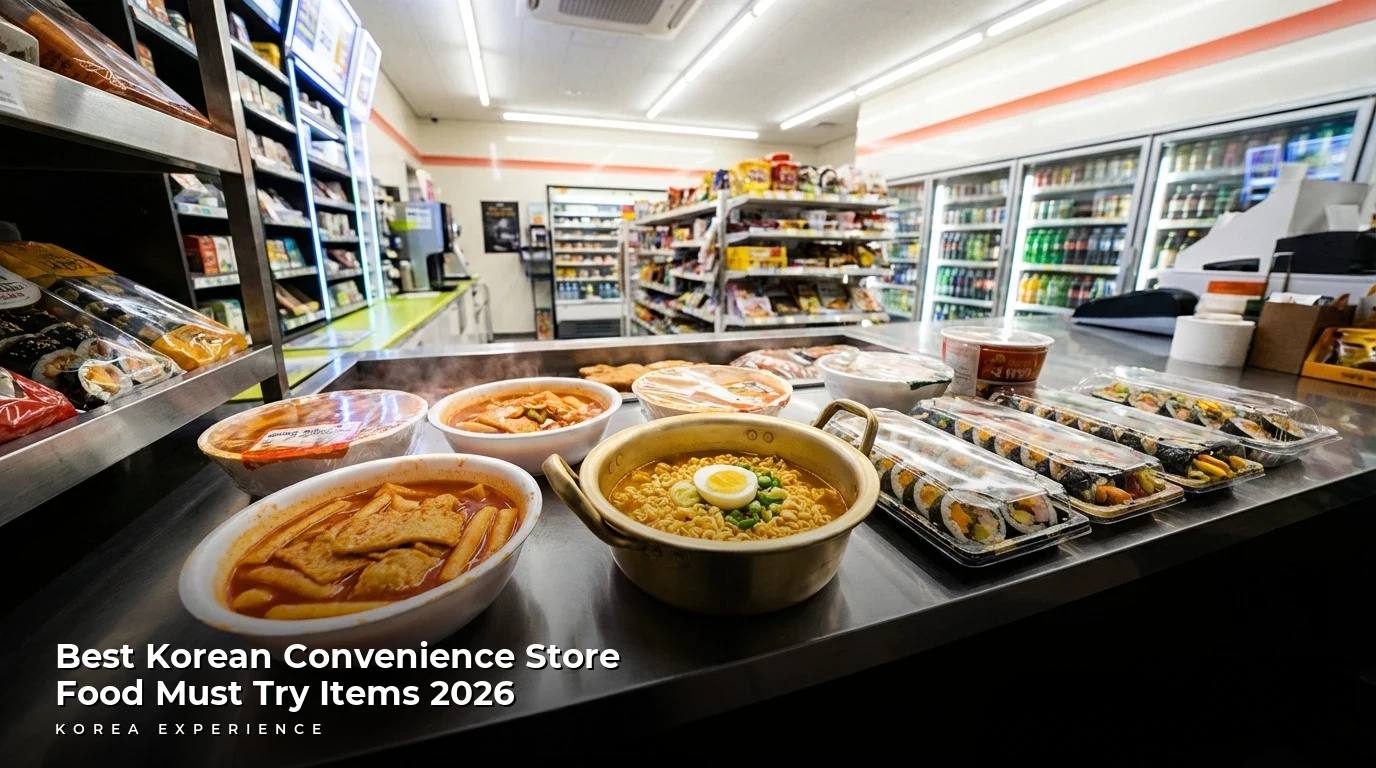
Korean convenience stores, locally known as "pyeonuijeom," are far more than just quick stops for water or gum. By 2026, they have evolved into culinary destinations in their own right, forming the backbone of Korea's fast-paced dining culture. With over 57,000 locations nationwide—roughly one store for every 900 residents—you are never more than a 5-minute walk from a gastronomic adventure. Whether you are looking for a budget-friendly lunch, a midnight snack, or the latest viral dessert, stores like CU, GS25, 7-Eleven, and Emart24 offer high-quality options that rival fast-casual restaurants.
For more details, check out our guide on 50 Must Try Korean Foods Complete Guide.
For more details, check out our guide on Korean Convenience Store Hacks Viral Recipes 2026 Guide.
You might also enjoy our article about Korean street food guide 30 foods to try.
You might also enjoy our article about Best food apps for English speakers TableCheck vs CatchTable.
For international travelers, navigating the shelves can be overwhelming. The inventory changes rapidly, with new collaborations and seasonal items launching weekly. This guide cuts through the noise to bring you the definitive list of must-try items for 2026, backed by local insights and practical data.
Key Takeaways
- 1Convenience store meals (Dosirak) average ₩5,500 ($4.20), offering a complete meal at 30% the cost of a restaurant.
- 2Look for '2+1' or '1+1' tags on shelves to get free items, effectively reducing unit prices by 33-50%.
- 3The 'Yonsei Milk Cream Bread' and 'Omori Kimchi Stew Ramyeon' remain the top two must-try items in 2026.
The "Big Three" Ecosystem: CU, GS25, and 7-Eleven
Before diving into specific foods, it is crucial to understand the landscape. In 2026, the rivalry between the major franchises has intensified, leading to exclusive partnerships with celebrity chefs and bakeries. While they all sell essentials, their food specialties differ significantly.
CU (BGF Retail) is currently the leader in dessert trends and collaborations with celebrity chef Baek Jong-won. GS25 is renowned for its premium "Hye-ja" bento boxes and exclusive "Omori" ramen series. 7-Eleven excels in global imports and ready-to-eat hot snacks.
Convenience Store Franchise Comparison 2026
| Feature | CU | GS25 | 7-Eleven |
|---|---|---|---|
| Best For | Desserts & Baek Jong-won Meals | Premium Ramen & Bento | Global Snacks & Hot Bar |
| Top Exclusive | Yonsei Cream Bread | Omori Kimchi Stew | Fudgy Brownie Cookie |
| App Name | Pocket CU | Our Neighborhood GS | 7-Eleven KR |
📊 Market Saturation
1. The Ramyeon Revolution: Instant Noodles
Ramyeon is the soul of the Korean convenience store. In 2026, the trend has shifted from extreme spice to "gourmet instant," featuring real retort pouches of soup and meat rather than just powder. The average calorie count for a premium cup is around 480-550 kcal, and prices range from ₩1,800 to ₩2,800 ($1.35 - $2.10).
Must-Try Ramyeon Varieties
- Omori Kimchi Stew Ramyeon (GS25 Exclusive): This is widely considered the gold standard. Unlike standard noodles, it includes a pouch of real, fermented kimchi. The broth is tangy, deep, and moderately spicy.
- Shin Ramyun The Red: A 2025 hit that stayed popular, offering a cleaner, spicier kick than the original.
- Cream Jin Jjamppong: A seafood-based noodle with a creamy, carbonara-like twist that neutralizes the heat, perfect for those with lower spice tolerance.
Pro Tip: The Hangang Machine
Don't just add hot water. Use the "Instant Boiler" machines found in most stores (especially near parks). They cost about ₩4,000 for the noodle+bowl combo and cook the noodles at exactly 100°C for 3 minutes and 30 seconds for the perfect "chewy" texture.
2. Dosirak (Bento Boxes): The $4 Feast
The "Dosirak" has transcended being a cheap substitute for a meal; it is now a nutritionally balanced option. As of 2026, inflation has pushed restaurant lunch prices in Seoul to over ₩12,000 ($9.00), making the ₩5,000 ($3.80) convenience store bento an economic lifesaver for travelers and locals alike.
Most boxes contain rice, a main protein (bulgogi, spicy pork, or tonkatsu), and 3-4 side dishes (banchan) like kimchi, rolled omelets, or stir-fried anchovies.
💵 Lunch Cost Comparison (Seoul 2026)
Sit-down service, refillable sides
Ready in 2 mins, 800kcal
Top Picks
- Kim Hye-ja Lunch Box (GS25): Known as "Mother's Touch," these boxes are famous for generous portions. The Stir-fried Spicy Pork is a bestseller.
- Baek Jong-won Series (CU): Curated by Korea's most famous chef, these focus on intense, savory flavors. The 12-Side-Dish box is a massive hit.
📖 How to Eat a Dosirak Like a Local
Step 1: Check the Lid
Read the label. Most lids must be removed before microwaving to prevent melting.
Step 2: Microwave
Place in the store microwave. 1 minute 40 seconds is usually the sweet spot for a hot meal that doesn't dry out the rice.
3. Samgak Gimbap (Triangle Rice Balls)
For a snack on the go, nothing beats Samgak Gimbap. Selling over 500,000 units daily across Korea, these triangular seaweed-wrapped rice balls cost between ₩1,100 and ₩1,600 ($0.85 - $1.20). They are designed so the crispy seaweed (gim) stays separated from the moist rice until you open the wrapper.
Flavor Recommendations:
- Jeonju Bibimbap: Spicy rice mixed with gochujang and vegetables.
- Tuna Mayo: The undisputed king of sales—mild, creamy, and savory.
- Spam & Kimchi: A salty, spicy combination that pairs perfectly with cup ramyeon.
"Many tourists struggle with the wrapper. Pull the tab labeled '1' straight down until it rips the bottom. Then, gently pull corner '2', followed by corner '3'. If you hesitate, the seaweed tears!"
4. The "Pouch Drink" Culture & Ice Cups
In the humid Korean summer, or even the dry winter, the "Ice Cup" freezer is an oasis. You buy a sealed cup of ice (approx. ₩700 / $0.50) and a pouch drink (approx. ₩1,200 - ₩1,800 / $0.90 - $1.35) to pour over it.
The variety in 2026 is staggering. Beyond standard Americanos, you will find:
- Zero-Sugar Peach Iced Tea: The 2026 health trend.
- Blue Lemonade: A sweet-tart classic with a neon blue hue perfect for photos.
- Highball Pouches: Yes, alcoholic cocktails (7-9% ABV) are now sold in pouches for around ₩4,500 ($3.40).
📋 Drink Station Facts
5. Viral Desserts: The Cream Bread Craze
Since 2023, Korea has been obsessed with "cream-filled" pastries, and this trend has matured into a staple by 2026. The competition is fierce, meaning the quality is bakery-level.
Yonsei Milk Cream Bread (CU): This item is legendary. It is a soft bun filled with an absurd amount of fresh whipped cream.
- Price: ₩3,400 ($2.60)
- Calories: ~400-450 kcal
- Flavors: Pure Milk, Choco, Melon, and the 2026 seasonal "Pistachio."
Yakgwa Cookies (GS25/CU): A fusion of traditional Korean honey cookies (Yakgwa) pressed into a modern soft cookie with cream cheese filling. It is dense, chewy, and extremely sweet.
Availability Warning
These viral items, especially the Yonsei Bread, sell out by 2:00 PM in busy districts like Hongdae or Myeongdong. Use the 'Pocket CU' app to check inventory stock maps nearby.
6. Hot Bar & "Mark's Meal"
The "Hot Bar" section near the register features sausages, corn dogs, and chicken skewers kept under heat lamps or refrigerated for microwaving. The average price is ₩2,000 - ₩3,000 ($1.50 - $2.25).
However, the true pro move is combining items to create "Mark's Meal" (named after GOT7's Mark). Despite being years old, this recipe remains a rite of passage for K-pop fans visiting Korea.
Ingredients for Mark's Meal:
- Spaghetti Cup Ramyeon (Ottogi brand)
- Tteokbokki (Instant cup)
- Frank Sausage
- String Cheese
Making Mark's Meal
Cook Basics
Pour hot water into the Spaghetti and Tteokbokki cups. Drain the spaghetti water after 3 mins.
Combine
Dump the noodles into the Tteokbokki cup. Add the sauce packets from both.
Top It
Cut the sausage into bites. Lay string cheese on top.
Melt
Microwave for 1 minute until cheese bubbles. Mix and enjoy.
7. Featured Location: The Hangang Ramyeon Experience
While you can eat at any store, the quintessential experience is at the Han River (Hangang) parks.
GS25 Hangang Yeouido 2(GS25 한강여의도2호점)
Practical Tips for Travelers
Payment Methods
As of 2026, Korean convenience stores are hyper-modern.
- Cards: International Visa/Mastercards are accepted everywhere.
- T-Money: The transport card you use for the subway can also pay for snacks.
- Cash: Still accepted, but automated "unmanned" stores at night may only take cards.
The "1+1" and "2+1" Rule
You will see colorful tags on shelf rails.
- 1+1: Buy one, get one free (50% off).
- 2+1: Buy two, get one free (33% off).
- Note: You must bring all items to the counter. If you buy a 2+1 drink but only bring two, the cashier will often tell you to go get the third one.
Convenience Store Dining
- ✓Open 24/7 (mostly)
- ✓Incredibly cheap (Meal < $5)
- ✓High hygiene standards
- ✓No tipping required
- ✗High sodium content
- ✗Limited seating in small stores
- ✗Rapid stock turnover (favorites disappear)
- ✗Plastic waste
Frequently Asked Questions
❓ Frequently Asked Questions
Have more questions?Contact us →
Whether you are grabbing a quick Samgak Gimbap before a train ride or sitting down for a full Ramyeon meal by the Han River, Korean convenience stores offer a unique, tasty, and affordable window into local life. Don't be afraid to try the weirdest flavor you see—it might just be your new favorite.
About the Author
Korea Experience Team
Written by the Korea Experience editorial team - experts in Korean medical tourism, travel, and culture with years of research and firsthand experience.
Explore more in Food & Dining
Korean BBQ, street food, Michelin restaurants, and regional specialties — your ultimate guide to eating well in Korea.
Browse All Food & Dining ArticlesContinue Reading
Explore more articles you might find interesting
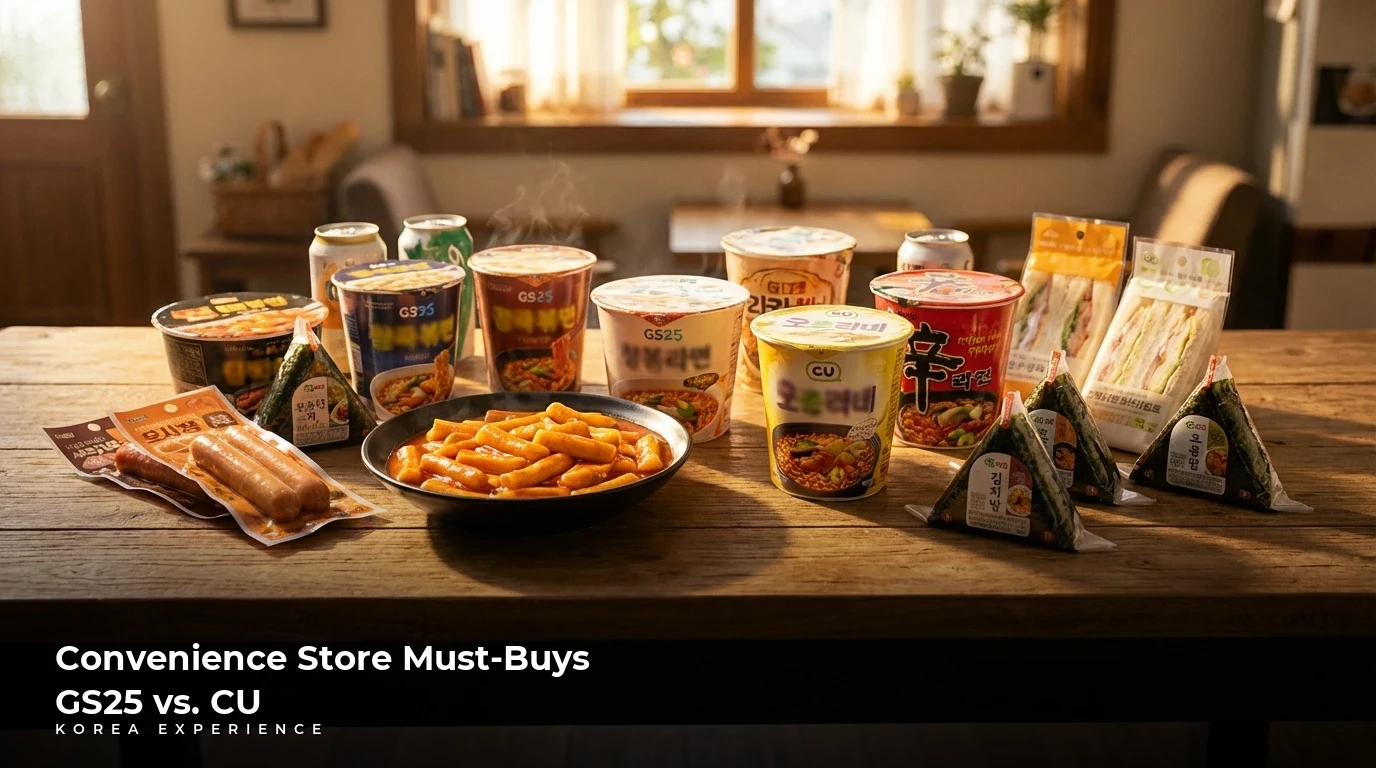
Discover why GS25 rules for meals while CU dominates desserts in 2026. With 60,000 stores and 4,500 KRW meals, find out which chain fits your craving.
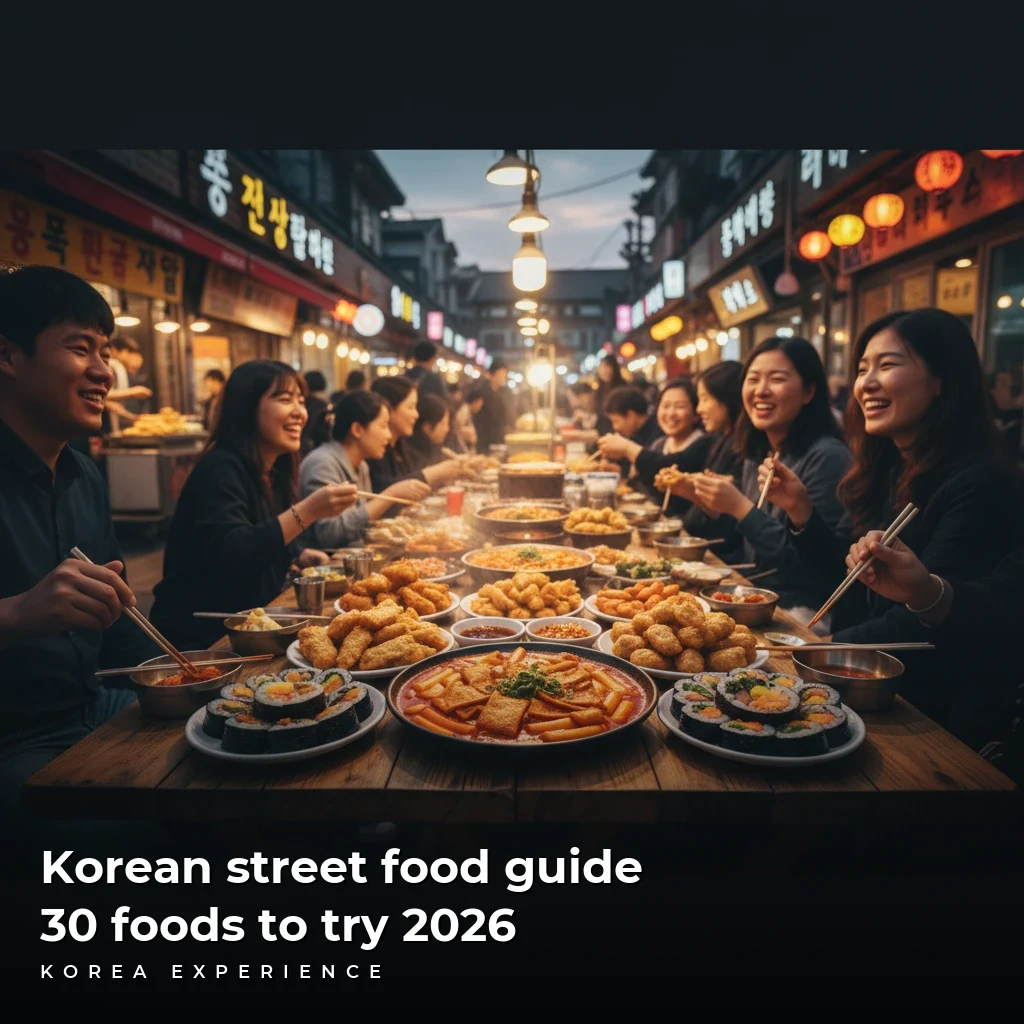
Discover the ultimate list of 30 must-try Korean street foods for 2026, from classic spicy rice cakes to trendy fusion snacks, with prices and local tips.
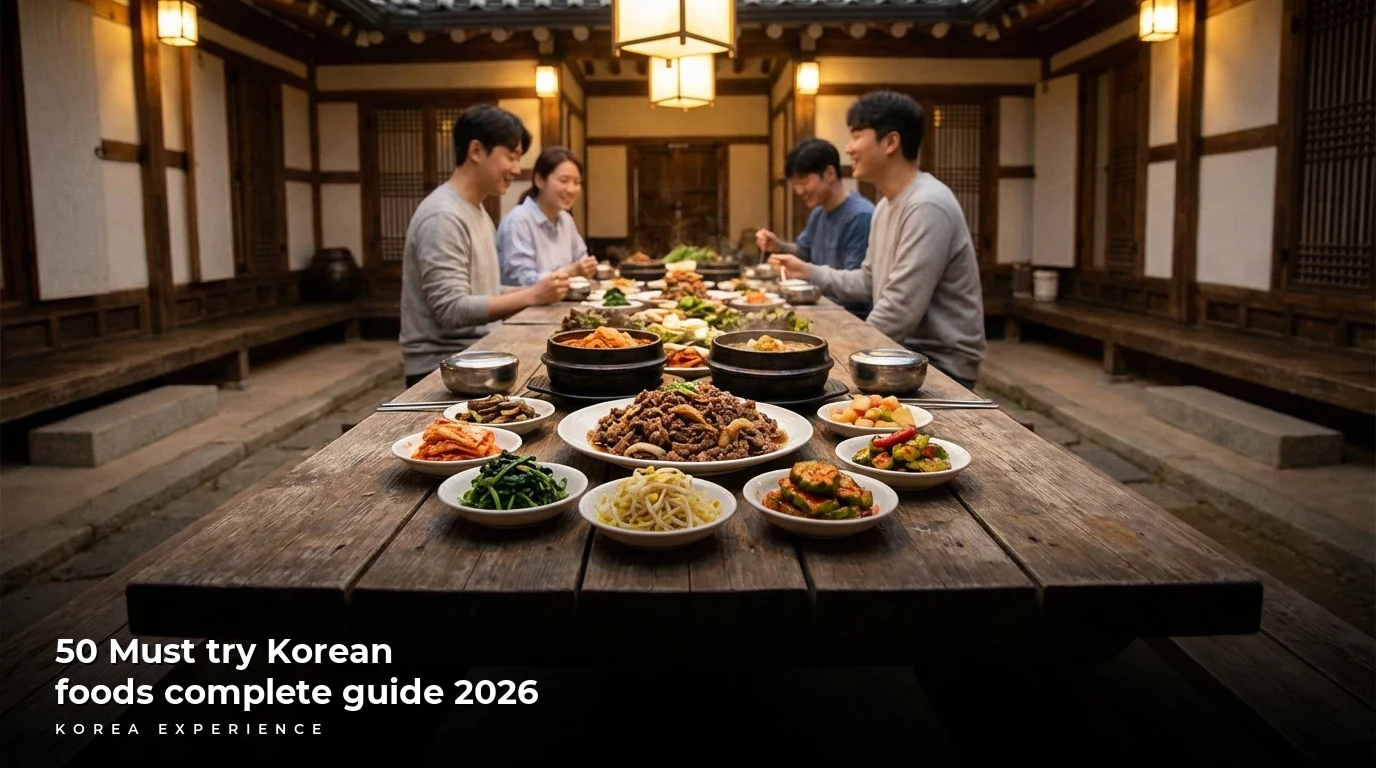
Discover the ultimate checklist of 50 essential Korean dishes, from street food to royal cuisine, including prices, spicy levels, and best spots for 2026.
Master Korean cooking with our 2026 guide to essential pantry items. Discover the must-have sauces, spices, and ingredients for authentic flavors.
The ultimate guide to street food in Seoul for 2026. Discover prices, best markets like Gwangjang, and must-eat snacks from hotteok to tteokbokki.
The ultimate 2026 guide to Innisfree in Korea. Discover the top 15 must-buy products, flagship store locations in Myeongdong and Seongsu, and tax refund tips.