Mastering the Pour: The Ultimate 2026 Guide to Korean Drinking Etiquette
Master the two-hand tuck and polite turn. Learn why soju costs 7,000 KRW in 2026 and how to avoid the 50% refill rule mistake in this essential guide.
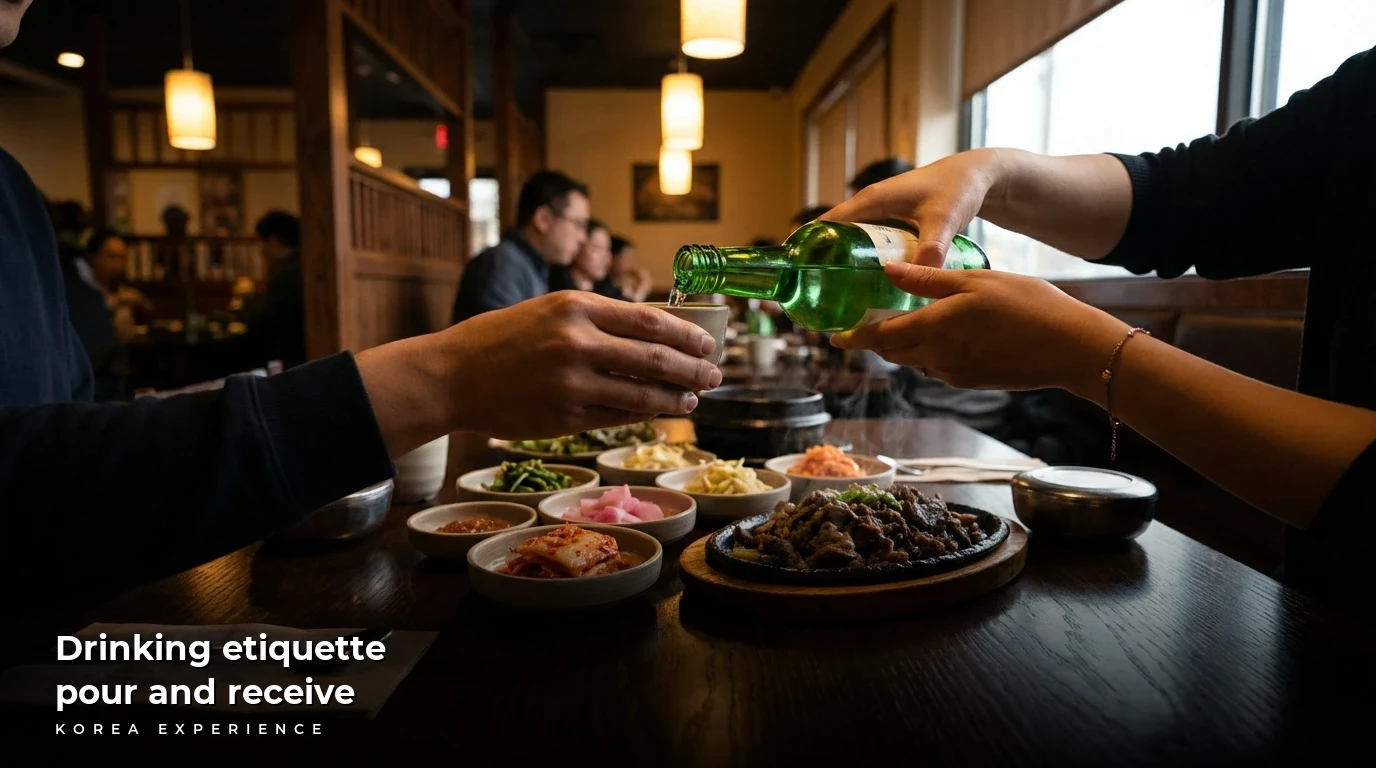
So, you’re in Seoul. The neon lights are humming, the smell of grilled pork belly (Samgyeopsal) is wafting through the air, and you’ve just sat down with your new Korean friends or colleagues. A green bottle appears. What do you do?
The short answer is: Freeze. Do not grab that bottle with one hand like you’re at a casual backyard barbecue. In Korea, drinking isn’t just about the alcohol; it’s a language. It’s a social currency. The way you handle that bottle tells everyone at the table exactly how much you respect them. If you pour with one hand for the CEO, you might as well have slapped him. Okay, that’s an exaggeration, but you will create an awkward silence.
In 2026, the rules are slightly more relaxed than they were twenty years ago, but the core "Two-Hand Rule" remains absolute. Whether you are pouring or receiving, get that second hand involved. It shows you care. It shows you’re present. And honestly? It’s the fastest way to make a local say, "Wow, you really know Korea!"
Key Takeaways
- 1The short answer is: Use two hands. Whether pouring or receiving, using two hands is the non-negotiable golden rule of respect that signals you are honoring the relationship.
- 2The most important stat: 50% Rule. Unlike Western cultures where we top off, in Korea (specifically with soju), you generally wait until the glass is fully empty before refilling.
- 3Actionable advice: Look for the Maknae (youngest). If you are the youngest, your main gig is ensuring the eldest person’s glass never stays dry.
📋 Quick Facts
The Background Story
You might be wondering, "Why is this so complicated? Can't we just drink?" Well, blame the ancestors. This whole system is rooted in Confucianism, which is basically the operating system of Korean society. Confucianism loves hierarchy—Elder vs. Younger, Senior vs. Junior, Boss vs. Employee. Alcohol was historically considered a "sacred" drink, used in rites to honor ancestors, so the etiquette around it had to be formal.
Back in the day, you would hide your drinking from elders because showing your intoxicated face or teeth was considered rude. That’s where the "turn away" move comes from. Fast forward to the modern era. The "Green Bottle" soju we know today really took over in the 1970s when the government banned using rice for alcohol due to food shortages. Makers switched to sweet potatoes and tapioca, creating a cheap, high-alcohol spirit. It fueled the rapid industrialization of Korea. Workers would finish a 14-hour shift and bond over cheap soju. The etiquette kept the social fabric tight even when everyone was falling-over drunk.
By 2026, things have shifted. We have "Zero Sugar" soju (thanks, Saero!) because everyone is health-conscious now. We have "Highballs" taking over convenience stores. But that ancient respect? It hasn't gone anywhere. For a broader look at the rules, check out our guide on Korean Drinking Etiquette 2026.
Breaking Down Your Options
So you’re staring at the menu. What are we drinking?
Option A: Soju (The Green Bottle) This is the default. It’s cheap (though prices have jumped to around 7,000 won in restaurants recently), it’s everywhere, and it gets the job done. It tastes like a slightly sweeter, watered-down vodka. In 2026, the "Zero Sugar" versions are dominant because they have fewer calories and supposedly a cleaner taste. According to Lotte Chilsung reports, the Zero Sugar market now commands a 25% share of the total soju market.
- Best for: BBQ dinners, getting drunk fast, heavy conversations.
Option B: Maekju (Beer) Korean beer (Cass, Terra, Kelly) is light, fizzy, and designed to wash down grease. It’s not about complex hops; it’s about refreshment.
- Best for: Fried Chicken (Chimaek), or mixing with Soju to make Somaek.
Option C: Makgeolli (Rice Wine) This is the traditional farmer’s wine. It’s milky, sweet, and carbonated. It usually comes in bowls, not glasses. The etiquette is slightly more relaxed—you can hold the bowl with one hand if you're with friends, but two hands is still safer with elders.
- Best for: Rainy days (tradition dictates you eat pancakes and drink Makgeolli when it rains).
Soju Introduced
Distillation techniques arrive during the Goryeo Dynasty via Mongol invaders, establishing the base spirit.
The Ethanol Shift
Grain shortages lead the government to ban rice for alcohol; soju becomes diluted ethanol (the green bottle era begins).
Fruit Soju Craze
Brands launch grapefruit and citron flavors (Sunhari), making soju massive with younger demographics and tourists.
The Retro Wave
Jinro "Is Back" (the blue bottle) launches, capitalizing on nostalgia and a slightly smoother taste.
Zero Sugar Boom
Lotte launches "Saero" (Zero Sugar), changing the market landscape for health-conscious drinkers.
Price Hike Crisis
Restaurant soju prices hit the 7,000 KRW mark in Seoul, leading to a rise in "Home-sul" (drinking at home).
The Highball Era
Canned Highballs and whiskey mixes overtake craft beer in convenience store popularity; etiquette relaxes slightly for mixed drinks.
Comparing the Drinks
To help you navigate the menu, here is a breakdown of the most common alcohol types you will encounter in Seoul.
| Feature | Soju (Standard) | Maekju (Beer) | Makgeolli (Rice Wine) | Somaek (The Mix) |
|---|---|---|---|---|
| Cost (Restaurant) | ₩6,000 - ₩8,000 | ₩6,000 - ₩9,000 | ₩5,000 - ₩12,000 | Combined Cost |
| ABV | 16-20% | 4.5-5% | 6-8% | Variable |
| Hangover Risk | High (Soju Headache) | Low | Medium (sediment) | Severe (Blackout) |
| Etiquette Level | Strict (Two hands) | Moderate | Relaxed (Bowls) | Chaotic |
| Best For | Heavy BBQ, bonding | Fried Chicken | Rainy days, Jeon | Party starter |
| 2026 Trend | Zero Sugar dominance | Canned Highballs | Premium craft rising | King of Hoesik |
The Stuff Nobody Tells You
Here are the hacks that will save your life (and liver).
The "Black Knight" (Heuk-gisa) If you are a lightweight and you absolutely cannot drink another drop, but the pressure is on, you can ask a friend to be your "Black Knight." If they drink your shot for you, you owe them a wish. Use this wisely!
The Hangover Cure Economy Walk into any CU or GS25 (convenience store) and you will see a shelf of small brown bottles. These are hangover cures (Condition, Dawn 808, Morning Care). They cost about 5,000 to 10,000 KRW ($3.75 - $7.50 USD). Do they work? Look, placebo or not, Koreans swear by them. Drink one before you start drinking. Trust me.
The "Bottom of the Bottle" There is a superstition that the last drops of the bottle bring good luck. If someone pours the very last drop into your glass, you should be happy! It’s considered a blessing.
Budgeting for Your Night Out If you are planning your expenses, keep these 2026 price points in mind. For a deeper dive into food costs, read our Seoul Street Food Prices 2026 guide.
- Gangnam Club Table: ₩350,000+ ($260+) - Luxury VIP service with vodka/champagne.
- Hongdae Hip Bar: ₩15,000 ($11) - Per cocktail or craft beer; trendy vibe.
- Convenience Store: ₩3,000 ($2.25) - 1 bottle of Soju + 1 Cup Noodle. The "4 cans of beer for 11,000 won" deal is legendary.
Pros
- ✓Instant Respect: Nothing impresses a Korean host more than a foreigner who knows to turn their head when drinking with an elder.
- ✓Deep Bonding: The ritual of pouring for each other forces interaction. You literally cannot drink alone at a communal table.
- ✓Free Service: Polite guests often get "Service" (free food or drinks) from owners who like the vibe.
Cons
- ✗The Pace is Brutal: Because you cannot pour your own drink, it is very easy to lose track of how much you have had.
- ✗Hierarchy Stress: If you are the youngest, you barely get to eat. You are constantly scanning for empty glasses.
- ✗The Refusal Struggle: Rejecting a drink from a superior is culturally tricky and requires careful navigation.
Where to Practice Your Skills
If you want to test your new etiquette skills, here are two highly recommended spots in Seoul.
1. Manseon Hof (Euljiro)
- Type: Beer Hall / Pocha Street
- Address: 19 Eulji-ro 13-gil, Jung-gu, Seoul
- Highlights: Nogari Alley atmosphere, plastic outdoor tables, Garlic Fried Chicken.
- Insider Tip: Go at 7 PM to grab a table outside; the "Nogari" (dried fish) costs only 2,000 won.
2. Woolraeoak (Jung-gu)
- Type: Korean BBQ / Pyongyang Naengmyeon
- Address: 62-29 Changgyeonggung-ro, Jung-gu, Seoul
- Highlights: Legendary Bulgogi, Michelin Guide listed, Traditional interior.
- Insider Tip: This is a formal spot—perfect for practicing your "two-hand pour" etiquette with older guests. For more high-end dining tips, see our Michelin Reservation Guide.
📖 The Art of the Perfect Pour & Receive
Step 1: Step 1: The Setup
Before a drop is spilled, figure out the age hierarchy. If you do not know ages, assume anyone who looks senior to you is senior.
Step 2: Step 2: Receiving the Drink
When someone pours for you, stop what you are doing. Pick up your glass with your right hand. Place your left hand palm-down under your right elbow or wrist.
Step 3: Step 3: The Toast and The Turn
After "Gunbae!" (Cheers), if drinking with an elder, turn your upper body and head away from them. Cover the mouth of the glass with your left hand and sip discreetly.
Step 4: Step 4: The Return Pour
Never let an elder’s glass sit empty. Pick up the bottle with your right hand, support with your left, and cover the label. Pour until 80-90% full.
Here is the secret nobody tells tourists: If you really can't drink anymore, don't empty your glass. In Korea, an empty glass is an invitation—actually, a demand—to be refilled. If you leave your glass half-full, people won't pour more. It’s the only shield you have!
No Korean Phone/ARC? Here's What To Do
If you are a tourist in 2026, ordering delivery food (and alcohol!) is a nightmare because apps like Baemin require a Korean ID (ARC).
The Solution: Download Shuttle Delivery.
- It is the only major app that fully accepts foreign credit cards and doesn't require a Korean phone verification for every order.
- You can order Soju, Beer, and late-night fried chicken directly to your hotel or Airbnb.
- Uber Eats does NOT work in Korea (it withdrew years ago).
- Coupang Eats usually requires a local number. Stick to Shuttle or ask your hotel concierge to order via the "phone-call method" for you.
For a full guide on food delivery, check out How to Order on Baemin Without an ARC.
❓ Frequently Asked Questions
Have more questions?Contact us →
Conclusion
So, here is your game plan for tonight.
Walk into that BBQ joint. When the soju arrives, let the oldest person crack it open. Hold your glass with two hands like it’s a precious jewel. Turn your head when you drink. And for the love of everything holy, keep an eye on your neighbor's glass. If it’s empty, fill it.
If you do these three things, you won't just be a tourist; you'll be a welcome guest. Now, go out there and Gunbae with confidence!
Sources
- Korea JoongAng Daily - Soju price history and inflation data.
- Visit Korea (Official Tourism) - Shuttle Delivery and foreigner services.
- Statista/Local News - Restaurant alcohol pricing trends 2025-2026.
- 10 Magazine - Hangover cure product details.
- Korea Herald - Gen Z drinking trends and wine culture shifts.
About the Author
Korea Experience Team
Written by the Korea Experience editorial team - experts in Korean medical tourism, travel, and culture with years of research and firsthand experience.
Explore more in Food & Dining
Korean BBQ, street food, Michelin restaurants, and regional specialties — your ultimate guide to eating well in Korea.
Browse All Food & Dining ArticlesContinue Reading
Explore more articles you might find interesting
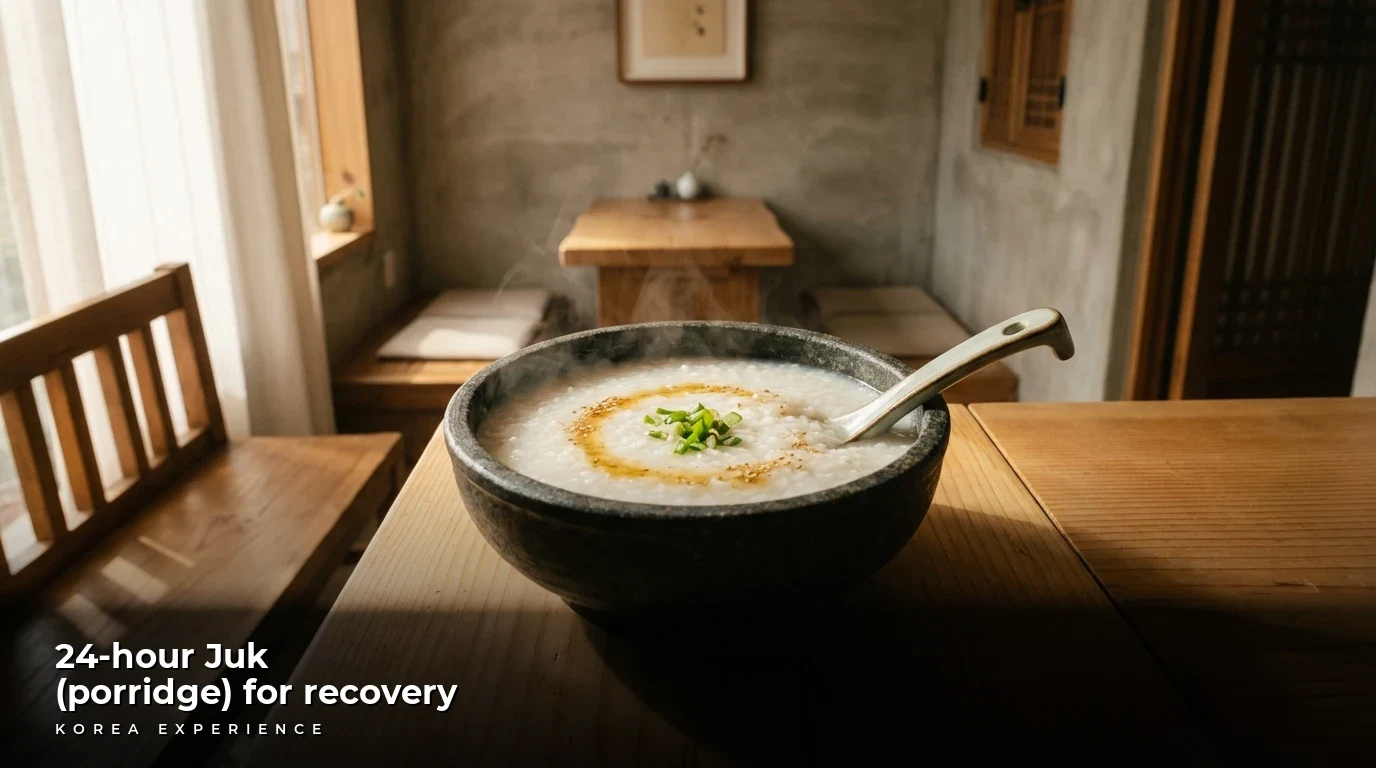
Bonjuk closes at 9 PM but 50,000 convenience stores offer premium 4,500 KRW abalone porridge for 3 AM hangovers and surgery recovery in Seoul.
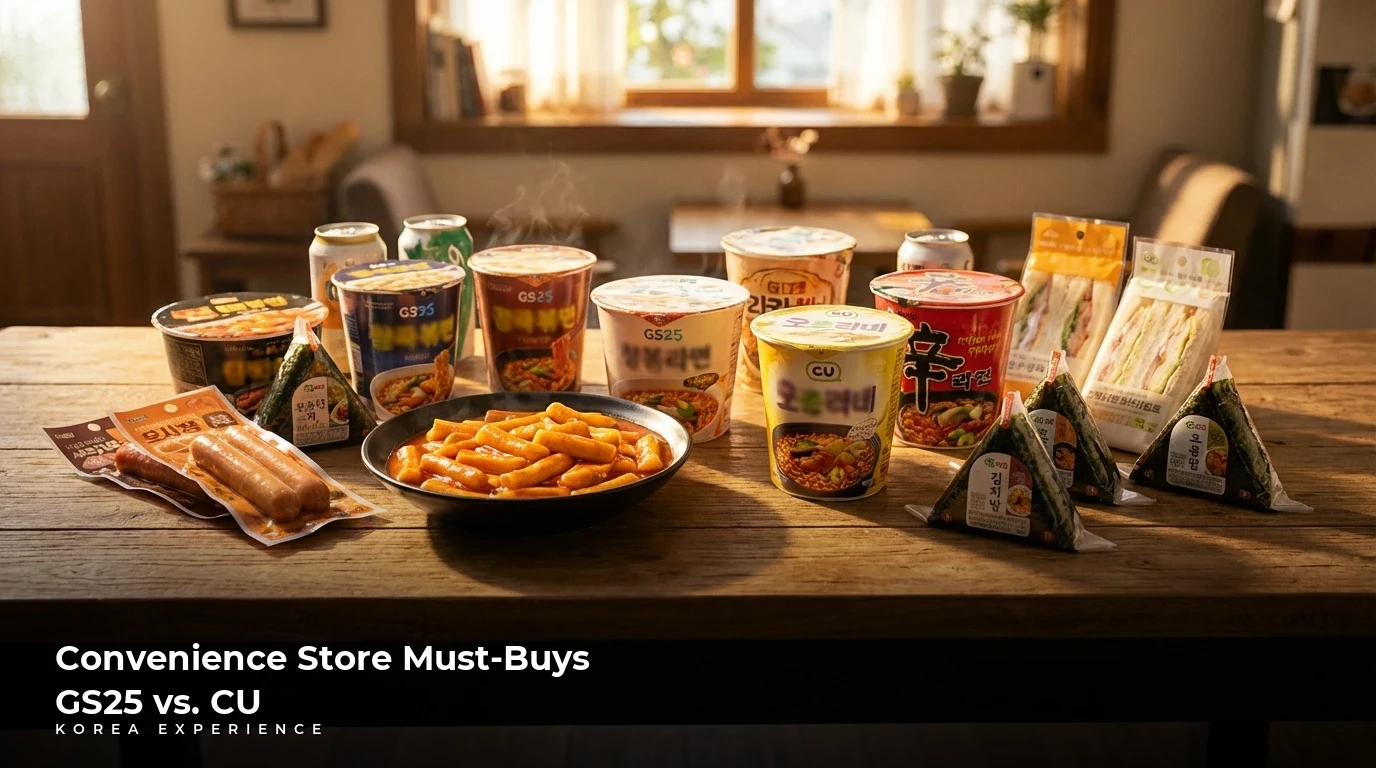
Discover why GS25 rules for meals while CU dominates desserts in 2026. With 60,000 stores and 4,500 KRW meals, find out which chain fits your craving.
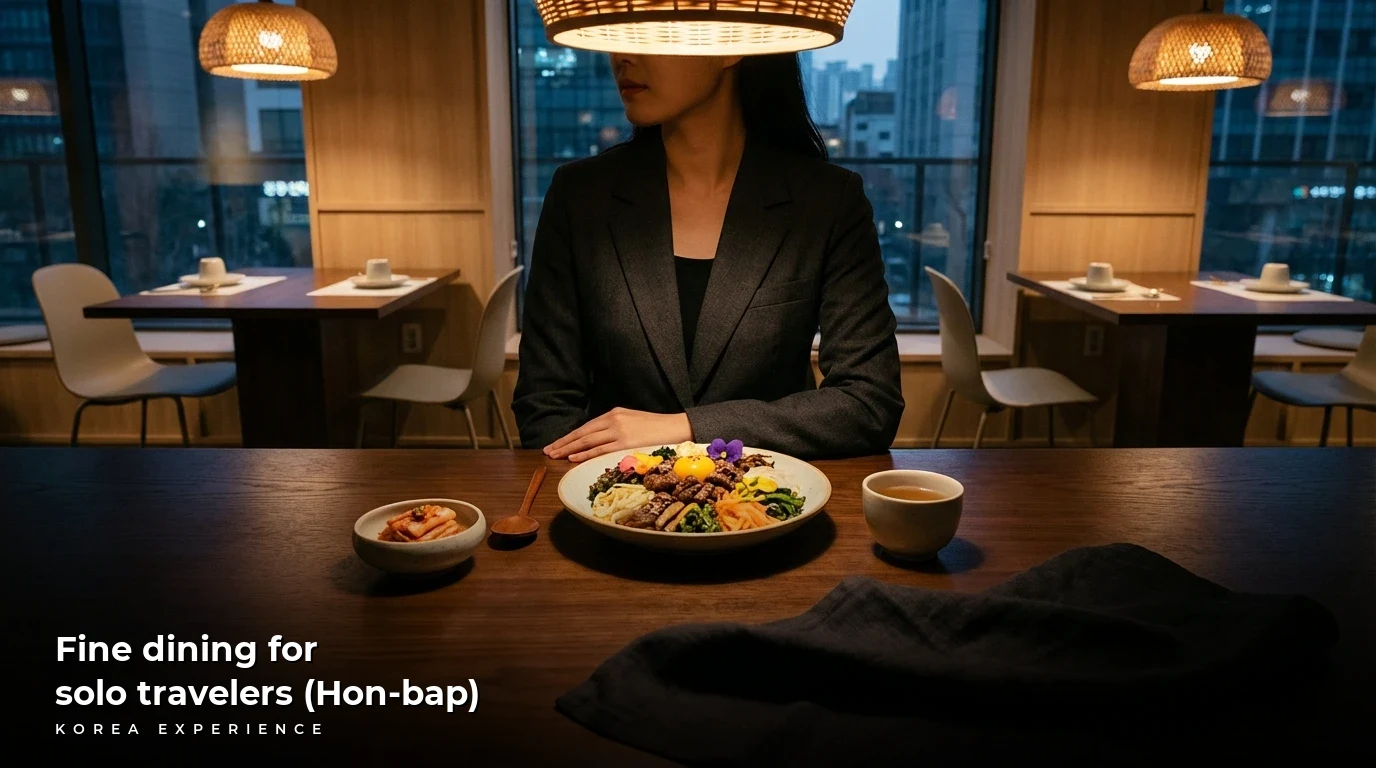
Master Seoul solo dining in 2026 where 36.1% of households are single. Book Michelin spots like Mosu and enjoy Hanwoo beef without feeling awkward.
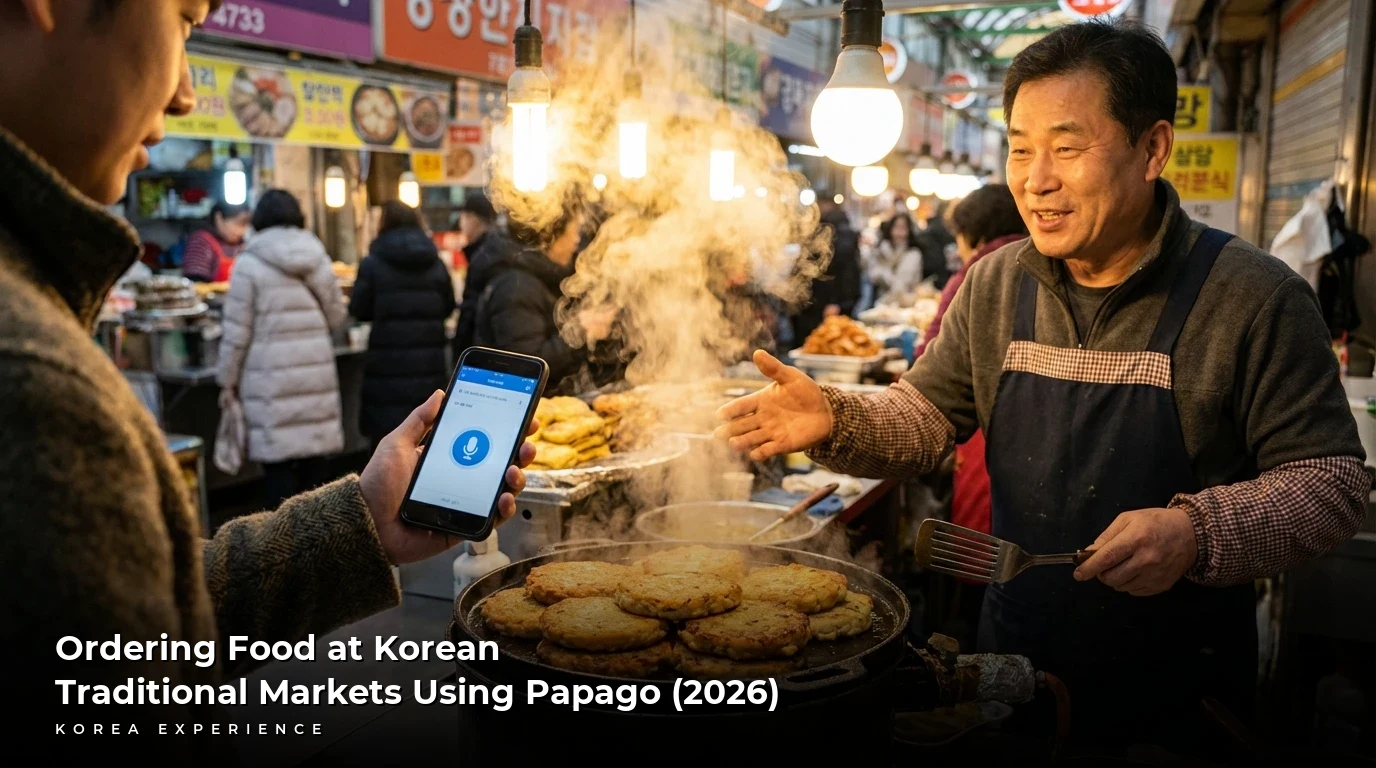
So, you want to dive into the sizzling world of Gwangjang or Namdaemun without the lost in translation panic?
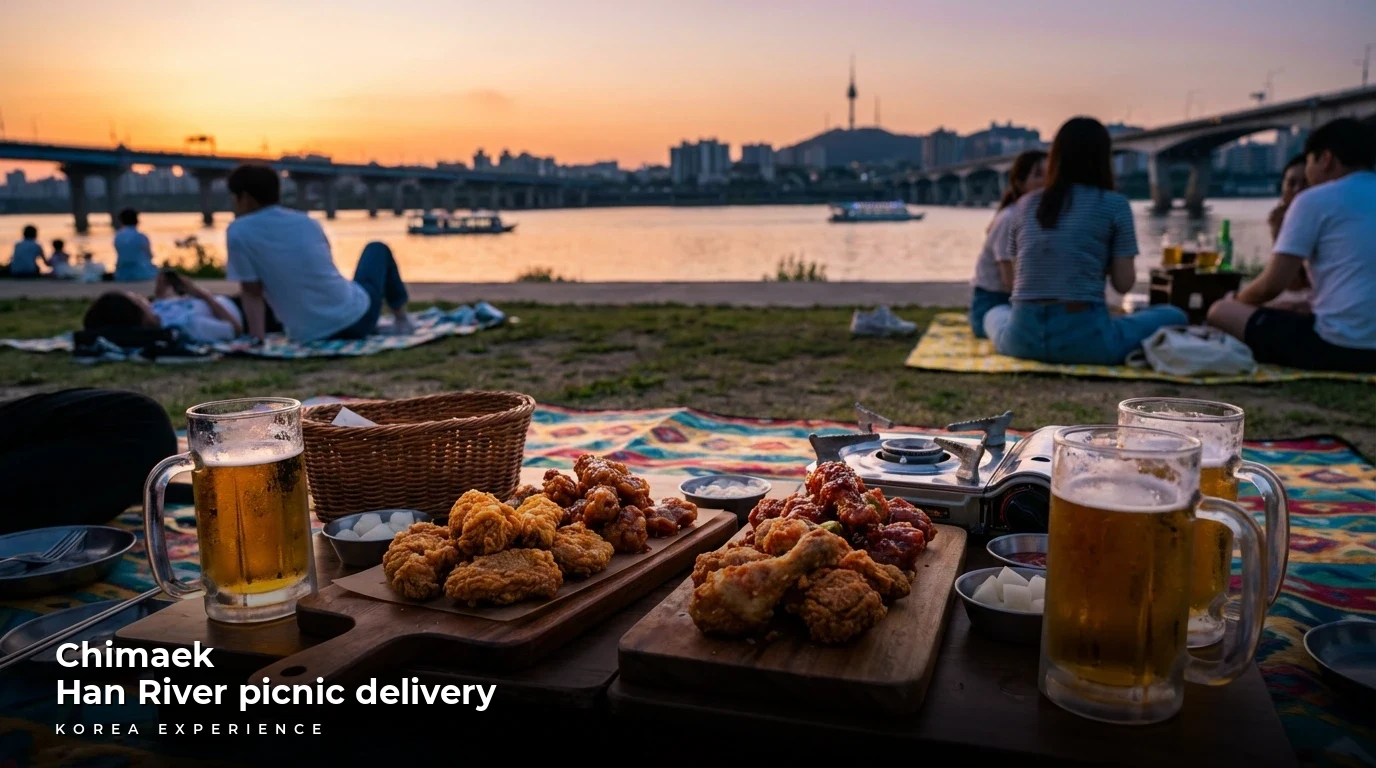
Master Han River delivery in 2026 with our guide to Baemin and Shuttle apps. Learn how to find zones, pay 25,000 KRW for chicken, and handle reusable containers.
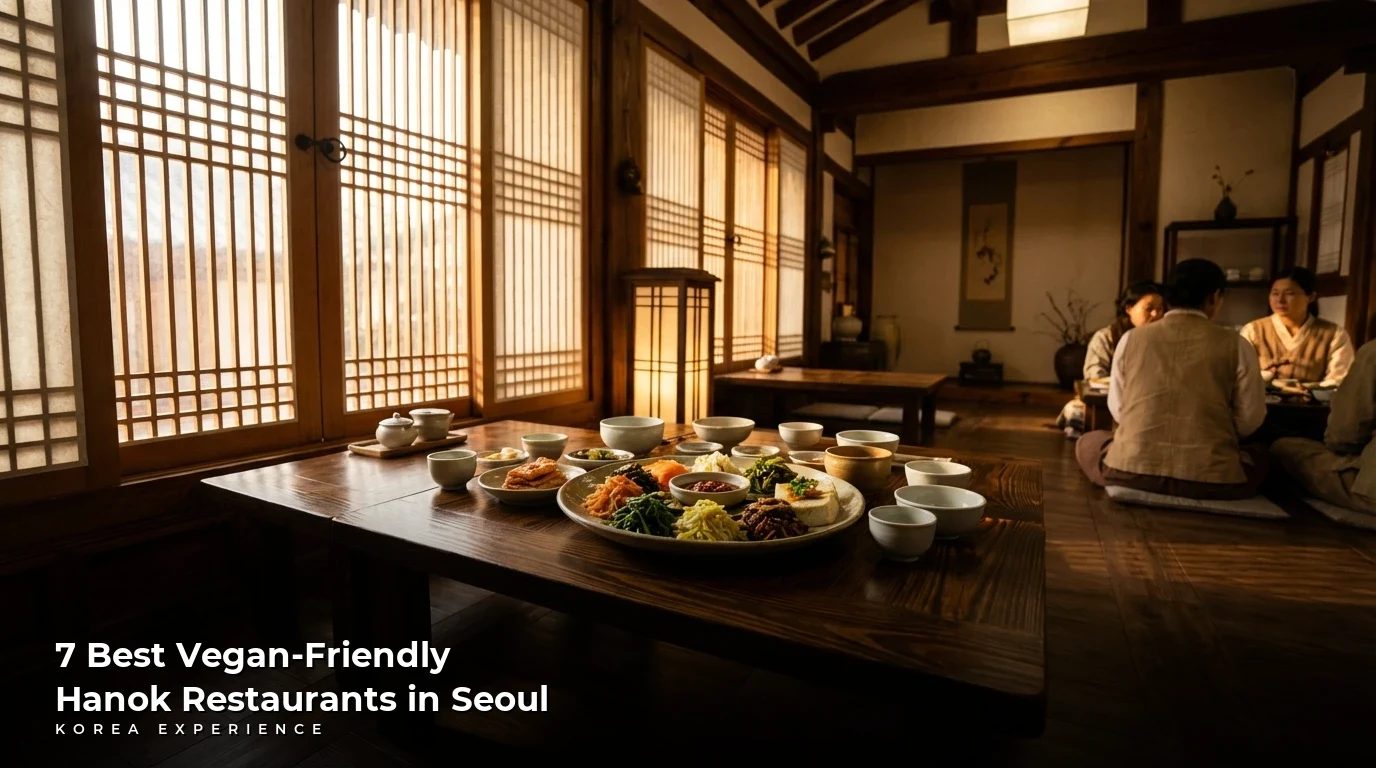
Seoul has perfectly blended its 600-year-old temple food traditions with a trendy 'Newtro' Hanok revival.