Telemedicine for International Patients: Korea Follow-Up Care
Explore Korea's advanced telemedicine options for international patients, ensuring seamless follow-up care wherever you are
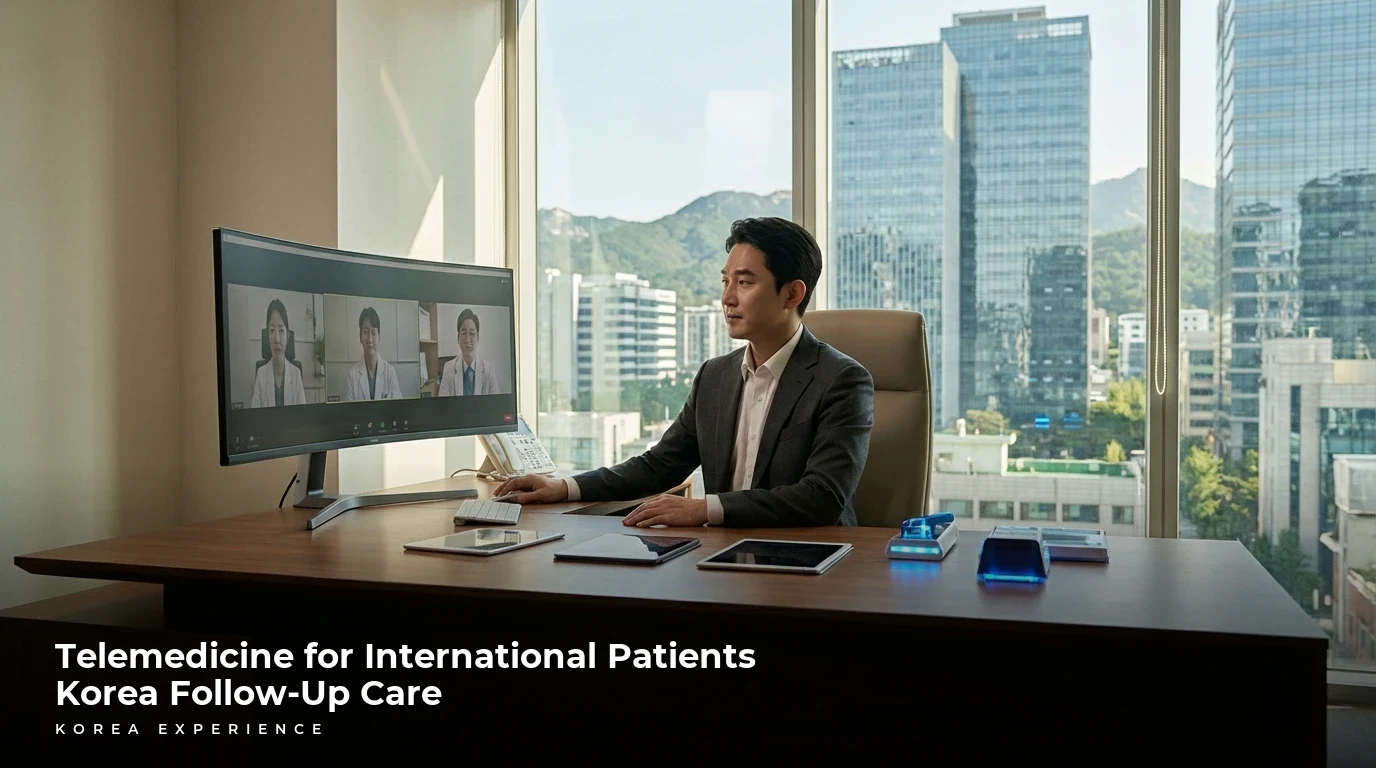
Follow-Up Care for International Patients Telemedicine Options in Korea
Korea has firmly established itself as a global leader in medical tourism, attracting hundreds of thousands of international patients annually for everything from complex surgeries to advanced aesthetic procedures. The country's world-class hospitals, highly skilled medical professionals, and cutting-edge technology offer unparalleled healthcare experiences. However, for many international patients, the journey doesn't end when they leave Korea. A critical component of successful medical treatment is comprehensive follow-up care for international patients telemedicine options.
The challenge often arises when patients return to their home countries. Distance, time zones, and the logistics of international travel can make in-person follow-up appointments impractical, costly, and inconvenient. This is where Korea's robust and rapidly evolving telemedicine landscape steps in, offering a vital bridge for continuous care.
This comprehensive guide is designed for international travelers and expats interested in or currently undergoing medical treatment in Korea. We will delve into the intricacies of follow-up care for international patients telemedicine options, exploring how these services ensure a seamless continuum of care, regardless of your geographical location. You'll learn about the types of services available, how to access them, costs, benefits, and practical tips to maximize your telemedicine experience.
Understanding the Need for Telemedicine in Korean Medical Tourism
The post-treatment phase is often as crucial as the treatment itself. Whether it's monitoring recovery from surgery, adjusting medication, interpreting test results, or simply answering post-procedure questions, consistent medical oversight is essential for optimal outcomes. For international patients, this phase presents unique hurdles:
- Geographical Distance: Flying back to Korea for every follow-up appointment is simply not feasible for most.
- Time Zone Differences: Scheduling appointments across continents can be a logistical nightmare.
- Language Barriers: While many major Korean hospitals offer interpreter services for in-person visits, finding adequate medical translation in one's home country for Korean-specific aftercare instructions can be difficult.
- Cost and Inconvenience: Travel expenses, visa requirements, time off work, and the physical toll of long-haul flights add significant burdens.
- Continuity of Care: Ensuring that the treating physician, who has the most comprehensive understanding of the patient's case, remains involved in the follow-up process is paramount.
Telemedicine effectively addresses these challenges by bringing expert Korean medical care directly to the patient's device, anywhere in the world. This approach not only enhances convenience but also significantly improves health outcomes by preventing potential complications and ensuring timely intervention.
Benefits of Telemedicine for International Patients
Embracing telemedicine for international patients offers a multitude of advantages that go beyond mere convenience, profoundly impacting patient safety, cost-effectiveness, and overall satisfaction.
Enhanced Continuity of Care
Telemedicine allows you to maintain direct communication with your primary Korean medical team. This ensures that the professionals who performed your surgery or managed your initial treatment can monitor your progress, review test results, and provide personalized advice, leveraging their in-depth knowledge of your specific case. This continuity is especially vital for complex or chronic conditions requiring long-term management.
Significant Cost Savings
Eliminating the need for international travel, accommodation, and associated expenses translates into substantial financial savings. Telemedicine consultations are typically more affordable than in-person visits, making high-quality follow-up care accessible without breaking the bank.
Unmatched Convenience and Accessibility
Receive expert medical advice from the comfort of your home, office, or any location with internet access. This eliminates travel time, waiting room delays, and the stress associated with navigating foreign healthcare systems or finding local specialists immediately after returning home. Telemedicine breaks down geographical barriers, making top-tier Korean medical expertise available globally.
Reduced Risk of Complications
Prompt access to medical advice allows for early detection and management of any post-treatment issues or complications. Instead of waiting weeks or months for a return trip, patients can get immediate professional opinions, potentially preventing minor issues from escalating into major health problems.
Greater Peace of Mind
Knowing that you have continued access to your treating physicians offers immense psychological comfort. It alleviates anxieties about post-operative recovery, medication adjustments, or any unexpected symptoms, providing reassurance that expert help is just a call or click away.
Efficient Use of Time
Telemedicine appointments are often more time-efficient, allowing patients to schedule consultations that fit their personal schedules without disrupting daily routines significantly. This is particularly beneficial for those with demanding jobs or family commitments.
Types of Telemedicine Services Available in Korea
Korea's leading hospitals and healthcare providers are at the forefront of integrating telemedicine options into their services for international patients. These services generally fall into several categories, each designed to meet different aspects of follow-up care.
Video Consultations
This is the most common form of telemedicine. Patients can schedule live video calls with their doctors for various purposes, including:
- Post-operative check-ups: Discussing recovery progress, wound care, and pain management.
- Medication management: Reviewing prescriptions, dosage adjustments, and potential side effects.
- Review of test results: Understanding blood work, imaging scans (X-rays, CT, MRI), and pathology reports.
- Symptom assessment: Describing new or persistent symptoms and receiving initial guidance.
- General health advice: Lifestyle recommendations pertinent to recovery.
Major hospitals like Seoul National University Hospital, Asan Medical Center, Samsung Medical Center, and Severance Hospital often have dedicated international clinics or departments that facilitate these video consultations, often with English-speaking staff and interpreters if needed.
Remote Monitoring
For certain conditions or post-surgical recoveries, remote monitoring tools can track vital signs, glucose levels, heart rate, and other parameters. Data is transmitted to the medical team, who can intervene if any abnormalities are detected. This is particularly useful for patients with chronic conditions or those requiring close observation after specific procedures.
E-Prescriptions and Referrals
While direct international e-prescribing can be complex due to varying national regulations, Korean doctors can often provide detailed prescription instructions that patients can present to their local physicians for re-issuance. They can also issue digital referrals or recommendation letters for specialists in the patient's home country, ensuring seamless handovers of care.
Secure Messaging and Patient Portals
Many Korean hospitals offer secure online patient portals or dedicated messaging platforms where patients can send non-urgent questions to their medical team, receive educational materials, and access their medical records. This asynchronous communication can be highly efficient for routine queries and information exchange.
Second Opinions
Even if initial treatment was not in Korea, some international departments offer telemedicine consultations for second opinions on diagnoses or treatment plans, leveraging the country's advanced medical expertise.
How to Access Telemedicine Services: A Step-by-Step Guide
Accessing telemedicine for international patients in Korea is becoming increasingly streamlined. Here's a general guide on how to navigate the process:
Step 1: Inquire During Your Initial Visit
The best time to discuss telemedicine follow-up options is during your in-person visit in Korea. Ask your doctor or the international medical coordination team about:
- The availability of telemedicine services for your specific condition.
- Recommended follow-up schedule.
- Preferred platform or method for virtual consultations.
- Costs involved and payment procedures.
- How to access medical records and test results online.
Step 2: Choose a Provider and Platform
Most major hospitals in Korea (e.g., Seoul National University Hospital, Asan Medical Center, Samsung Medical Center, Severance Hospital, Catholic University of Korea Seoul St. Mary's Hospital) offer their own telemedicine platforms or use established video conferencing tools for international patients. Some third-party platforms might also connect you with Korean specialists.
Step 3: Register and Prepare Documents
You'll typically need to register on the chosen platform or with the hospital's international patient service. This usually involves providing:
- Your personal details.
- Medical record number from your Korean treatment.
- A summary of your recent treatment.
- Any new symptoms or concerns.
- Relevant diagnostic images or lab results you may have from your home country.
Step 4: Schedule Your Appointment
Contact the international patient coordination office or use the online portal to schedule your telemedicine appointment. Be mindful of time zone differences and confirm the exact date and time in your local time. Many hospitals offer flexible scheduling to accommodate international patients.
Step 5: Prepare for Your Consultation
- Technical Check: Ensure you have a stable internet connection, a quiet environment, and a working camera and microphone. Test your equipment beforehand.
- Information Gathering: Write down all your questions, symptoms, and any changes in your condition since your last visit.
- Medication List: Have an updated list of all medications you are currently taking, including dosages.
- Interpreter Needs: If you require an interpreter, confirm this with the hospital in advance. Many hospitals provide English-speaking coordinators or medical interpreters for telemedicine calls.
Step 6: During the Consultation
Be clear and concise when describing your symptoms and asking questions. Don't hesitate to ask for clarification if something is unclear. Take notes on the doctor's recommendations, new prescriptions, or follow-up instructions.
Step 7: Post-Consultation
Follow the doctor's instructions carefully. If new prescriptions are issued, discuss with your local doctor how to fill them. If further tests are recommended, arrange them with your local healthcare provider and prepare to send results back to your Korean doctor for review.
Choosing the Right Telemedicine Provider and Platform
Selecting the appropriate provider for follow-up care for international patients telemedicine options is crucial for a positive experience.
Hospital-Integrated Telemedicine Services
- Pros: Direct access to your treating physician and medical team, seamless access to your existing medical records, often includes interpreter services, strong focus on continuity of care.
- Cons: Might be limited to specific hospitals, potentially less flexibility in scheduling compared to third-party apps.
- Examples: Most major hospitals with international patient departments (e.g., Seoul National University Hospital, Asan Medical Center, Samsung Medical Center, Severance Hospital) offer these services. They usually have a dedicated "International Medical Center" or "Global Healthcare Center" that facilitates these interactions.
Third-Party Telemedicine Platforms (Connecting with Korean Doctors)
- Pros: Potentially wider network of doctors, more flexible scheduling, competitive pricing.
- Cons: May require more effort to transfer your medical records, might not guarantee direct access to your original treating physician.
- Examples: While less common for direct follow-up with existing Korean doctors, some global telemedicine platforms might connect you with general practitioners or specialists in Korea for initial consultations or second opinions. Always verify the credentials and affiliation with your original hospital.
Key Factors to Consider:
- Continuity with Your Treating Doctor: Prioritize platforms that allow you to consult with the specific doctor who treated you in Korea.
- Language Support: Ensure the platform or hospital provides English-speaking coordinators or interpreters.
- Data Security and Privacy: Verify that the platform complies with international data protection standards.
- Technical Reliability: A user-friendly interface and stable connection are paramount.
- Cost and Payment: Understand the fee structure and accepted payment methods.
image: "/images/follow-up-care-for-international-patients-telemedicine-options.webp"
Table 1: In-Person vs. Telemedicine Follow-up for International Patients
| Feature | In-Person Follow-up | Telemedicine Follow-up |
|---|---|---|
| Convenience | Low (requires international travel) | High (from anywhere with internet) |
| Cost | Very High (travel, accommodation, consultation) | Low to Moderate (consultation fee only) |
| Continuity of Care | Excellent (direct physical examination possible) | Excellent (direct interaction with treating doctor) |
| Timeliness | Delayed (due to travel logistics) | Immediate (easy to schedule) |
| Physical Exam | Possible and comprehensive | Limited (relies on patient description and visuals) |
| Language Support | In-person interpreters available | Often includes virtual interpreters/English staff |
| Emotional Comfort | Direct personal interaction | Sense of security from continued expert advice |
Costs and Insurance Coverage for Telemedicine Consultations
Understanding the financial aspects of telemedicine for international patients is essential.
Typical Costs
Telemedicine consultation fees in Korea can vary depending on the hospital, the specialty of the doctor, and the duration of the consultation.
- General Range: Expect to pay anywhere from ₩50,000 to ₩200,000 (approximately $40-$150 USD) per consultation.
- Specialist Consultations: Might be on the higher end, especially for highly specialized fields.
- Follow-up vs. Initial Consultations: Follow-up sessions with existing doctors might be priced differently than initial consultations or second opinions.
- Payment Methods: Most hospitals accept international credit cards. You may need to pay online via their portal or through a secure payment link provided by the international patient coordinator.
Insurance Coverage
- Travel Insurance: Some comprehensive travel insurance policies, particularly those designed for medical tourism, may cover telemedicine consultations as part of post-treatment follow-up. It is absolutely critical to check your policy details before your trip and treatment. Clarify if virtual consultations are covered, under what conditions, and what the reimbursement process entails.
- International Health Insurance: If you have international health insurance, verify if telemedicine services, especially those from foreign providers, are included in your plan. The terms can vary widely.
- Local Health Insurance: Your domestic health insurance in your home country is unlikely to cover consultations with foreign doctors directly, though they might cover prescriptions or tests ordered by the Korean doctor if referred to a local practitioner.
- Direct Billing: Direct billing between Korean hospitals and international insurance providers for telemedicine is rare. You will most likely need to pay upfront and seek reimbursement from your insurance company. Obtain detailed receipts and medical summaries for this purpose.
Insider Tip: Always get a detailed itemized bill (영수증 - yeongsujeung) from the hospital for any payment, whether for in-person or telemedicine services. This document is crucial for insurance claims.
Overcoming Challenges and Maximizing Your Telemedicine Experience
While telemedicine offers incredible advantages, a few challenges can arise. Being prepared can help you maximize your experience with telemedicine for international patients.
Potential Challenges:
- Technical Glitches: Internet connectivity issues, software problems, or device malfunctions can disrupt appointments.
- Language Barriers: While many hospitals offer support, miscommunication can still occur if not carefully managed.
- Lack of Physical Examination: Doctors cannot physically examine you, relying heavily on your descriptions, visual cues, and provided test results.
- Time Zone Differences: Scheduling can still be tricky, especially for significant time zone disparities.
- Local Referrals and Prescriptions: Getting prescriptions filled or new tests ordered in your home country based on a Korean doctor's recommendation might require coordination with your local general practitioner.
Practical Tips to Maximize Your Experience:
- Preparation is Key: As mentioned, have all your questions, symptoms, medication lists, and relevant local test results ready. The more organized you are, the more productive the consultation.
- Test Your Equipment: Before your appointment, check your internet connection, camera, and microphone. Use a headset for better audio quality.
- Choose a Quiet, Private Space: Ensure you can speak openly and hear clearly without distractions.
- Be Honest and Detailed: Provide accurate and comprehensive information about your symptoms, pain levels, and any changes you've observed. Visual aids (like photos of a wound) can be helpful if appropriate and cleared by the doctor.
- Take Notes: Jot down key points, instructions, and follow-up plans during the consultation. Don't rely solely on memory.
- Clarify Everything: If you don't understand something, ask the doctor or interpreter to re-explain it. Confirm next steps and timelines.
- Follow Up with Local Providers: If your Korean doctor recommends local tests or prescriptions, promptly communicate with your general practitioner at home to facilitate these.
- Understand Cultural Nuances: Korean medical culture can be quite direct. Don't be afraid to ask questions, but do so respectfully. Be prepared for a focused, efficient consultation.
- Keep Records: Maintain a digital or physical folder of all your medical records, consultation summaries, and communication with your Korean medical team.
Table 2: Telemedicine Platforms for International Patients (Illustrative)
| Platform Type | Characteristics | Best For | Notes |
|---|---|---|---|
| Hospital's Own Platform | Integrated with existing medical records, direct access to team. | Direct follow-up with your original treating physician. | Often requires registration via the hospital's international desk. |
| Video Conferencing Apps | Commonly used by hospitals (Zoom, Webex, Teams for secure links). | General consultations, review of results. | Ensure links are secure and provided by official hospital staff. |
| Dedicated Telemedicine Apps | Independent platforms connecting patients to various doctors. | Second opinions, initial consultations with new specialists. | Check doctor's credentials and language support. |
Table 3: Common Medical Specialties Suited for Telemedicine Follow-up
| Specialty | Example Telemedicine Use Cases | Limitations (Telemedicine) |
|---|---|---|
| Dermatology | Reviewing skin conditions, post-procedure healing, rash assessment (with clear photos). | Cannot perform biopsies or detailed skin examinations. |
| Plastic Surgery | Post-operative wound checks, scar management advice, assessment of swelling/bruising. | Cannot physically evaluate tissue or perform in-depth physical checks. |
| Internal Medicine | Medication adjustments for chronic conditions, reviewing lab results, discussing symptoms like fatigue or digestion issues. | Cannot conduct physical exams (e.g., palpation, auscultation). |
| Oncology | Discussing treatment side effects, reviewing chemotherapy progress, interpreting imaging results, palliative care. | No physical administration of treatment, cannot palpate for masses. |
| Orthopedics | Post-surgery rehabilitation progress, pain management, assessment of mobility (via video). | Cannot perform physical manipulation or specific range-of-motion tests. |
| Psychiatry | Therapy sessions, medication management, mental health support. | Crisis intervention might require local emergency services. |
FAQ: Follow-Up Care for International Patients Telemedicine Options
Q1: Is telemedicine legal in Korea for international patients?
A1: Yes, while domestic telemedicine for Korean citizens has been limited historically, cross-border telemedicine for international patients seeking follow-up care or second opinions from Korean medical institutions is generally permitted and actively supported by major hospitals. The legal framework is evolving to accommodate this growing demand.
Q2: What if I need a prescription refilled? Can my Korean doctor send it to my home country?
A2: Directly sending prescriptions across international borders is complex due to differing national regulations. Your Korean doctor can provide a detailed prescription note or recommendation, which you can then take to your local doctor or pharmacy in your home country. Your local physician will typically review it and issue a local prescription if deemed appropriate and safe.
Q3: How do I handle emergency situations if I'm not in Korea?
A3: Telemedicine is for non-emergent follow-up and consultation. If you experience a medical emergency, you must immediately contact local emergency services in your current location (e.g., 911 in the US, 112 in Europe, 999 in the UK). Do not rely on telemedicine for emergencies.
Q4: Will my existing Korean medical records be accessible during a telemedicine consultation?
A4: Yes, if you are using the telemedicine service provided by the same Korean hospital where you received your initial treatment, your medical team will have full access to your past medical records, test results, and treatment history. This ensures seamless continuity of care.
Q5: What kind of internet speed do I need for a good video consultation?
A5: A stable internet connection with a minimum speed of 5-10 Mbps (megabits per second) upload and download is generally recommended for smooth, high-quality video consultations. A wired connection is often more reliable than Wi-Fi if available.
Conclusion: Ensuring Seamless Care Beyond Borders
Korea's commitment to excellence extends far beyond the operating room, reaching across continents through advanced follow-up care for international patients telemedicine options. By embracing these innovative services, international patients can confidently pursue world-class medical treatment in Korea, secure in the knowledge that their post-treatment journey will be supported by their expert medical team, no matter where they are.
Telemedicine not only bridges geographical gaps but also fosters peace of mind, promotes better health outcomes, and makes high-quality Korean medical expertise accessible and affordable for continued care. We encourage all international patients to proactively discuss telemedicine options with their Korean medical providers before returning home. Prepare well, communicate clearly, and leverage the power of technology to ensure your recovery is as smooth and successful as your initial treatment.
For more information on navigating the Korean healthcare system, exploring different medical specialties, or understanding visa requirements for medical tourism, be sure to explore our other comprehensive guides on the Korea Experience Team blog.
Medical Disclaimer
This blog post is intended for informational purposes only and does not constitute medical advice. It is not a substitute for professional medical diagnosis, treatment, or advice. Always seek the advice of a qualified healthcare provider for any questions regarding your medical condition or before making any decisions related to your health or treatment. The information provided about telemedicine services is general and may vary based on specific providers, regulations, and individual patient circumstances.
Emergency Contact Numbers in Korea
While this article focuses on non-emergent telemedicine, it is crucial to know the emergency contact numbers if you are currently in Korea or planning to visit:
- 119: For medical emergencies, ambulance, or fire services.
- 1339: For general medical consultation and emergency information (multilingual support available).
About the Author
Korea Experience Team
Written by the Korea Experience editorial team - experts in Korean medical tourism, travel, and culture with years of research and firsthand experience.
⚠️ Medical Disclaimer
The information provided on this website is for general informational purposes only and does not constitute medical advice. Always consult with qualified healthcare professionals before making any medical decisions.
Explore more in Medical Tourism
World-class medical procedures at competitive prices. From plastic surgery and dermatology to dental care and health checkups — your complete guide to medical tourism in Korea.
Browse All Medical Tourism ArticlesContinue Reading
Explore more articles you might find interesting
Explore the comprehensive guide to full mouth dental implants in Korea for 2026. Compare prices, understand timelines, and discover top clinics and practical tips for your medical journey.
Comprehensive guide on flying after surgery in Korea. Learn safe timelines, DVT prevention, and doctor-approved tips for your flight home in 2026.
Compare Seoul's top medical districts: Gangnam for value, Apgujeong for expertise, and Cheongdam for luxury. Find the right fit for your 2026 surgery.
Understand the crucial safety timeline for flying after plastic surgery in Korea. Learn about risks, recovery, and essential tips for a smooth return journey.
A detailed guide comparing FUE and FUT hair transplants in Seoul, including 2026 price data, recovery timelines, and success rates for medical tourists.
Compare HA and CaHA fillers for your medical tourism trip to Korea. Discover costs, longevity, and expert advice for procedures in Seoul.