Medical Tourism

HA vs CaHA Fillers: Your Guide to Aesthetic Enhancements in Korea

Explore Hyaluronic Acid and Calcium Hydroxylapatite fillers in Korea. This guide helps international visitors choose the best option for their aesthetic goals.

Dermal Fillers in Korea: A Gateway to Aesthetic Enhancement

Korea has long been recognized as a global leader in aesthetic medicine, attracting international visitors with its cutting-edge techniques, highly skilled practitioners, and a wide array of advanced treatments. Among the most popular non-surgical procedures are dermal fillers, offering a minimally invasive path to restoring youthfulness, enhancing facial features, and improving skin quality. For those considering aesthetic treatments abroad, understanding the core differences between various filler types is paramount.

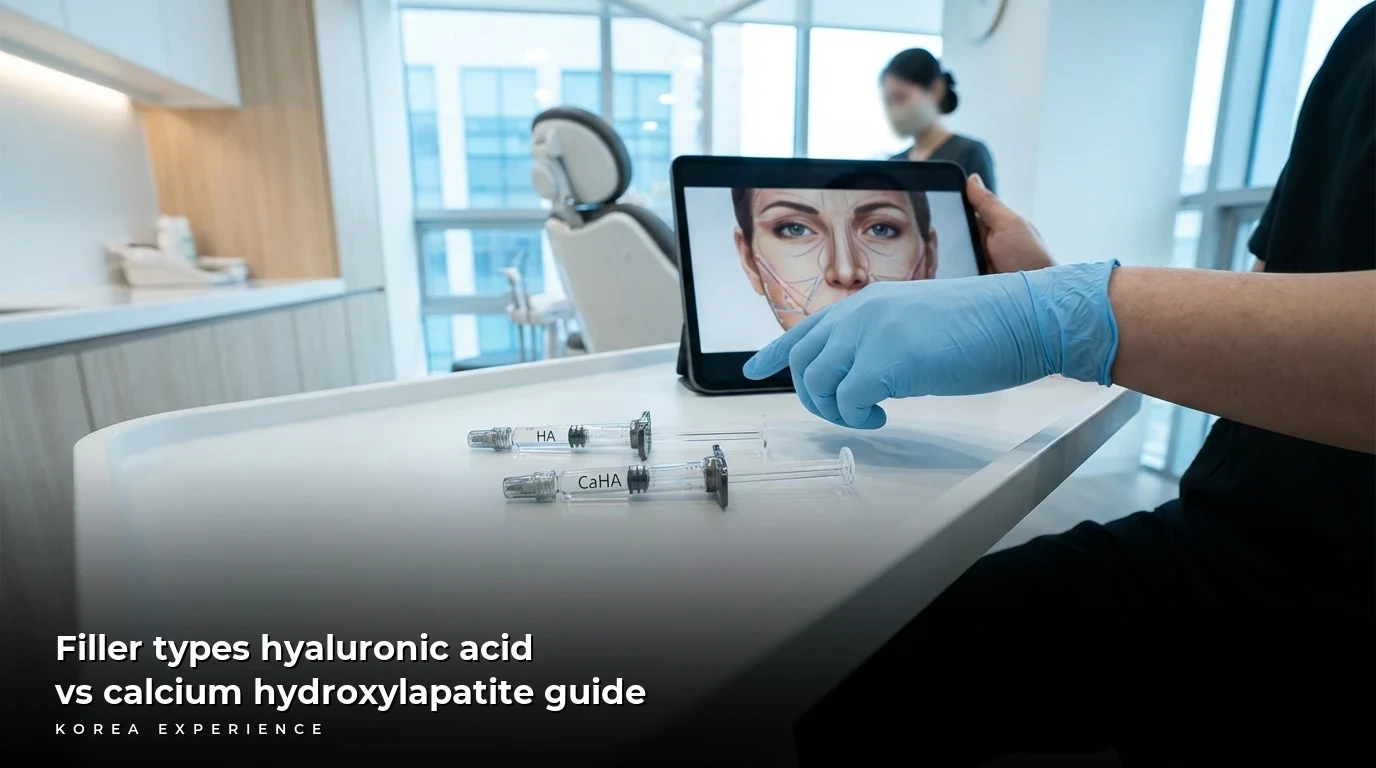
This comprehensive guide focuses on two of the most widely used and highly effective dermal fillers: Hyaluronic Acid (HA) and Calcium Hydroxylapatite (CaHA). We will delve into their unique properties, ideal applications, benefits, and potential considerations, particularly within the context of Korea's thriving medical tourism landscape. By the end of this post, you will have a clear understanding of which filler type might be best suited for your aesthetic goals, alongside practical tips for navigating your treatment journey in Korea.

Whether you're looking to diminish fine lines, restore lost volume, or define facial contours, choosing the right filler – and the right clinic in Korea – is the first step towards achieving natural-looking and satisfying results. Let's explore the science and artistry behind these popular aesthetic solutions.

Hyaluronic Acid (HA) Fillers: Versatility and Reversibility

Hyaluronic Acid (HA) fillers are the most popular and widely recognized type of dermal filler globally, and their prevalence in Korea's aesthetic clinics is no exception. HA is a naturally occurring sugar molecule found in the human body, particularly in the skin, eyes, and connective tissues. Its primary function is to attract and hold water, providing hydration, volume, and elasticity to the skin.

What are HA Fillers?

HA fillers are synthetic gels composed of stabilized hyaluronic acid. When injected into specific areas of the face, they work by replenishing lost volume, smoothing wrinkles and folds, and enhancing facial contours. The gel-like substance integrates seamlessly with the body's natural tissues, creating a soft and natural feel. The Korean market offers a diverse range of HA filler brands, each with varying gel consistencies, cross-linking properties, and particle sizes, allowing practitioners to tailor treatments precisely to individual needs and desired outcomes. Popular Korean and international HA brands are readily available in clinics across major cities like Seoul, particularly in districts renowned for aesthetics such as Gangnam and Apgujeong.

Ideal Applications for HA Fillers

The versatility of HA fillers makes them suitable for a broad spectrum of aesthetic concerns:

  • Lip Enhancement: Adding volume, defining the lip border, and correcting asymmetry.
  • Cheek Augmentation: Restoring lost volume due to aging, creating more prominent cheekbones.
  • Nasolabial Folds (Smile Lines): Softening the lines running from the sides of the nose to the corners of the mouth.
  • Marionette Lines: Reducing lines that extend downwards from the corners of the mouth.
  • Under-Eye Hollows (Tear Troughs): Filling depressions to reduce the appearance of dark circles and fatigue.
  • Forehead Lines and Frown Lines: Smoothing dynamic wrinkles when combined with neuromodulators like Botox.
  • Chin and Jawline Contouring: Enhancing definition and correcting minor asymmetries.
  • Nose Reshaping (Non-Surgical Rhinoplasty): Temporarily correcting bumps or defining the nasal bridge.

Key Benefits of HA Fillers

  1. Natural-Looking Results: HA fillers integrate well with tissues, providing a smooth and natural appearance.
  2. Immediate Results: Patients often see an improvement immediately after the procedure.
  3. Reversibility: A unique advantage of HA fillers is that they can be dissolved with an enzyme called hyaluronidase if a patient is unhappy with the results or experiences complications. This provides an important safety net, especially for first-time filler users or those seeking subtle enhancements.
  4. Minimally Invasive: The procedure involves injections, typically with minimal downtime.
  5. Biocompatible: Being a substance naturally found in the body, allergic reactions are rare.
  6. Hydration: Beyond volume, HA also attracts water, improving skin hydration and quality in the treated area.

Duration and Cost of HA Fillers in Korea

The longevity of HA fillers typically ranges from 6 to 18 months, depending on the specific product used, the injection area (areas with more movement tend to metabolize filler faster), and individual metabolism. Retreatment is necessary to maintain results.

In Korea, the cost of HA fillers can vary significantly based on the brand, the amount of filler used (usually measured in milliliters or syringes), the clinic's reputation, and the practitioner's experience. As a general estimate, prices for HA fillers might range from approximately 300,000 to 800,000 Korean Won (roughly 250-650 USD) per 1ml syringe. Package deals for multiple syringes or combined treatments are often available and can offer better value. For precise pricing, direct consultation with a chosen clinic is always recommended.

Calcium Hydroxylapatite (CaHA) Fillers: Durability and Collagen Stimulation

While Hyaluronic Acid fillers are celebrated for their versatility and reversibility, Calcium Hydroxylapatite (CaHA) fillers offer a distinct set of advantages, particularly for those seeking longer-lasting results and the benefit of natural collagen stimulation. CaHA is a substance naturally found in human bones and teeth, making it highly biocompatible and safe for use in dermal fillers.

What are CaHA Fillers?

CaHA fillers, with Radiesse being the most well-known brand, consist of microspheres of calcium hydroxylapatite suspended in a water-based gel carrier. Upon injection, the gel immediately provides volume and correction. Over time, the gel carrier is absorbed by the body, leaving behind the CaHA microspheres. These microspheres act as a scaffold, stimulating the body's natural collagen production. This neocollagenesis process leads to sustained volume and improved skin elasticity, even after the initial gel is gone. This dual action makes CaHA fillers unique in their ability to offer both immediate correction and long-term skin rejuvenation through natural processes.

Ideal Applications for CaHA Fillers

CaHA fillers are generally thicker and more robust than most HA fillers, making them ideal for areas requiring significant volume correction and structure. They are not typically used in very fine lines or sensitive areas like the lips or under-eyes, due to their distinct properties and the risk of nodule formation in such delicate areas.

  • Deep Nasolabial Folds and Marionette Lines: Effectively smoothing severe creases.
  • Cheekbone Augmentation: Creating strong, defined cheek contours.
  • Jawline and Chin Enhancement: Providing significant definition and structural support.
  • Hand Rejuvenation: Restoring volume to the back of the hands, reducing the appearance of veins and tendons, and improving skin quality.
  • Temple Hollowing: Addressing volume loss in the temples.
  • Non-Surgical Nose Reshaping: Providing a more rigid and long-lasting scaffold for nasal bridge enhancement.

Key Benefits of CaHA Fillers

  1. Longer-Lasting Results: CaHA fillers typically last longer than most HA fillers, often 12-18 months, and sometimes up to two years, due to the collagen stimulation effect.
  2. Collagen Stimulation: This is a major advantage. By encouraging the body to produce its own collagen, CaHA fillers provide a more natural and sustained improvement in skin structure and firmness.
  3. Immediate Volume and Lift: The gel carrier provides instant correction, similar to HA fillers.
  4. Natural Feel: Once integrated, the treated area feels natural, mimicking the feel of soft tissue.
  5. Biocompatible: As a naturally occurring mineral in the body, CaHA is well-tolerated.

Duration and Cost of CaHA Fillers in Korea

The longevity of CaHA fillers is typically 12 to 18 months, and sometimes up to 2 years, largely owing to the collagen-stimulating effect. Results gradually diminish as the body metabolizes the microspheres and newly formed collagen.

Due to their longer duration and collagen-stimulating properties, CaHA fillers generally command a higher price point than HA fillers. In Korea, you can expect to pay approximately 600,000 to 1,200,000 Korean Won (roughly 500-1,000 USD) per 1.5ml syringe for CaHA fillers. Again, these are estimated ranges, and actual costs will depend on the clinic, practitioner, and amount required. For hand rejuvenation, multiple syringes might be needed, and prices would adjust accordingly.

HA vs. CaHA: A Comprehensive Comparison for Your Needs

Choosing between Hyaluronic Acid and Calcium Hydroxylapatite fillers depends largely on your specific aesthetic goals, the areas you wish to treat, desired longevity, and personal preferences regarding reversibility and collagen stimulation. Here's a comparative overview to help you make an informed decision.

Comparison Table 1: Key Characteristics

FeatureHyaluronic Acid (HA) FillersCalcium Hydroxylapatite (CaHA) Fillers
Main ComponentSynthetically produced hyaluronic acidCalcium hydroxylapatite microspheres suspended in a gel
Mechanism of ActionAdds volume directly; attracts and holds waterImmediate volume from gel; stimulates natural collagen production
Longevity6-18 months (varies by product and area)12-24 months (longer due to collagen stimulation)
ReversibilityYes, can be dissolved with hyaluronidaseNo, not dissolvable with an enzyme
TextureSoft, gel-like; wide range of viscositiesThicker, more viscous, provides structural support
Primary BenefitVersatile, natural-looking, reversible, hydratingLong-lasting, excellent for volume & contour, collagen stimulating
Common BrandsJuvederm, Restylane, Belotero, Revolax, Elravie, Chaeum PremiumRadiesse

Comparison Table 2: Ideal Applications and Considerations

Application AreaHyaluronic Acid (HA) FillersCalcium Hydroxylapatite (CaHA) Fillers
Fine LinesExcellent (e.g., around eyes, mouth)Not typically recommended
LipsGold standard for volume, definition, hydrationNot recommended due to potential for lumps and firm texture
Under-Eyes (Tear Troughs)Excellent for filling hollows, careful technique requiredNot recommended due to firm texture and potential for visibility
CheeksExcellent for volume restoration, contouringExcellent for significant volume, lift, and definition
Nasolabial/Marionette FoldsGood for mild to moderate linesExcellent for moderate to severe lines, deeper folds
Chin/JawlineGood for subtle contouring, minor enhancementsExcellent for strong definition, structural enhancement
HandsCan be used for volume, but CaHA often preferred for collagen boostExcellent for volume restoration, reducing vein visibility, collagen
Nose (Non-Surgical)Good for subtle reshaping, temporary correctionsGood for more defined and longer-lasting nasal bridge augmentation
Primary ConcernSwelling, bruising; shorter duration necessitates re-treatmentNon-reversible, potential for lumps if improperly placed, longer recovery for swelling

Who is the Ideal Candidate for Each?

  • You might prefer HA fillers if:
    • You are new to fillers and want the option of reversibility.
    • You want treatment in delicate areas like lips or under-eyes.
    • You seek subtle enhancements and natural hydration.
    • You prefer a softer feel and quicker recovery from initial swelling.
  • You might prefer CaHA fillers if:
    • You are looking for longer-lasting results (12-24 months).
    • You need significant volume restoration or structural support.
    • You want the added benefit of natural collagen stimulation.
    • You are treating areas like the jawline, cheeks, or hands.
    • You understand and accept the non-reversible nature of the filler.

A thorough consultation with a qualified and experienced medical professional in Korea is crucial to determine the most suitable filler type for your individual needs and aesthetic goals.

Preparing for Your Filler Treatment in Korea

Embarking on a medical aesthetic journey in Korea offers a unique blend of world-class expertise and cultural immersion. Proper preparation is key to a smooth and successful experience.

Choosing the Right Clinic and Practitioner

Korea boasts an abundance of highly reputable aesthetic clinics, particularly concentrated in areas like Gangnam District, Apgujeong Rodeo, and even some in Myeongdong and Hongdae catering to younger clientele. When selecting a clinic, consider the following:

  • Accreditation and Reputation: Look for clinics with good reviews, certifications, and a strong online presence. Many clinics cater specifically to international patients, offering English-speaking staff and translation services.
  • Practitioner's Experience: Ensure the doctor has extensive experience with the specific filler type you are considering. Ask about their portfolio of before-and-after photos.
  • Consultation Process: A good clinic will offer a comprehensive consultation, discussing your goals, medical history, potential risks, and expected outcomes. They should provide transparent pricing and avoid pressuring you into unnecessary treatments.
  • Hygiene and Safety Standards: Verify that the clinic adheres to strict hygiene protocols and uses authentic, government-approved filler products.
  • Communication: Clinics accustomed to international clients often have dedicated coordinators who can assist with scheduling, inquiries, and post-treatment care instructions in English.

Insider Tip: Many clinics offer "foreigner packages" or discounts, so inquire about these. Also, it's common practice to pay for treatment upfront, but ensure you receive a detailed receipt and explanation of services. For more detailed advice on clinic selection, consider checking out our guide on "How to Choose a Korean Aesthetic Clinic for International Patients."

Pre-Treatment Considerations for International Travelers

  1. Medical History: Be prepared to provide a complete medical history, including any allergies, current medications (especially blood thinners like aspirin, ibuprofen, or certain supplements like Vitamin E, fish oil, ginkgo biloba, which can increase bruising), and previous cosmetic procedures.
  2. Avoid Alcohol and Certain Medications: Refrain from alcohol consumption and blood-thinning medications/supplements for at least 7-10 days prior to your appointment to minimize bruising and swelling. Always consult your doctor before stopping any prescribed medication.
  3. Hydration and Nutrition: Stay well-hydrated and maintain a healthy diet leading up to your appointment.
  4. Travel Itinerary: Plan your filler treatment mindful of your travel schedule. Allow a few days post-procedure before important events, as bruising and swelling can occur. Avoid flying immediately after significant volume changes or if you experience discomfort, although typically minor filler treatments are fine for air travel.
  5. Accommodation: Book accommodation that allows easy access to your chosen clinic, especially for follow-up appointments if necessary. Areas like Gangnam are ideal for this, given the high concentration of clinics and diverse accommodation options.

What to Expect During the Consultation and Procedure

During your initial consultation, the doctor will assess your facial anatomy, discuss your aesthetic concerns, and recommend the most appropriate filler type and quantity. They will explain the procedure, potential side effects, and expected recovery.

On the day of the procedure:

  • Cleansing and Numbing: Your face will be thoroughly cleansed, and a topical numbing cream will be applied to minimize discomfort. Many fillers also contain lidocaine (a local anesthetic) for added comfort.
  • Injection Process: Using fine needles or cannulas, the doctor will carefully inject the filler into the targeted areas. The process is usually quick, lasting between 15-45 minutes depending on the number of areas treated.
  • Post-Injection Massage: The practitioner may gently massage the treated area to ensure even distribution of the filler.
  • Immediate Results: You will see immediate changes, though some initial swelling and redness are common.

Post-Treatment Care and Maximizing Filler Longevity

Proper aftercare is essential for optimizing results, minimizing side effects, and ensuring the longevity of your filler treatment. Korean clinics are excellent at providing detailed post-procedure instructions, often in English.

Immediate Aftercare

  • Ice Packs: Apply cold compresses to the treated areas for the first 24-48 hours to reduce swelling and bruising.
  • Avoid Touching/Pressure: Refrain from touching, rubbing, or applying pressure to the treated areas for at least 24-48 hours. Avoid massages or facial treatments during this period.
  • Elevate Head: Sleep with your head elevated on pillows for the first night to help reduce swelling.
  • Hydration: Continue to drink plenty of water.
  • Makeup: Avoid applying makeup for at least 12-24 hours to prevent infection.
  • Sun Exposure: Protect treated areas from direct sunlight and extreme heat (e.g., saunas, hot tubs) for at least a week.
  • Alcohol and Strenuous Exercise: Avoid strenuous exercise and alcohol for 24-48 hours, as these can increase swelling and bruising.

Managing Side Effects

Common side effects are generally mild and temporary:

  • Swelling: Most pronounced in the first 24-48 hours, gradually subsiding over a few days to a week.
  • Bruising: Can appear immediately or a day or two later, lasting anywhere from a few days to two weeks. Arnica cream or supplements may help.
  • Redness/Tenderness: Typically resolves within a few hours to a day.
  • Lumps/Bumps: Small lumps are sometimes palpable immediately after treatment; these often settle within a few days. If persistent, contact your clinic.

Maximizing Longevity of Your Fillers

  • Follow Aftercare Instructions: Adhering strictly to your clinic's guidelines is the single most important factor.
  • Sun Protection: Excessive sun exposure can degrade fillers more quickly. Always wear high-SPF sunscreen.
  • Healthy Lifestyle: A balanced diet, adequate hydration, and minimal stress contribute to overall skin health and can help maintain results.
  • Avoid Smoking: Smoking accelerates skin aging and can negatively impact filler longevity.
  • Regular Maintenance: Schedule touch-up appointments as recommended by your practitioner to maintain optimal results. For HA fillers, this might be every 6-12 months; for CaHA, every 12-18 months.
  • Quality Skincare: Use medical-grade skincare products recommended by your aesthetician to support skin health.

Why Choose Korea for Your Filler Journey?

Korea stands out as a premier destination for aesthetic treatments, offering a compelling combination of expertise, innovation, and value for international patients.

Expertise and Advanced Techniques

Korean doctors are renowned for their meticulous attention to detail, artistic eye, and advanced injection techniques. The competitive nature of the aesthetic industry in Korea fosters continuous innovation and refinement of procedures. Practitioners are highly trained in using various filler consistencies and delivery methods (e.g., cannula vs. needle) to achieve natural, harmonious results tailored to Asian and diverse international facial structures. Many doctors also specialize in "K-beauty" aesthetics, which often emphasizes a natural, youthful, and balanced appearance rather than an overly dramatic one.

State-of-the-Art Facilities and Technology

Korean aesthetic clinics are typically equipped with the latest technology and maintain impeccably high standards of cleanliness and patient care. From advanced imaging systems for precise treatment planning to comfortable recovery suites, the patient experience is prioritized. Clinics often invest in a wide range of top-tier international and domestic filler brands, ensuring they have the right product for every specific need.

Competitive Pricing and Value

While specific prices vary, overall, the cost of dermal filler treatments in Korea can be significantly more competitive than in Western countries, even when factoring in travel expenses. This is due to a highly competitive market, efficient operational models, and a focus on high patient volume. This cost-effectiveness, combined with the high standard of care, offers exceptional value for money.

Medical Tourism Infrastructure

Korea's medical tourism infrastructure is highly developed, especially in major cities like Seoul.

  • English-Speaking Staff: Many clinics, particularly in districts popular with international visitors (Gangnam, Apgujeong), employ English-speaking coordinators, nurses, and even doctors, making communication smooth and stress-free.
  • Transportation: Excellent public transportation makes navigating Seoul easy.
  • Accommodation: A wide range of accommodation options caters to all budgets.
  • Cultural Experience: Combining your aesthetic treatment with a cultural holiday offers a unique and enriching experience. For those interested in exploring beyond the clinics, consider visiting palaces, traditional markets, or enjoying Korea's vibrant food scene. (For more on cultural excursions, check our "Seoul City Guide for First-Time Visitors.")

Convenience and Efficiency

The efficiency of Korean medical services is a major draw. Appointments are often readily available, and the entire process, from consultation to treatment, is typically streamlined and well-organized, respecting the time of international travelers.

Frequently Asked Questions About Fillers in Korea

Q1: Is it safe to get fillers in Korea as a foreigner?

A1: Yes, it is generally very safe, provided you choose a reputable, accredited clinic with experienced, board-certified doctors. Korea has strict regulations for medical practices, and many clinics specifically cater to international patients with multilingual staff and clear communication protocols. Always do your research and read reviews.

Q2: How much downtime should I expect after getting fillers?

A2: Downtime is usually minimal. You might experience some redness, swelling, and bruising, which typically subside within a few days to a week. Most people can return to their normal activities the day after treatment, though it's advisable to avoid strenuous exercise for 24-48 hours. Plan for a few days of potential swelling before important social events.

Q3: What is the typical cost difference between HA and CaHA fillers in Korea?

A3: Generally, CaHA fillers (like Radiesse) are more expensive per syringe than HA fillers due to their longer duration and collagen-stimulating properties. HA fillers might range from 250-650 USD per 1ml syringe, while CaHA fillers could be 500-1000 USD per 1.5ml syringe. Prices vary by clinic, brand, and quantity.

Q4: Can I combine fillers with other aesthetic treatments in Korea?

A4: Absolutely. It's very common to combine fillers with other non-surgical treatments like Botox, laser treatments, or skin boosters for a more comprehensive rejuvenation. During your consultation, your doctor can create a personalized treatment plan that addresses all your aesthetic concerns. Always discuss timing and potential interactions with your practitioner.

Q5: What if I have a complication or an allergic reaction while in Korea?

A5: While rare, complications can occur. Reputable clinics will have protocols in place to manage these. For HA fillers, the availability of hyaluronidase (an enzyme to dissolve the filler) is a significant safety feature. For serious medical emergencies, call 119 for an ambulance. For general medical advice or consultation in English, you can call 1339, Korea's medical interpretation and information service for foreigners.

Conclusion: Your Journey to Enhanced Aesthetics

Navigating the world of dermal fillers, especially in a foreign country, can seem daunting. However, Korea's exceptional medical tourism infrastructure, coupled with its leading-edge aesthetic practices, makes it an unparalleled destination for those seeking to enhance their appearance. By understanding the distinct properties of Hyaluronic Acid and Calcium Hydroxylapatite fillers, you are better equipped to make an informed decision that aligns with your aesthetic aspirations.

Remember that a personalized consultation with a highly qualified Korean medical professional is the cornerstone of any successful aesthetic journey. They will guide you through the choices, ensuring that the selected filler type, quantity, and technique are perfectly suited to your unique facial anatomy and desired outcomes. With proper research, careful planning, and adherence to aftercare instructions, your experience with fillers in Korea can be a rewarding step towards a more confident and radiant you.

Embrace the opportunity to combine your aesthetic goals with a memorable cultural experience in Korea. The harmonious blend of advanced medical science and traditional hospitality awaits you.


Medical Disclaimer

The information provided in this blog post is intended for general knowledge and informational purposes only, and does not constitute medical advice. It is essential to consult with a qualified and experienced medical professional before making any decisions about your health or treatment. Individual results may vary, and potential risks and side effects should be thoroughly discussed with your doctor. Korea Experience Team does not endorse any specific medical facility or practitioner.

Emergency Contact Numbers in Korea

  • Emergency Services (Ambulance, Fire, Police): 119
  • Medical Interpretation and Information Service for Foreigners (24/7): 1339

About the Author

Korea Experience Team

Written by the Korea Experience editorial team - experts in Korean medical tourism, travel, and culture with years of research and firsthand experience.

⚠️ Medical Disclaimer

The information provided on this website is for general informational purposes only and does not constitute medical advice. Always consult with qualified healthcare professionals before making any medical decisions.

Continue Reading

Explore more articles you might find interesting