Ultimate 2026 guide to modern hanbok styling and shopping
Discover how to style modern hanbok in 2026. Learn where to buy stunning pieces for under $150 and get 100 percent free entry to Seoul palaces.
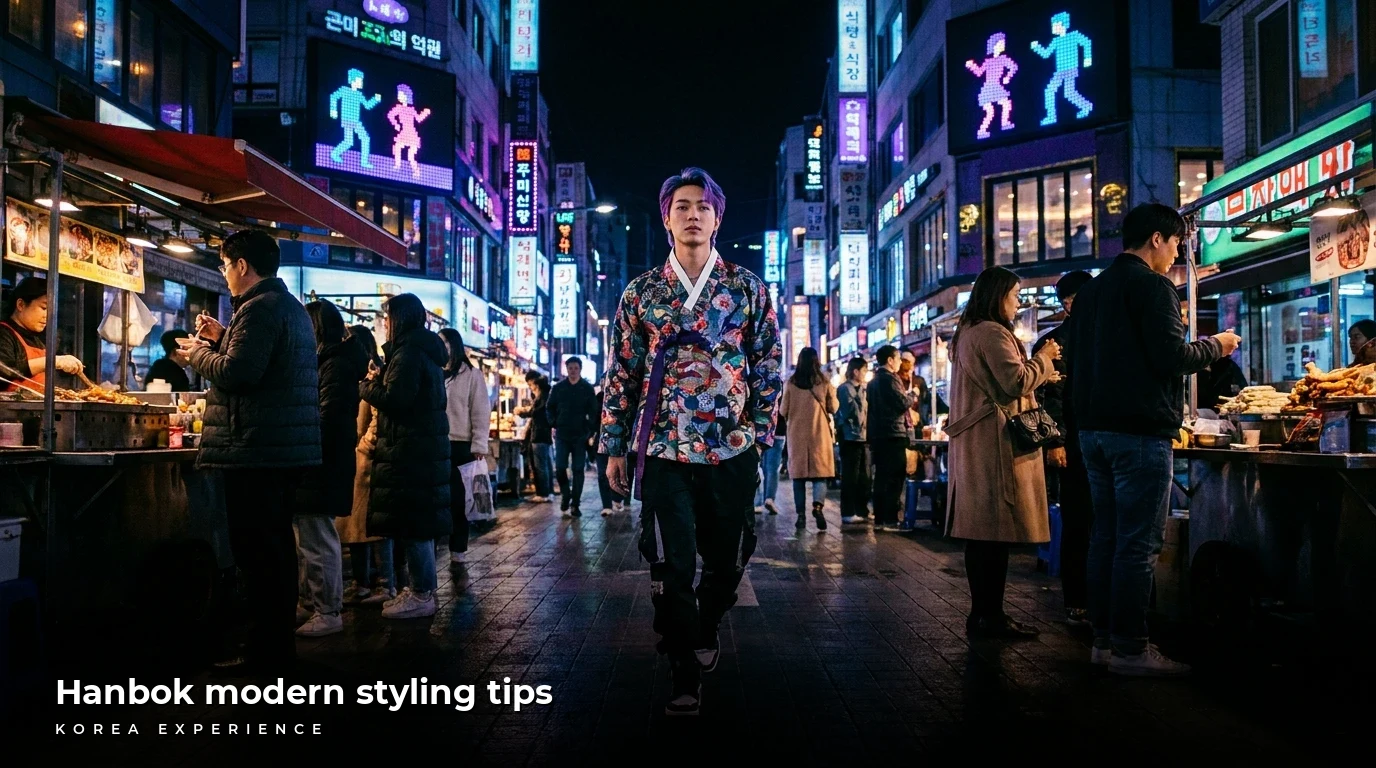
Picture this scene: A stylish young woman walking confidently down a sunlit, historic cobblestone alleyway in Bukchon Hanok Village, wearing a sleek black modern hanbok wrap skirt over a crisp white t-shirt, while adjusting her sleek sunglasses. Her leather crossbody bag features a vibrant traditional tassel charm, perfectly blending the warm terracotta of the traditional tiled hanok roofs with the crisp white and deep charcoal black of her outfit.
Wondering how to pull off that gorgeous modern hanbok you saw on your favorite K-pop idol without looking like you are wearing a Halloween costume? You are in the right place. Here is your complete, no-stress guide to buying, styling, and rocking everyday hanbok, whether you are strolling through the streets of Seoul or bringing the trend back to your hometown.
Key Takeaways
- 1Modern hanbok, also known as saenghwal hanbok or daily hanbok, is completely acceptable and incredibly trendy for everyday wear right now. The secret is mixing one traditional statement piece with your regular casual wardrobe basics.
- 2You can score an absolutely gorgeous, high-quality modern hanbok piece for around $100 to $150, which is roughly 130,000 to 200,000 KRW. You are getting a unique, ethically made garment with centuries of cultural history.
- 3Do yourself a huge favor and buy a reversible hanbok wrap skirt or chima. This is the ultimate beginner move, giving you a loud traditional floral print on one side and a solid everyday color on the other.
📋 Quick Facts
100,000 to 270,000 KRW
Available at select boutiques
Requires wearing both top and bottom
Answer the Main Question First!
So you have just been scrolling through social media or watching a K-pop music video, and you saw someone wearing what looks like traditional Korean clothing, but they are pairing it with chunky sneakers, a leather jacket, and walking into a subway station. You immediately thought, 'Wait, can I wear that? Is that a thing?'
The short answer is: Yes, absolutely, and you totally should. What you are looking at is called saenghwal hanbok or modern daily hanbok, and it is arguably one of the most exciting fashion movements sweeping across Korea and the globe right now.
Here is the deal: traditional hanboks are utterly stunning, but let us be real, they are not made for grabbing a latte at Starbucks or enjoying K-Drama Dining IRL: The Ultimate 2026 Guide to Convenience Store Feasts. Traditional pieces use layers upon layers of silk, stiff underskirts known as sokchima, and restrictive jackets that essentially make raising your arms above your head a polite struggle. They are reserved for major life events like weddings, a baby first birthday known as doljanchi, or the Lunar New Year.
Modern hanbok flips the script completely. Designers took the gorgeous, flowing silhouettes of the Joseon dynasty and injected them with pure 2026 practicality. We are talking about skirts cut to mid-calf so you do not trip on the stairs. We are talking about breathable linen, soft cottons, and machine-washable polyester blends instead of dry-clean-only silk. We are talking about elastic waistbands. And most importantly, we are talking about pockets. Yes, they finally gave us deep, glorious pockets.
If you want to buy into this trend, it is incredibly accessible. You can snag a beautiful, entry-level modern hanbok piece online or in the streets of Seoul for anywhere between $80 to $150. That is practically the same price you would pay for a nice coat or a fancy dress at a western mall brand, but with a modern hanbok, you get a unique piece of cultural heritage that guaranteed nobody else at your office party will be wearing. Budget options online from retailers like Joteta or Kooding can even be found for $30 to $60, serving as entry-level, mass-produced lightweight pieces perfect for testing out the trend.
And for the most important question that always pops up: If I am not Korean, is it okay for me to wear this? Listen to me, yes. It is not considered cultural appropriation; it is warmly welcomed as cultural appreciation. Whether you are wandering around Gyeongbokgung Palace in Seoul or wearing a subtle hanbok-inspired wrap dress to a gallery opening in New York, the general reaction from Koreans is overwhelming pride and excitement that you are embracing their culture. So throw away the hesitation, and let us figure out how to get you styled.
The Background Story
To really appreciate why wearing a modern hanbok feels so revolutionary, you have to understand a little bit about the epic, sweeping history of this garment. Do not worry, I will not bore you with a textbook lecture, but The evolution of Hanbok from dynasty to modern streetwear 2026 is actually a fascinating story of fashion surviving through wars, invasions, and massive cultural shifts.
If we rewind the clock way back to the Three Kingdoms period around 57 BCE to 668 CE, the hanbok looked quite different. If you look at ancient tomb murals from the Goguryeo era, you will see men and women wearing basically the same thing: baggy trousers called baji and long, wide-sleeved tops called jeogori that reached all the way down to their hips, belted at the waist. It was highly practical, nomadic clothing designed for riding horses across the freezing Eurasian steppes.
Fast forward a few centuries to the Goryeo Dynasty from 918 to 1392, and fashion gets a dramatic shake-up. Goryeo royals started marrying princesses from the powerful Mongol Empire. These princesses brought Mongolian street style to the Korean peninsula. Suddenly, skirts called chima got shorter, and the jackets got hiked up above the waist and tied at the chest with a wide ribbon.
But the classic hanbok silhouette that you immediately recognize today, the one with the super short, tight jacket and the massive, bell-shaped skirt, was born during the Joseon Dynasty from 1392 to 1897. Under strict Confucian rules, fashion became highly structured. Women jackets got so short they barely covered the chest, requiring a special chest-binding undershirt.
Then came the 19th and 20th centuries. Western influence flooded the country, bringing suits, dresses, and practical uniforms. The hanbok was shoved into the back of the closet, pulled out only for ceremonial events. By the late 1900s, it felt untouchable, overly formal, and disconnected from the bustling, hyper-modern reality of modern South Korea.
That is, until the modern hanbok rebellion started. In the mid-2010s, young indie designers looked at the hanbok and said, 'Why can I not wear this on the subway?' They started hacking the traditional patterns. They chopped the skirts. They swapped stiff silks for cozy, everyday cottons and denims. Then, in 2020, K-pop superstars BLACKPINK dropped their 'How You Like That' music video, which amassed 100 million views in just 32 hours. They danced fiercely in heavily modified, upcycled hanboks. The internet completely shattered. Suddenly, everyone in the world wanted a hanbok. Today, the modern hanbok is not just a nostalgic nod to the past; it is a booming, living fashion movement walking the streets of Hongdae and the runways of Milan.
Three Kingdoms Period
The earliest visual depictions of the hanbok appear in tomb murals, establishing the basic structure of the jeogori top, baji pants, and chima skirt.
Goryeo Dynasty Updates
Mongolian influence leads to shorter skirts and jeogori tops that are hiked up above the waist and tied at the chest with a wide ribbon.
Western Influence Arrives
Western clothing begins to overtake the hanbok as everyday wear, pushing traditional garments into a purely ceremonial role for holidays and weddings.
Modern Hanbok Movement
Indie brands like Leesle begin gaining massive traction by redesigning hanboks with pockets, shorter skirts, and machine-washable fabrics.
Global Spotlight
BLACKPINK breaks the internet wearing custom upcycled modern hanboks by designer Danha in their How You Like That music video.
The Newtro Explosion
Modern hanbok cements itself not just as a passing fad, but as a staple in global street fashion, heavily embraced by Gen Z and international travelers.
Breaking Down Your Options
So you are ready to buy one. Where do you even start? The beauty of the modern hanbok scene in 2026 is that it caters to every single style, body type, and budget. Let us walk through your best options based on what kind of vibe you want to project.
Option 1: The Casual Streetwear Cool-Girl at Leesle If your personal style leans toward edgy, comfortable, and a bit gender-neutral, you need to look into LEESLE. Located right in the heart of Hongdae at 37 Wausan-ro 29-gil, Mapo-gu, Seoul, this boutique is famous for turning hanbok into literal streetwear. Think hanbok-inspired hoodies, wide-leg trousers that look like traditional baji, and sharp jackets that both men and women can mix and match. If you are the kind of person who lives in oversized denim and chunky boots, a Leesle jeogori shirt thrown over a crop top is going to be your absolute best friend. Plus, their clothes have been worn by members of BTS and SHINee, making it a perfect stop if you are also Visiting JYP HYBE and SM Entertainment Buildings: 2026 Seoul Fan Guide. A mix and match set here will run you about $250 to $350. They are open daily from 11:30 to 20:30, just an 8-minute walk from Hongik University Station Exit 7.
Option 2: The Whimsical Office Professional at Teterot Salon Maybe you do not want to look like a K-pop backup dancer. Maybe you want something soft, feminine, and appropriate enough to wear to your corporate job or a Sunday brunch. Enter Teterot Salon. Tucked away in the labyrinth of the photogenic Ikseon-dong hanok village at 21-12 Supyo-ro 28-gil, Jongno-gu, Seoul, this brand specializes in gorgeous wrap dresses and skirts featuring delicate floral prints, muted earth tones, and incredibly soft fabrics. It is the kind of clothing that feels like a warm hug. Their pieces seamlessly blend traditional silhouettes with modern utility. A beautifully pleated casual cotton wrap skirt here costs around $45 to $80. They are open daily from 11:00 to 19:00, just a 3-minute walk from Jongno 3-ga Station Exit 4.
Option 3: The Sustainable Haute Couture Queen at Maison Danha If you are coming to Korea with cash to burn and you want an absolute show-stopper piece of wearable art, you must book an appointment at Maison Danha in Jongno, located at 39-7 Palpan-gil. Designer Kim Danha focuses heavily on sustainability, creating stunning pieces from upcycled traditional fabrics and organic materials. This is the haute couture route. You are not just buying off the rack; you are getting a private consultation to create a garment steeped in traditional Korean motifs but tailored to your exact body. A custom dress here starts at $500 and goes up. They are open from 11:00 to 19:00 and closed on Mondays, a 15-minute walk from Anguk Station Exit 1.
Option 4: The Plus-Size Custom Fit Traveler at The Goeun Here is the harsh reality of shopping in Korea: standard sizes are tiny. If you are a US size 10 or above, trying to squeeze into a Free Size wrap dress will ruin your day. But do not panic! The Goeun, located on the Upper Insadong Cultural Street, is your sanctuary. The designer here has lived abroad and intimately understands Western sizing. They offer true plus-size hanboks up to US 24 and above right off the rack. Even better, if they do not have your size, they will custom-make you a beautifully layered, delicate skirt and jacket in just 4 to 7 days. If you are a curvy traveler, skip the mainstream boutiques and head straight here on day one. It is just a 5-minute walk from Anguk Station Exit 6.
| Feature | Leesle | Maison Danha | Teterot Salon | The Goeun |
|---|---|---|---|---|
| Cost | Mid-range ($70 - $350) | Luxury ($200 - $500+) | Mid-range ($40 - $150) | Mid-range ($50 - $250) |
| Processing Time | Off-the-rack / Online | Custom Couture | Off-the-rack / Online | Off-the-rack / 4-7 days custom |
| Vibe and Style | Edgy, streetwear, K-pop | Haute couture, eco-friendly | Whimsical, office-appropriate | Elegant, layered, delicate |
| Requirements | Walk-ins welcome | Reservations highly recommended | Walk-ins perfectly fine | Walk-ins fine for off-the-rack |
| Best For | Everyday casual wear | Statement sustainable luxury | Feminine daily wear | Plus-size custom sizing |
| 2026 Changes | Expanded to Milan Fashion Week | Deep focus on upcycling | Expanded factory production | Leading inclusive sizing up to US 24 |
Pros
- ✓Unmatched Comfort: Modern hanboks use breathable linens, cottons, and synthetic blends with elastic waistbands. You can actually eat a massive Korean BBQ dinner and still breathe!
- ✓Endless Versatility: You do not have to wear the whole outfit at once. A modern hanbok skirt looks absolutely killer with a simple graphic tee and sneakers.
- ✓Pockets: Modern designers finally realized that women actually need to carry phones and wallets. Most modern hanbok skirts and dresses come with deep, hidden pockets.
Cons
- ✗The Free Size Trap: Korean fashion is notorious for Free Size, which usually means a US size 2 to 4. Off-the-rack shopping can be frustrating if you are curvier or taller.
- ✗Price Tag Shock: Genuine, high-quality pieces from well-known designers are an investment. Dropping over $200 on a skirt is not in everyone travel budget.
- ✗Care and Maintenance: Many of these garments feature delicate stitching, pleats, and traditional ties that require hand-washing or dry cleaning instead of a heavy-duty machine cycle.
The Complete How-To
Buying the hanbok is only half the battle. Now you have to style it so it looks like an intentional fashion choice rather than a costume. Here is exactly how to do it.
📖 How to Build Your First Modern Hanbok Outfit
Step 1: Start with the Skirt
If you are only buying one piece, make it the skirt. Modern hanbok skirts are essentially wrap skirts with beautiful pleating. They come in varying lengths from ankle-grazing to cute mini skirts. Because they wrap around and tie at the waist, they are the most forgiving piece to fit, regardless of your body shape.
Step 2: Choose Your Base Top
You have two choices here. You can either buy a modern jeogori, which today comes in breathable cotton or even sheer see-through materials for summer. Or, you can just use what you already own! A fitted turtleneck, a lace camisole, or a crisp white button-down works wonders under a hanbok skirt.
Step 3: Master the Ribbon Tie
The long ribbon on the front of a hanbok jacket is called the goreum. Tying it properly is an art form. You do not just tie a regular shoelace bow. You create a single loop on the left side, wrap the longer ribbon around it, and pull it tight so the tails hang elegantly down the front.
Step 4: Accessorize with Intention
To really elevate the look, you need accessories. A norigae is a traditional Korean braided tassel charm. You clip or tie it right onto the waistband of your skirt. A daenggi is a long, beautifully embroidered ribbon used to tie your hair into a low braid or half-up style.
When styling modern hanbok hair, ditch the heavy styling tools. Grab a traditional daenggi hair ribbon or a binyeo hairpin. Twist your hair away from your face into a low, slightly messy bun, and slide the pin through. It gives you this effortless, elegant, and historically grounded look that instantly pulls the whole modern outfit together without trying too hard.
The Stuff Nobody Tells You
We need to talk about the messy, behind-the-scenes realities of buying and wearing modern hanbok that the polished social media influencers usually leave out.
First, let us talk about the weather. Korea gets incredibly humid and brutally hot in the summer during July and August, and bitterly cold in the winter. If you buy a cheap, thick polyester hanbok online and try to wear it in August, you will literally melt into a puddle on the pavement. If you are traveling in the summer, you must look for pieces made from ramie, light linen, or see-through sheer materials. Conversely, in the winter, look for padded jackets or wool-blend jeogori to survive the biting wind.
Second, understand the Free Size trap. I mentioned this earlier, but I need to hammer it home. You will walk into a stunning boutique in Ikseon-dong, see a rack of gorgeous dresses, and notice they all say F on the tag. Free Size in Korea does not mean one-size-fits-all. It usually means a US size 2 to 4, maybe a size 6 if it has a stretchy waistband. The shoulder widths on Korean clothing are notably narrow. If you have broad shoulders or a larger bust, Free Size tops will not close across your chest. Save yourself the dressing room tears. Stick to wrap skirts which are inherently adjustable or specifically seek out size-inclusive brands like The Goeun.
Third, the booking nightmare for tourists. A lot of tourists want the premium experience, like the custom norigae tassel-making class at Leesle, or a private fitting at Maison Danha. But when they try to book it online, the website asks them to verify their identity with a Korean phone number. Obviously, as a tourist, you do not have this.
No Korean Phone or ARC? Here is What To Do
If you want to book a private fitting at Maison Danha, or a custom norigae making class at Leesle, you might hit a wall because Korean reservation systems like Naver or CatchTable often require a local phone number linked to an Alien Registration Card (ARC). Here is your workaround: Use a tourist-friendly booking platform like Creatrip or Klook to secure your spot—they accept foreign credit cards and emails. If the shop is not on there, send them a Direct Message on Instagram in English. Most high-end hanbok brands have bilingual staff and are more than happy to manually pencil you into their schedule without requiring a Korean phone number!
If you are looking to buy accessories to match your new outfit, you might also want to explore local markets. For a deep dive into navigating these spaces, check out our guide on Unlocking jeong culture: 2026 guide to Korean traditional markets.
❓ Frequently Asked Questions
Have more questions?Contact us →
Conclusion: Your Action Plan
So, you are touching down at Incheon Airport, dropping your bags at the hotel, and you are ready to dive into the world of modern hanbok. Here is your exact 24-hour game plan.
If you are a curvy traveler or just want a guaranteed perfect fit, make your very first stop The Goeun in Insadong to get your custom measurements taken, so your outfit is ready before you fly home. If you want something immediate, fun, and casual, take the subway to Hongik University Station and walk into Leesle to pick out a gender-neutral, streetwear-inspired set.
Start small. Buy a beautifully patterned wrap skirt and pair it with a basic top from your own suitcase. Book that tassel making class on Creatrip to add a personal touch to your bag. Dress up, step out onto the busy streets of Seoul, and walk with confidence. The locals are going to love it, you are going to look amazing, and you will have a wearable piece of Korean history to cherish long after your trip is over. Have fun out there!
Sources:
- TimeToast: The History of Hanbok
- KoreLimited: Evolution of the Korean Hanbok
- The Soul of Seoul: Modern Hanbok Guide
- All of Korea: Plus Size Hanbok in Seoul
- JetSet Times: How Leesle Reimagines Hanbok
- Maison Danha Official Site
- Soko Glam: Why You Should Wear Modern Hanbok
- Personal Beauty Content Creator Analysis
About the Author
Korea Experience Team
Written by the Korea Experience editorial team - experts in Korean medical tourism, travel, and culture with years of research and firsthand experience.
Explore more in K-Culture
K-Pop, K-Drama, traditional arts, and modern culture — dive deep into the cultural phenomena that have captivated the world.
Browse All K-Culture ArticlesContinue Reading
Explore more articles you might find interesting
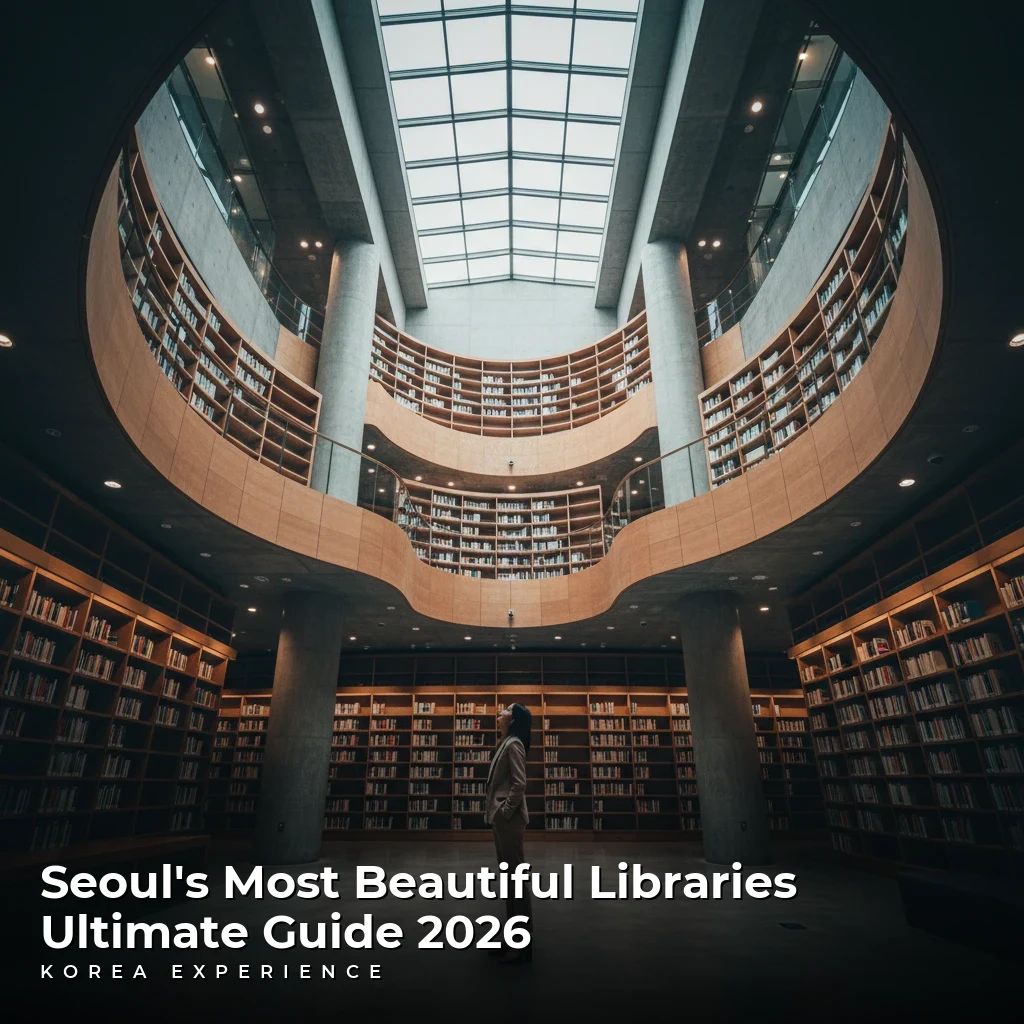
Discover Seoul's stunning libraries in 2026. From the 13m shelves of Starfield to hidden Hanok gems. Free entry details and photo spots included.

Discover why Seoul shoppers flock to Musinsa in 2026. Learn to navigate Standard basics and score 70 percent cheaper indie brands like Matin Kim under $100.
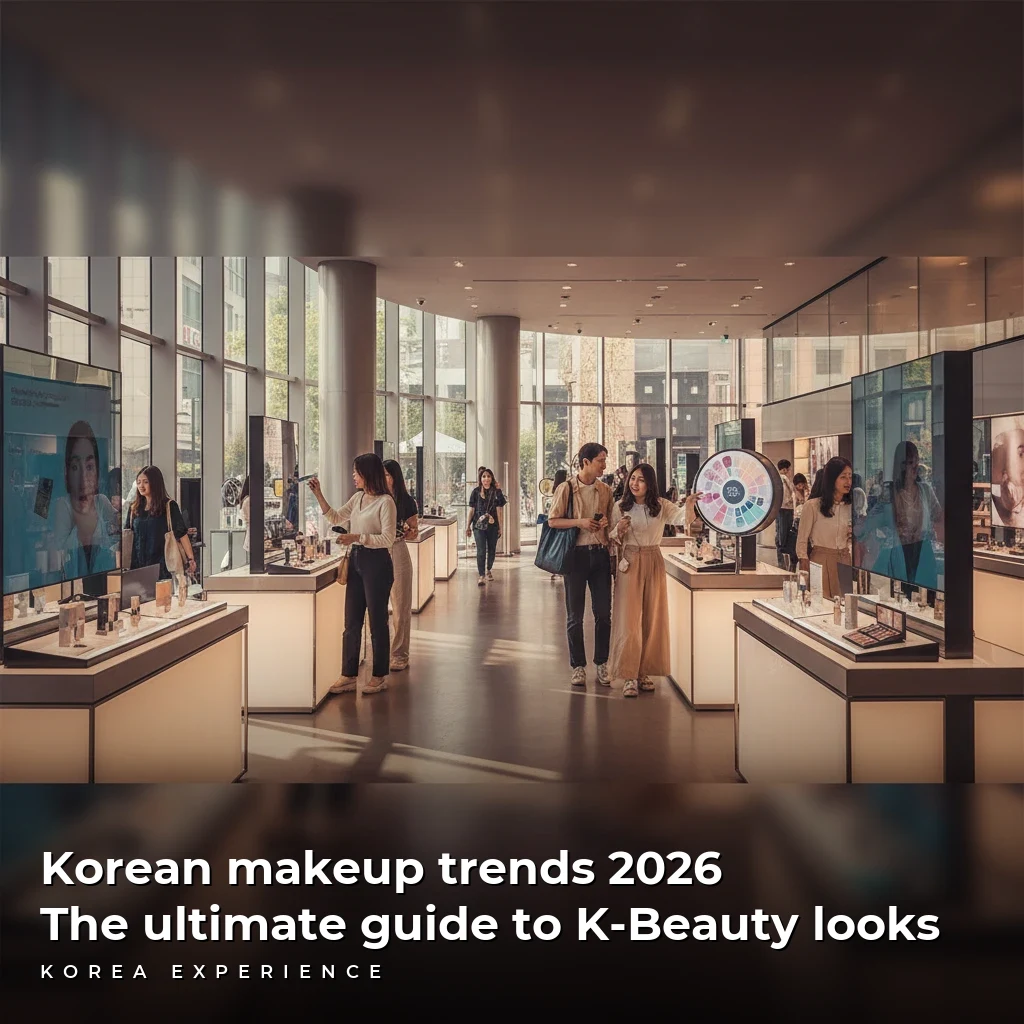
Discover the top Korean makeup trends of 2026, from Protein Skin to AI color analysis. Learn prices, top brands, and where to shop in Seoul for under $50.
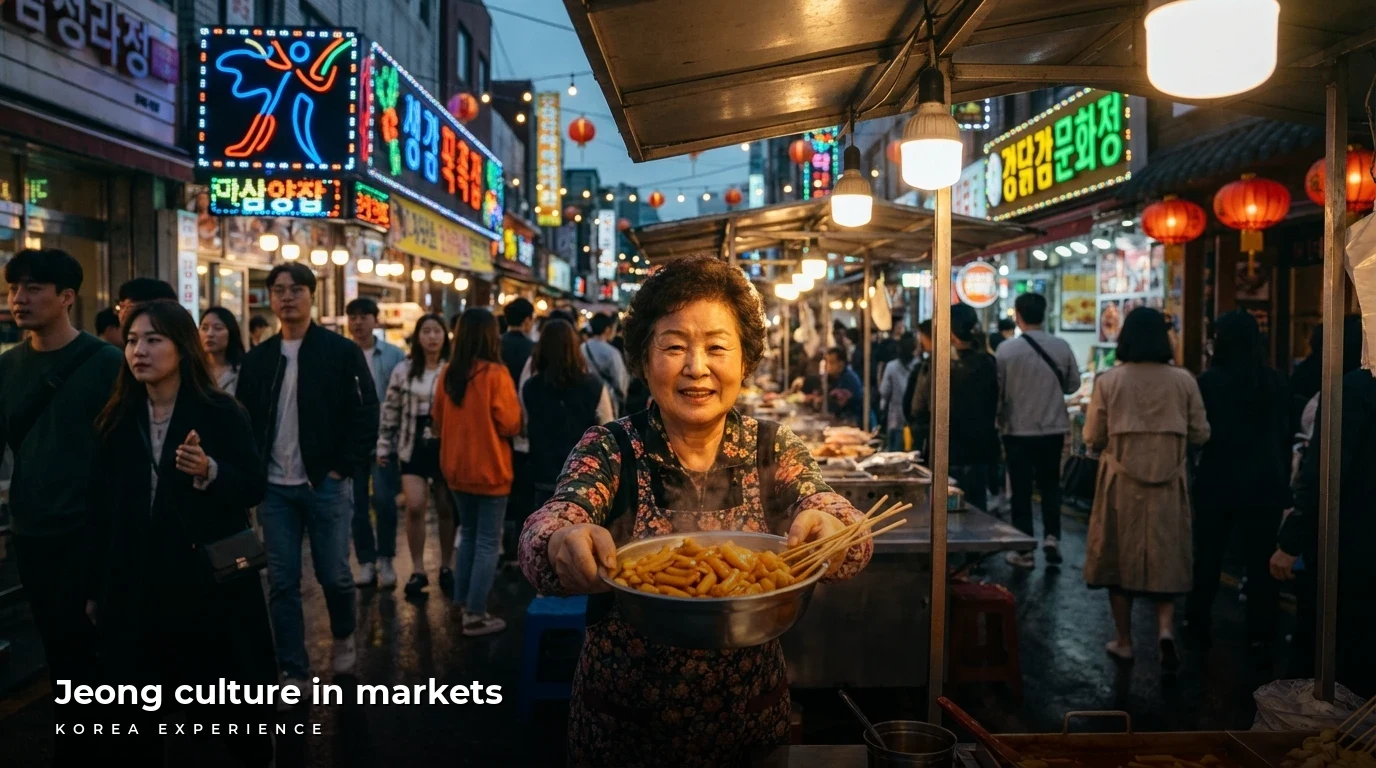
Discover why market vendors give free food. Learn how to navigate 24000 stalls in 2026 using WOWPASS and experience the 16 percent sales boom firsthand.
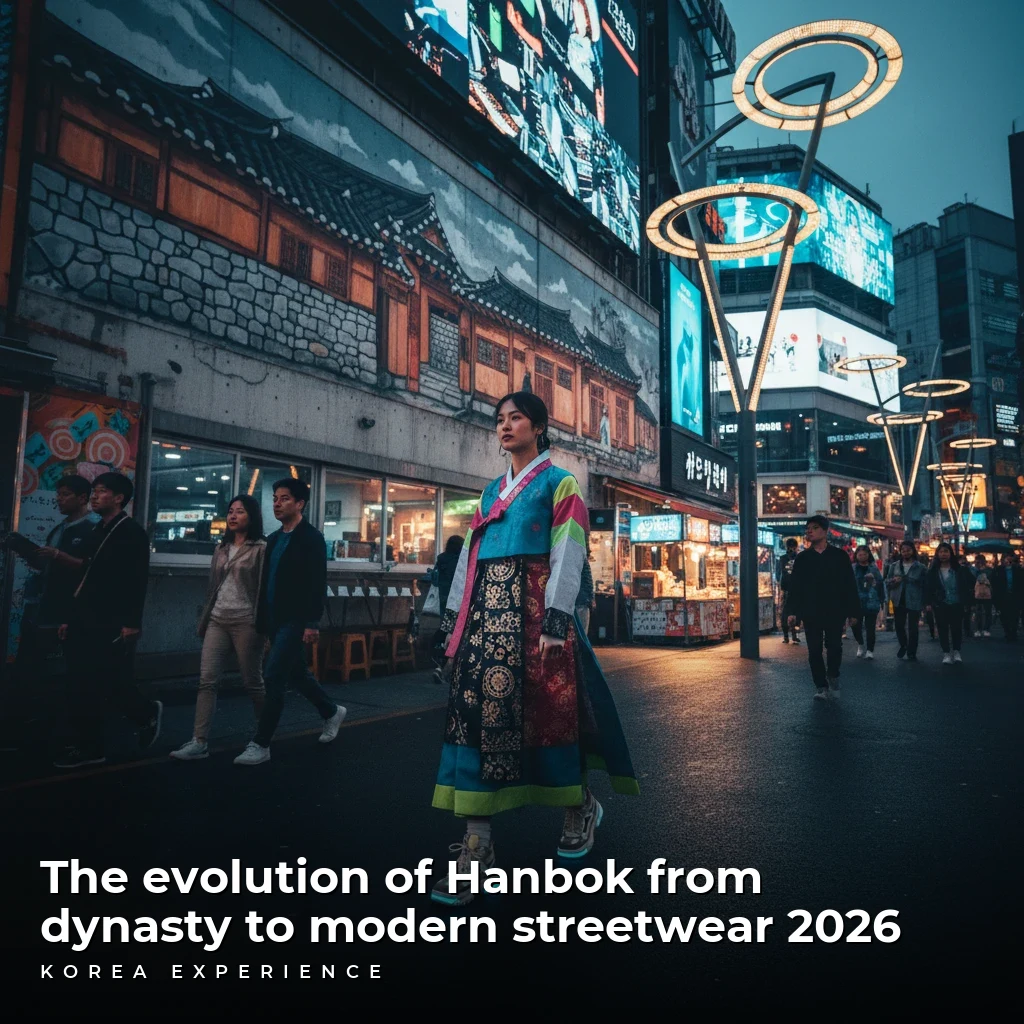
Discover how traditional Korean Hanbok evolved from Joseon dynasty attire to 2026 global streetwear trends, including rental tips and shopping guides.
Discover the best venues for Gugak performances in Seoul. From royal palaces to modern theaters, find ticket info, etiquette, and top cultural experiences.