2026 Year of the Red Horse: Will Korea's Superstition Tank Births?
The 2026 Year of the Red Horse brings a 60-year superstition back. With Korea's fertility rate at 0.72, will this fiery zodiac drop births further

So, you are hearing all these whispers about 2026 being the Year of the Red Horse and you are wondering what all the fuss is about. Let me break it down for you as simply as possible. The short answer is: 2026 marks the return of a once-in-a-60-year zodiac alignment that, historically, absolutely terrified people in East Asia. We are talking about a superstition so intense that the last time it rolled around, entire countries saw their birth rates fall off a cliff.
Look, to understand the Red Horse (or Fire Horse, as it is officially known), you have to understand that the Asian zodiac isn't just the 12 animals you see on the placemats at your local Chinese restaurant. It is a complex math equation. It combines those 12 animals with five core elements: Wood, Fire, Earth, Metal, and Water. Because 12 times 5 is 60, it takes exactly 60 years to complete a full cycle. In the traditional calendar system, 2026 is the Bingwu year. Bing represents Fire, which corresponds to the color red, and Wu represents the Horse. Put them together, and you get the fiery, explosive, unstoppable Red Horse.
Here is where the drama starts. In traditional fortune-telling (Saju), the horse is already a symbol of hyper-activity, independence, and running wild. Add the element of fire to that? You get a personality that is supposedly headstrong, incredibly passionate, and absolutely untamable. Now, if you were a man born with this energy back in the day, society thought you were destined to be a great general or a powerful leader. But if you were a woman? Oh boy. The deeply conservative, patriarchal societies of historical Korea, Japan, and China believed that a Fire Horse woman would be too stubborn, too loud, and too dominant. The superstition literally stated that she would emasculate her husband, bring ruin to his family, and suffer a terrible fate.
Because of this, families actively avoided having children in the Year of the Red Horse. They didn't want to risk having a daughter who would be deemed unmarriageable. It sounds completely wild to us now, right? But trust me, this wasn't just a fringe belief. It had real, measurable, massive impacts on society.
So, why does this matter for 2026? Well, South Korea is currently facing a demographic emergency. You have probably seen the headlines—Korea has the lowest fertility rate in the entire world, hovering around a terrifying 0.72 babies per woman. The government is throwing billions of dollars at the problem, trying to convince young people to start families. And right in the middle of this national crisis, the 60-year clock strikes midnight, and the Red Horse rides back into town. Will young, modern Koreans actually care about a dusty old superstition? Probably not in the same way their grandparents did. But in a country where every single birth counts right now, even a tiny hesitation from conservative families could make an already dire situation worse.
But honestly? There is a massive silver lining here. If you talk to young Korean women today, they aren't running away from the Red Horse—they are claiming it. The very traits that terrified men in 1966 are exactly what modern women are striving for: financial independence, strong boundaries, and the refusal to be tamed. If you are traveling to Korea in 2026, you are not going to step into a country terrified of a curse. You are going to step into a country that is rebranding an ancient myth into a massive celebration of fierce energy. And trust me, you are going to want to be a part of it.
Key Takeaways
- 12026 is the Year of the Red Horse (Bingwu), a rare zodiac event that only happens every 60 years and historically caused mass panic in East Asia.
- 2The last time this happened in 1966, birth rates in neighboring Japan plummeted by 25%. With South Korea's fertility rate at 0.72, demographers are highly concerned.
- 3Modern Korea is flipping the script, turning the Red Horse into a symbol of independent girl power, complete with fortune-telling trends and limited-edition merchandise.
📋 Quick Facts
The Background Story of the Zodiac Panic
To really grasp how crazy the vibe is going to be in 2026, we have to hop in a time machine and go back to 1966. I learned this the hard way while chatting with a demographer friend over drinks in Seoul, and it blew my mind. 1966 was the last Year of the Fire Horse, and it was an absolute disaster for demographers, particularly in Japan, but the ripples were felt across Korea and Taiwan too.
Picture this: It is the swinging sixties, economies are booming, and post-war populations are growing. But as 1966 approached, a collective panic set in. In Japan, the belief in the Hinoeuma (their name for the Fire Horse) curse was so deeply ingrained that families took drastic measures to avoid having babies. I am not exaggerating. The birth rate in Japan literally plummeted by 25% in a single year. We are talking about half a million babies that simply were not born because people were terrified of having a cursed daughter. Abortion rates spiked, and people even forged birth certificates, bribing doctors to register their 1966 babies as being born in late 1965 or early 1967. It was demographic chaos.
Korea, which shares many of these zodiac roots, felt the tremor too, though official data from post-war 1966 Korea is a bit harder to pin down. But Korea had its own massive, horrifying reckoning with zodiac superstitions just a couple of decades later. Let me introduce you to the White Horse panic of 1990.
In 1990, Korea entered the Year of the White Horse (Gyeong-o). Somewhere along the line, the older generation got their superstitions crossed. They remembered the panic of 1966, but somehow the rumor mill twisted it so that any special horse year was cursed for women. The myth spread like wildfire: White Horse girls would be too aggressive and destroy their husbands. But unlike in 1966, by 1990, medical technology had advanced. Ultrasound machines were becoming widely available in South Korean clinics.
What happened next is one of the darkest chapters in modern Korean demographics. Instead of just abstaining from pregnancy, families used ultrasounds to determine the sex of the baby. If it was a boy? Great, he will be a strong White Horse. If it was a girl? Devastating numbers of families chose sex-selective abortion. The statistics from 1990 are chilling. The natural sex ratio at birth is roughly 105 boys to every 100 girls. In 1990 in South Korea, that ratio spiked to 116.5 boys for every 100 girls. In some heavily conservative regions like Daegu, it shot up to an unbelievable 130 boys per 100 girls. It was a tragedy driven entirely by a myth.
The First 20th Century Red Horse
Traditional superstitions remained strong, though official demographic data from this era is scarce across East Asia.
The Great Birth Rate Plunge
The last Red Horse year caused immense panic, leading to a historic 25% drop in Japanese birth rates and a noticeable dip in Korea.
The White Horse Panic
Korea experienced a similar, devastating panic over the White Horse year, leading to a heavily skewed sex ratio of 116.5 boys to every 100 girls.
The Golden Pig Boom
A complete reversal! A rumor spread that babies born this year would be wealthy, causing Korea's birth rate to spike by 10%.
The Blue Dragon Year
Korea celebrated the auspicious Blue Dragon, a symbol of power and success, setting the stage for the upcoming zodiac transition.
The Return of the Red Horse
The 60-year cycle completes, bringing the Red Horse back to a modern Korea that is drastically different from 1966.
This history is exactly why the Korean government gets incredibly nervous when these rare zodiac years approach. But it is not always bad news! To show you how fickle these superstitions can be, fast forward to 2007: The Year of the Golden Pig. A rumor suddenly swept the nation that a baby born in a Golden Pig year would be blessed with immense wealth and good fortune. The result? The exact opposite of 1990. Couples rushed to get pregnant. Maternity wards were overflowing. The birth rate actually spiked by nearly 10% that year, reversing a years-long downward trend.
So, as we stare down the barrel of 2026, the big question is: Which way will the pendulum swing? Korean society has changed astronomically since 1990. Sex-selective abortion is illegal, strictly monitored, and broadly considered morally reprehensible by the modern generation. Women's rights have advanced significantly, and the K-Feminism movement is powerful. The 1966 panic was driven by a fear of women who couldn't be controlled. The 2026 reality is a society where women are already choosing not to marry, choosing their careers over childbirth, and redefining what success looks like. The Red Horse isn't a threat anymore; to many young Koreans, it is a mascot.
Breaking Down Your 2026 Zodiac Options
If you are planning a trip to Korea in 2026, you might be thinking, "This is fascinating, but how does it actually affect my vacation?" Look, the zodiac isn't just a horoscope in the back of a magazine here; it is a massive cultural and commercial engine. The moment the clock strikes midnight on New Year's, the entire country gets wrapped in the theme of the year. You essentially have three main ways to dive into the Red Horse energy, and your choice really depends on your travel style and budget.
Option A: The Fortune-Telling Deep Dive (Saju) If you are someone who loves astrology, tarot, or just weird cultural experiences, you have to get your Saju read. Saju is the traditional Korean method of analyzing your destiny based on the exact time of your birth. In 2026, this is going to be the trendiest thing to do. If you're staying for more than a few days, take an afternoon to visit Hongdae. You'll sit down in a cozy cafe, give them your birth info, and they will map out your life. If you want to dive deeper into how this ancient practice fits into modern wellness, check out our guide on Saju vs modern psychology in Korea: 2026 mental health guide.
The coolest part about doing this in 2026 is seeing how your personal elements interact with the massive Fire energy of the year. If you have a lot of Water in your chart, the reader might tell you that 2026 will boil your water, bringing stress but also massive transformation. If you have Wood, they'll tell you the Fire Horse is going to burn you up—meaning explosive creativity and passion. It is highly personalized and incredibly fun. It usually costs between ₩30,000 and ₩50,000, making it a perfectly affordable mid-range activity.
Option B: The Merchandise Haul Maybe fortune-telling isn't your thing, but you love shopping and K-culture aesthetics. Honestly, this is where 2026 is going to shine. Koreans take their character merchandise very, very seriously. Starting in late December 2025, every major brand will release limited-edition Red Horse collections.
If you're on a budget, head straight to Daiso. Daiso Korea is legendary for its seasonal drops. You can get adorable Red Horse planners, stickers, mugs, and plushies for under $5. If you want luxury, or at least premium souvenirs, you march right into the Kakao Friends flagship store in Gangnam or Hongdae. Ryan the Lion and Choonsik the Cat will absolutely be decked out in fiery red horse costumes. Starbucks Korea also releases highly coveted New Year tumblers and mugs that sell out in hours. If you're a digital nomad or just visiting for a week, dedicating a morning to zodiac hunting at these stores is a blast. The only catch? You have to be there early in the year. By March, the merch is usually gone.
Option C: The Traditional Temple Experience If you're an introvert, or if you prefer history and spirituality over shopping and loud cafes, then your best option is to visit a Buddhist temple like Jogyesa or Bongeunsa during the Lunar New Year (Seollal), which usually falls in late January or early February.
While Saju is technically more aligned with Taoist and folk traditions, the Korean temples heavily incorporate the zodiac. During Seollal, the temples will be covered in thousands of glowing paper lanterns, many shaped like the Red Horse. You can buy a small candle or a roof tile, write your wishes for 2026 on it, and offer it up. The vibe here is completely different from the busy streets of Hongdae. It's serene, respectful, and deeply rooted in the idea of praying for protection and luck in a year that is known for being volatile. Just make sure you know the cultural rules before you go, like Why You Should Never Use the 'Prayer Pose' in South Korea. It is also the cheapest option—entering the temples is free, and a wish candle only costs about ₩5,000.
| Feature | 2026 Red Horse (Bingwu) | 2024 Blue Dragon (Gapjin) | 2007 Golden Pig (Jeonghae) |
|---|---|---|---|
| Cost of Themed Merch | ₩5,000 - ₩35,000 | ₩5,000 - ₩35,000 | ₩5,000 - ₩35,000 |
| Cultural Vibe | Controversial, intense, fiery | Auspicious, powerful, lucky | Wealthy, blessed, incredibly popular |
| Superstition Level | Extremely High (Negative bias) | Moderate (Positive bias) | Extremely High (Positive bias) |
| Demographic Impact | Expected slight dip in births | Neutral / slight bump | Massive spike in birth rate (+10%) |
| Best For | Breaking stereotypes, feminism | Starting new businesses | Having babies, financial investments |
| Cultural Changes | Rebranding bad luck into independent women | N/A | N/A |
Pros
- ✓Fierce Independence: The very traits that men in 1966 were terrified of are exactly what modern society celebrates. Red Horse energy is total boss energy.
- ✓Incredible Merch Opportunities: Expect Kakao Friends, Starbucks Korea, and Daiso to release the most vibrant, aesthetic, fire-engine-red merchandise.
- ✓Amazing Conversation Starter: Knowing about the Bingwu superstition instantly gives you street cred with locals and makes for great conversations.
Cons
- ✗The Persistent Stigma: You might still hear annoying comments from older generations expressing pity or concern over girls born in 2026.
- ✗Saju Price Surges: Because 2026 is mathematically intense, fortune tellers will be booked solid, causing wait times and prices to temporarily spike.
- ✗Demographic Anxiety: The news cycle will be depressing in early 2026, tying the national fertility crisis to the zodiac superstition.
The Complete How-To for Saju Readings
Alright, let's get practical. You have decided you want the ultimate 2026 experience: getting your fortune read in Seoul. You want to see what the Red Horse has in store for you. But walking into a Saju cafe when you don't speak fluent Korean can be incredibly intimidating. Don't worry, I've got you covered. Here is exactly how you do it, step-by-step.
📖 How to Get a Zodiac Fortune Reading (Saju) in Seoul
Step 1: Find your exact time of birth
Saju translates to Four Pillars (Year, Month, Day, Time). Without the exact time, you are only getting 75% of your fortune! Make sure you know if your birth time was during Daylight Saving Time.
Step 2: Head to Hongdae or Itaewon
Go to areas with younger crowds if you do not speak fluent Korean. Hongdae has entire streets lined with Saju cafes, and Itaewon is your best bet for finding an English-speaking reader.
Step 3: Order a drink and get comfortable
Saju places in Korea are usually cafes. Order a drink, wait at your table, and the reader will come to you with a book or an iPad. Hand over your birth info and let them do their math.
Step 4: Pay in cash or transfer
Most Saju readers are independent contractors inside the cafe. You pay for the coffee at the register, but you pay the reader directly for the reading.
Step 1: Prep Your Four Pillars Saju literally means Four Pillars. Those pillars are the Year, Month, Day, and Time of your birth. If you just walk in and say "I was born on July 4th, 1995," the reader is going to look at you and ask for the time. If you don't know it, they can still do a reading based on three pillars, but it's like watching a movie with the last 20 minutes cut off. Text your parents right now and get the exact hour and minute. Also, find out what city you were born in. The reader will need to convert your local birth time into the traditional solar time used in East Asia. If you write down "Born in New York at 2:15 PM," they will do the math for you. Have this written down on a piece of paper or on your phone before you walk in.
Step 2: Navigating the Saju Streets Skip the old men sitting in tents in Jongno or Dongdaemun—they are masters, but they will not speak English, and their vocabulary is so archaic that even modern translation apps struggle with it. Instead, take the subway to Hongik University Station (Line 2) and take Exit 9. Walk toward the main university gate, and you'll find alleys packed with cafes featuring signs with Chinese characters and the word Saju. You are looking for signs that say English Available or English Taro/Saju. Places like Fun Saju or Eros Saju Cafe (near Ewha Women's University) often have English speakers on staff, or readers who are very patient and willing to work with you through Papago (Naver's translation app, which is way better than Google Translate in Korea).
Step 3: The Reading Process When you walk in, a host will seat you and hand you a drink menu. You must buy a drink—it is the unspoken rule of the cafe. Order your iced tea or coffee. Then, the reader will come over. Hand them your phone with your birth details.
Now, watch closely. They will pull out a massive, intimidating book filled with Chinese characters (the Manseoryeok or ten-thousand-year calendar), or more likely, they will punch your info into a specialized app on their iPad. They are translating your birth date into the Heavenly Stems and Earthly Branches. They will start by telling you your core element. "You are fundamentally Wood." Then, they will look at the current year—2026, the Red Fire Horse. Ask specific questions! Don't just say "Tell me my future." Ask, "I am thinking of changing jobs in 2026, does the Fire Horse energy support that?" or "How does my element interact with the Fire this year?" They love specific questions. If they tell you that you have too much Fire in your chart already, they might suggest wearing blue or black (Water colors) to balance out the crazy Red Horse energy of the year.
Step 4: The Payment Dance Here is where things get tricky for foreigners. The reading usually lasts about 20 to 30 minutes. When it is over, the reader will tell you the price. A standard comprehensive reading is usually around ₩30,000 to ₩50,000. You pay the cafe for the drink at the front register, but you must pay the reader directly for the fortune. Most Korean locals pay by instantly wiring money through their banking app. You can't do that. Bring physical cash. I cannot stress this enough. Have two crisp ₩10,000 bills and a couple of ₩5,000 bills ready to go. Hand the cash directly to the reader, bow slightly, and say "Thank you". It makes the whole transaction incredibly smooth and saves everyone the awkwardness of trying to figure out foreign credit cards.
Tourists always panic when I tell them they have Fire Horse or White Tiger energy in their charts because they read somewhere that it\'s bad luck. But in modern Saju, we call this Professional Success Energy. What terrified a Joseon-era mother-in-law is exactly what makes a female CEO successful in 2026. Don\'t fear the Red Horse; saddle it.
The Stuff Nobody Tells You About 2026
Okay, let's get into the insider secrets—the stuff you won't find in a standard guidebook. The truth about 2026 is that there's a massive generational divide playing out in real-time, and navigating the logistics as a tourist requires a bit of street smarts.
First, let's talk about the feminist reclamation of the Red Horse. The media is going to focus heavily on the doom and gloom of the birth rate, but if you hang out in university neighborhoods like Sinchon or Hongdae, you'll see a totally different vibe. Young Korean women are completely exhausted by societal expectations—the pressure to marry, buy an impossible-to-afford apartment, and have kids. For them, the 2026 Red Horse isn't a curse; it is an excuse to live loudly.
You're going to see a lot of indie brands, streetwear labels, and local artists using the Red Horse motif as a symbol of rebellion. Think graphic tees with a flaming red horse and slogans about staying single and getting rich. If you want truly unique souvenirs, skip the big malls and check out the independent boutique shops in Seongsu-dong or the artist alleys in Yeonnam-dong. Buying a piece of art that flips an ancient patriarchal curse into a feminist icon? That is the coolest souvenir you could possibly bring home.
Now, let's talk about the biggest logistical nightmare for tourists: the Korean banking system. I hinted at this earlier, but we need to dive deep. Korea is a hyper-digital, cashless society. Everyone pays for everything using Samsung Pay, KakaoPay, or instant bank transfers. To use any of these, you need a Korean phone number linked to an Alien Registration Card (ARC). If you are a tourist, you don't have an ARC.
This becomes a massive problem when you want to interact with small, independent vendors—like the Saju readers, street food stalls selling Red Horse-shaped sweet pancakes (Hotteok), or independent artists selling zodiac merch at weekend flea markets. If you try to hand them a foreign Visa card, their terminal might reject it, or they simply might not have a terminal at all, expecting a bank wire.
No Korean Phone or ARC? Here is What To Do
Booking an English-speaking Saju appointment usually requires reaching out via KakaoTalk and sending a deposit through a Korean bank transfer, which is literally impossible if you don't have an Alien Registration Card (ARC). Get the NAMANE Card or WOWPASS at the airport. These act as local Korean debit cards that you can top up with your home currency. While you still can't do a bank wire, you can use these cards to withdraw Korean Won from any ATM. For Saju cafes, skip the reservation process entirely! Go to Hongdae Saju Street (near Exit 9) on a weekday afternoon (around 2 PM to avoid the evening rush), look for an English Available sign, and walk right in with your physical cash. Cash bypasses the entire ARC booking system!
Finally, a quick note on etiquette. If you are interacting with older Koreans—maybe your Airbnb host is a sweet grandmother, or you strike up a conversation with a taxi driver in his 60s—be respectful of the superstition. You might think the idea of a cursed birth year is silly, but to them, it is a lived history. Just nod, smile, and say, "It is a very powerful year, isn't it?" Respecting the culture, even the parts that seem outdated, is what separates a good traveler from an obnoxious tourist. For more on navigating these cultural nuances, read our Unwritten Social Rules in South Korea: A 2026 Expat Guide.
❓ Frequently Asked Questions
Have more questions?Contact us →
Conclusion: Your Action Plan
Look, 2026 is going to be an absolutely fascinating time to be in South Korea. You are going to witness a country caught between a 60-year-old traditional superstition and a modern, progressive youth culture that is completely redefining what it means to be powerful. Will the birth rate drop? Honestly, probably a little bit. But the cultural explosion of art, merchandise, and conversation is going to be massive.
If you are planning your trip, here is your first-24-hours action plan: Land at Incheon, immediately grab a WOWPASS from the kiosk so you can navigate the cashless society without an ARC. Take the airport train into the city, check into your hotel, and head straight to a Daiso or Kakao Friends store to secure your limited-edition Red Horse merch before it sells out. Then, arm yourself with a crisp ₩50,000 bill, walk into a cafe in Hongdae, and ask a Saju master what the Fire Horse has in store for you. (If you're hungry after, check out our Hon-bap Guide: How to Eat Alone in Korea Like a Local in 2026). Embrace the chaos, enjoy the vibrant red energy of the year, and get ready for an unforgettable trip. Trust me, you've got this!
Key Statistics to Remember
| Statistic | Value | Label | Source |
|---|---|---|---|
| Japan Birth Rate Drop in 1966 | -25% | The 1966 Plunge | Demographic research data |
| Korea Sex Ratio at Birth (1990) | 116.5 boys : 100 girls | The White Horse Imbalance | Statistics Korea (KOSTAT) |
| Korea Fertility Rate (2023/2024) | 0.72 | Current Baseline | Statistics Korea (KOSTAT) |
Top Locations for Your 2026 Zodiac Tour
Fun Saju Cafe
- Address: 24 Wausan-ro 21-gil, Mapo-gu, Seoul
- Hours: 13:00-22:30
- Highlights: Multiple readers, cozy atmosphere, English translation available (must request in advance). Go on a weekday afternoon to avoid the massive lines of young couples on dates.
Daiso Hongdae 2nd Store
- Address: 162 Yanghwa-ro, Mapo-gu, Seoul
- Hours: 10:00-22:00
- Highlights: Multi-level store, massive seasonal display, cheapest souvenirs. The New Year zodiac collection drops right after Christmas; hit the first floor for the Red Horse display.
Kakao Friends Hongdae Flagship Store
- Address: 162 Yanghwa-ro, Mapo-gu, Seoul (Right next to Daiso!)
- Hours: 10:30-22:00
- Highlights: Exclusive plushies, photo zones, themed cafe on top floor. Grab your Red Horse Ryan plushie on the first floor, then head to the top floor cafe for a themed drink.
Route Comparison: 24 Hours in Seoul
Area: Mapo-gu & Jongno-gu Total Time: 8 Hours Luxury Total Budget: $250 | Budget Total Budget: $40
- Stop 1: Saju Fortune Reading
- Luxury ($150): Book a private session with a renowned master in a high-end Gangnam clinic where they analyze your chart with a translator.
- Budget ($25): Walk into a bustling cafe in Hongdae, buy a coffee, and get a quick, fun reading from a local student reader.
- Stop 2: Zodiac Merchandise
- Luxury ($85): Buy the massive, limited-edition Red Horse Choonsik body pillow and matching pajamas at Kakao Friends Flagship Store.
- Budget ($10): Grab adorable Red Horse stickers, a 2026 planner, and a small keychain plushie at Daiso Korea.
- Stop 3: Temple Visit
- Budget ($5): Light a candle for the New Year at Jogyesa Temple and make a wish for good luck under the beautiful lantern displays.
Recommendation: Mix it up! Do the budget Saju reading in Hongdae because the vibe is way more fun and authentic to young Korean culture, but definitely splurge at the Kakao Friends store for that high-quality, ridiculously cute Red Horse merch.
(Cover Image Note: A neon-lit fortune teller's cafe window in the bustling streets of Hongdae at night, with a young woman confidently holding a glowing red horse amulet while looking at a traditional birth chart. Deep neon red, midnight blue, and warm gold tones.)
Sources
- Statistics Korea (KOSTAT) Official Portal - Baseline data for South Korea's historical sex ratio imbalances (1990) and current fertility rate crisis (0.72).
- The Korea Herald - Cultural context on how Koreans celebrate the New Year zodiac animals and the retail/merchandise boom.
- Journal of Population Economics - Academic documentation of the massive 1966 birth rate drop in Japan due to the Fire Horse (Bingwu) superstition.
- Korea Times - Insight into the Saju (fortune-telling) industry in modern Korea and how young people interact with it today.
- Visit Korea (KTO) - Practical tourist information regarding navigating Hongdae, cafes, and foreign-friendly services without an ARC.
About the Author
Korea Experience Team
Written by the Korea Experience editorial team - experts in Korean medical tourism, travel, and culture with years of research and firsthand experience.
Explore more in K-Culture
K-Pop, K-Drama, traditional arts, and modern culture — dive deep into the cultural phenomena that have captivated the world.
Browse All K-Culture ArticlesContinue Reading
Explore more articles you might find interesting
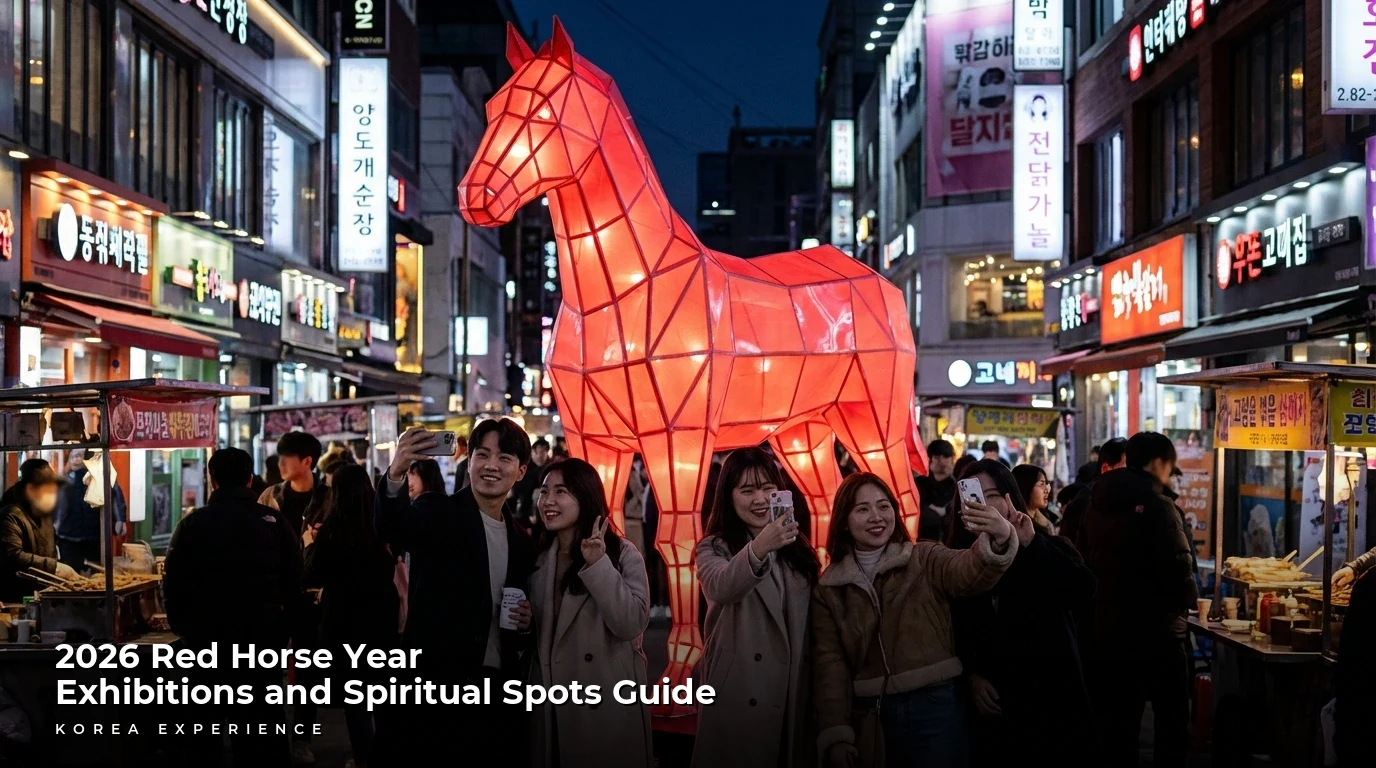
Discover the best 2026 Year of the Red Horse exhibitions and spiritual spots in Korea to maximize your luck and embrace fiery energy.
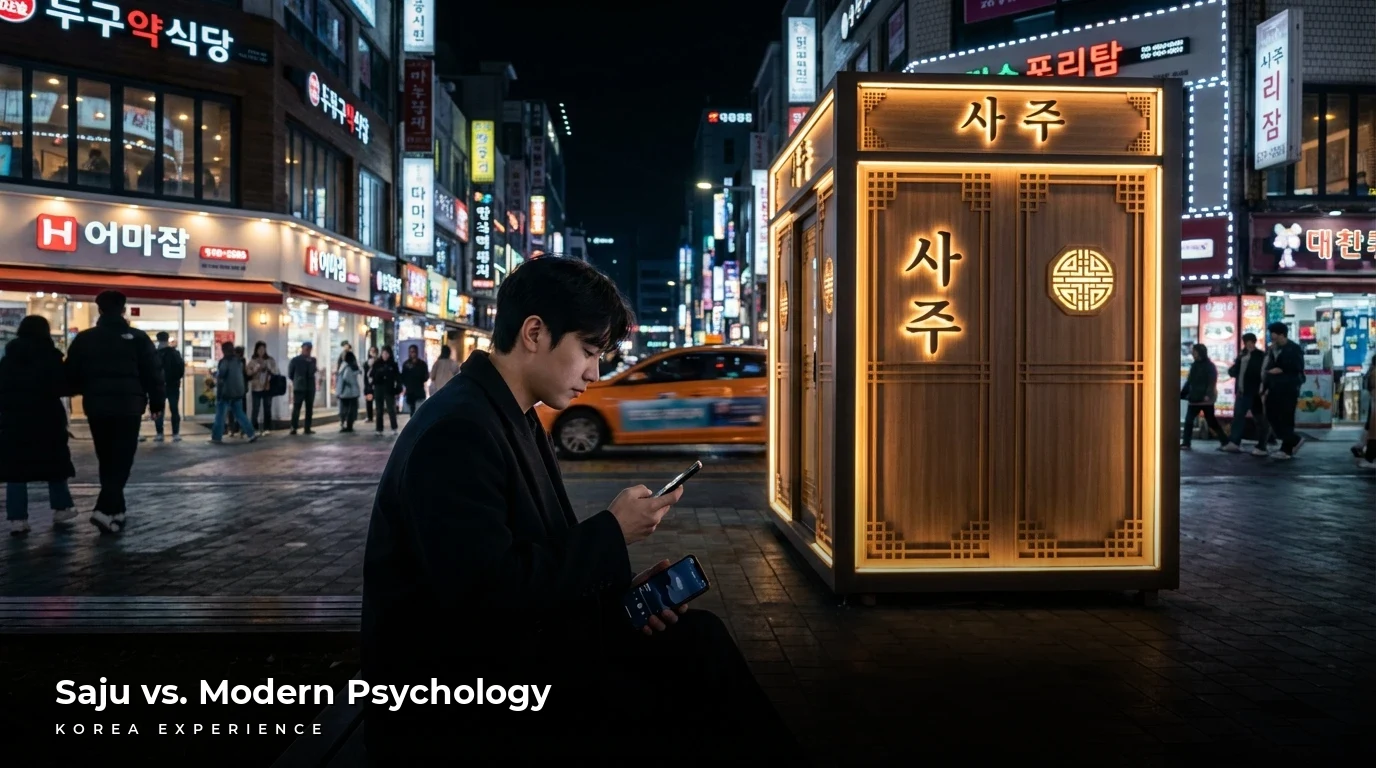
Navigate mental wellness in South Korea in 2026. Compare traditional Saju readings for 30,000 KRW with modern therapy to beat the 6.7 percent depression rate.
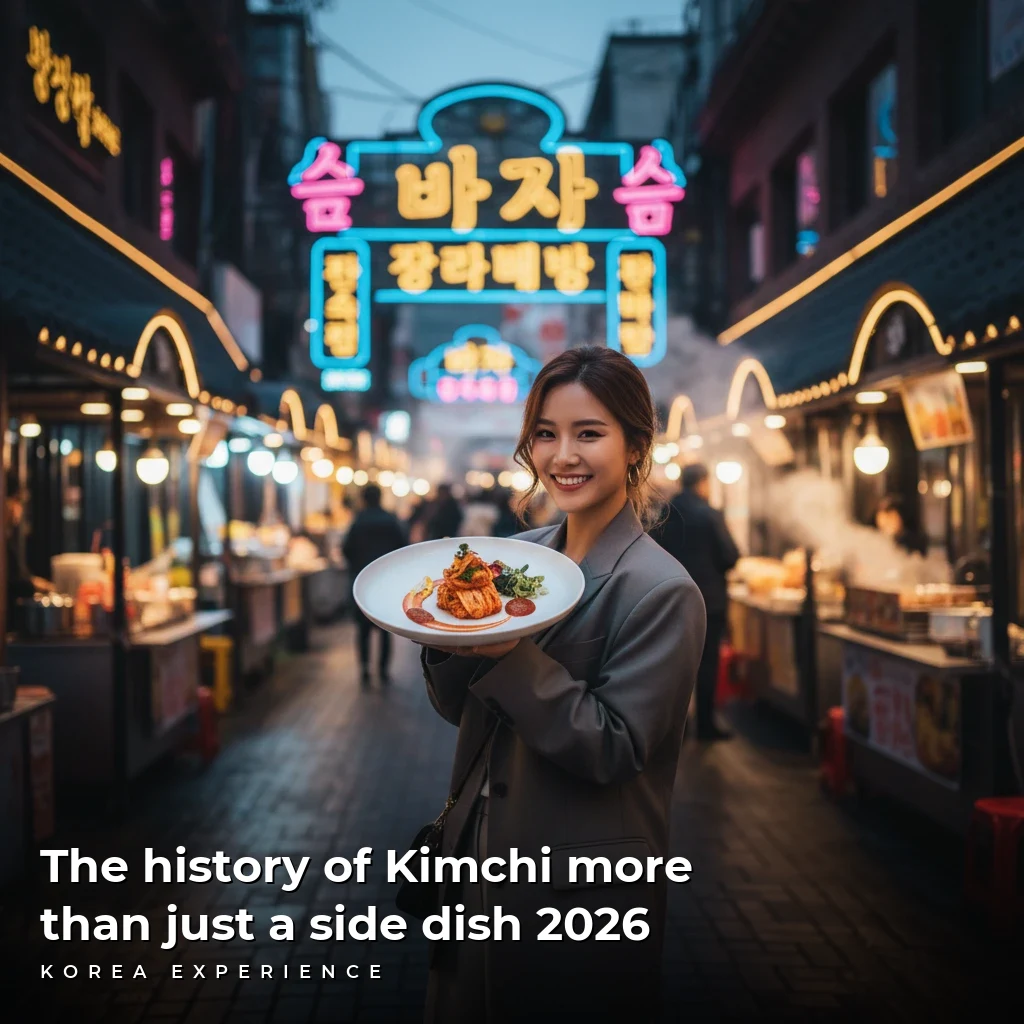
Discover the 3000 year history of kimchi, from ancient preservation to modern superfood. Includes 2026 travel tips, museum guides, and cooking class costs.
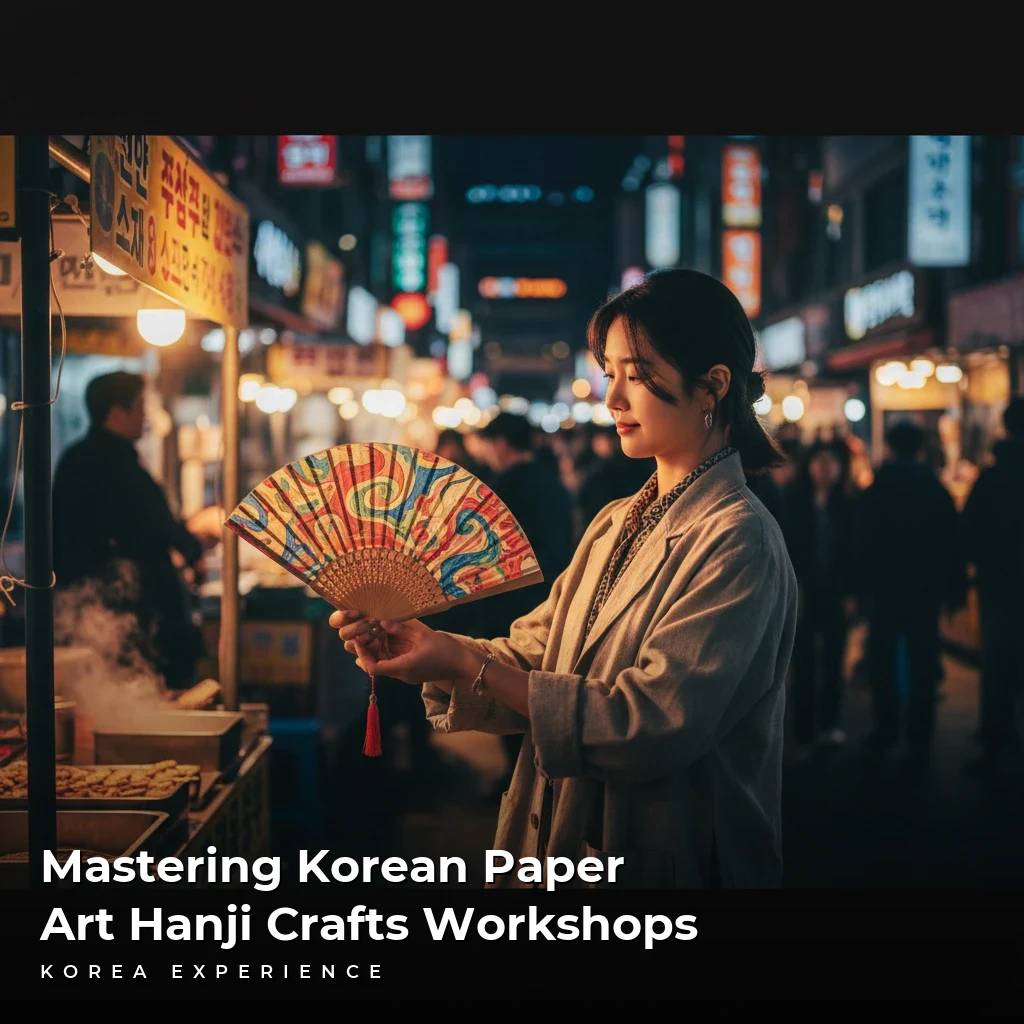
Discover the best Hanji paper craft workshops in Seoul and Jeonju. Learn pricing, locations, and expert tips for this 1000-year-old art form.

Stretch your budget in 2026 as 1 USD hits 1,400 KRW. Save up to 10 percent on tax refunds and cut 3 percent in card fees with our ultimate travel money guide.
Get same-day dental implants in Seoul for 1000000 to 1800000 KRW in 2026. Enjoy a 95 percent success rate and save thousands compared to US or UK prices.