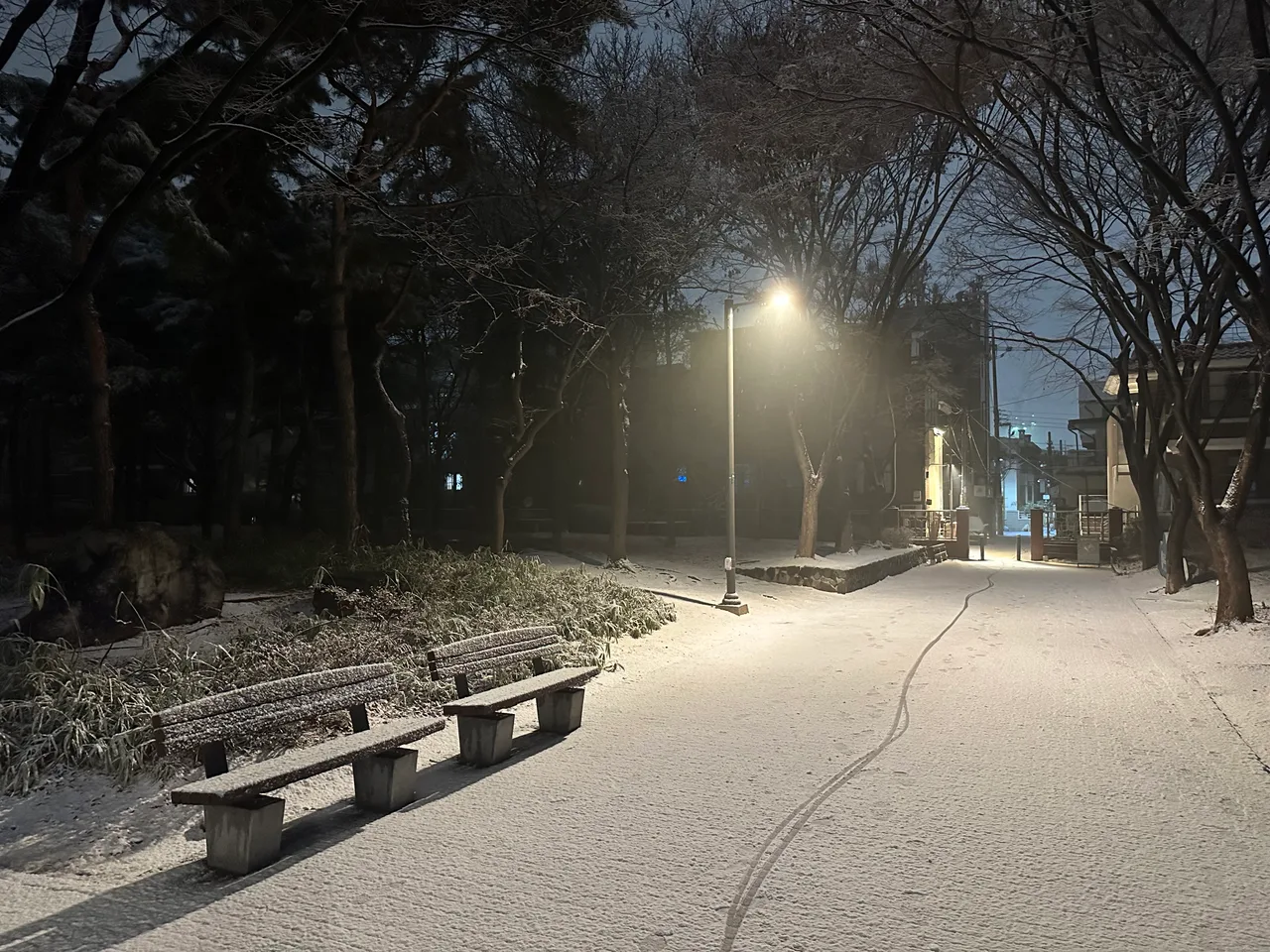
For: travelers who see a Korea Meteorological Administration snow advisory or warning. Checked: 9 November 2026. Read current notices for the exact area and time; this is not a live alert.
Identify the place and the affected journey
Open the Korea Meteorological Administration’s English severe-weather page and check the affected region, alert type, issuance and updates. Then check the operator or venue for your specific flight, bus, train or attraction. A weather alert does not itself tell you whether your particular trip is canceled.
| Plan | Check and adjust |
|---|---|
| Flight | Check airline status and airport access; keep a safe ground-transport alternative. |
| Mountain or park | Check official trail controls; postpone if closed or beyond your ability. |
| Intercity bus | Check the operator and roads; do not assume an automatic refund. |
| City plans | Check venues and return transport; group indoor stops and shorten outdoor transfers. |
Advisory and warning are not the same as a forecast for your exact street
KMA’s official criteria say a heavy-snow advisory can be issued when 24-hour snowfall is expected to reach 5 cm or more. The general warning criterion is 20 cm or more, with a separate 30 cm mountain-area criterion. These are issuance criteria, not a measurement of snow already on your particular route. Do not use the thresholds as proof that a road, flight or attraction is open or closed.
Check the area covered and the effective time. If your route crosses more than one region or mountain road, the start and end point may have different conditions. Snow and ice may remain on a route after the alert changes; follow current local instructions.
Before leaving your accommodation
- Recheck the alert and forecast for your destination and travel time.
- Open the actual transport provider or attraction’s official notice. If the page is unclear, contact the provider or ask accommodation staff for assistance.
- Make a shorter alternative with a confirmed indoor destination and a safe route back. Let a companion know if you change plans.
- Carry warm layers and a charged phone, and give yourself time. If conditions are unsafe, postpone rather than trying to meet an inflexible itinerary.
For immediate emergency assistance in Korea, use 119 for fire/rescue or medical emergencies and 112 for police. For non-emergency visitor information, use the 1330 and 119 guide. The Emergency Ready guide explains alert access; consult weather and transport sources directly for the decision.