Korean Traditional Music Gugak Performance Venues Guide
Discover the best venues for Gugak performances in Seoul. From royal palaces to modern theaters, find ticket info, etiquette, and top cultural experiences.
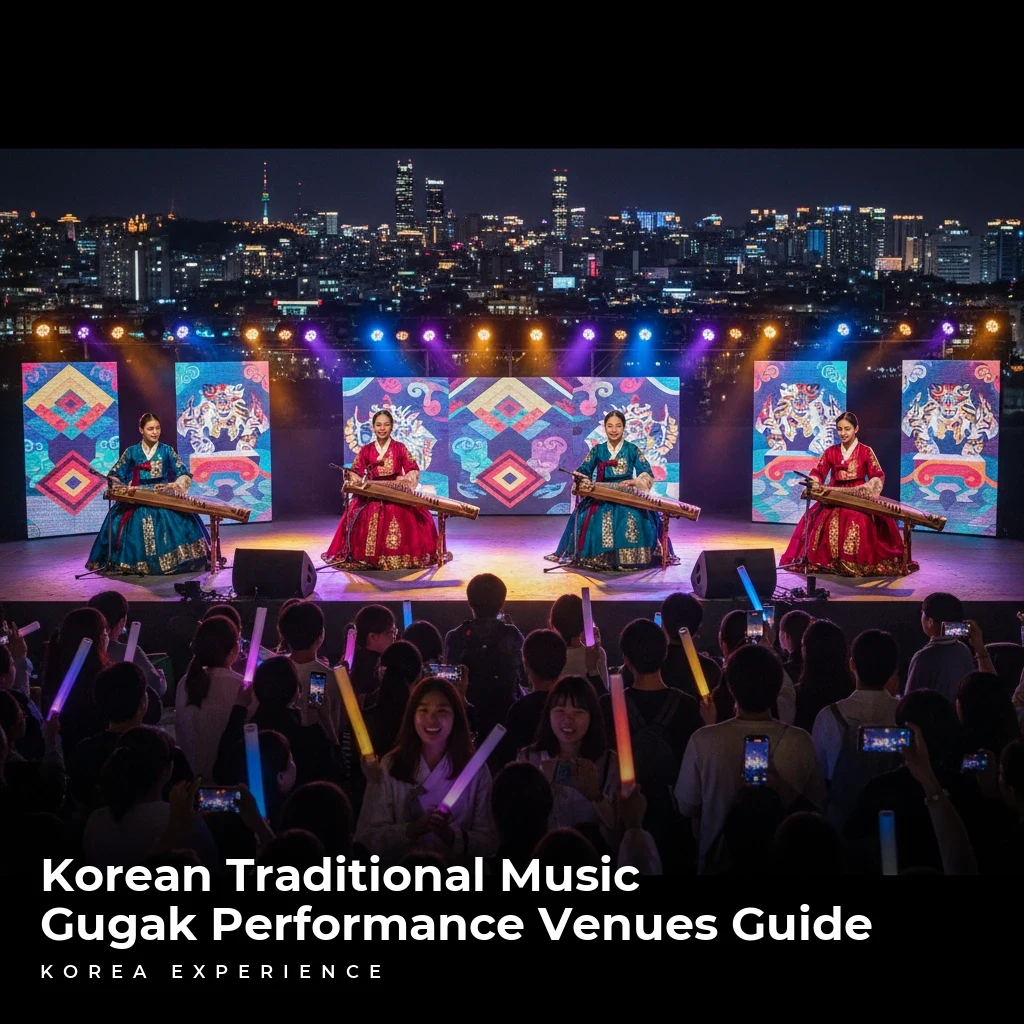
The soulful resonance of the gayageum and the thunderous beat of samulnori percussion define the soundscape of Korea’s history. For international travelers, attending a Korean traditional music Gugak performance is not merely a concert; it is a portal into the spiritual and artistic heritage of the nation. As of early 2026, Seoul boasts over 15 specialized venues dedicated solely to preserving and evolving these art forms, ranging from intimate hanok theaters to grand, state-of-the-art concert halls.
Learn more in our comprehensive guide to Korean traditional music and performance guide.
For more details, check out our guide on K indie and underground music best live venues in Hongdae.
For more details, check out our guide on Korean Indie Music Scene Live Music Venues Guide.
Related reading: Best K-Pop concert venues in Seoul ultimate guide.
Whether you are a classical music aficionado or a curious traveler seeking authentic culture, navigating the specific venues, ticketing systems, and audience etiquette can be daunting. This comprehensive guide details the premier locations to experience Gugak, complete with logistical data, pricing, and expert insights to ensure your cultural immersion is seamless.
Key Takeaways
- 1The National Gugak Center offers the most authentic repertoire with tickets starting as low as ₩10,000 ($7.50).
- 2For beginners, the Saturday Performance of Korean Music & Dance is the most accessible entry point, running weekly at 3:00 PM.
- 3Interaction is encouraged; learning simple 'Chuimsae' (exclamations) enhances the experience.
The National Gugak Center: The Epicenter of Sound
Located at the foot of Mt. Umyeonsan in Seocho-gu, the National Gugak Center stands as the headquarters of Korean traditional music. Established in 1951, it is the direct successor to the royal music institutes of the Joseon Dynasty. The complex is massive, spanning approximately 55,000 square meters, and houses four distinct theaters: Yeak-dang (main hall), Umyeon-dang (small hall), Pungnyu Sarangbang (acoustic hall), and Yeonhui-madang (outdoor theater).
📋 National Gugak Center Details
The most popular program for international visitors is the "Saturday Performance of Korean Music & Dance." This program, which has been running for over 30 years, presents a variety show format featuring court music (Jeongak), folk music (Minsogak), and traditional dance. It typically lasts 70 to 80 minutes, making it the perfect duration for those new to the genre.
Don't skip the Gugak Museum located right next to the performance halls. Admission is free, and they recently updated their interactive exhibits in 2025 where you can try playing a digital Gayageum. Arrive 45 minutes early to explore this before the show.
Logistically, the center is accessible but requires a short transfer. It is located about 1.2 kilometers from Nambu Bus Terminal Station (Line 3). A shuttle bus (free of charge) often operates from the station before major performances, or a taxi costs approximately ₩4,800.
National Gugak Center(국립국악원)
Seoul Donhwamun Traditional Theater: Acoustic Authenticity
If the National Gugak Center is the grand opera house, the Seoul Donhwamun Traditional Theater is the intimate jazz club. Opened in 2016 directly across from Changdeokgung Palace, this venue is unique because it combines a modern hanok aesthetic with specialized acoustics designed for traditional instruments.
The theater holds only 140 seats. This intimacy is intentional. Traditional Korean instruments, particularly the geomungo (six-string zither) and haegeum (two-string fiddle), have subtle resonance textures that are often lost in large, amplified halls. At Donhwamun, the focus is often on natural acoustics. The distance between the stage and the last row is less than 10 meters, ensuring every breath of the performer is audible.
Acoustic Design
The interior wood paneling uses Korean spruce, chosen specifically to reflect the frequency range of the Piri (bamboo oboe) and Daeguem (flute) without distortion.
Ticket prices here are incredibly reasonable, averaging ₩20,000 per show. The venue frequently hosts "casual Gugak" series, where performers explain the music (often with English subtitles or interpreters available on specific nights) to bridge the gap between artist and audience.
📊 Audience Satisfaction
Jeongdong Theater: The Spectacular Gateway
For travelers who worry that traditional music might be too slow or esoteric, Jeongdong Theater provides the perfect solution. Located near Deoksugung Palace in the heart of downtown Seoul, this venue specializes in "traditional arts performances" rather than pure music recitals. These are high-production spectacles that weave narrative, dance, percussion, and melody into a cohesive storyline.
Jeongdong Theater is historically significant as the restoration of the first modern theater in Korea, originally established in 1908. The current venue seats roughly 320 people and hosts resident shows that run for months at a time. As of 2026, their flagship production typically features a cast of 20-30 performers, utilizing projection mapping and dynamic stage mechanics alongside traditional pansori vocals.
Jeongdong Theater Experience
- ✓High production value with modern lighting
- ✓Strong narrative structure is easy to follow
- ✓Located centrally near City Hall
- ✗Higher ticket prices (₩40,000-₩60,000)
- ✗Less focus on pure musical technique
- ✗Can feel more 'touristy' than other venues
The shows here usually run for 70 minutes without intermission. It is highly recommended to book via the official website or global ticketing platforms like Interpark at least 3 days in advance, as weekend shows reach 85% capacity regularly.
Korea House: Dining with the Arts
Korea House in Chungmuro offers a dual sensory experience: royal court cuisine followed by a traditional performance. Operated by the Korea Cultural Heritage Foundation, this venue is housed in a stunning traditional Hanok complex built in 1957.
This is the premier choice for a romantic evening or a high-end cultural treat. The performance typically occurs in a separate hall after dinner and includes eight distinct repertoires, such as the Fan Dance (Buchaechum) and the Five-Drum Dance (Ogomu). The dinner courses range from ₩55,000 to ₩150,000, while the performance-only ticket is generally around ₩50,000.
💵 Korea House Options
Full Royal Cuisine Course + VIP seating
1-hour highlight show
The venue is located just 150 meters from Chungmuro Station (Exit 3), making it incredibly accessible. The performance hall seats 156 people, ensuring good visibility from all angles.
Buying Tickets: A Step-by-Step Guide
Securing tickets for Gugak performances can be tricky due to language barriers, though major venues have improved their English interfaces significantly by 2026. While on-site purchase is possible, popular Saturday shows often sell out.
📖 How to Book Gugak Tickets Online
Step 1: Choose Your Platform
Visit 'Global Interpark' or the specific venue website (e.g., gugak.go.kr).
Step 2: Select Performance
Search for 'National Gugak Center' or 'Saturday Performance'.
Step 3: Seat Selection
Choose seats. For acoustics, center-rear is better than front row.
Step 4: Payment & Pickup
Pay via card. You will receive a confirmation number. Pick up tickets at the box office 30 mins prior.
Understanding the Genres: What Will You Hear?
"Gugak" is an umbrella term covering various sub-genres. Knowing what you are booking prevents mismatched expectations. Some forms are meditative and slow, while others are frenetic and loud.
Gugak Genres Comparison
| Feature | Jeongak (Court) | Minsogak (Folk/Sanjo) | Samulnori (Percussion) |
|---|---|---|---|
| Pace | Slow, majestic, static | Emotional, variable tempo | Fast, energetic, loud |
| Instruments | Bells, zithers, flutes | Gayageum, Haegeum, Vocals | 4 types of drums/gongs |
| Vibe | Meditative & Royal | Expressive & 'Han' (sorrow) | Exciting & Rhythmic |
| Best Venue | National Gugak Center | Donhwamun Theater | Namsan Gugakdang |
Pro Tip: Pansori
Pansori is a one-person lyrical opera involving a singer and a drummer. It requires patience as it focuses on storytelling. If you don't speak Korean, ensure the venue provides English subtitles (supertitles), which Donhwamun and National Gugak Center often do.
Audience Etiquette & Chuimsae
Unlike Western classical music where silence is golden, Korean traditional music thrives on audience interaction, specifically regarding Folk Music and Pansori. This interaction is called Chuimsae.
The drummer on stage will shout words of encouragement to the singer, and the audience is invited to join. Common phrases include:
- "Eol-ssu!" (Excellent! / Right on!)
- "Jal-handa!" (You're doing great!)
- "Jota!" (Good!)
However, timing is key. You typically shout these phrases at the end of a stanza or during a rhythmic pause. If you are unsure, wait for the drummer to do it and echo them, or observe the older Koreans in the audience.
Dress Code: There is no strict black-tie dress code for Gugak performances. "Smart casual" is the standard. Jeans are acceptable if they are neat. However, for evening performances at Korea House or the main hall of the National Gugak Center, business casual is appreciated.
Do not clap while the music is playing during a slow 'Sanjo' (solo instrumental) piece. It breaks the tension. Wait for the musician to fully lower their hand or bow. However, during Samulnori (percussion), clapping along to the beat is often welcomed at the climax!
Suggested Itinerary: The "Soul of Sound" Day Trip
To fully immerse yourself in the culture, dedicate a full Saturday to the Jongno and Seocho areas. This itinerary balances history, food, and music efficiently, covering approximately 8 kilometers of travel.
Perfect Gugak Saturday
Gugak Museum
Start at the Museum in Seocho-gu to learn the instruments.
Temple Cuisine Lunch
Eat at a nearby temple food restaurant like 'Sanchon' in Insadong (requires transit).
Saturday Performance
Catch the variety show at National Gugak Center.
Dinner at Korea House
Head to Chungmuro for a royal dinner (reservation required).
Namsan Seoul Gugakdang: Nature and Tradition
Nestled in Namsangol Hanok Village, the Namsan Seoul Gugakdang is another gem that opened in 2007. It is specifically famous for its architecture; the performance hall is built underground to preserve the serene landscape of the Hanok village above, yet it utilizes natural light and wood to prevent feeling like a basement.
The acoustics here are purely natural, with no microphones used for most performances. It seats 330 people. The venue is just a 5-minute walk from Chungmuro Station (Exit 3 or 4). Ticket prices are generally lower here, often ranging from ₩10,000 to ₩30,000, making it a budget-friendly option for families.
Shoe Policy
Some smaller performances or workshops within the Namsan/Donhwamun facilities may require you to take off your shoes. Wear clean socks!
Conclusion
The landscape of Korean traditional music Gugak performance venues is diverse and thriving. Whether you choose the grandeur of the National Gugak Center with its 800-seat main hall or the intimate, wood-scented air of the Donhwamun Theater, you are participating in a living history.
In 2026, the barrier to entry has never been lower. With improved English ticketing, subtitle services, and a global appreciation for K-Culture expanding beyond K-Pop, Gugak offers a profound, resonating look into the Korean soul. Remember to book at least one week in advance, check for the "Saturday Performance" series, and don't be afraid to shout "Eol-ssu!" when the spirit moves you.
❓ Frequently Asked Questions
Have more questions?Contact us →
About the Author
Korea Experience Team
Written by the Korea Experience editorial team - experts in Korean medical tourism, travel, and culture with years of research and firsthand experience.
Explore more in K-Culture
K-Pop, K-Drama, traditional arts, and modern culture — dive deep into the cultural phenomena that have captivated the world.
Browse All K-Culture ArticlesContinue Reading
Explore more articles you might find interesting
Discover the best Korean webtoon cafes and manhwa culture in 2026. Our guide covers locations, prices, and tips for the ultimate comic experience.
The ultimate guide to Gugak, Pansori, and fusion performances in Seoul. Discover venues, prices, and etiquette for the 2026 travel season.
Explore the top Korean webtoon platforms, essential titles to read, and how to experience manhwa culture offline in Seoul with our comprehensive guide.
Explore Seouls 5 Grand Palaces with our expert guide to Korean traditional architecture. Discover hidden spots, Secret Garden tips, and Royal Pass details.
Explore the fascinating journey of Korean webtoons transforming into global K-drama sensations.
Discover the vibrant world of Korean street art, from the legal graffiti tunnels of Apgujeong to the controversial history of Ihwa Mural Village.