Korean Street Art & Graffiti: Seoul's Urban Canvas
Uncover the vibrant world of Korean street art and graffiti culture. Explore Seoul's hidden murals, public art, and the artists shaping its urban landscapes.
Korean Street Art and Graffiti Culture: A Vibrant Urban Canvas Awaits
Korea is globally renowned for its dynamic K-Pop, compelling K-Dramas, and exquisite traditional culture. Yet, beneath the surface of its gleaming modernity and ancient heritage lies another captivating layer: the vibrant and ever-evolving world of Korean street art and graffiti culture. Often a hidden gem for international visitors, this artistic movement transforms ordinary urban spaces into spectacular outdoor galleries, reflecting the nation's contemporary spirit, social narratives, and artistic ingenuity.
Many travelers might associate street art primarily with Western cities, or overlook the depth of its presence in Korea. However, from the bustling alleys of Seoul to the quaint corners of regional towns, street art tells a powerful story. It's a dialogue between artists and their environment, a testament to creativity flourishing in unexpected places, and an increasingly significant aspect of K-Culture. This comprehensive guide will take you on an artistic journey, unraveling the history, diverse styles, key locations, and practical tips for experiencing the rich tapestry of Korean street art and graffiti. By the end, you'll be equipped to explore this fascinating facet of Korea, gaining a deeper appreciation for its artistic landscape.
The Evolution of Korean Street Art and Graffiti
The story of Korean street art is one of transformation, evolving from a marginalized form of expression to a recognized and celebrated cultural phenomenon. Initially, graffiti and unsanctioned street art faced considerable resistance, often deemed vandalism or simply "not art." Yet, driven by a burgeoning youth culture, international influences, and a desire for diverse artistic outlets, the scene began to take root in the late 20th and early 21st centuries.
Early Beginnings and International Influences
In its nascent stages, Korean graffiti was largely influenced by American hip-hop culture, which swept across the globe in the 1980s and 90s. Young artists, often self-taught, experimented with spray cans and stencils, leaving their tags and pieces in clandestine locations. This period was characterized by a rebellious spirit, challenging established norms and pushing the boundaries of what was considered acceptable public art. As the internet made global art trends more accessible, Korean artists began to fuse international styles with their own unique perspectives, laying the groundwork for a distinctly Korean aesthetic.
From Subculture to Mainstream Acceptance
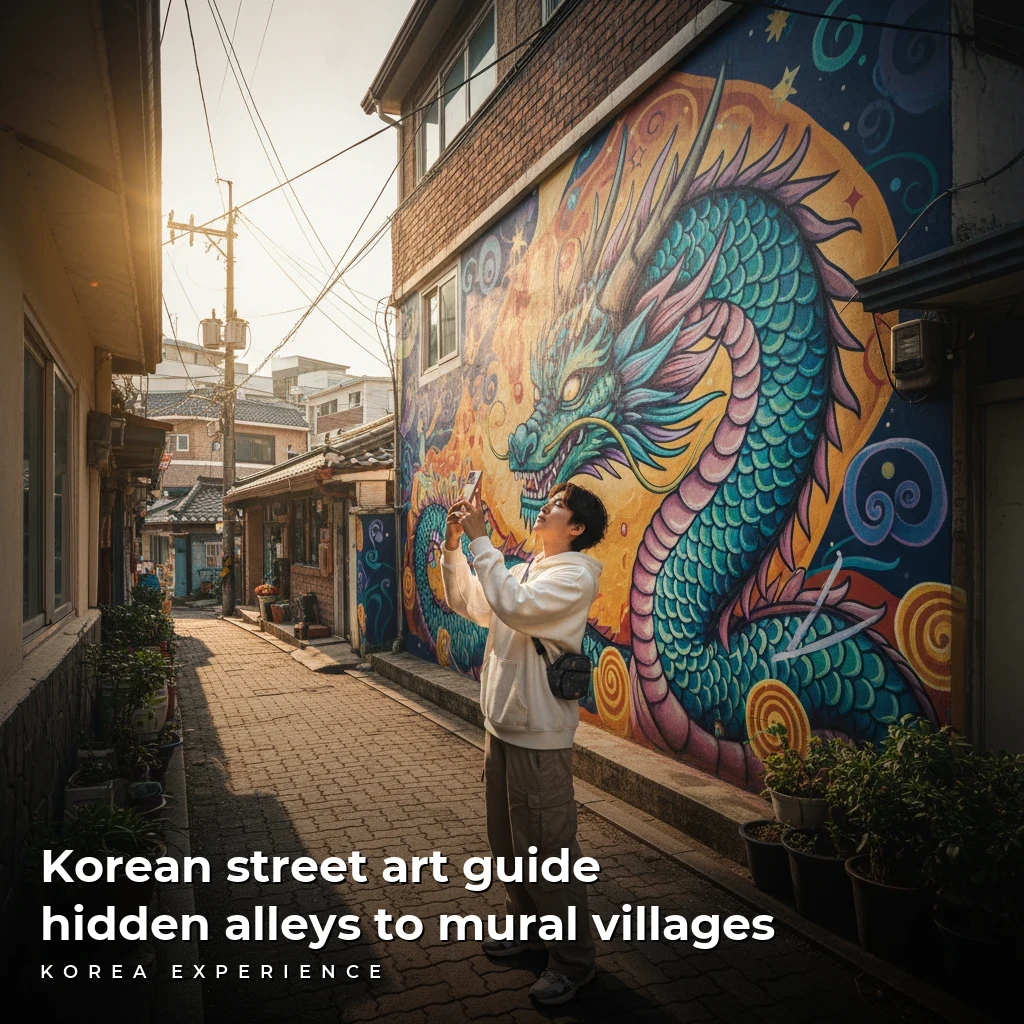
A significant turning point for Korean street art came with the rise of "mural villages" (often found in older, hillside communities) and government-backed public art initiatives. Faced with urban decay in certain neighborhoods, local authorities and community groups began to invite artists to beautify these areas with large-scale murals. What started as urban revitalization projects soon blossomed into vibrant open-air museums, transforming once-neglected districts into popular tourist attractions. This shift helped legitimize street art in the public eye, distinguishing community-oriented murals from illicit graffiti, and opening doors for more diverse artistic expressions.
The Rise of Commissioned Works and Urban Galleries
Today, Korean street art encompasses a wide spectrum, from intricate graffiti tags and elaborate pieces to large-scale, thought-provoking murals, stencil art, and even 3D installations. Many artists now receive commissions from businesses, cultural organizations, and local governments, integrating their art seamlessly into commercial districts and public spaces. This acceptance has fostered a fertile ground for creativity, allowing artists to explore a broader range of themes, from social commentary and environmental awareness to whimsical narratives and abstract designs. The result is an urban landscape that continually surprises and inspires, making Korean street art and graffiti culture a compelling field for exploration.
Iconic Street Art Districts in Seoul
Seoul is undoubtedly the epicenter of Korean street art, boasting several distinct districts where creativity explodes onto walls, alleys, and even building facades. Each area offers a unique flavor and artistic experience.
Hongdae: The Heart of Youth and Creativity
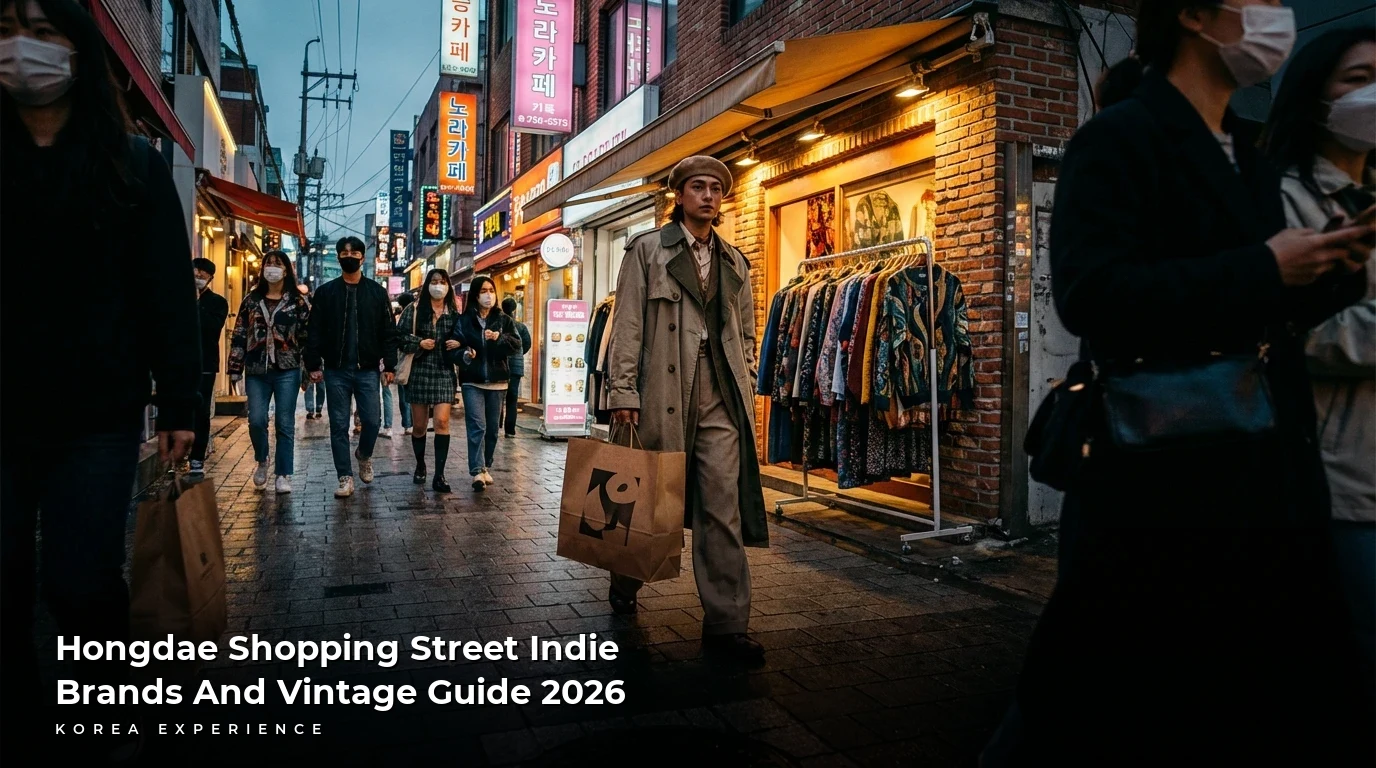
Hongdae, known for its vibrant indie music scene, bustling cafes, and fashion boutiques, is also a prime location for street art. The area surrounding Hongik University is a hotbed of youthful energy, reflected in the diverse artworks found here.
- Artistic Style: Expect a mix of colorful murals, intricate graffiti pieces, pop art influences, character-based art, and spontaneous expressions. Many works here are dynamic and frequently change, offering something new with every visit.
- Key Spots: Explore the alleys near the Hongdae Playground, the walls around Hongik University Station (especially exit 9), and the smaller side streets off the main thoroughfare. The "Street Art Wall" near the Sangsangmadang cultural complex is a regularly updated canvas for emerging artists.
- Vibe: Energetic, youthful, experimental, constantly evolving.
- Insider Tip: Visit on a weekend afternoon to catch live street performances and see artists possibly creating new pieces. The art here is often integrated with trendy cafes and shops, making it perfect for a leisurely stroll and coffee break.
Ihwa Mural Village: A Reborn Community Through Art
Perched on a hillside overlooking Daehangno, Ihwa Mural Village is a quintessential example of how art can revitalize a community. Once a dwindling neighborhood, it was transformed in 2006 by the "Art in City" project, bringing in over 70 artists to paint murals and install sculptures.
- Artistic Style: Whimsical, narrative, interactive murals that blend with the residential environment. Expect charming staircases painted with koi fish or flowers, playful characters, and optical illusions.
- Key Spots: The famous "Flower Staircase" and "Fish Staircase" are must-sees, though some original works have been removed or changed due to resident requests for privacy. Wander through the narrow alleys to discover smaller, more intimate pieces.
- Vibe: Charming, picturesque, community-focused, a touch nostalgic.
- Insider Tip: Wear comfortable shoes as it involves uphill walking and many stairs. Be respectful of residents, keeping noise levels down, especially when photographing. Many small cafes offer stunning views and a chance to rest.
Mullae Art Village: Industrial Grit Meets Artistic Edge
Mullae Art Village offers a stark contrast to Ihwa's charm and Hongdae's vibrancy. Located in an old industrial complex filled with steel factories and workshops, it has become a unique haven for artists seeking affordable studios and an inspiring, raw environment.
- Artistic Style: Edgy, gritty, often incorporating industrial themes or found objects. Expect large-scale murals, abstract pieces, politically charged works, and street art that plays off the metal workshops.
- Key Spots: The true joy of Mullae is in getting lost in its labyrinthine alleys. Look for art on warehouse walls, rolling doors, and unexpected corners. Several cafes and small art galleries are also nestled among the factories.
- Vibe: Industrial chic, bohemian, authentic, a bit hidden.
- Insider Tip: Mullae is less polished than other art villages, which is part of its appeal. It's best visited during weekdays when the factories are active, adding to the atmosphere. Many artists' studios are open to visitors, offering a glimpse into their creative process.
Gangnam and Garosu-gil: Upscale Art and Trendy Statements
While less concentrated than other areas, the upscale districts of Gangnam and Garosu-gil showcase a different kind of street art. Here, you'll find more commercial collaborations, stylish murals, and installations that complement the trendy boutiques and high-end businesses.
- Artistic Style: Polished, contemporary, often advertising-oriented, fashion-forward, and integrated with modern architecture. Expect sophisticated murals, unique sculptures, and designer collaborations.
- Key Spots: Wander down the main Garosu-gil street and its side alleys for chic murals and installations. Gangnam also features various public art pieces, including the iconic Gangnam Style hand sculptures.
- Vibe: Trendy, luxurious, modern, commercially integrated.
- Insider Tip: Combine your art exploration with a shopping spree or a visit to a high-end cafe. The art here is often part of the overall aesthetic of a brand or establishment.
Common Street Art Motifs in Korea
Korean street art showcases a fascinating blend of global and local influences. Here's a quick comparison of some common motifs:
| Motif Type | Description | Examples/Characteristics | Common Locations |
|---|---|---|---|
| Traditional Korean | Elements inspired by ancient folklore, art, and symbols | Hanbok-clad figures, mythical creatures (dragons, tigers), folk paintings (minhwa), traditional patterns | Ihwa Mural Village, older districts, cultural centers |
| Whimsical/Narrative | Playful scenes, story-telling, fantasy elements | Cartoon characters, animals, dreamy landscapes, interactive 3D art, scenes from daily life | Ihwa Mural Village, Hongdae, themed cafes |
| Social Commentary | Art addressing societal issues, politics, environment | Critiques of consumerism, urban pressure, environmental messages, historical reflections | Mullae Art Village, temporary installations, protest art |
| Abstract/Geometric | Non-representational forms, patterns, bold colors | Geometric shapes, abstract compositions, optical illusions, modern designs | Hongdae, Gangnam, commercial buildings, less common in traditional mural villages |
| Graffiti/Tagging | Stylized lettering, signatures, spray paint works | Bubble letters, wildstyle, throw-ups, often fast-executed pieces | Hongdae, industrial areas, underpasses, less visible spots |
Beyond Seoul: Regional Street Art Gems
While Seoul is a hotspot, Korea's regional cities also boast impressive street art scenes, often with a unique local flavor. Venturing outside the capital offers a different perspective on the nation's urban art landscape.
Busan: Gamcheon Culture Village and More
Busan, Korea's second-largest city, is home to perhaps the most famous "mural village" in the country: Gamcheon Culture Village. Known as the "Machu Picchu of Busan," this vibrant hillside community is a must-visit.
- Artistic Style: Colorful houses stacked like LEGO blocks, interspersed with murals, sculptures, and art installations. Much of the art is whimsical, interactive, and plays with perspective and the unique geography of the village.
- Key Spots: The iconic "Little Prince and Fox" statue, the numerous alleyways with hidden art, and the panoramic viewpoints are essential.
- Vibe: Picturesque, community-oriented, visually stunning, bustling with tourists.
- Insider Tip: Get a map at the village entrance to navigate the winding paths and find all the hidden art pieces. Allow at least 2-3 hours to explore thoroughly. Beyond Gamcheon, explore areas like Seomyeon for more contemporary graffiti and art alleys.
Jeonju Hanok Village: Subtle Artistic Touches
While primarily known for its traditional Hanok (Korean traditional house) architecture, Jeonju Hanok Village also incorporates subtle artistic elements.
- Artistic Style: More understated, focusing on traditional motifs, calligraphy-inspired pieces, and art that complements the historical ambiance rather than overt graffiti. You might find delicate wall paintings or modern interpretations of traditional art.
- Vibe: Historic, serene, cultural, culinary focus.
- Insider Tip: Look closely in quieter alleys or around cultural centers to find these unique pieces. The art here is often integrated with cafes or craft shops.
Other Cities
Smaller cities and towns across Korea are increasingly adopting public art initiatives to revitalize their communities. Look for mural projects in areas like Tongyeong, known for its picturesque seaside and art-infused streets, or in university towns where youthful energy fosters contemporary expressions. The ongoing national commitment to public art ensures that unexpected artistic discoveries await travelers willing to explore beyond the well-trodden paths.
The Artists and Their Mediums
The Korean street art scene is populated by a diverse array of artists, from anonymous taggers to internationally recognized muralists. They employ a variety of mediums and techniques to bring their visions to life.
Diverse Artistic Voices
Korean street artists often come from varied backgrounds: some are formally trained art school graduates, others are self-taught enthusiasts, and many are graffiti writers who have honed their skills over years. What unites them is a passion for urban expression. While specific names might not be widely known outside specialist circles, their collective impact is undeniable. Many artists choose to work under pseudonyms, maintaining a degree of anonymity that is part of graffiti culture. This allows them to express freely, sometimes challenging social norms or political landscapes, without direct personal attribution.
Mediums and Techniques
- Spray Paint: The classic tool of graffiti, allowing for vibrant colors, intricate lettering (wildstyle), and rapid execution. Many large-scale murals also begin with spray paint for outlines and base layers.
- Paint and Brushes: Essential for detailed murals, especially in community projects like Ihwa or Gamcheon. Acrylic and exterior paints ensure durability against the elements.
- Stencils: Used for creating repeatable images, bold statements, and often carrying political or social messages. Stencil art can be found in various sizes, from small tags to large, multi-layered pieces.
- Paste-Ups and Stickers: Quick, often provocative, and easily removable forms of street art. Artists print their designs and paste them onto walls, poles, or utility boxes. Stickers offer a fast way to spread an artist's signature or message.
- Installations and 3D Art: Less common but increasingly seen, these can involve found objects, sculptures, or optical illusions that interact with the physical environment, adding another dimension to street art.
Artistic Collaboration and Community Projects
A significant aspect of Korean street art, particularly the mural villages, is its collaborative and community-driven nature. Many projects involve local residents, students, and artists working together to transform their neighborhoods. This fosters a sense of ownership and pride, ensuring the art is not just imposed but organically grown from within the community. These collaborations often bridge generational gaps, bringing together traditional residents with young, contemporary artists.
Understanding the Legality and Culture of Korean Street Art
Navigating the world of street art also means understanding the nuances of legality and the unwritten rules of engagement. In Korea, as in many countries, there's a clear distinction between sanctioned public art and unsanctioned graffiti.
Sanctioned vs. Unsanctioned Art
- Sanctioned Public Art: These are murals, installations, and art pieces commissioned by local governments, businesses, or community groups. Examples include the art in Ihwa Mural Village, Gamcheon Culture Village, and many of the large-scale murals in specific art districts. These are celebrated and maintained.
- Unsanctioned Graffiti: This refers to works created without permission on public or private property. Legally, this is considered vandalism and can lead to penalties. While less prevalent and often less tolerated than in some Western cities, unsanctioned graffiti does exist, primarily in underpasses, abandoned buildings, or hidden alleys, particularly in areas like Hongdae or less-maintained industrial zones.
Public Perception and Evolution
Public perception of street art in Korea has significantly evolved. While unsanctioned graffiti still carries a negative stigma, well-executed murals and public art projects are widely embraced. They are seen as beautifying urban spaces, attracting tourism, and fostering community spirit. This positive shift has opened more avenues for artists to showcase their talents legally and for the public to engage with art outside traditional gallery settings.
Street Art and the Urban Landscape
Korean cities are characterized by rapid development and high population density. Street art, in this context, offers a counterpoint to the towering skyscrapers and often uniform cityscapes. It adds color, personality, and a human touch, breaking the monotony and creating unique landmarks. It also serves as a form of urban storytelling, reflecting the aspirations, challenges, and humor of Korean society.
| Aspect | Sanctioned Street Art | Unsanctioned Graffiti (Illegal) |
|---|---|---|
| Legality | Legal, often commissioned or permitted | Illegal, considered vandalism |
| Purpose/Intent | Community beautification, tourism, public engagement, social commentary | Self-expression, rebellion, personal mark-making, subculture identity |
| Location | Dedicated art villages, public buildings, specific walls, commercial spaces | Underpasses, abandoned buildings, construction sites, less visible public property |
| Public Perception | Highly positive, celebrated, cultural asset | Generally negative, associated with delinquency |
| Longevity | Often permanent or maintained for extended periods | Variable, frequently removed or painted over |
| Artistic Style | Diverse, often narrative, illustrative, community-friendly | Typically stylized lettering (tags, throw-ups, pieces), sometimes raw and spontaneous |
Experiencing Korean Street Art: Tours and Tips
To truly appreciate Korean street art and graffiti culture, consider how you approach your exploration. Both guided tours and self-guided adventures offer unique advantages.
Guided Street Art Tours
Several local tour companies and independent guides offer specialized street art tours, particularly in Seoul and Busan.
- Benefits: Expert local knowledge, insights into artists and meanings, efficient navigation, access to lesser-known spots, and historical context. Guides can often share anecdotes and connections that enhance the experience.
- What to Expect: Walking tours, often covering specific districts like Hongdae or a mural village. Some may include a stop at an artist studio or a related cafe.
- Estimated Price: Varies widely, but expect to pay roughly 30,000 - 80,000 KRW per person for a half-day group tour. Private tours will be significantly more expensive.
- How to Book: Search online for "Seoul street art tour" or "Busan street art tour." Websites like Klook, Trazy, or independent local tour operators are good starting points.
Self-Guided Exploration Tips
For the more adventurous, exploring on your own offers flexibility and the thrill of discovery.
- Planning:
- Research: Use Google Maps and image searches to identify specific murals or areas of interest. Read recent blog posts as street art can change.
- Transportation: Korea's public transport (subways and buses) is excellent for reaching these districts. Map your routes beforehand.
- Comfort: Wear comfortable walking shoes. You'll be doing a lot of walking, often uphill or through winding alleys.
- During Your Visit:
- Look Up, Look Down, Look Around: Street art isn't just at eye level. Look for pieces on utility boxes, drainpipes, ceilings of underpasses, and high up on buildings.
- Respect Private Property: Avoid walking into private residences or businesses uninvited. Respect "Do Not Enter" signs.
- Photography Etiquette: Be mindful of residents, especially in mural villages. Avoid photographing people without their permission.
- Safety: Stick to well-trafficked areas, especially after dark. While Korea is generally very safe, common sense always applies.
- Embrace the Unexpected: The beauty of street art is its impermanence and spontaneity. Be open to discovering new pieces and unexpected artistic interventions.
Comparison Table: Street Art Tour vs. Self-Guided Exploration
| Feature | Guided Street Art Tour | Self-Guided Exploration |
|---|---|---|
| Knowledge | Expert insights, historical context, artist stories | Requires personal research, limited immediate context |
| Navigation | Stress-free, efficient, no getting lost | Requires map skills, can be adventurous but also confusing |
| Discovery | Access to hidden gems, curated experience | Pure discovery, chance encounters, deeper personal exploration |
| Flexibility | Fixed schedule, group pace | Complete freedom to explore at your own pace and direction |
| Cost | Paid service, potentially higher for private tours | Free (excluding transport/personal expenses) |
| Social Aspect | Opportunity to meet other travelers/locals | Primarily solo or with your travel companions |
| Overall | Informative, structured, convenient | Adventurous, personal, budget-friendly |
The Future of Korean Urban Art
The landscape of Korean street art and graffiti culture is dynamic and ever-evolving. Several trends suggest a bright and diverse future for urban art in the country.
Continued Integration into Urban Planning
As the success of mural villages and public art projects becomes evident, local governments and urban planners are increasingly incorporating art into city development. Expect more commissioned murals, art parks, and creatively designed public spaces that foster artistic expression. This proactive approach ensures that art isn't just an afterthought but an integral part of shaping the urban environment.
Technological Advancements and Digital Art
The intersection of technology and art is a growing trend. We might see more augmented reality (AR) art installations that come alive via smartphone apps, projection mapping onto buildings, and digital displays that feature street art elements. This fusion can offer interactive and immersive experiences, pushing the boundaries of traditional mediums.
Global Recognition and Cultural Exchange
Korean street artists are gaining international recognition, participating in global festivals and collaborations. This exposure brings new influences to Korea while showcasing Korean artistic talent to the world. As Korea's overall cultural influence (K-Culture) continues to expand, its street art scene is poised to capture more global attention. This could lead to more international artist exchanges and a richer, more diverse urban art landscape.
Sustainable and Eco-Conscious Art
With growing environmental awareness, there's a potential for more sustainable street art practices. This could involve using eco-friendly paints, upcycling materials, or creating art that raises awareness about environmental issues. This focus on sustainability aligns with global trends and could offer a fresh perspective on urban art.
Frequently Asked Questions about Korean Street Art
Q1: Is all graffiti in Korea illegal? A1: No. There's a clear distinction. Sanctioned public murals and art installations, often commissioned by communities or governments, are legal and celebrated. Unsanctioned graffiti, created without permission on private or public property, is illegal and considered vandalism.
Q2: What's the best time of year to visit Korean street art locations? A2: Spring (April-May) and Autumn (September-October) offer the most pleasant weather for walking and outdoor exploration. Summer can be hot and humid, while winter can be cold, though the art is still visible year-round. Weekdays are generally less crowded than weekends.
Q3: Are these street art villages safe to visit alone? A3: Yes, Korea is known for being extremely safe. Street art villages, even the more industrial ones like Mullae, are generally safe during daylight hours. However, as with any urban exploration, always be aware of your surroundings, especially in less populated areas or after dark.
Q4: Can I take photos of the art and artists? A4: You are welcome to photograph the street art itself. If you wish to photograph artists at work or local residents, it's polite and respectful to ask for their permission first. In residential areas, be mindful of people's privacy and avoid being disruptive.
Q5: Are there any specific apps or resources to help me find street art? A5: Google Maps is excellent for general navigation. For more niche street art hunting, searching on Instagram with hashtags like #KoreanStreetArt, #SeoulStreetArt, or specific location tags (e.g., #IhwaMuralVillage) can yield up-to-date discoveries. Local travel blogs and K-Culture websites often feature curated lists and maps.
Conclusion: Embrace the Urban Canvas of Korea
Korean street art and graffiti culture offers a compelling and often overlooked dimension to the country's rich artistic landscape. From the whimsical charm of Ihwa Mural Village to the edgy industrial art of Mullae, and the dynamic expressions of Hongdae, these urban canvases tell stories of community, creativity, and constant evolution. It's a testament to Korea's ability to blend tradition with modernity, creating vibrant spaces that resonate with both local residents and international visitors.
As you plan your next trip to Korea, remember to look beyond the guidebooks and explore the dynamic urban art that colors its cities. Whether you embark on a guided tour or venture out on a self-guided discovery, you'll uncover a side of K-Culture that is authentic, inspiring, and uniquely captivating. This exploration not only enriches your travel experience but also offers a deeper understanding of Korea's contemporary identity and artistic spirit. So, lace up your walking shoes, charge your camera, and prepare to be inspired by the boundless creativity found on the streets of Korea.
Further Exploration: If you enjoyed discovering Korean street art, you might also be interested in exploring other facets of urban K-Culture, such as the vibrant indie music scene, traditional markets, or even hidden cafe alleys. Each offers a unique glimpse into the heart of Korea!
About the Author
Korea Experience Team
Written by the Korea Experience editorial team - experts in Korean medical tourism, travel, and culture with years of research and firsthand experience.
⚠️ Medical Disclaimer
The information provided on this website is for general informational purposes only and does not constitute medical advice. Always consult with qualified healthcare professionals before making any medical decisions.
Continue Reading
Explore more articles you might find interesting
Dreaming of attending a Korean film awards show as a tourist? This guide provides essential tips, how-to's, and insider knowledge for an unforgettable experience.
Discover the vibrant world of K-Pop Random Play Dance in Seoul. Learn where to find events, how to participate, and essential tips for an unforgettable experience.
Explore the fascinating balance between historical facts and creative storytelling in Korean period dramas. Learn how to distinguish authenticity from artistic license, enhancing your viewing.