K-Culture & Entertainment

Korean Palace Tour Guide: Architecture, History & Culture

Explore Korea's majestic palaces, learn about traditional architecture, and discover their rich history and cultural significance on this essential tour guide.

In the heart of bustling modern Korea lies a timeless testament to its royal past: the magnificent traditional palaces. These architectural marvels are not merely relics; they are vibrant repositories of history, art, and the very soul of the Joseon Dynasty. For international travelers and expats eager to delve deeper than the superficial, embarking on a Korean Traditional Architecture Palace Tour Guide promises an unforgettable journey through centuries of grandeur and resilience.

Navigating Seoul's array of palaces can seem daunting at first. Which one should you visit? What are the key architectural features to look for? How can you make the most of your time? This comprehensive guide aims to demystify the experience, providing you with the knowledge and practical tips to fully appreciate the profound beauty and historical significance of Korea's royal residences. From the majestic gates to the intricate rooflines, prepare to be captivated by the artistry and stories etched into every beam and stone.

The Enduring Legacy of Korean Traditional Architecture

Korean traditional architecture, exemplified by its palaces, is a profound expression of harmony between human creation and the natural world. Far from ostentatious displays of power, these structures embody a deep respect for the environment, characterized by natural materials, fluid layouts, and subtle elegance. Understanding these foundational principles is key to appreciating the palaces beyond their visual appeal.

Key Principles of Palace Design

The construction of a Korean palace was an intricate process, guided by philosophical and practical considerations.

  • Bae-san Im-su (Mountain in the Back, Water in the Front): This fundamental geomantic principle dictates that ideal sites should have mountains to the north, providing shelter and stability, and a body of water to the south, ensuring fertility and good fortune. All major palaces in Seoul adhere to this layout.
  • Harmony with Nature: Unlike Western palaces that often dominate their landscape, Korean palaces integrate seamlessly with their surroundings. Buildings are typically low-rise, using natural wood and stone, and often feature gardens and ponds that mimic natural landscapes. The use of natural light and ventilation is also paramount.
  • Wooden Structures and Joinery: Korean traditional buildings are predominantly constructed from wood, relying on interlocking joinery techniques rather than nails. This allows for flexibility against earthquakes and facilitates easy dismantling and reconstruction. The mastery of these joints is a marvel of engineering.
  • Multi-layered Roofs (Gongpo): The roofs are perhaps the most striking feature, characterized by their elegant curves and intricate bracket systems known as Gongpo. These brackets not only support the heavy tile roofs but also serve as elaborate decorative elements, signifying the building's status.
  • Unique Ornamentation (Dancheong): Dancheong refers to the vibrant, elaborate decorative painting found on the wooden components of traditional buildings, especially palaces and temples. These colorful patterns, typically red, blue, yellow, black, and white, serve both protective and aesthetic purposes, warding off insects and decay while symbolizing good fortune, auspiciousness, and spiritual protection. Each color and motif carries symbolic meaning.

Evolution Through Dynasties

While palaces existed in earlier kingdoms like Goryeo, the structures we marvel at today primarily hail from the Joseon Dynasty (1392-1910). The Joseon palaces represent the pinnacle of Korean traditional architecture, reflecting Confucian ideals of order, hierarchy, and respect for nature. Early Joseon palaces like Gyeongbokgung established a grandeur that was later refined and adapted in subsequent constructions like Changdeokgung, which placed a greater emphasis on blending with the natural terrain. The later palaces, such as Deoksugung, even saw the introduction of Western architectural elements as Korea navigated increasing foreign influence.

Gyeongbokgung Palace: Seoul's Grandest Royal Abode

Gyeongbokgung Palace, often referred to as the "Northern Palace," stands as the grandest and most iconic of Seoul's Five Grand Palaces. Built in 1395, just three years after the Joseon Dynasty was founded, it served as the main royal residence and governmental heart for centuries. Its name, "Gyeongbokgung," translates to "Palace Greatly Blessed by Heaven," reflecting its auspicious purpose. Repeatedly destroyed and rebuilt, notably after Japanese invasions and then during the Japanese colonial period, its current form is a testament to ongoing restoration efforts, aiming to return it to its former glory.

Architectural Highlights and Must-See Spots

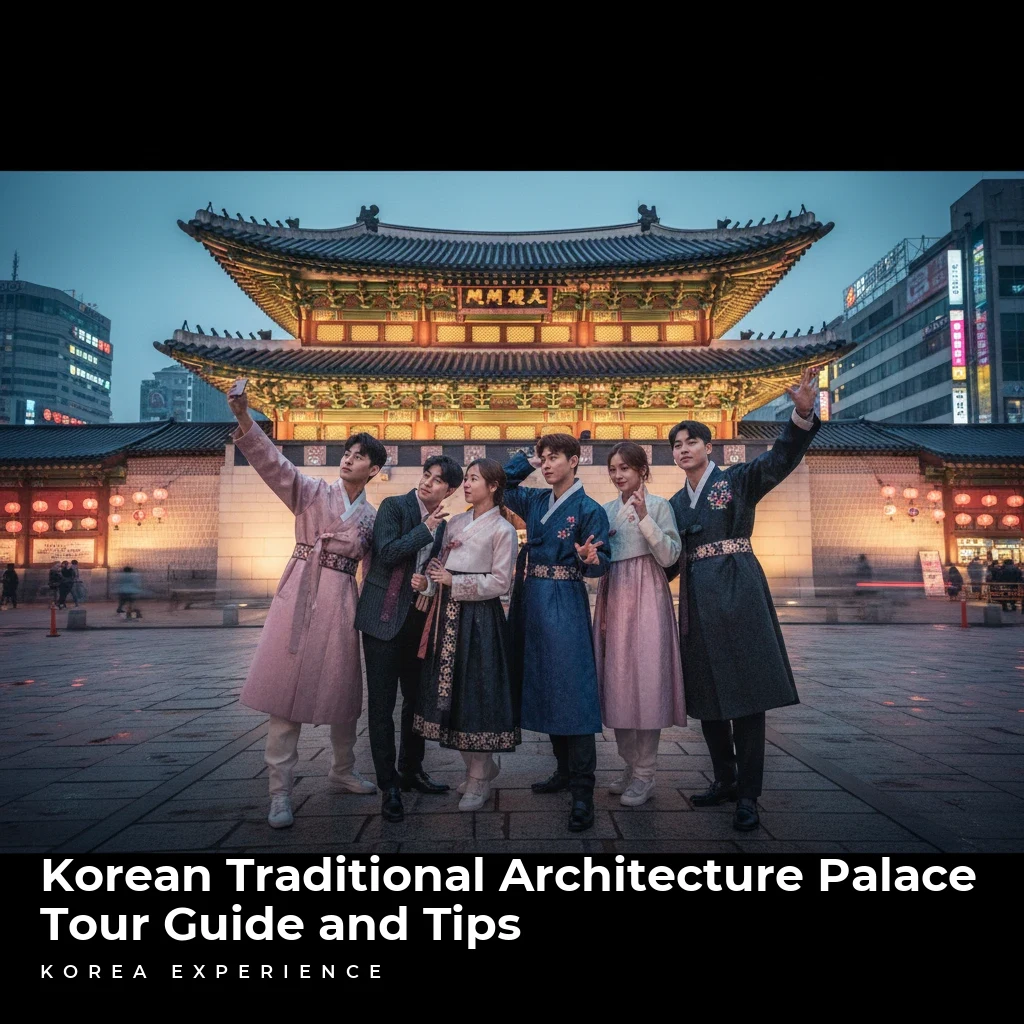
  • Gwanghwamun Gate: The majestic main entrance to Gyeongbokgung, facing south. This imposing gate, flanked by mythical Haechi statues (lion-like creatures that ward off evil), is a significant symbol of Korea. Don't miss the Royal Guard Changing Ceremony performed here.
  • Heungnyemun Gate and Geunjeongmun Gate: Beyond Gwanghwamun, these gates lead to the main courtyard.
  • Geunjeongjeon Hall: The throne hall and the most important building in Gyeongbokgung, designated National Treasure No. 223. This grand structure, atop a two-tiered stone platform, was where official state functions, coronations, and foreign receptions took place. Observe the intricate Dancheong patterns and the subtle differences in the stone carvings around the platform, indicating hierarchy.
  • Gyeonghoeru Pavilion: A stunning two-story pavilion set in a lotus pond, National Treasure No. 224. This was where the king held banquets for foreign envoys and his court during auspicious occasions. Its harmonious design and reflective setting make it incredibly picturesque, especially during spring and autumn.
  • Hyangwonjeong Pavilion: A charming hexagonal pavilion located on a small island in the palace's rear garden. Accessible via a quaint wooden bridge, Chwihyanggyo, Hyangwonjeong offers a serene escape, embodying the Joseon ideal of connecting with nature.

Practical Visitor Information

  • Location: 161 Sajik-ro, Jongno-gu, Seoul.
  • Operating Hours: Generally 9:00 AM - 5:00 PM or 6:00 PM (closing times vary seasonally). Closed on Tuesdays. Check the official website for exact seasonal schedules.
  • Admission: Adults (19-64) 3,000 Korean Won. Free for children (under 6), seniors (65+), and those wearing a Hanbok.
  • Guided Tours: English tours are typically available a few times a day (e.g., 11:00 AM, 1:30 PM, 3:30 PM). These are highly recommended for deeper insights into history and architecture. Meet at the information center inside the Heungnyemun Gate.
  • Tour Tips: Allocate at least 2-3 hours to explore Gyeongbokgung thoroughly. Wear comfortable shoes. Consider renting a Hanbok (traditional Korean clothing) from nearby shops; wearing one grants free admission to all major palaces!

Combining Gyeongbokgung with Other Sites

Gyeongbokgung's prime location makes it an ideal starting point for exploring other cultural gems. The National Folk Museum of Korea is located within the palace grounds, offering a fascinating look into Korean daily life and traditions. Just across the street is the National Palace Museum of Korea, showcasing royal artifacts. The picturesque Bukchon Hanok Village and Samcheongdong-gil are also within walking distance, perfect for experiencing traditional Korean homes and charming cafes.

Changdeokgung Palace & Huwon: A UNESCO World Heritage Gem

Changdeokgung Palace, meaning "Prospering Virtue Palace," is often considered the most traditional and authentic of the Joseon palaces, revered for its masterful integration into the natural landscape. Built in 1405 as a secondary palace, it eventually became the primary royal residence for over 270 years, particularly after Gyeongbokgung's destruction. In 1997, Changdeokgung was designated a UNESCO World Heritage site, recognized for its outstanding architecture and garden design.

Palace Layout and Design

Unlike Gyeongbokgung's strictly linear and symmetrical layout, Changdeokgung's buildings are deliberately arranged to follow the undulating terrain, creating a more organic and intimate atmosphere.

  • Donhwamun Gate: The main gate, built in 1412, is the oldest palace gate in Seoul.
  • Injeongjeon Hall: The throne hall, characterized by its dignified simplicity and elegant Dancheong. State affairs, royal ceremonies, and coronations were held here.
  • Seonjeongjeon Hall: The king's official office, where he conducted daily meetings with officials. Its unique blue-tiled roof is a rare feature.
  • Huijeongdang Hall and Daejojeon Hall: The king's and queen's private residences, respectively, offering a glimpse into royal daily life.

The Secret Garden (Huwon)

The true crown jewel of Changdeokgung is the Huwon, or Secret Garden, also known as Biwon. This expansive, 78-acre garden occupies 60% of the palace grounds and is a masterpiece of landscape architecture. It features ponds, pavilions, wooded areas, and winding paths, all designed to blend seamlessly with nature. Access to Huwon is strictly limited to guided tours, ensuring its preservation and enhancing the sense of discovery.

  • Buyongji Pond and Buyongjeong Pavilion: A serene rectangular pond with a cross-shaped pavilion, built in harmony with nature. This was a favored spot for kings to relax and hold small banquets.
  • Aeryeonjeong Pavilion: A small, elegant pavilion built on a lotus pond, renowned for its simple yet beautiful design.
  • Jondeokjeong Pavilion: Featuring a distinctive double-eaved roof and an arched bridge.
  • Yeongyeongdang House: A modest residence built in the style of a scholar's house, rather than a palace building, used for royal family events and performances.

Visitor Information and Tour Booking

  • Location: 99 Yulgok-ro, Jongno-gu, Seoul.
  • Operating Hours: Generally 9:00 AM - 5:30 PM or 6:30 PM (seasonal variations). Closed on Mondays.
  • Admission: Adults 3,000 Korean Won for the palace grounds. Huwon tour requires a separate ticket (5,000 Korean Won for adults) and must be booked in advance or purchased on-site (limited availability). Huwon tours are guided-only and depart at specific times. English tours are usually available a few times a day.
  • Tour Tips: Book Huwon tickets online well in advance, especially during peak season, as they often sell out. The Huwon tour involves a fair amount of walking, so wear comfortable shoes. Allow at least 3 hours for the palace and Huwon combined.

Changgyeonggung Palace: Resilience and Transformation

Adjacent to Changdeokgung, Changgyeonggung Palace (meaning "Palace of Flourishing Gladness") was initially built in 1483 as a secondary residential palace for queens and concubines. Its history is marked by periods of tranquility, dramatic events, and unfortunate transformations, yet it stands today as a testament to the resilience of Korean heritage.

Historical Significance

Unlike the grandeur of Gyeongbokgung or the natural elegance of Changdeokgung, Changgyeonggung served more intimate, domestic roles. It was often where kings lived after abdicating and where royal family members resided. Its proximity to Changdeokgung allowed for easy communication between the two palaces. Tragically, during the Japanese colonial period, the palace was extensively damaged, some areas were dismantled, and a zoo and botanical garden were installed, renaming it "Changgyeongwon." Post-liberation, significant restoration efforts have been made to reclaim its original identity as a royal palace.

Unique Features and Atmosphere

  • Myeongjeongjeon Hall: The main hall, notable for its modest scale compared to other palaces, reflecting its original residential purpose. It is the oldest remaining main hall of any Joseon palace, built in 1484.
  • Chunghuidang: A smaller hall, once used as a study and private residence.
  • Daesil: Royal residences that offer a glimpse into the intimate lives of the royal family.
  • Oktcheongyo Bridge: This ancient stone bridge, built in 1483, crosses a small stream, serving as a beautiful architectural feature and a gateway to the main halls.

Atmospheric Night Tours

Changgyeonggung offers a uniquely atmospheric experience through its special night opening periods, typically during spring and autumn. Lit by traditional lanterns, the palace takes on a magical, ethereal quality, allowing visitors to experience its ancient beauty in a different light. These tickets are highly sought after and often require advance booking. Check the official Cultural Heritage Administration website for specific dates and booking procedures. Visiting during the day still offers a more serene and less crowded experience than Gyeongbokgung, making it ideal for those seeking a peaceful stroll.

Deoksugung Palace: A Blend of Eras

Deoksugung Palace, meaning "Palace of Virtuous Longevity," holds a distinct place among Korea's royal residences. While smaller than Gyeongbokgung or Changdeokgung, its history is particularly poignant as it was the temporary residence for King Gojong, the last monarch of the Joseon Dynasty and the first Emperor of the Korean Empire, during a tumultuous period of modernization and foreign intervention. This era is visibly reflected in its unique architectural blend of traditional Korean and Western styles.

East Meets West Architecture

Deoksugung is celebrated for its harmonious, albeit striking, juxtaposition of traditional wooden halls and stately Western-style stone buildings, a rare sight within a Korean palace complex.

  • Junghwajeon Hall: The main throne hall, constructed in the traditional style, where King Gojong held his official audiences. Its ornate Dancheong and double-eaved roof are exemplary.
  • Seokjojeon Hall: A grand neoclassical stone building, designed by a British architect, which served as King Gojong's residence and reception hall. Today, it houses the National Museum of Modern and Contemporary Art, Deoksugung, showcasing early 20th-century Korean art, and a replica of the Korean Empire's Imperial Office.
  • Jeonggwanheon Pavilion: An exquisite Western-style pavilion with traditional Korean decorative motifs, like bats and pine trees. This was King Gojong's favorite place for tea and diplomatic receptions, offering a panoramic view of the palace grounds. It beautifully symbolizes Korea's attempt to embrace modernity while retaining its heritage.

The Royal Guard Changing Ceremony

A major draw at Deoksugung is the Royal Guard Changing Ceremony, a vibrant and colorful reenactment that takes place three times a day (11:00 AM, 2:00 PM, 3:30 PM), except on Mondays and in extremely bad weather. Performed at the Daehanmun Gate, this ceremony offers a glimpse into Joseon-era military traditions, complete with traditional costumes, weapons, and musical instruments. It's an excellent photo opportunity and a lively historical spectacle.

Visitor Information and Culture

  • Location: 99 Sejong-daero, Jung-gu, Seoul.
  • Operating Hours: Generally 9:00 AM - 9:00 PM. Closed on Mondays.
  • Admission: Adults 1,000 Korean Won.
  • Tour Tips: Arrive early for the Royal Guard Changing Ceremony to secure a good viewing spot. The palace's longer operating hours make it a good option for an evening visit, especially after the crowds have thinned. The Seoul Museum of History is a short walk away, providing further context on the city's development.

Jongmyo Shrine: A Sacred Ancestral Legacy

While not a palace in the residential sense, Jongmyo Shrine is an indispensable component of the royal complex and a profound example of Joseon dynasty architecture. This UNESCO World Heritage site is the oldest and most authentic royal Confucian ancestral shrine, dedicated to the ancestral tablets of the Joseon kings and queens. Its stark simplicity, in stark contrast to the palaces' vibrancy, evokes a sense of solemn reverence.

Architectural Simplicity and Grandeur

Jongmyo's architecture is a testament to Confucian ideals of austerity and dignity. The emphasis is on linear expansion and a profound sense of quietude.

  • Jeongjeon Hall: The main hall, an exceptionally long and low wooden structure, houses the ancestral tablets of the most revered kings and queens. Its extended eaves and single-story design create an imposing yet humble appearance. The simplicity of its Dancheong and lack of elaborate ornamentation underscore its sacred purpose.
  • Yeongnyeongjeon Hall (Hall of Eternal Peace): A smaller, parallel hall housing the tablets of kings whose posthumous titles were deemed less significant. Its design mirrors Jeongjeon but on a slightly smaller scale.
  • Gongsincheong and Jeonsacheong: Auxiliary buildings used for preparing offerings and housing meritorious subjects' tablets.

Rites and Rituals (Jongmyo Jeryeak)

Jongmyo is not just a building; it is the site of the Jongmyo Jeryeak, an elaborate and ancient ritual of ancestral worship, comprising music, song, and dance. This ritual, designated a UNESCO Intangible Cultural Heritage of Humanity, is performed annually (usually in May) and offers a rare opportunity to witness a living tradition of immense historical and cultural value. Even outside of the annual ceremony, the profound quietness of the shrine allows for reflection on the Joseon kings' legacies.

UNESCO Heritage and Visiting Tips

  • Location: 19 Jong-ro, Jongno-gu, Seoul.
  • Operating Hours: Generally 9:00 AM - 5:00 PM or 6:00 PM. Closed on Tuesdays.
  • Admission: Adults 1,000 Korean Won.
  • Guided Tours: Jongmyo is accessible primarily through guided tours (English tours typically available several times a day). This is crucial as the guides provide invaluable context about the complex rituals and the significance of each section. Independent entry is usually only permitted on Saturdays.
  • Tour Tips: The atmosphere is solemn; visitors are encouraged to maintain a respectful silence. Combine a visit to Jongmyo with Changdeokgung Palace, as they are relatively close and often covered by the integrated Palace Pass.

Planning Your Ultimate Korean Palace Tour

Embarking on a palace tour in Seoul is a highlight for any visitor. With a little planning, you can maximize your experience and immerse yourself fully in Korea's royal heritage.

Palace Comparison Table

FeatureGyeongbokgung PalaceChangdeokgung PalaceChanggyeonggung PalaceDeoksugung PalaceJongmyo Shrine
Main DrawGrandest & most iconic, Royal Guard Changing CeremonyUNESCO site, Secret Garden (Huwon), harmonious with natureTranquil, night tours, intimate royal residencesEast-meets-West architecture, Royal Guard CeremonyUNESCO ancestral shrine, solemn, ritual site
ArchitectureFormal, symmetrical, grandOrganic, blends with terrain, natural layoutResidential focus, oldest main hall (Myeongjeongjeon)Blend of traditional Korean and WesternAustere, linear, Confucian simplicity
Key HighlightsGwanghwamun, Geunjeongjeon, GyeonghoeruHuwon (Secret Garden), Injeongjeon, SeonjeongjeonMyeongjeongjeon, Oktcheongyo BridgeSeokjojeon, Jeonggwanheon, JunghwajeonJeongjeon, Yeongnyeongjeon
Admission3,000 KRW (Adult)3,000 KRW (Palace) + 5,000 KRW (Huwon Tour)1,000 KRW (Adult)1,000 KRW (Adult)1,000 KRW (Adult, guided tours)
Closed DayTuesdayMondayMondayMondayTuesday
Avg. Visit Time2-3 hours3-4 hours (incl. Huwon)1.5-2 hours1.5-2 hours1 hour (guided tour)
Hanbok Free EntryYesYes (for palace, not Huwon tour)YesYesYes

Ticket Information and Integrated Passes

For visitors planning to see multiple palaces, the Integrated Palace Pass (or Royal Palace Pass) is an excellent value.

  • Five Palaces & Jongmyo Shrine Pass: This pass (10,000 Korean Won) grants admission to Gyeongbokgung, Changdeokgung (excluding Huwon), Changgyeonggung, Deoksugung, and Jongmyo Shrine, and is valid for three months. It offers significant savings compared to individual tickets.
  • Huwon (Secret Garden) Ticket: Remember, the Huwon tour at Changdeokgung requires a separate reservation and payment.
  • Hanbok Rental: As mentioned, wearing traditional Korean clothing (Hanbok) grants free admission to all major palaces. Numerous rental shops operate around Gyeongbokgung, Changdeokgung, and Bukchon Hanok Village. Prices typically range from 15,000 to 50,000 Korean Won for a few hours, depending on the style and quality.

Best Time to Visit

  • Seasons: Spring (April-May) and Autumn (September-October) offer the most pleasant weather and stunning scenery, with cherry blossoms in spring and vibrant foliage in autumn. Summers can be hot and humid, while winters are cold.
  • Weekdays vs. Weekends: Weekdays are generally less crowded, especially outside of school holidays. Weekends, particularly Sunday afternoons, can be very busy, especially at Gyeongbokgung.
  • Early Mornings or Late Afternoons: To avoid peak crowds, aim to arrive shortly after opening or in the late afternoon. Deoksugung's extended evening hours make it a good option for a quieter visit.

Cultural Experiences and Guided Tours

  • Hanbok Rental: Beyond free entry, wearing a Hanbok truly enhances the palace experience, allowing you to step back in time and take memorable photos.
  • Official Guided Tours: Almost all palaces offer free English guided tours at set times. These tours provide invaluable historical context, architectural insights, and often humorous anecdotes that you wouldn't get from just wandering around. Check the official palace websites for tour schedules.
  • Audio Guides: If a guided tour doesn't fit your schedule, audio guides are available for rent at most palaces.

Accessibility and Etiquette

  • Accessibility: Most palaces have paved paths, but some areas, especially in the gardens or less-restored sections, might involve uneven terrain or stairs. Check individual palace websites for specific accessibility information.
  • Etiquette: Palaces are historical sites. Dress modestly and show respect. Photography is generally allowed, but be mindful of others and avoid disrupting guided tours. Do not touch or climb on historical structures.
  • Food and Drink: Eating and drinking are generally restricted to designated areas.
  • Transportation: All palaces are easily accessible by Seoul's excellent subway system. Look for stations like Gyeongbokgung Station (Line 3), Anguk Station (Line 3 for Changdeokgung/Changgyeonggung), and City Hall Station (Line 1 & 2 for Deoksugung).

FAQ Section

Q1: Which Korean palace is best for a first-time visitor? A1: Gyeongbokgung Palace is highly recommended for first-timers. It's the largest, most centrally located, and offers the most comprehensive introduction to Joseon palace architecture and history, complete with the Royal Guard Changing Ceremony.

Q2: Can I wear a Hanbok to visit the palaces? A2: Yes, absolutely! Wearing a Hanbok (traditional Korean clothing) grants you free admission to all major palaces (Gyeongbokgung, Changdeokgung, Changgyeonggung, Deoksugung, and Jongmyo Shrine). There are many Hanbok rental shops around the palace areas.

Q3: Are guided tours available in English? A3: Yes, all major palaces offer free English guided tours at specific times throughout the day. These tours are highly recommended for gaining deeper insights into the palace's history, architecture, and cultural significance. Check the official palace websites for schedules.

Q4: How much time should I allocate for a palace visit? A4: For Gyeongbokgung, allocate 2-3 hours. For Changdeokgung and its Secret Garden (Huwon), plan for 3-4 hours due to the guided Huwon tour. For the smaller palaces like Changgyeonggung and Deoksugung, 1.5-2 hours each is usually sufficient. Jongmyo Shrine's guided tour takes about an hour.

Q5: What's the best way to get around between palaces? A5: Seoul's subway system is the most efficient way to travel between palaces. Many are within walking distance of each other (e.g., Changdeokgung, Changgyeonggung, and Jongmyo Shrine are relatively close), or a short subway ride away. Taxis are also readily available.

Conclusion

Embarking on a Korean Traditional Architecture Palace Tour Guide is more than just sightseeing; it's a journey into the heart of Korea's heritage. Each palace, with its unique story and architectural nuances, offers a distinct window into the lives of kings, queens, and the enduring spirit of the Joseon Dynasty. From the grand, formal layouts of Gyeongbokgung to the organic harmony of Changdeokgung's Secret Garden, the resilience of Changgyeonggung, the East-meets-West blend of Deoksugung, and the solemn reverence of Jongmyo Shrine, these sites collectively paint a vivid picture of a rich and complex past.

We hope this guide empowers you to explore these magnificent structures with confidence and a deeper appreciation. Remember to wear comfortable shoes, consider renting a Hanbok for an immersive experience, and utilize the excellent guided tours to unlock the palaces' many secrets. So, plan your itinerary, step through the ancient gates, and let the whispers of history guide you through the majestic world of Korea's royal palaces. Your unforgettable Korean cultural adventure awaits!

About the Author

Korea Experience Team

Written by the Korea Experience editorial team - experts in Korean medical tourism, travel, and culture with years of research and firsthand experience.

⚠️ Medical Disclaimer

The information provided on this website is for general informational purposes only and does not constitute medical advice. Always consult with qualified healthcare professionals before making any medical decisions.

Continue Reading

Explore more articles you might find interesting