LASIK and LASEK Eye Surgery in Korea Complete Guide 2026
Considering LASIK or LASEK eye surgery in Korea? Discover world-class clinics, advanced technology, costs, and a step-by-step guide for your vision correction journey.
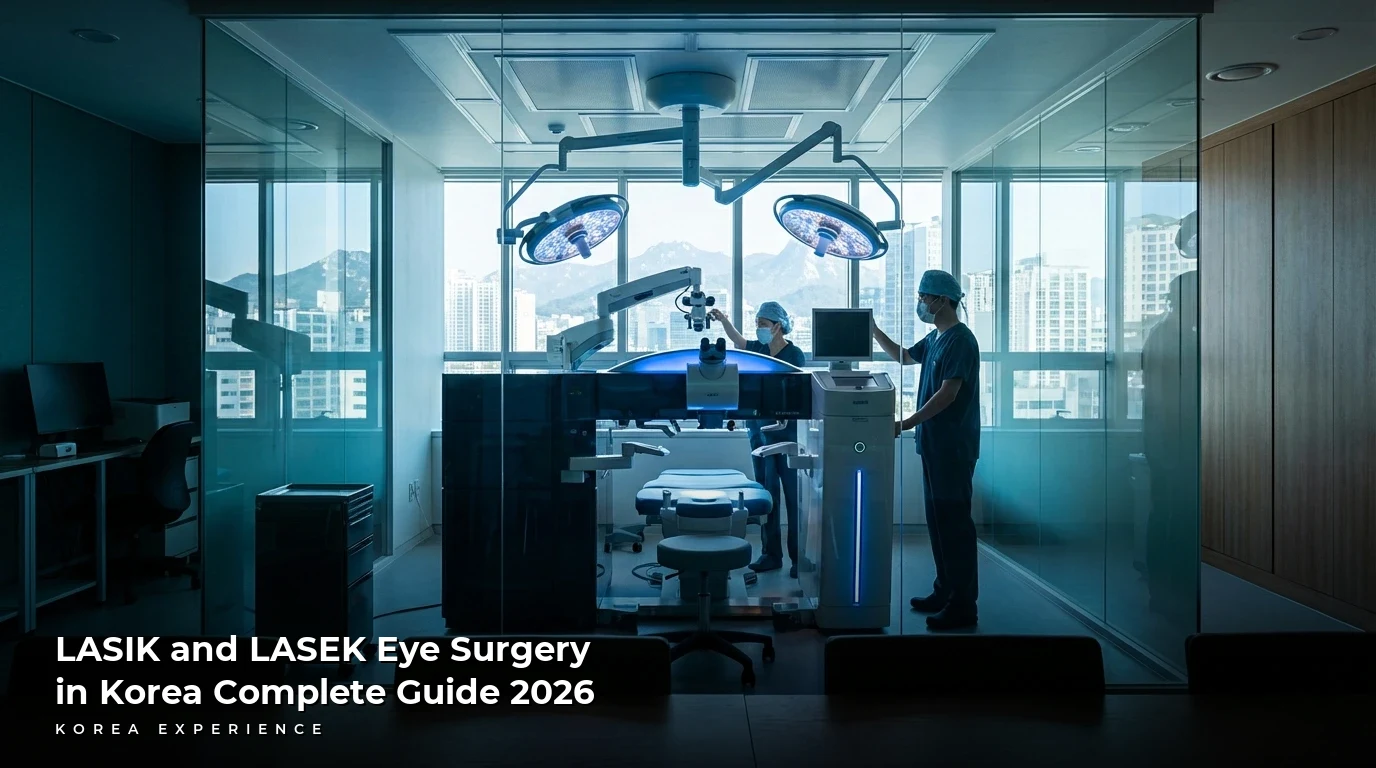
Achieve Perfect Vision with LASIK and LASEK Eye Surgery in Korea A 2026 Guide
The desire for crystal-clear vision, free from the daily hassle of glasses or contact lenses, is a dream shared by many. For those seeking a permanent solution to refractive errors, LASIK and LASEK eye surgery offer life-changing results. And when it comes to advanced, reliable, and patient-focused eye care, South Korea stands at the forefront.
As a global leader in medical innovation and technology, Korea has become a prime destination for medical tourists seeking various procedures, including highly specialized vision correction surgeries. This comprehensive guide will walk international travelers and expats through everything they need to know about undergoing LASIK and LASEK eye surgery in Korea in 2026, from understanding the procedures and choosing the right clinic to budgeting for costs and navigating the entire experience. Prepare to embark on a journey towards a clearer future.
Why Choose Korea for Your Eye Surgery Journey?
South Korea has cemented its reputation as a world-class hub for medical tourism, particularly for sophisticated procedures like LASIK and LASEK. Several compelling factors contribute to its popularity among international patients.
World-Class Technology and Expertise
Korean eye clinics are equipped with the latest generation of laser technology and diagnostic tools, often updated more frequently than those in many Western countries. Surgeons in Korea are highly skilled, frequently performing a large volume of procedures, which translates to extensive experience and refined techniques. They are often at the cutting edge of research and development in ophthalmology.
Competitive Pricing and Value
While maintaining exceptionally high standards, the cost of LASIK and LASEK in Korea is often significantly more competitive than in North America, Europe, or other developed nations. This affordability, combined with the advanced technology and expert care, offers incredible value, making high-quality vision correction accessible to a broader international audience.
Medical Tourism Infrastructure
Korea boasts a robust infrastructure designed to cater to international patients. Many clinics have dedicated international departments with English-speaking coordinators, translators, and staff who assist with everything from initial inquiries and appointments to post-operative care and travel logistics. This makes the entire process remarkably smooth and stress-free for non-Korean speakers.
Efficient Process and High Standards
Korean medical facilities are renowned for their efficiency. Appointments are typically punctual, diagnostic tests are thorough and swift, and the surgery itself is a streamlined process. Furthermore, the country's stringent medical regulations ensure that clinics adhere to the highest safety and quality standards.
Understanding LASIK and LASEK What's the Difference?
Before diving into clinic specifics, it is crucial to understand the fundamental differences between LASIK and LASEK, as the suitability of each procedure depends on individual eye conditions and lifestyle.
LASIK Laser-Assisted In Situ Keratomileusis
LASIK is the most common type of refractive surgery. It involves creating a thin, hinged flap in the cornea using a microkeratome blade or a femtosecond laser. This flap is then gently lifted, and an excimer laser reshapes the underlying corneal tissue to correct vision. The flap is then repositioned, where it naturally re-adheres without stitches.
- Pros: Rapid visual recovery (often within 24 hours), minimal discomfort, suitability for a wide range of prescriptions.
- Cons: Potential for flap-related complications (though rare), not suitable for very thin corneas or certain corneal conditions.
LASEK Laser Epithelial Keratomileusis and PRK
LASEK and Photo-Refractive Keratectomy (PRK) are surface ablation techniques that do not create a permanent corneal flap. Instead, the outermost layer of the cornea (epithelium) is either removed (PRK) or temporarily displaced (LASEK) before the excimer laser reshapes the corneal surface. The epithelium then grows back naturally over a few days.
- Pros: No flap-related complications, suitable for patients with thinner corneas or those involved in contact sports, generally considered safer for certain eye conditions.
- Cons: Slower visual recovery (days to weeks), more post-operative discomfort for the first few days, requires longer use of protective contact lenses and eye drops.
Comparison Table LASIK vs. LASEK
| Feature | LASIK (Laser-Assisted In Situ Keratomileusis) | LASEK (Laser Epithelial Keratomileusis) / PRK |
|---|---|---|
| Procedure | Creates corneal flap, reshapes underlying tissue, replaces flap. | Removes/displaces epithelial layer, reshapes surface, epithelium regrows. |
| Recovery Time | Very fast (1-2 days for functional vision) | Slower (3-7 days for functional vision, weeks for full clarity) |
| Discomfort | Minimal | Moderate to significant for first few days |
| Best For | Most patients with healthy, thick corneas | Patients with thin corneas, dry eyes, high risk of eye trauma |
| Flap Risks | Present (rare, e.g., dislocation, infection) | None |
| Vision Stability | Usually stable quickly | Gradual improvement over weeks |
Top Eye Clinics and Hospitals in Korea for International Patients
Korea boasts numerous reputable eye clinics, many of which are well-versed in treating international patients. Here are a few prominent examples known for their excellent services and advanced technology as of 2026.
BGN Eye Clinic (Gangnam, Myeongdong, Busan, and more)
BGN Eye Clinic is one of the most popular choices for international patients due to its multiple branches across major cities like Seoul (Gangnam, Myeongdong, Gangbuk) and Busan. They are known for:
- Extensive Experience: Thousands of successful surgeries performed annually.
- Advanced Equipment: Utilizing cutting-edge laser systems like MEL 90, VISUMAX, and AMO.
- Multilingual Staff: Dedicated international coordination teams with English, Chinese, Japanese, and other language services.
- Comprehensive Packages: Often include pre-operative exams, surgery, and post-operative care in their pricing.
Example Location: BGN Eye Clinic Gangnam, located in the heart of Seoul's medical district, is easily accessible by subway (Gangnam Station).
bright eye clinic (Gangnam)
Located in the upscale Gangnam district, bright eye clinic has gained a strong reputation for its focus on precision and patient safety.
- Specialized Treatments: Offers a wide array of refractive surgeries, including customized LASIK, LASEK, SMILE, and ICL (Implantable Collamer Lens).
- Personalized Care: Emphasizes thorough pre-operative assessments to tailor the best surgical approach for each patient.
- High Satisfaction Rates: Frequently praised by international patients for its attentive service and successful outcomes.
Example Location: bright eye clinic is typically found near Gangnam Station, making it convenient for visitors.
Kim's Eye Hospital (Seoul)
While a larger general eye hospital rather than just a clinic, Kim's Eye Hospital is a highly respected institution with a long history of ophthalmic excellence.
- Comprehensive Services: Offers a full spectrum of eye care, including complex surgeries beyond just refractive procedures.
- Research and Development: Actively involved in ophthalmic research, ensuring they stay at the forefront of medical advancements.
- Reputation: One of the oldest and most trusted names in Korean ophthalmology.
Note: When choosing a clinic, always prioritize those with dedicated international departments, transparent pricing, and surgeons with extensive experience in your specific procedure. Reading recent reviews from other international patients can also provide valuable insights.
The Eye Surgery Process for International Patients A Step-by-Step Guide
Undergoing eye surgery in a foreign country might seem daunting, but Korea's organized medical system makes it a smooth experience.
Step 1 Initial Consultation and Eligibility Check (Remote or In-Person)
- Remote Inquiry: Most clinics offer online consultation forms or email services where you can provide basic information about your vision, medical history, and current prescription. They may request your most recent eye exam results.
- Initial Assessment: Based on this, the clinic will provide a preliminary assessment of your eligibility and suggest potential procedures.
- Booking: Once you decide to proceed, you'll schedule your in-person consultation and pre-surgery exams. It's advisable to arrive a few days before your scheduled surgery date to allow ample time for these crucial steps.
Step 2 Pre-Surgery Examinations and Counseling
This is the most critical step to determine your suitability and the best procedure. It typically takes a few hours and involves:
- Comprehensive Eye Exam: Measuring your prescription, corneal thickness and curvature (topography), pupil size, eye pressure, and checking for any underlying eye conditions.
- Corneal Mapping: Advanced imaging to create a detailed map of your cornea.
- Tear Film Assessment: To check for dry eye syndrome, which can impact recovery.
- Surgeon Consultation: You will meet with your surgeon to discuss the results, confirm the recommended procedure, explain the process, and address any concerns.
- Counseling: An international coordinator will explain the pre- and post-operative instructions, medication schedule, and follow-up plan.
Important: You will need to stop wearing soft contact lenses for at least 1-2 weeks (longer for hard lenses) before your pre-operative exams to ensure accurate measurements.
Step 3 The Surgery Day What to Expect
On the day of your surgery:
- Arrival: Arrive at the clinic with a companion if possible. You'll be asked to sign consent forms.
- Preparation: Your eyes will be numbed with anesthetic eye drops, and your face will be cleaned and draped. An eyelid speculum will be used to gently hold your eye open.
- The Procedure: The actual laser application is remarkably quick, often lasting only a few seconds per eye. The entire process per eye (including flap creation for LASIK or epithelial removal for LASEK) usually takes less than 10-15 minutes. You'll be instructed to focus on a target light.
- Post-Surgery: After the procedure, you'll rest briefly. Your vision will likely be blurry, and you might experience some mild discomfort, tearing, or light sensitivity. You'll receive protective goggles or sunglasses and instructions for post-operative care and medication.
Step 4 Post-Operative Care and Follow-ups
This phase is crucial for proper healing and optimal results.
- Immediate Post-Op: You'll typically have a follow-up appointment the day after surgery to check your healing progress and vision. For LASEK, the protective contact lenses will often be removed during this visit or a few days later.
- Subsequent Follow-ups: Further follow-ups are usually scheduled for 1 week, 1 month, 3 months, and 6 months post-surgery. If you are traveling, clinics can often arrange a modified schedule or provide documentation for follow-up with your local ophthalmologist back home.
- Medication: You will be prescribed various eye drops (antibiotics, anti-inflammatory, lubricating) that must be administered precisely as instructed.
- Restrictions: You'll need to avoid rubbing your eyes, swimming, heavy exercise, eye makeup, and dusty environments for a specified period. Protective eyewear, especially at night, is usually recommended for the first week.
Step 5 Recovery Timeline and Tips
- LASIK: Most patients experience significantly improved vision within 24 hours. Full visual recovery can take a few days to weeks.
- LASEK/PRK: Vision gradually improves over several days, with initial blurriness and light sensitivity. Full stabilization can take several weeks or even months.
- Tips:
- Rest your eyes immediately after surgery.
- Follow all eye drop instructions diligently.
- Wear protective sunglasses outdoors, even on cloudy days.
- Stay hydrated and eat a healthy diet.
- Avoid screens for extended periods during initial recovery.
Cost of LASIK and LASEK in Korea 2026 Prices and Inclusions
One of the most attractive aspects of undergoing eye surgery in Korea is the excellent balance of quality and cost. While exact prices can vary by clinic, technology used, and individual eye condition, here's an estimated range for 2026.
General Price Ranges
- Standard LASIK/LASEK: Expect to pay approximately ₩1,500,000 to ₩2,500,000 (roughly 1,100 USD to 1,900 USD) per eye.
- Customized/Advanced Procedures (e.g., Wavefront-optimized, SMILE): These can range from ₩2,500,000 to ₩4,000,000 (roughly 1,900 USD to 3,000 USD) per eye.
Factors Affecting Cost:
- Clinic Reputation and Location: Highly sought-after clinics in prime areas like Gangnam may be slightly pricier.
- Technology Used: Newer, more advanced laser platforms often come at a premium.
- Surgeon's Experience: Fees may reflect the surgeon's expertise.
- Inclusions: What's covered in the package can vary significantly.
What's Usually Included
Most comprehensive packages for international patients typically include:
- Pre-operative examinations and consultations.
- The surgery itself.
- Post-operative medications (eye drops for the initial recovery period).
- Follow-up appointments for the first few weeks or months.
- English-speaking staff assistance throughout the process.
What's NOT always included:
- Accommodation and travel expenses.
- Additional treatments for underlying conditions (e.g., severe dry eyes requiring specialized care).
- Long-term follow-ups beyond the initial few months.
Comparison Table Korea vs. Other Countries (Estimated Prices per Eye)
These are general estimates for standard LASIK/LASEK and can vary widely based on location, clinic, and specific procedure.
| Country | Estimated Price Range (USD per eye) | Notes |
|---|---|---|
| South Korea | $1,100 - $3,000 | High tech, skilled surgeons, excellent value |
| United States | $2,000 - $4,500+ | Varies significantly by state and clinic |
| United Kingdom | $2,500 - $5,000+ | Often includes extensive aftercare |
| Japan | $1,800 - $3,500 | Similar high standards to Korea, potentially higher |
| Thailand | $1,000 - $2,500 | Emerging medical tourism destination |
Tips for Budgeting and Payment
- Get Detailed Quotes: Always request a full breakdown of costs from potential clinics, clearly stating what is included and excluded.
- Currency Exchange: Be aware of the current Korean Won (₩) exchange rates to accurately estimate costs in your home currency.
- Payment Methods: Most clinics accept major credit cards (Visa, MasterCard) and international bank transfers. Confirm acceptable payment methods in advance.
- Travel Insurance: Consider purchasing comprehensive travel and medical insurance that might cover complications, though elective surgery is rarely covered.
Practical Tips for Your Medical Journey in Korea
Making the most of your medical trip to Korea involves more than just the surgery itself. Here are some insider tips for a smooth experience.
Accommodation and Transportation
- Stay Central: Areas like Gangnam, Myeongdong, and Hongdae in Seoul offer excellent access to clinics, hotels, and public transportation (subway and bus).
- Subway System: Korea's subway system is efficient, clean, and has English signage. It's the best way to get around. T-Money cards (rechargeable transit cards) are highly recommended.
- Airport Transfer: Use the Airport Railroad Express (AREX) or limousine buses for convenient travel between Incheon International Airport (ICN) and Seoul.
Visa Requirements
- Check Entry Requirements: Depending on your nationality, you may need a visa to enter Korea. Research the latest visa policies for 2026 well in advance on the official Republic of Korea immigration website.
- Medical Visa: While most short-term medical tourists enter on a standard tourist visa, some may opt for a medical visa if their stay is longer or requires specific conditions. Consult with your chosen clinic, as they can sometimes provide invitation letters to support your visa application.
Communication and Language Services
- Translation Apps: While many clinics offer English services, having a translation app like Papago or Google Translate on your phone can be useful for general interactions.
- Clinic Coordinators: Leverage your clinic's international coordinators. They are your primary point of contact for all medical and logistical questions.
- Basic Korean Phrases: Learning a few basic phrases like "Annyeonghaseyo" (hello), "Gamsahamnida" (thank you), and "Jwesonghamnida" (excuse me/sorry) can enhance your experience.
Cultural Etiquette and Local Insights
- Respect: Koreans are generally very respectful. Bowing slightly when greeting or thanking someone is a common gesture.
- Dining: Tipping is not customary in Korea. Many restaurants offer excellent and affordable meals. Remember to remove your shoes when entering traditional restaurants or homes.
- Safety: Korea is generally very safe, even at night. However, standard travel precautions should always be observed.
Combining Surgery with Tourism
Many international patients combine their eye surgery trip with a vacation.
- Plan Ahead: Schedule your tourist activities before your surgery. Post-surgery, you'll have restrictions on screen time, heavy lifting, and water exposure.
- Gentle Tourism: After the initial recovery, gentle activities like exploring palaces (Gyeongbokgung Palace, Changdeokgung Palace), light shopping (Myeongdong, Hongdae), or visiting museums (National Museum of Korea) can be enjoyable.
- Internal Linking Opportunity: For more ideas on how to experience Korea's vibrant culture, cuisine, and attractions, explore our comprehensive guides on "Seoul's Hidden Gems" or "Korean Culinary Adventures."
Ensuring a Smooth and Safe Experience
Your safety and satisfaction are paramount. Taking proactive steps can greatly enhance your medical journey.
Choosing the Right Clinic
- Research Thoroughly: Don't rush your decision. Read reviews, compare services, and communicate with several clinics.
- Ask Questions: Don't hesitate to ask about the surgeon's experience, the specific technology used, the success rates, and the protocols for complications.
- Verify Certifications: Ensure the clinic and its surgeons are properly licensed and accredited.
Preparing for Your Trip
- Medical Records: Bring copies of your latest eye exam results and any relevant medical history.
- Prescriptions: If you're on any regular medication, bring enough for your trip and a doctor's note.
- Comfort Items: Pack comfortable clothes, good quality sunglasses (even if the clinic provides them), and anything else that helps you relax.
- Designated Driver/Companion: If possible, have someone accompany you, especially on surgery day and for the first few days of recovery.
Understanding Post-Surgery Restrictions
Strictly adhere to all post-operative instructions provided by your surgeon and clinic. Ignoring these can jeopardize your results and lead to complications. This includes:
- Avoiding water in the eyes.
- Not rubbing your eyes.
- Limiting screen time.
- Avoiding strenuous activities.
- Using all prescribed eye drops on schedule.
Emergency Contacts in Korea
While complications are rare, it's essential to know who to contact in an emergency.
- Ambulance/Medical Emergency: Dial 119 (similar to 911). Operators can connect you with medical services.
- Medical Information Center: For general medical consultation and interpretation services (including English), dial 1339.
Medical Disclaimer
The information provided in this guide is for general informational purposes only and does not constitute medical advice. It is essential to consult with a qualified ophthalmologist or medical professional to determine the suitability of LASIK or LASEK eye surgery for your individual condition. The author and publisher are not liable for any decisions made based on this information. Always seek the advice of your doctor or other qualified health provider with any questions you may have regarding a medical condition or treatment. Prices and services are subject to change by individual clinics.
Frequently Asked Questions (FAQ)
Q1: How long should I plan to stay in Korea for eye surgery?
A1: It's generally recommended to stay for at least 7-10 days. This allows sufficient time for comprehensive pre-operative exams, the surgery itself, and at least one to two crucial post-operative follow-ups before you travel back home.
Q2: Is there an age limit for LASIK or LASEK surgery?
A2: Most clinics require patients to be at least 18 years old, with a stable prescription for at least one to two years. There is no strict upper age limit, but older patients are carefully assessed for other age-related eye conditions like cataracts.
Q3: Can I wear contact lenses after my eye surgery?
A3: The goal of LASIK and LASEK is to eliminate the need for corrective lenses. However, in rare cases of residual refractive error or for specific activities, your doctor might approve certain types of contacts in the long term, but usually not for general vision correction after successful surgery.
Q4: What if I experience complications after returning to my home country?
A4: Reputable Korean clinics provide detailed post-operative instructions and often documentation for follow-up with your local ophthalmologist. In case of serious concerns, you should immediately contact your local eye doctor and also inform your Korean clinic for guidance.
Q5: Will my vision be 20/20 after the surgery?
A5: While many patients achieve 20/20 vision or better, it's not guaranteed for everyone. The aim is to significantly reduce or eliminate your dependence on glasses or contacts. Your surgeon will discuss realistic expectations during your consultation based on your specific eye condition.
Conclusion
Embarking on a journey for LASIK or LASEK eye surgery in Korea in 2026 is an investment in your vision and your future. With its blend of advanced technology, highly skilled surgeons, competitive pricing, and patient-centric medical tourism infrastructure, Korea offers an unparalleled experience for international patients.
By understanding the procedures, choosing a reputable clinic, and preparing adequately for your trip, you can confidently navigate the process. Imagine waking up each day with crisp, clear vision, ready to explore the world without limitations. Korea makes that dream a reality. Start planning your medical tourism adventure today, and step into a brighter, clearer tomorrow.
About the Author
Korea Experience Team
Written by the Korea Experience editorial team - experts in Korean medical tourism, travel, and culture with years of research and firsthand experience.
⚠️ Medical Disclaimer
The information provided on this website is for general informational purposes only and does not constitute medical advice. Always consult with qualified healthcare professionals before making any medical decisions.
Explore more in Medical Tourism
World-class medical procedures at competitive prices. From plastic surgery and dermatology to dental care and health checkups — your complete guide to medical tourism in Korea.
Browse All Medical Tourism ArticlesContinue Reading
Explore more articles you might find interesting
Unlock your guide to rhinoplasty in Korea for 2026. Discover costs, top clinics, procedures, and essential tips for a successful medical tourism journey.
South Korea offers world-class IVF with 50-60% success rates for under-35s at 30% of US costs. Here is the complete guide to clinics, costs, and care.
A complete guide to senior joint replacement and cataract surgery in Korea. Save 40-60% on robotic procedures with world-class care and recovery facilities.
A complete guide to high-BMI surgery in Korea. Discover specialized clinics, safety protocols for BMI 30+, and realistic cost estimates for 2026.
Explore 2026 male plastic surgery trends in Korea for jawline definition and gynecomastia. Discover top clinics, costs, and recovery insights for international patients interested in medical tourism.
A complete breakdown of Korea medical tourism packages for 2026. Discover costs, inclusions from surgery to accommodation, and hidden fees.